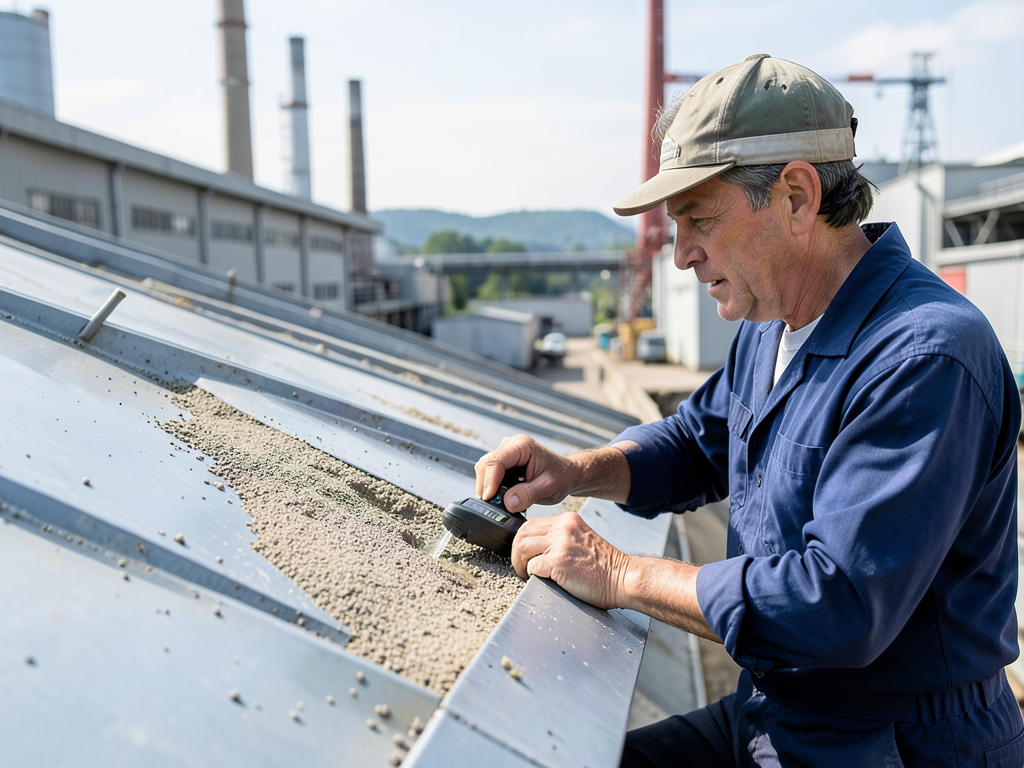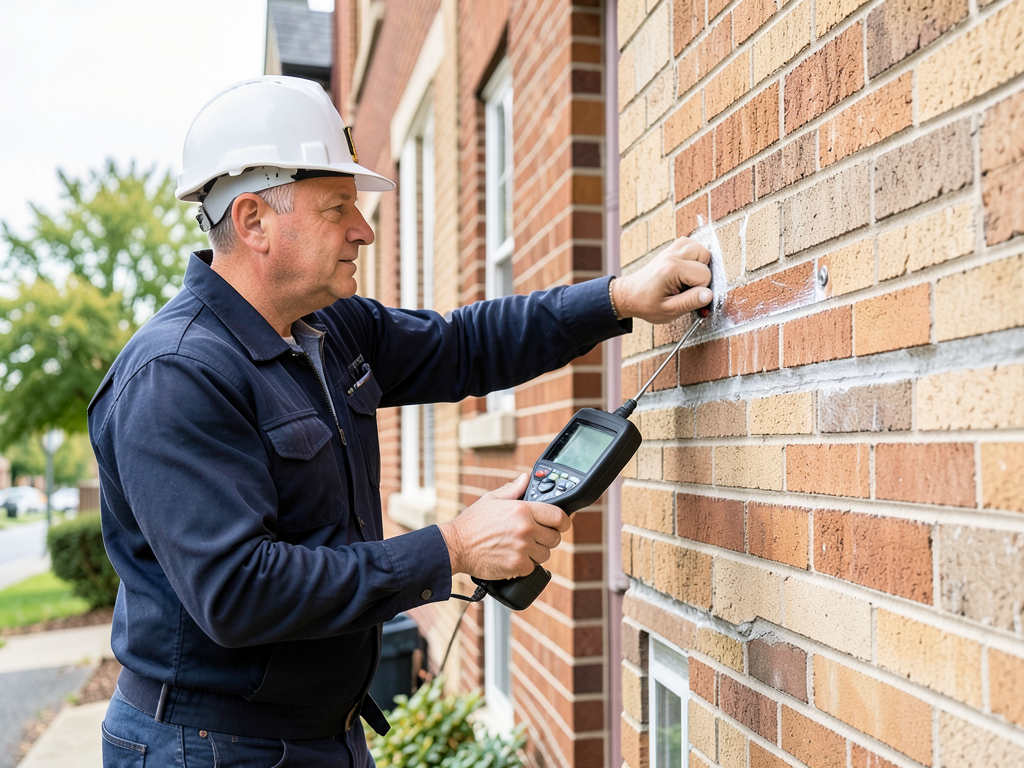



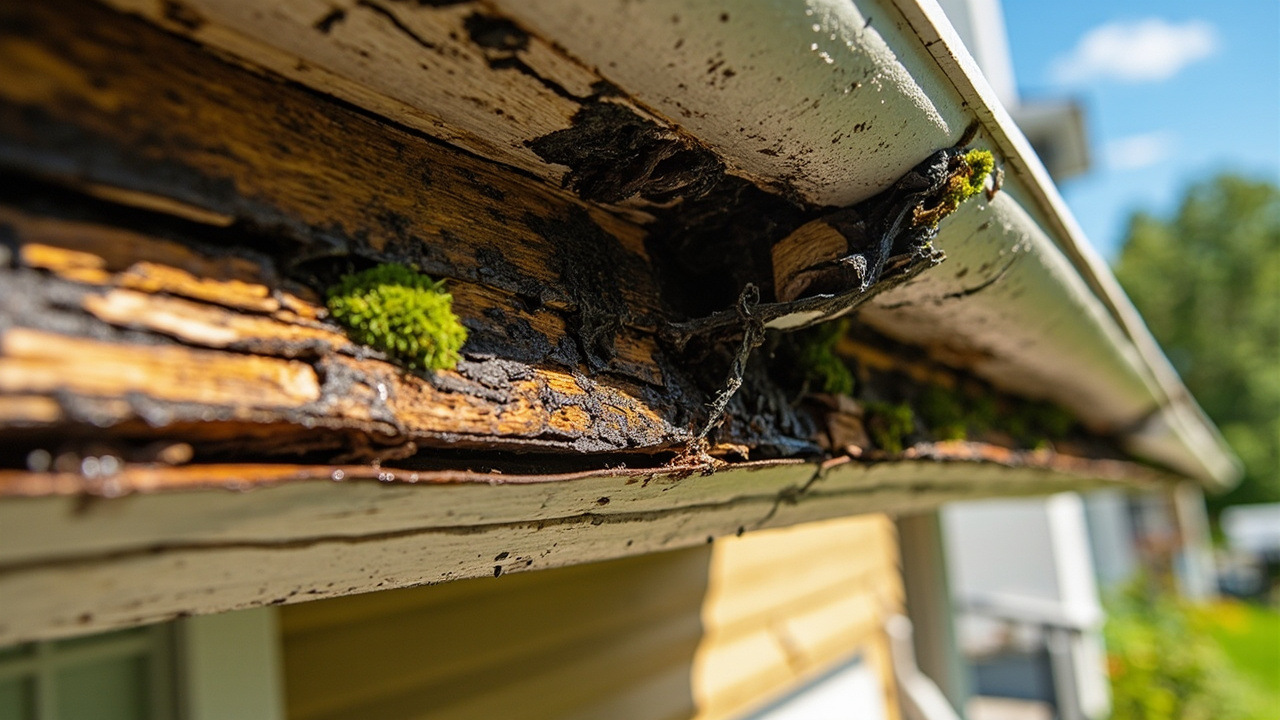

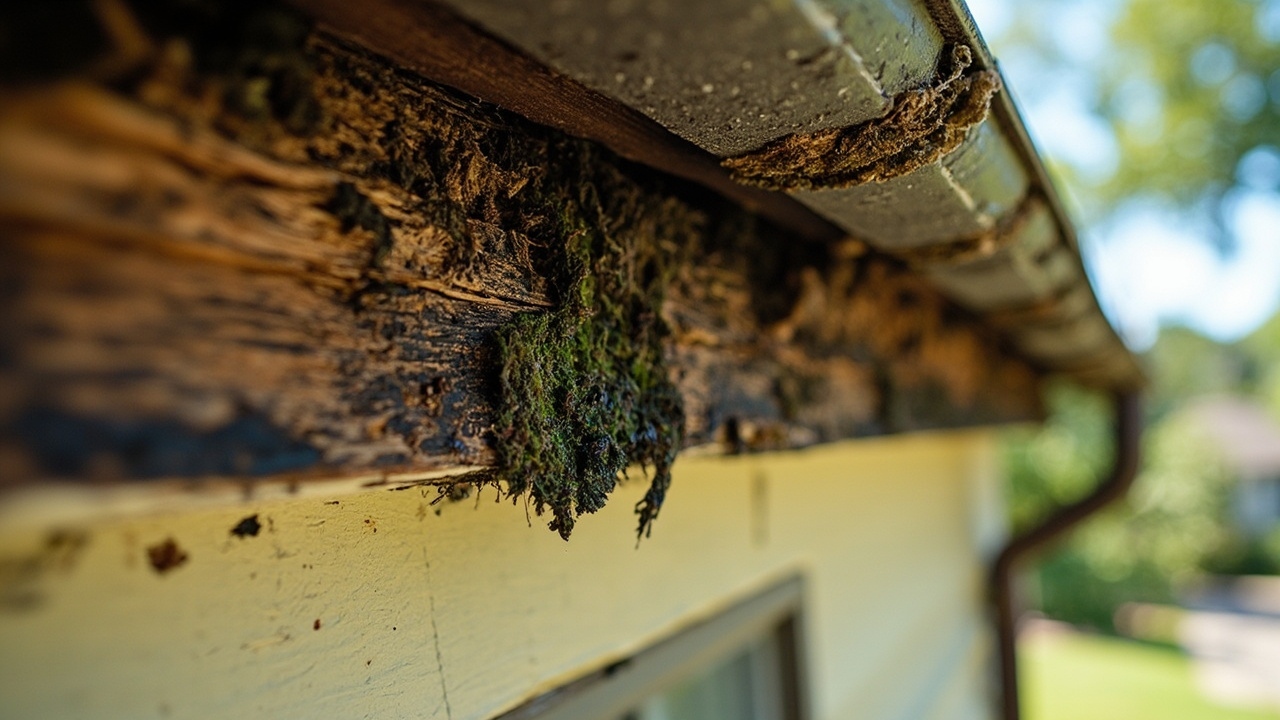
Pittsburgh's history as a steel and manufacturing hub left a legacy of acidic particulate deposits on older homes. Roofs in neighborhoods downwind from former mill sites, like Braddock or Homestead, often show accelerated wood decay because sulfur compounds from decades of industrial emissions remain in attic dust and roof residue. When rain mixes with these deposits, it creates a mildly acidic runoff that accelerates fascia board rot. Homes built before 1980 in these areas often need more frequent fascia inspections because the wood absorbed these compounds during the city's peak industrial years. Modern lumber treatments resist this type of chemical decay better than the original boards on these homes.
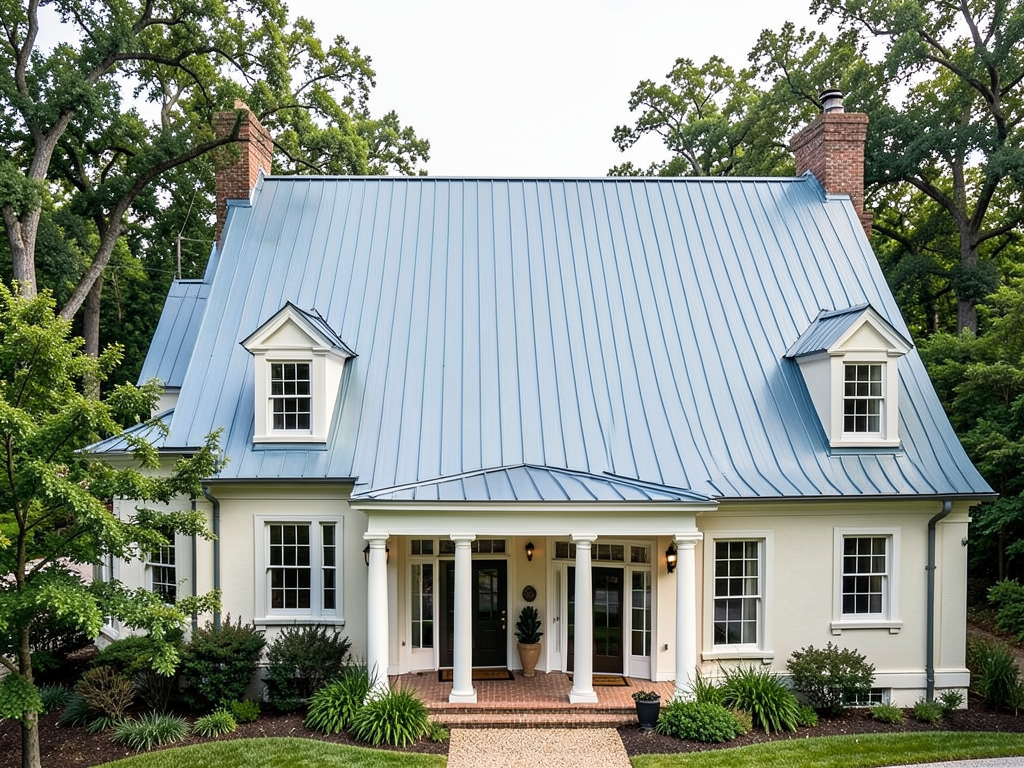
Victory Roofing Pittsburgh works with the city's historic preservation guidelines when repairing fascia on properties in designated districts like Deutschtown or Manchester. These neighborhoods require specific trim profiles and materials to maintain architectural character. We source period-appropriate lumber dimensions and match original details like crown molding or decorative brackets. We also understand Pittsburgh's building code requirements for fascia ventilation in attic spaces, which changed significantly after the 2015 code update. Proper fascia installation now requires specific air gaps to prevent moisture accumulation in cathedral ceilings and complex roof structures common in Pittsburgh's multi-gable homes.