
menu

Valley Leak Repair in Pittsburgh – Expert Diagnosis and Permanent Fixes for the Most Common Roof Failure Point

Victory Roofing Pittsburgh specializes in identifying and repairing the hidden causes of valley leak repair failures, from improper flashing installation to deteriorated sealant, protecting your home from the water damage that starts where two roof planes meet.

Slider Image 1
Slider Image 2
Slider Image 3
Slider Image 4
Slider Image 5
Slider Image 7
Slider Image 8
Slider Image 9
Slider Image 10
Slider Image 11

Why Valley Leaks Are Pittsburgh's Most Persistent Roofing Problem

Roof valleys channel more water than any other part of your roof. When two roof planes intersect, they create a natural gutter that funnels rain and snowmelt downward at high velocity. In Pittsburgh, where freeze-thaw cycles occur 40 to 50 times per winter, that water flow becomes a weapon against poorly installed or aging valley systems.

You notice the problem when water stains appear on your ceiling near where roof sections meet. Sometimes you see drips during heavy rain. Other times, you discover rot in your attic after the damage is already severe. The frustration comes from the fact that valley leaks often return after basic patch jobs because the underlying cause was never addressed.

Fixing roof valley leaks requires understanding why they fail in the first place. Most valley leaks stem from four issues. Flashing that was never properly lapped or sealed allows water to slip behind the metal. Ice dams form in valleys during Pittsburgh winters, forcing water under shingles. Debris accumulates where the two roof planes meet, creating standing water that finds every weak point. The sealant at roof valley joints deteriorates from UV exposure and temperature swings.

Patching roof valley leaks without addressing the installation method or material choice means you will face the same problem within months. The valley might look fine from the ground, but water does not care about appearances. It finds the path of least resistance, and in Pittsburgh's climate, that path is always through compromised valley flashing repair points. Repairing damaged roof valleys correctly means rebuilding the system to handle our specific weather patterns, not just covering the visible damage.

Why Valley Leaks Are Pittsburgh's Most Persistent Roofing Problem
How We Fix Valley Leaks the Right Way

How We Fix Valley Leaks the Right Way

We do not patch valleys. We rebuild them using methods that account for Pittsburgh's weather extremes. Our process starts with complete tear-off of the damaged valley section, exposing the deck underneath to check for rot or structural compromise. You cannot seal roof valley joints over rotted decking and expect a lasting repair.

Once we confirm the deck is sound or replace compromised sections, we install ice and water shield underlayment that extends 36 inches on both sides of the valley centerline. This self-sealing membrane creates a waterproof barrier independent of the metal flashing. Most failed valleys we inspect have underlayment that stops six inches from the centerline, leaving gaps where water infiltrates during ice dam conditions.

Next comes the flashing itself. We use either closed-cut or woven valley methods depending on your roof type and pitch. Closed-cut valleys get metal flashing with hemmed edges that prevent capillary action. Woven valleys interlock shingles from both roof planes, creating redundant water barriers. Both methods require precise shingle placement and nailing patterns. Nails too close to the valley centerline create puncture points where water enters.

Sealing roof valley joints means more than running a bead of caulk down the center. We use compatible sealants at every shingle overlap and flashing lap joint, creating a system where water has no entry point even under wind-driven rain. The final step involves testing the repair under simulated water flow to confirm drainage patterns match our design.

This level of detail separates permanent valley leak repair from temporary patches. Victory Roofing Pittsburgh treats every valley as a complete water management system, not just a cosmetic fix.

What Happens During Your Valley Leak Repair

Valley Leak Repair in Pittsburgh – Expert Diagnosis and Permanent Fixes for the Most Common Roof Failure Point
01

Diagnostic Inspection

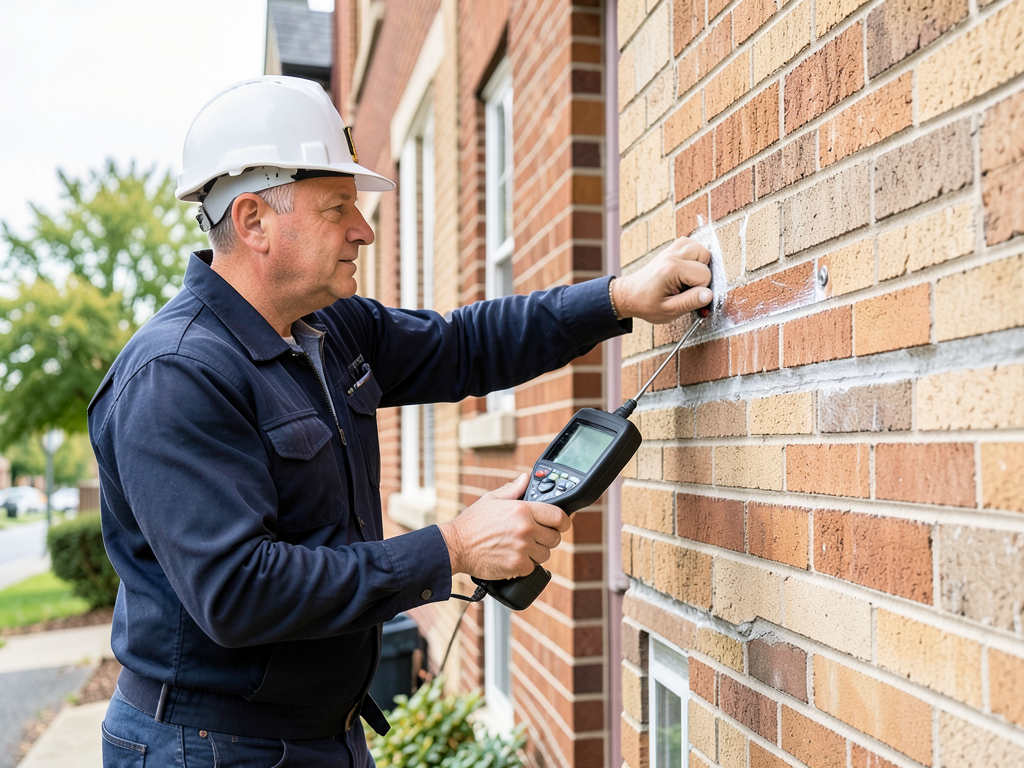
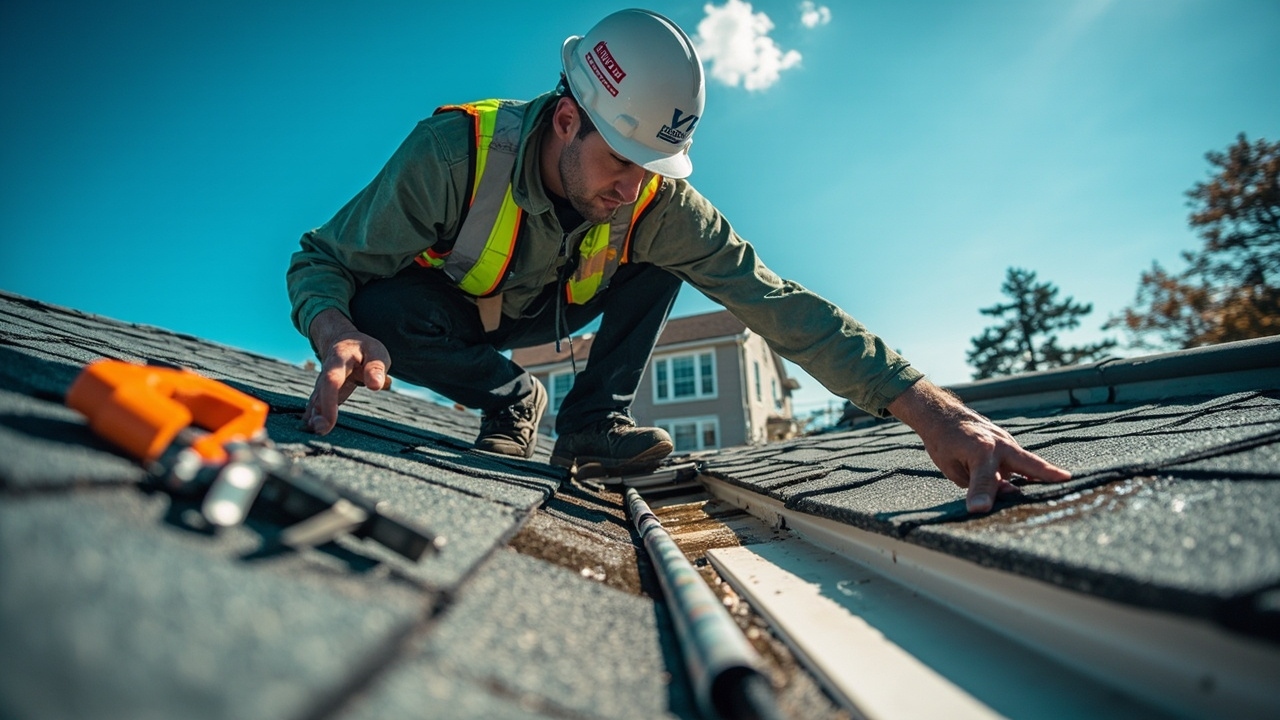
We access your roof to examine the valley from above and inspect your attic to trace water stains to their source. This dual approach reveals whether the leak originates from failed flashing, damaged shingles, or ice dam backup. We document every defect with photos and measurements, creating a repair plan based on the actual failure mode, not assumptions about what might be wrong.
02

Targeted Valley Reconstruction

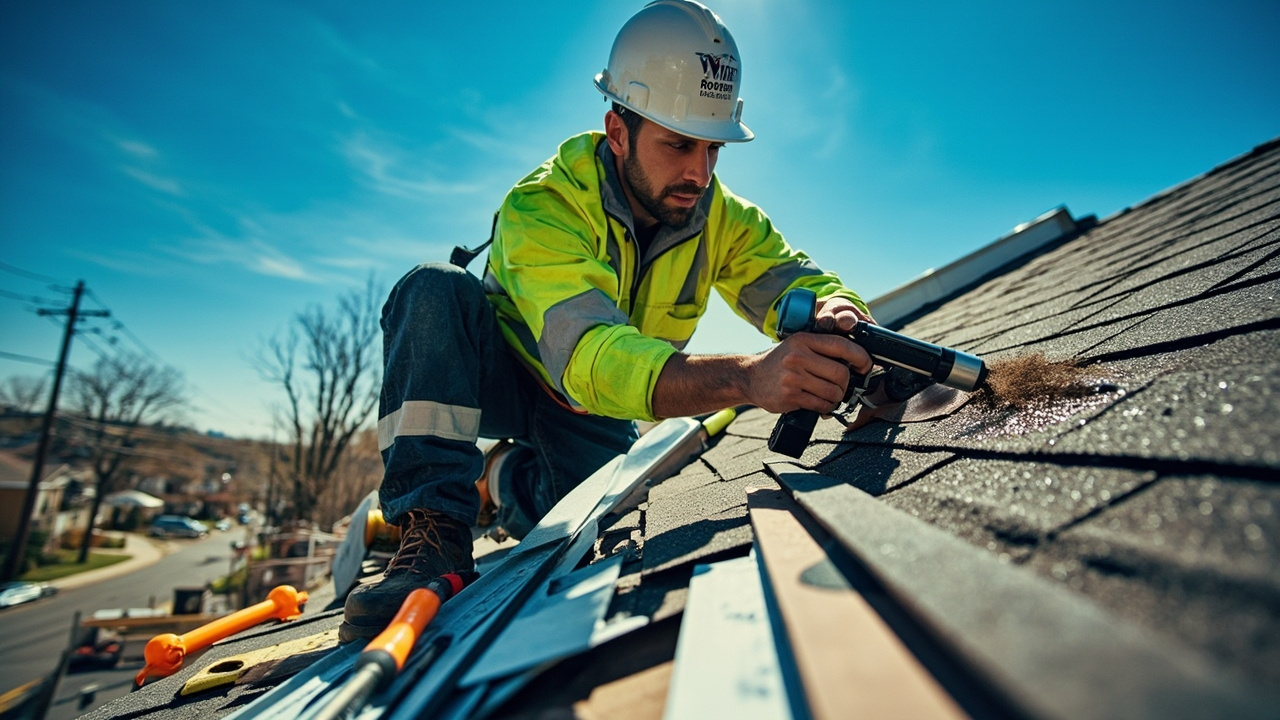
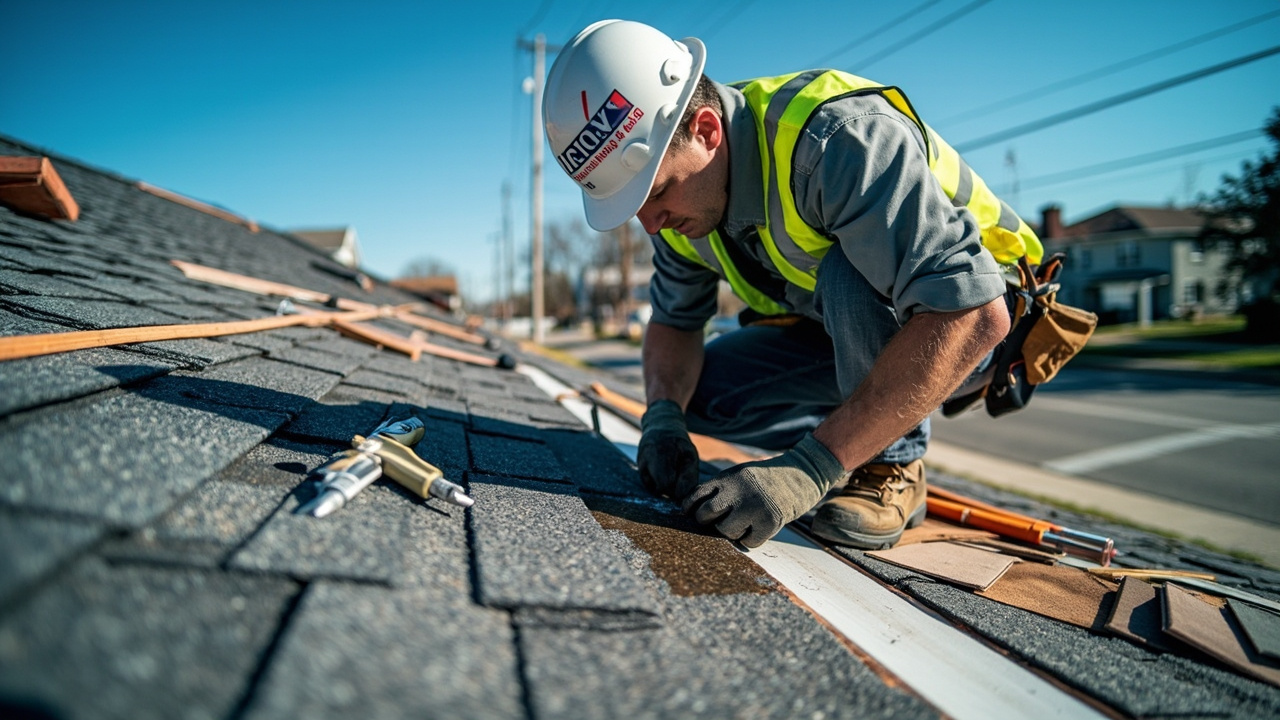
We remove only the compromised valley section, minimizing disruption to surrounding roof areas. After confirming deck integrity, we install waterproof underlayment and new flashing using the installation method your roof design requires. Every shingle gets placed according to manufacturer specifications for valley applications. We verify nail placement, sealant coverage, and metal lapping before moving to the next course. This precision prevents the shortcuts that cause valley leaks to return.
03

Water Flow Testing

Before we leave, we run water through the repaired valley at volumes that simulate heavy rain. This test confirms that water flows cleanly down the valley without backing up under shingles or pooling at joints. We inspect the attic during testing to verify no moisture penetrates the new installation. You get documentation of the completed repair with photos showing the installation details that protect your roof long-term.

Why Pittsburgh Homeowners Choose Victory Roofing for Valley Repairs

Valley leaks are diagnostic problems. The visible damage rarely tells you what actually failed. Most roofers look at a stained ceiling, slap some sealant on the visible valley, and call it fixed. Then you call them back six months later when the leak returns. We built our reputation by solving valley leaks permanently because we understand the failure modes specific to Pittsburgh roofing.

Your home likely has asphalt shingle valleys installed using methods common to our region. We know which installation shortcuts local builders took during different construction eras. Houses built in the 1980s often have valleys with insufficient underlayment. Homes from the early 2000s frequently show poorly integrated flashing where additions meet original roof sections. We have repaired thousands of these valleys, and that experience means we can predict where the next failure will occur before it causes interior damage.

Our crews train specifically on valley installation techniques. They understand how to maintain shingle exposure in valley applications and how to adjust installation for different roof pitches. This matters because a 4/12 pitch roof requires different valley detailing than an 8/12 pitch. The water velocity changes, the ice dam risk changes, and the installation method must account for those differences.

We also understand Pittsburgh's building code requirements for valley flashing in different roof zones. Homes in Squirrel Hill face different exposure conditions than properties in the South Hills. Altitude, tree cover, and roof orientation all affect how we design valley repairs. This local knowledge prevents the generic approaches that lead to repeat failures.

When you hire Victory Roofing Pittsburgh for valley leak repair, you get a crew that has solved this exact problem on your exact roof type in your exact neighborhood conditions. We are not learning on your roof.

What to Expect From Your Valley Leak Repair

Repair Timeline and Scheduling

Most valley repairs take four to eight hours depending on damage extent and roof access. We schedule your repair based on weather forecasts to avoid exposing your roof deck during rain. If we discover deck rot during tear-off, we carry replacement decking on our trucks to complete the repair the same day. Emergency valley leaks get priority scheduling, with most repairs starting within 48 hours of your call. We communicate any timeline changes immediately if weather forces a delay. You will know exactly when we arrive and when your roof is watertight again.

How We Diagnose Your Valley Leak

Your consultation includes both roof and attic inspection. We photograph the valley from above to document shingle condition, flashing installation, and debris accumulation. In your attic, we trace water stains to their entry point and check insulation for moisture damage. This dual perspective reveals whether you have a localized flashing failure or a systemic ice dam problem. We explain our findings in plain terms, showing you exactly what failed and why. You receive a written assessment with photos before we start any work, so you understand what you are paying for.

The Quality of the Finished Repair

Your repaired valley will match the surrounding roof in appearance while exceeding it in water resistance. We use shingles from your existing roof when possible, blending the repair seamlessly into your roof plane. The flashing gets installed with proper lap joints and hemmed edges that prevent water intrusion under all weather conditions. Every sealant joint gets tooled smooth to shed water and resist UV degradation. We clean all debris from your gutters and roof after completion, leaving no trace of our work except the repaired valley. The finished installation looks factory-original but performs better than your original valley ever did.

Ongoing Protection and Maintenance

Valley repairs come with documentation of materials used and installation methods applied. We provide maintenance guidance specific to your valley type, including when to clear debris and what warning signs indicate developing problems. Your repair gets added to our service records, making future roof work more efficient because we know exactly what materials and methods we used. We recommend annual inspections for valleys on older roofs, catching minor issues before they become leaks. If you experience any water intrusion after repair, we return to diagnose the cause at no charge, ensuring your investment delivers the protection you paid for.

Frequently Asked Questions

You Have Questions,
We Have Answers

How to fix a leaking valley? +

Fixing a leaking valley starts with identifying the failure point. Remove damaged shingles around the valley, then inspect the metal flashing or woven shingle underlayment. If the flashing is corroded or improperly installed, replace it with new metal valley flashing and apply ice and water shield underneath. In Pittsburgh, freeze-thaw cycles crack old flashing fast. Reinstall shingles with proper overlap, ensuring water flows down the valley without backing up under the roofing material. DIY repairs often fail because flashing installation requires precision. A professional roofer ensures the valley stays watertight through Pittsburgh's harsh winters and heavy spring rains.

How much does roof valley repair cost? +

Roof valley repair costs depend on damage extent, materials, and roof accessibility. Minor repairs like resealing or replacing a few shingles run lower, while full valley flashing replacement costs more due to labor and material removal. Pittsburgh homes with steep pitches or multi-story construction increase labor time. Metal flashing material choice affects price. Ice and water shield underlayment is essential here due to freeze-thaw cycles. Costs also vary by season. Emergency repairs during winter storms cost more than scheduled fall maintenance. A local roofer can assess your valley and provide an accurate estimate based on your specific roof structure and damage.

How much does it cost to repair a valley on a roof? +

Valley repair costs vary based on damage severity, roof size, and material type. Replacing a small section of valley flashing is less expensive than tearing off multiple shingle courses and installing new metal flashing along the entire valley length. Pittsburgh's older homes often have corroded galvanized steel valleys requiring full replacement. Copper or aluminum flashing costs more upfront but lasts longer in freeze-thaw conditions. Steep roofs or hard-to-reach valleys increase labor time. Insurance may cover storm damage. Get a detailed estimate from a local roofer who understands Pittsburgh's climate challenges and can assess your roof's specific needs before quoting a price.

Can heavy rain cause roof valley leaks? +

Yes. Heavy rain overwhelms valleys with poor drainage or damaged flashing. Pittsburgh gets intense spring downpours and summer thunderstorms that expose weak points. If your valley flashing has gaps, corrosion, or improper slope, water backs up under shingles instead of flowing off the roof. Clogged gutters worsen the problem by creating standing water that seeps into valleys. Older homes with woven valleys instead of metal flashing are especially vulnerable. If you only see leaks during heavy rain, your valley cannot handle water volume. A professional inspection identifies whether you need better flashing, improved underlayment, or gutter cleaning to stop water intrusion.

How to waterproof a valley? +

Waterproofing a valley requires proper flashing installation and high-quality underlayment. Start by installing ice and water shield along the entire valley length, extending at least six inches on both sides. This self-sealing membrane stops water infiltration even if shingles fail. Install metal valley flashing over the underlayment, using either open or closed valley construction. In Pittsburgh, open metal valleys handle snow melt and freeze-thaw cycles better than woven shingle valleys. Ensure the flashing has a center crimp to direct water flow and prevent capillary action. Seal all nail penetrations and overlap sections properly. Professional installation ensures long-term waterproofing through Pittsburgh's extreme weather swings.

Is a roof leak covered by homeowners insurance? +

Homeowners insurance typically covers roof leaks caused by sudden, accidental damage like storm damage, fallen trees, or wind-blown debris. If a storm damages your valley flashing and causes a leak, you likely have coverage. Pittsburgh's severe thunderstorms and winter ice dams often trigger covered claims. However, insurance does not cover leaks from wear and tear, poor maintenance, or aging materials. If your valley failed because the flashing corroded over 20 years, that is maintenance neglect. Document damage with photos immediately after storms. A local roofer can provide a detailed damage assessment to support your insurance claim and identify covered versus excluded repairs.

Is it normal for a roof to leak in heavy rain? +

No. A properly installed roof should not leak during heavy rain. If yours does, you have a problem. Pittsburgh gets intense rainstorms that test roof integrity, but good flashing, underlayment, and shingles keep water out. Leaks during heavy rain indicate failed valley flashing, damaged shingles, clogged gutters, or improper installation. Older homes may have outdated roofing methods that cannot handle modern storm intensity. Do not ignore occasional leaks. Water damage spreads fast, rotting decking and framing. Each leak episode worsens the problem. Get a professional inspection immediately to identify the failure point and prevent costly interior damage from future storms.

How much does a roofer charge to fix a leak? +

Roofers charge based on leak location, damage extent, and repair complexity. Simple fixes like resealing flashing or replacing a few shingles cost less than valley reconstruction or decking replacement. Emergency calls during storms cost more than scheduled repairs. In Pittsburgh, accessibility matters. Multi-story homes or steep roofs increase labor time. Roofers also factor in material costs and whether they need specialty flashing or underlayment. Reputable contractors provide free inspections and detailed estimates before starting work. Avoid roofers who quote prices over the phone without seeing your roof. Get multiple estimates and choose based on experience with Pittsburgh's climate challenges, not just the lowest bid.

What time of year is the cheapest to replace a roof? +

Late fall and early winter offer the best roof replacement pricing in Pittsburgh. Demand drops after the busy spring and summer storm season. Roofers offer discounts to fill schedules before winter shuts down work. However, temperature matters. Shingles need warm weather to seal properly. Aim for October through early November when temperatures stay above 40 degrees but demand has dropped. Avoid replacing roofs during Pittsburgh's winter freeze or spring storm season when emergency repairs create scheduling backlogs. Plan ahead. Get estimates in late summer, schedule for fall, and lock in lower pricing. Quality roofers book weeks out even in slow seasons, so do not wait until you need emergency repairs.

Who is the best person to fix a leaking roof? +

A licensed roofing contractor with local experience is your best choice for fixing roof leaks. Pittsburgh's freeze-thaw cycles, ice dams, and summer storms require specific knowledge. Look for contractors who understand valley flashing installation, proper underlayment for cold climates, and how to prevent ice dam damage. Avoid handymen or general contractors without roofing specialization. Leaks seem simple but often indicate complex flashing failures or water intrusion pathways. Check reviews, verify insurance, and ask about experience with Pittsburgh's older housing stock. A quality roofer provides a thorough inspection, explains the problem clearly, and offers a detailed repair plan that addresses the root cause, not just the visible symptom.

How Pittsburgh's Freeze-Thaw Cycles Destroy Valley Flashing

Pittsburgh sits in a climate zone where winter temperatures swing above and below freezing almost daily. This creates a cycle where snow melts during afternoon sun, flows into your valley, then refreezes overnight. That ice expands with 9 percent more volume than water, forcing valley flashing apart at seams and pushing shingles up from their nail line. By March, valleys exposed to southern sun have experienced this expansion cycle 40 times or more. Any weakness in the flashing installation becomes a leak point. Fixing roof valley leaks here requires understanding this freeze-thaw damage pattern and building valleys that accommodate ice formation without allowing water behind the flashing barrier.

Victory Roofing Pittsburgh has repaired valleys in every Pittsburgh neighborhood, from the steep-pitched Victorian homes in Shadyside to the ranch-style properties in the South Hills. We understand how north-facing valleys in tree-shaded areas develop different failure patterns than south-facing valleys with full sun exposure. This local experience means we can predict where your valley will fail next based on your home's orientation and the installation method visible during inspection. When you hire a roofing company that works exclusively in Pittsburgh, you get repairs designed for the specific weather conditions your roof actually faces, not generic solutions that work in milder climates but fail here during January.

Roofing Services in The Pittsburgh Area

We are proud to serve the entire Pittsburgh metropolitan area and surrounding communities. Use the interactive map below to easily locate our office or visualize our extensive service region, which includes every neighborhood from the North Shore to the South Hills. We are locally committed and ready to bring our award-winning, trusted roofing expertise right to your specific location for any inspection, repair, or full installation project. We look forward to meeting you and securing your valuable property!

Address:
Victory Roofing Pittsburgh, 500 Grant St, Pittsburgh, PA, 15219

Additional Services We Offer

Our news updates

Latest Articles & News from The Blogs

The Hidden Signs of Internal Roof Rot You Might Miss in Your Squirrel Hill Tudor Home \n\n Squirrel Hill’s historic…

The Hidden Signs of Internal Roof Rot You Might Miss in Your Squirrel Hill Tudor Home

The Hidden Signs of Internal Roof Rot You Might Miss in Your Squirrel Hill Tudor Home \n\n Squirrel Hill’s historic…

How to Safely Clear Heavy Snow Off Your Roof Without Causing Damage (A Guide for Ross Township)

How to Safely Clear Heavy Snow Off Your Roof Without Causing Damage (A Guide for Ross Township) Heavy snow accumulation…

Why You Should Never Power Wash Your Shingles (Even if They Look Dirty in Mt. Lebanon)

Why You Should Never Power Wash Your Shingles (Even if They Look Dirty in Mt. Lebanon) The black streaks on…

Contact Us

Stop worrying about water damage every time it rains. Call (878) 209-5522 now to schedule your valley inspection. Victory Roofing Pittsburgh will diagnose your leak, explain the repair, and give you a firm price before we start any work. Most repairs are completed within 48 hours.