
Preventing Costly Valley Leaks on the Steepest Roofs of Duquesne Heights
Duquesne Heights sits on Pittsburgh’s steepest terrain where homes cling to slopes that exceed 12:12 pitch in many areas. These extreme roof angles create perfect conditions for valley leaks that can destroy ceilings, walls, and structural framing before homeowners even notice water intrusion. The combination of heavy lake-effect snow, ice dam formation, and debris buildup in narrow valleys turns these architectural features into ticking time bombs for property damage.
The good news is that valley leaks follow predictable failure patterns. When you understand what causes them and how to spot early warning signs, you can prevent thousands in repair costs. This guide covers the specific challenges facing Duquesne Heights homes and provides actionable steps to protect your steepest roof surfaces. EPA.
Why Duquesne Heights Valleys Fail First
Steep-slope valleys in Duquesne Heights face three unique stressors that accelerate deterioration. First, the extreme pitch creates higher water velocity during storms. Water rushing down these angles hits valley seams with force that gradually separates flashing from underlayment. Second, ice dams form more readily on north-facing steep slopes where sunlight never reaches during winter months. Third, mature oak and maple trees common in the neighborhood drop leaves and twigs that collect in valleys, creating dams that trap moisture against flashing.
The freeze-thaw cycles specific to Allegheny County worsen these problems. When temperatures fluctuate above and below freezing within 48 hours, water trapped in valley debris expands and contracts repeatedly. This action forces flashing nails upward and creates hairline gaps where water can penetrate. Over three to five seasons, these small openings become major leak sources.
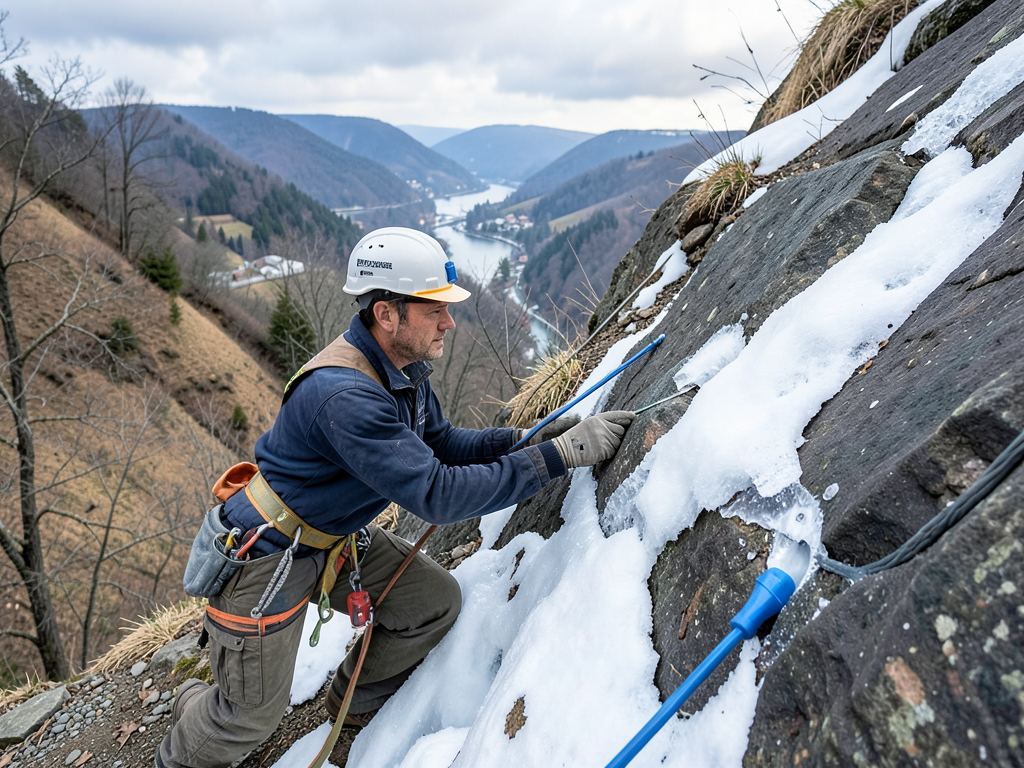
Close-up photo showing ice dam formation at a steep valley intersection with visible flashing separation and water staining on the roof deck.
Common Valley Leak Warning Signs
Homeowners in Duquesne Heights should inspect their valleys seasonally for these specific indicators. Ceiling stains appearing near exterior walls often indicate valley leaks rather than plumbing issues. The water travels along roof rafters before dripping onto ceilings, so the stain location rarely matches the actual leak point on the roof surface.
Curling or missing shingles in the valley itself signal advanced deterioration. When shingles lose their seal in these high-stress areas, they cannot properly channel water toward gutters. Look for shingles that appear lifted at the edges or show granule loss concentrated in valley lines. Commercial Gutter Systems.
Rusted or corroded flashing represents another critical warning sign. Galvanized steel flashing typically lasts 15-20 years in Pittsburgh’s climate, while copper can exceed 50 years. If your flashing shows orange rust spots or white corrosion, replacement becomes necessary regardless of the roof’s overall condition. How Much a Full Roof Replacement Actually Costs in Pittsburgh Right Now.
During attic inspections, check for dark streaks on rafters or plywood near valley areas. These water marks indicate active leaks that may only occur during heavy rainfall or snow melt. The absence of visible water does not guarantee a dry attic if these stains are present.
Valley Construction Types and Their Weaknesses
Three valley construction methods exist for steep roofs, each with distinct failure patterns. Open metal valleys use exposed aluminum or copper flashing that channels water down the center. These perform best in Duquesne Heights because they handle high water volume and resist ice dam formation. However, they require proper underlayment installation beneath the metal. Why Metal Roofing is Becoming the Top Choice for Homes in North Hills.
Closed-cut valleys weave shingles across the valley center, creating a more traditional appearance. While aesthetically pleasing, they trap debris more easily and show wear faster under Pittsburgh’s harsh conditions. The cut lines between shingle courses become weak points where water can back up under overlapping layers.
Woven valleys interlace shingles from both roof planes without cutting. This method provides excellent weather resistance but demands precise installation. In Duquesne Heights’ freeze-thaw environment, the constant expansion and contraction of woven shingles often causes separation at valley peaks.
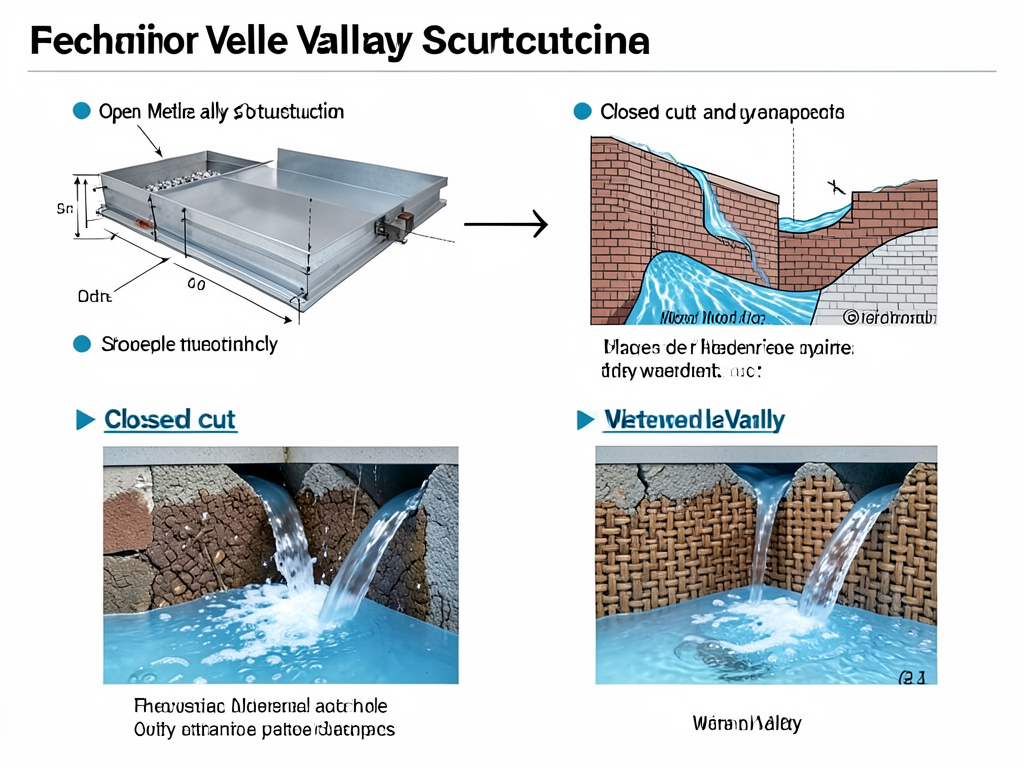
Diagram comparing open metal valley construction with closed-cut and woven valley methods, highlighting water flow patterns and common failure points.
Ice and Water Shield Requirements Under Pittsburgh Code
Allegheny County building codes mandate ice and water shield installation in all valleys for roofs with slopes exceeding 4:12 pitch. The shield must extend at minimum 24 inches from the valley center on both sides. This rubberized asphalt membrane creates a waterproof barrier that remains flexible in temperatures as low as -40°F.
The code also requires ice and water shield in a secondary application along eaves where ice dams commonly form. For Duquesne Heights homes, this means valleys receive two layers of protection: the primary shield in the valley and secondary coverage extending up the roof slope. This dual protection becomes critical during heavy snow years when ice buildup can exceed 12 inches.
Professional roofers must install ice and water shield in temperatures above 40°F for proper adhesion. Many Duquesne Heights valley repairs scheduled during winter months require temporary heat blankets to warm roof decks before shield application. Skipping this step creates bubbles and separation that compromise the entire waterproofing system. Roofing Scranton.
Step-by-Step Valley Leak Prevention Process
- Thorough Debris Removal
Clear all leaves, twigs, and sediment from valley channels using a leaf blower or soft brush. Never use metal tools that could damage flashing. Pay special attention to valley ends where debris accumulates against roof penetrations.
- Flashing Inspection and Testing
Check all flashing nails for looseness by gently pressing a screwdriver against each head. Loose nails indicate separation between flashing and underlayment. Replace any rusted nails with galvanized or stainless steel alternatives.
- Sealant Application Assessment
Examine all sealant joints where flashing meets roof planes and penetrations. Pittsburgh’s humidity causes many sealants to fail within five years. Fresh sealant should appear smooth and continuous without gaps or cracking.
- Underlayment Verification
Inspect visible underlayment edges for lifting or separation. In Duquesne Heights’ freeze-thaw cycles, even minor lifting allows water infiltration. Any exposed underlayment edges require immediate sealing or replacement.
- Shingle Condition Evaluation
Check valley shingles for granule loss, cracking, or missing pieces. Shingles in valleys should lie flat without lifting at edges. Replace any damaged shingles before they allow water penetration.
Professional vs. DIY Valley Repairs
Valley repairs on Duquesne Heights’ steepest roofs require specialized equipment and experience. The 12:12 and steeper pitches common in the neighborhood create fall hazards that make DIY repairs dangerous even for experienced homeowners. Professional roofers use roof jacks, safety harnesses, and specialized ladders designed for extreme slopes.
DIY repairs often fail because homeowners cannot properly assess underlying damage. Water may have penetrated multiple layers before showing visible signs. Without removing shingles and inspecting the deck, you cannot determine if rot or structural damage exists beneath the surface.
Professional valley repairs include moisture mapping to locate all affected areas. Technicians use infrared cameras to detect wet insulation and moisture meters to test wood integrity. This comprehensive approach prevents recurring leaks that result from incomplete repairs.
Cost considerations favor professional repair for Duquesne Heights homes. While DIY materials cost $200-300, professional repairs including proper underlayment, flashing, and labor range from $800-2,500 depending on valley length and accessibility. The warranty protection and guaranteed workmanship often offset the higher initial cost.
Seasonal Maintenance Schedule for Valley Protection
Spring maintenance focuses on winter damage assessment. Check valleys for ice dam damage, flashing separation, and shingle deterioration that occurred during freeze-thaw cycles. Clear any debris accumulated over winter months before spring rains begin.
Summer inspections target sealant integrity and flashing condition. Pittsburgh’s summer humidity accelerates sealant breakdown. Replace any cracked or separated sealant joints before fall storms arrive.
Fall maintenance prevents winter ice dam formation. Remove all leaves and debris from valleys before first snowfall. Check gutter connections at valley ends to ensure proper drainage away from the foundation.
Winter monitoring involves watching for ice buildup after storms. If ice exceeds two inches in valleys, consider professional ice dam removal before water backs up under shingles. Never attempt ice removal with sharp tools that could damage roofing materials.
When Valley Replacement Becomes Necessary
Valley replacement makes economic sense when repair costs exceed 60% of replacement cost or when multiple failure points exist. Signs that replacement is needed include widespread flashing corrosion, extensive wood rot in the valley framing, or repeated leaks despite multiple repairs.
The replacement process involves removing all shingles in the affected valley area, inspecting and replacing damaged underlayment, installing new flashing with proper ice and water shield, and reinstalling shingles using the original valley construction method. This comprehensive approach addresses all potential failure points simultaneously.
Modern valley replacements often include upgraded materials. Copper flashing costs 40% more than aluminum but lasts 2-3 times longer in Pittsburgh’s climate. Premium ice and water shields with higher temperature ratings prevent adhesive failure during summer heat waves.
Photo sequence showing valley replacement process: old material removal, damaged deck repair, new ice and water shield installation, and final flashing integration.
Cost Factors for Valley Repairs in Duquesne Heights
Valley repair costs in Duquesne Heights range from $800 to $3,500 depending on several factors. Roof pitch significantly impacts pricing since steeper slopes require additional safety equipment and longer labor times. Valleys on 12:12 pitch roofs cost 30-50% more than those on 6:12 slopes.
Accessibility affects pricing substantially. Homes with limited driveway access or those requiring material transport across multiple stories incur additional labor costs. Some Duquesne Heights properties require crane assistance for material delivery, adding $500-1,000 to repair costs.
Material selection influences both initial cost and long-term value. Standard aluminum flashing with basic underlayment costs less upfront but may require replacement within 15 years. Premium copper flashing with high-temperature ice and water shield costs more initially but provides 40-50 year protection.
Emergency repairs during storm season command premium pricing. Scheduling valley repairs during peak season (September-November) often costs 20-30% more than off-season work. Planning repairs during winter or early spring can reduce costs significantly.
Insurance Considerations for Valley Damage
Most homeowner insurance policies cover sudden valley damage from storms but exclude gradual deterioration from normal wear. Insurance adjusters look for evidence of storm impact, such as hail damage on multiple roof areas or wind damage to surrounding structures.
Document valley conditions with photos before and after storms. Clear images showing damage extent help insurance claims processing. Keep receipts for any emergency repairs to prevent further damage, as insurance companies expect homeowners to mitigate ongoing damage.
Policy deductibles for roof damage typically range from $500 to $2,500. For valley repairs under $2,000, the deductible often exceeds repair costs, making insurance claims impractical for minor damage. Major valley failures affecting multiple roof sections may justify insurance involvement.
Professional roofers familiar with insurance processes can provide detailed damage assessments and repair estimates that satisfy insurance requirements. Some companies offer free inspections specifically for insurance claim documentation.
Long-Term Valley Protection Strategies
Preventing valley leaks requires ongoing attention to Pittsburgh’s specific climate challenges. Install gutter guards to prevent debris accumulation in valley channels. Clean gutters twice annually to ensure proper drainage during heavy storms.
Consider installing heat cables along valley edges in north-facing areas prone to ice dam formation. These low-voltage cables prevent ice buildup during winter months, though they require electricity and regular maintenance.
Schedule professional roof inspections every two years for Duquesne Heights homes. Steep slopes hide damage that homeowners cannot safely inspect. Professional inspections identify minor issues before they become major leaks.
Maintain detailed records of all valley repairs and inspections. This documentation helps identify recurring problems and proves proper maintenance if insurance claims become necessary.
Choosing the Right Roofing Contractor
Valley repairs demand specialized expertise that general contractors often lack. Look for roofers with specific experience in steep-slope work and valley construction. Ask for examples of similar Duquesne Heights projects they have completed. Expert Slate Roof Repair Services for Sewickley Historic Properties.
Verify contractor licensing and insurance coverage. Steep-slope work requires additional insurance coverage beyond standard roofing policies. Request proof of both general liability and workers’ compensation insurance before signing contracts.
Check references specifically for valley work. Valley repairs require precision that differs from standard shingle replacement. Contractors should provide references from Duquesne Heights or similar steep-slope neighborhoods.
Obtain detailed written estimates that specify materials, including flashing type, underlayment specifications, and ice and water shield coverage areas. Vague estimates often lead to change orders and unexpected costs during the repair process.
Valley Maintenance Checklist
- Inspect valleys quarterly for debris accumulation
- Check flashing nails twice yearly for looseness
- Examine sealant joints annually for cracking
- Clean valleys thoroughly before winter months
- Monitor attic for water stains monthly
- Test moisture levels in valley areas every two years
- Replace damaged shingles immediately when found
Frequently Asked Questions
How long do roof valleys typically last in Pittsburgh’s climate?
Well-constructed valleys with proper ice and water shield typically last 20-30 years in Pittsburgh. However, steep slopes in Duquesne Heights may experience accelerated wear, reducing lifespan to 15-20 years without proper maintenance.
Can I repair a valley leak myself?
DIY valley repairs on steep slopes carry significant safety risks and often fail to address underlying damage. Professional repairs include moisture assessment and proper flashing installation that DIY approaches typically miss.
What causes ice dams in roof valleys?
Ice dams form when snow melts on warm roof areas then refreezes at colder eaves and valley edges. Poor attic insulation, inadequate ventilation, and Pittsburgh’s freeze-thaw cycles create perfect conditions for ice dam formation.
Protect Your Duquesne Heights Home Today
Valley leaks on Duquesne Heights’ steepest roofs can cause thousands in damage before homeowners notice any signs. The combination of extreme slopes, heavy snow loads, and ice dam formation creates unique challenges that require professional attention.
Don’t wait for water to stain your ceilings or rot your roof deck. A professional valley inspection can identify problems while they remain minor and inexpensive to fix. The cost of prevention is always less than the cost of major repairs.
Call (878) 209-5522 today to schedule your valley inspection before the next storm hits. Our experienced technicians understand the specific challenges facing Duquesne Heights homes and provide comprehensive valley protection solutions that last.
Pick up the phone and call (878) 209-5522 before small valley issues become major structural problems. We offer free inspections and can often identify potential leaks before they cause damage to your home’s interior. For more information, visit FEMA.
{
“@context”: “https://schema.org”,
“@type”: “BlogPosting”,
“headline”: “Preventing Costly Valley Leaks on the Steepest Roofs of Duquesne Heights”,
“description”: “Learn how Pittsburgh’s steep Duquesne Heights roofs develop valley leaks and what homeowners can do to prevent costly water damage. Expert local roofing advice.”,
“wordCount”: 2387,
“datePublished”: “2026-06-13T11:33:00.000Z”,
“dateModified”: “2026-06-13T11:33:00.000Z”,
“inLanguage”: “en-US”,
“mainEntityOfPage”: {
“@type”: “WebPage”,
“@id”: “https://victoryroofingpittsburgh.com”
},
“publisher”: {
“@type”: “LocalBusiness”,
“name”: “Victory Roofing Pittsburgh”,
“url”: “https://victoryroofingpittsburgh.com”
},
“author”: {
“@type”: “Organization”,
“name”: “Victory Roofing Pittsburgh”,
“url”: “https://victoryroofingpittsburgh.com”
},
“image”: {
“@type”: “ImageObject”,
“url”: “https://victoryroofingpittsburgh.com/wp-content/uploads/2026/03/preventing-costly-valley-leaks-on-the-steepest-roo-1.png”
}
}
{
“@context”: “https://schema.org”,
“@type”: “RoofingContractor”,
“name”: “Victory Roofing Pittsburgh”,
“url”: “https://victoryroofingpittsburgh.com”,
“address”: {
“@type”: “PostalAddress”,
“addressLocality”: “Pittsburgh”
},
“areaServed”: {
“@type”: “City”,
“name”: “Pittsburgh”
}
}
{
“@context”: “https://schema.org”,
“@type”: “FAQPage”,
“mainEntity”: [
{
“@type”: “Question”,
“name”: “How long do roof valleys typically last in Pittsburgh’s climate?”,
“acceptedAnswer”: {
“@type”: “Answer”,
“text”: “Well-constructed valleys with proper ice and water shield typically last 20-30 years in Pittsburgh. However, steep slopes in Duquesne Heights may experience accelerated wear, reducing lifespan to 15-20 years without proper maintenance.”
}
},
{
“@type”: “Question”,
“name”: “Can I repair a valley leak myself?”,
“acceptedAnswer”: {
“@type”: “Answer”,
“text”: “DIY valley repairs on steep slopes carry significant safety risks and often fail to address underlying damage. Professional repairs include moisture assessment and proper flashing installation that DIY approaches typically miss.”
}
},
{
“@type”: “Question”,
“name”: “What causes ice dams in roof valleys?”,
“acceptedAnswer”: {
“@type”: “Answer”,
“text”: “Ice dams form when snow melts on warm roof areas then refreezes at colder eaves and valley edges. Poor attic insulation, inadequate ventilation, and Pittsburgh’s freeze-thaw cycles create perfect conditions for ice dam formation.”
}
}
]
}
{
“@context”: “https://schema.org”,
“@type”: “HowTo”,
“name”: “How to Prevent Valley Leaks”,
“step”: [
{
“@type”: “HowToStep”,
“position”: 1,
“name”: “Thorough Debris Removal”,
“text”: “Clear all leaves, twigs, and sediment from valley channels using a leaf blower or soft brush. Never use metal tools that could damage flashing. Pay special attention to valley ends where debris accumulates against roof penetrations.”
},
{
“@type”: “HowToStep”,
“position”: 2,
“name”: “Flashing Inspection and Testing”,
“text”: “Check all flashing nails for looseness by gently pressing a screwdriver against each head. Loose nails indicate separation between flashing and underlayment. Replace any rusted nails with galvanized or stainless steel alternatives.”
},
{
“@type”: “HowToStep”,
“position”: 3,
“name”: “Sealant Application Assessment”,
“text”: “Examine all sealant joints where flashing meets roof planes and penetrations. Pittsburgh’s humidity causes many sealants to fail within five years. Fresh sealant should appear smooth and continuous without gaps or cracking.”
},
{
“@type”: “HowToStep”,
“position”: 4,
“name”: “Underlayment Verification”,
“text”: “Inspect visible underlayment edges for lifting or separation. In Duquesne Heights’ freeze-thaw cycles, even minor lifting allows water infiltration. Any exposed underlayment edges require immediate sealing or replacement.”
},
{
“@type”: “HowToStep”,
“position”: 5,
“name”: “Shingle Condition Evaluation”,
“text”: “Check valley shingles for granule loss, cracking, or missing pieces. Shingles in valleys should lie flat without lifting at edges. Replace any damaged shingles before they allow water penetration.”
}
],
“image”: “https://victoryroofingpittsburgh.com/wp-content/uploads/2026/03/preventing-costly-valley-leaks-on-the-steepest-roo-1.png”
}
{
“@context”: “https://schema.org”,
“@type”: “BreadcrumbList”,
“itemListElement”: [
{
“@type”: “ListItem”,
“position”: 1,
“name”: “Home”,
“item”: “https://victoryroofingpittsburgh.com”
},
{
“@type”: “ListItem”,
“position”: 2,
“name”: “Blog”,
“item”: “https://victoryroofingpittsburgh.com/blog”
},
{
“@type”: “ListItem”,
“position”: 3,
“name”: “Preventing Costly Valley Leaks on the Steepest Roofs of Duquesne Heights”
}
]
}
{
“@context”: “https://schema.org”,
“@type”: “Service”,
“serviceType”: “Roofing”,
“provider”: {
“@type”: “LocalBusiness”,
“name”: “Victory Roofing Pittsburgh”,
“url”: “https://victoryroofingpittsburgh.com”
},
“areaServed”: {
“@type”: “City”,
“name”: “Pittsburgh”
},
“description”: “Learn how Pittsburgh’s steep Duquesne Heights roofs develop valley leaks and what homeowners can do to prevent costly water damage. Expert local roofing advice.”
}