
menu

Commercial Roof Replacement in Pittsburgh | Minimize Downtime with Industrial-Grade Solutions

Victory Roofing Pittsburgh delivers commercial reroofing and industrial roof replacement designed to keep your operations running while meeting Pittsburgh's strict commercial building codes and weather demands.

Slider Image 1
Slider Image 2
Slider Image 3
Slider Image 4
Slider Image 5
Slider Image 7
Slider Image 8
Slider Image 9
Slider Image 10
Slider Image 11

Pittsburgh's Climate Accelerates Commercial Roof Deterioration

Pittsburgh's freeze-thaw cycles tear apart commercial flat roof systems faster than most property managers anticipate. Water infiltrates membrane seams during mild periods, then expands when temperatures drop below freezing. This constant expansion and contraction splits seams, cracks flashings, and compromises the entire roof assembly within 15 to 20 years.

The city's heavy snow loads compound the problem. Commercial buildings in the Strip District, Lawrenceville, and Downtown Pittsburgh carry flat or low-slope roofs that accumulate snow and ice. When drainage systems fail or scuppers freeze, ponding water saturates insulation layers and accelerates membrane degradation. You see interior water stains, inventory damage, and interrupted operations.

Pittsburgh's industrial legacy created thousands of older commercial structures with outdated roof systems. Many warehouses and manufacturing facilities still operate with modified bitumen or built-up roofing installed decades ago. These systems lack modern insulation values and fail to meet current energy codes for commercial building roof replacement.

Deferred maintenance becomes expensive fast. A small leak in a 20,000-square-foot warehouse roof spreads through insulation layers and damages interior finishes, HVAC systems, and stored products. The total cost of water damage exceeds the price of proactive industrial roof replacement by multiples.

Commercial reroofing demands precision, speed, and minimal business disruption. You cannot afford week-long shutdowns or exposed roof decks during Pittsburgh's unpredictable weather patterns. Professional commercial roof installation requires equipment, crew size, and project management capabilities that residential contractors simply do not possess.

Pittsburgh's Climate Accelerates Commercial Roof Deterioration
Commercial Roof Replacement Methodology for Business Continuity

Commercial Roof Replacement Methodology for Business Continuity

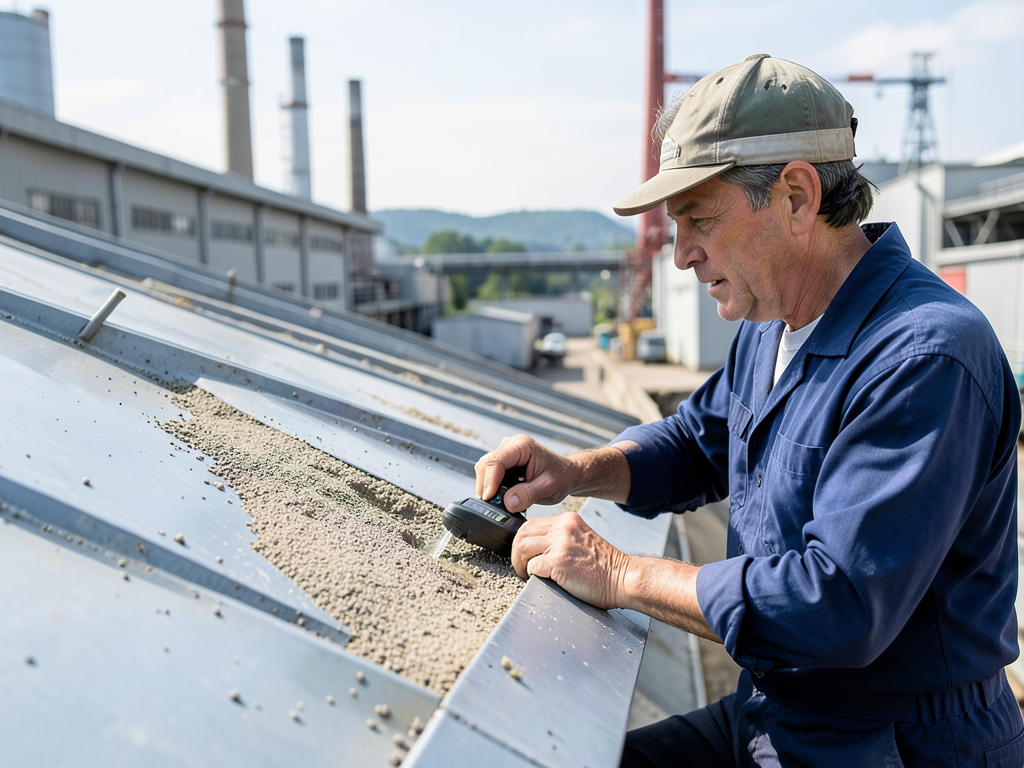
Commercial building roof replacement starts with a complete roof core analysis. Victory Roofing Pittsburgh extracts multiple core samples to evaluate insulation condition, deck integrity, and moisture content within existing roof assemblies. This analysis determines whether you need a full tear-off or qualify for a recover system, which saves time and reduces disposal costs.

We coordinate material deliveries and crane access to minimize parking lot disruption and maintain customer access to your facility. Large-scale commercial roof installation requires staging areas for membrane rolls, insulation boards, and fastening equipment. We map these logistics before work begins, not during your busiest business hours.

Our crews section the roof into manageable zones. We complete one section fully before moving to the next, which limits your exposure to weather and maintains building envelope integrity. This phased approach matters during Pittsburgh's wet spring months when afternoon thunderstorms roll through without warning.

Membrane welding quality determines roof lifespan. We use hot-air welding equipment calibrated to manufacturer specifications for TPO and PVC systems. Every seam gets probe-tested to verify proper fusion. EPDM systems receive proper lap widths and compatible adhesives based on substrate type and ambient temperature conditions.

Flashing details around HVAC curbs, exhaust vents, and parapet walls require precision cutting and fitting. These penetrations cause most commercial flat roof replacement failures when contractors rush installation or use incompatible materials. We fabricate custom metal flashings on-site and integrate them with membrane systems using proven termination methods.

Final inspections include thermal imaging scans to identify any moisture trapped beneath new membrane layers. This non-invasive testing catches problems before they become warranty claims and confirms your new roof system performs as designed.

How Commercial Roof Replacement Proceeds from Assessment to Completion

Commercial Roof Replacement in Pittsburgh | Minimize Downtime with Industrial-Grade Solutions
01

Structural Load Assessment

We evaluate your existing roof deck capacity and structural framing to confirm it supports new insulation layers and membrane weight. Pittsburgh's building code requires engineers to sign off on commercial reroofing projects that add substantial load. We coordinate these calculations and permit applications before crews arrive, which prevents project delays and keeps your timeline intact.
02

Controlled Demolition and Installation

Tear-off proceeds in sections small enough to weatherproof each day before leaving the site. We install new tapered insulation systems that eliminate ponding water and direct drainage to existing scuppers. Membrane installation follows immediately, with all seams tested and flashings integrated the same day. This sequence protects your building contents and maintains operations throughout the industrial roof replacement process.
03

Final Testing and Documentation

Every completed section undergoes flood testing or electronic leak detection before final sign-off. We provide as-built drawings showing all penetrations, drainage paths, and membrane tie-in details. These documents become critical for future maintenance and roof warranty compliance. You receive a complete project file with manufacturer certifications, fastener pull test results, and thermal scan reports that verify proper installation.

Why Pittsburgh Businesses Trust Victory Roofing for Commercial Projects

Commercial building roof replacement requires bonding capacity, liability coverage, and crew resources that separate professional contractors from residential operations trying to scale up. Victory Roofing Pittsburgh maintains the equipment fleet and trained workforce needed for projects ranging from 10,000 to 100,000 square feet.

We understand Pittsburgh's commercial building inspection process. The city requires permits for all commercial reroofing projects, with inspections at deck level and final membrane installation. Our project managers coordinate these inspections and address any code compliance issues before they delay your project timeline.

Local material suppliers matter when weather threatens your project schedule. We maintain relationships with regional distributors who stock membrane rolls, insulation boards, and fastening systems in quantities needed for large commercial roof installation projects. When suppliers run short or delivery trucks get delayed, we have backup sources already identified.

Pittsburgh's industrial neighborhoods like Hazelwood, McKees Rocks, and the North Shore contain unique building types that require specialized knowledge. Old steel mills converted to warehouse space often have irregular roof slopes, outdated drainage systems, and structural quirks that inexperienced contractors miss during estimating. We have completed commercial flat roof replacement projects on these challenging structures and understand the hidden costs that come with them.

Our safety protocols meet OSHA requirements for commercial roofing work. All crew members maintain fall protection certification, and job sites include perimeter warning systems, guardrails, and personal fall arrest equipment. Your general liability exposure decreases when contractors follow proper safety procedures instead of taking shortcuts to finish faster.

We provide references from property managers, facility directors, and business owners throughout Allegheny County. You can verify our commercial roof installation quality by speaking directly with clients who kept their operations running during roof replacement projects.

What Your Commercial Roof Replacement Project Includes

Project Timeline and Scheduling

Most commercial building roof replacement projects run two to four weeks depending on square footage and weather conditions. We schedule crews to minimize impact on your business hours, including overnight and weekend work when your operations demand it. Material deliveries arrive in stages to prevent site congestion, and we maintain daily communication with your facility manager about progress and any schedule adjustments. Weather delays get communicated immediately with revised completion dates, not vague promises about catching up later.

Pre-Construction Building Assessment

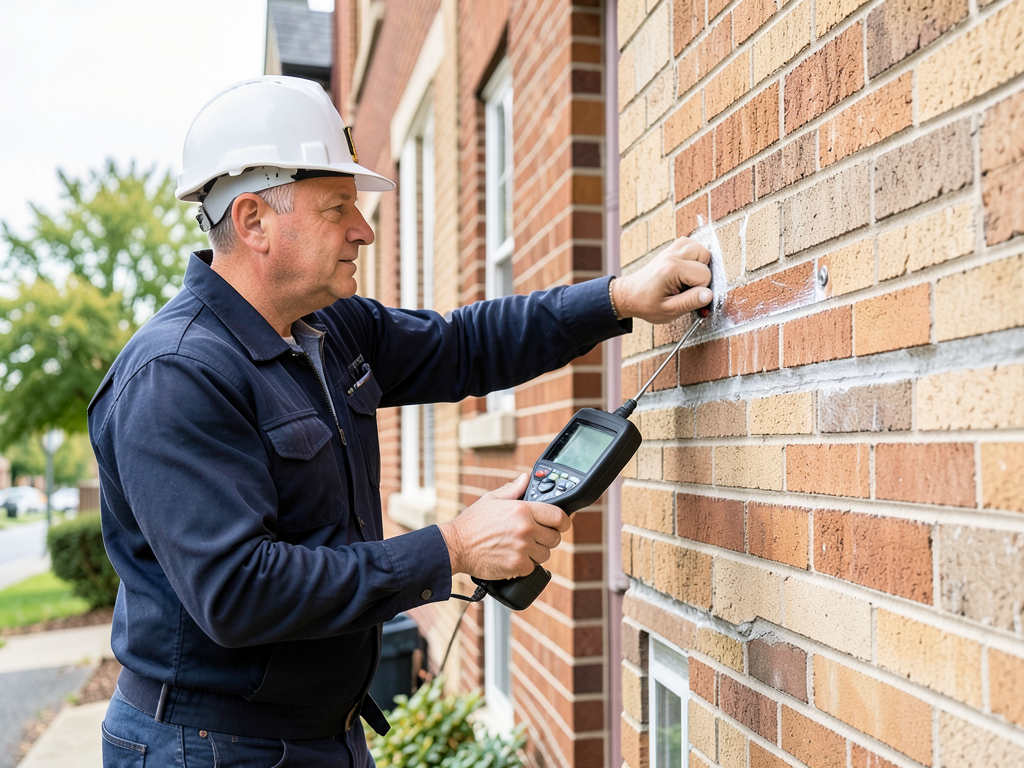
Your commercial reroofing project begins with a complete building envelope evaluation. We inspect parapet walls, interior ceilings for hidden water damage, HVAC unit conditions, and existing drainage system capacity. Infrared scanning identifies wet insulation that needs removal before new membrane installation. This assessment produces a scope of work with no surprises mid-project. You receive a detailed proposal showing tear-off requirements, insulation upgrades, drainage improvements, and any structural repairs needed before membrane installation begins.

Finished Roof System Performance

Your completed industrial roof replacement includes a watertight membrane system with properly integrated flashings, functional drainage that eliminates ponding water, and insulation values that meet or exceed current energy codes. All seams pass destructive testing protocols, and penetrations get custom-fabricated flashings instead of generic boots. The roof surface remains accessible for HVAC maintenance without membrane damage. You can walk the roof confidently knowing it will perform through Pittsburgh's weather extremes for decades, not just until the contractor collects final payment.

Post-Installation Support and Maintenance

We provide maintenance guidelines specific to your membrane type and building use. Annual inspections catch minor issues before they become leak sources, and we offer priority service for any concerns that arise after installation. Manufacturer warranties require proper maintenance documentation, so we help you establish inspection schedules that protect your warranty coverage. Emergency contact information stays active regardless of business hours because roof leaks do not wait for Monday morning. Your facility manager gets direct access to our commercial service team, not a generic answering service.

Frequently Asked Questions

You Have Questions,
We Have Answers

How much should a 2000 sq ft roof cost? +

Commercial roof replacement costs vary significantly based on membrane type, substrate condition, and access complexity. A 2000 sq ft flat roof in Pittsburgh typically involves TPO, EPDM, or modified bitumen systems. Costs depend on tear-off requirements, insulation upgrades, and flashing details around HVAC units. Pittsburgh's freeze-thaw cycles demand proper drainage and insulation to prevent ice damming and ponding water. Expect higher costs for buildings in the Strip District or Lawrenceville with limited crane access. Request detailed breakdowns comparing membrane warranties, R-values, and projected service life to assess true ROI.

What is the 25% rule in roofing? +

The 25% rule states that if over 25% of a commercial roof section requires repair within a rolling 12-month period, full replacement becomes more cost-effective than patching. This threshold accounts for labor mobilization, warranty fragmentation, and cascading failures in adjacent areas. Pittsburgh's temperature swings accelerate membrane degradation, making patchwork repairs a liability risk. Building codes may also trigger full replacement when repairs exceed this threshold, particularly for older structures in historic districts. This rule protects your business from throwing money at a failing system while risking leaks that disrupt operations.

Does commercial insurance cover roof replacement? +

Commercial property insurance typically covers roof replacement only when damage results from a covered peril like wind, hail, or fire. Normal wear, poor maintenance, or age-related deterioration are excluded. Pittsburgh's heavy snowfall and ice damming can cause sudden collapse or leaks, which may qualify. Insurers often depreciate roofs over 15 to 20 years, reducing payouts significantly. Document all maintenance records and storm dates. Policies may require you to cover code upgrade costs for newer materials or insulation standards. Review your policy's actual cash value versus replacement cost coverage before filing.

Can roofers make 100k a year? +

This question addresses residential roofing income, not commercial operations. In commercial roofing management or ownership, profitability depends on project volume, crew efficiency, and overhead control. Pittsburgh's commercial market includes industrial facilities, retail centers, and multi-family buildings requiring specialized expertise. Project managers overseeing large-scale TPO or EPDM installations can command strong compensation. Business owners focusing on preventive maintenance contracts and emergency repairs build recurring revenue streams. The commercial sector demands technical knowledge, safety compliance, and bonding capacity that separates it from residential work. Focus on operational efficiency and client retention.

Is $30,000 too much for a roof? +

For a commercial property, this figure could represent a small section or a complete low-slope system depending on size and complexity. The number alone means nothing without context. Pittsburgh's commercial roofs face unique stressors from industrial pollutants, freeze-thaw cycles, and snow loads exceeding 30 psf. Evaluate cost per square foot, membrane type, insulation R-value, and warranty length. Compare bids on identical scope, not total price. A cheaper proposal may omit necessary flashing repairs, tapered insulation, or proper drainage modifications. Focus on lifecycle cost and business interruption risk, not upfront price.

What is the most expensive part of replacing a roof? +

Labor and tear-off drive commercial roof replacement costs more than materials. Removing multiple layers of built-up roofing, disposing of materials per EPA guidelines, and protecting occupied spaces below require significant manpower. In Pittsburgh, weather windows are tight. Crews must work efficiently during dry periods, increasing labor premiums. Structural repairs to decking damaged by years of leaks add unpredictable costs. Flashing details around mechanical units, parapet walls, and penetrations demand skilled labor to prevent future failures. Material costs remain relatively stable, but the human expertise to install systems correctly in variable conditions commands the budget.

How to tell if a roofer is lying? +

Watch for contractors who diagnose total replacement without a thorough inspection or refuse to provide detailed moisture scans and core samples. Red flags include pressure to sign same-day contracts, requests for large upfront deposits, or vague scope descriptions. In Pittsburgh, legitimate commercial roofers reference specific membrane manufacturers, provide thermal imaging reports, and discuss drainage improvements based on your building's orientation and snow load zones. Verify licenses, bonding, and recent commercial references you can visit. A professional explains why your EPDM failed and how the proposed TPO system addresses those specific failure points.

How old may a roof be before insurance claims it's too old? +

Most commercial property insurers begin reducing coverage or requiring inspections on roofs between 15 and 20 years old, depending on material type. Modified bitumen and built-up roofing systems age faster in Pittsburgh's climate than single-ply membranes. After 20 years, insurers may offer only actual cash value coverage, which depreciates the roof's worth significantly. Some carriers drop coverage entirely or non-renew policies. Proactive maintenance records and professional inspections can extend insurability. If your roof approaches this threshold, budget for replacement before a claim triggers depreciation penalties or coverage denial that leaves you exposed.

How do I bid a roof? +

Commercial roof bidding requires detailed square footage measurements, material specifications, and labor calculations based on crew productivity rates. Calculate roof area using CAD drawings or aerial measurements, then factor in waste, membrane type, insulation thickness, and fastening methods. In Pittsburgh, account for difficult access, weather delays, and disposal costs for existing materials. Include itemized costs for flashing, penetrations, edge details, and equipment rentals. Research current membrane pricing from suppliers and apply your overhead and profit margins. Submit bids with clear scope boundaries, exclusions, and payment schedules. Competitive bidding demands accuracy and complete project understanding.

Are commercial roof repairs tax deductible? +

Yes. Commercial roof repairs that maintain the existing system are deductible as ordinary business expenses in the tax year incurred. However, full roof replacement is typically capitalized as a building improvement and depreciated over 39 years under MACRS rules. The IRS distinguishes between repairs that restore function and improvements that extend useful life or add value. Consult your CPA, but emergency leak repairs, membrane patching, and flashing replacements generally qualify as deductible maintenance. Strategic timing of repairs versus replacement can impact your tax position. Document all work thoroughly to support your classification during audits.

Why Pittsburgh's Industrial Building Stock Demands Specialized Roofing Expertise

Pittsburgh's commercial building inventory includes structures built during multiple industrial eras, each with different roof deck types and support systems. Steel mills from the early 1900s used heavy timber decks that require specific fastening methods for modern membrane systems. Mid-century warehouses often have lightweight steel decks with minimal insulation that fail current energy codes. These buildings need commercial flat roof replacement approaches that account for structural limitations while meeting modern performance standards. Contractors unfamiliar with Pittsburgh's building history underestimate the engineering required for proper commercial reroofing on these facilities.

The City of Pittsburgh Building Inspection Division requires permits and inspections for all commercial roof installation projects regardless of size. Local inspectors understand regional weather challenges and enforce drainage requirements stricter than minimum code. Victory Roofing Pittsburgh works with these inspectors regularly and knows exactly what documentation and installation details they expect to see. We pull permits, schedule inspections, and ensure your industrial roof replacement passes review the first time. This local knowledge prevents the costly delays and rework that out-of-area contractors face when they underestimate Pittsburgh's commercial building standards.
Roofing Services in The Pittsburgh Area

We are proud to serve the entire Pittsburgh metropolitan area and surrounding communities. Use the interactive map below to easily locate our office or visualize our extensive service region, which includes every neighborhood from the North Shore to the South Hills. We are locally committed and ready to bring our award-winning, trusted roofing expertise right to your specific location for any inspection, repair, or full installation project. We look forward to meeting you and securing your valuable property!

Address:
Victory Roofing Pittsburgh, 500 Grant St, Pittsburgh, PA, 15219

Additional Services We Offer

Our news updates

Latest Articles & News from The Blogs

Why You Should Repair Your Bellevue Wrap-Around Porch Roof Now Your Bellevue wrap-around porch isn't just a charming architectural feature—it's…

Why You Should Repair Your Bellevue Wrap-Around Porch Roof Now

Why You Should Repair Your Bellevue Wrap-Around Porch Roof Now Your Bellevue wrap-around porch isn't just a charming architectural feature—it's…

Restoring the Historic Beauty of Manchester North Side Roofs

Restoring the Historic Beauty of Manchester North Side Roofs Manchester’s historic North Side is home to some of Pittsburgh’s most…

The Hidden Risks of Shingle Overlays for Whitehall Homeowners

The Hidden Risks of Shingle Overlays for Whitehall Homeowners \n\n Thinking about saving money with a shingle overlay on your…

Contact Us

Your building cannot wait for roof problems to multiply. Call Victory Roofing Pittsburgh at (878) 209-5522 for a detailed commercial roof assessment. We provide transparent proposals, realistic timelines, and commercial reroofing solutions that keep your operations running.