Managing Shared Roof Maintenance with Your Neighbors in Garfield Row Houses
Shared roof maintenance between Garfield row house neighbors creates unique challenges. You face legal coordination, technical complexity, and weather-specific concerns that single-family homeowners never encounter. This guide provides practical solutions for Pittsburgh’s historic row house communities. Pittsburgh Department of Permits, Licenses and Inspections.
Understanding Your Row House Roof Structure
Garfield row houses typically feature continuous roof decks spanning multiple properties. The party wall creates the only separation between your unit and your neighbor’s. This shared structure means problems on one side affect everyone.
The roof deck in Garfield’s 1900s-era row houses often consists of heavy timber construction with multiple layers of roofing material. Water infiltration at property boundaries causes damage that spreads laterally across the entire roof system. Ice dam formation along the party wall creates additional stress points during Pittsburgh’s freeze-thaw cycles. Why Metal Roofing is Becoming the Top Choice for Homes in North Hills.
Common issues include:
- Flashing failures where properties meet
- Shared gutter systems backing up
- Moisture migration through party walls
- Uneven load distribution from snow accumulation
The continuous roof structure requires coordinated maintenance schedules. One property’s deferred repairs create cascading problems for adjacent units.
Legal Framework for Shared Roof Responsibility
Pennsylvania’s Party Wall Act governs shared structures between Garfield row houses. The statute requires mutual access for repairs and shared responsibility for maintenance of common elements. Pittsburgh’s building code adds specific requirements for parapet walls and fire separation. Pennsylvania Party Wall Act.
Key legal considerations include:
- Joint liability for structural repairs
- Right of entry for emergency maintenance
- Cost allocation based on usage and benefit
- Written agreements for major repairs
The Pittsburgh Department of Permits, Licenses and Inspections (PLI) requires permits for work affecting party walls. This includes roof replacement, structural modifications, and certain repair types. Ignoring these requirements can result in fines and mandatory removal of completed work. How Much a Full Roof Replacement Actually Costs in Pittsburgh Right Now.
Creating a written maintenance agreement with neighbors provides legal protection. The document should specify:
- Cost-sharing percentages
- Decision-making processes
- Access rights and notification requirements
- Dispute resolution procedures
Coordinating with Your Neighbor
Successful shared roof maintenance requires clear communication and established protocols. Start by documenting current roof conditions with photos and written descriptions. This baseline prevents disputes about pre-existing damage.
Approach your neighbor with specific proposals rather than general requests. Suggest a joint inspection by a qualified roofing contractor familiar with Pittsburgh row house construction. The contractor should assess both properties’ roofs simultaneously to identify shared issues. Roofing Scranton.
Cost-sharing typically follows one of these models:
- Equal split for repairs benefiting all properties
- Proportional split based on property square footage
- Individual responsibility for property-specific issues
Establish a maintenance fund for routine inspections and minor repairs. Contribute monthly or annually to avoid large unexpected expenses. This fund should have multiple signatories to prevent unilateral spending.
Common Technical Issues in Shared Roofing
Party wall flashing represents the most critical technical element in shared roofing systems. Pittsburgh’s freeze-thaw cycles cause expansion and contraction that breaks down traditional flashing materials. Modified bitumen flashing with reinforced seams provides better longevity than older metal systems.
Box gutters along row house rooflines collect debris from multiple properties. Clogged box gutters overflow during heavy rains, causing water damage to multiple units. Regular cleaning prevents this common failure mode. Commercial Gutter Systems.
Ice dam formation along party walls creates unique challenges. Heat loss from adjacent properties creates temperature differentials that promote ice buildup. Installing ice and water shield along the entire party wall prevents water infiltration during freeze-thaw cycles.
Roof slope variations between properties cause water pooling. Even minor slope differences of 1-2 degrees can create standing water that accelerates membrane deterioration. Proper drainage planning addresses these variations.
Pittsburgh Building Codes for Row Houses
Pittsburgh’s building code requires specific fire-resistance ratings for party walls in row houses. The code mandates non-combustible materials within 2 feet of property lines. This affects roofing choices near party walls.
Ice dam protection requirements vary by roof slope and climate zone. Pittsburgh falls in Climate Zone 5, requiring ice and water shield extending 24 inches beyond heated wall lines. For row houses, this means continuous coverage along party walls.
Energy Star certification standards apply to cool roof installations. Pittsburgh’s Energy and Utilities Department offers incentives for reflective roofing that reduces cooling loads. These programs require specific emissivity and reflectance ratings.
Permit requirements for row house roofing include:
- Structural engineering review for major repairs
- Fire department notification for torch-down applications
- Stormwater management compliance
- Historic preservation review for buildings in designated districts
Maintenance Checklist and Scheduling
Seasonal maintenance prevents costly emergency repairs. Pittsburgh’s climate demands specific timing for different maintenance tasks.
- Spring Inspection
Check for winter damage, clear debris from gutters, inspect flashing at party walls. Look for signs of ice dam damage along eaves.
- Summer Preparation
Clean box gutters, check drainage paths, inspect roof surface for blisters or tears. Address any heat-related expansion issues.
- Fall Maintenance
Clear leaves from gutters, inspect tree branches near roof, check attic ventilation. Prepare for winter snow loads.
- Winter Monitoring
Watch for ice dam formation, check for interior leaks after storms, monitor snow accumulation on shared roof areas.
Monthly inspections during heavy rain or snow events help catch problems early. Look for water stains on interior walls near party walls, as these indicate roof leaks.
Annual professional inspections should include:
- Roof surface condition assessment
- Gutter and downspout functionality test
- Attic ventilation evaluation
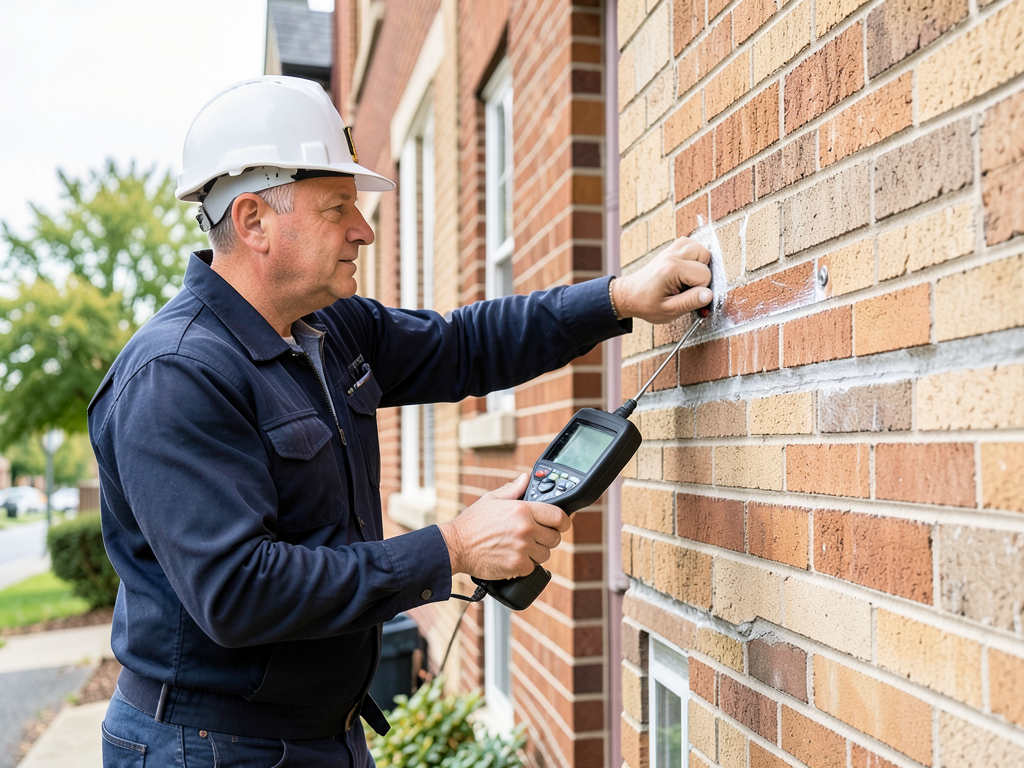
- Moisture meter readings at party walls
Cost Considerations and Budgeting
Shared roof replacement costs vary significantly based on materials and building age. Garfield row houses built before 1940 often require additional structural reinforcement before modern roofing systems can be installed.
Modified bitumen roofing costs approximately $8-12 per square foot installed in Pittsburgh. This includes removal of existing layers, which can number three or more in historic row houses. EPDM rubber roofing provides a lower-cost alternative at $6-9 per square foot but requires different maintenance protocols.
Additional costs specific to shared roofing include:
- Party wall reinforcement: $2,000-5,000 per property
- Shared scaffolding: $1,500-3,000 total
- Coordinated access arrangements: varies by building layout
- Historic district compliance fees: $500-2,000
Establish a reserve fund for major repairs. Contribute $50-100 monthly per property to build adequate reserves for inevitable roof replacement every 20-30 years.
Conflict Resolution Strategies
Disagreements about shared roof maintenance are common. Address conflicts early before they escalate into legal disputes.
Mediation provides a cost-effective alternative to litigation. Pittsburgh offers low-cost mediation services through the Allegheny County Bar Association. A neutral third party can help neighbors reach mutually acceptable solutions.
Document all communications about roof maintenance. Keep copies of inspection reports, repair estimates, and payment records. This documentation proves invaluable if disputes arise later.
Consider these conflict scenarios:
- One neighbor refuses to pay for necessary repairs
- Disagreement about roofing material selection
- Scheduling conflicts for maintenance work
- Damage caused by one property’s neglect affecting others
Legal remedies exist but should be last resorts. Small claims court handles disputes under $10,000. For larger amounts, civil litigation becomes necessary but destroys neighbor relationships.
Emergency Response Procedures
Roof emergencies require immediate action to prevent widespread damage. Establish emergency protocols with your neighbors before problems occur.
Emergency contact information should include:
- 24/7 roofing contractor numbers
- Property owner contact details
- Insurance agent information
- Local building department emergency line
Common emergencies and immediate responses:
- Active leaks: Place buckets, move valuables, contain water spread
- Tree damage: Secure area, document damage, contact insurance
- Partial collapse: Evacuate affected units, call emergency services
- Fire: Call 911, evacuate building, do not attempt roof access
Emergency tarping prevents further damage. Keep heavy-duty tarps and appropriate fasteners available. Temporary repairs should last 30-60 days while permanent solutions are arranged.
Insurance Considerations
Insurance coverage for shared roof damage requires careful coordination. Most homeowner policies cover roof damage but may exclude wear and tear or deferred maintenance.
Key insurance considerations:
- Policy limits for roof replacement
- Deductibles for wind/hail damage
- Coverage for water damage from roof leaks
- Responsibility for adjacent property damage
Document roof condition annually with photos and inspection reports. This documentation supports insurance claims and demonstrates proper maintenance.
Consider additional coverage for:
- Business interruption if renting units
- Loss of use during major repairs
- Ordinance or law coverage for code compliance
- Water backup from shared gutter systems
Future-Proofing Your Shared Roof
Modern roofing technologies offer solutions for shared row house maintenance challenges. Cool roof coatings reduce heat absorption and extend membrane life. These coatings reflect 70-80% of solar radiation, reducing cooling costs by 10-15%.
Solar-ready roofing systems allow future renewable energy installation. Modified bitumen with integrated solar mounting points costs 15-20% more initially but adds property value and energy independence.
Smart monitoring systems detect moisture intrusion early. Wireless sensors placed at party walls and roof valleys alert property owners to developing problems before visible damage occurs.
Green roof options for flat sections provide insulation and stormwater management. Extensive green roofs with 4-6 inches of growing medium support sedum and other drought-tolerant plants while reducing runoff by 50-70%.
Resources and Professional Help
Finding qualified contractors familiar with Pittsburgh row house construction proves essential. Look for contractors with specific experience in party wall roofing and historic preservation work.
Professional associations offering referrals:
- National Roofing Contractors Association
- Pittsburgh Regional Building Association
- Pennsylvania Preservation Network
- Local roofing supply company recommendations
Government resources include:
- Pittsburgh PLI permit information line
- Allegheny County Historic Preservation Office
- Pennsylvania Department of Labor and Industry
- Small Business Administration disaster assistance
Community organizations like neighborhood associations often maintain lists of vetted contractors familiar with local building types and regulations.
Frequently Asked Questions
Who pays for shared roof repairs in Garfield row houses?
Typically, costs are shared based on property size or equally divided. Written agreements should specify the exact formula before work begins.
How often should shared roofs be inspected?
Professional inspections should occur annually, with seasonal checks by property owners. More frequent inspections are needed after severe weather events.
What happens if one neighbor refuses to participate in maintenance?
Pennsylvania law allows majority decision-making for necessary repairs. The refusing neighbor may be responsible for costs if they later benefit from the work.
Are permits required for shared roof work in Pittsburgh?
Yes, Pittsburgh PLI requires permits for most roofing work, especially involving party walls. Work without permits can result in fines and mandatory removal.
How long do shared row house roofs typically last?
With proper maintenance, modified bitumen roofs last 20-30 years. EPDM roofs may last 25-35 years. Harsh Pittsburgh weather can reduce these lifespans by 5-10 years without proper care.
Can I install solar panels on a shared roof?
Yes, but you need neighbor approval and proper permits. The installation must not compromise the roof’s structural integrity or violate party wall agreements.
What’s the best roofing material for Pittsburgh row houses?
Modified bitumen offers the best balance of durability, cost, and ease of repair for Pittsburgh’s climate. EPDM works well for flat sections but requires more maintenance.
Take Action Today
Shared roof maintenance requires immediate attention to prevent costly damage. Call (878) 209-5522 today to schedule a professional inspection of your Garfield row house roof. Our team specializes in Pittsburgh’s historic row house construction and understands the unique challenges of party wall roofing.
Don’t wait for the next storm to reveal hidden problems. Pick up the phone and call (878) 209-5522 before minor issues become major emergencies. Protect your investment and maintain good relationships with your neighbors through proper roof maintenance.
Victory Roofing has served Pittsburgh row house communities for over 15 years. We provide written estimates, coordinate with neighbors, and handle all necessary permits. Call (878) 209-5522 now to get started.
{
“@context”: “https://schema.org”,
“@type”: “BlogPosting”,
“headline”: “Managing Shared Roof Maintenance with Your Neighbors in Garfield Row Houses”,
“description”: “Learn how to coordinate shared roof maintenance for Pittsburgh row houses. Get legal tips, technical advice, and cost-sharing strategies specific to Garfield’s historic homes.”,
“wordCount”: 1933,
“datePublished”: “2026-06-10T09:21:00.000Z”,
“dateModified”: “2026-06-10T09:21:00.000Z”,
“inLanguage”: “en-US”,
“mainEntityOfPage”: {
“@type”: “WebPage”,
“@id”: “https://victoryroofingpittsburgh.com”
},
“publisher”: {
“@type”: “LocalBusiness”,
“name”: “Victory Roofing Pittsburgh”,
“url”: “https://victoryroofingpittsburgh.com”
},
“author”: {
“@type”: “Organization”,
“name”: “Victory Roofing Pittsburgh”,
“url”: “https://victoryroofingpittsburgh.com”
},
“image”: {
“@type”: “ImageObject”,
“url”: “https://victoryroofingpittsburgh.com/wp-content/uploads/2026/03/managing-shared-roof-maintenance-with-your-neighbo-1.png”
}
}
{
“@context”: “https://schema.org”,
“@type”: “RoofingContractor”,
“name”: “Victory Roofing Pittsburgh”,
“url”: “https://victoryroofingpittsburgh.com”,
“address”: {
“@type”: “PostalAddress”,
“addressLocality”: “Pittsburgh”
},
“areaServed”: {
“@type”: “City”,
“name”: “Pittsburgh”
}
}
{
“@context”: “https://schema.org”,
“@type”: “FAQPage”,
“mainEntity”: [
{
“@type”: “Question”,
“name”: “Who pays for shared roof repairs in Garfield row houses?”,
“acceptedAnswer”: {
“@type”: “Answer”,
“text”: “Typically, costs are shared based on property size or equally divided. Written agreements should specify the exact formula before work begins.”
}
},
{
“@type”: “Question”,
“name”: “How often should shared roofs be inspected?”,
“acceptedAnswer”: {
“@type”: “Answer”,
“text”: “Professional inspections should occur annually, with seasonal checks by property owners. More frequent inspections are needed after severe weather events.”
}
},
{
“@type”: “Question”,
“name”: “What happens if one neighbor refuses to participate in maintenance?”,
“acceptedAnswer”: {
“@type”: “Answer”,
“text”: “Pennsylvania law allows majority decision-making for necessary repairs. The refusing neighbor may be responsible for costs if they later benefit from the work.”
}
},
{
“@type”: “Question”,
“name”: “Are permits required for shared roof work in Pittsburgh?”,
“acceptedAnswer”: {
“@type”: “Answer”,
“text”: “Yes, Pittsburgh PLI requires permits for most roofing work, especially involving party walls. Work without permits can result in fines and mandatory removal.”
}
},
{
“@type”: “Question”,
“name”: “How long do shared row house roofs typically last?”,
“acceptedAnswer”: {
“@type”: “Answer”,
“text”: “With proper maintenance, modified bitumen roofs last 20-30 years. EPDM roofs may last 25-35 years. Harsh Pittsburgh weather can reduce these lifespans by 5-10 years without proper care.”
}
},
{
“@type”: “Question”,
“name”: “Can I install solar panels on a shared roof?”,
“acceptedAnswer”: {
“@type”: “Answer”,
“text”: “Yes, but you need neighbor approval and proper permits. The installation must not compromise the roof’s structural integrity or violate party wall agreements.”
}
},
{
“@type”: “Question”,
“name”: “What’s the best roofing material for Pittsburgh row houses?”,
“acceptedAnswer”: {
“@type”: “Answer”,
“text”: “Modified bitumen offers the best balance of durability, cost, and ease of repair for Pittsburgh’s climate. EPDM works well for flat sections but requires more maintenance.”
}
}
]
}
{
“@context”: “https://schema.org”,
“@type”: “HowTo”,
“name”: “Seasonal Row House Roof Maintenance”,
“step”: [
{
“@type”: “HowToStep”,
“position”: 1,
“name”: “Spring Inspection”,
“text”: “Check for winter damage, clear debris from gutters, inspect flashing at party walls. Look for signs of ice dam damage along eaves.”
},
{
“@type”: “HowToStep”,
“position”: 2,
“name”: “Summer Preparation”,
“text”: “Clean box gutters, check drainage paths, inspect roof surface for blisters or tears. Address any heat-related expansion issues.”
},
{
“@type”: “HowToStep”,
“position”: 3,
“name”: “Fall Maintenance”,
“text”: “Clear leaves from gutters, inspect tree branches near roof, check attic ventilation. Prepare for winter snow loads.”
},
{
“@type”: “HowToStep”,
“position”: 4,
“name”: “Winter Monitoring”,
“text”: “Watch for ice dam formation, check for interior leaks after storms, monitor snow accumulation on shared roof areas.”
}
],
“image”: “https://victoryroofingpittsburgh.com/wp-content/uploads/2026/03/managing-shared-roof-maintenance-with-your-neighbo-1.png”
}
{
“@context”: “https://schema.org”,
“@type”: “BreadcrumbList”,
“itemListElement”: [
{
“@type”: “ListItem”,
“position”: 1,
“name”: “Home”,
“item”: “https://victoryroofingpittsburgh.com”
},
{
“@type”: “ListItem”,
“position”: 2,
“name”: “Blog”,
“item”: “https://victoryroofingpittsburgh.com/blog”
},
{
“@type”: “ListItem”,
“position”: 3,
“name”: “Managing Shared Roof Maintenance with Your Neighbors in Garfield Row Houses”
}
]
}
{
“@context”: “https://schema.org”,
“@type”: “Service”,
“serviceType”: “Roofing”,
“provider”: {
“@type”: “LocalBusiness”,
“name”: “Victory Roofing Pittsburgh”,
“url”: “https://victoryroofingpittsburgh.com”
},
“areaServed”: {
“@type”: “City”,
“name”: “Pittsburgh”
},
“description”: “Learn how to coordinate shared roof maintenance for Pittsburgh row houses. Get legal tips, technical advice, and cost-sharing strategies specific to Garfield’s historic homes.”
}