
menu

Spray Foam Roofing in Pittsburgh | Minimize Downtime with Industrial-Grade SPF Systems

Victory Roofing Pittsburgh delivers seamless spray polyurethane foam roofing installations engineered for flat commercial structures, reducing business interruption and delivering decades of watertight protection across the greater Pittsburgh metro.

Slider Image 1
Slider Image 2
Slider Image 3
Slider Image 4
Slider Image 5
Slider Image 7
Slider Image 8
Slider Image 9
Slider Image 10
Slider Image 11

Why Pittsburgh's Freeze-Thaw Cycles Destroy Traditional Flat Roofs

Pittsburgh's winter weather subjects commercial roofs to relentless freeze-thaw cycles. Water infiltrates small cracks in traditional roofing membranes, expands when temperatures drop below freezing, and rips those cracks wider. By spring, you face leaks that halt production, damage inventory, and trigger costly emergency repairs.

Flat and low-slope commercial buildings in neighborhoods like the Strip District and Lawrenceville face additional risk. Pooling water from Pittsburgh's average 38 inches of annual precipitation sits on flat membranes, accelerating degradation. The result is membrane failure, interior water damage, and disrupted operations.

Commercial spray foam roofing eliminates these vulnerabilities. An SPF roof system creates a monolithic barrier with no seams or fasteners where water can penetrate. Spray polyurethane foam roofing expands on contact, filling every gap and forming a seamless membrane that moves with your building as temperatures shift. The closed-cell structure resists water absorption, preventing freeze-thaw damage at the molecular level.

For warehouses, manufacturing facilities, and office buildings across Allegheny County, polyurethane foam roofing extends roof service life while cutting energy costs. The system's high R-value per inch reduces HVAC load, a critical advantage when heating costs spike during Pittsburgh winters. SPF roofing delivers a solution designed for the specific punishment Pittsburgh's climate delivers to commercial structures.

Why Pittsburgh's Freeze-Thaw Cycles Destroy Traditional Flat Roofs
How We Install Commercial SPF Roofing Systems

How We Install Commercial SPF Roofing Systems

Victory Roofing Pittsburgh applies spray polyurethane foam roofing using a two-component system that combines isocyanate and polyol resin. The materials react within seconds, expanding to 30 times their liquid volume and forming a rigid, closed-cell foam layer. We control thickness by adjusting spray passes, typically applying 1.5 to 3 inches depending on your building's thermal requirements and structural load capacity.

Surface preparation determines system performance. We power wash the existing roof substrate to remove debris, oils, and loose material. Any compromised decking gets replaced before application. Penetrations like HVAC curbs, vents, and drains receive detail work with compatible primers to ensure foam adhesion at these critical transition points.

We apply foam in multiple passes, building thickness gradually to prevent heat buildup that could damage the substrate. Each pass flashes off within minutes, allowing rapid buildup without extended downtime. The spray application fills low spots and creates positive drainage, eliminating the ponding water issues common to flat commercial roofs in Pittsburgh.

After foam application, we apply an elastomeric coating system that provides UV protection and weatherproofing. This topcoat, typically silicone or acrylic-based, reflects solar radiation and prevents foam degradation. The coating also accepts foot traffic for roof maintenance access.

The complete commercial spray foam roofing system bonds directly to metal, concrete, wood, and existing built-up roofing. This adhesion creates a structural enhancement that can add rigidity to aging roof decks. For businesses in industrial zones like Hazelwood and the North Shore, this means extending the life of buildings with aging infrastructure without the expense and disruption of a complete tear-off.

What Happens During Your SPF Roof Installation

Spray Foam Roofing in Pittsburgh | Minimize Downtime with Industrial-Grade SPF Systems
01

Pre-Application Roof Assessment

We conduct a structural evaluation of your existing roof deck, checking for wet insulation, failed fasteners, and compromised substrate. Core samples identify moisture infiltration that must be addressed before SPF application. We map all penetrations, drains, and equipment locations to plan detail work. This assessment includes load calculations to verify your structure can support the additional weight of the polyurethane foam roofing system and coating layers.
02

Controlled Spray Application

Our certified applicators spray the two-component polyurethane mixture in controlled passes, building to specified thickness while maintaining proper chemical ratios and substrate temperature. We monitor ambient conditions continuously because SPF roofing requires temperatures above 40 degrees and low humidity for proper curing. Each pass receives visual inspection for proper cell structure and adhesion. We maintain containment protocols to protect adjacent areas from overspray during the chemical reaction process.
03

Protective Coating and Walkways

After foam curing, we apply an elastomeric coating system in multiple layers, achieving the specified dry film thickness for long-term UV and weather protection. High-traffic areas receive reinforced walkway pads or granulated coatings to prevent wear at equipment locations. We install new flashing at all penetrations and perimeter edges. Final inspection verifies proper drainage, coating thickness, and detail work before we clear your facility for full operation. You receive documentation for building records and future maintenance planning.

Why Pittsburgh Facility Managers Choose Victory Roofing

Commercial roofing in Pittsburgh demands knowledge of local code requirements and building department expectations. Victory Roofing Pittsburgh maintains current certification for SPF roofing systems and understands Allegheny County permit procedures. We coordinate inspections and provide the technical documentation your building department requires for foam roofing installations.

Our crews work within your operational constraints. We understand that manufacturing facilities, distribution centers, and office buildings cannot shut down for extended periods. Spray foam roofing installs quickly compared to traditional tear-off and replacement, often completing in days rather than weeks. We schedule work to minimize impact on your business operations, including night and weekend installations when necessary.

Pittsburgh's industrial heritage means many commercial buildings feature aging infrastructure that cannot support the dead load of multiple roof layers. SPF roof systems add minimal weight while providing superior insulation and waterproofing. We have restored roofs on century-old warehouses in Lawrenceville and modern distribution facilities in the airport corridor using spray polyurethane foam roofing tailored to each structure's capacity and requirements.

We provide detailed specifications and cost projections before work begins. You receive a scope of work that identifies substrate repairs, foam thickness, coating system, and expected completion timeline. This transparency allows you to budget accurately and plan around the installation schedule.

Our knowledge of Pittsburgh's commercial building stock extends from the South Side's converted industrial spaces to Robinson Township's modern office parks. We have installed commercial spray foam roofing on facilities ranging from 5,000 to 200,000 square feet, and we understand the logistical challenges each building type presents.

What to Expect from Your SPF Roofing Project

Installation Timeline and Scheduling

Most commercial spray foam roofing installations complete within three to seven days depending on building size and complexity. Weather plays a critical role because foam application requires specific temperature and humidity ranges. We monitor forecasts closely and schedule work during optimal conditions. Coating application adds one to two days after foam curing. We provide a detailed timeline during the estimate phase and update you on any weather-related adjustments. For facilities requiring continuous operation, we can phase the work across multiple mobilizations to maintain access to critical areas.

Roof Condition Evaluation

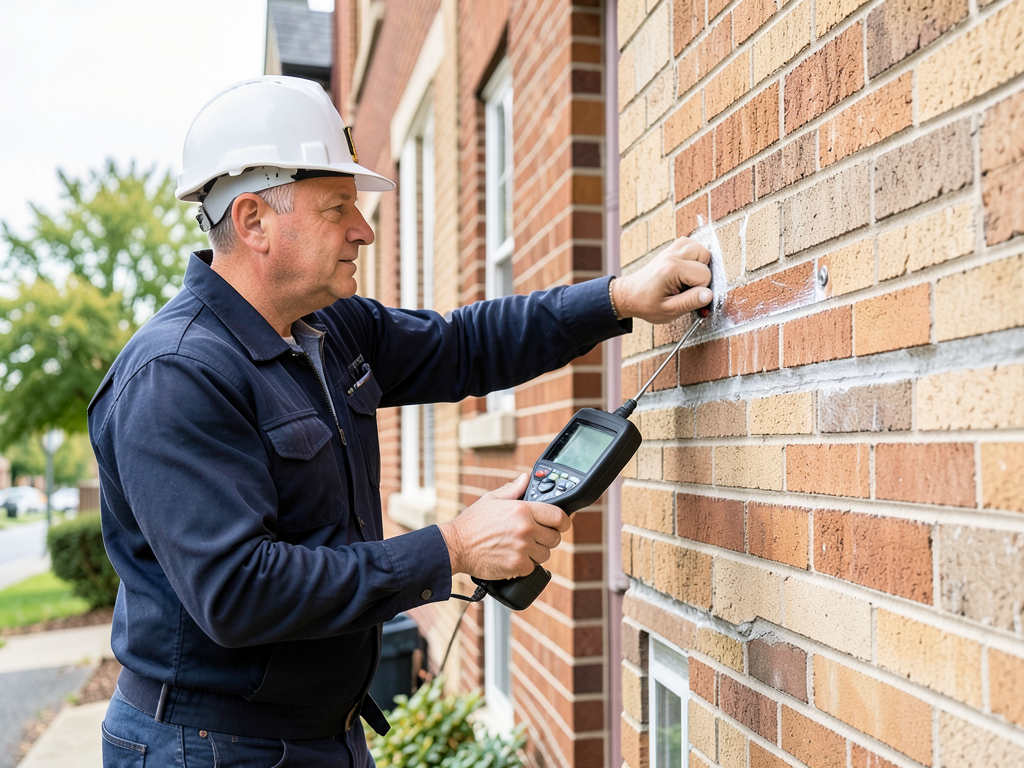
Our initial assessment includes infrared scanning to detect moisture trapped in existing insulation or decking. Wet areas must be removed and replaced before foam application because trapped moisture will cause adhesion failure. We take core samples at suspect locations to verify substrate condition. The evaluation identifies structural issues like sagging decking or failed fasteners that require correction. You receive a written report with photographs documenting existing conditions and our recommended scope of work. This assessment protects you from discovering hidden damage mid-project and ensures the SPF system performs as designed.

Performance and Energy Efficiency

Spray polyurethane foam roofing delivers R-values between 6.0 and 7.0 per inch, significantly higher than traditional commercial roofing insulation. A 2-inch application provides R-12 to R-14, reducing heat transfer and lowering HVAC costs. The seamless membrane eliminates thermal bridging common with mechanically fastened systems. You will notice reduced heating costs during Pittsburgh winters and lower cooling loads during summer. The reflective coating reduces roof surface temperature by up to 50 degrees, extending equipment life for rooftop HVAC units. Polyurethane foam roofing typically reduces energy consumption by 20 to 40 percent compared to aged, under-insulated commercial roofs.

Maintenance Requirements

SPF roof systems require periodic inspections to maintain performance. We recommend annual inspections to check coating condition, clear drains, and address any mechanical damage from foot traffic or equipment service. Small coating repairs prevent foam exposure and UV degradation. Every 10 to 15 years, the elastomeric coating requires reapplication to maintain weather protection. This recoat process costs a fraction of roof replacement and extends system life indefinitely. We provide maintenance agreements that include scheduled inspections and priority service for any issues. Proper maintenance transforms your commercial spray foam roofing into a permanent roofing system.

Frequently Asked Questions

You Have Questions,
We Have Answers

Is it a good idea to spray foam your roof? +

Spray foam roofing works well for commercial buildings in Pittsburgh. The system creates a seamless, waterproof membrane that handles freeze-thaw cycles better than traditional roofing. Pittsburgh sees temperature swings from below zero to 90 degrees, which cause expansion and contraction. Spray foam moves with the substrate, reducing leak potential. It adds R-value, cutting heating and cooling costs for warehouses and office buildings. The application requires dry conditions and proper surface prep. For flat or low-slope commercial roofs, spray foam extends roof life and reduces energy expenses, making it a solid choice for business owners focused on ROI.

What are the disadvantages of a spray foam roof? +

Spray foam roofing has specific limitations. Application requires temperatures above 40 degrees and low humidity, which limits installation windows in Pittsburgh winters. The coating degrades under UV exposure and needs recoating every 10 to 15 years to maintain performance. Improper installation causes adhesion failures and moisture trapping. The system costs more upfront than modified bitumen or TPO. Foam density matters. Low-density foam punctures easily under foot traffic during maintenance. Pittsburgh's industrial air quality can accelerate coating breakdown. Lenders sometimes flag spray foam due to past installation problems, requiring additional documentation. These factors do not disqualify spray foam but require proper contractor selection and maintenance planning.

Why is spray foam a red flag for lenders? +

Lenders flag spray foam because past installations damaged roof decking and electrical systems. Early spray foam contractors applied product incorrectly, trapping moisture that rotted sheathing and caused mold. Some installers sprayed over wet substrates or failed to address existing leaks. This created liability for lenders holding mortgages. Pittsburgh's humidity compounds moisture issues if ventilation gets blocked. Modern closed-cell spray foam, when installed correctly with proper prep and coating, does not cause these problems. Lenders now require documentation showing professional installation, proper substrate prep, and manufacturer warranty. Commercial lenders care less about this issue because they focus on building performance and liability coverage.

Is spray foam roofing expensive? +

Spray foam roofing costs more upfront than conventional systems but delivers better ROI over time. A commercial spray foam roof runs $4 to $7 per square foot installed, compared to $3 to $5 for TPO or EPDM. Pittsburgh's commercial buildings see 20 to 40 percent energy savings from the added insulation value. The seamless application reduces leak callbacks and warranty claims. Maintenance costs drop because you eliminate seam failures common in membrane systems. Factor in a 20 to 30 year lifespan with periodic recoating, and the total cost of ownership beats tear-off and replacement cycles. For businesses prioritizing operational efficiency and minimal downtime, spray foam justifies the initial expense.

How much does it cost to spray foam a 2000 foot attic? +

This question applies to residential attic insulation, not commercial roofing applications. For commercial buildings in Pittsburgh, spray foam roofing costs depend on roof square footage, existing substrate condition, required thickness, and access difficulty. A 20,000 square foot commercial roof typically costs $80,000 to $140,000 for a complete spray foam system. Variables include surface prep, primer requirements, foam density, coating type, and edge detail complexity. Pittsburgh's mix of flat and low-slope commercial roofs often requires additional drainage correction before foam application. Request detailed proposals that break down material costs, labor, and warranty coverage to compare accurately against other roofing systems.

Why can't you sell a house with spray foam insulation? +

This concern applies to residential cavity wall insulation, not commercial roofing. Homes with spray foam in walls sometimes face resale issues because improper installation blocked ventilation or trapped moisture. Appraisers and home inspectors flag these installations, requiring remediation before closing. Commercial spray foam roofing does not create this problem. It applies to the exterior roof surface, not within structural cavities. Pittsburgh's commercial real estate market values energy efficiency and roof condition. A properly installed and maintained spray foam roof increases building value by reducing operating costs and extending roof life. Provide documentation of professional installation and maintenance records to support property valuations.

Why are people removing spray foam? +

Property owners remove spray foam when contractors installed it incorrectly or failed to maintain the protective coating. Poor installation traps moisture against the substrate, causing rot and mold. Neglected coatings allow UV degradation, which breaks down the foam itself. Some Pittsburgh building owners remove spray foam applied over failing substrates rather than addressing underlying structural issues first. DIY installations without proper equipment create adhesion problems and uneven coverage. Removal costs less than fixing a compromised building envelope. Commercial property managers who inherit poorly executed spray foam systems sometimes opt for complete removal and replacement with conventional roofing to eliminate ongoing maintenance headaches and liability concerns.

Why are insurance companies not insuring homes with spray foam insulation? +

Insurance companies scrutinize spray foam in residential wall cavities because improper installation caused electrical fires and moisture damage claims. Contractors who sprayed around electrical boxes without proper clearance created fire hazards. Blocked ventilation led to mold growth and structural rot, triggering expensive claims. These issues apply to residential retrofit insulation, not commercial roofing applications. Pittsburgh's commercial insurance underwriters focus on roof condition, building code compliance, and fire ratings. A professionally installed spray foam roof with proper documentation, manufacturer warranty, and maintenance records does not trigger insurance issues. Commercial policies care about liability reduction and property protection. Spray foam roofing that prevents leaks and reduces claims actually benefits coverage terms.

What is the life expectancy of a spray foam roof? +

Spray foam roofing lasts 20 to 30 years with proper maintenance. The foam itself remains stable for decades. The protective coating degrades under UV exposure and requires recoating every 10 to 15 years. Pittsburgh's temperature extremes and industrial air quality affect coating lifespan. Regular inspections identify coating breakdown before foam exposure occurs. Recoating costs $1 to $2 per square foot, which extends the system another 10 to 15 years. This compares favorably to traditional commercial roofs requiring complete replacement every 15 to 20 years. Proper drainage, routine inspections, and timely recoating maximize lifespan. Commercial buildings with spray foam roofs see lower lifecycle costs than conventional systems.

Can mold grow behind spray foam insulation? +

Mold grows behind spray foam only when moisture gets trapped during installation or through subsequent leaks. Closed-cell spray foam acts as a vapor barrier and does not absorb water. If contractors spray over wet substrates, existing leaks, or failing roof decking, moisture cannot escape and mold develops. Pittsburgh's humidity requires proper substrate prep and moisture testing before application. Thermal imaging identifies trapped moisture in existing roofs. Professional installers dry and repair substrates completely before spraying. Once installed correctly, spray foam prevents moisture intrusion better than traditional roofing. Regular inspections catch coating damage before water penetrates. Mold issues stem from installation errors, not the material itself.

How Pittsburgh's Industrial Zones Benefit from SPF Roofing Technology

Pittsburgh's concentration of manufacturing and distribution facilities in areas like Chateau, Hazelwood, and the Monongahela Valley creates unique roofing challenges. These industrial zones feature buildings with large, flat roof areas subject to heavy snow loads and ponding water. Traditional built-up roofing and single-ply membranes struggle with Pittsburgh's temperature swings, which can exceed 100 degrees between summer highs and winter lows. Spray polyurethane foam roofing accommodates this thermal movement without cracking or delaminating. The system's ability to fill low spots and create positive drainage addresses the ponding issues that plague flat roofs in Pittsburgh's high-precipitation climate.

Commercial property owners in Allegheny County face increasing pressure to improve building energy efficiency and reduce operating costs. Victory Roofing Pittsburgh works with facility managers who need documentation for energy audits and green building certifications. Our SPF roof systems meet cool roof standards and contribute to LEED points for commercial properties. We provide technical specifications and R-value calculations for your building records. Our familiarity with Pittsburgh's commercial building stock means we understand the structural limitations of older facilities and can design polyurethane foam roofing systems that work within those constraints.
Roofing Services in The Pittsburgh Area

We are proud to serve the entire Pittsburgh metropolitan area and surrounding communities. Use the interactive map below to easily locate our office or visualize our extensive service region, which includes every neighborhood from the North Shore to the South Hills. We are locally committed and ready to bring our award-winning, trusted roofing expertise right to your specific location for any inspection, repair, or full installation project. We look forward to meeting you and securing your valuable property!

Address:
Victory Roofing Pittsburgh, 500 Grant St, Pittsburgh, PA, 15219

Additional Services We Offer

Our news updates

Latest Articles & News from The Blogs

Why You Should Repair Your Bellevue Wrap-Around Porch Roof Now Your Bellevue wrap-around porch isn't just a charming architectural feature—it's…

Why You Should Repair Your Bellevue Wrap-Around Porch Roof Now

Why You Should Repair Your Bellevue Wrap-Around Porch Roof Now Your Bellevue wrap-around porch isn't just a charming architectural feature—it's…

Restoring the Historic Beauty of Manchester North Side Roofs

Restoring the Historic Beauty of Manchester North Side Roofs Manchester’s historic North Side is home to some of Pittsburgh’s most…

The Hidden Risks of Shingle Overlays for Whitehall Homeowners

The Hidden Risks of Shingle Overlays for Whitehall Homeowners \n\n Thinking about saving money with a shingle overlay on your…

Contact Us

Call (878) 209-5522 to schedule a facility evaluation. Victory Roofing Pittsburgh provides detailed assessments, specifications, and cost projections for commercial spray foam roofing installations across the Pittsburgh metro. Stop losing money to energy waste and emergency leak repairs.