
menu

TPO Roofing Installation in Pittsburgh – Minimize Downtime with Industrial-Grade Single-Ply Systems

Victory Roofing Pittsburgh delivers Thermoplastic Polyolefin membrane roofing engineered for commercial flat roof applications, ensuring your facility stays operational during installation with minimal business disruption.

Slider Image 1
Slider Image 2
Slider Image 3
Slider Image 4
Slider Image 5
Slider Image 7
Slider Image 8
Slider Image 9
Slider Image 10
Slider Image 11

Pittsburgh's Freeze-Thaw Cycles Demand Commercial-Grade TPO Membrane Systems

Pittsburgh commercial properties face unique roofing challenges that standard membrane systems cannot handle. The region experiences 120-plus freeze-thaw cycles annually, causing conventional flat roof materials to crack, split, and fail prematurely. When water penetrates these compromised surfaces, it expands during freezing, accelerating structural damage to roof decking and insulation layers.

Your facility cannot afford the liability exposure or operational disruption that comes with roof failure. Manufacturing plants, distribution centers, and multi-tenant commercial buildings in the Strip District and Industrial Valley depend on continuous operation. A failing roof system creates cascade failures: inventory damage, production stoppages, and potential regulatory violations if climate control fails.

Single-ply TPO roofing offers the solution Pittsburgh's commercial structures require. Thermoplastic Polyolefin installation provides superior cold-crack resistance compared to EPDM or modified bitumen systems. The heat-welded seams create a monolithic waterproof barrier that withstands Pennsylvania's temperature extremes without the brittleness that plagues other materials.

Commercial TPO roof systems deliver measurable ROI through energy efficiency. The white reflective surface reduces cooling loads by up to 30 percent during summer months, directly lowering operating expenses. For facilities with large square footage, this translates to substantial utility cost reduction over the membrane's service life.

TPO flat roof installation accommodates the low-slope and flat configurations common in Pittsburgh's commercial architecture. The material's flexibility allows proper drainage design while maintaining the structural integrity required for rooftop HVAC units, exhaust systems, and other mechanical equipment typical of commercial installations.

Pittsburgh's Freeze-Thaw Cycles Demand Commercial-Grade TPO Membrane Systems
Engineered Installation Protocol for Commercial TPO Membrane Roofing

Engineered Installation Protocol for Commercial TPO Membrane Roofing

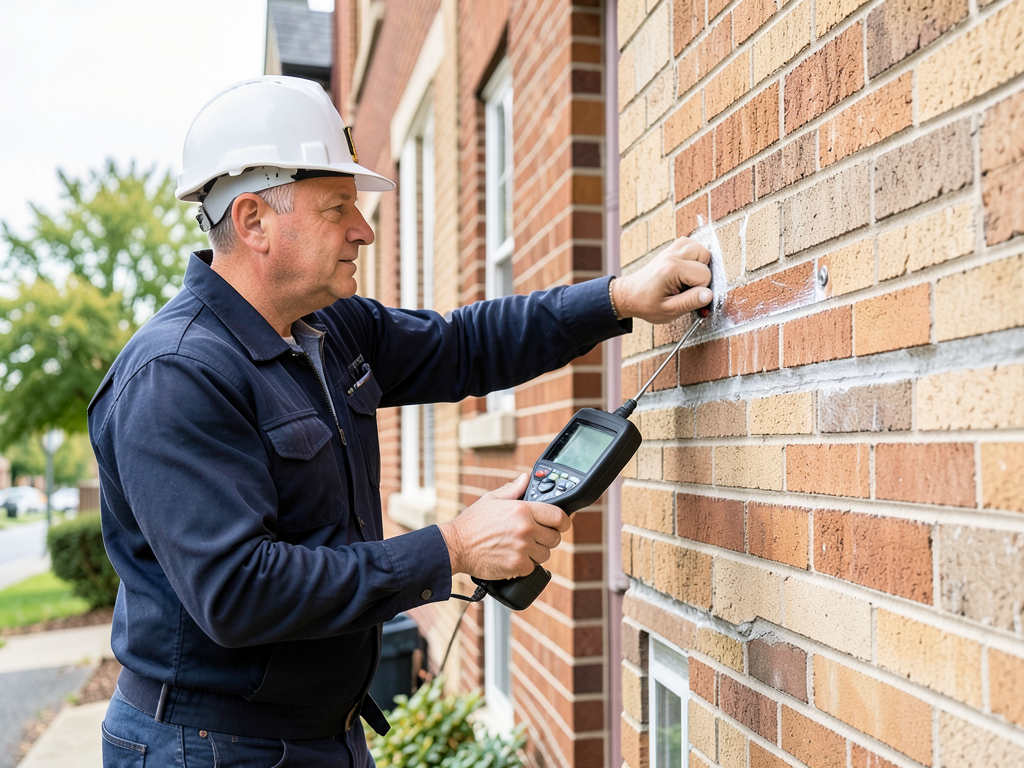
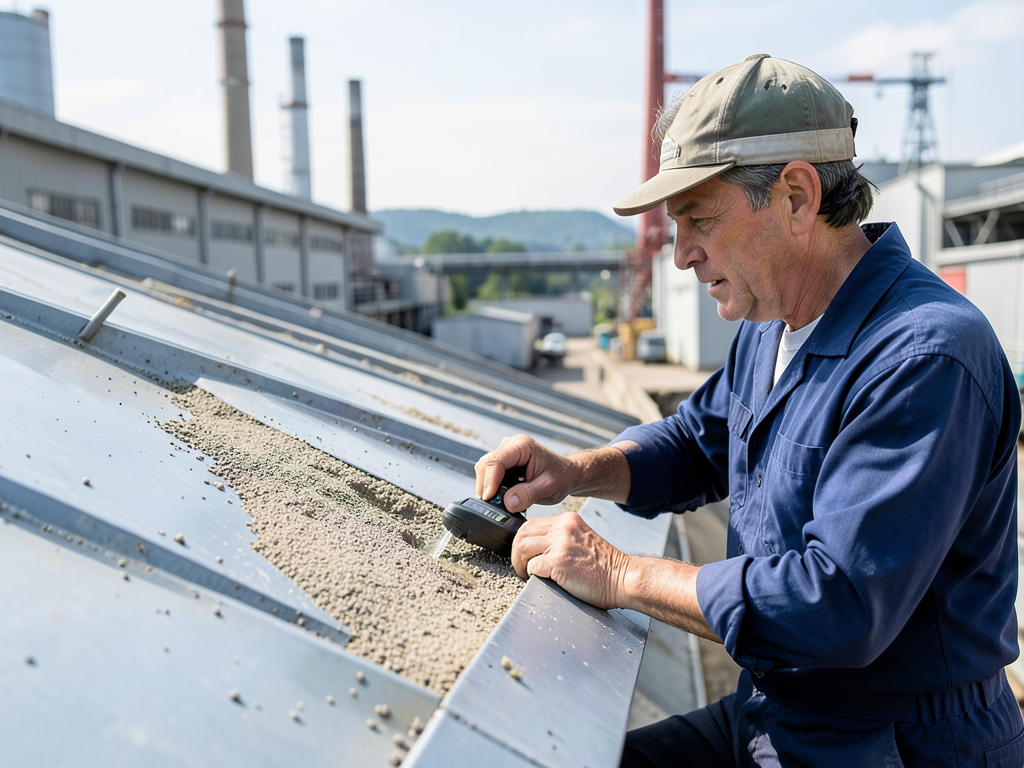
Victory Roofing Pittsburgh employs systematic installation methodology that prioritizes business continuity and code compliance. The process begins with infrared moisture scanning to identify saturated insulation areas invisible to visual inspection. This technology prevents the costly mistake of installing new TPO membrane over compromised substrate, which accelerates system failure.

The existing roof assembly receives complete structural evaluation. Load calculations determine whether the deck can support new insulation layers and membrane weight plus equipment loads. Pittsburgh's building codes require specific attachment densities based on wind uplift zones, particularly for properties near the confluence of the three rivers where wind patterns intensify.

Substrate preparation follows manufacturer specifications exactly. Any deviation from these protocols voids material warranties and compromises performance. The roof deck receives a cover board layer that protects the insulation from punctures and provides a smooth surface for membrane adhesion. This step separates professional installations from failures that occur within the first five years.

TPO membrane installation utilizes hot-air welding equipment calibrated to precise temperatures. The welding process creates seams stronger than the base material itself, eliminating the weak points that plague mechanically fastened or adhesive-bonded systems. Each seam receives probe testing to verify complete fusion before moving to adjacent sections.

Flashing details at penetrations, parapet walls, and roof-to-wall transitions require custom fabrication. Pre-formed components cannot accommodate the variations in Pittsburgh's commercial building stock, which ranges from 1920s masonry structures to modern steel-frame construction. Field-fabricated flashing ensures proper water diversion regardless of substrate condition or architectural complexity.

The final installation phase addresses drainage and ponding prevention. Commercial TPO roof systems require positive drainage to prevent standing water, which degrades any roofing material over time. Tapered insulation systems or structural modifications ensure water moves to scuppers and drains within 48 hours of precipitation events.

How Commercial TPO Installation Protects Your Operations

TPO Roofing Installation in Pittsburgh – Minimize Downtime with Industrial-Grade Single-Ply Systems
01

Facility Assessment and Staging

The initial phase evaluates your building's structural capacity and establishes material staging areas that keep operations running. We coordinate with your facility management team to identify restricted zones, schedule noise-intensive work during off-hours, and establish safety protocols for occupied buildings. Core samples determine existing insulation R-value and moisture content. This data drives material selection and attachment specifications that meet Pennsylvania commercial building codes while accommodating your operational requirements.
02

Systematic Membrane Installation

TPO membrane installation proceeds in sections that minimize exposed roof area and weather exposure risk. Hot-air welding creates permanent seam fusion as each roll is positioned and bonded. Mechanical fasteners secure the membrane to the deck at specified intervals based on wind uplift calculations for Pittsburgh's weather zone. All penetrations receive custom flashing fabricated on-site to ensure weathertight integration. Quality control testing verifies every seam before protective walkway pads are installed around high-traffic equipment areas.
03

Final Inspection and Documentation

The completed installation undergoes comprehensive inspection using electronic leak detection equipment that identifies any compromised areas invisible to visual examination. All flashing details, seam welds, and fastener patterns are photographed and logged. You receive complete documentation including material certifications, installation photos, and maintenance protocols required for warranty activation. The manufacturer's warranty registration is submitted with proof of proper installation, establishing your coverage timeline and providing the documentation needed for property valuation and future asset transfers.

Why Pittsburgh Commercial Properties Choose Victory Roofing

Commercial roofing decisions carry consequences that extend years beyond installation day. The wrong contractor creates liability exposure through code violations, voided warranties, and premature system failure. Victory Roofing Pittsburgh brings specialized expertise in commercial TPO roof systems that protects your investment and operational continuity.

Pittsburgh's commercial building codes contain specific requirements for roof assemblies based on occupancy type and building height. Medical facilities, food processing plants, and buildings exceeding three stories face stricter fire rating and attachment requirements. We maintain current knowledge of these regulations and work directly with city inspectors to ensure permit approval without delays that extend project timelines.

The Allegheny County commercial market includes diverse building types from converted industrial structures in Lawrenceville to modern office complexes in Cranberry Township. Each building type presents unique challenges. Historical structures may require specialized attachment methods that preserve structural integrity while meeting modern performance standards. Victory Roofing Pittsburgh has installed TPO membrane roofing on every commercial building type in the region.

Our installation crews receive ongoing manufacturer training and certification. This matters because TPO roofing technology evolves. Membrane formulations, adhesive chemistry, and welding protocols change as manufacturers improve products. Contractors who rely on outdated methods create installations that fail prematurely or do not qualify for full warranty coverage.

Equipment investment separates professional commercial roofing contractors from residential companies that occasionally attempt commercial work. Hot-air welding equipment requires calibration and maintenance. Moisture detection technology, seam testing tools, and safety equipment for commercial building access represent substantial capital investment that only high-volume commercial contractors can justify.

Pittsburgh's weather patterns demand rapid installation capability. Summer months provide the optimal installation window, but commercial properties cannot wait months for scheduling. We maintain the crew capacity and equipment inventory to mobilize quickly when your project timeline requires immediate action.

What Your Commercial TPO Installation Delivers

Project Timeline and Scheduling Flexibility

Installation timelines scale based on roof area, structural complexity, and operational constraints. A 20,000 square foot flat roof with minimal penetrations requires 5-7 working days under normal conditions. Projects requiring phased installation to accommodate occupied spaces extend this timeframe but prevent operational disruption. We schedule noise-intensive work outside business hours when necessary. Weather delays receive immediate communication with revised completion dates. Material staging happens 48 hours before installation begins to prevent delays waiting for product delivery. Your project receives dedicated crew assignment to ensure continuity and prevent the quality issues that occur when different teams handle various phases.

Pre-Installation Structural Evaluation

The assessment phase identifies conditions that compromise system performance before any material goes on your roof. Infrared scanning detects moisture in existing insulation that visual inspection misses. Core samples reveal the number and condition of underlying roof layers. Structural engineers evaluate deck capacity for buildings where existing conditions raise concerns about load-bearing adequacy. This evaluation produces a detailed specification that addresses your building's exact requirements rather than applying generic solutions. You receive documentation showing existing conditions, recommended repairs, and material selections with performance data. This transparency eliminates surprise costs and ensures the installed system matches your expectations.

Performance Standards and Quality Verification

The completed installation meets or exceeds manufacturer specifications and local building codes. Every seam receives probe testing to verify complete heat-weld fusion. Fastener patterns match the engineered specifications for your building's wind uplift zone. All flashing details follow NRCA guidelines for commercial applications. The membrane surface shows no wrinkles, fishmouths, or improper laps that indicate rushed or careless installation. Electronic leak detection testing confirms the assembly's weathertight integrity before final inspection. You receive photo documentation showing critical details and a punch list confirming all specified work is complete. This quality verification protects your investment and provides evidence of proper installation if warranty claims become necessary.

Warranty Coverage and Maintenance Programs

Material warranties extend 15-20 years depending on membrane thickness and manufacturer. These warranties cover material defects but require proper installation and maintenance to remain valid. Victory Roofing Pittsburgh handles warranty registration with complete installation documentation that manufacturers require. We offer maintenance programs that include bi-annual inspections, drain clearing, and minor repairs. These programs prevent small issues from becoming expensive failures and maintain warranty compliance. The maintenance contract provides priority scheduling if emergency repairs become necessary. Regular inspections identify problems early when repair costs remain minimal. This proactive approach extends system life beyond the warranty period and protects your property value. Documentation from these inspections supports insurance claims and provides due diligence records for property transactions.

Frequently Asked Questions

You Have Questions,
We Have Answers

What are the disadvantages of TPO roofing? +

TPO roofing has three notable drawbacks for commercial properties. First, seam integrity depends entirely on installer skill. Poor heat-welding creates weak points vulnerable to Pittsburgh's freeze-thaw cycles. Second, TPO formulations vary between manufacturers, making long-term performance unpredictable. Third, the membrane punctures more easily than PVC when exposed to rooftop equipment traffic or wind-blown debris. In Pittsburgh's climate, thermal expansion and contraction stress seams over time. While TPO offers cost advantages, these vulnerabilities require careful contractor selection and regular inspection protocols. Business owners must weigh upfront savings against potential maintenance costs and service life consistency.

What goes under a TPO roof? +

A commercial TPO roof system requires multiple substrate layers. The structural deck, typically metal or concrete on Pittsburgh commercial buildings, forms the base. Next comes rigid insulation boards (polyiso or XPS) to meet energy codes and provide thermal resistance against winter cold. A cover board (gypsum, perlite, or high-density polyiso) protects insulation from membrane installation damage and increases puncture resistance. Finally, the TPO membrane itself goes on top. Pittsburgh projects often require tapered insulation systems to create positive drainage, preventing ponding water that reduces membrane lifespan. Vapor barriers may be added below insulation depending on building usage and interior humidity levels.

Can you put TPO directly over plywood? +

You should not install TPO directly over plywood without proper underlayment. Plywood expands and contracts with Pittsburgh's humidity swings, which can stress membrane seams. Additionally, direct contact creates moisture entrapment risks. The correct approach requires a separation layer: either a slip sheet or, preferably, rigid insulation boards. This assembly provides thermal performance, protects the plywood from condensation damage, and creates a stable substrate for TPO attachment. Commercial applications in Pittsburgh must meet energy code requirements, which mandate insulation R-values that plywood alone cannot provide. Direct membrane-to-plywood installation voids most manufacturer warranties and fails to meet building code standards.

Should TPO roofing be glued down? +

TPO attachment method depends on building structure, wind exposure, and budget. Fully adhered systems bond the membrane to substrate using adhesive, providing superior wind uplift resistance for Pittsburgh's storm conditions and eliminating fastener penetrations. Mechanically fastened systems use screws and plates through the membrane, offering faster installation and lower material costs but creating potential leak points. Ballasted systems use stone to hold the membrane down but require structural capacity for the added weight. For most Pittsburgh commercial properties, fully adhered or mechanically fastened methods prove optimal. Adhesion provides better performance in high-wind zones, while mechanical attachment offers easier repairs and lower upfront investment.

How many years does a TPO roof last? +

A properly installed TPO roof lasts 15 to 25 years in commercial applications. Lifespan depends on membrane thickness (45-mil, 60-mil, or 80-mil), installation quality, maintenance protocols, and environmental exposure. Pittsburgh's freeze-thaw cycles and UV exposure from summer sun stress the membrane over time. Thicker membranes (60-mil or 80-mil) provide longer service life and better puncture resistance for properties with rooftop equipment or high foot traffic. Regular inspections catch seam failures early, preventing water infiltration that shortens lifespan. Budget for replacement at the 20-year mark on standard installations. Deferred maintenance accelerates deterioration, reducing expected lifespan by 30 to 40 percent in commercial settings.

Why do insurance companies not like flat roofs? +

Insurance carriers price flat roofs higher because water drainage issues increase claim frequency. Unlike pitched roofs that shed water immediately, flat roofs depend on drainage systems that can fail. Ponding water accelerates membrane deterioration, creates leak pathways, and adds structural load. In Pittsburgh, freeze-thaw cycles worsen these problems when standing water freezes and expands. Insurance actuaries see higher loss ratios on flat roofs due to interior damage from undetected leaks. Commercial policies often require proof of proper drainage, regular maintenance records, and newer roofing systems (under 15 years old). Some carriers exclude coverage for roofs over 20 years old or require premium surcharges for flat configurations.

How much is a 60 mil TPO roof? +

Commercial 60-mil TPO roofing costs vary based on building size, attachment method, insulation requirements, and existing roof condition. Cost factors include tear-off expenses, substrate repairs, insulation upgrades to meet current energy codes, flashing details, and penetration sealing. Pittsburgh projects face higher costs during winter months when installation conditions limit productivity. Larger commercial buildings (over 10,000 square feet) see lower per-square-foot pricing due to economies of scale. Fully adhered systems cost more than mechanically fastened installations. Request detailed specifications from multiple contractors to compare equivalent scopes. Focus on total system value rather than membrane price alone. Poor installation negates any material cost savings through premature failure.

Which roof is better, EPDM or TPO? +

TPO and EPDM serve different commercial roofing priorities. TPO offers heat-welded seams (stronger than EPDM's glued seams), white reflective surface for energy efficiency, and better puncture resistance. EPDM provides proven 40-year track record, flexibility in Pittsburgh's temperature extremes, and simpler repair procedures. For energy-conscious Pittsburgh businesses, TPO's reflectivity reduces cooling loads. For properties prioritizing longevity and cold-weather performance, EPDM excels. TPO costs slightly more upfront but potentially saves on energy bills. EPDM requires less specialized installation skill, reducing contractor variability risks. Choose TPO for newer buildings with efficiency mandates. Choose EPDM for straightforward reliability and easier maintenance over extended service life.

Why does a TPO roof leak? +

TPO roofs leak due to four primary failures. First, improperly heat-welded seams separate under thermal stress from Pittsburgh's temperature swings. Second, fastener back-out occurs when metal decking expands and contracts, creating penetration points. Third, flashing details around penetrations (HVAC curbs, vents, drains) fail when installers shortcut proper termination procedures. Fourth, punctures from foot traffic or wind-blown debris compromise membrane integrity. Standing water from inadequate drainage accelerates all these failure modes by stressing seams and saturating substrate layers. Most leaks trace back to installation errors rather than material defects. Regular inspection catches early warning signs like loose seams or ponding water before interior damage occurs.

Can TPO be glued to OSB? +

You can glue TPO to OSB using approved adhesives, but this approach requires careful moisture management. OSB is more vulnerable to water damage than plywood, making proper vapor barrier installation critical in Pittsburgh's humid climate. The adhesive bond relies on dry, clean substrate conditions. Any moisture content in the OSB will compromise adhesion strength and void manufacturer warranties. Most commercial applications use rigid insulation over OSB rather than direct membrane application. This assembly provides required thermal performance, protects the OSB from condensation, and creates a superior bonding surface. If direct application is necessary, verify OSB moisture content below 19 percent and use manufacturer-approved primers designed for engineered wood substrates.

Why Pittsburgh's Industrial Legacy Makes TPO Roofing Critical for Aging Commercial Buildings

Pittsburgh's commercial building inventory includes thousands of structures built during the region's industrial peak between 1900 and 1960. These buildings feature flat or low-slope roofs with heavy timber decking and minimal insulation by modern standards. The original built-up tar and gravel systems have been overlaid multiple times, creating roof assemblies weighing 15-20 pounds per square foot. TPO membrane roofing allows complete tear-off and replacement with lighter systems that reduce structural load while improving energy performance. The single-ply installation weighs less than three pounds per square foot including insulation, extending the service life of aging structural members without costly reinforcement.

Allegheny County requires commercial roofing permits for projects exceeding 100 square feet, with inspections verifying attachment methods and fire ratings. Victory Roofing Pittsburgh maintains established relationships with local building officials who recognize our work quality and code compliance history. This familiarity accelerates permit approval and prevents the installation delays that occur when inspectors question contractor methodology. We understand the specific requirements for buildings in Pittsburgh's historic districts where exterior appearance restrictions affect material color and finish selection. This local knowledge prevents costly mistakes and ensures your project meets all regulatory requirements without compromising performance or extending timelines.
Roofing Services in The Pittsburgh Area

We are proud to serve the entire Pittsburgh metropolitan area and surrounding communities. Use the interactive map below to easily locate our office or visualize our extensive service region, which includes every neighborhood from the North Shore to the South Hills. We are locally committed and ready to bring our award-winning, trusted roofing expertise right to your specific location for any inspection, repair, or full installation project. We look forward to meeting you and securing your valuable property!

Address:
Victory Roofing Pittsburgh, 500 Grant St, Pittsburgh, PA, 15219

Additional Services We Offer

Our news updates

Latest Articles & News from The Blogs

Why You Should Repair Your Bellevue Wrap-Around Porch Roof Now Your Bellevue wrap-around porch isn't just a charming architectural feature—it's…

Why You Should Repair Your Bellevue Wrap-Around Porch Roof Now

Why You Should Repair Your Bellevue Wrap-Around Porch Roof Now Your Bellevue wrap-around porch isn't just a charming architectural feature—it's…

Restoring the Historic Beauty of Manchester North Side Roofs

Restoring the Historic Beauty of Manchester North Side Roofs Manchester’s historic North Side is home to some of Pittsburgh’s most…

The Hidden Risks of Shingle Overlays for Whitehall Homeowners

The Hidden Risks of Shingle Overlays for Whitehall Homeowners \n\n Thinking about saving money with a shingle overlay on your…

Contact Us

Your facility deserves roofing that supports operations instead of disrupting them. Call Victory Roofing Pittsburgh at (878) 209-5522 for a comprehensive evaluation. We provide detailed proposals with material specifications and project timelines so you can make informed decisions.