
menu

Sagging Roof Deck in Pittsburgh – Expert Diagnosis and Structural Repair Before Your Home Is Compromised

Victory Roofing Pittsburgh identifies the root cause of bowing roof sheathing, warped roof plywood, and deflected roof decking to restore structural integrity before leaks and collapse threaten your property.

Slider Image 1
Slider Image 2
Slider Image 3
Slider Image 4
Slider Image 5
Slider Image 7
Slider Image 8
Slider Image 9
Slider Image 10
Slider Image 11

Why Pittsburgh Homes Experience Sagging Roof Decks More Often Than You Think

You walk into your attic and notice the roof decking isn't flat anymore. It dips between the rafters. The plywood sags in the middle. You might see bowing roof sheathing or sunken roof boards that look like they're giving up under the weight of your shingles.

This is not normal, and it's not going away on its own.

Pittsburgh's freeze-thaw cycles create a brutal testing ground for roof decking. Water seeps into small gaps during the fall rains. Winter hits, temperatures drop, and that moisture freezes. Ice expands inside the wood grain, breaking down the structural fibers of your roof sheathing. When spring thaws arrive, the damage is already done. The plywood softens. The wood fibers lose their rigidity. You get dipping roof decking that can no longer support the load above it.

Add Pittsburgh's high humidity during summer months, and you're looking at a moisture sandwich. Condensation builds in poorly ventilated attics. The wood absorbs that moisture. Over time, warped roof plywood becomes the norm, not the exception. The deflection you see is not just cosmetic. It's a structural warning sign that the decking has lost its load-bearing capacity.

Older homes in neighborhoods like Squirrel Hill, Shadyside, and Highland Park often have original roof decking from the 1950s and 1960s. That lumber was not treated with modern moisture barriers. The wood degrades faster under Pittsburgh's climate stress. If your roof deck is sagging, the problem is already advanced. Waiting makes it worse. Leaks follow sagging. Mold follows leaks. Collapse follows neglect.

Why Pittsburgh Homes Experience Sagging Roof Decks More Often Than You Think
How We Fix Sagging Roof Decks the Right Way

How We Fix Sagging Roof Decks the Right Way

Most roofers will tell you to tear off the old shingles and replace the decking. That's half the answer. We go deeper.

First, we identify why the decking sagged in the first place. Was it a ventilation failure? Was it a roof leak that went unnoticed for years? Was it inadequate rafter spacing for the span load? If we don't fix the root cause, the new decking will fail just as fast.

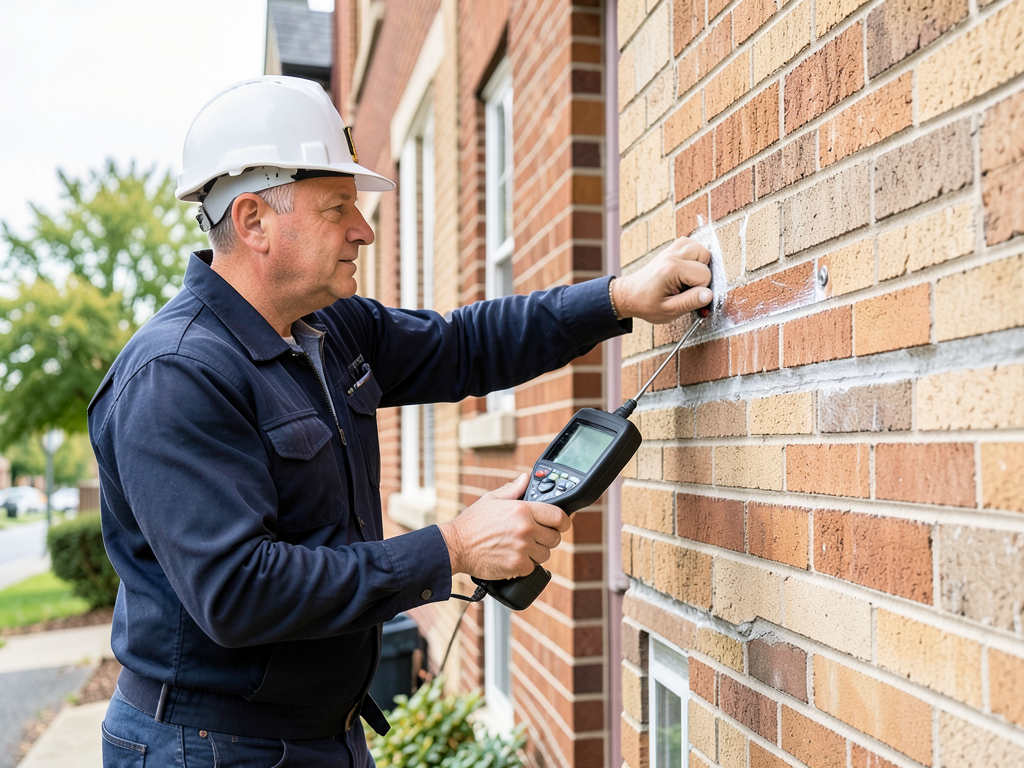
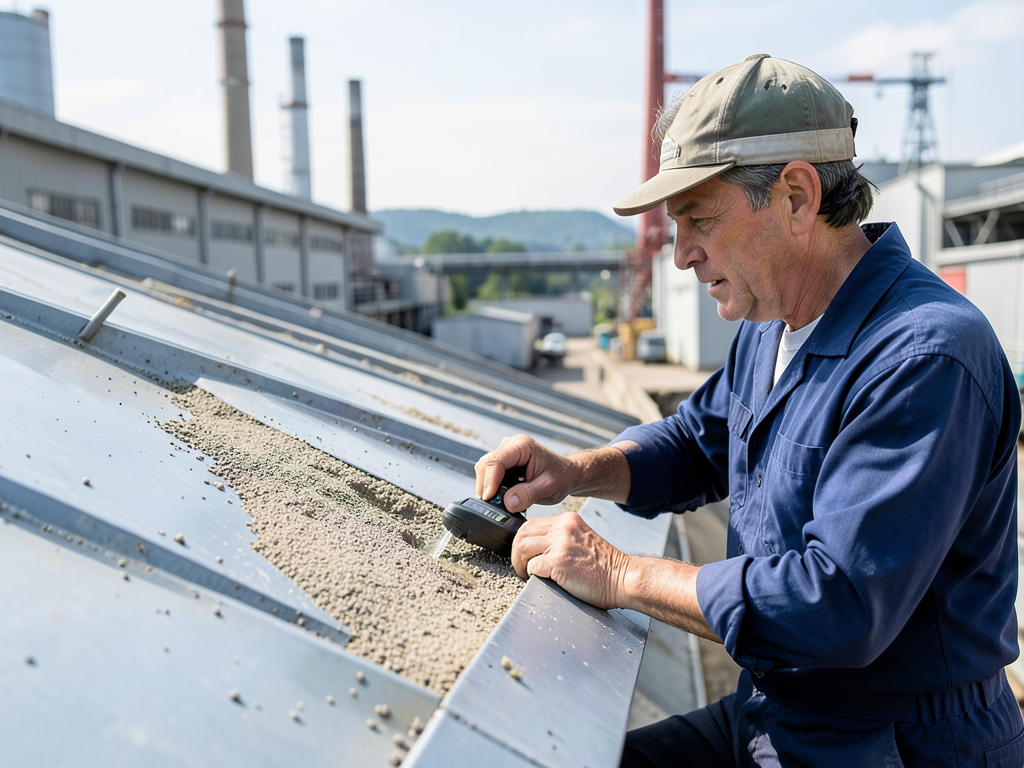
We perform a full attic inspection before we touch your roof. We check the rafter spacing, the ridge beam integrity, and the soffit-to-ridge ventilation flow. We use a moisture meter to test the existing decking for hidden water damage that isn't visible from below. Warped roof plywood often hides rot underneath. If we don't remove all the compromised material, the rot spreads into your new decking.

When we replace bowing roof sheathing, we use structural-grade plywood or oriented strand board rated for your roof's load requirements. We don't use the cheapest material available. We match the thickness to the rafter span. If your rafters are spaced 24 inches on center, we install thicker decking to prevent future deflection. If your home has a low-slope section where water pools, we install ice and water shield under the decking seams to prevent moisture intrusion.

We also sister damaged rafters when necessary. If the rafter has deflected along with the decking, replacing the plywood alone won't solve the problem. We reinforce or replace the structural framing so the new decking has a solid foundation. This is not cosmetic work. This is structural carpentry combined with roofing expertise.

What Happens During a Roof Deck Repair

Sagging Roof Deck in Pittsburgh – Expert Diagnosis and Structural Repair Before Your Home Is Compromised
01

Attic and Exterior Inspection

We start inside your attic to measure the extent of deflection, check for moisture damage, and identify ventilation failures. We inspect the rafters, ridge beam, and existing fasteners. From the exterior, we look for areas where the roofline visibly sags or dips. We map out every section of sunken roof boards and document the damage with photos and measurements so you understand the full scope before we begin.
02

Decking Removal and Framing Repair

We remove the damaged sections of dipping roof decking and expose the rafters. If the rafters show signs of deflection or rot, we sister new lumber alongside them or replace them entirely. We install new structural-grade plywood cut to fit your rafter spacing, fastened with ring-shank nails for maximum hold. We seal all seams and ensure the new decking is level and rigid before we move to the next phase.
03

Waterproofing and Roof Reinstallation

Once the new decking is installed, we apply underlayment and ice and water shield in vulnerable areas like eaves, valleys, and penetrations. We reinstall or replace your roofing material, ensuring proper flashing around chimneys, vents, and skylights. Before we leave, we verify that your attic ventilation is balanced so moisture doesn't build up again. The result is a roof deck that will last decades, not years.

Why Pittsburgh Homeowners Trust Victory Roofing for Structural Repairs

Replacing deflected roof sheathing requires more than roofing skills. It requires carpentry knowledge, structural assessment ability, and an understanding of how Pittsburgh's climate accelerates wood decay.

We've repaired sagging roof decks in every type of Pittsburgh home. The brick Tudors in Shadyside with original 1940s framing. The wood-frame bungalows in Brookline with inadequate attic ventilation. The split-levels in Mt. Lebanon where poor flashing caused localized rot. Each home has unique challenges, and we adapt our approach to match.

We don't use subcontractors for structural work. Our crews are trained in both roofing and framing. When we open up your roof, we know what we're looking at. We recognize the difference between normal aging and structural failure. We know when to reinforce and when to replace.

Pittsburgh's building codes require specific fastener schedules and wind uplift ratings for roof decking. We follow those codes, not because we have to, but because they protect your home. When high winds hit during a storm, the connection between your decking and your rafters is what keeps your roof attached. We use the correct nail length, nail spacing, and edge fastening to meet or exceed those standards.

We also understand that most homeowners don't have unlimited budgets. We prioritize the repairs that matter most. If only one section of your roof deck is compromised, we don't sell you a full tear-off unless it's necessary. We give you options, explain the risks of each approach, and let you make the informed decision. Our job is to fix the problem, not to inflate the invoice.

What to Expect When You Call Victory Roofing Pittsburgh

Fast Scheduling and Transparent Timelines

We schedule your inspection within 48 hours of your call. During the inspection, we give you a realistic timeline for the repair. Most sagging roof deck repairs take two to four days, depending on the size of the damaged area and weather conditions. If we discover additional framing damage during tear-off, we communicate that immediately and adjust the timeline before proceeding. We don't disappear mid-job. You'll know exactly when we'll be on-site and when the work will be complete.

Thorough Attic and Roof Assessment

Our initial assessment includes attic access, moisture testing, and rafter inspection. We measure the deflection of the existing decking and check for ventilation problems that contributed to the failure. We take photos of the damage and walk you through what we found. You'll see exactly why the decking sagged and what needs to be done to fix it. We explain the scope in plain language, not roofing jargon. You'll understand the problem and the solution before we start any work.

Structural-Grade Materials and Code-Compliant Installation

We install structural-grade plywood or OSB rated for your rafter spacing and roof load. We use ring-shank nails at the correct spacing to meet Pittsburgh building codes. We seal all decking seams and install ice and water shield in vulnerable areas. When we're done, your roof deck will be stronger than it was when your home was built. The new decking won't warp, bow, or deflect under normal load conditions. You'll have a solid foundation for your roofing material.

Post-Repair Ventilation and Maintenance Guidance

After we install the new decking, we verify that your attic ventilation is balanced. Poor ventilation causes moisture buildup, which leads to future decking failure. We check your soffit vents, ridge vents, and gable vents to ensure proper airflow. If your ventilation is inadequate, we recommend solutions to prevent future problems. We also give you a maintenance checklist so you know what to watch for. Regular attic inspections and prompt leak repairs will keep your new decking in good condition for decades.

Frequently Asked Questions

You Have Questions,
We Have Answers

What is a sagging roof deck? +

A sagging roof deck is a structural problem where the plywood or OSB sheathing beneath your shingles bows downward between rafters. You see visible dips or waves when looking at your roofline. This happens when moisture penetrates the decking through poor attic ventilation, failed flashing, or roof leaks. In Pittsburgh, our freeze-thaw cycles worsen the damage. Water soaks into the wood, expands when it freezes, then weakens the fibers. The deck loses its rigidity and sags under the weight of your shingles and snow load. This compromises your entire roof system.

How much roof sagging is acceptable? +

No roof sagging is acceptable. Any visible dip or wave signals structural failure. Your roof deck should sit flat and rigid across all rafters. Even minor sagging means moisture has compromised the wood or your trusses are failing. Pittsburgh homes face heavy snow loads in winter. A sagging deck cannot distribute that weight properly. You risk progressive failure, interior water damage, and eventual collapse. If you notice sagging from the ground or in your attic, get a professional inspection immediately. What starts as a small dip spreads quickly once the decking loses structural integrity.

Can a sagging deck be fixed? +

Yes, but the fix depends on the damage extent. Minor sagging in isolated sections requires removing shingles, replacing damaged decking panels, and checking the underlying rafters. Widespread sagging often means you need full deck replacement or rafter reinforcement. In Pittsburgh, we also address the root cause, which is usually inadequate attic ventilation or a hidden leak. Fixing sagging deck is not a DIY job. You need proper fastening schedules, correct panel thickness for rafter spacing, and code-compliant installation. A professional roofer assesses the framing, checks for rot, and rebuilds the substrate correctly.

Is it expensive to fix a sagging roof? +

Cost varies widely based on damage severity and access difficulty. Replacing a few damaged deck panels runs less than full roof deck replacement. You also pay for shingle removal and replacement, disposal, and any rafter repairs. Pittsburgh's older homes often have hidden structural issues that add cost. Expect higher bills if your attic insulation blocks access or if you have multiple roof planes. The most expensive scenario is widespread rot requiring truss reinforcement or sister rafters. Delaying repairs only increases costs as moisture spreads to adjacent wood and compromises more structure.

Does homeowners insurance cover a sagging roof? +

Coverage depends on what caused the sagging. Insurance covers sudden damage from storms, fallen trees, or wind events. Gradual deterioration from poor maintenance, old age, or neglected leaks is excluded. If a recent ice dam or hail storm caused your deck to fail, you have a claim. Document everything with photos and get a professional inspection report. In Pittsburgh, insurers scrutinize roof claims closely. You need clear evidence linking the damage to a covered peril. Submit your claim promptly and expect an adjuster visit before approval.

How much does it cost to fix a sagging porch? +

Porch roofs typically cost less to repair than main roofs because of smaller square footage and easier access. Expect charges for joist inspection, decking replacement, flashing repair, and shingle work. Pittsburgh porches face salt damage from winter de-icing and moisture from poor drainage. If your posts or beams show rot, costs climb. The contractor removes the old surface, sister-joists weak framing, installs new decking, and matches your existing shingles. Costs rise if your porch ties into brick or stone requiring masonry work. Get multiple detailed estimates before starting work.

How to tell if a roofer is lying? +

A dishonest roofer pressures you for immediate decisions, demands full payment upfront, or lacks verifiable references. Watch for vague estimates without material specifications or square footage breakdowns. In Pittsburgh, legitimate contractors pull permits and carry active insurance you can verify. Red flags include no local address, arriving unsolicited after storms, or diagnosing problems from the ground without attic inspection. Ask for detailed written estimates, check online reviews across multiple platforms, and verify their business registration with Pennsylvania. Trust your gut. If something feels off, get a second opinion before signing anything.

What is the most expensive part of replacing a roof? +

The roof deck itself is often the most expensive component. Quality OSB or plywood sheathing covers your entire roof plane. Labor to remove old shingles, strip damaged decking, install new panels with proper fastening schedules, and reinstall underlayment and shingles adds up fast. In Pittsburgh, disposal fees for old materials increase costs. Complex roofs with multiple valleys, dormers, or steep pitches require more labor hours. The decking must meet code for thickness based on rafter spacing. Skimping here causes future problems. You also pay for structural repairs if rafters show damage.

How to tell if a roof is about to collapse? +

Warning signs include visible sagging or dips in your roofline, cracks in exterior or interior walls, doors or windows that stick suddenly, and popping or cracking sounds from your attic. Inside, look for bowed ceiling joists, daylight through the roof boards, or fresh water stains spreading quickly. Pittsburgh homeowners should check attics after heavy snow. If you see rafters bending or splitting, or if insulation appears compressed unevenly, evacuate and call a structural engineer immediately. A roof near collapse shows multiple simultaneous symptoms. Do not enter the attic or upper floors if you suspect imminent failure.

What is the life expectancy of a roof deck? +

A properly installed roof deck lasts 50 years or more in dry conditions. In Pittsburgh, moisture and temperature swings reduce that lifespan. OSB deteriorates faster than plywood when exposed to repeated wetting. Your deck fails prematurely if attic ventilation is inadequate, flashing leaks, or ice dams form repeatedly. A deck under quality shingles with good ventilation and no leaks can outlast multiple shingle replacements. Inspect your attic annually for moisture, check for proper airflow, and address leaks immediately. The deck lifespan depends more on maintenance and ventilation than the wood itself.

How Pittsburgh's Freeze-Thaw Cycles Accelerate Roof Deck Failure

Pittsburgh experiences an average of 40 to 50 freeze-thaw cycles per winter. Water infiltrates small gaps in your roof during the fall and early winter. When temperatures drop below freezing, that water expands as ice, breaking down the wood fibers in your roof sheathing. When it thaws, the wood softens and loses structural integrity. Over several seasons, this cycle causes bowing roof sheathing and dipping roof decking. Homes in neighborhoods with mature tree canopy, like Squirrel Hill and Point Breeze, face additional risk because falling branches and debris create entry points for moisture. The combination of freeze-thaw damage and poor attic ventilation accelerates wood rot faster than in drier climates.

Pittsburgh's building codes require specific wind uplift ratings for roof decking due to the region's exposure to high winds during severe weather. Local contractors who understand these requirements install decking that meets or exceeds those standards. Victory Roofing Pittsburgh has repaired sagging roof decks in historic districts where preserving the original roofline is critical. We work with the city's building inspection department to ensure all structural repairs meet code requirements. Choosing a local roofing contractor means working with a team that understands Pittsburgh's unique climate challenges and regulatory environment. We don't just fix the visible problem. We address the underlying conditions that caused the failure in the first place.
Roofing Services in The Pittsburgh Area

We are proud to serve the entire Pittsburgh metropolitan area and surrounding communities. Use the interactive map below to easily locate our office or visualize our extensive service region, which includes every neighborhood from the North Shore to the South Hills. We are locally committed and ready to bring our award-winning, trusted roofing expertise right to your specific location for any inspection, repair, or full installation project. We look forward to meeting you and securing your valuable property!

Address:
Victory Roofing Pittsburgh, 500 Grant St, Pittsburgh, PA, 15219

Additional Services We Offer

Our news updates

Latest Articles & News from The Blogs

Why You Should Repair Your Bellevue Wrap-Around Porch Roof Now Your Bellevue wrap-around porch isn't just a charming architectural feature—it's…

Why You Should Repair Your Bellevue Wrap-Around Porch Roof Now

Why You Should Repair Your Bellevue Wrap-Around Porch Roof Now Your Bellevue wrap-around porch isn't just a charming architectural feature—it's…

Restoring the Historic Beauty of Manchester North Side Roofs

Restoring the Historic Beauty of Manchester North Side Roofs Manchester’s historic North Side is home to some of Pittsburgh’s most…

The Hidden Risks of Shingle Overlays for Whitehall Homeowners

The Hidden Risks of Shingle Overlays for Whitehall Homeowners \n\n Thinking about saving money with a shingle overlay on your…

Contact Us

Don't wait for a leak to tell you your roof deck has failed. Call Victory Roofing Pittsburgh at (878) 209-5522 for a thorough inspection and honest assessment. We'll show you exactly what's wrong and how to fix it right.