


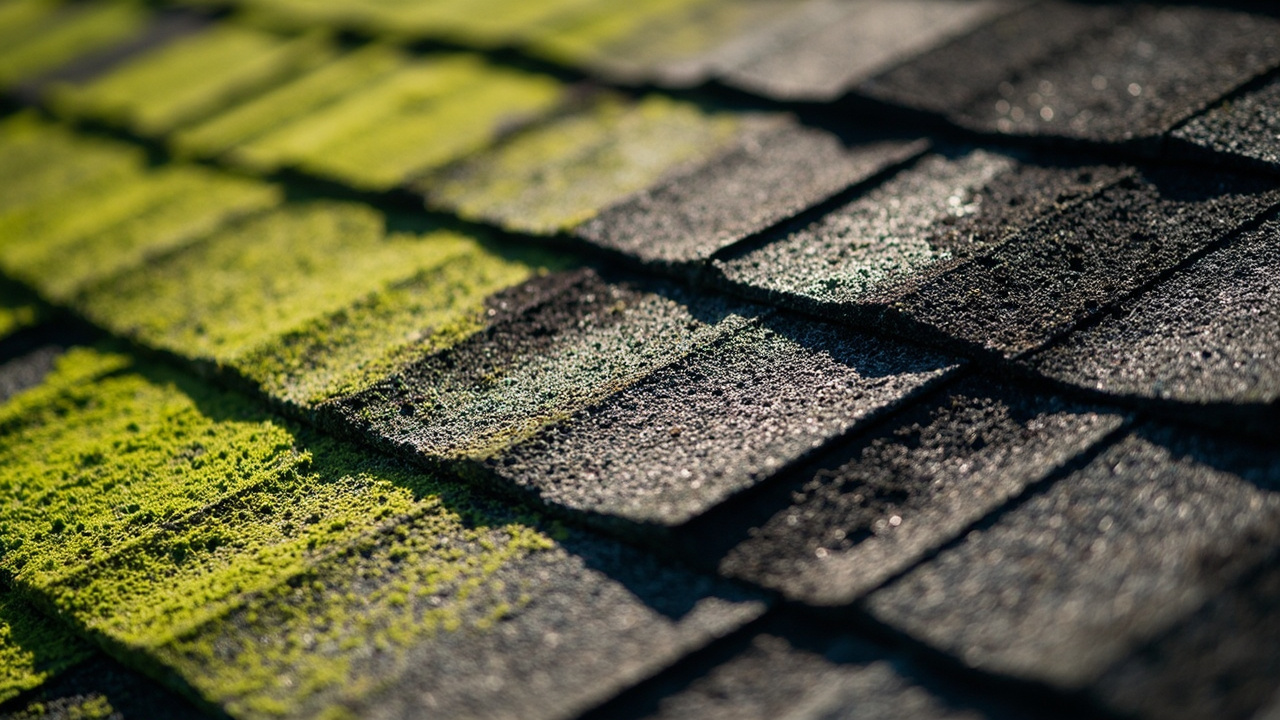
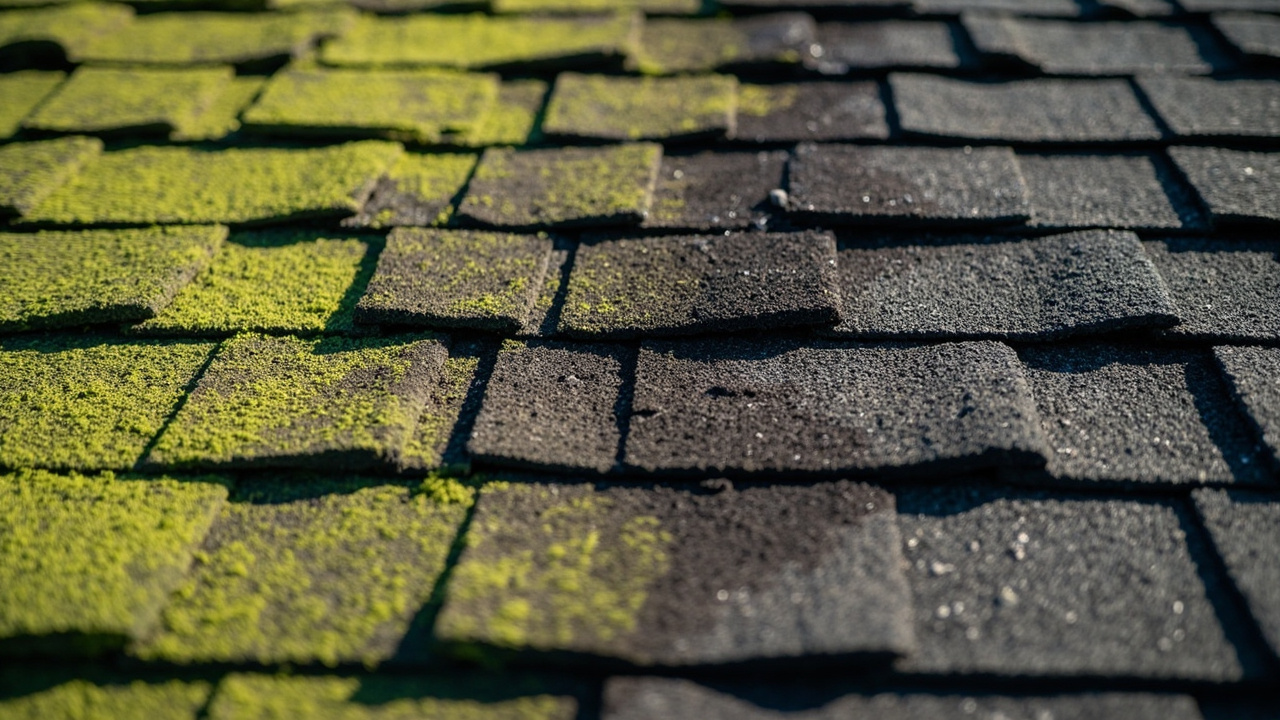
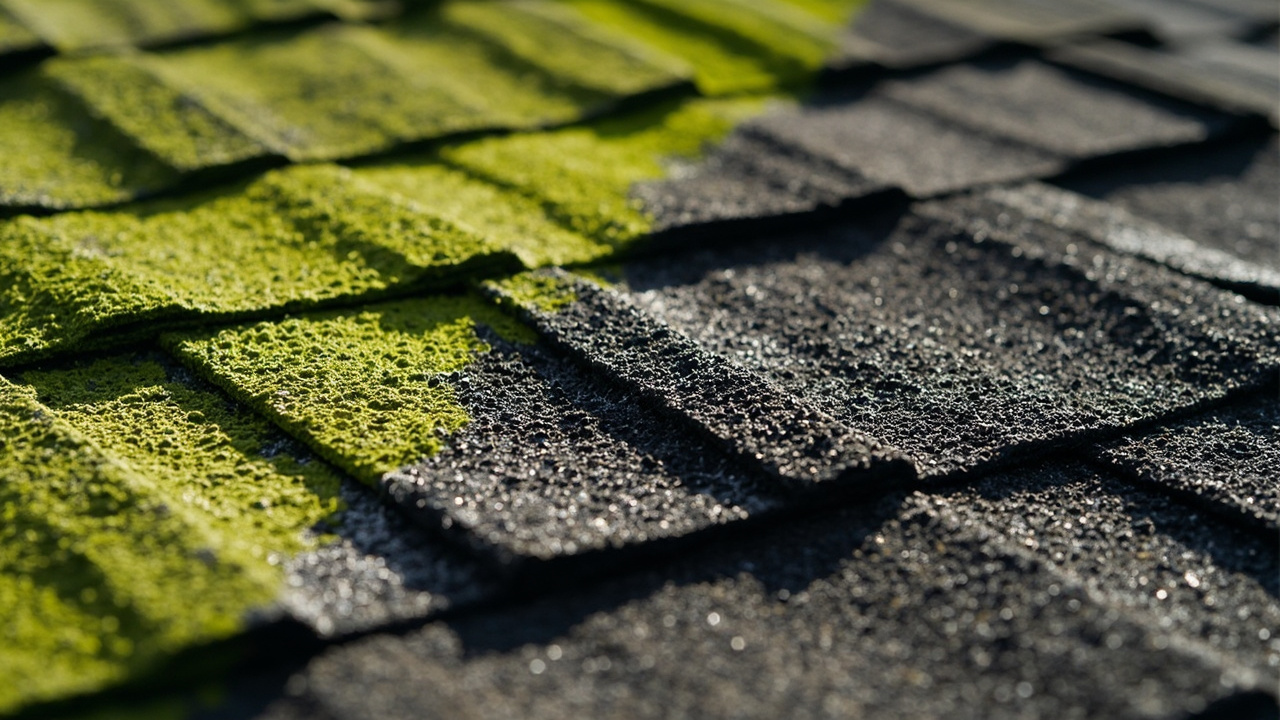
Pittsburgh sits at the confluence of three major rivers, creating a bowl-shaped river valley that traps moisture and humidity. This geographic feature means your roof stays damp longer after rain compared to properties in drier regions. The Allegheny Plateau's elevation changes create microclimates where fog settles in valleys and hollows, particularly in neighborhoods like Frick Park and along the Saw Mill Run Valley. These conditions extend the daily dew point window, giving gloeocapsa magma and moss spores the consistent moisture they need to colonize shingle surfaces. Add in our 39 inches of annual rainfall, distributed fairly evenly across all months, and you have year-round conditions favorable to roof fungus growth.
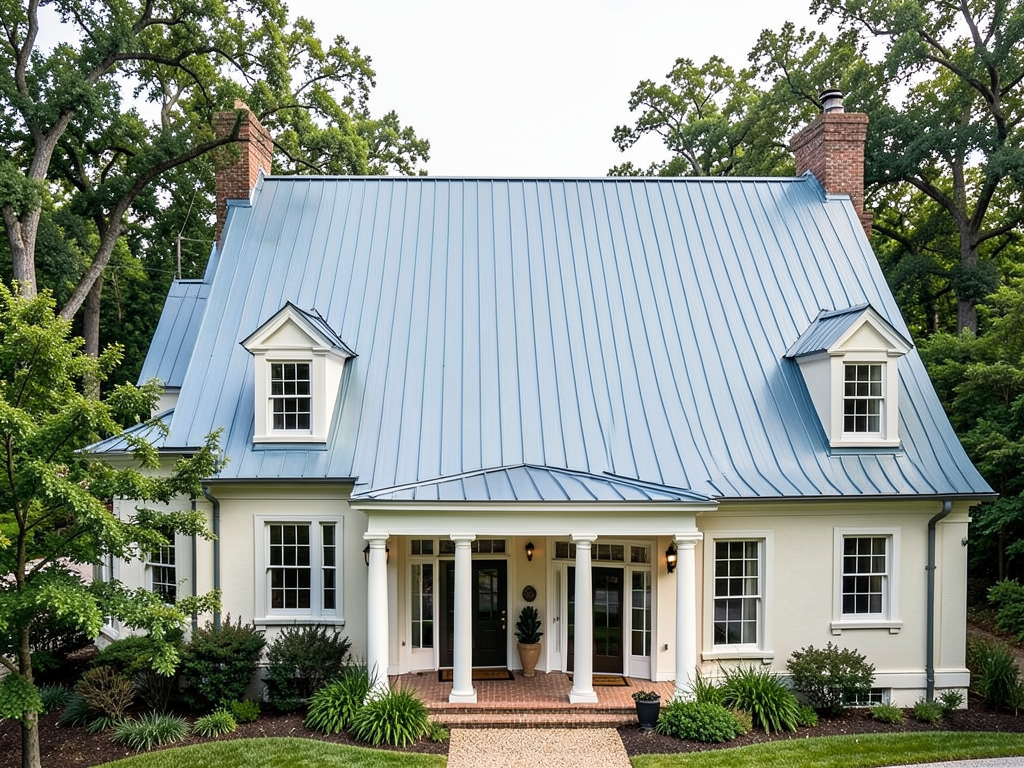
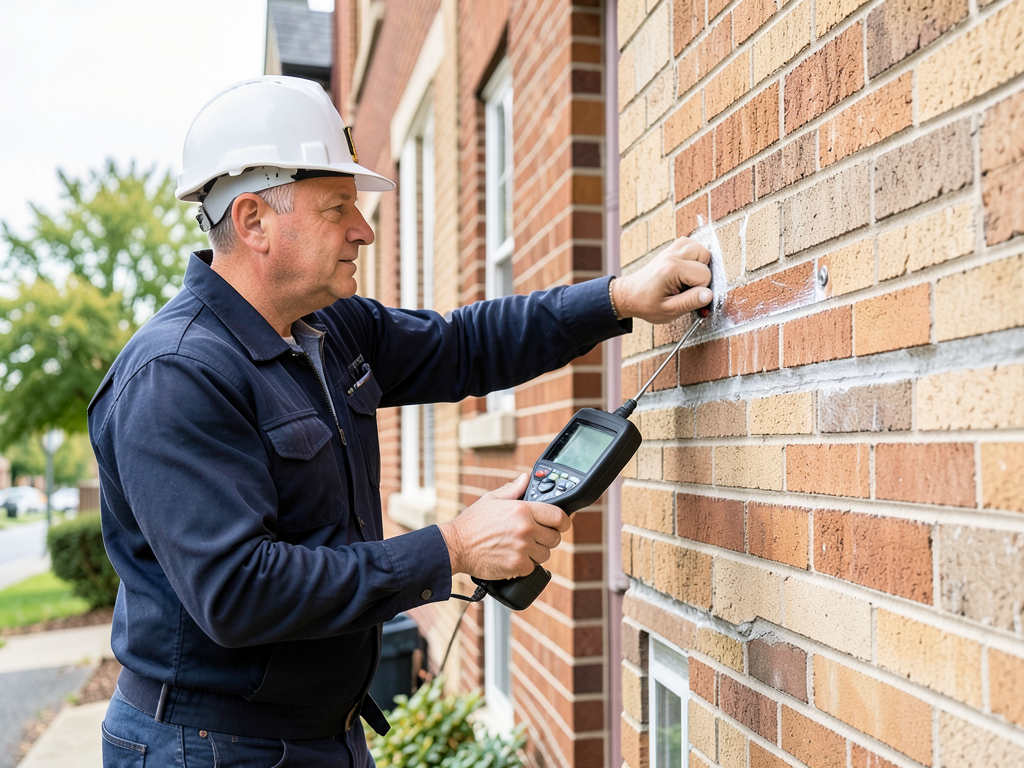
Local building inspectors in Allegheny County increasingly flag algae-damaged roofs during property transfers and insurance inspections. They recognize that organic staining indicates potential moisture retention issues that lead to premature shingle failure. Victory Roofing Pittsburgh works with local insurance adjusters and understands documentation requirements for maintaining coverage. We follow ARMA (Asphalt Roofing Manufacturers Association) soft wash protocols and use biocides approved by the EPA for residential applications. Our familiarity with Pittsburgh's housing stock, from the brick Colonials in Fox Chapel to the Cape Cods in Brookline, means we understand how different roof pitches, orientations, and materials respond to treatment.