


Abington sits in a climate zone that punishes roofs year-round. Winter freeze-thaw cycles crack shingles and open gaps where water penetrates. Ice dams form along eaves when heat escapes through attics, backing water under shingles and into walls. Spring brings heavy rain that tests every weak spot in your roof system, while summer heat bakes asphalt shingles and accelerates aging.
The housing stock in neighborhoods like Roslyn and East Abington includes many homes built between 1950 and 1980, now reaching the end of typical shingle lifespan. Add in the mature oak and maple trees common throughout the township, and you get constant debris accumulation in valleys and gutters. This organic material holds moisture against your roof deck, promoting rot and shortening roof life.
Montgomery County requires building permits for roof replacement, and inspections verify proper ventilation, flashing installation, and code compliance. Many older Abington homes need ventilation upgrades during reroofing to meet current standards and prevent premature failure. The combination of weather extremes, aging housing stock, and strict building codes makes professional roofing contractors essential for protecting your property investment.
Victory Roofing Pittsburgh built our reputation on emergency response and complete follow-through. When a storm rips shingles off your roof at midnight, you need contractors who answer the phone and arrive with tarps before water destroys your interior. We dispatch crews within hours for emergency repairs, then handle every step of the insurance claim process while scheduling permanent repairs.
Our crews specialize in the roof systems common to Abington homes. We replace thousands of square feet of asphalt shingle roofs every year, working with architectural and three-tab shingles that match neighborhood aesthetics. For flat roofs on additions and covered porches, we install EPDM rubber and TPO membranes that withstand ponding water. Metal roofing installations require different fastening and flashing techniques, and our teams are certified in standing seam and corrugated metal systems.
Experience matters when diagnosing roof problems. A visible leak inside your home often originates far from the water stain, requiring systematic inspection to locate failed flashing around chimneys, plumbing vents, or roof valleys. We find the actual source instead of patching symptoms. Before starting any roof replacement, we inspect your attic for adequate ventilation, checking soffit intake and ridge vent exhaust. Poor ventilation causes premature shingle failure and ice dam formation, problems we prevent by upgrading your roof system during replacement.
We coordinate with Montgomery County building inspectors, pulling permits and scheduling inspections so your project stays compliant. Insurance companies trust our documentation because we photograph every stage of damage and repair, providing the evidence adjusters need to approve claims. You get one contractor handling emergency response, permanent repairs, permits, and insurance paperwork instead of coordinating multiple companies.

Storm damage does not wait for business hours. Our crews respond within hours to tarp damaged roofs and stop water intrusion. We secure your property first, then assess damage and plan permanent repairs. Emergency service available seven days a week throughout Abington and Montgomery County.

We document storm damage with detailed photos and measurements that insurance adjusters accept. Our estimates match industry standards for material and labor costs, preventing disputes. We meet adjusters on-site, answer their questions, and advocate for full coverage of legitimate damage to your roof system.
A roof replacement includes more than shingles. We upgrade ventilation to current code, install ice and water barrier in valleys and eaves, replace damaged decking, and seal every penetration. Your new roof system includes proper attic airflow that prevents ice dams and extends shingle life.
We pull building permits and coordinate inspections for every roof replacement in Abington. Our crews know local code requirements for ventilation ratios, flashing details, and attachment schedules. You get compliant work that passes inspection the first time, protecting your insurance coverage and property value.
Victory Roofing Pittsburgh handles every roofing need from emergency leak repair to complete roof replacement. We work on residential homes, commercial buildings, and multi-family properties throughout Montgomery County. Our service range covers asphalt shingle systems, flat roofing membranes, metal roofing installations, and specialized flashing repairs around chimneys and skylights.
Roof problems fall into three categories based on urgency and scope. Emergency repairs stop active leaks and prevent further damage when storms strike or sudden failures occur. Maintenance and restoration services extend the life of aging roofs through targeted repairs and protective coatings. Complete replacement becomes necessary when your roof reaches the end of its serviceable life or sustains damage too extensive for repair.
Each service type requires different skills and materials. Emergency roof patching demands fast response and temporary weatherproofing until permanent repairs can be scheduled. Roof restoration involves cleaning, repairing damaged sections, and applying protective treatments. Full replacement requires proper tear-off, deck inspection, ventilation upgrades, and complete system installation. We match the service level to your roof's condition and your budget, providing honest assessment of repair versus replacement economics.
When wind tears shingles off your roof or a tree branch punches through during a storm, water starts damaging your home immediately. Our emergency crews respond within hours, arriving with tarps, plywood, and materials to stop water intrusion. We secure the damaged area, assess the full scope of damage, and provide temporary weatherproofing that holds until permanent repairs can be completed. Emergency service includes documentation for insurance claims and coordination with adjusters to expedite approval.
Full roof replacement becomes necessary when shingles reach the end of their serviceable life or damage is too extensive for repair. We tear off old roofing down to the deck, inspect and replace damaged sheathing, install proper underlayment and ice barrier, upgrade ventilation to current code, and install new shingles with manufacturer warranties. Our replacement service includes permit acquisition, building inspections, debris removal, and magnetic sweep of your property to remove nails. You get a complete roof system designed to last decades.
Water stains on your ceiling rarely appear directly below the leak source. Water enters through failed flashing, missing shingles, or cracked pipe boots, then travels along rafters or through insulation before dripping through your ceiling. Our leak diagnosis service includes attic inspection, water testing, and systematic examination of roof penetrations and valleys. We locate the actual entry point, then repair the specific failure instead of patching random areas. Targeted repairs cost less than unnecessary work and actually solve your leak problem.
The combination of freeze-thaw cycles, heavy storms, and aging housing stock creates predictable roofing problems throughout Abington. Most homes in the township were built between 1950 and 1990, putting many original roofs past their expected lifespan. Mature trees drop branches during storms and create constant debris in roof valleys where water must drain.
Montgomery County weather patterns accelerate roof deterioration. Winter ice dams form when heat escaping through poorly ventilated attics melts snow, which refreezes at cold eaves and backs water under shingles. Spring storms with high winds lift shingle edges and drive rain under damaged areas. Summer heat cycles expand and contract roofing materials, cracking sealant and loosening fasteners. Each season adds stress to roof systems already weakened by age.
Understanding these common problems helps homeowners recognize when repairs become urgent versus when issues can wait for scheduled maintenance. Some failures like active leaks demand immediate attention, while others like missing granules or curling shingles signal approaching replacement needs without creating emergency situations.
Ice dams form when poor attic ventilation allows heat to melt snow on your roof. Water runs down and refreezes at cold eaves, creating ice barriers that back water under shingles and into walls. You see water stains on ceilings near exterior walls or icicles hanging from gutters. Prevention requires proper attic ventilation and adequate insulation to keep your roof deck cold.
High winds during thunderstorms lift shingle edges and tear tabs completely off roofs. You find shingles in your yard after storms or notice dark patches on your roof where underlayment shows through. Missing shingles expose roof decking to water penetration. Prompt replacement of damaged sections prevents water from rotting your roof deck and requiring expensive sheathing replacement.
Metal flashing where your chimney meets the roof cracks and separates over time, allowing water to run down the chimney exterior and into your attic. Water stains appear on ceilings near the chimney or you see rust streaks on chimney masonry. Flashing repair requires removing shingles around the chimney, installing new step flashing and counter flashing, and properly sealing all joints.
Asphalt shingles last 20 to 30 years depending on quality and ventilation. As they age, you see granule loss exposing the asphalt mat, edges curl upward, and tabs crack. Multiple small leaks appear instead of one obvious failure point. At this stage, repairs become temporary patches and full replacement makes economic sense compared to ongoing repair costs.
Roofing projects create disruption and noise. Knowing what happens at each stage reduces stress and helps you prepare your property and family. From the initial inspection through final cleanup, we follow a systematic process designed to complete quality work efficiently while minimizing inconvenience.
Communication matters throughout the project. You receive a detailed written estimate explaining the scope of work, materials to be installed, and project timeline. We explain what we find during roof inspection, showing you damaged areas and explaining why specific repairs are necessary. Before work begins, we discuss site logistics including equipment placement, debris collection, and noise expectations.
During the project, our crew foreman keeps you updated on progress and alerts you to any unexpected conditions discovered during tear-off. After completion, we walk the property with you, explaining what was done and answering questions about your new roof system. You receive warranty documentation and maintenance recommendations to maximize the life of your investment.
We climb on your roof and inspect every section, checking shingle condition, flashing integrity, and ventilation adequacy. In your attic, we look for water stains, proper insulation, and ventilation airflow. You receive honest assessment of whether repairs will solve your problem or replacement makes better economic sense. We explain what we found using photos and clear descriptions, then provide written estimates itemizing materials and labor. No pressure tactics or inflated damage claims.
Roof replacement typically takes one to three days depending on size and complexity. We protect landscaping with tarps, place dumpsters for debris removal, and use magnetic rollers to collect nails. Our crew foreman updates you each morning on the day's work plan and each afternoon on progress completed. If we discover damaged decking or other issues during tear-off, we show you the problem and explain repair needs before proceeding.
After installing your new roof, we remove all debris, sweep your property with magnetic tools to pick up stray nails, and inspect gutters for any roofing material. The building inspector verifies code compliance before we consider the job complete. You receive manufacturer warranty documentation for materials and our workmanship warranty covering installation. We provide maintenance recommendations including gutter cleaning frequency and ventilation checks to maximize your roof's lifespan.
Quality roofing requires systematic approach from initial contact through final inspection. We follow proven procedures that ensure nothing gets missed and you stay informed throughout the project.
Contact us for roof inspection. We schedule a visit to examine your roof, attic, and ventilation system. You receive a detailed written estimate explaining exactly what work is needed and why. For insurance claims, we document damage with photos and measurements that adjusters require. The estimate itemizes materials, labor, permits, and disposal costs. We answer your questions and explain options for materials and warranty coverage before you commit.
After you approve the estimate, we pull building permits from Montgomery County and schedule your project. Our crews arrive on the scheduled date with all materials and equipment. We tear off old roofing, inspect and repair deck damage, install underlayment and ice barrier, upgrade ventilation if needed, and install your new roof system. Work proceeds efficiently with daily updates on progress and any unexpected conditions requiring attention.
The building inspector verifies that your new roof meets code requirements for attachment, ventilation, and flashing details. After passing inspection, we complete final cleanup including magnetic nail sweep and gutter cleaning. You receive manufacturer warranty documentation and our workmanship warranty. We explain maintenance recommendations and provide contact information for any future questions about your roof system. Your project folder includes permit records and inspection certificates for your property files.
Professional roofing in Pennsylvania requires adherence to the International Residential Code as adopted by Montgomery County. These regulations exist to ensure roof systems withstand local weather conditions and protect structures for decades. Understanding code requirements helps homeowners recognize quality work and avoid contractors who cut corners.
The Pennsylvania Uniform Construction Code requires building permits for roof replacement. Permit applications must include drawings showing ventilation calculations, attachment schedules for the specific roof slope, and ice barrier placement. Inspectors verify that ventilation meets the minimum one square foot of net free ventilation area per 150 square feet of attic space, with balanced intake at soffits and exhaust at ridge or gable vents. Inadequate ventilation causes premature shingle failure and ice dam formation.
Attachment schedules specify nail type, length, and placement based on roof slope and wind zone. Montgomery County falls in wind zone 3, requiring six nails per shingle in high wind areas and specific edge treatment along rakes and eaves. Ice and water barrier must extend from the eave edge up to at least 24 inches inside the exterior wall line to prevent ice dam damage.
Proper flashing installation around roof penetrations follows detailed specifications. Step flashing at walls must be woven with shingles and extend up walls at least four inches, covered by water-resistant barrier and siding. Counter flashing on chimneys must be embedded in mortar joints and overlap step flashing by two inches. Pipe boot flanges require sealant and proper shingle coursing to shed water away from penetrations.
These technical requirements separate professional installations from amateur work. Inspectors reject roofs with improper ventilation, insufficient attachment, or failed flashing details. The rejected work must be corrected before occupancy approval, creating expensive callbacks. Homeowners who hire contractors ignoring code requirements face insurance complications when claims arise and inspection records show non-compliant installations.
Code requires balanced intake and exhaust ventilation to maintain cold roof decks in winter. Soffit vents provide intake air while ridge vents or gable louvers exhaust warm air. The one to 150 ratio means a 1500 square foot attic needs ten square feet of net free ventilation area. Inadequate ventilation causes ice dams, premature shingle aging, and summer heat buildup that damages roofing materials.
Roof replacement pricing depends on square footage, slope steepness, number of penetrations requiring flashing, and shingle quality selected. Steep roofs require additional safety equipment and slower installation. Multiple chimneys, skylights, and plumbing vents add flashing labor. Architectural shingles cost more than three-tab but provide better wind resistance and longer warranties. Permit fees, dumpster rental, and decking repairs add to base installation costs.
Typical single-family roof replacement takes one to three days depending on size and complexity. Permit approval requires three to five business days. Building inspection happens after installation completion, adding another few days before final approval. Weather delays extend timelines since roofing cannot proceed during rain. Emergency repairs happen within hours of your call, while scheduled replacement projects may wait weeks during busy spring and fall seasons.
Pennsylvania requires Home Improvement Contractor registration for companies performing roofing work. Legitimate contractors carry general liability insurance protecting homeowners from property damage and workers compensation covering employee injuries. Verify registration numbers and insurance certificates before signing contracts. Unlicensed contractors offer lower prices but leave homeowners liable for worksite injuries and create permit complications when work fails inspection.
Victory Roofing Pittsburgh explains roof replacement considerations for Abington homeowners. This video covers common roofing problems in Montgomery County including ice dam damage, storm-related shingle loss, and failed flashing repairs. Learn about ventilation requirements, building code compliance, and the difference between emergency repairs and complete replacement. Understand what to expect during roof inspection, installation timeline, and permit coordination with Montgomery County building inspectors.
Victory Roofing Pittsburgh serves the entire Abington Township footprint from Roslyn to East Abington and everywhere between. Our crews know these neighborhoods because we work here daily, responding to storm damage calls, completing roof replacements, and maintaining relationships with homeowners who trust us with their properties.
The Roslyn section features a mix of older colonials and split-level homes built in the 1950s and 1960s, many now requiring their second or third roof replacement. These properties often need ventilation upgrades during reroofing since original construction predates current code requirements. Tree coverage in Roslyn is extensive, creating constant debris accumulation in roof valleys and accelerating shingle deterioration. We handle numerous leaf and branch damage repairs throughout this area after every significant storm.
East Abington contains the newer construction side of the township, with homes built from the 1980s through early 2000s. These properties feature steeper roof pitches and more complex hip and valley configurations than older ranch homes. Architectural shingles are common here, requiring careful matching when repairs become necessary. The proximity to Route 611 makes this area convenient for material delivery, helping us respond quickly to emergency repairs and complete installations efficiently.
The central corridor along Old York Road includes both residential and commercial properties requiring different roofing approaches. Commercial flat roofs need EPDM or TPO membrane systems instead of shingles, and many buildings have parapet walls requiring special flashing details. We maintain several commercial properties in this corridor with regular inspection and preventive maintenance programs.
North of Susquehanna Road, the neighborhoods transition to larger lots with mature landscaping. Storm damage from falling branches is common here, often punching holes completely through roof decking. These emergency repairs require immediate response to prevent extensive water damage to interiors. The established nature of these neighborhoods means many homeowners have used us for multiple projects over the years as their roofs age and require replacement.
Throughout Abington, we coordinate with Montgomery County building inspectors who know our work and recognize our commitment to code compliance. This relationship streamlines the permit and inspection process, reducing delays and ensuring your project proceeds smoothly. Whether you live near the Willow Grove border or in the quieter residential streets near Meadowbrook, Victory Roofing Pittsburgh responds to your calls and delivers the same quality workmanship we have built our reputation on throughout the township.
A new roof in Abington PA varies based on your home size, material choice, and roof complexity. Asphalt shingle roofs tend to be the most budget-friendly option. Metal roofing and slate sit at higher price points. Your roof's pitch, number of stories, and existing damage all affect the final figure. Get quotes from three local Abington contractors to compare. Most companies offer free estimates. Expect pricing to reflect material quality and installation expertise. The investment protects your home for decades when done right.
Check your roof's age first. Most asphalt shingles last 20 to 25 years. If your roof approaches this range, replacement makes sense. Look for widespread issues like multiple missing shingles, curling edges, or granule loss across large sections. Minor damage in one area calls for repairs. When problems appear throughout your roof, replacement becomes more economical. Inside your home, water stains on ceilings or walls signal serious damage. Get a professional inspection to assess the extent. An experienced roofer will give you an honest evaluation.
Metal roofing handles Abington's freeze-thaw cycles best, lasting 40 to 70 years. Standing seam metal sheds snow and ice effectively. Architectural asphalt shingles offer solid performance for 25 to 30 years when properly installed. Choose shingles rated for cold climates. Slate roofs last 75 to 100 years and resist temperature fluctuations naturally. Synthetic slate provides similar durability at a lower price point. Avoid basic three-tab shingles in Pennsylvania's climate. They deteriorate faster under repeated freezing and thawing. Quality installation matters as much as material choice for longevity.
A new roof in Abington PA varies based on your home size, material choice, and roof complexity. Asphalt shingle roofs tend to be the most budget-friendly option. Metal roofing and slate sit at higher price points. Your roof's pitch, number of stories, and existing damage all affect the final figure. Get quotes from three local Abington contractors to compare. Most companies offer free estimates. Expect pricing to reflect material quality and installation expertise. The investment protects your home for decades when done right.
Check your roof's age first. Most asphalt shingles last 20 to 25 years. If your roof approaches this range, replacement makes sense. Look for widespread issues like multiple missing shingles, curling edges, or granule loss across large sections. Minor damage in one area calls for repairs. When problems appear throughout your roof, replacement becomes more economical. Inside your home, water stains on ceilings or walls signal serious damage. Get a professional inspection to assess the extent. An experienced roofer will give you an honest evaluation.
Metal roofing handles Abington's freeze-thaw cycles best, lasting 40 to 70 years. Standing seam metal sheds snow and ice effectively. Architectural asphalt shingles offer solid performance for 25 to 30 years when properly installed. Choose shingles rated for cold climates. Slate roofs last 75 to 100 years and resist temperature fluctuations naturally. Synthetic slate provides similar durability at a lower price point. Avoid basic three-tab shingles in Pennsylvania's climate. They deteriorate faster under repeated freezing and thawing. Quality installation matters as much as material choice for longevity.
Most Abington roof replacements take one to three days for an average-sized home. A single-story ranch typically finishes in one day with a full crew. Two-story homes need two to three days. Complex roofs with multiple angles, valleys, or steep pitches take longer. Weather delays can extend the timeline. Your contractor will remove old materials, inspect the deck, make repairs, and install new roofing. Large homes or extensive deck repairs add time. Plan for temporary noise and some disruption. Quality contractors work efficiently without rushing critical steps.
Yes, Abington Township requires a building permit for roof replacements. You need to submit permit applications to the Department of Building and Planning. Your roofing contractor typically handles the permit process as part of their service. Permits ensure work meets local building codes and safety standards. The township inspects completed work to verify compliance. Permit fees depend on project size and scope. Working without a permit risks fines and complications when selling your home. Reputable contractors always pull proper permits. Ask your contractor to confirm they will handle all permit requirements.
Look for missing or damaged shingles after Pennsylvania winter storms. Ice dams leave water stains on ceilings and walls. Check for granules in gutters, which indicate shingle deterioration. Sagging sections mean structural damage from snow weight. Inspect flashing around chimneys and vents for separation or bending. Inside your attic, look for daylight through the roof deck or wet insulation. Damaged gutters and downspouts signal impact from ice or falling branches. Walking on your roof poses safety risks. Hire a professional to inspect after severe weather.
Start by verifying local references from recent Abington projects. Check online reviews across multiple platforms. Confirm the contractor maintains proper business registration in Pennsylvania. Ask for proof of workers' compensation coverage. Get detailed written estimates from at least three companies. Compare material specifications, not just bottom-line numbers. Ask about their experience with Abington Township permit processes. Quality contractors communicate clearly and answer questions directly. Avoid high-pressure sales tactics or demands for large upfront payments. Choose a company with established local presence and positive reputation.
Your homeowners insurance typically covers roof damage from storms, hail, fire, or fallen trees. Normal wear and tear from age is your responsibility. Document damage with photos before repairs start. File your claim promptly after discovering damage. Your insurance adjuster will assess the extent and determine coverage. Deductibles apply to most claims. Some policies depreciate older roofs, paying less for aged shingles. Review your policy to understand your coverage limits. Keep maintenance records to prove proper care. Insurance rarely covers roofs past their expected lifespan.
Late spring through early fall offers the best conditions for roof replacement in Abington. Temperatures between 50 and 85 degrees allow proper shingle sealing. Summer provides dry weather and longer workdays. Early fall works well before temperature drops affect adhesive performance. Avoid winter when cold makes shingles brittle and installation difficult. Spring brings unpredictable rain but works if weather cooperates. Contractors often have better availability in fall and spring. Emergency replacements happen year-round regardless of season. Book ahead for optimal timing and better scheduling options.
Inspect your Abington roof twice yearly, ideally in spring and fall. Schedule professional inspections every three years minimum. Increase frequency for roofs over 15 years old to annual checkups. Inspect immediately after severe storms, heavy snow, or high winds. Regular inspections catch small problems before they become expensive repairs. Look for loose shingles, damaged flashing, and clogged gutters during visual checks from the ground. Professional inspectors access areas you cannot safely reach. They spot subtle signs of wear and deterioration. Document inspection findings to track your roof's condition over time.
Most Abington roof replacements take one to three days for an average-sized home. A single-story ranch typically finishes in one day with a full crew. Two-story homes need two to three days. Complex roofs with multiple angles, valleys, or steep pitches take longer. Weather delays can extend the timeline. Your contractor will remove old materials, inspect the deck, make repairs, and install new roofing. Large homes or extensive deck repairs add time. Plan for temporary noise and some disruption. Quality contractors work efficiently without rushing critical steps.
Yes, Abington Township requires a building permit for roof replacements. You need to submit permit applications to the Department of Building and Planning. Your roofing contractor typically handles the permit process as part of their service. Permits ensure work meets local building codes and safety standards. The township inspects completed work to verify compliance. Permit fees depend on project size and scope. Working without a permit risks fines and complications when selling your home. Reputable contractors always pull proper permits. Ask your contractor to confirm they will handle all permit requirements.
Look for missing or damaged shingles after Pennsylvania winter storms. Ice dams leave water stains on ceilings and walls. Check for granules in gutters, which indicate shingle deterioration. Sagging sections mean structural damage from snow weight. Inspect flashing around chimneys and vents for separation or bending. Inside your attic, look for daylight through the roof deck or wet insulation. Damaged gutters and downspouts signal impact from ice or falling branches. Walking on your roof poses safety risks. Hire a professional to inspect after severe weather.
Start by verifying local references from recent Abington projects. Check online reviews across multiple platforms. Confirm the contractor maintains proper business registration in Pennsylvania. Ask for proof of workers' compensation coverage. Get detailed written estimates from at least three companies. Compare material specifications, not just bottom-line numbers. Ask about their experience with Abington Township permit processes. Quality contractors communicate clearly and answer questions directly. Avoid high-pressure sales tactics or demands for large upfront payments. Choose a company with established local presence and positive reputation.
Your homeowners insurance typically covers roof damage from storms, hail, fire, or fallen trees. Normal wear and tear from age is your responsibility. Document damage with photos before repairs start. File your claim promptly after discovering damage. Your insurance adjuster will assess the extent and determine coverage. Deductibles apply to most claims. Some policies depreciate older roofs, paying less for aged shingles. Review your policy to understand your coverage limits. Keep maintenance records to prove proper care. Insurance rarely covers roofs past their expected lifespan.
Late spring through early fall offers the best conditions for roof replacement in Abington. Temperatures between 50 and 85 degrees allow proper shingle sealing. Summer provides dry weather and longer workdays. Early fall works well before temperature drops affect adhesive performance. Avoid winter when cold makes shingles brittle and installation difficult. Spring brings unpredictable rain but works if weather cooperates. Contractors often have better availability in fall and spring. Emergency replacements happen year-round regardless of season. Book ahead for optimal timing and better scheduling options.
Inspect your Abington roof twice yearly, ideally in spring and fall. Schedule professional inspections every three years minimum. Increase frequency for roofs over 15 years old to annual checkups. Inspect immediately after severe storms, heavy snow, or high winds. Regular inspections catch small problems before they become expensive repairs. Look for loose shingles, damaged flashing, and clogged gutters during visual checks from the ground. Professional inspectors access areas you cannot safely reach. They spot subtle signs of wear and deterioration. Document inspection findings to track your roof's condition over time.
We are proud to serve the entire Pittsburgh metropolitan area and surrounding communities. Use the interactive map below to easily locate our office or visualize our extensive service region, which includes every neighborhood from the North Shore to the South Hills. We are locally committed and ready to bring our award-winning, trusted roofing expertise right to your specific location for any inspection, repair, or full installation project. We look forward to meeting you and securing your valuable property!
Address:
Abington, PA, 19001
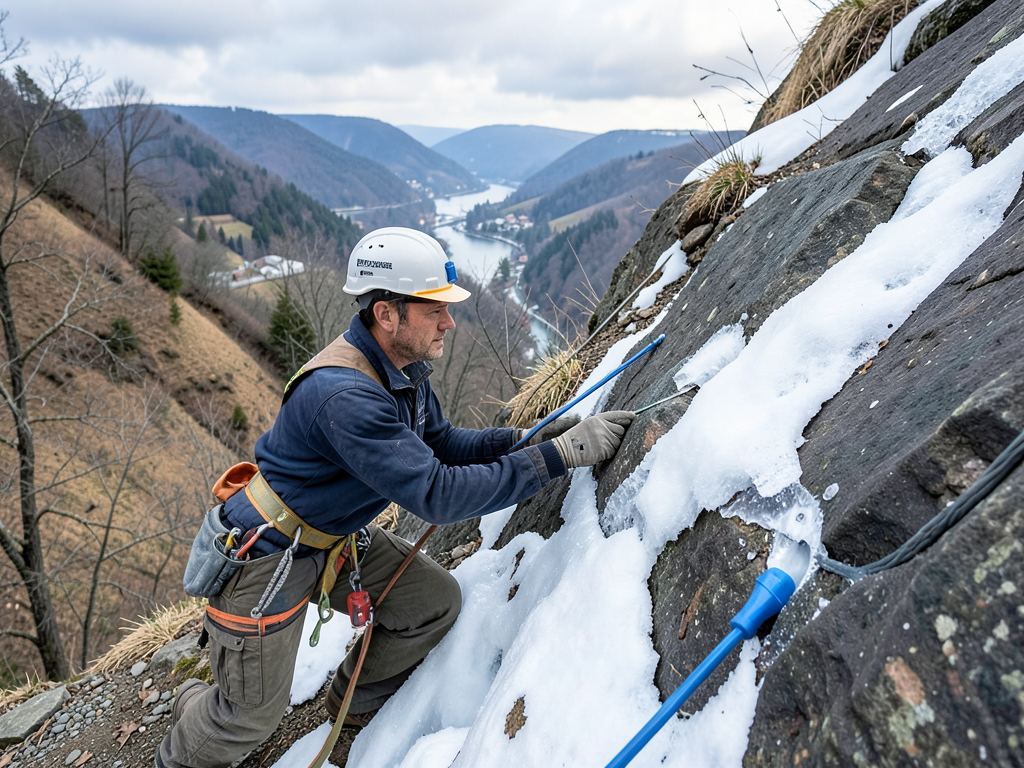
Preventing Costly Valley Leaks on the Steepest Roofs of Duquesne Heights Duquesne Heights sits on Pittsburgh's steepest terrain where homes cling to slopes that exceed 12:12 pitch in many areas. These extreme roof angles create…
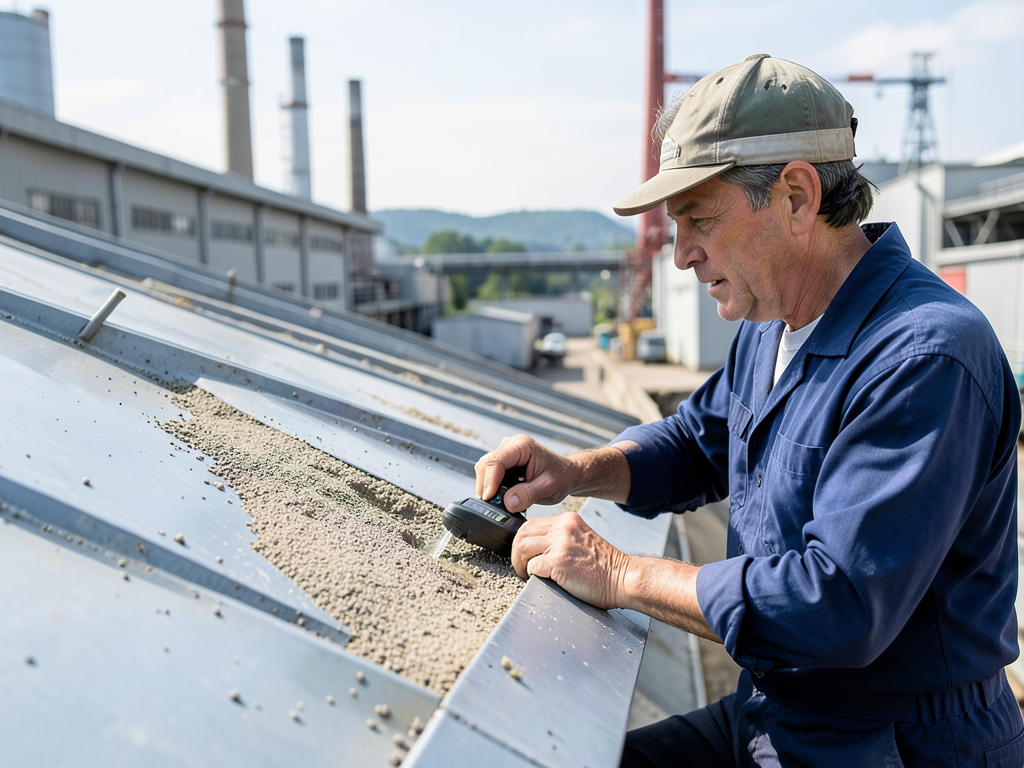
How Industrial Air Quality in Clairton Affects the Lifespan of Your Shingles Mon Valley's industrial…
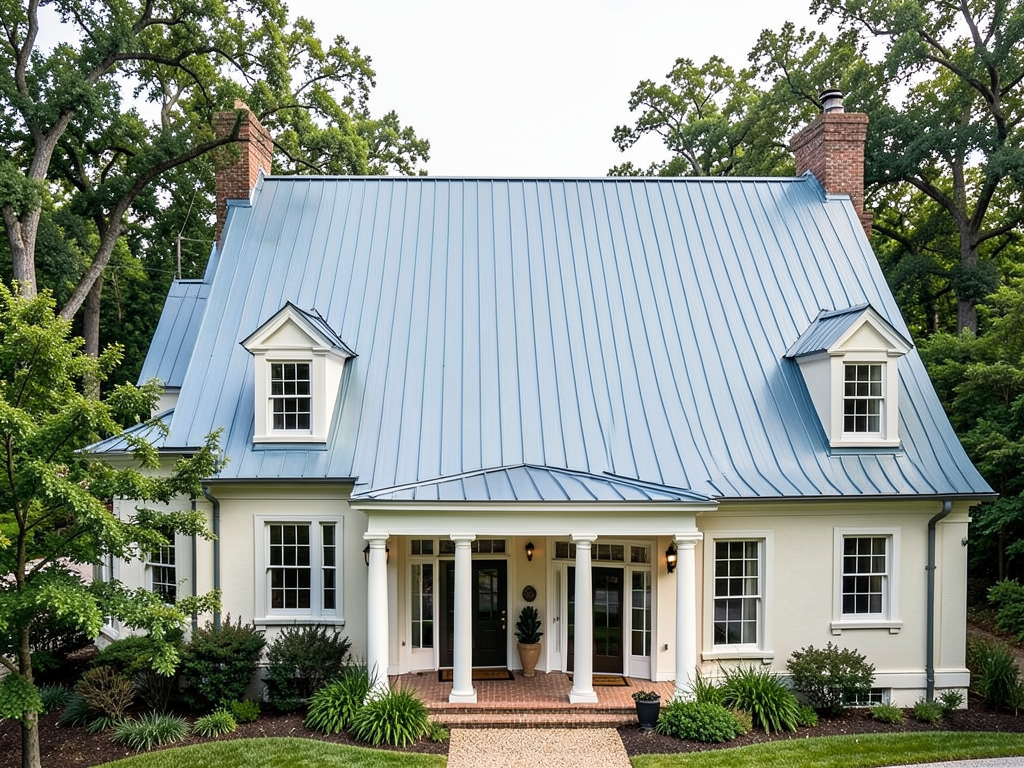
Why Luxury Homes in Fox Chapel are Moving Toward Standing Seam Zinc Roofing Luxury homeowners…
Managing Shared Roof Maintenance with Your Neighbors in Garfield Row Houses Shared roof maintenance between…
Roof damage gets worse with every rain. Contact Victory Roofing Pittsburgh now for emergency repairs or schedule your roof replacement before the next storm hits. Call (878) 209-5522 for immediate response throughout Abington and Montgomery County.