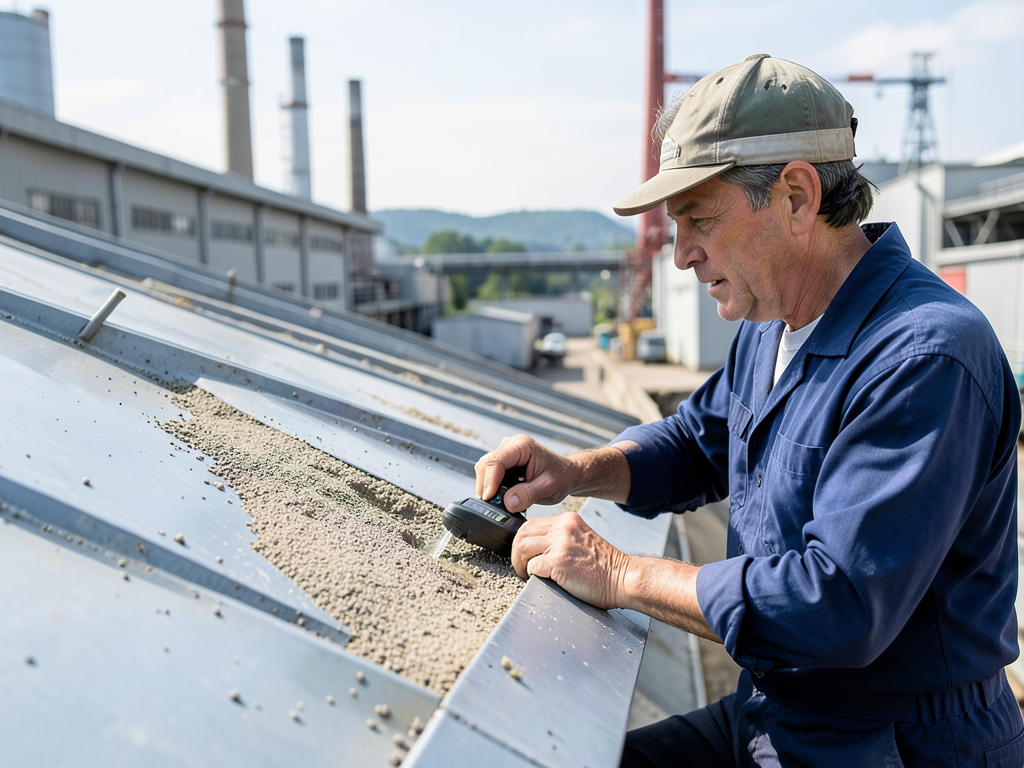



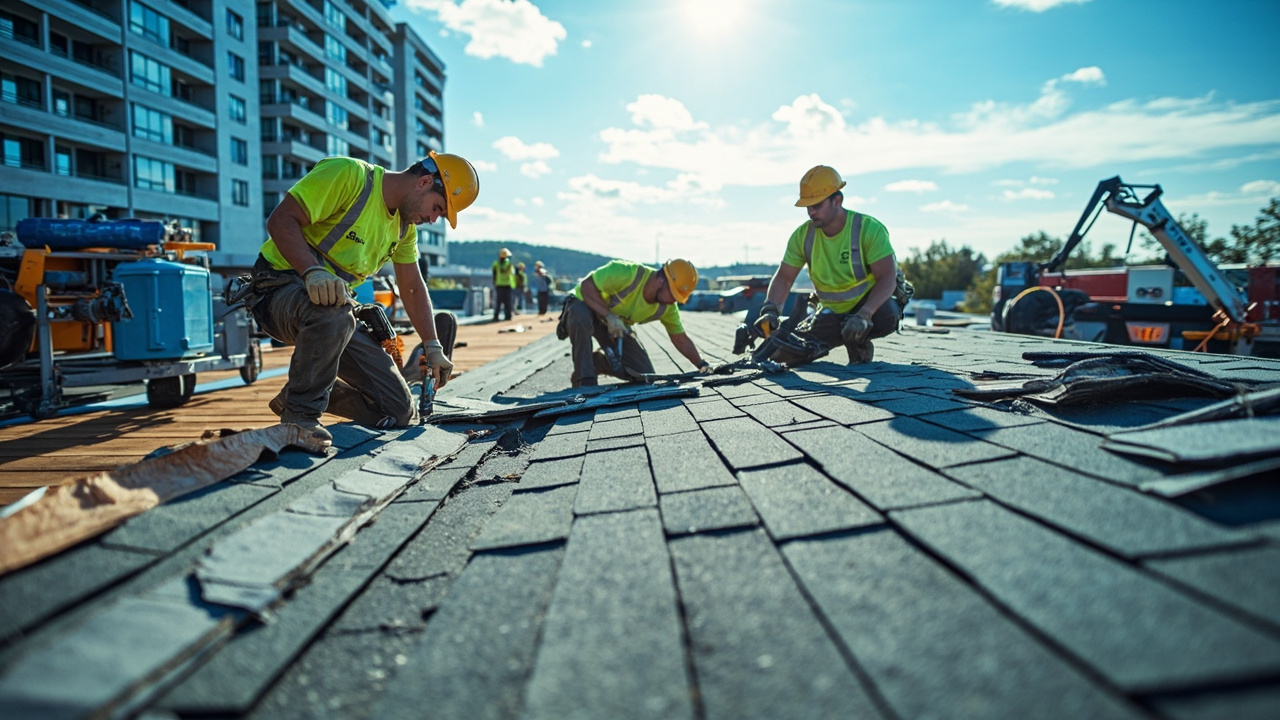
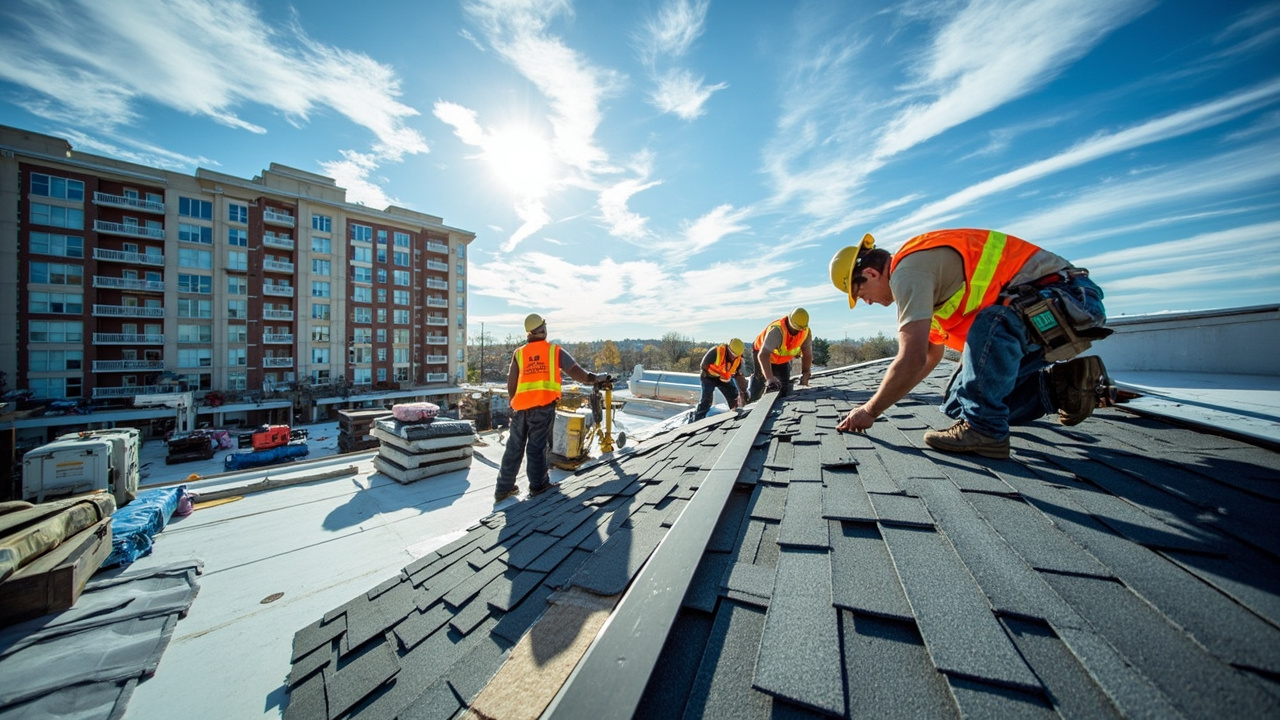
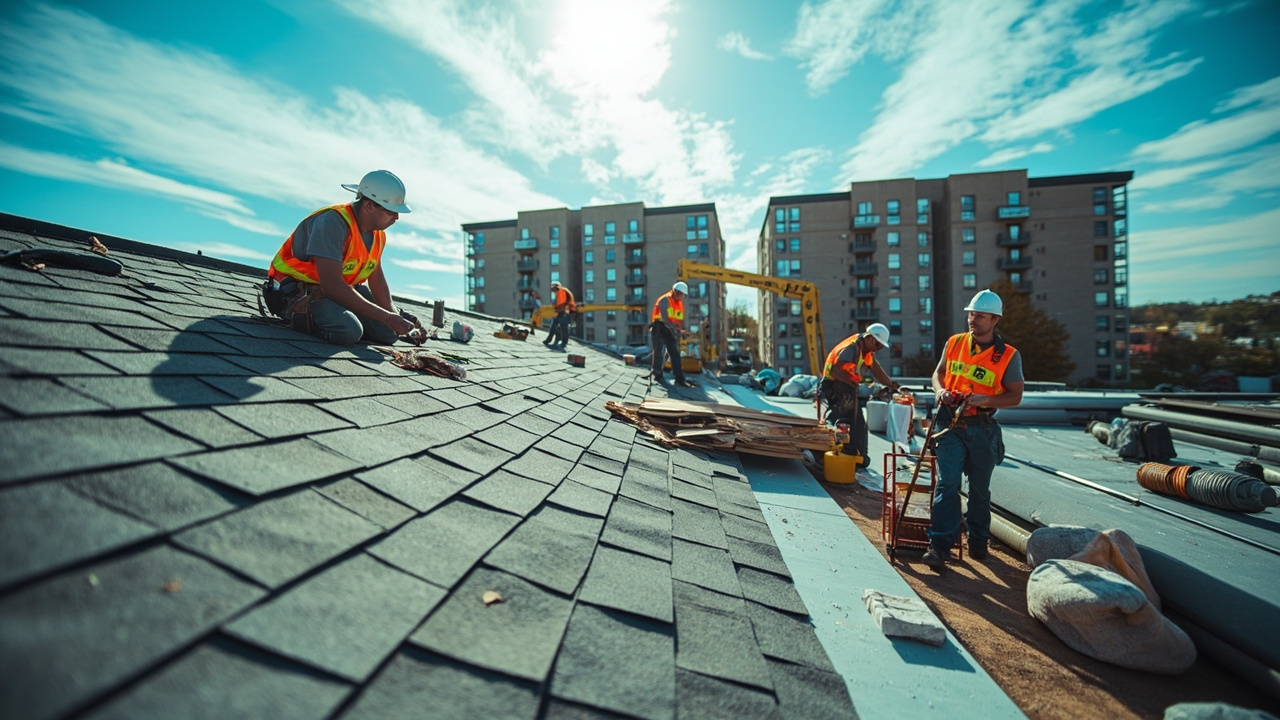
Pittsburgh's history as a steel production center left a legacy of atmospheric particulates that still affect roofing membranes today. Sulfur compounds and metallic dust settle on multi-family housing roofs and create acidic conditions when mixed with rainwater. This chemical exposure accelerates the degradation of organic materials in built-up roofing systems and attacks the plasticizers in single-ply membranes. Property owners in areas downwind of former mill sites, particularly along the Monongahela and Allegheny river valleys, see faster roof deterioration than buildings in cleaner suburban locations. Regular roof cleaning and the selection of chemically resistant membrane systems extend service life in these challenging environments.
Pittsburgh's Department of Permits, Licenses, and Inspections requires commercial roofing permits for any work exceeding 100 square feet on multi-unit residential buildings. Local inspectors pay particular attention to fire separation requirements between units and proper venting of rooftop HVAC equipment. Buildings in historic districts face additional scrutiny regarding visible roof elements and parapet modifications. Working with a roofing contractor who understands these local requirements prevents costly project delays and ensures your apartment complex remains compliant with city regulations. We maintain current relationships with Pittsburgh building officials and stay updated on code changes that affect multifamily roofing installations.