
menu

TPO vs EPDM Roofing Guide for Pittsburgh – Compare Materials and Make the Right Choice for Your Flat Roof

Understanding the difference between TPO and EPDM helps Pittsburgh property owners choose the best single-ply membrane for their flat or low-slope roofs based on climate performance, durability, and long-term value.

Slider Image 1
Slider Image 2
Slider Image 3
Slider Image 4
Slider Image 5
Slider Image 7
Slider Image 8
Slider Image 9
Slider Image 10
Slider Image 11

Why Pittsburgh Commercial Buildings Need the Right Single-Ply Membrane

Pittsburgh's climate creates unique challenges for flat roof systems. The freeze-thaw cycles between November and March cause water infiltration issues when seams fail. Summer temperatures can push membrane surfaces past 160 degrees on dark roofs, accelerating deterioration. Rain averages 38 inches annually, meaning ponding water becomes a constant threat on low-slope installations.

The difference between TPO and EPDM matters more in Pittsburgh than in drier climates. Thermoplastic polyolefin and rubber roofing respond differently to temperature swings. TPO uses heat-welded seams that create watertight bonds. EPDM relies on adhesive or tape seams that can separate during freeze cycles if installed incorrectly.

Most property owners ask whether TPO or EPDM is better for flat roofs on warehouses, apartment buildings, or commercial structures. The answer depends on your building's exposure, existing insulation, and budget constraints. EPDM vs TPO cost comparison shows rubber typically costs 15 to 20 percent less upfront, but TPO offers better reflectivity in direct sun exposure.

Pittsburgh's industrial districts like Lawrenceville and Strip District contain older buildings with coal tar pitch roofs being replaced. These conversions require specific substrate preparation. The TPO vs EPDM pros and cons shift based on whether you are tearing off multiple layers or installing over existing membrane.

Understanding which system handles Pittsburgh's weather patterns determines whether you get 15 years or 30 years from your investment. Both materials work in Western Pennsylvania, but each performs differently under specific conditions.

Why Pittsburgh Commercial Buildings Need the Right Single-Ply Membrane
How TPO and EPDM Membrane Systems Actually Work

How TPO and EPDM Membrane Systems Actually Work

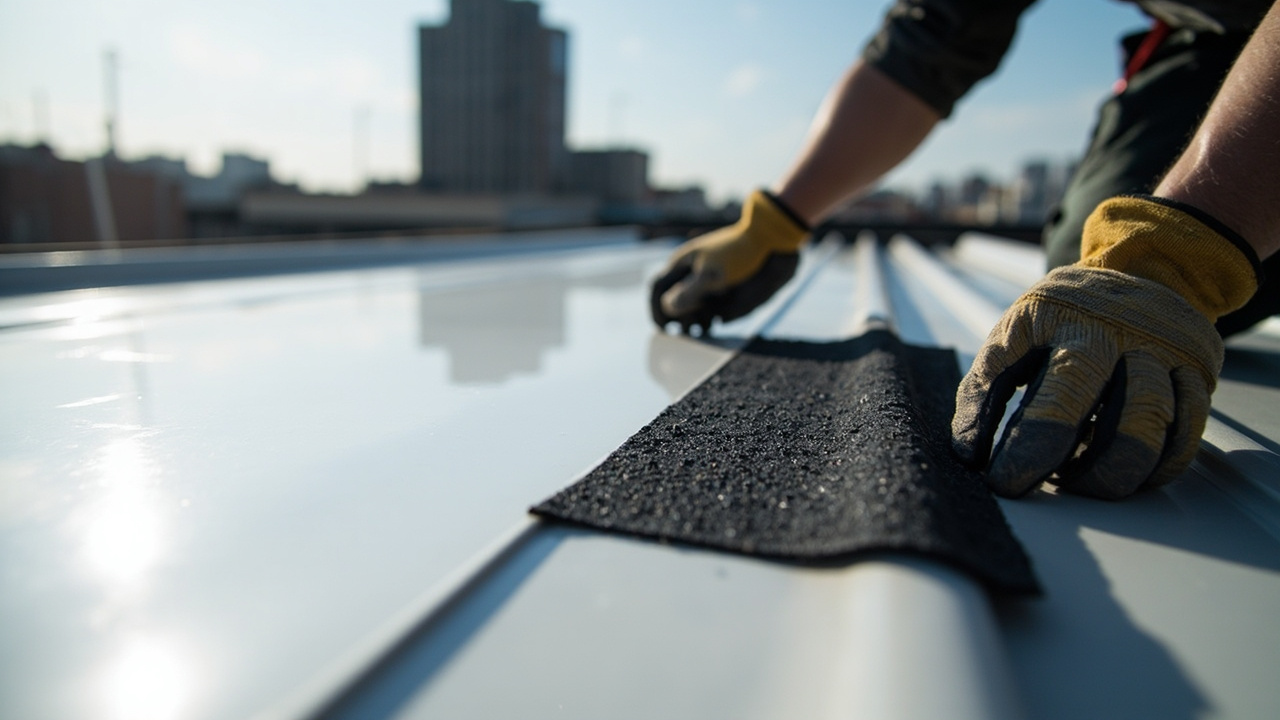
TPO consists of thermoplastic polyolefin compounds reinforced with polyester scrim. The membrane arrives in rolls between 6 and 12 feet wide. Installers overlap edges by 6 inches, then use hot-air welders at 900 to 1100 degrees to fuse seams. This creates a molecular bond stronger than the membrane itself. White TPO reflects 85 percent of UV radiation, reducing cooling loads during summer months.

EPDM uses synthetic rubber made from ethylene and propylene. The black membrane absorbs heat but offers superior flexibility at low temperatures. Pittsburgh winter lows reach single digits, and EPDM remains pliable down to minus 40 degrees. Installers secure seams with contact adhesive, primer, and seam tape. Proper surface preparation determines seam longevity.

The EPDM vs TPO cost comparison includes more than material prices. TPO installation requires certified welding technicians who maintain consistent seam temperatures. EPDM installation needs meticulous cleaning and priming but uses simpler bonding methods. Labor costs shift based on crew experience and building complexity.

TPO membranes range from 45 mil to 80 mil thickness. Thicker membranes resist punctures from foot traffic or hail. EPDM typically comes in 45 mil or 60 mil versions. Both systems use fully adhered, mechanically attached, or ballasted installation methods. Pittsburgh's wind exposure near rivers requires fully adhered systems on most commercial structures.

Reflectivity differences matter on buildings without adequate insulation. White TPO reduces surface temperatures by 50 degrees compared to black EPDM. This impacts HVAC runtime and interior comfort. EPDM absorbs solar energy but transfers less cold during winter months.

How We Help You Choose Between TPO and EPDM

TPO vs EPDM Roofing Guide for Pittsburgh – Compare Materials and Make the Right Choice for Your Flat Roof
01

Building Assessment

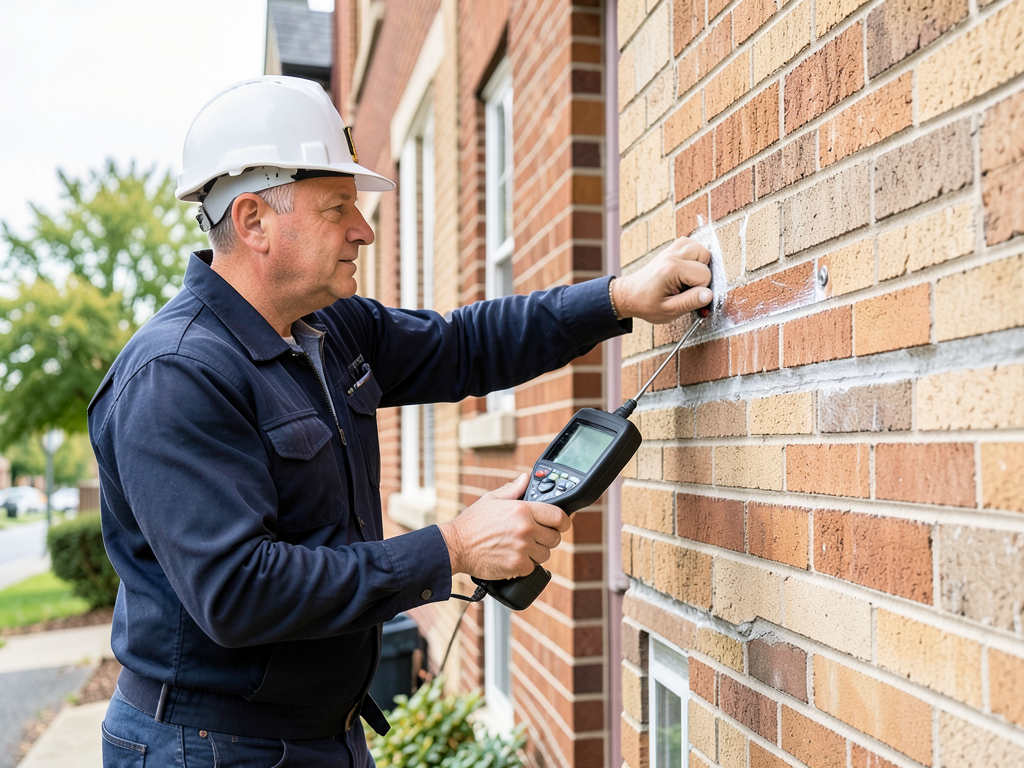
We inspect your existing roof deck, drainage patterns, and structural load capacity. Moisture meters identify wet insulation that needs replacement. We measure slope to confirm minimum quarter-inch per foot drainage. Parapet height, penetration count, and HVAC unit placement affect material selection. We document substrate condition and photograph problem areas. This data determines whether your building suits TPO's rigidity or EPDM's flexibility.
02

Material Recommendation

We compare TPO vs EPDM pros and cons specific to your building. Factors include sun exposure, foot traffic frequency, existing insulation R-value, and budget parameters. We explain seam performance differences and show samples of both membranes. You receive written specifications detailing membrane thickness, attachment method, and warranty coverage. We outline the EPDM vs TPO cost comparison including installation labor, substrate preparation, and long-term maintenance requirements.
03

Implementation Plan

We create a phased installation schedule that minimizes business disruption. The plan includes tear-off logistics, waste removal, and material staging. We specify flashing details at penetrations, termination bars at parapets, and drainage improvements. You receive a timeline showing daily progress milestones and weather contingency plans. We coordinate with your facilities manager to protect sensitive equipment and maintain building access throughout the project.

Why Pittsburgh Property Owners Choose Victory Roofing for Membrane Roofing

Victory Roofing Pittsburgh specializes in single-ply membrane systems for commercial and industrial buildings throughout Allegheny County. We have installed TPO and EPDM on warehouses in McKees Rocks, apartment buildings in Shadyside, and manufacturing facilities in Lawrenceville. Our crews understand how Pittsburgh's climate affects membrane performance.

We hold manufacturer certifications from major TPO and EPDM suppliers, which extends warranty coverage and ensures proper installation techniques. Our welding technicians maintain consistent seam quality across entire roof surfaces. We use infrared cameras to verify seam integrity before final inspection, catching potential failures before they cause leaks.

Local building codes require specific wind uplift ratings based on building height and location. We calculate dead loads, live loads, and wind pressures to specify correct attachment patterns. Our projects meet International Building Code standards and pass inspections on the first review. We pull permits, coordinate with inspectors, and handle all compliance documentation.

Pittsburgh's industrial heritage means many buildings have unique structural challenges. We have worked on buildings with coal tar pitch, built-up roofing, and modified bitumen substrates. Each requires different preparation methods before installing new membrane. We remove all incompatible materials and create proper substrates for long-term adhesion.

Our project management keeps your building operational during installation. We sequence work to maintain climate control and protect inventory. For occupied buildings, we coordinate with tenants and schedule noisy work during off-hours. We understand that downtime costs money, so we finish projects on schedule and within budget.

What to Expect During Your Membrane Roof Installation

Project Timeline

Typical commercial membrane installations take one to three weeks depending on building size and complexity. Weather delays are common in Pittsburgh during spring and fall. We schedule projects during dry periods and monitor forecasts daily. Tear-off happens in sections to prevent weather exposure. We complete watertight sections before moving to the next area. Rush projects can be accommodated for emergency situations, but proper installation cannot be compromised. We provide daily progress reports and adjust schedules as conditions change.

Pre-Installation Inspection

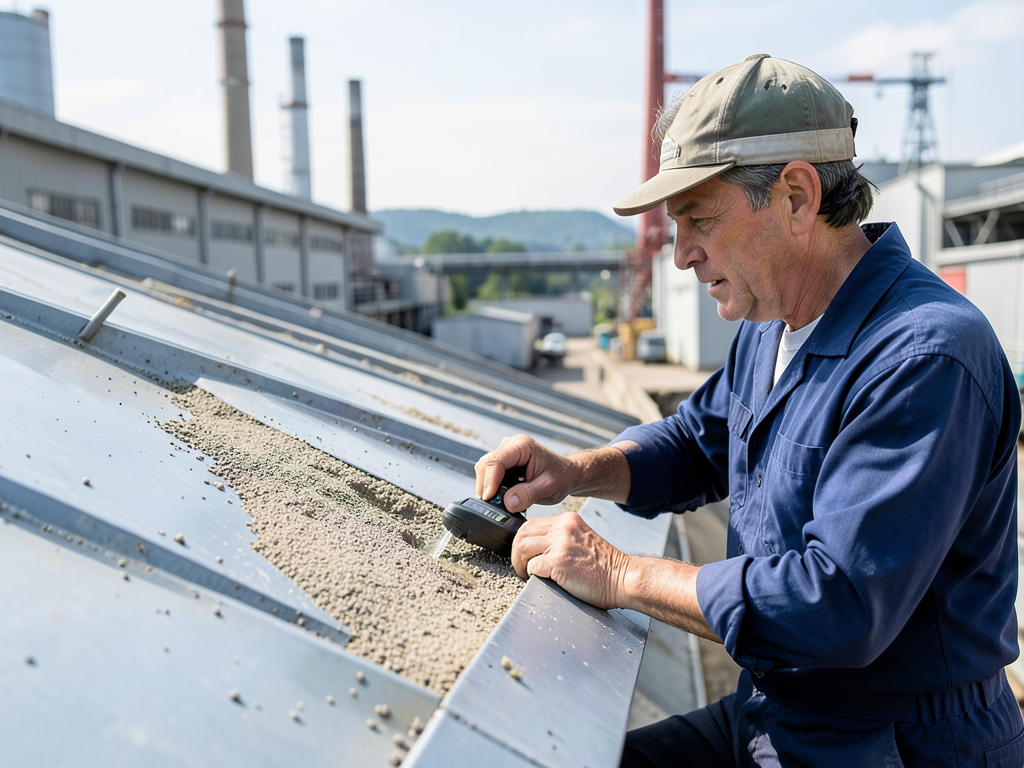
We conduct a thorough roof inspection before starting work. This includes core samples to check insulation moisture content and deck condition. We test existing drainage and identify areas where water ponds. Structural engineers review deck integrity if we find deterioration. You receive a detailed report showing problem areas and recommended repairs. We coordinate with your insurance company if storm damage is involved. The inspection determines whether you need a complete tear-off or can install new membrane over existing roof.

Installation Quality

Our crews follow manufacturer specifications exactly. TPO seams are probed and tested for proper fusion. EPDM seams are rolled with 300-pound rollers to ensure complete adhesive contact. We install flashing at all penetrations using reinforced membrane and termination bars. Edge metal is secured to code requirements and sealed against water infiltration. Final inspection includes infrared scanning to identify any compromised seams or wet insulation. You receive documentation showing seam test results and thermal imaging reports.

Warranty Coverage

Manufacturer warranties range from 10 to 30 years depending on membrane quality and installation method. We offer workmanship warranties covering installation defects. Extended warranties require annual inspections and minor maintenance. We provide maintenance plans that include semi-annual inspections, drain cleaning, and minor repairs. Regular maintenance extends membrane life and prevents small problems from becoming expensive failures. Our service department responds to leak calls within 24 hours and handles warranty claims directly with manufacturers.

Frequently Asked Questions

You Have Questions,
We Have Answers

Why choose TPO over EPDM? +

TPO offers better heat reflectivity, which reduces cooling costs during Pittsburgh's humid summers. Its white membrane reflects UV rays and keeps buildings cooler than EPDM's black surface. TPO also resists punctures and tears more effectively, important in areas with falling branches or debris. Heat-welded seams create watertight bonds that hold up better against Pittsburgh's freeze-thaw cycles. If energy efficiency and durability matter for your commercial building, TPO delivers strong performance. EPDM works well for budget-conscious projects, but TPO provides longer-term value in challenging climates like ours.

Which lasts longer, a TPO or EPDM roof? +

Both TPO and EPDM roofs last 20 to 30 years with proper maintenance. EPDM has a longer track record since it has been around since the 1960s, while TPO technology continues to improve since its introduction in the 1990s. Pittsburgh's weather, with heavy snow loads and temperature swings, impacts both materials. Installation quality matters more than the membrane itself. Poorly welded TPO seams or improperly adhered EPDM will fail early regardless of material choice. Regular inspections and prompt repairs extend either roof's lifespan significantly in our climate.

What are the disadvantages of TPO roofing? +

TPO can shrink over time, especially if improperly installed or exposed to extreme temperature fluctuations common in Pittsburgh. This shrinkage pulls at seams and fasteners, creating potential leak points. Early TPO formulations had inconsistent quality, though modern versions perform better. TPO also costs more upfront than EPDM. The material requires skilled installers who understand heat welding techniques. Poor workmanship leads to failed seams that water penetrates during heavy rains. TPO performs well when installed correctly, but you need experienced contractors familiar with proper installation methods for Pittsburgh conditions.

Which is cheaper, EPDM or TPO? +

EPDM typically costs less than TPO for both materials and installation. EPDM pricing runs lower because the installation process is simpler and the material has been manufactured longer. TPO requires specialized heat welding equipment and trained installers, which increases labor costs. However, TPO's energy savings can offset the higher initial investment over time. Pittsburgh building owners should consider long-term operational costs, not just installation price. EPDM makes sense for tight budgets, while TPO delivers better return on investment through reduced cooling expenses and potentially fewer repairs.

Can TPO and EPDM be used together? +

TPO and EPDM should not be used together on the same roof system. The two materials require different installation methods and are chemically incompatible. TPO uses heat-welded seams, while EPDM relies on tape or adhesive bonds. Mixing them creates weak points where water infiltrates. If you need to patch an EPDM roof, use EPDM materials. If transitioning from EPDM to TPO during a roof replacement, remove the old membrane completely. Pittsburgh contractors know that proper material compatibility prevents premature failure and expensive callbacks.

How many years does a TPO roof last? +

A properly installed TPO roof lasts 20 to 30 years in Pittsburgh. Lifespan depends on installation quality, membrane thickness, and maintenance. Pittsburgh's freeze-thaw cycles and heavy snow loads stress roofing systems. Thicker TPO membranes (60 mil or 80 mil) outlast thinner options (45 mil). Regular inspections catch small problems before they become expensive failures. Debris removal, drain cleaning, and prompt repairs extend your TPO roof's service life. Heat-welded seams hold up better than mechanically fastened systems in our climate. Quality installation from experienced contractors makes the biggest difference.

What are the disadvantages of EPDM roofing? +

EPDM absorbs heat, which increases cooling costs during Pittsburgh summers. Its black surface can reach temperatures over 160 degrees, transferring heat into the building below. EPDM seams rely on tape or adhesive, which can fail over time, especially during temperature extremes. The material is also more susceptible to punctures from hail, branches, or foot traffic. While EPDM resists UV damage well, seam failures remain the primary cause of leaks. Regular inspections of seam integrity are critical. EPDM works for many applications but requires attention to detail during installation.

What roof has the shortest lifespan? +

Built-up roofing (BUR) and three-tab asphalt shingles typically have the shortest lifespans, lasting 10 to 20 years. Modified bitumen roofs also fall on the lower end. Flat roofing systems depend heavily on installation quality and drainage. Standing water shortens any roof's life dramatically. In Pittsburgh, poor drainage combined with freeze-thaw cycles accelerates deterioration. Single-ply membranes like TPO and EPDM outlast older technologies when installed correctly. For commercial applications, investing in quality materials and proper installation delivers better long-term performance than choosing the cheapest option available.

What is better than TPO roofing? +

PVC roofing outperforms TPO in chemical resistance and longevity, lasting 30 years or more. PVC handles grease, oils, and harsh chemicals better, making it ideal for restaurant roofs or industrial facilities. However, PVC costs significantly more than TPO. For Pittsburgh commercial buildings without chemical exposure, TPO provides excellent value. Metal roofing also surpasses TPO for durability but costs more and requires structural modifications. Modified bitumen offers lower cost but shorter lifespan. Your building's use, budget, and energy goals determine the best choice. TPO balances performance and cost effectively for most applications.

Why do insurance companies not like flat roofs? +

Insurance companies worry about flat roofs because water pools instead of shedding quickly like on sloped roofs. Standing water accelerates membrane deterioration and increases leak risk. Pittsburgh's heavy rainfall and snow accumulation compound this problem. Flat roofs also experience more frequent claims for water damage. Poor drainage design or clogged drains create expensive problems. However, properly designed flat roofs with adequate slope, quality membranes, and maintained drainage systems perform well. Insurance rates reflect claim history. Regular maintenance and documentation of roof care can help negotiate better premiums for flat roof buildings.

How Pittsburgh's Freeze-Thaw Cycles Impact TPO and EPDM Performance

Pittsburgh experiences 90 to 110 freeze-thaw cycles annually, more than most Midwest cities. Water enters small gaps in seams or flashing, then expands when temperatures drop. This constant expansion and contraction stresses adhesive bonds in EPDM systems. TPO's heat-welded seams eliminate this vulnerability because the thermoplastic material fuses at the molecular level. Buildings in North Shore and South Side near the rivers see more freeze-thaw damage due to higher humidity and temperature fluctuations. Property owners replacing older built-up roofs must choose membranes that withstand this cycling without developing leaks.

Victory Roofing Pittsburgh has worked on commercial roofs throughout Allegheny County for years. We understand local building department requirements and maintain relationships with inspectors who review our work. Our crews know which substrate preparation methods work on Pittsburgh's older industrial buildings. We source materials from regional distributors, which means faster delivery and better pricing than national contractors shipping from out of state. When you choose a local roofing contractor, you get teams familiar with Pittsburgh's unique climate challenges and building stock.
Roofing Services in The Pittsburgh Area

We are proud to serve the entire Pittsburgh metropolitan area and surrounding communities. Use the interactive map below to easily locate our office or visualize our extensive service region, which includes every neighborhood from the North Shore to the South Hills. We are locally committed and ready to bring our award-winning, trusted roofing expertise right to your specific location for any inspection, repair, or full installation project. We look forward to meeting you and securing your valuable property!

Address:
Victory Roofing Pittsburgh, 500 Grant St, Pittsburgh, PA, 15219

Additional Services We Offer

Our news updates

Latest Articles & News from The Blogs

Why You Should Repair Your Bellevue Wrap-Around Porch Roof Now Your Bellevue wrap-around porch isn't just a charming architectural feature—it's…

Why You Should Repair Your Bellevue Wrap-Around Porch Roof Now

Why You Should Repair Your Bellevue Wrap-Around Porch Roof Now Your Bellevue wrap-around porch isn't just a charming architectural feature—it's…

Restoring the Historic Beauty of Manchester North Side Roofs

Restoring the Historic Beauty of Manchester North Side Roofs Manchester’s historic North Side is home to some of Pittsburgh’s most…

The Hidden Risks of Shingle Overlays for Whitehall Homeowners

The Hidden Risks of Shingle Overlays for Whitehall Homeowners \n\n Thinking about saving money with a shingle overlay on your…

Contact Us

Stop guessing which membrane system works best for your flat roof. Call Victory Roofing Pittsburgh at (878) 209-5522 for a professional assessment. We will inspect your building, explain your options, and provide a detailed proposal comparing TPO and EPDM solutions.