
menu

Built-Up Roofing in Pittsburgh – Industrial-Grade Protection That Keeps Your Operations Running

Victory Roofing Pittsburgh delivers commercial built-up roofs engineered for Pittsburgh's harsh freeze-thaw cycles and heavy snow loads, minimizing downtime and protecting your facility investment with multi-ply roofing systems built to last.

Slider Image 1
Slider Image 2
Slider Image 3
Slider Image 4
Slider Image 5
Slider Image 7
Slider Image 8
Slider Image 9
Slider Image 10
Slider Image 11

Why Pittsburgh's Industrial Buildings Depend on BUR Roofing Systems

Pittsburgh's weather pattern creates a specific threat to commercial buildings. The city experiences an average of 28 freeze-thaw cycles per year. Water penetrates small cracks in a roof surface, freezes overnight, expands, and tears the membrane apart from the inside. By March, what started as a hairline crack becomes a liability that shuts down production lines or forces you to relocate inventory.

Your building sits in a region where winter temperatures swing from 15°F to 40°F in a single week. Conventional single-ply membranes crack under this stress. Built-up roofing systems absorb that punishment through redundancy. A commercial built-up roof uses multiple plies of reinforced felt, saturated with hot asphalt, then surfaced with tar and gravel roofing. Each layer adds protection. If the top ply fails, three more plies prevent water intrusion.

Pittsburgh's industrial zones near the Monongahela River face additional pressure from humidity and particulate pollution. Factories in Hazelwood and Braddock deal with airborne contaminants that degrade cheaper roofing materials within five years. Asphalt built-up roofing resists chemical degradation better than modified bitumen or TPO membranes. The gravel ballast protects the asphalt from UV radiation and impact damage from debris.

Your roof is not decorative. It is infrastructure. When it fails, you lose revenue. BUR roofing systems deliver the redundancy and durability that keeps your facility operational through Pittsburgh winters.

Why Pittsburgh's Industrial Buildings Depend on BUR Roofing Systems
How Victory Roofing Pittsburgh Engineers Multi-Ply Roofing Systems

How Victory Roofing Pittsburgh Engineers Multi-Ply Roofing Systems

We do not install roofs. We build waterproof barriers using a controlled process that accounts for Pittsburgh's specific climate variables. Our approach starts with substrate analysis. We inspect the existing deck for structural integrity, moisture content, and thermal movement. A concrete deck behaves differently than a metal deck. We adjust our ply count and asphalt grade accordingly.

The base sheet goes down first. We mechanically fasten it to resist wind uplift. Pittsburgh's location in the Allegheny Plateau creates wind tunnel effects between buildings. A poorly anchored roof will peel off during a spring storm. We calculate wind load based on your building height, parapet walls, and proximity to other structures.

The interply sheets follow. We mop hot asphalt between each ply at a rate of 25 pounds per square. Too little asphalt creates voids. Too much asphalt causes slippage. We control the kettle temperature within a 10-degree range to maintain proper viscosity. Each ply overlaps the previous ply by a minimum of 19 inches on the sides and 6 inches on the ends. This creates a continuous waterproof membrane with no single point of failure.

The surfacing layer uses either gravel or a cap sheet. Gravel protects the asphalt from UV degradation and adds fire resistance. Cap sheets allow for faster installation on complex roof geometries. We select the surfacing based on your building use, foot traffic requirements, and maintenance access.

Victory Roofing Pittsburgh uses only ASTM-compliant materials. We document every phase with thermal imaging to verify proper adhesion before we move to the next ply.

What Happens During Your BUR Installation

Built-Up Roofing in Pittsburgh – Industrial-Grade Protection That Keeps Your Operations Running
01

Pre-Installation Structural Assessment

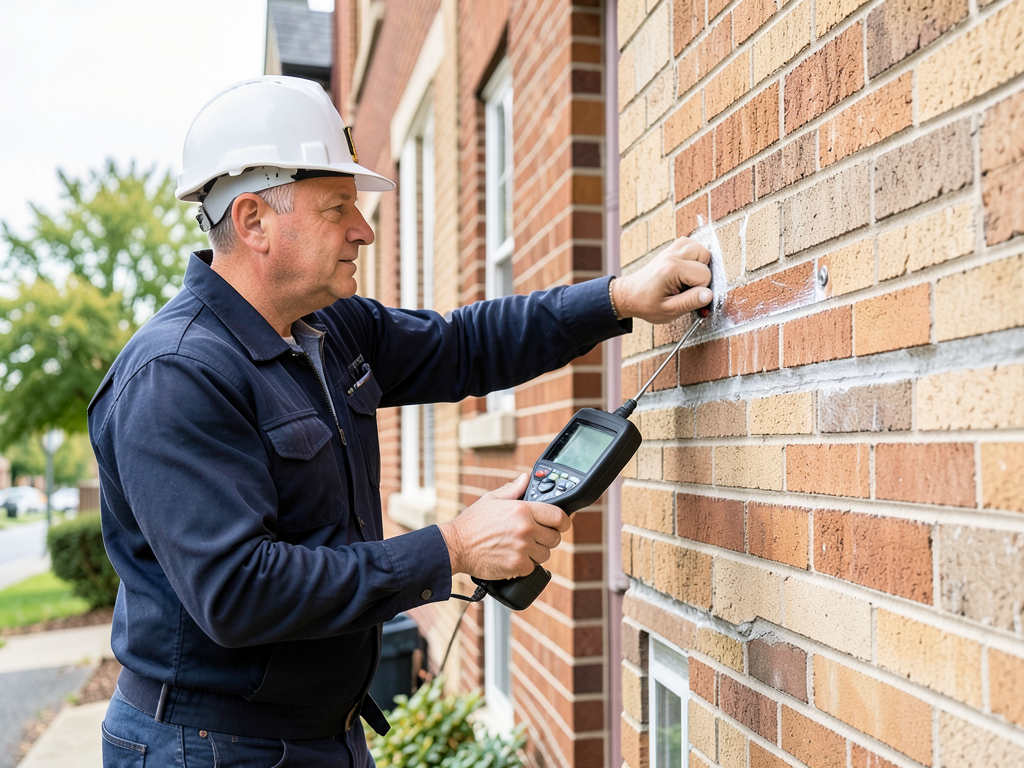
We conduct a full deck inspection using moisture meters and infrared cameras to identify wet insulation or compromised decking. Pittsburgh's humidity causes hidden moisture problems that compromise adhesion. We core sample suspicious areas and replace damaged sections before we start the roofing process. This prevents callbacks and extends system life by eliminating weak points that would fail within two years.
02

Controlled Multi-Ply Application

We install the base sheet, interply felts, and surfacing in sequence. Our crews maintain asphalt temperature between 400°F and 475°F using calibrated kettles. Each ply receives a uniform coating of hot asphalt before the next ply goes down. We stagger the seams to eliminate water paths. The gravel ballast goes down at 400 pounds per square, embedded into the flood coat while the asphalt remains hot enough to lock the stones in place.
03

Final Inspection and Documentation

We perform a complete visual and thermal scan of the finished roof. Every seam, penetration, and drain gets photographed and logged. You receive a detailed report showing ply thickness, asphalt coverage rates, and thermal imaging results. We verify compliance with Pittsburgh building codes and provide documentation for your insurance carrier. This eliminates disputes during claims and proves the roof was installed correctly.

Why Pittsburgh Facility Managers Choose Victory Roofing Pittsburgh

We understand Pittsburgh's building stock. The Strip District, Lawrenceville, and North Shore contain industrial buildings constructed between 1920 and 1970. These structures have concrete decks, outdated drainage systems, and roof penetrations that do not meet current code. We have installed built-up roofing systems on over 200 commercial buildings in Allegheny County. We know how to work around steam vents, HVAC curbs, and old skylights without compromising the new roof system.

Local knowledge matters when you are working on a building that cannot shut down. We schedule installations during your slow periods. We section the roof to keep portions of your facility operational while we work. We coordinate with your maintenance staff to protect sensitive equipment from asphalt fumes and dust. Our crews carry commercial liability coverage that meets the requirements for work in Pittsburgh's industrial zones.

We also understand the permitting process. The City of Pittsburgh requires a building permit for any roof replacement exceeding 100 square feet. We handle the permit application, submit the engineered drawings, and coordinate inspections with the Department of Permits, Licenses, and Inspections. You do not wait three weeks for a permit because we know which details the inspectors require before they approve the application.

Victory Roofing Pittsburgh uses union labor trained in hot asphalt application. Our crews hold OSHA certifications and complete fall protection training annually. You get a roof installed by professionals who follow safety protocols, not day laborers learning on your building.

What to Expect When You Choose a Built-Up Roof

Installation Timeline and Scheduling

A 20,000-square-foot commercial built-up roof takes between 10 and 15 working days to complete, depending on weather and roof complexity. Pittsburgh's unpredictable spring and fall weather can delay installation. We monitor forecasts and adjust the schedule to avoid rain during critical phases. We do not install BUR roofing systems when temperatures drop below 40°F because the asphalt will not bond properly. We provide a detailed schedule before work starts and update you daily on progress. You know exactly when each phase will be complete.

Initial Roof Assessment Process

We start with a visual inspection and moisture scan of your existing roof. We look for ponding water, failed seams, and damaged flashing. We pull core samples to check the condition of the insulation and deck. You receive a written report that identifies problem areas and recommends whether you need a full tear-off or if we can install the new system over the existing roof. We explain the cost difference between each option and provide a timeline for both approaches. The assessment takes two to three hours and gives you the data you need to make an informed decision.

Quality of the Finished Roof

A properly installed built-up roof will last 20 to 30 years in Pittsburgh's climate. You get a roof with four or five plies of reinforced felt, sealed with hot asphalt, and protected by a gravel ballast or cap sheet. The surface remains waterproof through freeze-thaw cycles, heavy snow loads, and summer heat. You can walk on the roof to access HVAC equipment without damaging the membrane. The gravel ballast provides fire resistance and reduces cooling costs by reflecting sunlight. Your facility stays dry, your insurance premiums stay stable, and you avoid emergency repairs.

Maintenance and Long-Term Support

We recommend annual inspections to check for gravel displacement, clogged drains, and damaged flashing. Pittsburgh's freeze-thaw cycles can crack flashing around roof penetrations. We identify small problems before they become leaks. We offer maintenance contracts that include two inspections per year, minor repairs, and drain cleaning. You receive a report after each visit documenting the roof condition. If a repair is needed, we provide a quote and complete the work during the same visit if possible. This approach extends roof life and prevents costly emergency calls.

Frequently Asked Questions

You Have Questions,
We Have Answers

What does built-up roofing mean? +

Built-up roofing is a multi-layer flat or low-slope roof system that alternates layers of bitumen (asphalt or coal tar) with reinforcing fabrics called ply sheets. You build the roof on-site by applying hot asphalt between each layer, creating a thick, durable membrane. The process finishes with a top layer of gravel or mineral granules for UV protection and fire resistance. Pittsburgh commercial properties rely on this system because it handles freeze-thaw cycles and heavy snow loads common in western Pennsylvania. The redundant layers provide leak protection and longevity for warehouses, manufacturing facilities, and institutional buildings.

What is another name for built up roofing? +

Built-up roofing goes by several industry names. You will hear it called BUR, tar and gravel roofing, or hot mop roofing. Some contractors refer to it as asphalt built-up roofing or aggregate-surfaced roofing. The term hot tar roof is common among facility managers in Pittsburgh. All these names describe the same system: alternating layers of bitumen and reinforcing fabrics topped with aggregate. The hot mop nickname comes from the application method, where workers mop hot asphalt between plies. Regardless of what you call it, this proven technology protects commercial buildings throughout the Pittsburgh metro area.

How long does built-up roofing last? +

A properly installed built-up roof lasts 20 to 30 years on Pittsburgh commercial buildings. Lifespan depends on maintenance frequency, drainage quality, and exposure to foot traffic. Facilities that schedule biannual inspections and address ponding water extend system life beyond 25 years. Pittsburgh's freeze-thaw cycles and industrial air quality can accelerate wear on poorly maintained roofs. Three-ply systems typically outlast two-ply installations. The aggregate top layer protects against UV degradation and physical damage. Buildings with good drainage and minimal rooftop equipment see longer service life. Proper flashing details around penetrations prevent premature failure. Regular maintenance maximizes your investment.

What is a typical built up roof assembly? +

A typical built-up roof assembly starts with a structural deck, usually concrete or metal on Pittsburgh commercial buildings. Next comes rigid insulation to meet energy code requirements. A base sheet adheres to the insulation, followed by two to four plies of reinforcing fabric with hot-mopped bitumen between each layer. The flood coat is a final layer of asphalt that embeds the aggregate surfacing. Gravel or slag provides UV protection and fire rating. Edge metal and flashing complete the assembly at perimeters and penetrations. Pittsburgh installations often include additional insulation layers to handle heating costs during cold winters.

What does built-up roofing look like? +

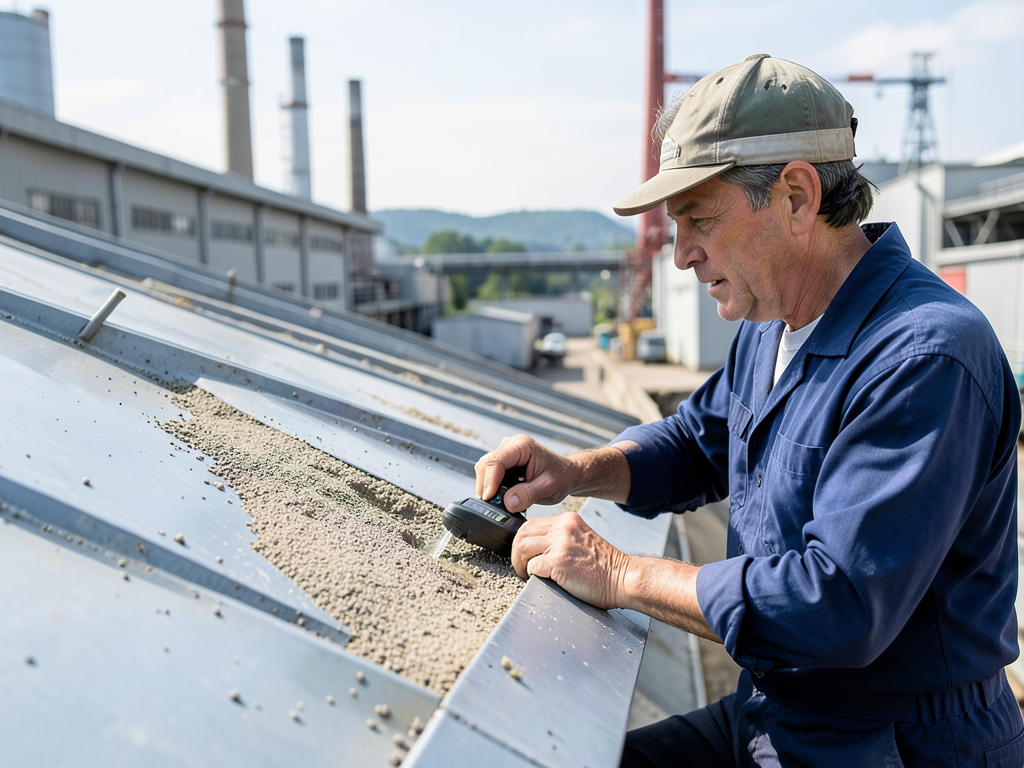
Built-up roofing has a distinctive gray or tan appearance from the gravel or slag aggregate surface. The stones create a textured, uniform finish across the entire roof plane. You might see darker patches where workers recently applied hot asphalt during repairs. White reflective coatings are becoming common on Pittsburgh commercial buildings to reduce cooling costs. The aggregate layer is typically one-half inch thick, completely covering the underlying bitumen layers. Edge metal and flashing appear around roof perimeters and mechanical equipment. Drains and scuppers break up the stone surface at low points. The look is utilitarian and industrial.

Can you repair a built-up roof? +

Yes, you can repair a built-up roof without replacing the entire system. Common repairs include patching blisters, sealing split seams, and addressing flashing failures. Contractors cut out damaged sections, apply new plies and bitumen, then re-aggregate the patch area. Pittsburgh facilities often need localized repairs after harsh winters cause thermal stress cracking. Ponding water areas require drainage improvements alongside patching. Small repairs extend roof life and delay replacement costs. Large-scale damage affecting multiple zones may require recover or complete tear-off. Regular inspections catch problems early when repairs remain cost-effective. A qualified commercial roofer evaluates whether repair makes financial sense.

How many layers is a built-up roof? +

A built-up roof typically contains three to five plies, though two-ply and four-ply systems exist. Most Pittsburgh commercial installations use three-ply construction, which balances cost and performance. Each ply consists of reinforcing fabric saturated with bitumen. More layers provide better redundancy and leak protection. Heavy-traffic roofs or facilities housing sensitive operations often specify four-ply systems. Budget-conscious projects may use two plies with upgraded base sheets. The base sheet does not count as a ply in standard nomenclature. Each additional ply increases labor and material costs. Structural load capacity limits maximum ply count on some older buildings.

What are the three types of roofing? +

Commercial roofing falls into three main categories: built-up roofing, single-ply membrane, and modified bitumen. Built-up systems use multiple layers of asphalt and fabric. Single-ply membranes include TPO, PVC, and EPDM rubber applied in one sheet. Modified bitumen combines asphalt with polymers for flexibility. Pittsburgh commercial properties use all three types depending on building age, budget, and performance requirements. Metal roofing represents a fourth category for some applications. Spray polyurethane foam serves niche markets. Green roofs and photovoltaic systems integrate with these base technologies. Each category offers different maintenance requirements, lifespan expectations, and installation methods.

Is a built-up roof the same as a membrane? +

A built-up roof is not the same as a single-ply membrane, though both create waterproof barriers. Built-up roofing uses multiple layers applied with hot asphalt on-site. Single-ply membranes arrive in large sheets that workers mechanically attach, adhere, or ballast. Built-up systems are thicker and more labor-intensive. Membrane roofs install faster with less odor and fire risk. Pittsburgh contractors choose built-up roofing for superior puncture resistance and proven longevity on high-traffic commercial roofs. Membranes work better for complex roof geometries. Modified bitumen bridges both technologies, using polymer-enhanced asphalt in sheet form. Each system serves specific commercial applications.

How much should an asphalt roof on a 500 sq ft house cost? +

This question addresses asphalt shingles for residential applications, not built-up roofing systems designed for commercial flat roofs. Commercial built-up roofing costs vary significantly based on ply count, insulation requirements, and building access challenges. Pittsburgh commercial projects face different pricing factors than residential work. Facility managers should request detailed proposals that account for structural loads, code compliance, and business continuity during installation. Built-up roofing delivers long-term value through durability and repairability. Focus on lifecycle costs rather than initial installation price. A qualified commercial roofing contractor provides accurate project-specific estimates after site evaluation.

How Pittsburgh's Freeze-Thaw Cycles Make Multi-Ply Roofing Systems Critical

Pittsburgh experiences temperature swings that destroy single-ply roofing membranes. Water seeps into small cracks, freezes, expands, and tears the membrane apart. This happens repeatedly from November through March. A built-up roof handles this stress through redundancy. If the top ply cracks, three or four additional plies prevent water from reaching the deck. Commercial buildings in the Northside, Bloomfield, and East Liberty need this level of protection because a single leak can shut down operations and damage inventory. Asphalt built-up roofing remains flexible enough to handle thermal movement while maintaining a watertight seal.

Victory Roofing Pittsburgh has worked on commercial buildings throughout Allegheny County for years. We understand the local building codes, the permit process, and the specific challenges of Pittsburgh's older industrial buildings. We know which inspectors require engineered drawings and which details they scrutinize during the final inspection. Local expertise matters because a roofing contractor from Ohio does not understand Pittsburgh's requirements and will cause delays. We complete projects on schedule because we have installed tar and gravel roofing on warehouses, manufacturing plants, and distribution centers across the region.
Roofing Services in The Pittsburgh Area

We are proud to serve the entire Pittsburgh metropolitan area and surrounding communities. Use the interactive map below to easily locate our office or visualize our extensive service region, which includes every neighborhood from the North Shore to the South Hills. We are locally committed and ready to bring our award-winning, trusted roofing expertise right to your specific location for any inspection, repair, or full installation project. We look forward to meeting you and securing your valuable property!

Address:
Victory Roofing Pittsburgh, 500 Grant St, Pittsburgh, PA, 15219

Additional Services We Offer

Our news updates

Latest Articles & News from The Blogs

Why You Should Repair Your Bellevue Wrap-Around Porch Roof Now Your Bellevue wrap-around porch isn't just a charming architectural feature—it's…

Why You Should Repair Your Bellevue Wrap-Around Porch Roof Now

Why You Should Repair Your Bellevue Wrap-Around Porch Roof Now Your Bellevue wrap-around porch isn't just a charming architectural feature—it's…

Restoring the Historic Beauty of Manchester North Side Roofs

Restoring the Historic Beauty of Manchester North Side Roofs Manchester’s historic North Side is home to some of Pittsburgh’s most…

The Hidden Risks of Shingle Overlays for Whitehall Homeowners

The Hidden Risks of Shingle Overlays for Whitehall Homeowners \n\n Thinking about saving money with a shingle overlay on your…

Contact Us

Your building needs a roof that handles Pittsburgh winters without leaking. Call Victory Roofing Pittsburgh at (878) 209-5522 for a detailed assessment. We provide engineered solutions, not quick fixes. Get a roof that works.