
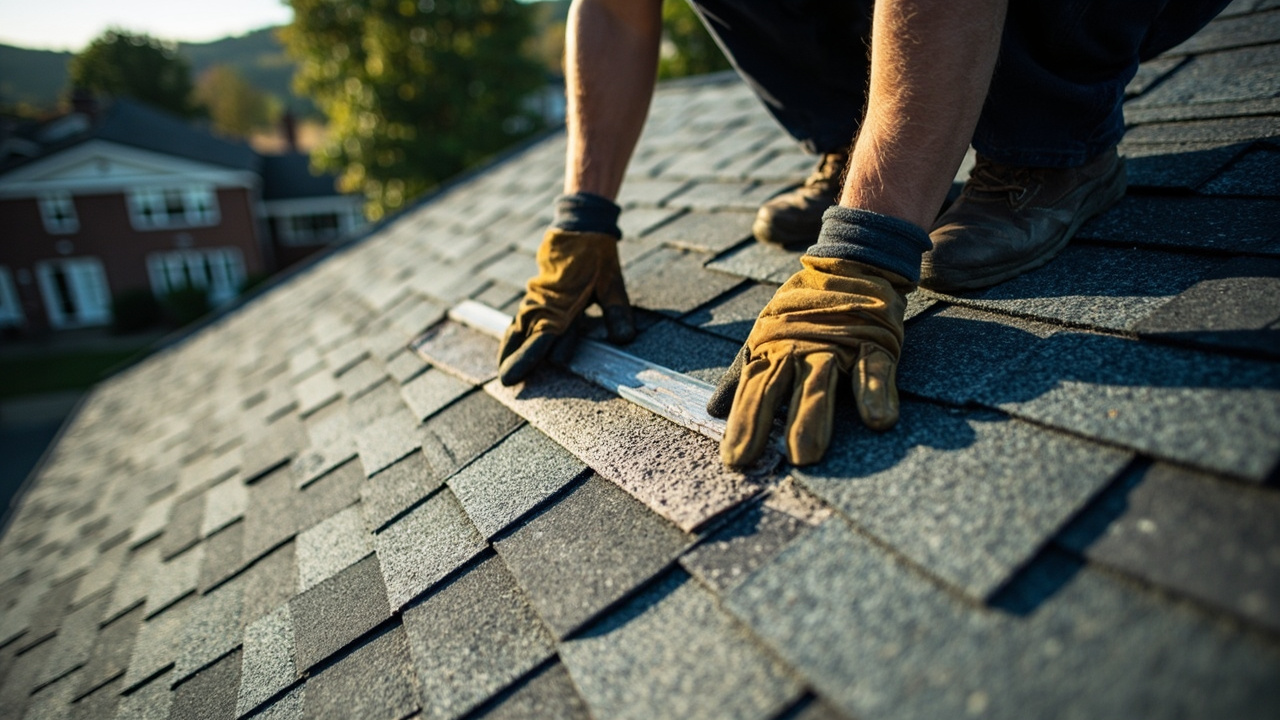
menu

Can You Roof Over Existing Shingles in Pittsburgh? – Expert Answers on Overlay vs. Tearoff

Get the facts on reroofing over existing shingles in Pittsburgh, including when a shingle overlay makes sense, when it doesn't, and how local building codes and climate affect your decision.

Slider Image 1
Slider Image 2
Slider Image 3
Slider Image 4
Slider Image 5
Slider Image 7
Slider Image 8
Slider Image 9
Slider Image 10
Slider Image 11

Why Pittsburgh Homeowners Ask About Installing New Shingles Over Old Ones

You are staring at a roof estimate that includes the phrase "full tearoff," and you wonder if there is a cheaper way. The question surfaces every time: can you roof over existing shingles instead of ripping everything down to the deck?

The short answer is yes, sometimes. The longer answer depends on Pittsburgh's specific conditions and your current roof's health.

Pittsburgh's freeze-thaw cycles create unique challenges. Ice dams form along eaves when snow melts and refreezes. This expansion and contraction stresses shingles. A roof layover, or adding a second layer of shingles, can mask underlying damage that freeze-thaw cycles have already caused. Water infiltration from ice damming can rot decking under the old layer, and you will not see it until the problem spreads.

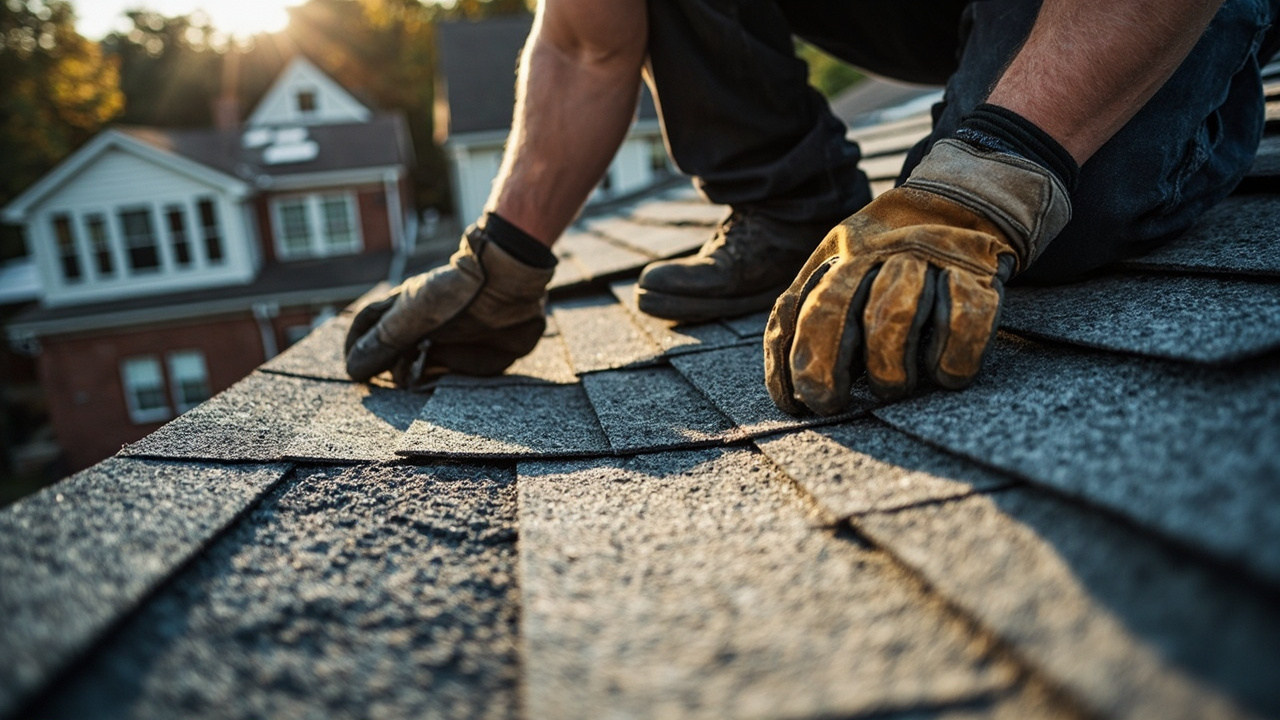
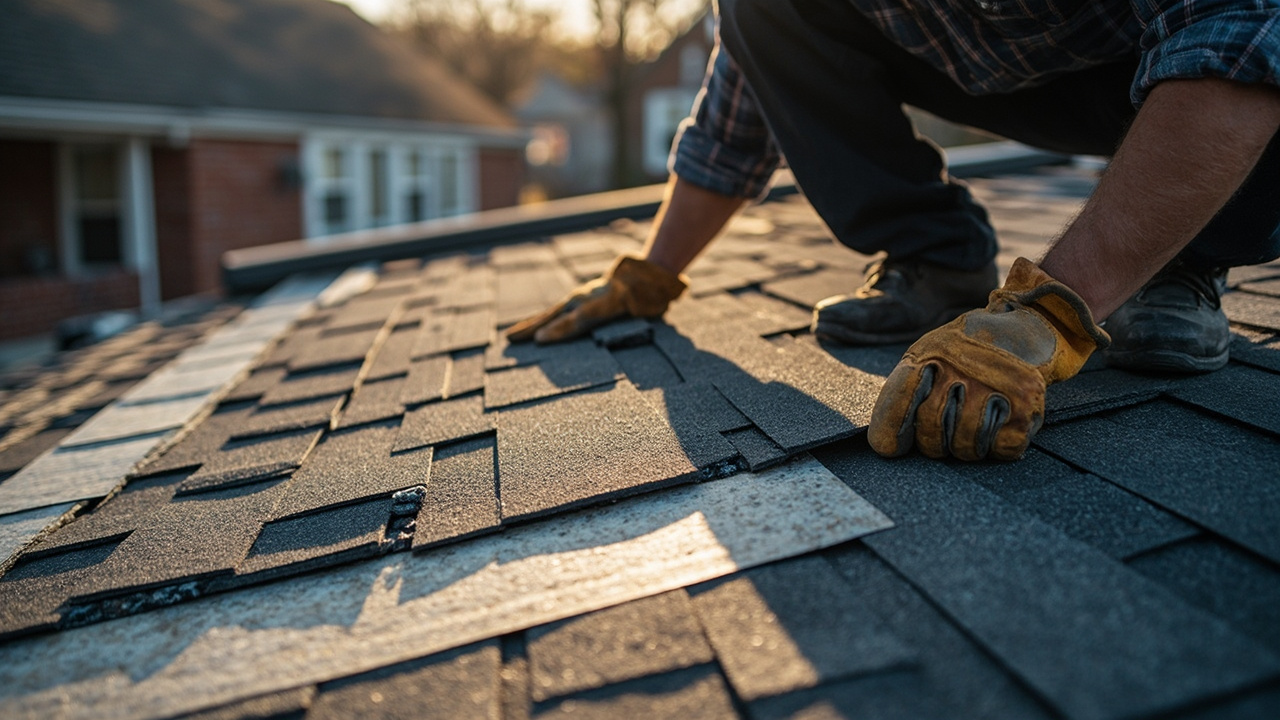
Local building code in Allegheny County allows a maximum of two layers of asphalt shingles. If you already have two layers, you must tear off. If you have one layer, you can technically overlay, but the decision requires inspection. The existing shingles must lie flat, with no curling, buckling, or missing granules. The roof deck must be sound, with no soft spots or water damage. If your roof is older than 15 years, a tearoff usually makes more sense because hidden damage is likely.

Reroofing over existing shingles saves labor time and disposal fees, but it also adds weight to your roof structure and shortens the lifespan of the new layer. Pittsburgh homes built before 1980 often have dimensional lumber framing that can handle the extra load, but newer truss systems may not. You need an honest assessment before choosing a shingle overlay.

Why Pittsburgh Homeowners Ask About Installing New Shingles Over Old Ones
How We Determine if a Roof Layover Is the Right Choice

How We Determine if a Roof Layover Is the Right Choice

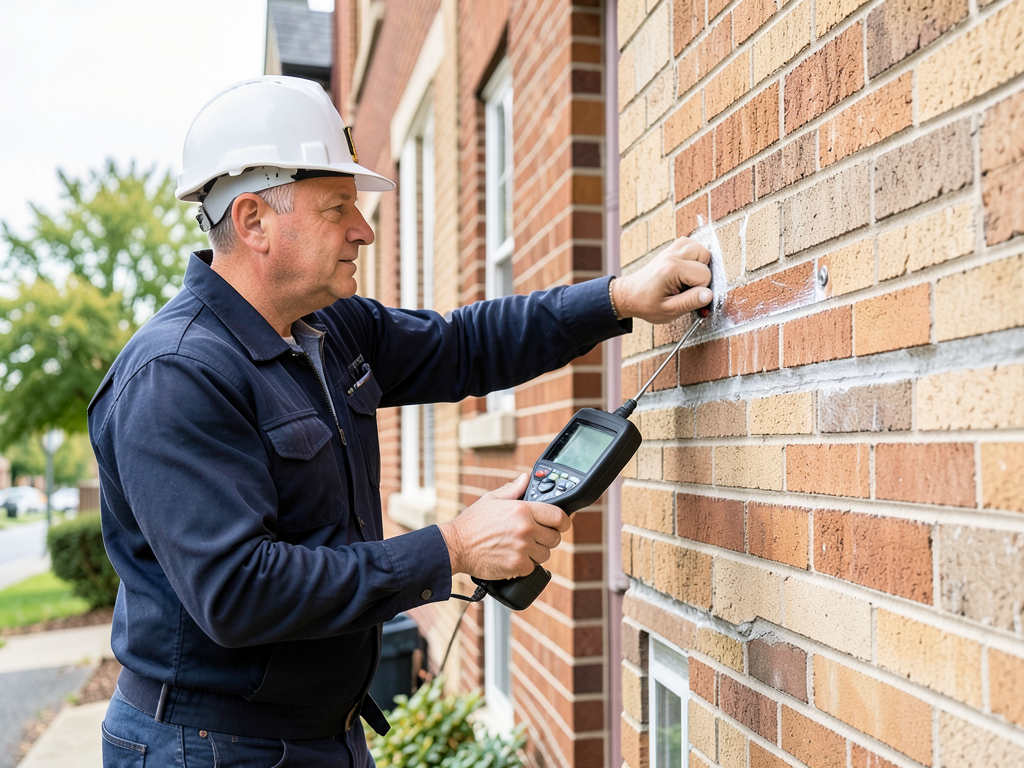
Victory Roofing Pittsburgh does not sell roof layovers blindly. We inspect your existing roof system first. Our process involves walking the roof surface to check for soft spots, probing the decking near eaves and valleys where water damage concentrates, and inspecting attic ventilation.

Ventilation matters more than most homeowners realize. Installing new shingles over old ones reduces airflow if the existing layer has trapped moisture. Poor attic ventilation accelerates shingle degradation from the underside. Pittsburgh summers bring humidity that condenses in attics without proper ridge and soffit vents. A layover without addressing ventilation creates a greenhouse effect that cooks your new shingles from below.

We also inspect flashing around chimneys, skylights, and vent pipes. Flashing installed over a layover often fails because the old shingles underneath create uneven surfaces. Water channels through gaps and causes leaks that are harder to trace. If your flashing is compromised, we recommend a full tearoff so new flashing integrates properly with the roof deck.

Another factor is shingle type. If your existing roof has architectural shingles with a thick profile, adding another layer creates an uneven surface. The new shingles will not seal properly, and wind can lift tabs. Pittsburgh's weather includes strong spring storms with high winds. A poorly sealed layover becomes a liability during severe weather.

We explain the tradeoffs clearly. A roof layover costs less upfront but typically shortens the new roof's lifespan by 20 to 30 percent. A tearoff costs more but allows us to inspect and repair the deck, install ice and water shield properly along eaves, and ensure proper flashing integration. The right choice depends on your budget, how long you plan to stay in the home, and the condition of the existing roof.

What Happens When You Schedule a Roof Layover Assessment

Can You Roof Over Existing Shingles in Pittsburgh? – Expert Answers on Overlay vs. Tearoff
01

Visual Roof Inspection

We climb onto your roof and inspect shingle condition, checking for curling, missing granules, cracked tabs, and soft spots in the decking. We photograph problem areas and measure the existing slope to confirm it meets code for a layover. We also inspect valleys and flashings where water concentrates. This step determines whether a shingle overlay is structurally feasible or if a full tearoff is required.
02

Attic and Ventilation Check

We enter your attic to inspect ventilation, looking for signs of moisture damage, mold, or inadequate airflow. We check for water stains on the underside of the roof deck and measure insulation depth. Poor ventilation disqualifies a roof layover because trapped heat and moisture will degrade the new shingles prematurely. We explain what ventilation upgrades are needed if you proceed with reroofing over existing shingles.
03

Cost and Lifespan Comparison

We provide a written comparison showing the cost difference between a layover and a tearoff, along with projected lifespan for each option. We explain warranty implications, because most manufacturers reduce coverage on overlay installations. You receive photos, notes, and a clear recommendation based on your roof's actual condition. We never pressure you toward the more expensive option if a roof layover is viable and meets code.

Why Pittsburgh Homeowners Trust Victory Roofing for Honest Overlay Assessments

Pittsburgh's roofing market includes contractors who push layovers to win bids and others who insist on tearoffs to maximize profit. Victory Roofing Pittsburgh operates differently. We assess your roof based on structural integrity and long-term performance, not sales targets.

We understand Pittsburgh's building codes and climate challenges. Allegheny County enforces strict regulations on roof layovers, including slope requirements and layer limits. We pull permits when required and ensure your project passes inspection. Some contractors skip permits to save time, but that leaves you liable if you sell your home and the buyer's inspector flags unpermitted work.

Our crew has worked on Pittsburgh's historic neighborhoods, from Shadyside's Victorian homes to Mount Washington's steep hillside properties. We know which roof styles tolerate layovers and which require tearoffs. Pittsburgh's older homes often have slate or tile roofs that were later covered with asphalt shingles. If your home has a hidden slate layer, a layover is not an option. We identify these situations during the inspection phase, saving you from costly mistakes.

We also factor in resale value. A roof layover can be a red flag for future buyers, especially if your home is in a competitive market. Buyers often negotiate lower offers when they see a layover, fearing hidden damage. If you plan to sell within five years, a tearoff may be the smarter financial decision. We explain these considerations upfront so you make an informed choice.

Local material suppliers know us by name. We source shingles from distributors in the Pittsburgh area, which means faster delivery and better pricing. We do not cut corners on underlayment or starter strips, even on layover projects. Quality materials matter regardless of installation method.

What to Expect When Considering a Roof Layover in Pittsburgh

Inspection Turnaround Time

We schedule inspections within 48 hours of your call. The inspection takes 60 to 90 minutes, including roof access, attic inspection, and measurement. You receive a written assessment within 24 hours, detailing whether a roof layover is viable or if a tearoff is necessary. We include photos and notes explaining our recommendation. If you need a faster timeline due to storm damage or an urgent sale, we prioritize your project and provide same-day assessments when possible.

Structural and Code Compliance Review

We verify your roof meets Allegheny County code for installing new shingles over old ones, including slope requirements and layer count. We inspect roof framing to confirm it can handle the additional weight of a second layer. If your home was built before 1980, we check for adequate rafter spacing and truss load capacity. We also review attic ventilation to ensure a layover will not trap heat and moisture. If code or structural issues exist, we explain what modifications are needed or why a tearoff is the safer option.

Installation Quality and Finish

If a roof layover is approved, we install it to the same standards as a tearoff project. We apply starter strips along eaves and rakes, seal all penetrations, and ensure proper shingle alignment. We replace worn pipe boots and vent flashings, because old flashings fail faster under a new layer. We clean up thoroughly, using magnetic rollers to remove stray nails from your driveway and lawn. The finished roof looks clean and uniform, with no visible ridges or bumps from the old layer underneath.

Warranty and Long-Term Performance

Manufacturer warranties on roof layovers are typically shorter than tearoff installations. We explain the exact warranty terms for your chosen shingles, including coverage duration and what is excluded. We also discuss realistic lifespan expectations for a layover in Pittsburgh's climate. You should expect 15 to 20 years from a layover versus 25 to 30 years from a tearoff. We provide a workmanship warranty covering installation defects, regardless of whether you choose a layover or tearoff. We also offer maintenance plans to extend your roof's lifespan, including annual inspections and minor repairs.

Frequently Asked Questions

You Have Questions,
We Have Answers

Should you roof over existing shingles? +

Roofing over existing shingles can work in limited situations, but it depends on your roof's condition. Pittsburgh building codes allow one layer of overlay, but most roofers advise against it. The freeze-thaw cycles here stress roofs, and adding weight without fixing deck damage creates problems. You lose the chance to inspect sheathing for rot or mold from ice dams. Overlays also void many manufacturer warranties. If your deck is sound and you have only one existing layer, an overlay might save money short-term. But a full tear-off gives you a longer-lasting roof and reveals hidden issues.

How to reroof a roof without removing old shingles? +

Reroofing without removal means installing new shingles directly over the old layer. First, inspect the roof deck for sag or damage. Replace any damaged flashing around chimneys and vents. Install starter strips along eaves and rakes, then lay new shingles following manufacturer guidelines. You need to account for the added thickness when nailing. Pittsburgh's weather demands proper ventilation, so check attic airflow before starting. The process skips dumpster rental and labor costs for tear-off. However, you cannot fix underlying problems like rotted decking or poor ventilation. Most pros recommend this only for roofs in good structural shape.

Do roofers always remove old shingles? +

No, roofers do not always remove old shingles. Some homeowners choose overlays to cut costs. However, most reputable Pittsburgh roofers recommend full tear-offs. Removing old shingles lets the crew inspect your roof deck for damage from moisture or ice dams. Pittsburgh's humidity and winter freezes cause hidden rot that overlays mask. A tear-off also resets your roof's lifespan and preserves warranties. Quality contractors explain both options but steer you toward tear-offs for long-term value. If a roofer pushes an overlay without assessing your deck, get a second opinion.

How long will a roof overlay last? +

A roof overlay typically lasts 10 to 15 years, shorter than a full replacement. The lifespan depends on the condition of the underlying layer and your roof deck. Pittsburgh's freeze-thaw cycles stress overlays more than single-layer systems. Ice dams and trapped moisture between layers accelerate wear. If the original shingles were already 15 years old, the overlay inherits their weaknesses. Proper ventilation and flashing extend life, but you cannot fix deck issues without removal. An overlay buys time but rarely matches the 20 to 30 year lifespan of a tear-off and replacement.

Is it cheaper to put new shingles over old shingles? +

Yes, installing new shingles over old ones costs less upfront. You save on tear-off labor, disposal fees, and dumpster rental. In Pittsburgh, expect to save 20 to 30 percent compared to a full replacement. However, this savings comes with tradeoffs. You cannot inspect or repair the roof deck, risking hidden damage from moisture or rot. Overlays often void manufacturer warranties and reduce your roof's total lifespan. Insurance companies may also hesitate to cover overlay damage claims. The initial savings disappear if you need a full replacement sooner than expected.

Are roof overs a good idea? +

Roof overs work in specific situations but come with risks. If your existing shingles are flat, your deck is sound, and you have only one layer, an overlay can extend your roof's life temporarily. Pittsburgh's weather complicates this. Ice dams and humidity cause deck rot that overlays hide. You also add weight to your structure and trap heat, shortening shingle life. Most building codes allow one overlay, but insurance companies prefer tear-offs. A roof over makes sense if you plan to sell soon or need a budget fix. Long-term, a tear-off delivers better value.

Is a roof overlay worth it? +

A roof overlay is worth it only in limited cases. If your budget is tight and your roof deck is structurally sound, an overlay buys you 10 to 15 years. However, Pittsburgh's climate works against overlays. Freeze-thaw cycles and moisture trapped between layers cause faster deterioration. You lose the chance to fix ventilation or flashing issues. Most overlays also void material warranties, leaving you exposed if shingles fail early. If you plan to stay in your home long-term, invest in a full tear-off. The upfront cost pays off in longevity and fewer surprise repairs.

How old may a roof be before insurance claims it's too old? +

Most insurance companies in Pennsylvania start scrutinizing roofs around 15 to 20 years old. Some carriers refuse to write new policies for roofs older than 20 years or require an inspection first. After major storms, insurers may deny claims if your roof exceeded its expected lifespan. Pittsburgh's weather accelerates wear, so document your roof's condition and maintenance history. If your roof is over 15 years old, ask your agent about coverage limits. Some policies only cover depreciated value on older roofs, leaving you with a large out-of-pocket bill after a claim.

What is the most expensive part of replacing a roof? +

Labor is the most expensive part of roof replacement, accounting for 40 to 60 percent of total costs. Tear-off, disposal, and installation require skilled crews and time. In Pittsburgh, steep pitches and multi-story homes increase labor costs. Material costs follow, especially for architectural shingles or metal roofing. Roof decking repair adds expense if your sheathing has rot from ice dams or leaks. Flashing replacement around chimneys and skylights also drives up costs. Complex roof designs with valleys and dormers require more cuts and waste, increasing both material and labor expenses.

How much does it cost to replace 1000 sq ft of roof? +

Replacing 1,000 square feet of roof depends on material choice, pitch, and underlying damage. Costs vary widely based on access, complexity, and whether you need decking repairs. Pittsburgh's older homes often require additional work for ventilation or code compliance. Architectural shingles cost more than three-tab options. Steep pitches or multiple stories increase labor time. Dumpster fees, permits, and flashing replacement add to the total. For accurate pricing specific to your home, get multiple local estimates. Avoid quotes that skip inspection or lowball without seeing your roof deck condition.

How Pittsburgh's Freeze-Thaw Cycles and Building Codes Affect Roof Layover Decisions

Pittsburgh experiences an average of 40 freeze-thaw cycles per winter. Water seeps under shingle tabs, freezes, expands, and lifts the shingles. This cycle weakens adhesive strips and accelerates granule loss. A roof layover hides this damage, allowing ice to infiltrate between the old and new layers. Once water reaches the decking, rot spreads quickly. Homes in neighborhoods like Squirrel Hill and Highland Park, where mature trees drop leaves that trap moisture, face higher risk. If your existing roof shows signs of freeze-thaw damage, a tearoff is the only safe option.

Allegheny County building code requires permits for reroofing projects, including layovers. Inspectors verify that the existing roof has only one layer and that the new installation meets wind uplift standards for Pittsburgh's Zone 2 wind classification. Victory Roofing Pittsburgh pulls permits for every job and coordinates inspections to keep your project compliant. We also work with local insurance adjusters who understand how Pittsburgh's weather affects roof claims. Choosing a contractor who knows local code and insurance requirements protects your investment and avoids disputes during future home sales.
Roofing Services in The Pittsburgh Area

We are proud to serve the entire Pittsburgh metropolitan area and surrounding communities. Use the interactive map below to easily locate our office or visualize our extensive service region, which includes every neighborhood from the North Shore to the South Hills. We are locally committed and ready to bring our award-winning, trusted roofing expertise right to your specific location for any inspection, repair, or full installation project. We look forward to meeting you and securing your valuable property!

Address:
Victory Roofing Pittsburgh, 500 Grant St, Pittsburgh, PA, 15219

Additional Services We Offer

Our news updates

Latest Articles & News from The Blogs

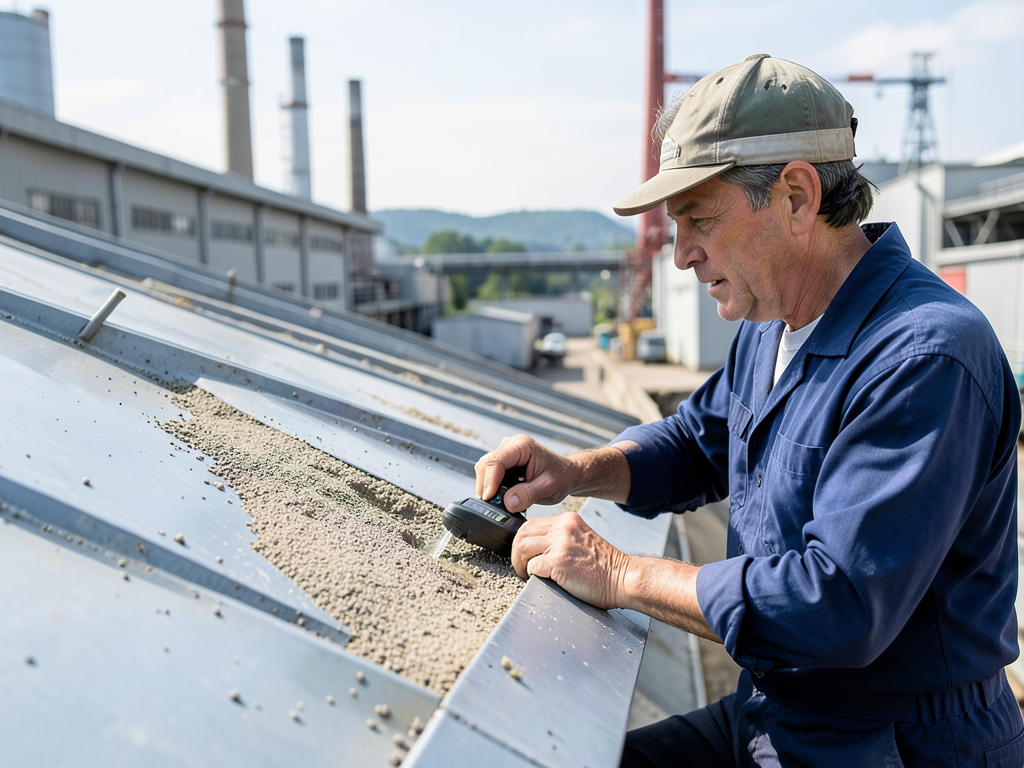
How Industrial Air Quality in Clairton Affects the Lifespan of Your Shingles Mon Valley's industrial legacy creates unique roofing challenges…

How Industrial Air Quality in Clairton Affects the Lifespan of Your Shingles

How Industrial Air Quality in Clairton Affects the Lifespan of Your Shingles Mon Valley's industrial legacy creates unique roofing challenges…

Why Luxury Homes in Fox Chapel are Moving Toward Standing Seam Zinc Roofing

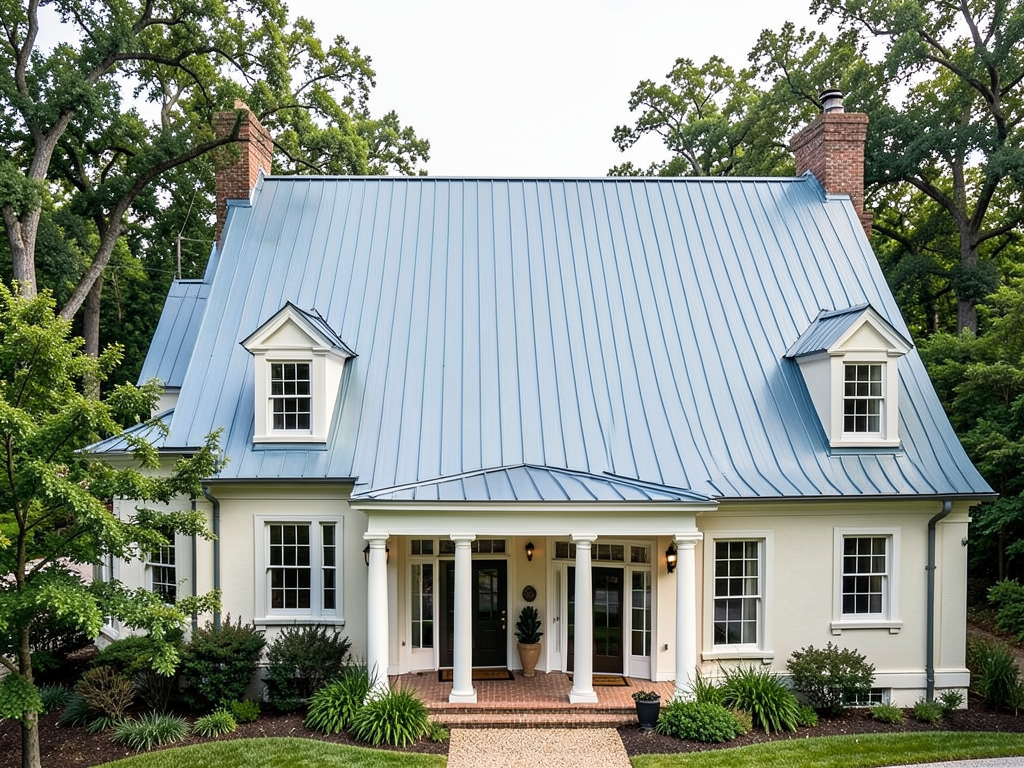
Why Luxury Homes in Fox Chapel are Moving Toward Standing Seam Zinc Roofing Luxury homeowners in Fox Chapel are increasingly…

Managing Shared Roof Maintenance with Your Neighbors in Garfield Row Houses

Managing Shared Roof Maintenance with Your Neighbors in Garfield Row Houses Shared roof maintenance between Garfield row house neighbors creates…

Contact Us

Call Victory Roofing Pittsburgh at (878) 209-5522 for a no-pressure inspection. We will assess your roof, explain your options, and provide a written comparison between a layover and tearoff. You deserve honest answers, not a sales pitch.