
menu

PVC Roof Installation in Pittsburgh – Protect Your Business from Costly Downtime and Building Code Violations

Victory Roofing Pittsburgh delivers commercial-grade polyvinyl chloride membrane systems engineered to meet Pennsylvania's stringent building codes while minimizing operational disruption for warehouses, retail centers, and office buildings across Allegheny County.

Slider Image 1
Slider Image 2
Slider Image 3
Slider Image 4
Slider Image 5
Slider Image 7
Slider Image 8
Slider Image 9
Slider Image 10
Slider Image 11

Why Pittsburgh's Climate Demands Superior Commercial Roofing Solutions

Pittsburgh's freeze-thaw cycles wreak havoc on flat commercial roofs. When temperatures swing from below freezing to 40 degrees in a single day, trapped moisture expands and contracts. This constant movement tears apart conventional roofing membranes. The result is water infiltration that damages inventory, disrupts operations, and creates liability risks.

The city's industrial legacy means older commercial buildings in neighborhoods like Lawrenceville and Strip District carry outdated roofing systems that cannot handle modern weather patterns. Pittsburgh receives 38 inches of annual precipitation, much of it in the form of heavy spring rains and winter snow loads that test every seam and fastener point.

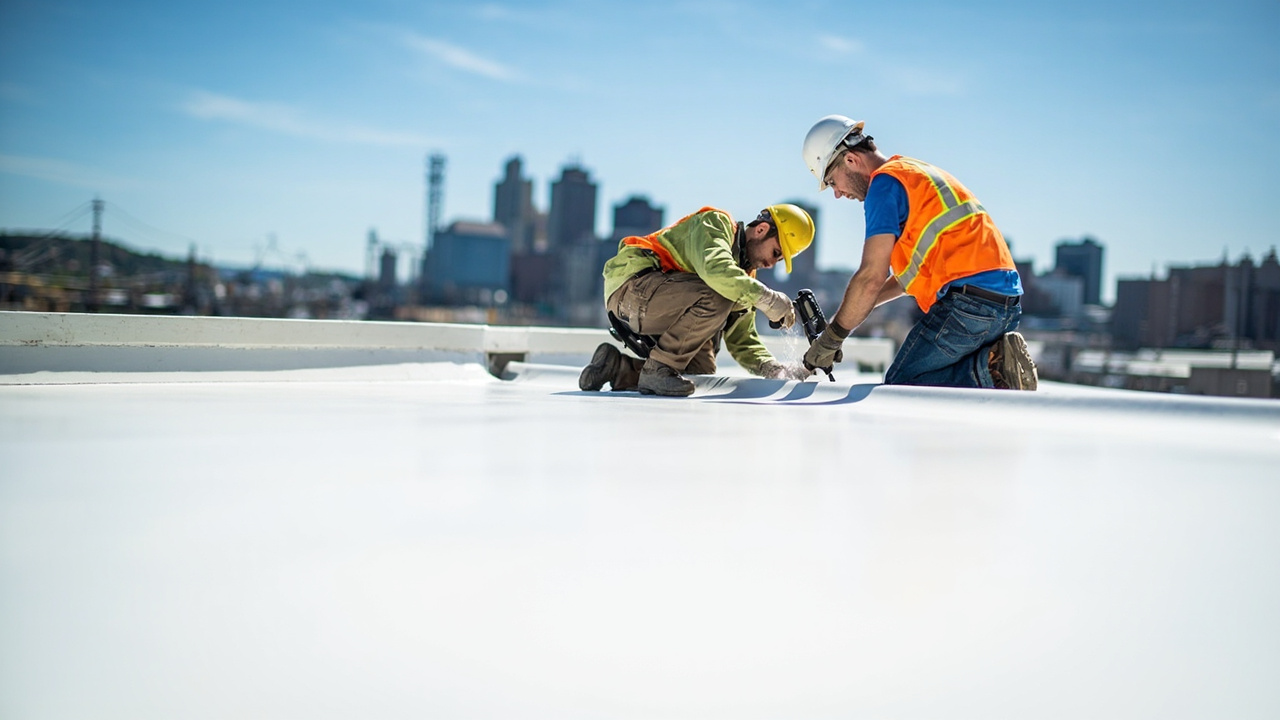
Commercial PVC roofing installation solves these problems through heat-welded seams that create a monolithic barrier. Unlike mechanically fastened systems or adhesive-based membranes, PVC roofing system installation uses thermoplastic welding to fuse seams at the molecular level. This eliminates the weak points where water typically penetrates.

PVC membrane installation also resists the chemical pollutants still present in Pittsburgh's air from decades of steel production. The polyvinyl chloride composition does not degrade when exposed to industrial emissions or acid rain. For facilities in areas near former manufacturing sites, this chemical resistance prevents premature roof failure.

Your building cannot afford downtime from roof leaks during peak business periods. A properly installed PVC flat roof installation delivers 20-plus years of watertight protection without the maintenance headaches that come with modified bitumen or EPDM systems.

Why Pittsburgh's Climate Demands Superior Commercial Roofing Solutions
How Professional PVC Membrane Systems Protect Your Investment

How Professional PVC Membrane Systems Protect Your Investment

Victory Roofing Pittsburgh begins every commercial PVC roofing installation with a structural assessment. We measure roof deck deflection, inspect existing drainage systems, and verify that your building can support the dead load of the new membrane plus anticipated snow loads. This prevents costly failures that occur when contractors skip engineering analysis.

We remove existing roofing down to the deck when necessary. Many contractors want to install PVC over deteriorated substrates to save money. This creates air pockets and compression issues that void manufacturer specifications. Our crews strip compromised sections, replace damaged decking, and install new insulation boards with proper R-values for Pennsylvania energy code compliance.

The polyvinyl chloride roof installation process uses mechanically attached insulation boards followed by fully adhered or mechanically fastened membrane. We select attachment methods based on your building's wind exposure category and parapet height. Buildings in exposed areas near the rivers require closer fastener spacing to meet uplift requirements.

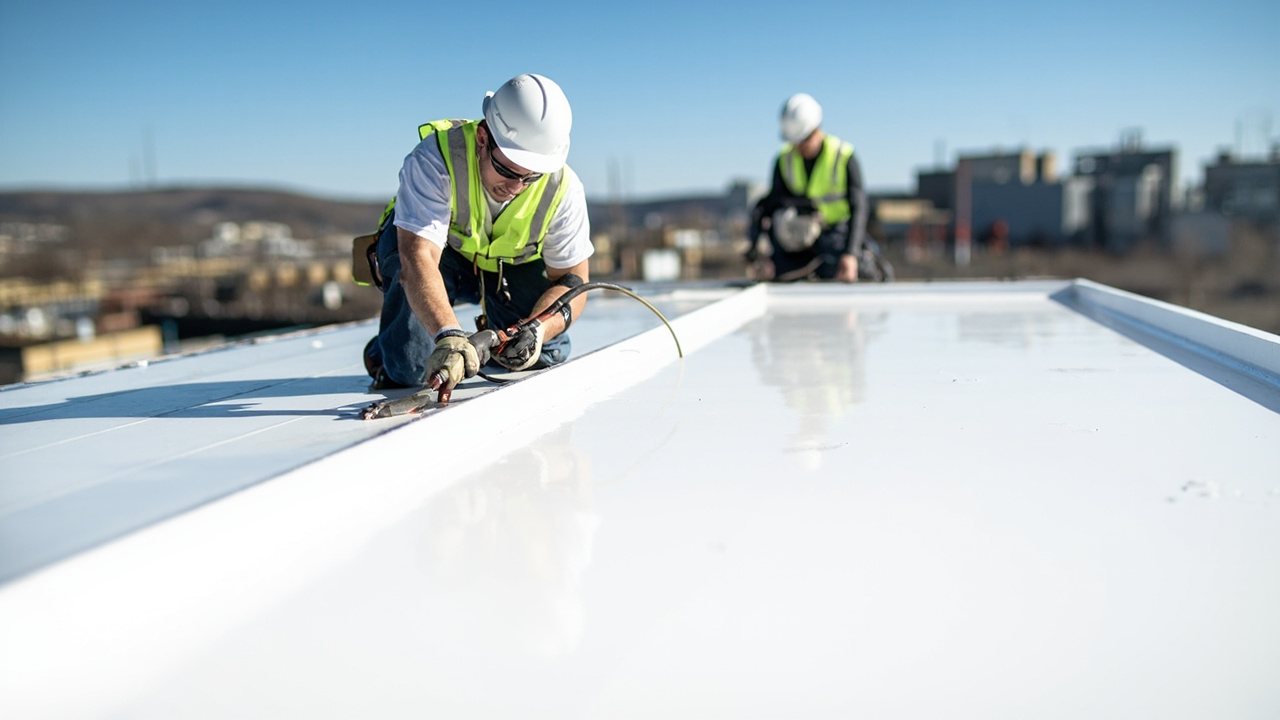
Hot-air welding creates seams stronger than the membrane itself. Our technicians use calibrated welding equipment that maintains consistent temperatures between 900 and 1,000 degrees Fahrenheit. Each seam receives a destructive test pull to verify proper fusion. This quality control step catches installation errors before they become leaks.

Flashing details around HVAC curbs, pipes, and drains require custom fabrication. We do not use generic boots or prefabricated corners. Every penetration gets hand-welded flashing that integrates with the membrane system. This attention to detail prevents the most common failure points in PVC roofing system installation.

Your facility stays operational during installation. We coordinate material deliveries and work schedules to avoid disrupting your business hours or blocking loading docks.

Your Commercial PVC Installation Timeline

PVC Roof Installation in Pittsburgh – Protect Your Business from Costly Downtime and Building Code Violations
01

Site Assessment and Engineering

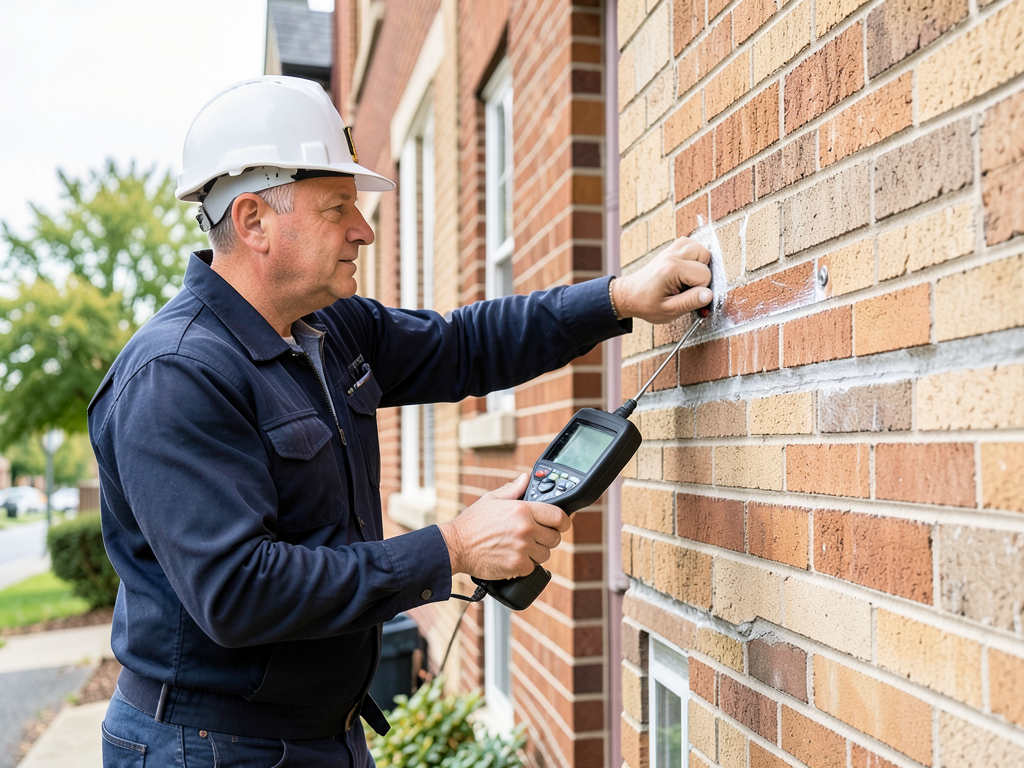
We conduct a comprehensive roof inspection using infrared scanning to identify hidden moisture in existing substrates. Our team measures drainage slopes, documents penetrations, and photographs current conditions. You receive a detailed report with recommendations for substrate preparation, insulation upgrades, and drainage improvements. This assessment typically takes one to two days depending on building size and ensures we design a system that meets your specific structural requirements.
02

Membrane Installation and Welding

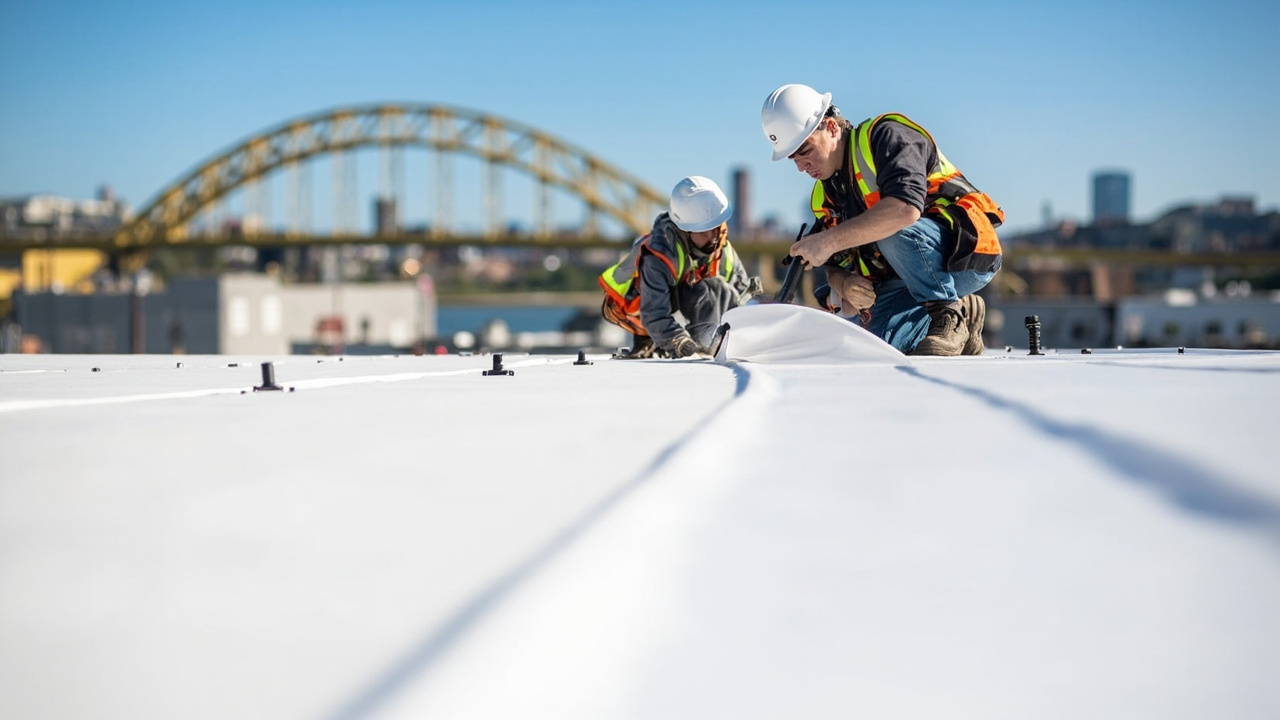
Crews install rigid insulation boards over prepared substrate using appropriate fastening patterns for your wind zone. We roll out PVC membrane in sections, allowing material to relax before final positioning. Hot-air welding equipment fuses all seams with overlapping passes. Every seam receives probe testing and visual inspection. Flashing details around equipment and edges get hand-fabricated and welded in place. Installation pace depends on roof complexity, but most commercial projects complete in one to three weeks.
03

Quality Verification and Documentation

Final inspection includes electronic leak detection across the entire membrane surface and destructive seam testing in multiple locations. We provide you with complete installation documentation, including photos of substrate conditions, insulation placement, and welded seam details. This documentation is required for manufacturer warranty activation. You also receive an as-built drawing showing all penetrations, drains, and membrane layout. Most facilities can resume normal roof access within 24 hours of completion.

Why Pittsburgh Businesses Trust Local Commercial Roofing Expertise

Victory Roofing Pittsburgh understands Pennsylvania's commercial building codes and local permitting requirements. Pittsburgh requires permits for commercial re-roofing projects, and inspectors expect specific installation details that meet International Building Code standards. We handle all permit applications and coordinate required inspections so your project stays on schedule.

Our familiarity with Pittsburgh's commercial architecture matters. The city's industrial buildings feature wide spans, minimal roof slope, and aging structural systems. We know which warehouse districts have buildings with lightweight steel decking that requires special fastener spacing. We understand which retail areas have buildings with parapet walls that need enhanced edge securement.

Commercial PVC membrane installation in Pittsburgh requires knowledge of local weather patterns. Spring brings rapid temperature swings that affect membrane expansion. Summer heat can reach 90 degrees on roof surfaces, requiring installation timing that allows proper material acclimation. Winter projects need heated enclosures and temperature monitoring. Generic contractors from outside the region do not account for these variables.

We maintain relationships with local building inspectors and code officials. When questions arise about installation methods or material specifications, we get answers quickly. This prevents project delays that cost you money.

Your business cannot afford roofing contractors who disappear after installation. We operate from Pittsburgh and respond to service calls within hours, not days. When you need roof access coordinated for HVAC maintenance or emergency repairs after storm damage, we are available.

Local commercial property managers refer us because we understand business continuity needs. We schedule installations around your busy seasons, work overnight shifts when necessary, and maintain job site cleanliness that does not disrupt your operations.

What Your Commercial PVC Installation Includes

Project Timeline and Scheduling Flexibility

Most commercial PVC flat roof installations complete within two to four weeks from permit approval to final inspection. Project duration depends on roof size, complexity, and weather conditions. We provide detailed schedules before work begins and update you on progress daily. Our crews work extended hours or weekend shifts when necessary to minimize business disruption. Material deliveries occur during off-peak hours to avoid blocking loading docks or customer parking. We coordinate with your facility manager to ensure roof access does not interfere with operations or create safety hazards for employees.

Pre-Installation Assessment Process

Initial consultation includes roof access for visual inspection and documentation. We use infrared thermography to detect moisture in existing insulation and substrate. Core samples verify deck composition and insulation condition. Our assessment identifies structural concerns like inadequate drainage, damaged decking, or insufficient insulation. You receive a written report with photographs, thermal images, and specific recommendations. This evaluation takes one to two site visits and provides the data needed for accurate project specifications. We review findings with you before finalizing installation plans or pricing.

Installation Quality and Performance Standards

Your completed PVC roofing system meets manufacturer specifications for warranty eligibility and Pennsylvania building code requirements. All seams are hot-air welded and tested for proper fusion. Flashing details around penetrations receive hand-fabricated custom work, not generic components. Membrane attachment patterns match your building's wind exposure rating per engineering calculations. Final inspection includes electronic leak detection and destructive seam testing. You receive complete documentation including installation photos, material certifications, and as-built drawings. The finished roof provides immediate watertight protection and requires minimal maintenance compared to conventional systems.

Warranty Coverage and Maintenance Support

PVC membrane manufacturers offer material warranties ranging from 15 to 30 years depending on membrane thickness and system design. We provide labor warranties on installation workmanship. Complete warranty activation requires proper installation documentation, which we supply. Annual roof inspections identify minor issues before they become major problems. Our maintenance programs include drain cleaning, surface debris removal, and seam inspection. Emergency repair service responds to storm damage or unexpected leaks within hours. Regular maintenance extends roof life and preserves warranty coverage by documenting ongoing care.

Frequently Asked Questions

You Have Questions,
We Have Answers

How is PVC roofing installed? +

PVC roofing installation begins with substrate inspection and deck preparation. Contractors mechanically attach insulation boards to the deck, then roll out PVC membrane sheets across the roof surface. Seams are heat-welded using hot air welding tools to create watertight bonds. Flashing details around penetrations, parapet walls, and HVAC equipment require precise fabrication and welding. Pittsburgh's variable weather demands proper attachment rates to withstand high winds and freeze-thaw cycles. Edge terminations receive mechanical fastening and perimeter flashing. The process typically takes 3-7 days for commercial buildings, depending on roof complexity and square footage. Proper installation ensures membrane performance and warranty compliance.

What are the disadvantages of PVC roofing? +

PVC roofing costs more upfront than TPO or EPDM alternatives, impacting initial project budgets. The membrane can become brittle in extreme cold, though Pittsburgh's moderate winters rarely cause issues. Some early PVC formulations experienced plasticizer migration, though modern products have resolved this. Installation requires skilled labor and specialized welding equipment, limiting contractor availability. PVC shows lower puncture resistance than some modified bitumen systems. Chemical exposure from grease or certain solvents can degrade the membrane on restaurant or industrial facilities. However, these disadvantages are often offset by superior longevity, energy efficiency, and reduced lifecycle costs for commercial property owners focused on total ownership value.

How much does it cost to install a PVC roof? +

PVC roof installation costs vary based on building height, roof complexity, and existing conditions. Material expenses depend on membrane thickness, insulation requirements, and project square footage. Labor costs reflect contractor expertise, accessibility challenges, and necessary structural repairs. Pittsburgh commercial projects face additional factors like winter installation premiums and Historic District requirements in certain neighborhoods. Removal and disposal of existing roofing adds to total investment. Parapet walls, skylights, and rooftop equipment increase complexity and cost. Most commercial properties see installation costs range across a spectrum, but specific quotes require on-site evaluation. Focus on lifecycle value rather than initial expense when budgeting for 20-year performance expectations.

How long will a PVC roof last? +

PVC roofing systems typically last 20-30 years with proper installation and maintenance. The membrane resists UV degradation, chemical exposure, and biological growth better than many alternatives. Pittsburgh's freeze-thaw cycles and temperature swings have minimal impact on quality PVC formulations. Heat-welded seams maintain integrity longer than adhesive-bonded systems. Regular inspections, prompt leak repairs, and debris removal extend service life. Commercial properties with high foot traffic or rooftop equipment may see accelerated wear in specific areas. Proper drainage prevents ponding water, which shortens any membrane's lifespan. Warranty coverage often reaches 20 years for material performance, reflecting manufacturer confidence in long-term durability and return on investment.

How much should a 2000 sq ft roof cost? +

A 2000 square foot commercial roof involves multiple cost factors beyond simple square footage calculations. Roof pitch, accessibility, and structural condition affect labor requirements. Insulation thickness, membrane grade, and attachment method influence material expenses. Pittsburgh projects may require additional considerations for parapet walls, common in older commercial districts, or snow load reinforcement. Removal of existing roofing, substrate repairs, and code compliance upgrades add to total investment. Edge details, penetration flashing, and drainage improvements vary by building design. Commercial projects demand professional assessment rather than per-square-foot estimates. Request detailed proposals from qualified contractors who can evaluate your specific building conditions and provide accurate project budgets.

Do you weld PVC roofing? +

Yes, PVC roofing requires heat welding for proper seam construction. Contractors use hot air welding tools that heat membrane edges to approximately 1000 degrees Fahrenheit, creating molecular bonds stronger than the base material. This process differs from torch-applied systems and provides superior watertight integrity. Welding requires trained technicians who control temperature, speed, and pressure for consistent results. Pittsburgh's variable weather can affect welding conditions, making experience critical. Properly welded seams show no gaps, wrinkles, or burn marks. Testing involves pulling seams to verify bond strength. This welding process eliminates adhesive failure risks and creates monolithic waterproofing that performs reliably across decades of service.

How many years does a PVC ceiling last? +

This question addresses interior PVC ceiling panels, not roofing membranes. Interior PVC ceilings typically last 15-20 years in commercial applications, depending on environmental conditions and maintenance. These panels resist moisture, mold, and chemical exposure in industrial or food service facilities. However, commercial PVC roof membranes, properly installed and maintained, last 20-30 years as exterior waterproofing systems. The materials differ significantly in formulation, thickness, and performance requirements. Pittsburgh commercial property owners should distinguish between interior finish materials and roofing systems when evaluating product specifications. Roof membranes endure UV exposure, temperature extremes, and weather cycles that interior products never face, requiring different durability standards and warranties.

What is better, PVC or polycarbonate roof? +

PVC and polycarbonate serve different applications. PVC membrane provides single-ply waterproofing for flat or low-slope commercial roofs, offering 20-30 year durability, energy efficiency, and chemical resistance. Polycarbonate panels create translucent roofing for atriums, walkways, or greenhouse applications where light transmission matters. Polycarbonate offers impact resistance but requires structural framing and allows light penetration. For commercial waterproofing on Pittsburgh buildings, PVC membrane delivers superior performance. Polycarbonate works for specialty applications requiring daylighting. The comparison depends on building function. Most commercial properties need watertight, insulated roofing systems where PVC excels, while polycarbonate addresses specific architectural requirements where transparency and impact resistance outweigh traditional roofing priorities.

What are the red flags for roofing contractors? +

Red flags include contractors demanding large upfront deposits before material delivery or work begins. Avoid those without proper insurance documentation or who discourage permit acquisition. Pressure tactics, extremely low bids, or door-to-door solicitation after storms signal potential problems. Contractors unwilling to provide local references, detailed written proposals, or manufacturer certifications lack credibility. Watch for vague timelines, reluctance to discuss warranties, or inability to explain technical details. Pittsburgh commercial property owners should verify contractor experience with PVC installation specifically, not just general roofing work. Missing business addresses, unlicensed workers, or cash-only payment requests indicate unprofessional operations. Quality contractors provide transparent communication, documented processes, and verifiable track records.

Which is better EPDM or PVC roofing? +

PVC and EPDM suit different commercial applications. PVC offers superior chemical resistance, heat-welded seams, and reflective properties that reduce cooling costs in Pittsburgh summers. It resists grease, making it ideal for restaurants or food processing facilities. EPDM costs less upfront and performs well in straightforward applications without chemical exposure. EPDM uses adhesive or tape seams, which create potential failure points over time. PVC withstands foot traffic and UV exposure better than EPDM rubber. For commercial properties prioritizing lifecycle value, energy efficiency, and minimal maintenance, PVC delivers stronger long-term performance. EPDM works for budget-conscious projects without complex requirements. Your building use, budget, and performance expectations determine the better choice.

How Pittsburgh's Industrial Legacy Affects Commercial Roof Performance

Pittsburgh's transition from steel production to technology and healthcare has left a commercial building inventory that spans a century of construction methods. Warehouses in neighborhoods like Hazelwood and Braddock feature aging flat roofs with minimal drainage slope and outdated membrane systems. The city's position at the confluence of three rivers creates localized weather patterns that trap moisture and accelerate roof degradation. PVC membrane installation addresses these challenges through superior water resistance and chemical stability. The material withstands residual air pollutants from decades of industrial activity that continue to affect building exteriors across Allegheny County.

Pennsylvania's commercial building codes require specific R-values for roof insulation and mandate proper drainage design. Pittsburgh building inspectors enforce these requirements strictly during commercial re-roofing projects. Local contractors who understand permit requirements and maintain relationships with code officials keep projects on schedule. Victory Roofing Pittsburgh has completed polyvinyl chloride roof installation on facilities throughout the greater Pittsburgh metro, from Strip District warehouses to South Hills office buildings. Our familiarity with local structural systems, from steel deck to concrete substrates, ensures proper installation methods for every building type. Choosing local expertise means faster permit approval and installations that pass inspection the first time.
Roofing Services in The Pittsburgh Area

We are proud to serve the entire Pittsburgh metropolitan area and surrounding communities. Use the interactive map below to easily locate our office or visualize our extensive service region, which includes every neighborhood from the North Shore to the South Hills. We are locally committed and ready to bring our award-winning, trusted roofing expertise right to your specific location for any inspection, repair, or full installation project. We look forward to meeting you and securing your valuable property!

Address:
Victory Roofing Pittsburgh, 500 Grant St, Pittsburgh, PA, 15219

Additional Services We Offer

Our news updates

Latest Articles & News from The Blogs

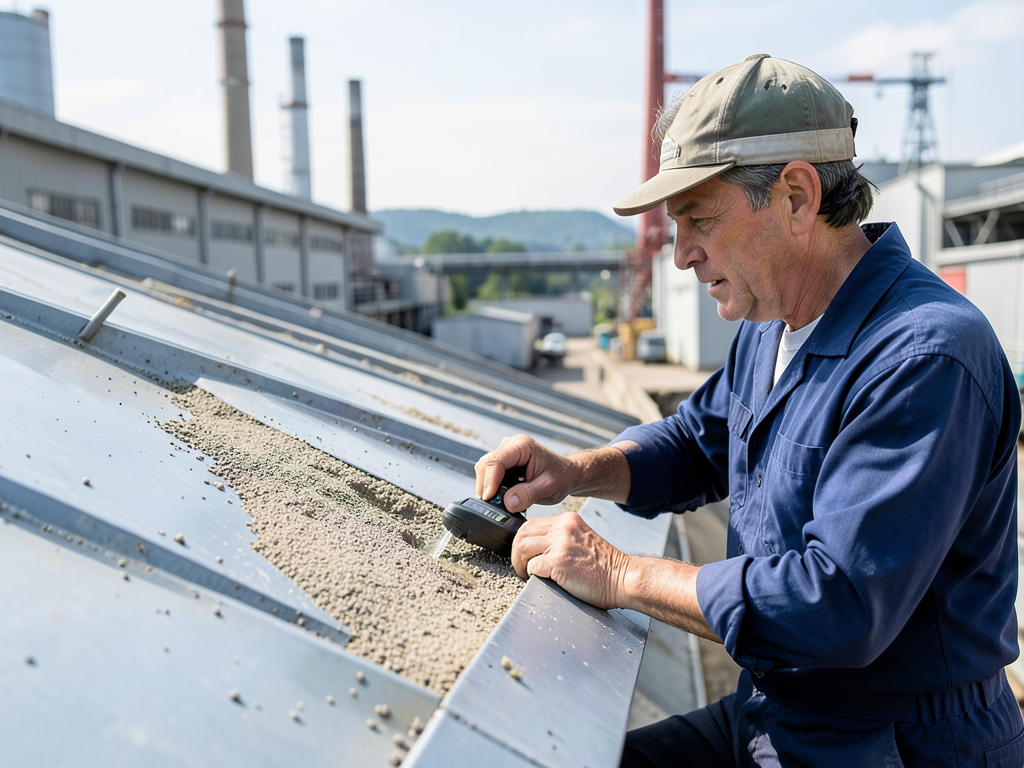
How Industrial Air Quality in Clairton Affects the Lifespan of Your Shingles Mon Valley's industrial legacy creates unique roofing challenges…

How Industrial Air Quality in Clairton Affects the Lifespan of Your Shingles

How Industrial Air Quality in Clairton Affects the Lifespan of Your Shingles Mon Valley's industrial legacy creates unique roofing challenges…

Why Luxury Homes in Fox Chapel are Moving Toward Standing Seam Zinc Roofing

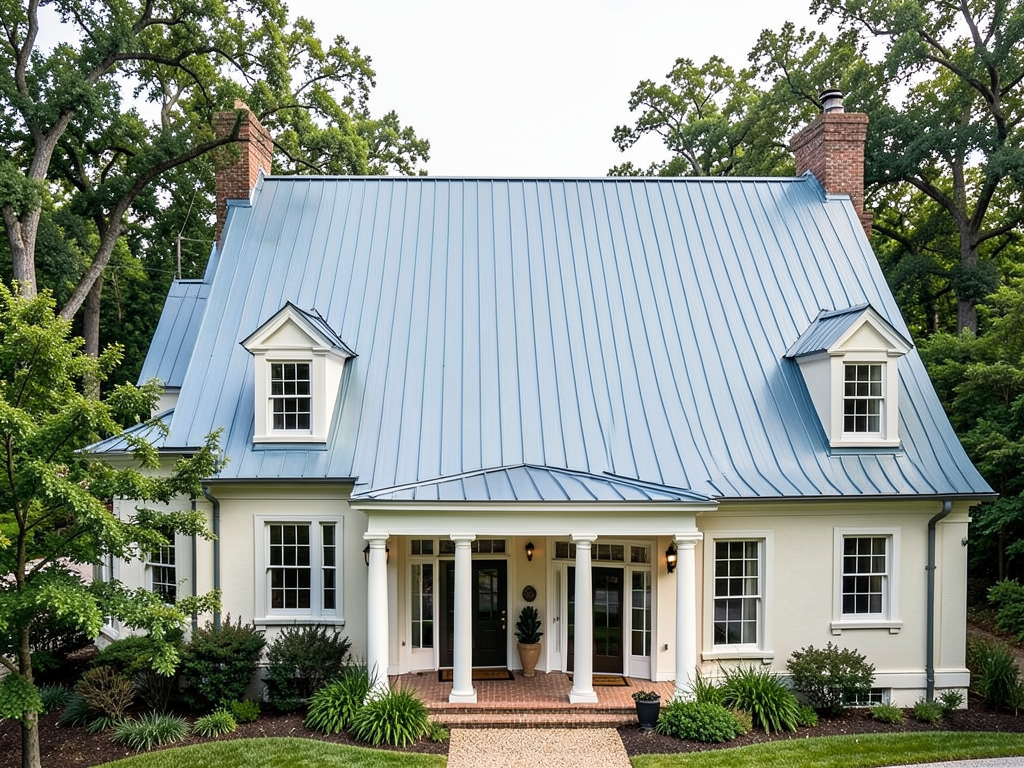
Why Luxury Homes in Fox Chapel are Moving Toward Standing Seam Zinc Roofing Luxury homeowners in Fox Chapel are increasingly…

Managing Shared Roof Maintenance with Your Neighbors in Garfield Row Houses

Managing Shared Roof Maintenance with Your Neighbors in Garfield Row Houses Shared roof maintenance between Garfield row house neighbors creates…

Contact Us

Stop losing money to roof leaks and emergency repairs. Call Victory Roofing Pittsburgh at (878) 209-5522 for a comprehensive roof assessment. We provide detailed project proposals with transparent timelines and specifications. Your business deserves a roofing system that performs for decades without constant maintenance.