
menu

Attic Ventilation Systems in Pittsburgh | Protecting Your Roof from Freeze-Thaw Damage Year-Round

Victory Roofing Pittsburgh installs and repairs attic ventilation systems designed to handle our region's extreme temperature swings, preventing ice dams in winter and heat buildup in summer while extending your roof's lifespan.

Slider Image 1
Slider Image 2
Slider Image 3
Slider Image 4
Slider Image 5
Slider Image 7
Slider Image 8
Slider Image 9
Slider Image 10
Slider Image 11

Why Pittsburgh Homes Need Proper Roof Airflow Systems

Pittsburgh's climate punishes roofs in ways most homeowners never see. Your attic sits at the center of this battle.

Winter brings the freeze-thaw cycle that cracks shingles and creates ice dams. When warm air from your living space rises into a poorly vented attic, it melts snow on your roof. That water runs down to the cold eaves and refreezes, creating ice barriers that force water under your shingles. You see the result when water stains appear on your ceilings.

Summer hits differently but just as hard. Without proper attic venting, temperatures in your attic can reach 150 degrees. This heat cooks your shingles from below, causes plywood decking to warp, and forces your air conditioner to work overtime. The extra heat can shorten your roof's life by years.

Pittsburgh's humidity adds another layer of trouble. Moisture from cooking, showers, and daily living rises into your attic. Without adequate roof ventilation to move that moisture out, it condenses on cold surfaces. You get mold growth, rotted wood, and ruined insulation.

The neighborhoods around Highland Park and Squirrel Hill have century-old homes built before modern ventilation standards. Many still operate with inadequate attic exhaust systems. Newer construction in areas like Cranberry Township often includes better roof venting systems, but installation quality varies widely.

Your attic needs balanced airflow. Cool air enters through soffit vents at the eaves. Hot, moist air exits through ridge vents or other roof venting systems at the peak. When this system works correctly, your attic stays close to outdoor temperatures. When it fails, you pay for it.

Why Pittsburgh Homes Need Proper Roof Airflow Systems
How Professional Attic Venting Solutions Work

How Professional Attic Venting Solutions Work

Proper attic ventilation systems require precise calculations and expert installation. You cannot just cut holes in your roof and hope for the best.

We start by calculating your attic's net free ventilation area. Building codes require one square foot of ventilation for every 150 square feet of attic space. That splits between intake vents at the soffits and exhaust vents at the roof peak. The ratio matters. Too much exhaust without enough intake creates negative pressure that can pull conditioned air from your home. Too much intake without enough exhaust leaves hot air trapped at the peak.

Ridge vents provide continuous exhaust along your roof's peak. They work with soffit vents to create natural airflow driven by temperature differences and wind. This passive system requires no electricity and operates 24 hours a day. Installation means cutting a slot along each side of the ridge board, installing baffles to prevent weather infiltration, and covering the opening with a vented ridge cap that matches your shingles.

Box vents offer another exhaust option for roofs where ridge vents cannot work. Each unit covers a hole cut through the roof decking. We place them near the ridge on the back slope where they stay invisible from the street. Proper spacing prevents short-circuiting where exhaust vents steal air from each other instead of pulling from the soffits.

Powered attic fans force air movement but often create more problems than they solve. They can depressurize your attic and pull conditioned air from your living space through ceiling penetrations. We recommend them only in specific situations where passive ventilation cannot meet code requirements.

Baffles between each rafter bay keep insulation from blocking soffit vents. Without these channels, blown insulation settles against the roof decking and chokes off intake airflow. This single mistake ruins otherwise good roof ventilation designs.

What Happens During Your Ventilation System Installation

Attic Ventilation Systems in Pittsburgh | Protecting Your Roof from Freeze-Thaw Damage Year-Round
01

Attic Assessment and Airflow Calculation

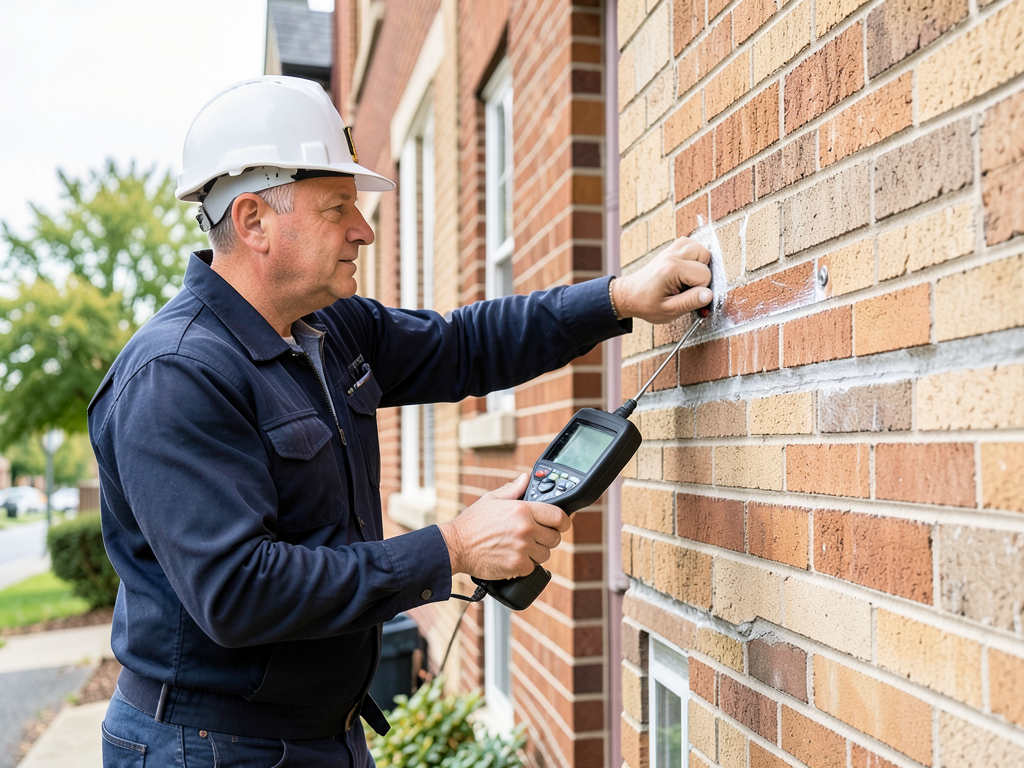
We measure your attic square footage and inspect existing ventilation components. Our technicians check soffit vents for blockages, examine current exhaust vents for proper function, and look for insulation problems that restrict airflow. We use thermal imaging during certain inspections to identify hot spots caused by inadequate ventilation. This data determines your exact ventilation requirements based on building codes and roof geometry.
02

Custom System Design and Installation

We design a balanced system matching your roof type and attic configuration. Installation includes cutting precise openings, installing weatherproof vent components, and ensuring proper flashing details that prevent leaks. For ridge vent installation, we cut slots along both sides of the ridge board using specialized saws. Box vents get positioned for maximum efficiency without compromising roof integrity. We install rafter baffles to maintain clear airflow channels from soffit to ridge.
03

Testing and Documentation

After installation, we verify balanced airflow between intake and exhaust points. Our team documents all work with photos showing component placement and installation quality. You receive a detailed breakdown of your new system's specifications, including net free ventilation area calculations. We explain maintenance requirements and show you how to check vents seasonally for blockages from leaves, bird nests, or other debris.

Why Pittsburgh Homeowners Choose Victory Roofing for Attic Exhaust Systems

Pittsburgh's architecture demands specialized knowledge. Victorian homes in Shadyside have different ventilation challenges than ranch homes in Mt. Lebanon. The steep roof pitches common in older neighborhoods require different vent placement than the low-slope roofs popular in 1960s construction.

We handle the specific challenges Pittsburgh roofs present. Your home's orientation matters. North-facing roof sections stay colder longer, making ice dam prevention critical on those slopes. South-facing sections absorb more solar heat, requiring adequate exhaust to prevent shingle damage. Wind patterns around your neighborhood affect which ventilation strategies work best.

Local building codes govern ventilation requirements, but meeting minimum code standards does not always solve real-world problems. We design systems that perform in Pittsburgh's actual conditions. That means accounting for the temperature swings between January nights at 15 degrees and July afternoons at 90 degrees. It means planning for the humidity that rolls in from the rivers.

Our installation crews understand Pittsburgh roof construction. Many older homes have skip sheathing under their slate or tile roofs. These roofs need different ventilation approaches than modern homes with solid plywood decking and asphalt shingles. We have worked on everything from the brick colonials in Fox Chapel to the aluminum-sided cape cods in Dormont.

Material selection matters in this climate. The ridge vents we install resist Pittsburgh's freeze-thaw cycles without cracking. The flashing details we use keep water out during driving rainstorms. We source components designed for northern climates, not Florida or Arizona products that fail in cold weather.

You get accurate calculations, quality components, and installation that lasts. We show you the before and after conditions in your attic so you understand exactly what changed and why it matters for your roof's longevity.

What to Expect from Your Ventilation System Upgrade

Installation Timeline and Process

Most attic ventilation system installations take one to two days depending on your roof size and complexity. Ridge vent installation requires cutting and removing the existing ridge cap, creating ventilation slots, and installing new ridge cap shingles that match your roof. Box vent installation moves faster but requires careful placement for balanced airflow. Weather permitting, we complete the work without leaving your roof exposed overnight. You can stay home during installation. The work creates some noise from cutting and hammering, but we contain debris and protect your landscaping with tarps. We haul away all old materials the same day.

Comprehensive Attic Evaluation

Your evaluation starts with attic access. We examine the entire space from multiple vantage points using high-powered lights. This inspection reveals insulation depth and placement, existing ventilation components, signs of moisture damage, and structural issues that affect ventilation performance. We check for blocked soffit vents, inadequate rafter baffles, and exhaust vent problems. You receive photos of problem areas and clear explanations of what we found. We calculate your home's specific ventilation requirements and explain why certain solutions work better than others for your roof type and attic configuration. This evaluation takes 45 to 90 minutes.

Performance and Energy Savings

Proper roof airflow systems reduce attic temperatures by 20 to 40 degrees in summer. This temperature drop decreases cooling costs and extends shingle life. Your air conditioner runs less because heat is not radiating down through your ceiling. In winter, balanced ventilation prevents the warm air pockets that melt snow and create ice dams. You see fewer icicles and less ice buildup along your eaves. Moisture removal prevents mold growth and wood rot that compromise your roof structure. Most homeowners notice reduced energy bills within the first few months. The investment pays for itself through lower utility costs and avoided repair expenses from moisture damage.

Ongoing Maintenance and Monitoring

Your new attic venting system requires minimal maintenance but benefits from seasonal inspections. We recommend checking soffit vents twice yearly for debris, spider webs, or insulation that has shifted to block airflow. Ridge vents and box vents need annual inspection to verify the mesh screens remain intact and free from wasp nests or bird activity. During roof maintenance visits, we check all ventilation components for damage and verify continued proper airflow. You can monitor attic conditions yourself by checking attic temperature on hot days and looking for frost or condensation in winter. These simple checks help you catch problems early before they cause damage.

Frequently Asked Questions

You Have Questions,
We Have Answers

What is the best ventilation system for an attic? +

A balanced system combining ridge vents with soffit vents works best for most Pittsburgh attics. Ridge vents run along the roof peak and exhaust hot air naturally, while soffit vents under the eaves pull fresh air in. This passive system handles our humid summers and freeze-thaw winters without mechanical parts that break down. Box vents or gable vents work as alternatives for older homes where ridge vents won't fit. The key is creating continuous airflow from bottom to top. Your attic needs 1 square foot of ventilation per 150 square feet of attic space to prevent moisture buildup and ice dams.

Why don't people use attic fans anymore? +

Powered attic fans fell out of favor because they create more problems than they solve. They pull conditioned air from your living space through ceiling gaps, wasting energy and money. In Pittsburgh's humid climate, they can suck moisture into wall cavities and cause mold. The fans break down, need wiring, and cost money to run. Passive systems like ridge and soffit vents move air naturally without electricity or maintenance. Modern building science proves that balanced passive ventilation outperforms mechanical fans for durability and energy efficiency. Roofers stopped installing them because homeowners complained about higher utility bills and persistent attic moisture issues.

What's the best way to ventilate an attic? +

Install continuous soffit vents at the eaves and a ridge vent along the roof peak. This creates natural convection where cool air enters low and hot air exits high. Make sure you have a clear path between them by avoiding blocking soffit vents with insulation. Pittsburgh attics need this balanced approach to handle summer heat and winter moisture from temperature swings. Add baffles between rafters to maintain airflow channels above insulation. Check that your attic floor insulation has proper depth but does not compress against the roof deck. This passive system requires zero electricity and works 24 hours a day in all weather conditions.

What is the 1:300 rule for attic ventilation? +

The 1:300 rule means you need 1 square foot of net free ventilation area for every 300 square feet of attic floor space. This applies when you have balanced intake and exhaust vents working together. If your attic lacks proper air distribution or uses only one vent type, you need 1:150 instead. Pittsburgh building codes follow this standard to prevent moisture damage during our freeze-thaw cycles. Calculate your attic square footage, divide by 300, then split that number equally between intake vents like soffits and exhaust vents like ridge vents. Most homes need more ventilation than they currently have installed.

What is the 7 and 7 rule for attics? +

The 7 and 7 rule for attics refers to minimum clearance and structural requirements in building codes. You need at least 7 feet of vertical clearance in half the attic space to consider it habitable. The rule also requires structural loads to support 7 pounds per square foot if you convert the space. This matters in Pittsburgh when homeowners want to finish attics in older homes with low rooflines. The rule protects you from creating unusable cramped spaces. It does not relate directly to ventilation but affects how you plan attic access and storage. Always verify local code requirements before modifying your attic structure.

What is the rule of thumb for attic ventilation? +

The general rule of thumb calls for 1 square foot of ventilation per 150 square feet of attic space, split equally between intake and exhaust. Some codes allow 1:300 if you achieve perfect balance between low soffit vents and high ridge or gable vents. Pittsburgh roofers typically aim for more rather than less because our climate swings between humid summers and frozen winters. Another guideline requires ventilation openings within 3 feet of the roof peak and within 3 feet of the eaves. The goal is continuous airflow that prevents moisture accumulation and extends your roof lifespan by 10 to 15 years.

Why did roofers turn to ridge vents instead of attic fans? +

Roofers switched to ridge vents because they provide superior performance without the mechanical failures of powered fans. Ridge vents run the entire roof peak, creating consistent exhaust across the whole attic instead of one spot. They need zero electricity, require no maintenance, and last as long as the roof itself. In Pittsburgh, where ice dams and moisture damage cost homeowners thousands, passive systems prevent condensation better than fans. Ridge vents also avoid the problem of pulling conditioned air from living spaces through ceiling penetrations. The building science is clear that balanced passive ventilation beats mechanical systems for longevity and energy savings.

What is better than an attic fan? +

A balanced passive system combining ridge vents with soffit vents beats powered attic fans in every measurable way. Ridge vents exhaust hot air naturally along the entire roof peak while soffit vents pull fresh air in from the eaves. This system costs nothing to operate, requires no maintenance, and lasts 30 years or more. Solar attic fans offer a compromise if you insist on mechanical ventilation, but they still create negative pressure that can pull conditioned air from your home. For Pittsburgh's climate with temperature extremes and high humidity, passive ventilation eliminates moisture problems without adding to your electric bill or creating new air leaks.

What are the downsides of attic fans? +

Attic fans waste energy by pulling conditioned air from your living space through ceiling gaps and light fixtures. This forces your HVAC system to work harder, raising utility bills. They create negative pressure that can backdraft combustion appliances like furnaces and water heaters, pulling carbon monoxide into your home. The fans break down, need electrical work, and cost money to run every summer. In Pittsburgh's humid climate, they can pull moisture into wall cavities and cause hidden mold growth. They also void some roof warranties because they penetrate the roof deck. Passive ventilation avoids all these problems while performing better long term.

How much does it cost to properly ventilate an attic? +

Proper attic ventilation in Pittsburgh costs between several hundred and several thousand dollars depending on your roof size and current setup. Adding soffit vents during new construction costs less than retrofitting them into finished eaves. Ridge vent installation runs cheaper when combined with a roof replacement because the peak is already exposed. Older homes with blocked soffits or no eave overhangs need custom solutions that cost more. The investment pays back through lower cooling costs, longer roof life, and prevented ice dam damage. Get a professional assessment to calculate your specific ventilation needs based on attic square footage and existing airflow problems.

How Pittsburgh's Freeze-Thaw Cycles Make Attic Ventilation Critical for Roof Longevity

Pittsburgh experiences 40 to 60 freeze-thaw cycles each winter, more than most northern cities. Daytime temperatures climb above freezing while nights drop back below 32 degrees. This constant cycling wreaks havoc on roofs with poor attic exhaust systems. Without proper ventilation, heat from your living space warms the attic and melts snow on your roof even when outdoor temperatures stay below freezing. That meltwater runs to your cold eaves and refreezes, expanding and contracting shingles and flashing. The Ohio River Valley's humidity compounds the problem by adding moisture to your attic air. Proper roof venting systems combat this by keeping attic temperatures close to outdoor conditions, eliminating the temperature differential that causes snow melt.

Pittsburgh's diverse housing stock demands local expertise. The craftsman bungalows in Point Breeze need different ventilation solutions than the split-levels in Upper St. Clair. Our crews have installed attic ventilation systems on homes throughout Allegheny County and understand the local building department requirements for each municipality. We know which neighborhoods have homes with older ventilation components that need upgrades and where new construction has adequate systems that just need maintenance. This local knowledge means we design solutions that work specifically for Pittsburgh weather patterns, not generic approaches that fail in our climate.

Roofing Services in The Pittsburgh Area

We are proud to serve the entire Pittsburgh metropolitan area and surrounding communities. Use the interactive map below to easily locate our office or visualize our extensive service region, which includes every neighborhood from the North Shore to the South Hills. We are locally committed and ready to bring our award-winning, trusted roofing expertise right to your specific location for any inspection, repair, or full installation project. We look forward to meeting you and securing your valuable property!

Address:
Victory Roofing Pittsburgh, 500 Grant St, Pittsburgh, PA, 15219

Additional Services We Offer

Our news updates

Latest Articles & News from The Blogs

Why You Should Repair Your Bellevue Wrap-Around Porch Roof Now Your Bellevue wrap-around porch isn't just a charming architectural feature—it's…

Why You Should Repair Your Bellevue Wrap-Around Porch Roof Now

Why You Should Repair Your Bellevue Wrap-Around Porch Roof Now Your Bellevue wrap-around porch isn't just a charming architectural feature—it's…

Restoring the Historic Beauty of Manchester North Side Roofs

Restoring the Historic Beauty of Manchester North Side Roofs Manchester’s historic North Side is home to some of Pittsburgh’s most…

The Hidden Risks of Shingle Overlays for Whitehall Homeowners

The Hidden Risks of Shingle Overlays for Whitehall Homeowners \n\n Thinking about saving money with a shingle overlay on your…

Contact Us

Your roof is losing years of life to poor ventilation. Call (878) 209-5522 now to schedule your comprehensive attic evaluation. Victory Roofing Pittsburgh will show you exactly what your attic needs and provide a detailed solution designed for Pittsburgh's climate.