
menu

Tile Roofing Services in Pittsburgh | Engineered for Freeze-Thaw Cycles and Historic District Standards

Victory Roofing Pittsburgh specializes in tile roof installation, repair, and replacement designed to withstand Pittsburgh's harsh winter freeze-thaw cycles, summer humidity, and architectural preservation requirements in historic neighborhoods.

Slider Image 1
Slider Image 2
Slider Image 3
Slider Image 4
Slider Image 5
Slider Image 7
Slider Image 8
Slider Image 9
Slider Image 10
Slider Image 11

Why Tile Roofing in Pittsburgh Requires Climate-Specific Installation

Pittsburgh's climate hammers tile roofs in ways most contractors do not anticipate. The average winter delivers 40-plus freeze-thaw cycles. Water seeps into microscopic cracks in tile or underlayment, freezes, expands, and cracks the material wider. By spring, you have broken tiles and leaking valleys.

Summer humidity compounds the issue. Moisture trapped under improperly installed tiles accelerates wood deck rot. You do not see it until the damage spreads to rafters or interior ceilings.

Historic neighborhoods like Shadyside, Squirrel Hill, and the Mexican War Streets impose additional requirements. Tile roofing companies working in these areas must match specific tile profiles, colors, and installation methods to meet Historic Review Commission standards. A generic clay tile will get rejected. You need S-tile or flat concrete tile that mirrors the original 1920s architecture.

Tile roof repair in Pittsburgh also means understanding slate-to-tile conversions. Many older homes transitioned from slate to concrete tile in the 1980s and 1990s. Those installations used outdated fastening systems that fail under snow load. Tile roofing contractors must assess the existing deck structure, upgrade fasteners to meet current wind uplift ratings, and install high-temperature ice and water shield in valleys.

The rivers create microclimates. Homes near the Allegheny, Monongahela, or Ohio experience higher moisture exposure. Underlayment must be synthetic, not felt. Felt degrades in humid conditions. Synthetic underlayment resists mold and maintains integrity through decades of moisture cycling.

Why Tile Roofing in Pittsburgh Requires Climate-Specific Installation
How Victory Roofing Pittsburgh Installs Tile Systems That Last

How Victory Roofing Pittsburgh Installs Tile Systems That Last

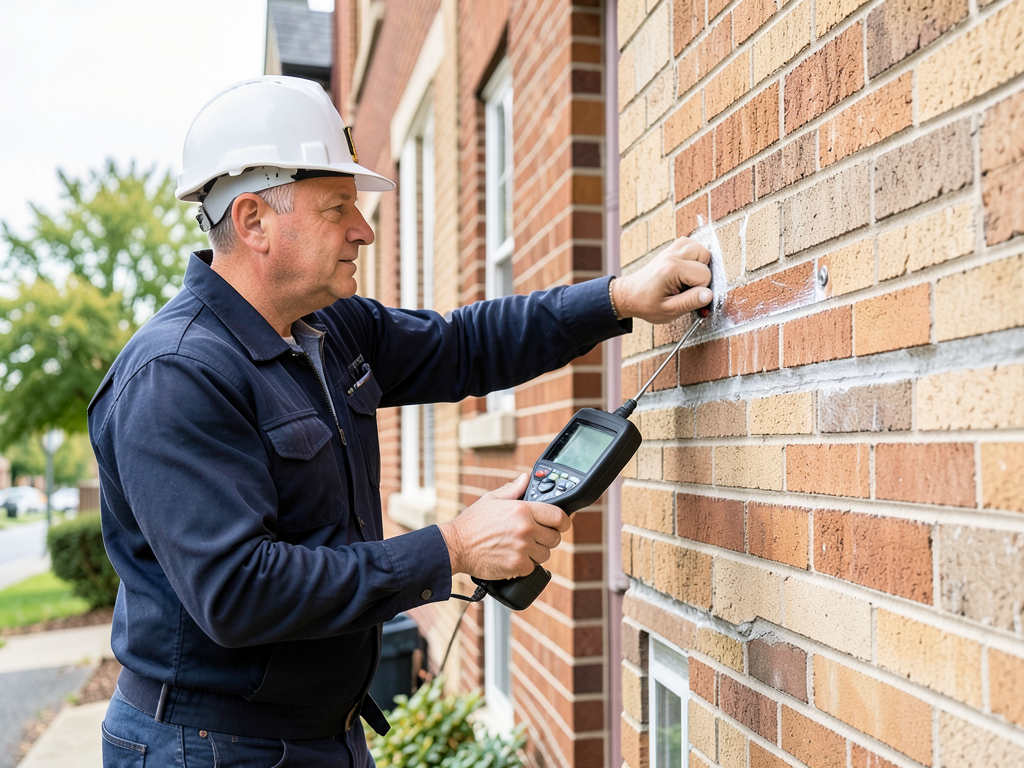
We do not use generic tile roof installation methods. Every project starts with a deck inspection using a moisture meter and thermal camera. We identify soft spots, measure moisture content in the sheathing, and document truss sag or rafter deflection. This data determines whether we reinforce the structure before installing tile.

Tile weighs 800 to 1,200 pounds per square. Your roof deck must support that load plus snow. We calculate live load and dead load based on Pittsburgh's 30-pound snow load requirement. If the existing structure cannot handle it, we sister rafters or add cross-bracing. Skipping this step causes catastrophic failure.

Underlayment selection matters. We install two layers of synthetic underlayment with a granulated cap sheet in high-stress areas like valleys, penetrations, and eaves. The cap sheet has a 250-degree melting point, which prevents adhesive failure during summer heat.

Tile roofing contractors often overlook headlap. We maintain a minimum four-inch headlap on concrete tile and three-inch on clay tile. This overlap prevents wind-driven rain from infiltrating during storms. Pittsburgh gets severe thunderstorms with 60-plus mile-per-hour gusts. Improper headlap turns your roof into a sieve.

Fasteners must be stainless steel or hot-dipped galvanized. We use ring-shank nails or screws rated for high wind zones. Each tile receives two fasteners, positioned to avoid stress fractures. Tile roof replacement projects get the same fastener upgrade, even if the original installation used inferior hardware.

Flashing integration is non-negotiable. We custom-fabricate step flashing, counter flashing, and through-wall flashing from 24-gauge copper or aluminum. Pre-formed flashing does not conform to tile profiles. Custom flashing ensures water sheds away from sidewalls and chimneys.

What Happens During Your Tile Roof Installation

Tile Roofing Services in Pittsburgh | Engineered for Freeze-Thaw Cycles and Historic District Standards
01

Structural Assessment and Load Calculation

We measure your roof deck's load capacity and inspect for moisture damage, rot, or deflection. Using a moisture meter and thermal imaging, we document the current condition of sheathing and framing. If your structure cannot support tile weight plus snow load, we provide a reinforcement plan. This prevents future sag, tile cracking, or complete roof failure.
02

Underlayment and Flashing Installation

We install two layers of synthetic underlayment and a granulated cap sheet in valleys and eaves. All penetrations receive custom flashing fabricated to match your tile profile. We use stainless steel fasteners on 12-inch centers and seal every nail penetration. This creates a secondary water barrier that protects your deck even if a tile cracks during a freeze-thaw cycle.
03

Tile Installation and Final Inspection

We install tiles with proper headlap and fasten each piece with two stainless steel fasteners. Hip and ridge tiles receive mortar bedding or foam closures to prevent insect infiltration and wind uplift. After installation, we inspect every course for alignment, verify fastener placement, and confirm flashing integration. You receive documentation of all materials, fastener schedules, and load calculations for your records.

Why Pittsburgh Homeowners Choose Victory Roofing for Tile Systems

Most tile roofing companies in Pittsburgh subcontract the work or send crews unfamiliar with local building codes. We employ in-house installers trained specifically on tile systems and Pittsburgh's residential building code requirements.

We know the Historic Review Commission's approval process. If you live in a designated historic district, we handle the submission, provide material samples, and coordinate with the commission to ensure your tile selection meets guidelines. This saves you months of back-and-forth and rejected applications.

Our tile suppliers stock profiles that match Pittsburgh's architectural styles. We source S-tile for Mediterranean Revival homes in Shadyside, flat concrete tile for Craftsman bungalows in Regent Square, and barrel tile for Spanish Colonial homes in Point Breeze. You do not get a generic tile that clashes with your neighborhood's character.

We also understand insurance claims. Tile roof repair after storm damage requires documentation that proves the damage exceeds cosmetic impact. We provide detailed reports with photos, moisture readings, and structural assessments. Insurance adjusters respect our documentation because it is thorough and accurate.

Local suppliers matter. We use distributors in the Pittsburgh metro, which means faster material delivery and lower freight costs. National chains ship tile from distant warehouses, adding weeks to your timeline and increasing breakage during transport.

Tile roof replacement projects receive the same attention as new installations. We do not reuse old underlayment or flashing. Every component gets upgraded to current standards. This approach extends the life of your roof and eliminates callbacks for leaks or tile failure.

What to Expect When You Hire Victory Roofing Pittsburgh

Project Timeline and Scheduling

Tile roof installation takes seven to ten days for an average 2,000-square-foot home, depending on complexity and weather. We schedule inspections within 48 hours of your call. Material procurement takes three to five days for standard profiles, longer for custom historical tiles. We provide a detailed timeline before work begins and update you daily on progress. Weather delays happen, but we communicate immediately and adjust the schedule to minimize disruption.

Initial Inspection and Scope Development

Our inspection covers deck condition, structural capacity, ventilation, and flashing integrity. We use a moisture meter to check sheathing and a thermal camera to identify hidden leaks or insulation gaps. You receive a written report with photos, load calculations, and material recommendations. We explain every finding in plain language and answer questions about code requirements, material options, and cost factors. This transparency helps you make informed decisions without pressure.

Installation Quality and Workmanship

We follow manufacturer specifications for headlap, fastener placement, and underlayment integration. Every tile receives two fasteners positioned to avoid stress points. Flashing is custom-fabricated and sealed at all seams. We do not use shortcuts like single-layer underlayment or pre-formed flashing. Our crews clean the site daily and protect landscaping with tarps. After installation, we walk the roof with you to explain the work and answer questions about maintenance.

Post-Installation Support and Maintenance

Tile roofs require minimal maintenance, but periodic inspections prevent small issues from becoming expensive repairs. We offer annual inspections to check for cracked tiles, loose fasteners, or flashing separation. These inspections catch problems early and extend the life of your roof. If a tile cracks during a storm or from freeze-thaw damage, we keep extra tiles from your original installation for quick replacements. You receive care instructions and a maintenance schedule tailored to your specific tile type.

Frequently Asked Questions

You Have Questions,
We Have Answers

How much does it cost to do a tile roof? +

Tile roof installation costs vary based on material type, roof complexity, and structural reinforcement needs. Clay tiles run higher than concrete tiles. In Pittsburgh, you also pay for the structural engineering assessment because tiles weigh significantly more than asphalt shingles. Your existing decking may need reinforcement to handle the load. Steep-pitch roofs common in older Pittsburgh neighborhoods increase labor costs. Flashing around chimneys and dormers adds complexity. Expect material, labor, permits, and disposal fees in your estimate. Get multiple quotes and verify the contractor understands load-bearing requirements for Pittsburgh's freeze-thaw cycles.

How much does it cost to get a roof tiled? +

Getting a roof tiled involves material selection, structural assessment, tear-off if needed, and installation labor. Pittsburgh's climate demands proper underlayment to handle snow melt and ice damming. Clay or concrete tiles require experienced installers who understand proper batten spacing and fastening techniques for high wind resistance. You pay for the tile material, reinforcement of roof framing if necessary, waterproofing membranes, and skilled labor. Disposal of old roofing material adds to the total. Roof pitch and accessibility affect labor hours. Request detailed breakdowns from local contractors familiar with Pittsburgh building codes and historic district requirements.

How much should a 2000 sq ft roof cost? +

A 2000 square foot roof replacement cost depends on material choice, roof pitch, and existing condition. Asphalt shingles run lower than tile or metal. In Pittsburgh, account for ice and water shield requirements along eaves and valleys due to freeze-thaw cycles. Steep pitches common in older neighborhoods increase labor time. Removing multiple layers of old shingles costs more. Flashing replacement, ventilation upgrades, and decking repairs add to the baseline. Get estimates from contractors who specify material grade, warranty coverage, and whether they include disposal. Material quality matters in Pittsburgh's variable weather.

How much does it cost to roof a 20x20 garage? +

A 20x20 garage roof covers 400 square feet. Costs depend on material selection and access. Asphalt shingles are budget-friendly, while tile or metal cost more. In Pittsburgh, proper ventilation prevents moisture buildup during humid summers. Simple gable roofs cost less than hip or complex designs. Tear-off of old material, new underlayment, drip edge, and ridge vents factor into the total. If the garage is detached with limited access, labor may increase. Local contractors may have minimum service charges. Request quotes that include all materials, labor, disposal, and permits required by Allegheny County codes.

How much does it cost to install 1000 sq ft of tile? +

Installing 1000 square feet of tile involves material costs plus labor and underlayment. Concrete tiles cost less than clay, but both require professional installation. In Pittsburgh, your roof structure may need reinforcement because tiles weigh 850-1100 pounds per square versus asphalt at 250 pounds. Proper batten installation ensures tiles resist wind uplift during storms. Underlayment must handle moisture from snow melt. Labor runs higher than asphalt because tile installation is detail-intensive and requires experienced crews. Factor in flashing, fasteners, and waste. Get estimates from contractors who verify your framing can handle the load before installation begins.

What are the disadvantages of tile roofs? +

Tile roofs weigh significantly more than asphalt, requiring structural reinforcement on many Pittsburgh homes. This adds cost upfront. Tiles are brittle and can crack under foot traffic during maintenance or heavy snow loads if improperly installed. Individual tile replacement is labor-intensive because surrounding tiles must be lifted carefully. Initial installation costs run higher than asphalt or metal. In Pittsburgh's freeze-thaw cycles, poorly installed tiles can allow water infiltration if underlayment fails. Weight also limits retrofit options on older homes without adequate framing. Despite longevity, these factors make tile a higher-maintenance, higher-cost option for some homeowners.

How many years will a tile roof last? +

Clay tile roofs last 50 to 100 years with proper installation and maintenance. Concrete tiles last 40 to 60 years. In Pittsburgh, longevity depends on correct installation that accounts for freeze-thaw cycles and moisture management. The tiles themselves outlast the underlayment, which degrades after 20-30 years and requires replacement without disturbing tiles. Proper flashing and ventilation prevent premature failure. Historic homes in Pittsburgh neighborhoods like Shadyside and Squirrel Hill often have original clay tiles over a century old. Quality installation with experienced crews ensures your tile roof reaches its maximum lifespan despite harsh winters and variable weather.

What time of year is the cheapest to replace a roof? +

Late fall and winter offer the lowest roofing prices in Pittsburgh because demand drops. Contractors have open schedules and offer discounts to keep crews working. However, cold temperatures below 40 degrees affect shingle sealing and material flexibility. Tile installation is less temperature-sensitive but snow and ice create safety hazards and slow production. Early fall before the rush or late winter before spring storms hit provide the best balance of pricing and weather. Avoid summer peak season when prices spike. Schedule estimates in winter for spring installation to lock in lower rates before demand increases.

Do tile roofs increase home value? +

Tile roofs increase home value through curb appeal, longevity, and perceived quality. In Pittsburgh's historic neighborhoods like Highland Park and Regent Square, tile roofs match architectural character and attract buyers seeking authentic period details. Tile signals low future maintenance compared to asphalt. Energy efficiency from tile's thermal mass can reduce cooling costs. However, ROI depends on the neighborhood and buyer preferences. In areas where asphalt dominates, tile may not recoup the premium cost. For upscale properties or historic districts, tile enhances marketability and justifies higher asking prices. Appraisers recognize tile as a value-add feature.

Is $30,000 too much for a roof? +

Whether $30,000 is excessive depends on roof size, material, and complexity. For a 3000-square-foot tile roof on a multi-story Pittsburgh home with steep pitches and complex valleys, this figure is reasonable. Tile material, structural reinforcement, high-quality underlayment, and skilled labor command premium pricing. If you received this quote for a simple 1500-square-foot asphalt roof, question the breakdown. Get multiple estimates and compare line items. Verify the scope includes permits, disposal, flashing replacement, and ventilation upgrades. In Pittsburgh's historic districts, specialized work on older homes with unique requirements justifies higher costs. Always request detailed proposals before committing.

How Pittsburgh's Freeze-Thaw Cycles Impact Tile Roof Performance

Pittsburgh experiences more freeze-thaw cycles than most northeastern cities. Temperatures swing from below freezing overnight to above freezing during the day, sometimes multiple times per week from December through March. Water infiltrates tile cracks or underlayment seams, freezes, expands, and fractures the material. Concrete tile is especially vulnerable because it absorbs more moisture than clay. Tile roofing contractors must install high-grade synthetic underlayment and maintain proper headlap to create a secondary barrier. Without this protection, you face deck rot and interior leaks by the second winter.

Local building codes in Pittsburgh require specific wind uplift ratings and snow load calculations for tile roofs. The city enforces the 2018 International Residential Code with local amendments that increase structural requirements for heavy roofing materials. Tile roofing companies unfamiliar with these codes install systems that fail inspection or, worse, collapse under snow load. Victory Roofing Pittsburgh works directly with city inspectors and understands the permitting process for historic districts. This local knowledge prevents costly rework and ensures your installation meets all regulatory requirements.
Roofing Services in The Pittsburgh Area

We are proud to serve the entire Pittsburgh metropolitan area and surrounding communities. Use the interactive map below to easily locate our office or visualize our extensive service region, which includes every neighborhood from the North Shore to the South Hills. We are locally committed and ready to bring our award-winning, trusted roofing expertise right to your specific location for any inspection, repair, or full installation project. We look forward to meeting you and securing your valuable property!

Address:
Victory Roofing Pittsburgh, 500 Grant St, Pittsburgh, PA, 15219

Additional Services We Offer

Our news updates

Latest Articles & News from The Blogs

Why You Should Repair Your Bellevue Wrap-Around Porch Roof Now Your Bellevue wrap-around porch isn't just a charming architectural feature—it's…

Why You Should Repair Your Bellevue Wrap-Around Porch Roof Now

Why You Should Repair Your Bellevue Wrap-Around Porch Roof Now Your Bellevue wrap-around porch isn't just a charming architectural feature—it's…

Restoring the Historic Beauty of Manchester North Side Roofs

Restoring the Historic Beauty of Manchester North Side Roofs Manchester’s historic North Side is home to some of Pittsburgh’s most…

The Hidden Risks of Shingle Overlays for Whitehall Homeowners

The Hidden Risks of Shingle Overlays for Whitehall Homeowners \n\n Thinking about saving money with a shingle overlay on your…

Contact Us

Call (878) 209-5522 now to schedule your inspection. We provide detailed assessments, material recommendations, and transparent pricing. Victory Roofing Pittsburgh delivers tile roof installations that protect your home through decades of Pittsburgh weather.