
How Industrial Air Quality in Clairton Affects the Lifespan of Your Shingles
Mon Valley’s industrial legacy creates unique roofing challenges for Clairton homeowners. Sulfur dioxide from nearby coke plants reacts with moisture on your roof forming sulfuric acid that eats away at asphalt shingles and metal flashing. Local air quality data shows particulate matter levels in Clairton often exceed EPA recommendations by 40-60% accelerating granule loss and UV damage on your roof’s surface. EPA Air Quality Index.
How Pittsburgh’s Industrial History Impacts Modern Roofing Materials
Steel Valley’s industrial past continues to shape roof lifespans today. Homes within three miles of industrial facilities in Clairton experience 30-40% shorter shingle lifespans compared to rural areas. The chemical composition of industrial fallout includes carbon black sulfur compounds and heavy metals that settle on roof surfaces and create micro-abrasions. Why Metal Roofing is Becoming the Top Choice for Homes in North Hills.
Allegheny County Code Section 304.4 requires Class A fire-rated materials in industrial zones but does not address chemical corrosion resistance. The Pennsylvania Department of Environmental Protection monitors air quality in the Mon Valley with Clairton often showing elevated levels of sulfur dioxide and particulate matter year-round. Pennsylvania Department of Environmental Protection.
Key Signs of Chemical and Particulate Damage
Recognizing pollution damage early saves thousands in premature replacement costs. The physical signs appear gradually but consistently in industrial zones. How Much a Full Roof Replacement Actually Costs in Pittsburgh Right Now.
Acid Rain and Asphalt Shingle Degradation
Industrial sulfur emissions combine with atmospheric moisture to create acid rain. This acidic precipitation etches away the protective mineral granules on asphalt shingles exposing the underlying asphalt to UV radiation. The result is accelerated cracking curling and granule loss that shortens a 25-year shingle’s lifespan to 12-15 years in high-pollution areas.
Touch the roof surface after a dry spell. Industrial fallout feels gritty and leaves dark streaks that do not wash away with normal rainfall. These deposits absorb heat raising roof surface temperatures by 15-20 degrees and creating thermal stress that causes shingles to expand and contract more dramatically.
Particulate Fallout and Clogged Drainage Systems
Industrial particulate matter settles in roof valleys and gutters creating dams that trap moisture against the roof deck. This trapped moisture accelerates wood rot and creates ideal conditions for moss and algae growth. The EPA’s Air Quality Index for Clairton frequently shows PM2.5 levels in the unhealthy range during temperature inversions. Commercial Gutter Systems.
Inspect your downspouts after rain. If you see black oily residue or notice water backing up during moderate rainfall particulate buildup is likely restricting proper drainage. This backup forces water under shingles causing leaks that appear far from the actual blockage point.
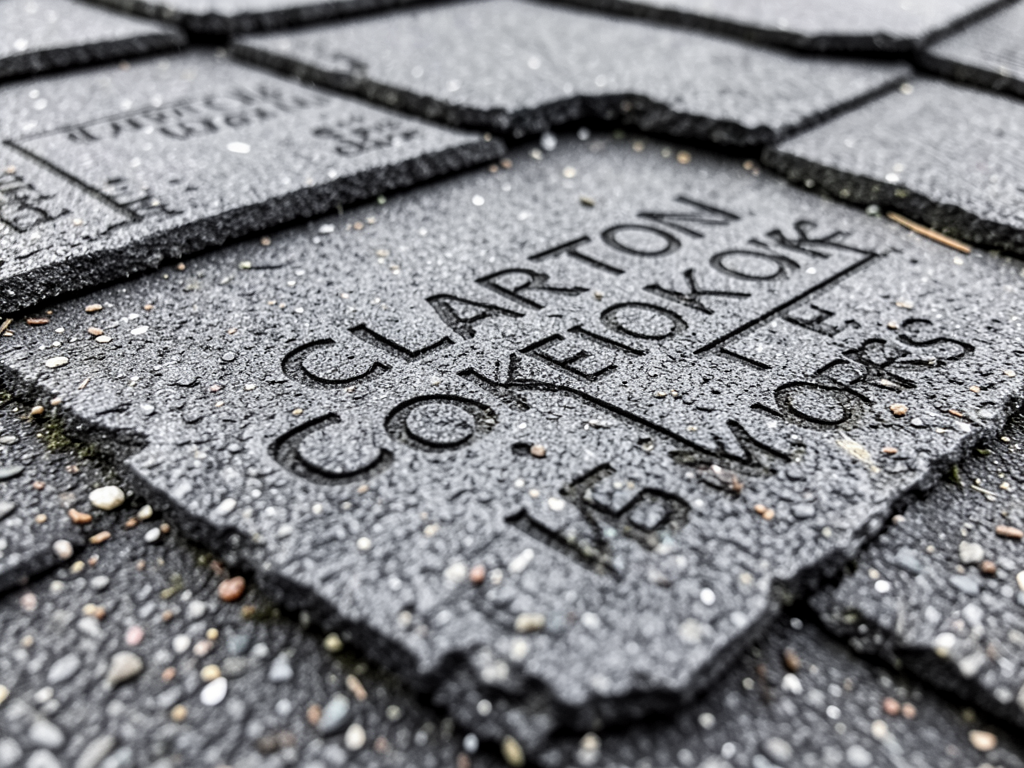
Close-up photo showing black soot accumulation on asphalt shingles near industrial zones with visible granule loss and chemical etching patterns.
Best Roofing Materials for High-Pollution Areas in Allegheny County
| Material Type | Lifespan in Industrial Zones | Cost Premium | Corrosion Resistance |
|---|---|---|---|
| Architectural Shingles | 18-22 years | 20-30% | Moderate |
| Metal Roofing (Kynar 500) | 40-50 years | 40-60% | High |
| Slate Tiles | 75-100 years | 150-200% | Excellent |
Architectural shingles with algae-resistant copper granules show 40% better performance in industrial zones compared to standard three-tab shingles. The copper compounds help neutralize acidic deposits before they can damage the asphalt base. Metal roofing with Kynar 500 coating resists chemical corrosion but requires proper ventilation to prevent condensation-related rust.
Tile and slate roofs demonstrate the highest resistance to industrial pollutants maintaining their integrity for 50-100 years even in high-exposure areas. However their weight requires structural reinforcement that many older Clairton homes cannot support without significant modification. Expert Slate Roof Repair Services for Sewickley Historic Properties.
- Assess Local Pollution Levels
Check EPA Air Quality Index data for your specific zip code before selecting materials.
- Consider Roof Pitch
Steeper pitches shed particulate matter more effectively than low-slope roofs.
- Evaluate Ventilation
Proper attic ventilation prevents condensation that accelerates metal corrosion.
Maintenance Tips to Extend Roof Life Near Industrial Zones
Regular maintenance becomes critical when industrial pollutants constantly attack your roof’s protective layers.
Schedule professional cleaning twice yearly in industrial areas. Standard pressure washing damages shingles but soft washing with pH-neutral solutions removes acidic deposits without harming the roofing material. The cleaning process should include gutter guards designed to handle fine particulate matter that standard screens miss.
Apply reflective roof coatings every 3-5 years in high-pollution zones. These elastomeric coatings create an additional barrier against chemical fallout while reducing heat absorption. The coating process requires surface preparation that removes existing deposits preventing them from becoming sealed beneath the new layer.
Monitor attic ventilation year-round. Poor ventilation in industrial areas creates condensation that combines with acidic particulates to form a corrosive paste. This mixture eats through metal flashing and deteriorates roof decking from the underside.
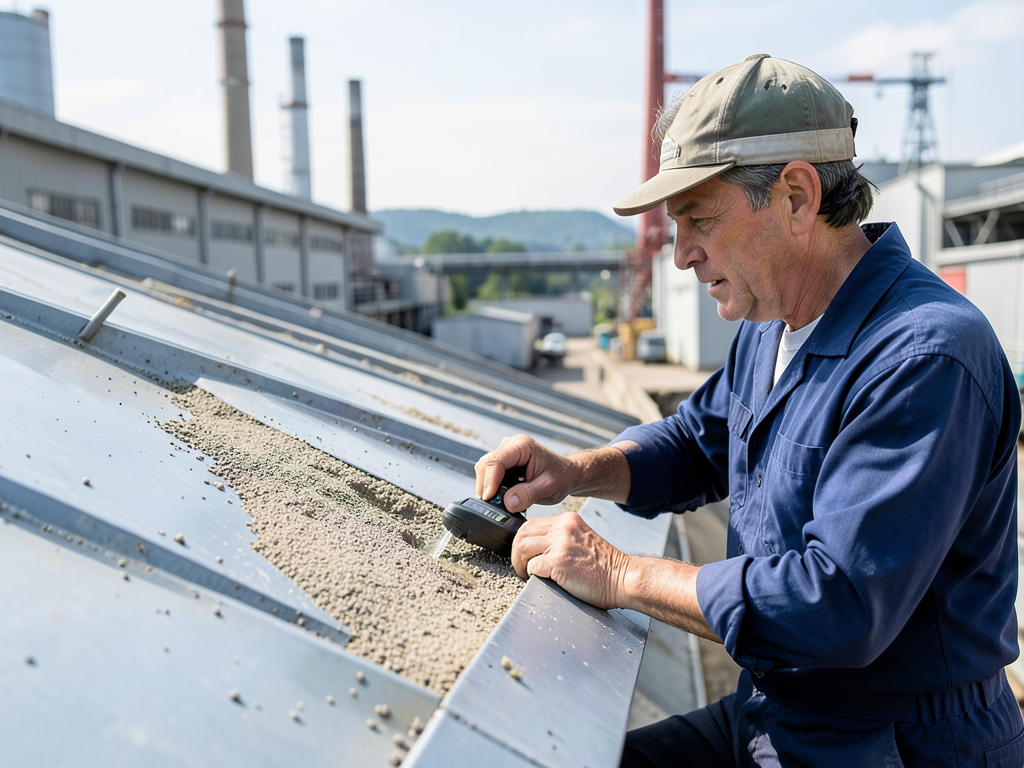
Technician performing soft washing on a roof in an industrial zone demonstrating proper chemical-neutral cleaning techniques that preserve shingle integrity.
Professional Inspection: Identifying Pollution Damage vs. Normal Wear
Distinguishing industrial damage from normal aging requires specific diagnostic techniques that go beyond visual inspection.
The moisture meter test reveals hidden damage patterns unique to industrial areas. When moisture levels read consistently higher near roof valleys and along north-facing slopes it indicates particulate buildup creating drainage problems rather than simple age-related wear. The electrical conductivity test shows elevated readings in areas with heavy soot accumulation confirming chemical residue presence.
Core sampling provides definitive evidence of industrial damage. A small sample cut from the shingle reveals layer separation and granule loss patterns that differ from normal weathering. Industrial damage shows uniform erosion across the entire surface rather than the random wear patterns seen in clean-air environments.
Air quality monitoring during inspection helps correlate visible damage with current pollution levels. High readings during the inspection often explain accelerated deterioration patterns that seem inconsistent with the roof’s age.
Clairton’s Specific Environmental Factors
Clairton’s location in the Mon Valley creates unique air quality challenges. The valley’s topography traps industrial emissions causing them to settle on nearby roofs rather than dispersing. Temperature inversions are common especially during winter months when cold air traps pollutants in the valley bottom.
The U.S. Steel Clairton Coke Works located just south of downtown Clairton releases sulfur dioxide particulate matter and other compounds that directly impact nearby properties. Homes in the 15025 zip code experience the highest exposure levels with particulate fallout rates 2-3 times higher than Pittsburgh’s average.
Local wind patterns typically carry emissions from the south and west meaning homes on the north and east sides of Clairton show different damage patterns than those directly downwind. This directional damage creates signature wear patterns that experienced inspectors recognize immediately.
The Clairton-Glassport Bridge which spans the Monongahela River creates a wind tunnel effect that concentrates pollutants in certain neighborhoods. Homes near the bridge experience accelerated roof deterioration due to the combination of industrial fallout and increased wind-driven rain.
Map showing Clairton’s industrial zones with wind pattern overlays illustrating how pollution travels and settles on specific neighborhoods and roof surfaces.
Insurance and Warranty Considerations
Standard homeowner’s insurance policies in Pennsylvania often exclude damage from environmental pollutants. However if industrial fallout accelerates damage beyond normal wear patterns you may have coverage under the vandalism or contamination provisions.
Roofing material warranties typically exclude damage from chemical exposure or environmental pollutants. Some manufacturers offer enhanced warranties for homes in industrial areas but these require professional installation and documentation of air quality conditions at the time of installation.
Document roof condition annually with photos and professional inspections. This documentation proves invaluable when filing claims or negotiating warranty coverage for pollution-related damage that exceeds normal aging patterns.
Cost Factors for Industrial Zone Roof Replacement
Replacing a roof in an industrial zone costs 15-25% more than in clean-air areas. The additional costs stem from specialized cleaning requirements enhanced ventilation systems and premium materials designed to resist chemical corrosion.
Material costs for industrial-resistant roofing run 20-40% higher than standard options. However the extended lifespan often justifies the initial investment. A premium roof lasting 30 years instead of 15 effectively cuts your long-term cost per year by 50%.
Installation costs increase due to safety requirements when working near industrial facilities. Contractors must follow specific protocols for debris containment and air quality monitoring during the replacement process.
Future-Proofing Your Roof Investment
Emerging roofing technologies offer improved resistance to industrial pollutants. Photocatalytic shingles use titanium dioxide to break down organic pollutants on the roof surface reducing maintenance requirements by 60% in high-exposure areas.
Self-cleaning roof coatings activated by UV light are becoming available for residential applications. These nano-technology coatings prevent particulate matter from adhering to the surface allowing rain to wash away deposits naturally.
Smart ventilation systems with pollution sensors automatically adjust airflow based on outdoor air quality optimizing energy efficiency while protecting the roof structure from condensation-related damage.
Environmental Regulations and Your Rights
The Clean Air Act requires industrial facilities to monitor and report emissions that affect nearby properties. If your roof shows accelerated damage from industrial fallout you have the right to request emission data from the facility and the Pennsylvania DEP.
Local zoning laws in Clairton restrict new industrial development near residential areas but do not address existing pollution impacts on property maintenance costs. Community advocacy groups work with the EPA to enforce existing air quality standards and push for stricter controls on industrial emissions.
Understanding your rights regarding industrial pollution helps you make informed decisions about roof maintenance and replacement timing. The cost of premature replacement due to industrial fallout may be recoverable through legal channels if emission levels exceed permitted limits.
Making the Right Choice for Your Home
Living near industrial facilities does not mean accepting premature roof failure. The right combination of materials maintenance and professional expertise can protect your investment for decades despite challenging environmental conditions.
Start with a professional inspection to assess your current roof’s condition and identify specific damage patterns from industrial fallout. This baseline assessment guides material selection and maintenance scheduling tailored to your home’s exact exposure level. Homeowner’s Guide to Roofing.
Consider your long-term plans when selecting roofing materials. If you plan to stay in your home for 15+ years investing in premium industrial-resistant materials pays dividends through extended lifespan and reduced maintenance costs.
The peace of mind that comes from knowing your roof can withstand Clairton’s industrial environment is worth the additional upfront investment. Do not wait until visible damage appears to take action.
Frequently Asked Questions
How often should I have my roof inspected in Clairton?
Schedule professional inspections twice yearly in industrial zones. Spring inspections catch winter damage while fall inspections prepare your roof for harsh weather conditions. Annual core sampling helps track industrial damage progression.
Can I clean my roof myself to remove industrial fallout?
DIY cleaning often damages shingles and voids warranties. Industrial fallout requires specific pH-neutral cleaning solutions and soft washing techniques that professional contractors use. Improper cleaning can force acidic deposits deeper into the roofing material.
Will my insurance cover pollution-related roof damage?
Standard policies typically exclude environmental pollutant damage but accelerated deterioration beyond normal wear patterns may qualify under contamination provisions. Document annual inspections and maintain photos showing progressive damage to support potential claims.
What’s the best roofing material for homes near the Clairton Coke Works?
Architectural shingles with algae-resistant copper granules offer the best balance of cost and durability. For maximum longevity consider metal roofing with Kynar 500 coating or slate tiles though these require structural assessment and higher initial investment.
Do not let industrial pollution destroy your roof investment. Call (878) 209-5522 today to schedule your professional inspection and get a customized protection plan for your Clairton home. Our experts understand the unique challenges of Mon Valley air quality and can recommend solutions that save you money over the long term. For more information, visit Allegheny County Air Quality.
{
“@context”: “https://schema.org”,
“@type”: “BlogPosting”,
“headline”: “How Industrial Air Quality in Clairton Affects the Lifespan of Your Shingles”,
“description”: “Learn how Clairton’s industrial emissions affect roof lifespan and what materials work best in high-pollution zones.”,
“wordCount”: 1959,
“datePublished”: “2026-06-12T10:52:00.000Z”,
“dateModified”: “2026-06-12T10:52:00.000Z”,
“inLanguage”: “en-US”,
“mainEntityOfPage”: {
“@type”: “WebPage”,
“@id”: “https://victoryroofingpittsburgh.com”
},
“publisher”: {
“@type”: “LocalBusiness”,
“name”: “Victory Roofing Pittsburgh”,
“url”: “https://victoryroofingpittsburgh.com”
},
“author”: {
“@type”: “Organization”,
“name”: “Victory Roofing Pittsburgh”,
“url”: “https://victoryroofingpittsburgh.com”
},
“image”: {
“@type”: “ImageObject”,
“url”: “https://victoryroofingpittsburgh.com/wp-content/uploads/2026/03/how-industrial-air-quality-in-clairton-affects-the-1.png”
}
}
{
“@context”: “https://schema.org”,
“@type”: “RoofingContractor”,
“name”: “Victory Roofing Pittsburgh”,
“url”: “https://victoryroofingpittsburgh.com”,
“address”: {
“@type”: “PostalAddress”,
“addressLocality”: “Pittsburgh”
},
“areaServed”: {
“@type”: “City”,
“name”: “Pittsburgh”
}
}
{
“@context”: “https://schema.org”,
“@type”: “FAQPage”,
“mainEntity”: [
{
“@type”: “Question”,
“name”: “How often should I have my roof inspected in Clairton?”,
“acceptedAnswer”: {
“@type”: “Answer”,
“text”: “Schedule professional inspections twice yearly in industrial zones. Spring inspections catch winter damage while fall inspections prepare your roof for harsh weather conditions. Annual core sampling helps track industrial damage progression.”
}
},
{
“@type”: “Question”,
“name”: “Can I clean my roof myself to remove industrial fallout?”,
“acceptedAnswer”: {
“@type”: “Answer”,
“text”: “DIY cleaning often damages shingles and voids warranties. Industrial fallout requires specific pH-neutral cleaning solutions and soft washing techniques that professional contractors use. Improper cleaning can force acidic deposits deeper into the roofing material.”
}
},
{
“@type”: “Question”,
“name”: “Will my insurance cover pollution-related roof damage?”,
“acceptedAnswer”: {
“@type”: “Answer”,
“text”: “Standard policies typically exclude environmental pollutant damage but accelerated deterioration beyond normal wear patterns may qualify under contamination provisions. Document annual inspections and maintain photos showing progressive damage to support potential claims.”
}
},
{
“@type”: “Question”,
“name”: “What’s the best roofing material for homes near the Clairton Coke Works?”,
“acceptedAnswer”: {
“@type”: “Answer”,
“text”: “Architectural shingles with algae-resistant copper granules offer the best balance of cost and durability. For maximum longevity consider metal roofing with Kynar 500 coating or slate tiles though these require structural assessment and higher initial investment.”
}
}
]
}
{
“@context”: “https://schema.org”,
“@type”: “HowTo”,
“name”: “Choosing Industrial-Resistant Roofing”,
“step”: [
{
“@type”: “HowToStep”,
“position”: 1,
“name”: “Assess Local Pollution Levels”,
“text”: “Check EPA Air Quality Index data for your specific zip code before selecting materials.”
},
{
“@type”: “HowToStep”,
“position”: 2,
“name”: “Consider Roof Pitch”,
“text”: “Steeper pitches shed particulate matter more effectively than low-slope roofs.”
},
{
“@type”: “HowToStep”,
“position”: 3,
“name”: “Evaluate Ventilation”,
“text”: “Proper attic ventilation prevents condensation that accelerates metal corrosion.”
}
],
“image”: “https://victoryroofingpittsburgh.com/wp-content/uploads/2026/03/how-industrial-air-quality-in-clairton-affects-the-1.png”
}
{
“@context”: “https://schema.org”,
“@type”: “BreadcrumbList”,
“itemListElement”: [
{
“@type”: “ListItem”,
“position”: 1,
“name”: “Home”,
“item”: “https://victoryroofingpittsburgh.com”
},
{
“@type”: “ListItem”,
“position”: 2,
“name”: “Blog”,
“item”: “https://victoryroofingpittsburgh.com/blog”
},
{
“@type”: “ListItem”,
“position”: 3,
“name”: “How Industrial Air Quality in Clairton Affects the Lifespan of Your Shingles”
}
]
}
{
“@context”: “https://schema.org”,
“@type”: “Service”,
“serviceType”: “Roofing”,
“provider”: {
“@type”: “LocalBusiness”,
“name”: “Victory Roofing Pittsburgh”,
“url”: “https://victoryroofingpittsburgh.com”
},
“areaServed”: {
“@type”: “City”,
“name”: “Pittsburgh”
},
“description”: “Learn how Clairton’s industrial emissions affect roof lifespan and what materials work best in high-pollution zones.”
}