
menu

Nail Pop Repair in Pittsburgh – Fast Fixes Before Small Problems Become Big Leaks

Expert shingle nail pop repair that stops water infiltration before it damages your decking, insulation, or interior ceilings in Pittsburgh's freeze-thaw climate.

Slider Image 1
Slider Image 2
Slider Image 3
Slider Image 4
Slider Image 5
Slider Image 7
Slider Image 8
Slider Image 9
Slider Image 10
Slider Image 11

Why Pittsburgh Roofs Get Nail Pops Every Winter

You hear a pop in your attic during a cold snap. A few weeks later, you spot a small bump under a shingle or notice a water stain on your ceiling. That is a nail pop, and it happens all the time in Pittsburgh because of our brutal freeze-thaw cycles.

When temperatures swing from 15 degrees to 45 degrees in the same week, your roof decking contracts and expands. That movement pushes roofing nails up through the shingle surface. Sometimes the nail head breaks the seal. Sometimes it lifts the shingle just enough to let water slip under during the next rain or snowmelt. Either way, you have a leak waiting to happen.

Pittsburgh homes built in the 1960s through 1990s often used smooth-shank nails instead of ring-shank nails. Smooth shanks lose their grip faster when the plywood swells from humidity or contracts in the cold. Add in high winds coming off the rivers, and you get shingle nail pop issues on south-facing and west-facing slopes first.

Fixing roof nail pops is not about hammering the nail back down. That makes it worse. The hole is already there. Reseating popped roof nails requires removing the old fastener, sealing the penetration, and installing a new ring-shank nail in virgin wood. Repairing popped roofing nails the right way stops the leak and prevents the same nail from backing out again next winter. Roof nail backout repair is a precision task, especially on older roofs where the decking may already be compromised.

Why Pittsburgh Roofs Get Nail Pops Every Winter
How We Fix Nail Pops Without Damaging Your Shingles

How We Fix Nail Pops Without Damaging Your Shingles

Most roofers hammer the nail back down, slap some caulk on it, and call it fixed. That is a temporary patch. The nail will pop again because the hole is now oversized and the fastener has no holding power.

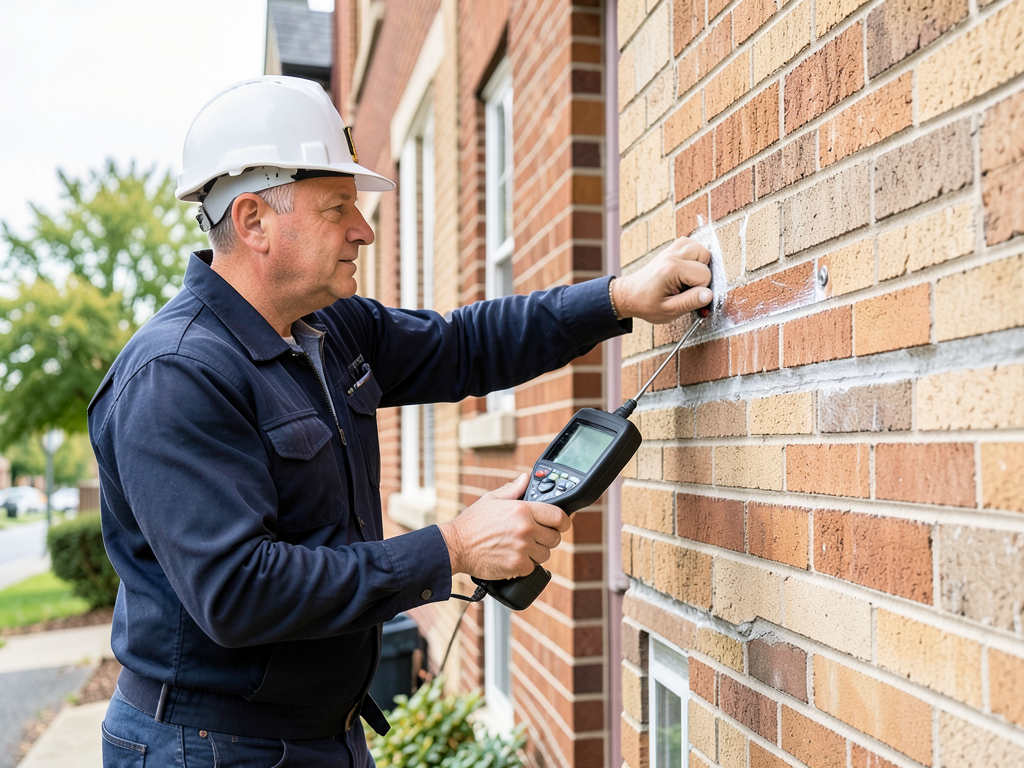
We use a three-step process for shingle nail pop repair that actually works. First, we carefully lift the overlapping shingle above the popped nail without creasing or tearing the material. This requires a flat bar and patience, especially in cold weather when asphalt shingles are brittle. We extract the popped nail completely and inspect the decking underneath. If the plywood is soft or delaminated, we mark it for replacement during a larger repair.

Next, we seal the old nail hole with roofing mastic or a butyl-based sealant. This prevents water from wicking into the decking through the puncture. We drive a new ring-shank nail about two inches away from the original hole, into solid wood. Ring-shank nails have ridges that grip the plywood fibers and resist thermal movement far better than smooth-shank fasteners.

Finally, we apply a dab of roofing cement under the lifted shingle and press it back into place. We check the seal on the overlapping shingle above to make sure we did not disrupt the water barrier. If you have multiple nail pops in the same area, we evaluate whether the decking is failing or if the installer used improper nailing patterns. On roofs older than 15 years, nail pops often signal that the shingles are nearing the end of their service life and a full replacement may be more cost-effective than spot repairs.

What Happens When You Call Us for Nail Pop Repair

Nail Pop Repair in Pittsburgh – Fast Fixes Before Small Problems Become Big Leaks
01

Roof Inspection and Documentation

We start with a full roof inspection, not just the visible nail pop. We check for pattern failures, decking sag, and other fastener issues that may not be obvious from the ground. We document everything with photos so you understand the scope before we start work. If your insurance adjuster needs to see the damage, we provide detailed reports that show the cause and the required fix.
02

Precision Fastener Replacement

Our crew lifts the affected shingles without damaging the tabs, removes the popped nails, seals the penetrations, and installs new ring-shank fasteners in solid decking. We match the shingle color and manufacturer to ensure the repair blends in. If the decking is compromised, we cut out the damaged section and sister in new plywood before reattaching the shingles. This step separates a real repair from a quick patch.
03

Final Seal and Quality Check

After all fasteners are replaced and sealed, we inspect the surrounding shingles for wind damage or granule loss. We verify that the flashing around chimneys, vents, and skylights is still intact. You get a written summary of the work completed and any additional issues we found. We clean up all debris and old nails so your property looks the same as before, just without the leak risk.

Why Pittsburgh Homeowners Trust Victory Roofing for Nail Pop Repairs

Pittsburgh's housing stock is old. Homes in Squirrel Hill, Shadyside, and Mount Washington were built with craftsmanship, but roofing technology has changed. The smooth-shank nails and organic felt underlayment used in the 1970s do not hold up to modern weather patterns. We know these roofs inside and out because we have repaired thousands of them.

Victory Roofing Pittsburgh specializes in matching existing shingle profiles and colors, which is critical when you are repairing a small section of a larger roof. We keep an inventory of discontinued shingle lines and have relationships with local suppliers who can source hard-to-find materials. If your roof has architectural shingles from a manufacturer that went out of business, we find a match or explain your options clearly.

We also understand Pittsburgh's building codes and the permit requirements for structural repairs. If your nail pops are concentrated in one area and we discover rotten decking, we pull the necessary permits and coordinate inspections. This protects you if you ever sell the home or file an insurance claim.

Our crews are trained on proper fall protection and ventilation practices. We do not cut corners on safety, even for small repairs. You will not find us balancing on a ladder with a nail gun in one hand and a phone in the other. We set up scaffolding or roof brackets when necessary, and we work in teams so someone is always spotting for hazards.

We also provide honest assessments. If your roof is past the point where spot repairs make financial sense, we tell you. We do not upsell, but we do not want you spending money on repairs that will fail in two years when a replacement would give you 20 years of protection.

What You Get When You Hire Us for Nail Pop Repair

Same-Day or Next-Day Service

We know that a nail pop can turn into a ceiling stain fast, especially during spring rains or snowmelt season. We prioritize leak-related repairs and can usually get a crew to your property within 24 hours. If you call in the morning, we often schedule an inspection the same afternoon. Emergency repairs for active leaks take priority over routine maintenance, and we keep materials in stock so we do not have to wait on special orders for common shingle profiles.

Thorough Roof and Attic Assessment

We do not just fix the nail pop you called about. We inspect the attic for signs of water intrusion, check the ventilation system for moisture buildup, and evaluate the overall condition of your roof. Many times, a single nail pop is a symptom of a larger issue like inadequate attic ventilation or a manufacturing defect in the shingle batch. We give you a written report of everything we find, with photos, so you can make informed decisions about repairs or replacement.

Long-Lasting Repairs with Proper Materials

We use ring-shank nails rated for high-wind zones and roofing mastic that stays flexible in Pittsburgh's temperature swings. Our repairs blend with your existing roof because we match shingle color, texture, and profile. You will not see a patchwork of mismatched materials. If we have to replace decking, we use CDX plywood that meets local building codes, not OSB or particleboard. The repair will last as long as the rest of your roof, and you will not see the same nails popping again next winter.

Post-Repair Follow-Up and Maintenance Plans

After we complete the repair, we schedule a follow-up inspection during the next heavy rain or snowmelt to verify the leak is gone. We also offer annual roof maintenance plans that include fastener checks, flashing inspections, and gutter cleaning. These plans catch small problems before they become expensive repairs. If you have an older roof with known nail pop issues, a maintenance plan gives you peace of mind and keeps your roof performing until you are ready for a full replacement.

Frequently Asked Questions

You Have Questions,
We Have Answers

Can nail pops be fixed? +

Yes, nail pops can be fixed permanently with the right technique. The repair involves removing the loose fastener, securing the drywall or sheathing with screws placed slightly away from the original hole, and then filling and finishing the surface. In Pittsburgh homes, nail pops often occur due to freeze-thaw cycles that cause lumber to expand and contract. The key is addressing the root cause, not just cosmetically covering the bump. A proper fix prevents the same nail from popping again in six months. Most repairs take under an hour per nail pop when done correctly.

How much does it cost to fix a nail pop? +

Nail pop repairs range widely depending on the number of pops and accessibility. A single nail pop might cost $75 to $150 if you hire a handyman for a quick patch. However, if you have multiple pops across ceilings and walls, common in Pittsburgh's older housing stock, contractors often charge $200 to $500 for a whole-room treatment. The price includes fastener replacement, joint compound application, sanding, and primer. Factors like ceiling height, texture matching, and whether repainting is needed affect the total. Getting several pops fixed at once reduces the per-unit cost.

Can you hammer nail pops back in? +

Hammering a nail pop back in provides only a temporary cosmetic fix. The nail will pop out again within weeks or months because the original issue, wood movement from humidity or settling, remains unresolved. Pittsburgh's seasonal temperature swings worsen this cycle. The proper method involves removing the loose nail completely, then securing the drywall with screws placed one to two inches away from the original hole. Screws grip better and resist movement. After fastening, you fill the old nail hole and the new screw dimple with joint compound, then sand smooth.

How do contractors fix nail pops? +

Contractors fix nail pops by first removing the protruding fastener, then driving two drywall screws above and below the original hole to secure the panel firmly to the stud or joist. They countersink the screws slightly to create a dimple. Next, they apply joint compound over the screw heads and the old nail hole in thin layers, allowing each coat to dry before sanding smooth. After priming, they match the existing wall texture if needed. In Pittsburgh homes with plaster walls, the technique differs slightly, requiring bonding agents before patching compound.

Is it safe to ignore nail pops? +

Ignoring nail pops is risky. While a single pop may seem harmless, it signals that your drywall is losing its grip on the framing. Left unaddressed, the loose panel can crack, sag, or develop more pops nearby. In Pittsburgh's humid summers and cold winters, moisture infiltration through gaps around nail pops can lead to mold growth behind walls. Multiple nail pops in one area may indicate a larger structural issue like roof truss uplift or foundation settling. Fixing them early prevents costly damage and maintains your home's structural integrity and resale value.

Who to call to fix nail pops? +

Call a qualified drywall contractor or handyman experienced in structural cosmetic repairs. For Pittsburgh homeowners dealing with multiple nail pops, a contractor who understands local climate challenges and building methods will diagnose whether the pops are cosmetic or symptoms of a bigger issue like truss movement or moisture problems. Avoid general painters who may only fill and paint over the pop without securing the fastener properly. If you notice pops concentrated near your roofline or after winter, consult a roofing professional to rule out roof deck or truss issues causing the problem.

Does insurance cover nail pops? +

Homeowners insurance typically does not cover nail pop repairs because insurers classify them as normal wear and maintenance, not sudden damage. However, if nail pops result from a covered peril like storm damage, roof collapse, or a burst pipe that caused structural shifting, your policy may cover the underlying cause and related repairs. In Pittsburgh, where freeze-thaw cycles stress homes, you must prove the pops stem from an insured event, not age or settling. Review your policy and document any storm or water damage that coincides with the nail pops appearing.

When to worry about nail pops? +

Worry about nail pops when they appear suddenly in clusters, especially after a storm, heavy snow load, or during extreme temperature swings common in Pittsburgh winters. Multiple pops along a ceiling or wall line may indicate truss uplift, foundation movement, or roof deck issues. If pops coincide with new cracks in drywall, doors sticking, or uneven floors, call a structural engineer. A few isolated pops over years are normal settling. But rapid onset or pops that reappear after repair signal an ongoing problem requiring professional diagnosis before cosmetic fixes.

Can you leave nail pops? +

You can leave nail pops temporarily, but doing so invites further damage. The loose fastener creates a gap where drywall or sheathing separates from framing. This gap allows air infiltration, reducing energy efficiency, and moisture can seep behind walls, fostering mold in Pittsburgh's humid climate. Cosmetically, nail pops are eyesores that hurt resale value. If you plan to sell soon, buyers and inspectors flag unrepaired nail pops as deferred maintenance. Fixing them costs little compared to the compounding issues they cause. Address nail pops as part of routine home maintenance.

Will painting over nail pops hide them? +

Painting over nail pops without repair does not hide them. The bump remains visible, and paint can crack around the protruding fastener. Within weeks, the nail may push through the fresh paint as the drywall shifts. In Pittsburgh homes, where seasonal temperature changes cause wood framing to move, painted-over nail pops often become more noticeable as the paint layer emphasizes the defect. Proper repair requires removing the fastener, securing the panel with screws, applying joint compound, sanding smooth, priming, and then painting. Only after structural correction will the surface stay flush and invisible.

How Pittsburgh's Freeze-Thaw Cycles Accelerate Nail Pop Failures

Pittsburgh averages 40 freeze-thaw cycles per winter, which means your roof decking expands and contracts constantly from November through March. When plywood absorbs moisture from humidity or minor leaks, it swells. When temperatures drop below freezing, that moisture turns to ice and pushes the wood fibers apart. This cycle loosens roofing nails over time, especially smooth-shank fasteners that were standard in older construction. Homes near the rivers or in valleys like the South Side and Lawrenceville experience higher humidity, which accelerates the problem. Repairing popped roofing nails in Pittsburgh requires understanding how our climate stresses fastener connections differently than in drier or more temperate regions.

Victory Roofing Pittsburgh has worked on roofs in every neighborhood, from the steep slopes of Mount Washington to the flat-roof rowhouses in Bloomfield. We know the quirks of Pittsburgh's housing stock, including the mix of Victorian-era slate roofs, mid-century asphalt shingles, and modern architectural profiles. Our crews are familiar with local building inspectors and the permit process for structural repairs. When you hire a local company that understands Pittsburgh's unique challenges, you get faster service, better material matches, and repairs that account for our specific weather patterns. We are not a national franchise following a generic playbook. We are your neighbors, and we fix roofs the way we would want ours fixed.
Roofing Services in The Pittsburgh Area

We are proud to serve the entire Pittsburgh metropolitan area and surrounding communities. Use the interactive map below to easily locate our office or visualize our extensive service region, which includes every neighborhood from the North Shore to the South Hills. We are locally committed and ready to bring our award-winning, trusted roofing expertise right to your specific location for any inspection, repair, or full installation project. We look forward to meeting you and securing your valuable property!

Address:
Victory Roofing Pittsburgh, 500 Grant St, Pittsburgh, PA, 15219

Additional Services We Offer

Our news updates

Latest Articles & News from The Blogs

Why You Should Repair Your Bellevue Wrap-Around Porch Roof Now Your Bellevue wrap-around porch isn't just a charming architectural feature—it's…

Why You Should Repair Your Bellevue Wrap-Around Porch Roof Now

Why You Should Repair Your Bellevue Wrap-Around Porch Roof Now Your Bellevue wrap-around porch isn't just a charming architectural feature—it's…

Restoring the Historic Beauty of Manchester North Side Roofs

Restoring the Historic Beauty of Manchester North Side Roofs Manchester’s historic North Side is home to some of Pittsburgh’s most…

The Hidden Risks of Shingle Overlays for Whitehall Homeowners

The Hidden Risks of Shingle Overlays for Whitehall Homeowners \n\n Thinking about saving money with a shingle overlay on your…

Contact Us

Call (878) 209-5522 now for a free nail pop inspection. We will assess the damage, explain your options, and get your roof sealed before the next storm. Do not wait for a ceiling stain to force your hand.