
menu

Flat Roof Repair & Restoration in Pittsburgh | Minimize Downtime with Industrial-Grade Solutions

Victory Roofing Pittsburgh delivers commercial flat roof restoration and low slope roof refurbishment designed to protect your operations, reduce interruptions, and extend the service life of your facility's roofing system.

Slider Image 1
Slider Image 2
Slider Image 3
Slider Image 4
Slider Image 5
Slider Image 7
Slider Image 8
Slider Image 9
Slider Image 10
Slider Image 11

Why Commercial Flat Roofs Fail Faster in Pittsburgh

Pittsburgh's freeze-thaw cycles destroy commercial flat roofs. Water infiltrates membrane seams, expands when it freezes, and cracks the substrate. This cycle repeats 30 to 40 times each winter. The result is ponding water, membrane delamination, and structural deck rot.

Industrial facilities in the Strip District and Lawrenceville face additional stress from HVAC condensate, snow load from lake-effect systems, and thermal shock from rapid temperature swings. A roof that holds in Cincinnati fails here within three years without proper drainage detailing and cold-weather membrane selection.

Commercial flat roof restoration becomes necessary when you see membrane blistering, active leaks near HVAC curbs, or standing water 48 hours after rainfall. These are not cosmetic issues. They signal compromised insulation, reduced R-value, and the early stages of deck failure. Ignoring them leads to production shutdowns, contaminated inventory, and code violations during your next occupancy inspection.

Low slope roof refurbishment addresses these failures before they cascade into liability events. The process involves removing saturated insulation, repairing damaged decking, upgrading drainage pathways, and applying commercial roof coating services that withstand Pittsburgh's climate extremes. You cannot patch your way out of systemic failure. Industrial flat roof repair requires a structured approach that prioritizes business continuity and eliminates recurring service calls.

Why Commercial Flat Roofs Fail Faster in Pittsburgh
How We Approach Commercial Roof Coating Services

How We Approach Commercial Roof Coating Services

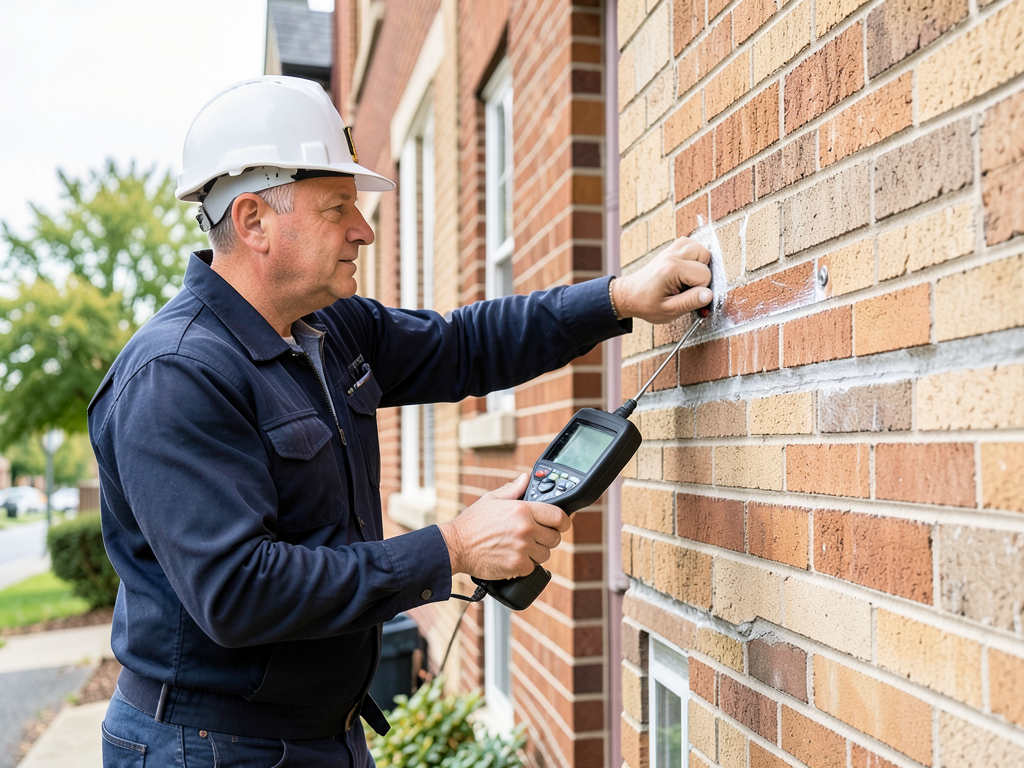
We start with infrared thermography and core sampling to map wet insulation. This eliminates guesswork. You see exactly where water has compromised the roof assembly, and you get a scope of work based on measurable data, not visual estimates.

Next, we address the substrate. Damaged ISO board gets removed and replaced with high-density polyisocyanurate rated for your specific load requirements. We do not overlay wet insulation. That traps moisture, voids your warranty, and guarantees callback within 18 months. Deck repairs follow ASTM standards for structural steel or concrete, depending on your building type.

Drainage correction is non-negotiable. We install tapered insulation systems to eliminate ponding and retrofit oversized scuppers or interior drains where code allows. Pittsburgh's rainfall intensity requires 4 inches of drainage capacity per hour. Most 1980s-era commercial roofs were designed for 2 inches. The math does not work anymore.

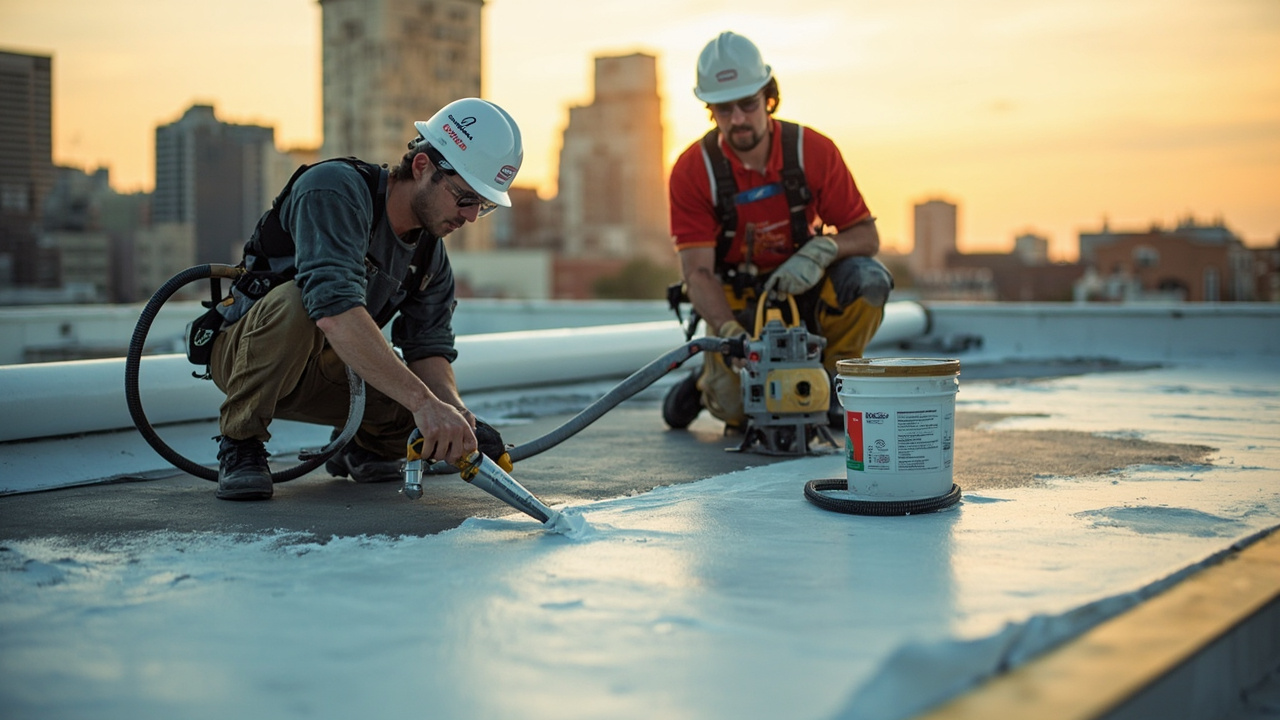
Commercial roof waterproofing uses fluid-applied membranes or mechanically fastened TPO, depending on your operational constraints. Fluid-applied systems like silicone or polyurea go down fast, cure in hours, and allow phased installation to keep your facility operational. Mechanically fastened TPO offers superior wind uplift resistance and longer service life but requires full roof access for 7 to 10 days.

We integrate all penetrations, including HVAC curbs, vent stacks, and parapet walls, with prefabricated flashing assemblies. Hand-detailed flashing fails in Pittsburgh's climate. Prefabricated components provide consistent thickness, predictable adhesion, and Factory Mutual-tested performance.

What Happens During Your Roof Restoration

Flat Roof Repair & Restoration in Pittsburgh | Minimize Downtime with Industrial-Grade Solutions
01

Roof Condition Assessment

We conduct infrared scanning and core sampling to identify wet insulation, membrane failures, and structural deficiencies. You receive a conditions report with thermal images, core photos, and a prioritized repair matrix. This data drives your capital planning and eliminates scope creep during construction. The assessment takes 4 to 6 hours for a 20,000-square-foot roof.
02

Phased Repair Execution

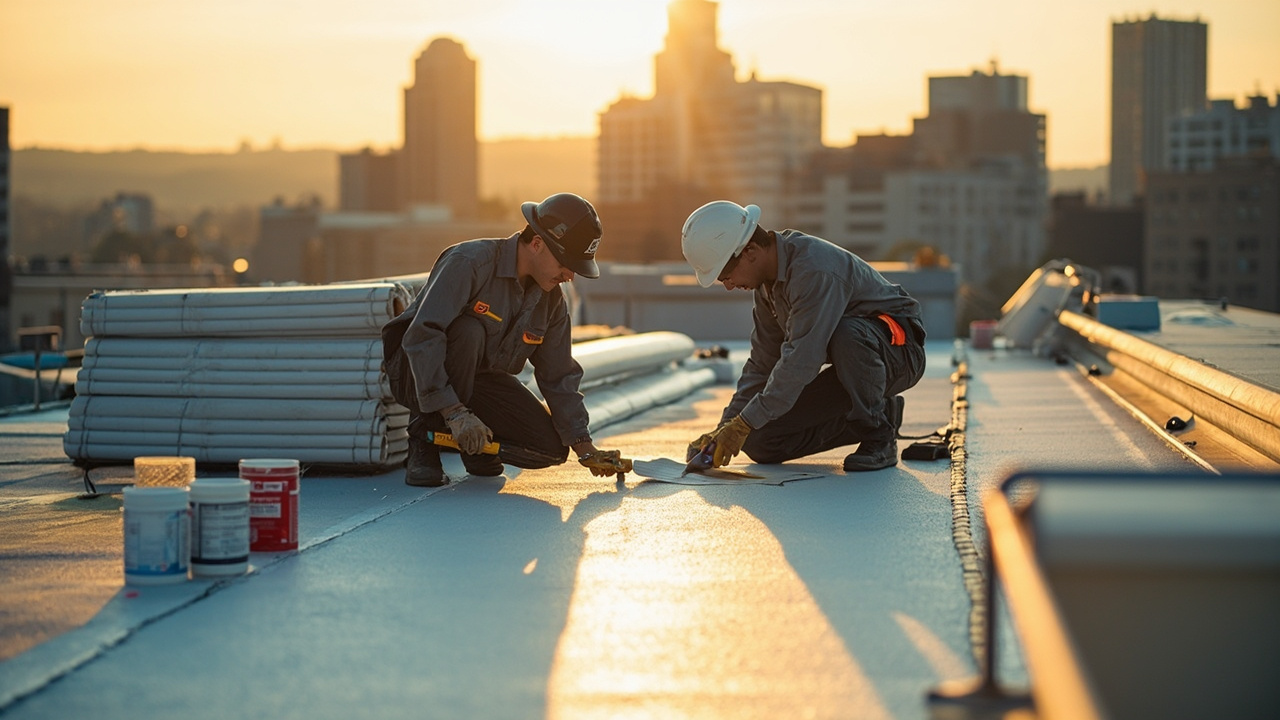
We section the roof into work zones to maintain your operations. Each zone gets stripped, repaired, and weatherproofed before we move to the next section. This approach minimizes exposure time and keeps your interior protected. Mechanical equipment stays online unless we are working directly on HVAC curbs. Most projects run 10 to 15 days depending on roof size and weather windows.
03

Final Inspection and Warranty Activation

After installation, we flood-test all drains, seams, and penetrations to verify watertight performance. You get as-built documentation, including membrane thickness readings and fastener pull-test results. This data package is required for warranty activation and proves code compliance during your next building audit. Your warranty starts the day we complete final inspection.

Why Pittsburgh Facility Managers Choose Victory Roofing Pittsburgh

We have restored flat roofs on manufacturing plants, distribution centers, and office complexes throughout Allegheny County. We understand Pittsburgh's building codes, including the 2018 International Building Code amendments that govern roof drainage and insulation R-values for commercial structures.

Our crews are trained in confined space entry, fall protection, and hot work permitting. This matters when you are working above active production lines or around hazardous materials. We coordinate with your EHS team, pull the required permits, and maintain site-specific safety plans that meet OSHA 1926 Subpart M standards.

We also understand the procurement cycle. Most facility managers need three competitive bids, a scope review with engineering, and board approval before contract execution. We provide detailed line-item estimates, performance specifications, and warranty comparisons that simplify your decision-making process. You get the data you need to justify the investment and defend the budget.

Our supplier relationships with GAF, Firestone, and Tremco give you access to manufacturer-backed warranties up to 20 years. These are not contractor warranties. They are underwritten by the membrane manufacturer and include coverage for materials, labor, and consequential damages. That protection matters when you are managing a $2 million inventory or a climate-controlled production environment.

We also offer roof asset management programs that include biannual inspections, minor repairs, and gutter maintenance. This proactive approach extends your roof's service life and prevents emergency repairs during production cycles.

What to Expect from Your Restoration Project

Project Timeline and Scheduling

Most commercial flat roof restoration projects take 10 to 21 days, depending on roof size, weather, and the extent of substrate damage. We schedule work around your operational needs, including night shifts, weekend installations, or phased construction that keeps critical areas online. You get a detailed schedule before we start, and we update you daily on progress and any field conditions that affect timeline. Weather delays are inevitable in Pittsburgh. We build contingency days into every project and maintain clear communication when conditions force a pause.

Initial Roof Evaluation Process

We schedule a site visit within 48 hours of your request. The evaluation includes roof access, visual inspection, core sampling, and infrared thermography if conditions warrant. You receive a written assessment within 72 hours that includes thermal images, core sample photos, and a scope of work with line-item pricing. This report gives you the data you need to budget the project and justify the expense to ownership. There is no cost for the initial evaluation if you proceed with the recommended repairs.

Quality of Completed Work

You get a roof system engineered for Pittsburgh's climate and installed to manufacturer specifications. All seams are tested, all penetrations are flashed with prefabricated components, and all drainage pathways are verified with flood testing before final sign-off. The completed roof includes a watertight membrane, upgraded insulation R-values that meet current energy code, and properly integrated flashings that eliminate the most common failure points. You also receive as-built documentation that includes membrane thickness readings, fastener density maps, and warranty activation paperwork.

Ongoing Roof Maintenance Support

Your warranty requires biannual inspections to remain valid. We offer maintenance agreements that include spring and fall inspections, gutter cleaning, minor flashing repairs, and priority scheduling for emergency leaks. These inspections catch small issues before they escalate into warranty claims or production interruptions. You get a written report after each visit that documents roof condition, identifies minor repairs, and tracks the overall health of your roofing system. This documentation protects your warranty and provides the data you need for long-term capital planning.

Frequently Asked Questions

You Have Questions,
We Have Answers

What is the average cost to repair a flat roof? +

Flat roof repair costs vary based on damage severity, material type, and square footage. Minor repairs like patching small leaks or replacing damaged flashing typically cost less than addressing structural issues or widespread membrane failure. Pittsburgh's freeze-thaw cycles can accelerate damage, increasing complexity. Commercial properties often require specialized materials like TPO, EPDM, or modified bitumen, which affect pricing. Labor, membrane quality, and access difficulty also factor in. Request a detailed scope of work outlining material specifications, labor breakdown, and warranty terms. Proactive maintenance reduces long-term costs by catching issues before they require full replacements.

Is it expensive to repair a flat roof? +

Flat roof repair costs depend on the problem's scope. Small punctures or localized membrane damage are budget-friendly fixes. Extensive water intrusion, substrate rot, or failed drainage systems require more investment due to material and labor intensity. Pittsburgh's weather accelerates wear, making neglected repairs more expensive over time. Commercial flat roofs carry higher stakes than residential because downtime equals lost revenue. Delaying repairs compounds costs as water damage spreads to insulation, decking, and interior assets. Invest in quality materials and experienced contractors to avoid repeated repairs. Preventive maintenance programs reduce emergency repair frequency and extend roof life, improving ROI.

How often should a flat roof be redone? +

Flat roof replacement cycles depend on material type and maintenance. EPDM rubber roofs last 20-25 years, TPO membranes 15-25 years, and built-up roofing 15-20 years. Pittsburgh's temperature swings and ice damming stress flat roofs, shortening lifespan without proper drainage and maintenance. Commercial buildings should schedule biannual inspections to catch ponding water, membrane splits, or flashing degradation early. Well-maintained systems reach upper lifespan limits. Poor drainage or deferred maintenance forces premature replacement. Track installation date, inspection records, and repairs to forecast replacement timing. Budget for replacement before leaks compromise structural integrity or disrupt operations.

What is the best way to repair a flat roof? +

Effective flat roof repair starts with identifying the root cause. Surface patching stops leaks temporarily, but failing seams, damaged flashing, or compromised substrate require targeted fixes. Pittsburgh contractors should assess ponding water issues common in flat systems, as standing water accelerates membrane breakdown. TPO and EPDM membranes need heat-welded or chemically bonded seams, not adhesive patches. Modified bitumen requires torch application or cold adhesives depending on membrane type. Address substrate damage before applying new membrane. Proper flashing repair around penetrations prevents future leaks. Quality repairs match existing materials and follow manufacturer specifications to maintain warranty coverage.

Is flat roof repair covered by insurance? +

Insurance covers flat roof repairs if damage results from covered perils like storm damage, hail, or sudden events. Gradual wear, poor maintenance, or aging are excluded. Pittsburgh's heavy snow loads and ice damming can cause collapse or membrane tears, which may qualify. Commercial policies differ from residential, often requiring proof of maintenance logs. Document damage with photos immediately. Insurance adjusters scrutinize flat roofs for pre-existing conditions. Work with contractors experienced in claims processes who provide detailed damage assessments and repair scopes. Review your policy's roof coverage limits and age restrictions before filing.

What time of year is the cheapest to replace a roof? +

Late summer and fall offer the most favorable conditions for flat roof replacement in Pittsburgh. Cooler temperatures allow proper adhesive curing without extreme heat affecting material performance. Avoid winter when temperatures drop below manufacturer installation thresholds for TPO, EPDM, and modified bitumen systems. Spring brings unpredictable weather and contractor demand spikes. Scheduling during shoulder seasons may reduce costs due to lower demand, though material prices fluctuate based on market conditions, not seasonality. Commercial projects benefit from planning replacements during low-occupancy periods to minimize business disruption. Prioritize quality installation over cost savings, as improper installation voids warranties.

What is the lifespan of a flat roof? +

Flat roof lifespan varies by material and maintenance quality. EPDM rubber membranes last 20-25 years, TPO systems 15-25 years, PVC roofing 20-30 years, and built-up roofing 15-20 years. Pittsburgh's freeze-thaw cycles stress seams and fasteners, reducing lifespan without proper installation and drainage. Ponding water from inadequate slope accelerates deterioration. Commercial roofs with regular inspections and prompt repairs reach upper lifespan ranges. Poor installation, deferred maintenance, or foot traffic damage shortens life expectancy. Track installation date and maintenance records to forecast replacement needs. Quality materials and experienced contractors maximize return on investment.

How much does it cost to replace 1000 sq ft of roof? +

Replacing 1000 square feet of flat roofing depends on material choice, substrate condition, and project complexity. Commercial-grade TPO, EPDM, or modified bitumen systems vary in material and installation requirements. Pittsburgh projects may require additional insulation or drainage improvements to meet code and handle snow loads. Costs include tear-off, substrate repairs, new membrane, flashing, and disposal fees. Multi-story buildings increase labor costs due to access difficulty. Request itemized proposals comparing material options, warranty coverage, and installation timelines. Focus on lifecycle cost, not just upfront pricing. Quality installation prevents premature failure and reduces long-term maintenance expenses.

What are signs my flat roof needs replacing? +

Watch for ponding water lasting 48 hours after rain, which indicates drainage problems and accelerates membrane breakdown. Visible cracks, blisters, or bubbles in the membrane signal trapped moisture or adhesive failure. Interior water stains or active leaks require immediate attention. Pittsburgh's freeze-thaw cycles cause seam separation and flashing pullaway around penetrations. Check for sagging areas suggesting structural issues or saturated insulation. Excessive granule loss on modified bitumen or visible substrate through worn membrane means replacement is overdue. Increased energy costs may indicate compromised insulation. Schedule professional inspections if your roof approaches 15-20 years old.

How old may a roof be before insurance claims it's too old? +

Most commercial insurance policies scrutinize roofs over 15-20 years old, requiring detailed inspections before approving claims. Some carriers limit coverage or increase deductibles for aged roofs, while others exclude cosmetic damage or require property owners to cover depreciation. Pittsburgh's harsh weather accelerates flat roof aging, making maintenance documentation critical. Insurers may deny claims if inspection records show deferred maintenance. Review your policy annually for roof age limits and coverage restrictions. Consider replacement before your roof exceeds insurer thresholds to avoid claim disputes. Maintain detailed repair and inspection records to prove proper care if filing claims.

How Pittsburgh's Freeze-Thaw Cycles Impact Low Slope Roof Refurbishment

Pittsburgh experiences 30 to 40 freeze-thaw cycles each winter. Water enters membrane seams, expands when it freezes, and cracks the substrate. This cycle accelerates on low slope roofs where drainage is already compromised. Commercial buildings in the Monongahela River valley face additional stress from high humidity and rapid temperature swings. A roof designed for moderate climates fails here within three to five years. Low slope roof refurbishment in Pittsburgh requires cold-weather membrane selection, enhanced drainage design, and substrate repairs that account for thermal movement.

Victory Roofing Pittsburgh has restored commercial roofs across Allegheny County for facility managers who need work done right the first time. We understand Pittsburgh's building codes, including the drainage and insulation requirements in the 2018 International Building Code amendments adopted locally. Our crews are trained in confined space entry, fall protection, and hot work permitting. This matters when you are managing a production facility or a warehouse with active operations. Choosing a local contractor means you get a team that understands your climate, your codes, and your operational constraints.
Roofing Services in The Pittsburgh Area

We are proud to serve the entire Pittsburgh metropolitan area and surrounding communities. Use the interactive map below to easily locate our office or visualize our extensive service region, which includes every neighborhood from the North Shore to the South Hills. We are locally committed and ready to bring our award-winning, trusted roofing expertise right to your specific location for any inspection, repair, or full installation project. We look forward to meeting you and securing your valuable property!

Address:
Victory Roofing Pittsburgh, 500 Grant St, Pittsburgh, PA, 15219

Additional Services We Offer

Our news updates

Latest Articles & News from The Blogs

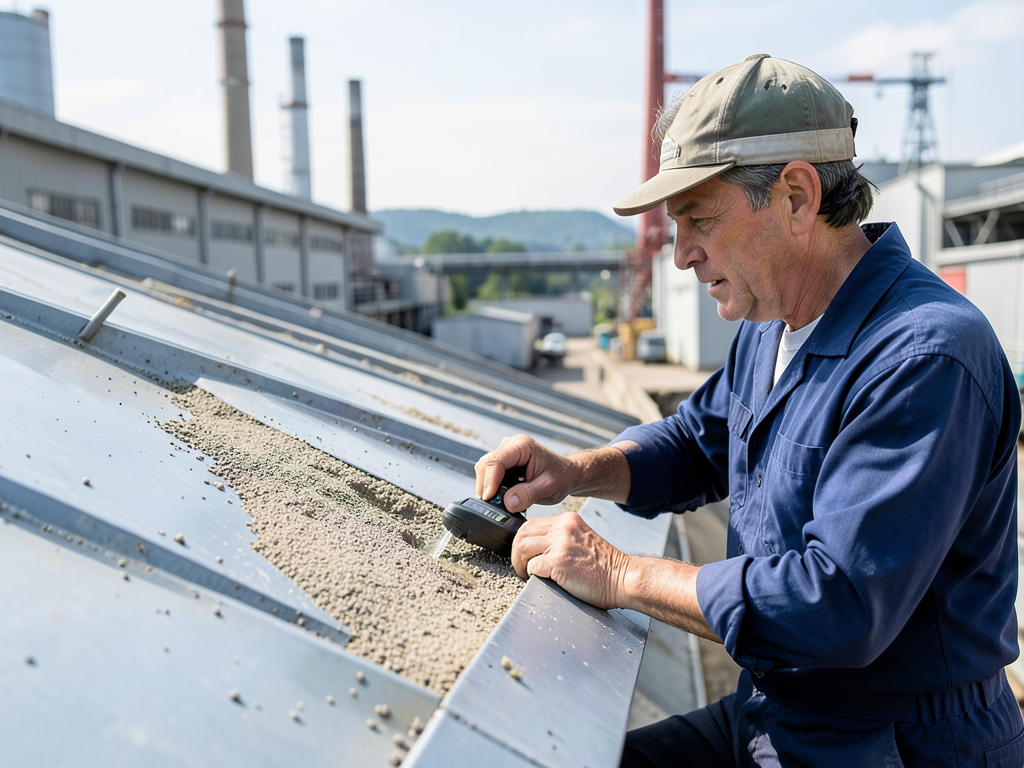
How Industrial Air Quality in Clairton Affects the Lifespan of Your Shingles Mon Valley's industrial legacy creates unique roofing challenges…

How Industrial Air Quality in Clairton Affects the Lifespan of Your Shingles

How Industrial Air Quality in Clairton Affects the Lifespan of Your Shingles Mon Valley's industrial legacy creates unique roofing challenges…

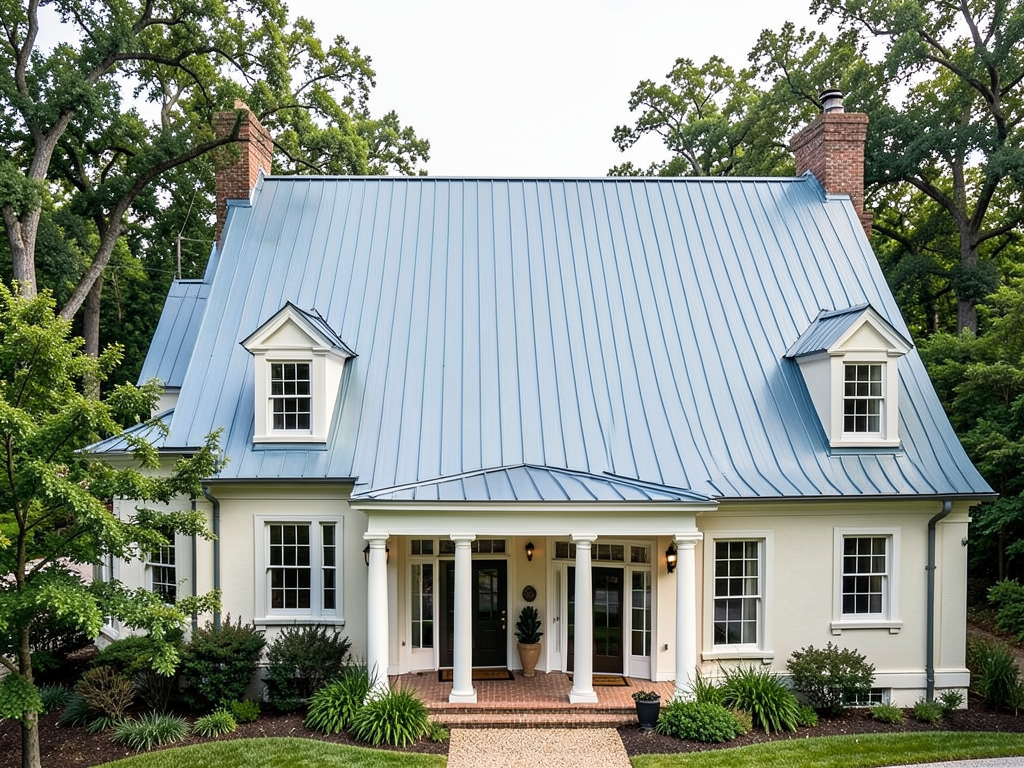
Why Luxury Homes in Fox Chapel are Moving Toward Standing Seam Zinc Roofing

Why Luxury Homes in Fox Chapel are Moving Toward Standing Seam Zinc Roofing Luxury homeowners in Fox Chapel are increasingly…

Managing Shared Roof Maintenance with Your Neighbors in Garfield Row Houses

Managing Shared Roof Maintenance with Your Neighbors in Garfield Row Houses Shared roof maintenance between Garfield row house neighbors creates…

Contact Us

Do not wait for a leak to shut down your operation. Call Victory Roofing Pittsburgh at (878) 209-5522 to schedule a roof condition assessment. We deliver data-driven solutions that protect your facility and keep your business running.