
menu

Benefits of Cool Roofs in Pittsburgh – Cut Energy Costs and Extend Your Roof's Lifespan

Discover how reflective roofing systems reduce cooling costs by up to 15%, protect against Pittsburgh's intense summer heat, and add years to your roof's service life through proven thermal performance technology.

Slider Image 1
Slider Image 2
Slider Image 3
Slider Image 4
Slider Image 5
Slider Image 7
Slider Image 8
Slider Image 9
Slider Image 10
Slider Image 11

Why Pittsburgh Homeowners Are Switching to Cool Roofing Technology

Pittsburgh's summer climate creates a brutal combination of high humidity and intense solar radiation that turns traditional dark roofs into heat traps. Your attic temperatures can spike above 150 degrees, forcing your air conditioning system to run constantly just to maintain comfort. The result is skyrocketing energy bills and accelerated wear on both your roof and your HVAC equipment.

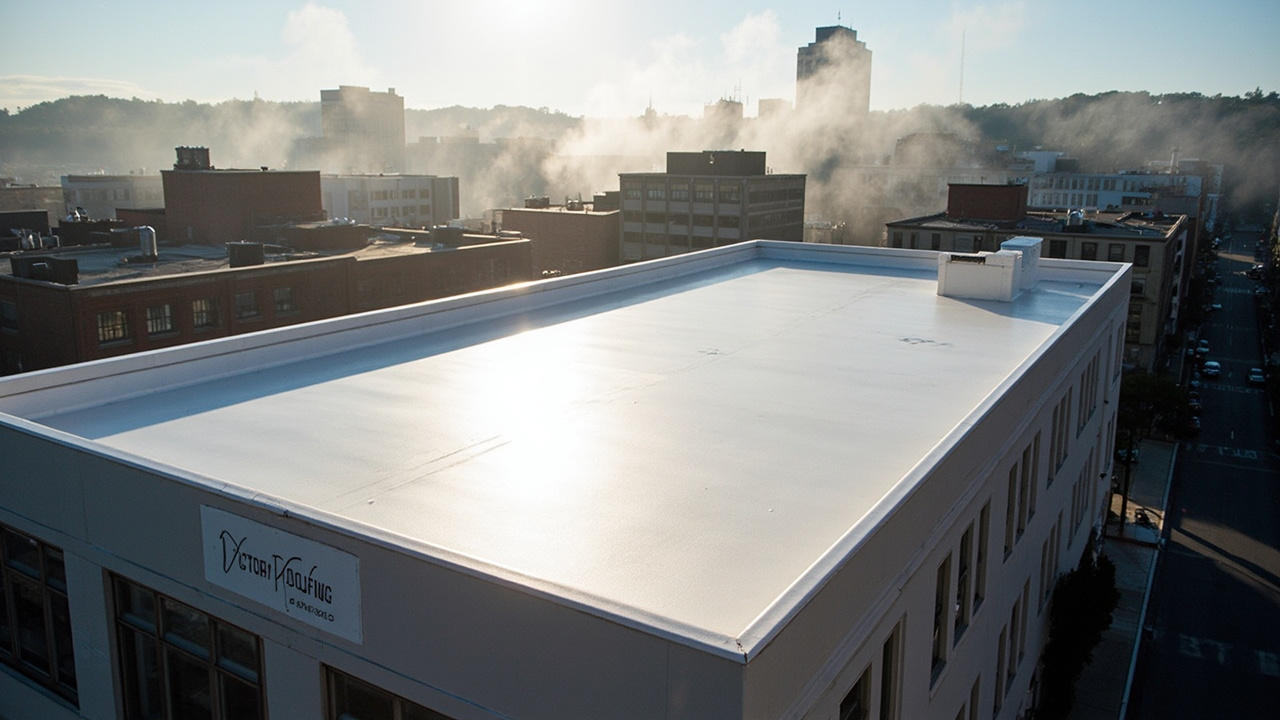
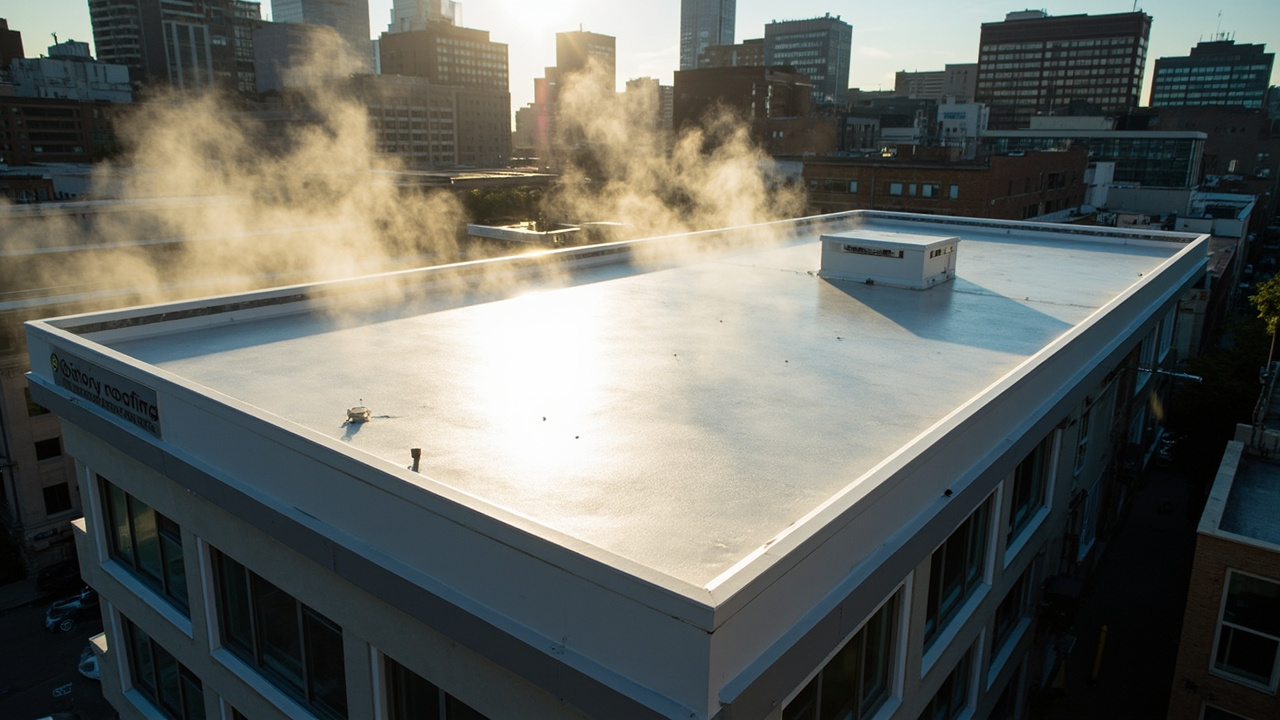
The advantages of cool roofing become clear when you understand how reflective surfaces work. Standard asphalt shingles absorb up to 90% of solar radiation, transferring that heat directly into your home. Cool roof materials reflect 50% to 80% of that energy back into the atmosphere, keeping your attic and living spaces significantly cooler.

Pittsburgh's aging housing stock, particularly in neighborhoods like Shadyside and Squirrel Hill, features homes with limited attic ventilation. When you combine poor airflow with heat-absorbing roofing materials, you create an oven effect that degrades your roof deck, warps shingles, and creates ice dam conditions during our freeze-thaw winter cycles.

The cool roof energy savings extend beyond summer months. Reflective roofing maintains more stable temperatures year-round, reducing the thermal stress that causes premature roof failure. For Pittsburgh homeowners facing the reality of $15,000 to $25,000 roof replacements, extending roof life by even three to five years represents substantial financial value.

The benefits of reflective roofing also address Pittsburgh's urban heat island effect, where dense neighborhoods in areas like Oakland and Lawrenceville experience temperatures several degrees higher than surrounding areas. Every cool roof installation contributes to lower ambient temperatures across the community.

Why Pittsburgh Homeowners Are Switching to Cool Roofing Technology
How Reflective Roofing Systems Deliver Measurable Performance

How Reflective Roofing Systems Deliver Measurable Performance

Cool roofing technology relies on two measurable properties: solar reflectance and thermal emittance. Solar reflectance measures how much sunlight bounces off the surface rather than being absorbed. Thermal emittance measures how efficiently the roof releases any heat it does absorb. Together, these properties determine the Solar Reflectance Index, or SRI, which quantifies overall cool roof performance.

Modern cool roof products achieve these properties through specialized granules embedded in shingle surfaces or reflective coatings applied to metal and membrane systems. These materials are engineered to reflect infrared radiation, the wavelength responsible for heat transfer, while maintaining the aesthetic colors homeowners want.

Victory Roofing Pittsburgh evaluates your existing roof structure, attic ventilation, and insulation levels before recommending cool roofing solutions. A reflective roof on a poorly ventilated attic with inadequate insulation still underperforms. We assess the complete thermal envelope to maximize cool roofing system advantages.

The installation process for cool roofing products follows the same structural requirements as traditional materials. We ensure proper underlayment, ice and water shield placement at eaves and valleys, and code-compliant flashing details. The difference lies in material selection and surface preparation to maintain reflective properties.

For Pittsburgh's mixed climate, we focus on products rated for freeze-thaw durability. Cool roof materials must withstand our winter conditions without cracking or delaminating. We specify products tested to ASTM D7158 for impact resistance and ASTM D3161 for wind uplift, ensuring your reflective roof performs through severe weather events common to our region.

The cool roof pros include reduced peak cooling demand, which can downsize HVAC replacement needs when your system eventually fails. Lower operating temperatures also mean reduced ozone formation and improved air quality across Pittsburgh's airshed.

What Happens During Your Cool Roof Evaluation

Benefits of Cool Roofs in Pittsburgh – Cut Energy Costs and Extend Your Roof's Lifespan
01

Thermal Assessment

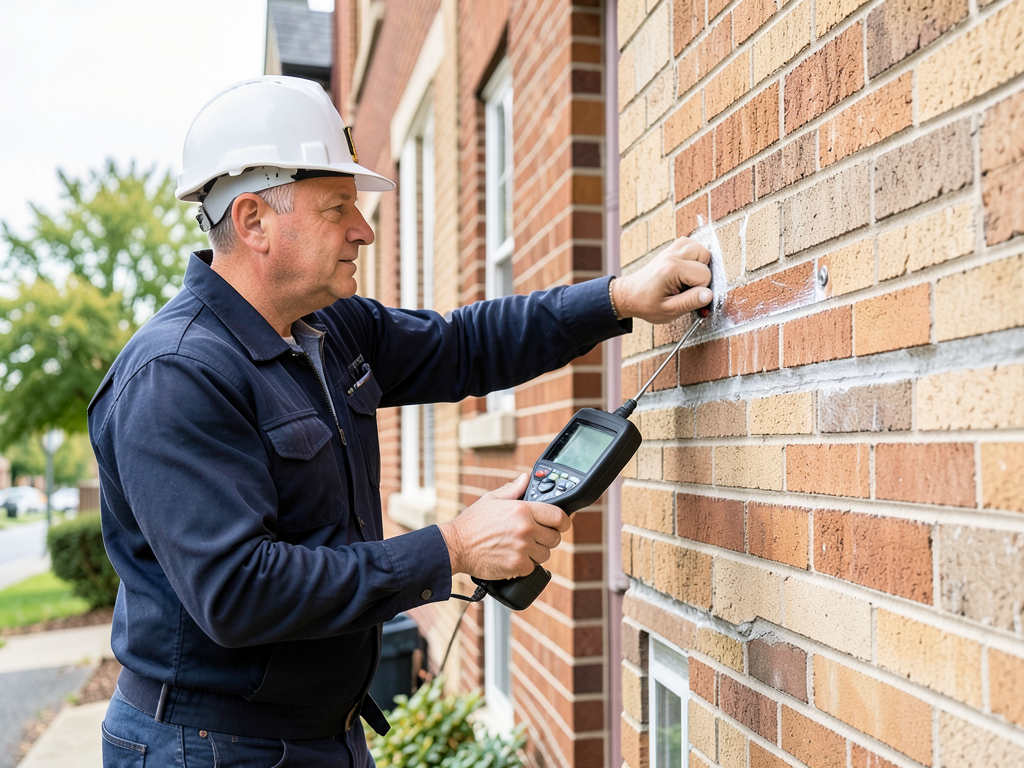
We measure your current roof surface temperature using infrared thermography and compare it to attic temperatures. This baseline data shows exactly how much heat your existing roof transfers into your home. We document insulation R-values, ventilation calculations, and identify thermal bridging that compromises performance. You receive a detailed report showing current energy loss and projected improvements with reflective roofing materials.
02

Material Selection

Based on your roof pitch, orientation, and aesthetic preferences, we present cool roofing options with documented SRI ratings. We explain the performance differences between cool-colored asphalt shingles, metal roofing with reflective coatings, and membrane systems. Each option includes projected energy savings, expected service life, and upfront cost considerations. We help you understand how different products perform in Pittsburgh's specific climate conditions.
03

Performance Verification

After installation, we conduct follow-up thermal imaging to verify temperature reductions. Most Pittsburgh homeowners see attic temperature drops of 20 to 30 degrees during peak summer conditions. We provide documentation showing before and after measurements, giving you quantifiable proof of improved thermal performance. You also receive maintenance guidelines to preserve reflective properties, which can degrade if algae growth or debris accumulation occurs.

Why Pittsburgh Homeowners Trust Local Expertise for Cool Roofing

Pittsburgh's building code requirements and historical preservation guidelines create unique considerations for roof replacements. In neighborhoods like Mexican War Streets or Deutschtown, you need contractors who understand Historic Review Commission requirements and can source cool roofing materials that meet both performance standards and aesthetic restrictions.

Victory Roofing Pittsburgh has navigated these approvals for dozens of properties in historic districts. We know which cool roof products satisfy preservation requirements while delivering energy savings. That institutional knowledge saves you months of back-and-forth with city officials and prevents costly reinstallation if you select non-compliant materials.

Our familiarity with Pittsburgh's microclimates matters when selecting cool roofing solutions. South-facing roofs on homes in Mount Washington receive significantly more solar exposure than north-facing roofs in shaded neighborhoods like Frick Park. We adjust material specifications based on your specific exposure conditions, not generic recommendations that ignore local geography.

We also understand Pittsburgh's utility rate structures. Duquesne Light's time-of-use rates mean peak cooling demand directly impacts your energy costs. Cool roofing technology reduces your peak demand during the highest-rate periods, multiplying your savings beyond simple kilowatt-hour reductions.

The advantages of cool roofing in Pittsburgh extend to resale value. As energy efficiency becomes a priority for homebuyers, documented thermal performance improvements strengthen your market position. We provide transferable documentation showing measured energy savings and remaining service life, giving potential buyers confidence in your home's operating costs.

Working with a local contractor also ensures access to maintenance and inspection services. Cool roof performance degrades if reflective surfaces accumulate dirt, biological growth, or damage from falling branches. We offer periodic cleaning and inspection services to maintain optimal performance throughout your roof's service life.

What to Expect from Your Cool Roof Installation

Project Timeline

Most residential cool roof installations in Pittsburgh complete within three to five days, weather permitting. We schedule projects during dry periods to protect your home's interior and ensure proper adhesive curing for underlayment and flashing. Complex projects involving structural repairs or multiple roof planes may extend to seven days. We provide daily updates and maintain clean work areas throughout the installation. Our crews arrive between 7:30 and 8:00 AM and work until completion each day, maximizing productivity while respecting neighborhood noise considerations.

Pre-Installation Inspection

Before any material arrives, we conduct a comprehensive roof deck inspection. We check for rot, inadequate fastening, and structural deficiencies that compromise any roofing system. This inspection includes attic access to evaluate ventilation, insulation, and signs of previous water intrusion. We document findings with photos and provide a detailed scope of any necessary repairs. You approve all additional work before we proceed. This transparency prevents surprise costs and ensures your cool roofing investment rests on a solid foundation that maximizes performance and longevity.

Performance Outcomes

Your new cool roof will reduce surface temperatures by 50 to 60 degrees compared to traditional dark shingles. This temperature reduction translates to measurably lower attic temperatures and reduced cooling costs. Most Pittsburgh homeowners notice the difference within the first heat wave after installation. Your air conditioning runs shorter cycles and maintains more consistent indoor temperatures. The cool roof energy savings typically range from 10% to 15% on summer cooling bills, with higher savings in poorly insulated homes or those with older, inefficient HVAC systems.

Ongoing Maintenance

Cool roofing materials require periodic cleaning to maintain reflective properties. We recommend professional inspection and cleaning every three to five years, or after severe weather events. Pittsburgh's tree canopy means organic debris accumulation, which reduces solar reflectance over time. We offer maintenance plans that include gutter cleaning, debris removal, and application of algae-resistant treatments to preserve performance. These services extend your roof's service life and ensure you continue receiving maximum energy savings. Regular maintenance also catches minor issues before they become expensive repairs.

Frequently Asked Questions

You Have Questions,
We Have Answers

What are the benefits of a cool roof? +

Cool roofs reflect more sunlight and absorb less heat than standard roofs. You reduce cooling costs during Pittsburgh's humid summers by keeping your attic and living spaces cooler. Energy bills drop because your air conditioner works less. Cool roofs also extend roof lifespan by reducing thermal stress from temperature swings. They lower urban heat island effects in dense neighborhoods like Lawrenceville and Shadyside. You improve indoor comfort without upgrading your HVAC system. Many reflective coatings and shingles qualify for energy efficiency rebates. Cool roofs reduce your carbon footprint while protecting your home from heat damage.

What are the cons of a cool roof? +

Cool roofs can increase heating costs during Pittsburgh's cold winters because they reflect heat away year-round. You may see higher gas or electric bills from November through March. Initial installation costs run higher than standard roofing materials. Some reflective coatings require reapplication every few years to maintain effectiveness. Cool roofs can look stark or bright, which may not match traditional Pittsburgh architecture in historic districts. They perform best in hot climates, so the payback period in a four-season region like western Pennsylvania takes longer. You must weigh summer cooling savings against winter heating losses before choosing this option.

What are the benefits of a cold roof? +

Cold roofs use ventilation to create an air gap between the roof deck and insulation, keeping the structure cool. You prevent ice dams during Pittsburgh winters because snow melts evenly rather than refreezing at eaves. The ventilation system removes moisture, reducing mold and rot in your attic. Energy efficiency improves because heat does not build up under the roof deck. Cold roofs extend shingle life by maintaining consistent temperatures. You reduce condensation problems common in older Pittsburgh homes with poor attic ventilation. Proper airflow keeps your roof structure dry and stable through freeze-thaw cycles that stress roofing systems in this region.

Are cool roof tiles good or bad? +

Cool roof tiles reflect sunlight and reduce heat absorption, lowering cooling costs during summer. You get durability and energy savings combined in one product. They work well in sunny climates but offer mixed results in Pittsburgh's variable weather. Winter heating costs may increase because tiles reflect heat away year-round. The tiles resist thermal shock better than standard materials, so they handle temperature swings without cracking. You see longer lifespan compared to asphalt shingles. Cool tiles suit modern or Mediterranean styles but may clash with traditional Pittsburgh architecture. They cost more upfront, so calculate your payback period based on actual energy savings before committing.

Why are people getting rid of their solar panels? +

Homeowners remove solar panels due to roof replacement needs, system underperformance, or relocation. You cannot install new shingles without removing panels first, adding labor costs. Some older systems produce less energy than promised because of shading, dirt buildup, or equipment failure. Lease agreements transfer poorly when selling homes, deterring buyers. Panels installed on north-facing roof sections in Pittsburgh receive limited sunlight and generate minimal power. Maintenance costs rise as inverters and batteries age. HOA restrictions or building code changes force removal. Some homeowners switch to ground-mounted systems for better sun exposure and easier maintenance than rooftop installations.

How to keep a house cool in 100 degree weather? +

Close blinds and curtains on south and west windows before midday to block direct sunlight. You reduce indoor heat gain by up to 20 degrees. Run ceiling fans counterclockwise to push cool air down. Use window units or central AC during peak afternoon hours. Avoid using ovens and dryers until evening when temperatures drop. Open windows at night to flush hot air out and draw cooler air in. Apply reflective window film to reduce solar heat. Cook outdoors on a grill. Drink cold water and wear light clothing. Seal air leaks around doors and windows to keep conditioned air inside.

How long do cool roofs last? +

Cool roofs last 20 to 50 years depending on the material and maintenance. Reflective coatings need reapplication every 10 to 15 years to maintain performance. Metal cool roofs last 40 to 50 years with minimal upkeep. Cool shingles last 20 to 30 years, similar to standard asphalt shingles. Pittsburgh's freeze-thaw cycles and humidity affect longevity, so proper installation and ventilation matter. You extend lifespan by cleaning debris, inspecting for damage after storms, and recoating reflective surfaces as needed. Quality materials and professional installation protect your investment. Cool roofs outlast standard roofs because they experience less thermal stress from temperature extremes.

What is the 33% rule in solar panels? +

The 33% rule means solar panels should produce at least one-third of your home's electricity to justify installation costs. You calculate your average monthly usage and size your system accordingly. In Pittsburgh, limited winter sunlight reduces production, so panels must perform well during longer summer days. The rule helps you avoid oversizing or undersizing your array. You balance upfront investment with realistic energy savings based on your roof orientation, shading, and consumption patterns. Systems that meet this threshold typically pay for themselves within 10 to 15 years. Smaller systems may never recover costs in regions with variable sunlight like western Pennsylvania.

What are the problems with cold roofs? +

Cold roofs fail when ventilation systems clog with debris or insulation blocks airflow. You get condensation buildup that leads to mold, rot, and structural damage. Ice dams still form if ventilation design is poor or soffit vents freeze shut during Pittsburgh winters. Improper installation creates hot spots where heat escapes unevenly. Pests nest in ventilation gaps, blocking airflow and damaging insulation. Cold roofs cost more to install than standard systems because they require precise airflow engineering. You must inspect and clean vents regularly to maintain performance. Retrofitting older homes with cold roofs can be difficult if attic space is limited or framing does not support ventilation channels.

Does a cold roof need venting? +

Yes, cold roofs require proper venting to function correctly. You need balanced intake and exhaust ventilation to create continuous airflow between the roof deck and insulation. Soffit vents pull fresh air in while ridge or gable vents exhaust warm, moist air out. Without venting, you trap heat and moisture, causing condensation, mold, and rot. Pittsburgh's humidity makes ventilation critical to prevent ice dams and structural damage. You should install baffles to keep insulation from blocking airflow channels. Adequate ventilation extends roof lifespan and maintains energy efficiency. Poor venting defeats the purpose of a cold roof system and leads to costly repairs.

How Pittsburgh's Humid Summers Make Cool Roofs Essential for Energy Efficiency

Pittsburgh averages 20 to 25 days per year with temperatures above 90 degrees, but humidity makes the heat index feel 5 to 10 degrees hotter. This combination forces air conditioners to work harder removing both sensible heat and latent moisture. Traditional dark roofs absorb solar energy and radiate heat into your attic for hours after sunset, preventing your home from cooling naturally overnight. Cool roofing technology breaks this cycle by reflecting solar radiation before it converts to heat. The benefits of reflective roofing are most dramatic during Pittsburgh's July and August heat waves, when your HVAC system needs relief most.

Victory Roofing Pittsburgh has installed cool roofing systems across every neighborhood in Allegheny County. We understand local building officials' expectations and maintain relationships with inspectors that expedite permitting. Our material suppliers stock products specifically rated for Pittsburgh's climate zone, ensuring you receive cool roofing solutions tested for our freeze-thaw cycles and wind conditions. We are not a national chain pushing generic solutions. We are your neighbors, and we stand behind every installation because our reputation depends on your satisfaction and your referrals to friends and family throughout the Pittsburgh area.
Roofing Services in The Pittsburgh Area

We are proud to serve the entire Pittsburgh metropolitan area and surrounding communities. Use the interactive map below to easily locate our office or visualize our extensive service region, which includes every neighborhood from the North Shore to the South Hills. We are locally committed and ready to bring our award-winning, trusted roofing expertise right to your specific location for any inspection, repair, or full installation project. We look forward to meeting you and securing your valuable property!

Address:
Victory Roofing Pittsburgh, 500 Grant St, Pittsburgh, PA, 15219

Additional Services We Offer

Our news updates

Latest Articles & News from The Blogs

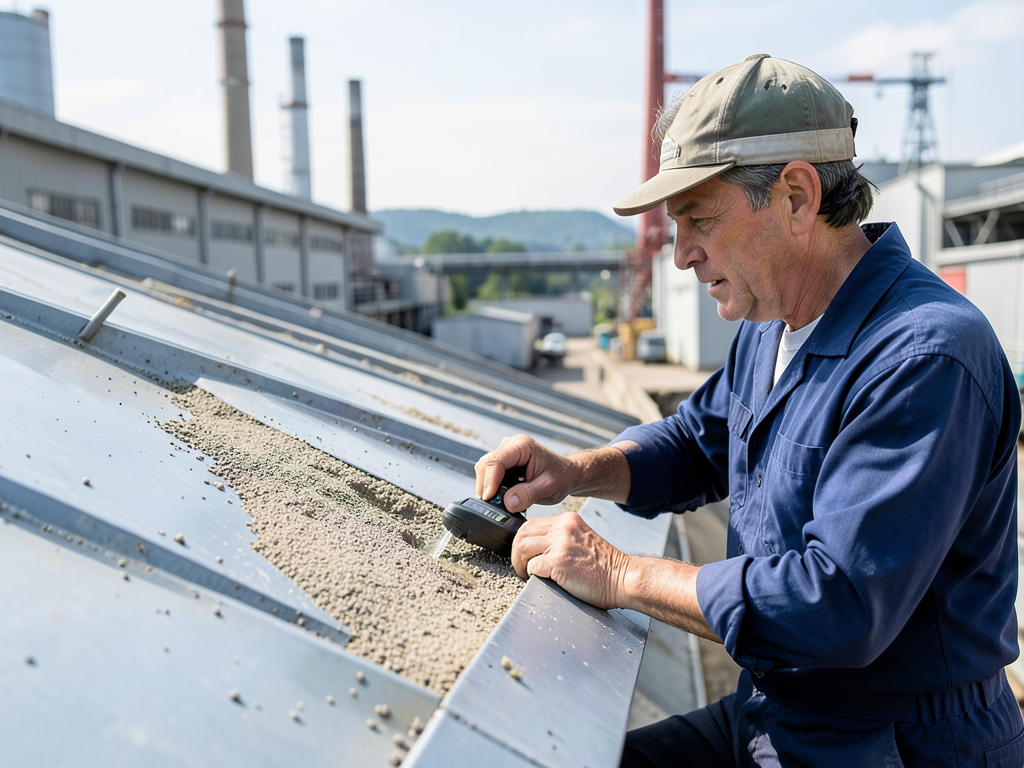
How Industrial Air Quality in Clairton Affects the Lifespan of Your Shingles Mon Valley's industrial legacy creates unique roofing challenges…

How Industrial Air Quality in Clairton Affects the Lifespan of Your Shingles

How Industrial Air Quality in Clairton Affects the Lifespan of Your Shingles Mon Valley's industrial legacy creates unique roofing challenges…

Why Luxury Homes in Fox Chapel are Moving Toward Standing Seam Zinc Roofing

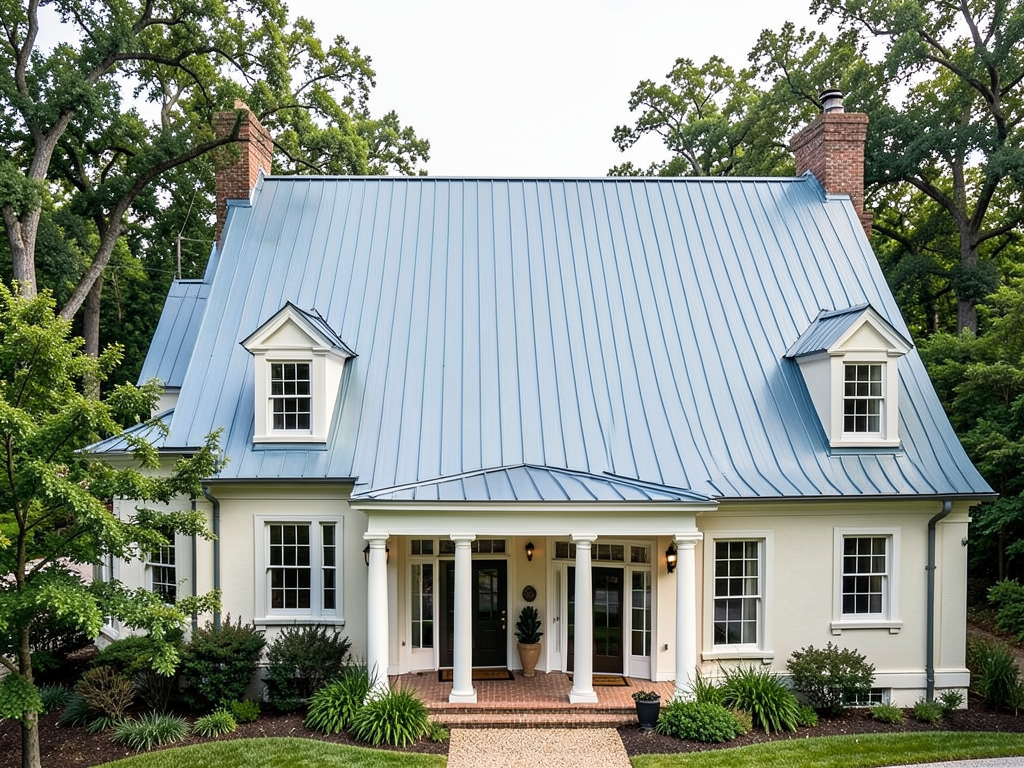
Why Luxury Homes in Fox Chapel are Moving Toward Standing Seam Zinc Roofing Luxury homeowners in Fox Chapel are increasingly…

Managing Shared Roof Maintenance with Your Neighbors in Garfield Row Houses

Managing Shared Roof Maintenance with Your Neighbors in Garfield Row Houses Shared roof maintenance between Garfield row house neighbors creates…

Contact Us

Stop overpaying for cooling costs. Call Victory Roofing Pittsburgh at (878) 209-5522 for a free thermal assessment and cool roof evaluation. We will show you exactly how much you can save and which reflective roofing solutions work best for your home and budget.