

menu

Roof Cricket Drainage Issues in Pittsburgh – Expert Diagnosis and Permanent Repair Solutions

Victory Roofing Pittsburgh identifies and corrects chimney saddle water pooling, improper cricket pitch, and roof saddle drainage failure before structural damage spreads to your decking and interior ceilings.

Slider Image 1
Slider Image 2
Slider Image 3
Slider Image 4
Slider Image 5
Slider Image 7
Slider Image 8
Slider Image 9
Slider Image 10
Slider Image 11

Why Roof Crickets Fail in Pittsburgh's Freeze-Thaw Climate

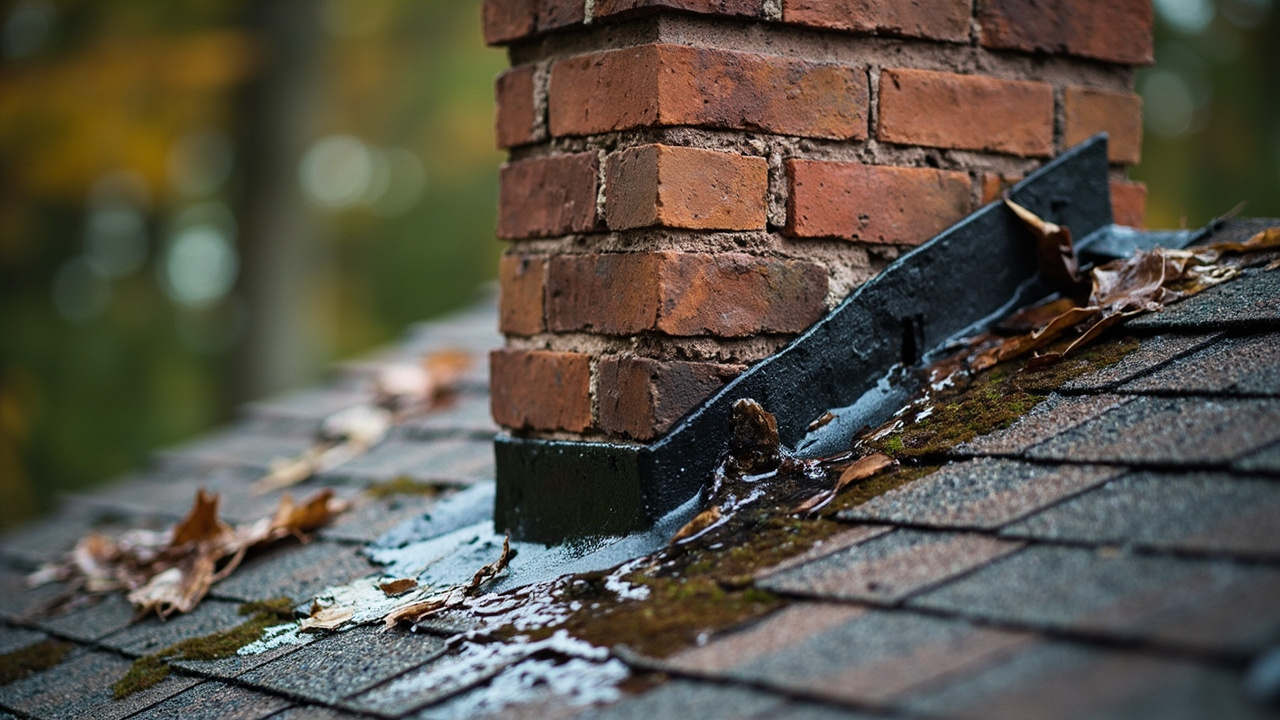
A roof cricket is the peaked structure built behind your chimney to divert water away from the upslope side. When that cricket fails, water pools against the chimney base instead of flowing down and off your roof. In Pittsburgh, this problem accelerates fast.

Our freeze-thaw cycles make chimney saddle water pooling dangerous. Water sits in the valley behind your chimney during the day, then freezes at night. Ice expands into gaps in the flashing, shingles, and mortar. When it thaws, more water penetrates deeper. Each cycle widens the cracks. Within one season, you move from a minor leak to rotted decking and interior ceiling stains.

Improper cricket pitch is the most common cause. If the slope angle is too shallow, water does not shed fast enough. Roof cricket ponding happens when debris clogs the small valley or when the peak settles due to poor framing. Chimney diverter leaks occur when the cricket flashing was never sealed correctly or when the metal corrodes through from constant moisture exposure.

Pittsburgh's heavy spring rains and late-winter snowmelt create high-volume runoff. A cricket that worked fine in dry conditions fails under sustained water flow. You notice brown stains spreading across your bedroom ceiling or water dripping inside the chimney chase. These are symptoms of roof saddle drainage failure. The problem is not the chimney itself. The problem is the water management structure behind it.

Ignoring this issue leads to structural rot in the roof deck, mold growth in the attic space, and compromised chimney stability. The longer water sits, the more expensive the repair becomes.

Why Roof Crickets Fail in Pittsburgh's Freeze-Thaw Climate
How We Diagnose and Fix Cricket Drainage Problems Permanently

How We Diagnose and Fix Cricket Drainage Problems Permanently

Most roofers slap new shingles over a failing cricket and call it fixed. That does not address the root cause. We rebuild the cricket structure with the correct pitch angle and integrate it into your existing roofline so water flows where it should.

First, we remove the shingles and underlayment around the chimney to expose the cricket framing. We inspect the existing saddle for rot, improper slope, and inadequate flashing integration. If the framing lumber is soft or undersized, we replace it with treated dimensional lumber cut to the correct angle. The pitch must be steep enough to prevent ponding but shallow enough to match your main roof slope without creating a hump.

Next, we install ice and water shield over the entire saddle area. This self-adhering membrane creates a waterproof barrier even if the shingles above it fail. We then fabricate custom step flashing that runs up both sides of the cricket and ties into the chimney counter flashing. Each piece overlaps the one below it. We do not use caulk as a primary seal. Caulk fails. Metal and membrane layering does not.

We rebuild the cricket peak using a continuous ridge board, not individual shingle caps. This creates a defined water path down both sides of the saddle. We then shingle over the cricket, ensuring each course sheds water onto the course below without gaps or reverse laps.

For chimneys wider than 30 inches, we sometimes install a dual-plane cricket with a center valley. This splits the water flow and prevents overloading one side during heavy rain. Every repair is specific to your chimney width, roof pitch, and exposure to Pittsburgh's weather patterns.

What Happens During a Cricket Repair

Roof Cricket Drainage Issues in Pittsburgh – Expert Diagnosis and Permanent Repair Solutions
01

Roof Deck Inspection

We start by pulling back shingles around your chimney to assess the extent of water damage. We check the decking for soft spots, measure moisture levels in the sheathing, and identify whether the existing cricket framing is salvageable or needs full replacement. You will know exactly what failed and why before we begin any reconstruction work.
02

Cricket Reconstruction

We frame a new saddle using treated lumber cut to the correct pitch angle for your roof slope. We install ice and water shield across the entire structure, then tie custom-fabricated step flashing into your chimney counter flashing. Each layer overlaps correctly to create multiple lines of defense against water infiltration during Pittsburgh's heavy spring rains and winter freeze-thaw cycles.
03

Shingle Integration and Testing

We shingle over the rebuilt cricket using the same material as your main roof, ensuring proper overlap and water shedding down both sides of the saddle. Before we leave, we run water over the repair area to confirm drainage flow and check for any ponding. You get a watertight chimney saddle that handles Pittsburgh weather without pooling or leaking.

Why Pittsburgh Homeowners Trust Victory Roofing for Cricket Repairs

Roof cricket drainage failure is not a shingle problem. It is a structural problem. Most roofers do not want to tear into the framing and rebuild the saddle correctly because it takes more time and skill than a patch job. We do it right because we understand how water behaves on Pittsburgh roofs.

Our crews work on older homes in Shadyside, Squirrel Hill, and the North Hills where chimneys are large and roof pitches are steep. We have seen every type of cricket failure, from undersized framing to missing flashing to crickets built with the wrong slope. We know how to integrate a new saddle into 50-year-old roofing without creating new leak points.

We also understand local building codes for flashing and chimney clearances. Pittsburgh inspectors expect step flashing to be installed in a specific sequence and tied into the chimney counter flashing with a minimum overlap. We build every cricket to meet those standards, so you do not face issues if you sell your home or file an insurance claim later.

You will not get a generic repair. We measure your chimney width, calculate the correct cricket pitch for your roof slope, and frame the saddle to handle the water volume your roof sheds during heavy rain. If your chimney is oversized or positioned near a valley, we account for that in the design.

We also provide documentation. You get photos of the damaged decking, the framing rebuild, and the finished installation. If you need this for insurance or for future buyers, you have a record of what was done and why.

Most cricket repairs take one to two days depending on the extent of rot and whether we need to replace decking. We do not leave tarps on your roof for weeks while waiting for materials. We schedule the work when we have everything on hand and the weather is stable.

What to Expect from a Cricket Drainage Repair

Timeline and Scheduling

Most cricket repairs take one to two days. Day one involves tearing off shingles, assessing damage, replacing rotted decking, and framing the new saddle. Day two covers membrane installation, flashing fabrication, and shingling. If we discover extensive rot or if rain delays work, we tarp the area securely and resume when conditions allow. We do not leave your roof exposed overnight unless weather forces it, and we communicate any delays immediately.

Inspection and Assessment Process

We begin with a roof inspection focused on the chimney area. We look for stains on the decking, check the existing cricket pitch, and measure the chimney dimensions. We pull back shingles to expose the saddle framing and flashing. You receive a detailed explanation of what failed, photos of the damage, and a breakdown of what needs replacement versus what can stay. We do not upsell unnecessary work, but we also do not hide problems that will cause leaks later.

Quality of the Finished Repair

You get a rebuilt cricket with proper pitch, treated lumber framing, ice and water shield coverage, and custom-fabricated step flashing tied into your chimney. The shingles match your existing roof and blend seamlessly. Water flows down both sides of the saddle without ponding or backing up. We test the drainage before we leave by running water over the area. The repair is built to handle Pittsburgh's freeze-thaw cycles and heavy spring rains without failing again.

Post-Repair Follow-Up

After the repair, we walk you through what we did and show you the finished work. We provide photos of the reconstruction process and explain how to monitor the area during future rainstorms. If you notice any issues within the first year, we come back and inspect the repair at no charge. Most cricket repairs do not require ongoing maintenance, but we recommend annual roof inspections to catch small problems before they become expensive failures.

Frequently Asked Questions

You Have Questions,
We Have Answers

What problems do roof crickets solve? +

Roof crickets are peaked structures built behind chimneys or other large rooftop obstacles to divert water away. They solve ponding water problems that lead to leaks and rot. Without a cricket, rainwater and melting snow pool behind the chimney, seeping under shingles and flashing. In Pittsburgh, where freeze-thaw cycles happen repeatedly each winter, trapped moisture freezes and expands, cracking sealants and forcing water into the decking. Crickets channel water around the obstruction to gutters or scuppers. They prevent ice dams from forming in vulnerable spots and extend roof lifespan by eliminating standing water.

What are the signs of a failing roof drain? +

Failing roof drains show visible rust stains on the drain body or surrounding membrane. You may notice ponding water that takes more than 48 hours to clear after rain. Slow drainage or gurgling sounds indicate clogging or damaged piping below the roofline. Check for debris accumulation in drain bowls, especially leaves from Pittsburgh's oak and maple trees. Cracked or separated drain flanges let water leak into the building instead of flowing away. Interior ceiling stains near drain locations signal active leakage. Sagging roof sections around drains suggest water weight overload from blocked drainage.

How to get rid of crickets in the roof? +

This question mixes pest control with roofing drainage. If you hear actual crickets chirping in your attic or roof space, seal entry points around soffits, vents, and fascia boards. Remove food sources by clearing leaf litter and organic debris from gutters. Use a vacuum to remove visible insects. Apply diatomaceous earth in attic spaces to desiccate crickets without chemicals. For persistent infestations, call a pest control specialist. If your concern is roof drainage crickets, those are structural components that prevent water buildup. They do not attract insects, but poor drainage creates moisture that can.

What is a drainage cricket? +

A drainage cricket is a peaked diverter structure installed on flat or low-slope roofs to redirect water flow around obstacles. Think of it as a miniature roof built behind large HVAC units, chimneys, or skylights. The cricket slopes in two directions, forming a ridge that channels water to either side of the obstruction instead of letting it pond behind it. Commercial buildings in Pittsburgh often have multiple crickets around rooftop equipment. They are framed with wood or metal, then covered with the same membrane or shingles as the main roof surface to maintain waterproofing.

Does rooftop cricket damage roofs? +

Rooftop crickets do not damage roofs. They protect them. A properly installed cricket prevents water from pooling behind chimneys or equipment, which would otherwise cause membrane deterioration, wood rot, and leaks. However, poorly built crickets with inadequate flashing or improper slope can create new leak points. If the cricket framing was not tied into the roof structure correctly, it may shift during Pittsburgh's winter freeze-thaw cycles. Inspect cricket flashing annually for separation or cracks. The cricket itself is protective. Faulty installation or deferred maintenance causes problems, not the cricket structure.

How to permanently get rid of crickets? +

If you mean the insect, eliminate moisture sources and seal entry points. Crickets need dampness to survive. Fix roof leaks, clean gutters, and improve attic ventilation to reduce humidity. Seal gaps around windows, doors, soffits, and foundation penetrations with caulk or weatherstripping. Remove outdoor debris piles near your home's foundation. Use sticky traps in basements and crawl spaces. Apply pest barriers around the perimeter. For severe infestations, hire a licensed exterminator. If you are asking about drainage crickets, those are permanent roof structures. You would only remove one during a full roof replacement or major renovation.

Does homeowners insurance pay for a leaky roof? +

Homeowners insurance covers roof leaks caused by sudden, accidental events like storm damage or fallen trees. It does not pay for leaks from wear and tear, poor maintenance, or gradual deterioration. If wind rips off shingles and rain enters through the damaged area, your policy typically covers repairs. If your roof leaked because you ignored moss growth, clogged gutters, or aging shingles past their lifespan, expect a denial. In Pittsburgh, ice dam damage may be covered if the roof was properly maintained beforehand. Always document storm events and file claims promptly.

How often should roof drains be cleaned? +

Clean roof drains at least twice yearly in spring and fall. Pittsburgh's tree canopy drops heavy leaf loads in October and November, making fall cleaning critical. Inspect drains after major storms to remove blown debris. Commercial flat roofs with HVAC equipment need quarterly inspections because debris accumulates faster. Check strainers and drain bowls monthly during peak leaf season. If your building sits near wooded areas or has overhanging branches, increase cleaning frequency to quarterly. Clogged drains cause ponding water that degrades membranes and can collapse roof decking under weight. Consistent maintenance prevents expensive repairs.

Are collapsed drains covered by house insurance? +

Collapsed drains are rarely covered by standard homeowners insurance. Most policies exclude damage from settling, foundation movement, or maintenance neglect. If a drain collapses due to a covered peril like earthquake or sudden ground subsidence, you may have coverage depending on your policy endorsements. Gradual deterioration from tree root intrusion or corroded pipes is excluded. Review your policy declarations page for specific drainage system coverage. Some insurers offer optional underground utility line endorsements that cover external drain collapses. Document the collapse cause immediately with photos and get a professional inspection report before filing.

How to stop crickets from coming up the drain? +

Crickets coming up drains means you have a pest issue unrelated to roof drainage structures. Seal drain openings with mesh screens or stoppers when not in use. Pour water down infrequently used drains weekly to maintain the P-trap water seal that blocks insects. Check for cracks in drain pipes or gaps around pipe penetrations through floors. Apply insecticide dust in floor drain bases if codes allow. Crickets enter through damaged sewer vents or cracked foundation drains. Inspect exterior drain terminations for gaps. If crickets persist, call a plumber to camera-inspect your drainage system for entry points.

How Pittsburgh's Freeze-Thaw Cycles Accelerate Cricket Failures

Pittsburgh averages 30 to 40 freeze-thaw cycles per winter. Water trapped behind your chimney from snow melt or rain freezes overnight, expands into cracks in the flashing and shingles, then thaws the next afternoon. Each cycle pushes water deeper into the roof deck. A cricket with improper pitch or roof saddle drainage failure cannot shed water fast enough during this process. By spring, you have rotted decking, damaged flashing, and interior leaks that started as minor ponding issues in December.

Victory Roofing Pittsburgh works exclusively in Allegheny County and surrounding areas. We understand how local weather patterns stress chimney crickets and how to build saddles that handle freeze-thaw cycles without failing. Our crews are familiar with the architectural styles in older Pittsburgh neighborhoods where chimneys are oversized and roof pitches are steep. We build every cricket repair to meet local code requirements and to perform reliably in this climate for decades.

Roofing Services in The Pittsburgh Area

We are proud to serve the entire Pittsburgh metropolitan area and surrounding communities. Use the interactive map below to easily locate our office or visualize our extensive service region, which includes every neighborhood from the North Shore to the South Hills. We are locally committed and ready to bring our award-winning, trusted roofing expertise right to your specific location for any inspection, repair, or full installation project. We look forward to meeting you and securing your valuable property!

Address:
Victory Roofing Pittsburgh, 500 Grant St, Pittsburgh, PA, 15219

Additional Services We Offer

Our news updates

Latest Articles & News from The Blogs

Why You Should Repair Your Bellevue Wrap-Around Porch Roof Now Your Bellevue wrap-around porch isn't just a charming architectural feature—it's…

Why You Should Repair Your Bellevue Wrap-Around Porch Roof Now

Why You Should Repair Your Bellevue Wrap-Around Porch Roof Now Your Bellevue wrap-around porch isn't just a charming architectural feature—it's…

Restoring the Historic Beauty of Manchester North Side Roofs

Restoring the Historic Beauty of Manchester North Side Roofs Manchester’s historic North Side is home to some of Pittsburgh’s most…

The Hidden Risks of Shingle Overlays for Whitehall Homeowners

The Hidden Risks of Shingle Overlays for Whitehall Homeowners \n\n Thinking about saving money with a shingle overlay on your…

Contact Us

If you see ceiling stains near your chimney or notice water pooling behind it after rain, call Victory Roofing Pittsburgh at (878) 209-5522. We will inspect your cricket, explain what failed, and rebuild it correctly so water flows off your roof instead of into your home.