
menu

EPDM Rubber Roofing in Pittsburgh – Minimize Downtime with Industrial-Grade Single-Ply Membrane Systems

Victory Roofing Pittsburgh installs commercial EPDM roof systems engineered for the freeze-thaw cycles and industrial demands of Pittsburgh facilities, keeping your operations running without disruption.

Slider Image 1
Slider Image 2
Slider Image 3
Slider Image 4
Slider Image 5
Slider Image 7
Slider Image 8
Slider Image 9
Slider Image 10
Slider Image 11

Why Pittsburgh Commercial Buildings Depend on EPDM Roofing Membrane Systems

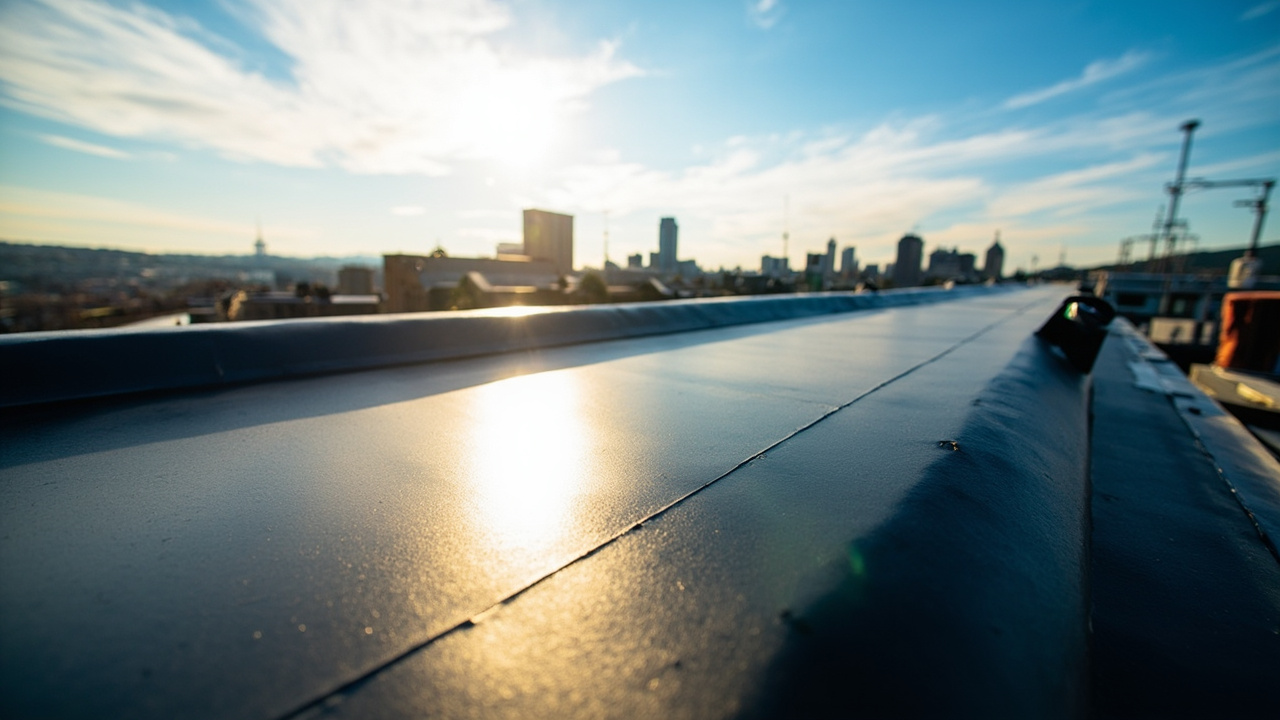
Pittsburgh's commercial buildings face brutal freeze-thaw cycles that destroy inferior roofing. When temperatures swing from 15 degrees in January to 85 in July, your roof expands and contracts constantly. Most roofing materials crack under this stress. EPDM rubber roofing survives because ethylene propylene diene monomer compounds remain flexible across extreme temperature ranges.

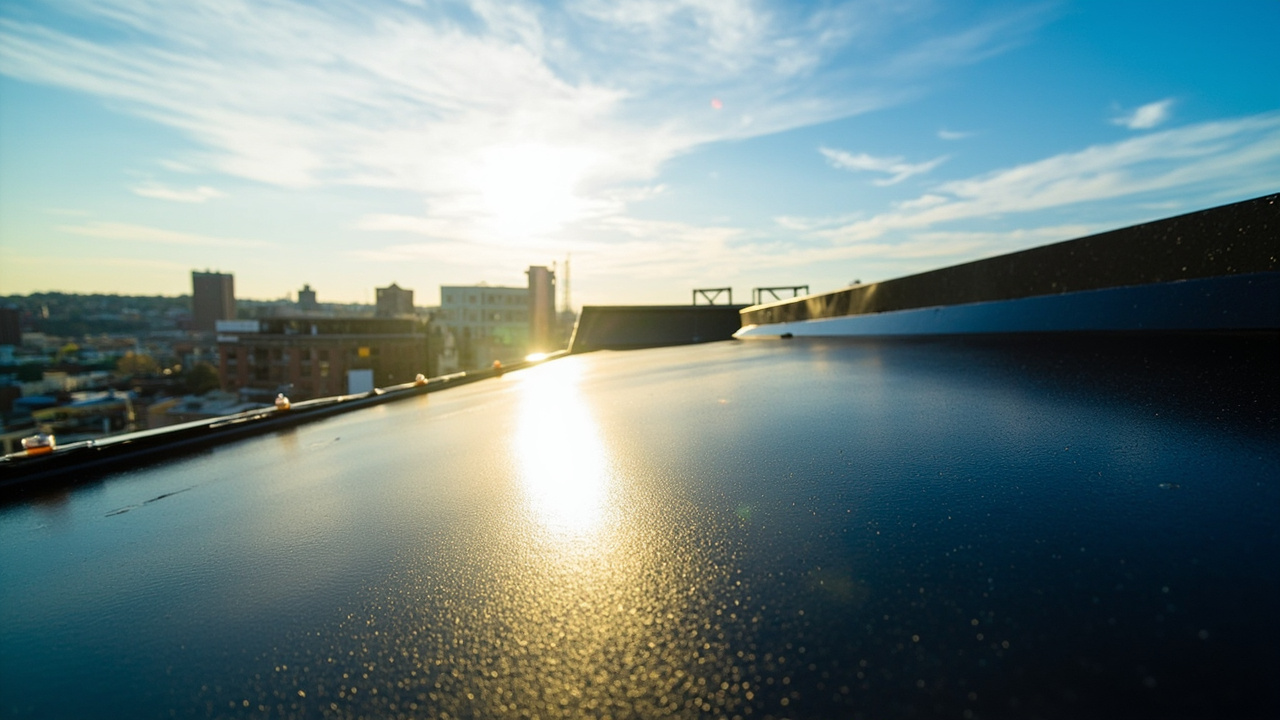
Your facility cannot afford downtime. A roof failure shuts down production, damages inventory, and triggers insurance nightmares. Single-ply rubber membrane systems prevent these disasters because they form a monolithic barrier with heat-welded seams that will not separate. Pittsburgh's industrial corridors along the Allegheny and Monongahela Rivers expose buildings to moisture-laden air year-round. EPDM roofing membrane resists water infiltration better than modified bitumen or built-up systems that absorb moisture and fail prematurely.

Commercial EPDM roof systems also handle Pittsburgh's unique architectural challenges. The strip district warehouses, Lawrenceville industrial buildings, and Oakland institutional facilities require roofing that adapts to irregular roof planes and penetrations. Synthetic rubber roofing installs around HVAC units, vents, and expansion joints without creating weak points. You get a roof that protects critical assets while meeting commercial building code requirements specific to Allegheny County.

The cost of emergency roof replacement during operations dwarfs planned installation expenses. EPDM membrane systems deliver 25-plus years of service when installed correctly, eliminating the budget chaos of premature replacement.

Why Pittsburgh Commercial Buildings Depend on EPDM Roofing Membrane Systems
How Victory Roofing Pittsburgh Engineers EPDM Systems for Commercial Performance

How Victory Roofing Pittsburgh Engineers EPDM Systems for Commercial Performance

We do not slap rubber sheets on your roof and call it done. Commercial EPDM roof systems require precise substrate preparation, attachment methodology selection, and seam integrity verification. Your building's structural capacity, insulation requirements, and drainage patterns determine the installation approach.

We start with roof deck analysis. Many Pittsburgh commercial buildings have aging structural decks that cannot support mechanical attachment without reinforcement. We calculate load distribution and identify weak zones before material delivery. This prevents mid-project discoveries that halt work and inflate costs.

Membrane attachment method matters more than most contractors admit. Ballasted systems work for some applications but create maintenance access problems. Fully adhered installations provide superior wind uplift resistance, which Pittsburgh needs given the wind shear that funnels through the river valleys. We use low-VOC bonding adhesives that cure properly in Pittsburgh's humidity levels, not generic products that fail inspection.

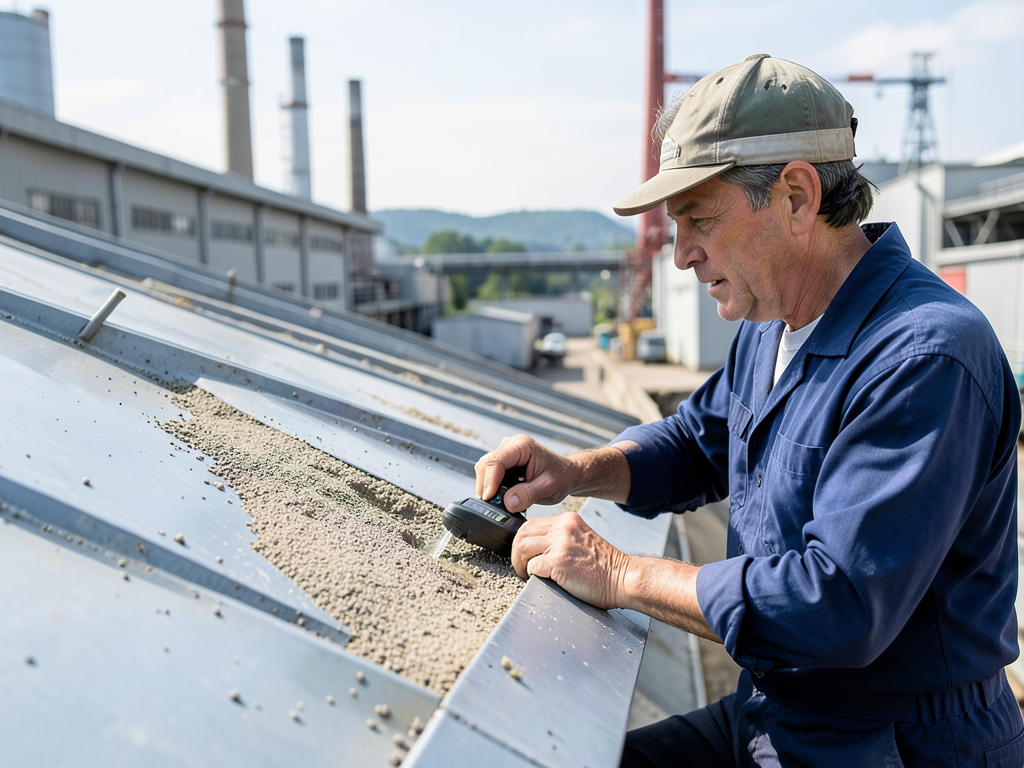
Seam welding separates professional installations from failures. EPDM roofing membrane requires hot-air welding at precise temperatures. Too cool and seams peel apart. Too hot and you burn through the material. We use calibrated welding equipment and verify every seam with probe testing before we leave your site.

Flashing details around penetrations cause most EPDM failures. We fabricate custom flashing boots for each pipe, vent, and equipment curb. Pre-formed boots create gaps where water enters. Our approach takes longer but eliminates callbacks for leak repairs that disrupt your operations. Synthetic rubber roofing performs only when installed with this level of precision.

What Happens During Your Commercial EPDM Installation

EPDM Rubber Roofing in Pittsburgh – Minimize Downtime with Industrial-Grade Single-Ply Membrane Systems
01

Site Assessment and Planning

We survey your roof after hours to avoid disrupting operations. Our team maps drainage patterns, identifies structural concerns, and photographs every penetration. You receive a detailed scope document that specifies materials, attachment method, and installation timeline. We coordinate with your facilities manager to schedule work around production cycles and deliveries, minimizing operational impact.
02

Membrane Installation

Installation crews arrive with all materials staged for continuous work. We strip existing failed roofing if necessary, inspect and repair the deck, then install insulation layers meeting your R-value requirements. EPDM membrane sheets are positioned, adhered or mechanically fastened based on your building's specifications, then seams are heat-welded. We maintain fall protection and containment systems to keep debris away from your loading docks and entries.
03

Quality Verification and Handoff

Every seam undergoes probe testing to verify watertight integrity. We flood test low areas and inspect all flashing transitions. You receive documentation including seam test results, material certifications, and thermal imaging if requested. Our team walks your facility manager through maintenance requirements and inspection intervals. The roof is ready for service before we demobilize equipment, with zero punch-list items delaying your operations.

Why Pittsburgh Facility Managers Choose Victory Roofing for EPDM Systems

Commercial roofing in Pittsburgh requires understanding the International Building Code as adopted by Allegheny County, including wind load requirements and fire rating mandates. Many roofing contractors learn these codes only after failing inspection. We design every EPDM installation to pass inspection the first time because failed inspections delay your project and expose your facility to weather damage.

Pittsburgh's commercial districts have specific challenges. The strip district's old warehouses need roofing that installs without disrupting tenant operations. Lawrenceville's mixed-use buildings require fire-rated assemblies that meet proximity requirements. Oakland's institutional buildings demand systems compatible with existing green roof sections or planned solar arrays. We have installed single-ply rubber membrane systems across all these environments.

You need a contractor with the crew capacity to complete installation without dragging the project across months. Small residential roofing companies cannot staff commercial projects properly. We maintain dedicated commercial crews who work on your timeline, not when they can squeeze you between house jobs. This matters when you have a weather window or a scheduled shutdown period.

Material sourcing creates problems for contractors who lack supplier relationships. EPDM roofing membrane has lead times, especially for large orders or specific thicknesses. We maintain supplier agreements that guarantee material availability and consistent pricing. You will not face mid-project cost increases because your contractor underestimated material needs or chose a supplier who cannot deliver.

Our approach eliminates the business continuity risks that come with roof replacement. We understand you cannot shut down operations for roofing work. Everything we do focuses on keeping your business running while we install a roof system that will not require emergency repairs or premature replacement.

What Your Commercial EPDM Installation Includes

Project Timeline and Scheduling

Commercial EPDM installations typically require one to three weeks depending on building size and complexity. We provide a detailed schedule before work begins, including daily start times, noise periods, and areas that will be inaccessible. Our project managers communicate daily with your facilities team about progress and any adjustments needed. We schedule critical phases like tear-off during your lowest activity periods. Weather delays are communicated immediately with revised completion dates. You know exactly when your roof will be finished and ready for service.

Pre-Installation Assessment Process

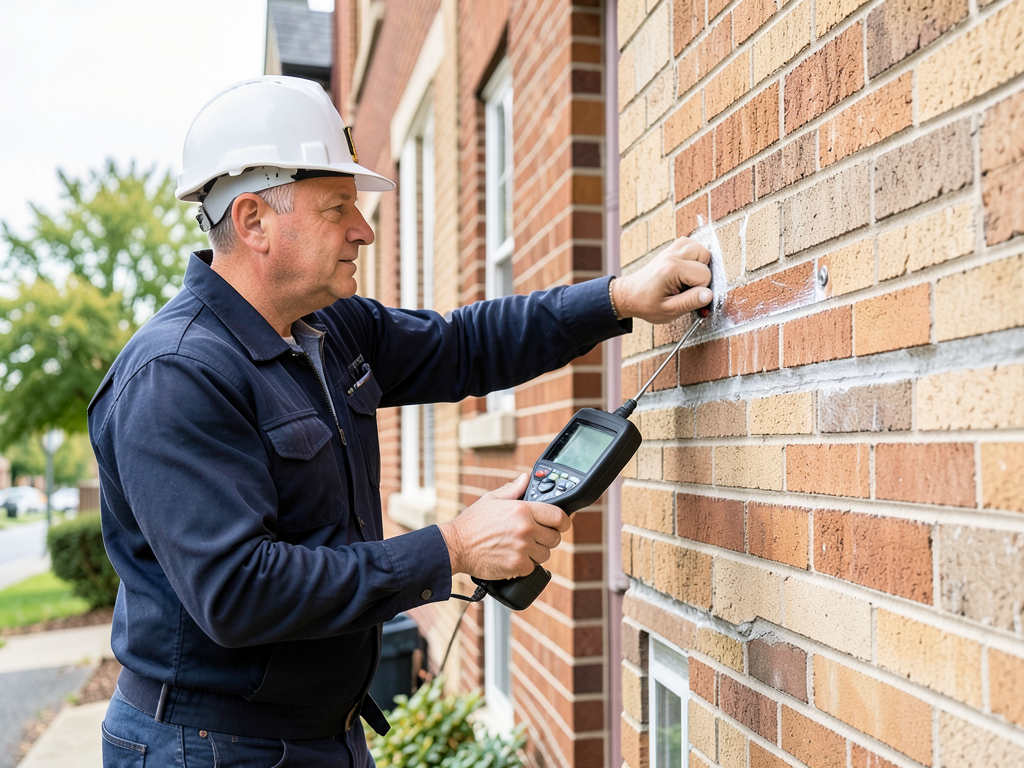
Our initial assessment includes structural load analysis, existing roof condition documentation, and drainage evaluation. We use thermal imaging to identify hidden moisture in the existing system, which prevents installing new membrane over compromised substrate. You receive a written report detailing findings and recommended solutions before any work begins. We identify code compliance issues early so there are no surprises during permit review. The assessment also includes coordination requirements for your HVAC equipment, utilities, and building access needs during installation.

Installation Quality and Performance

You get a fully sealed, watertight roof system with verified seam integrity across every joint. All penetrations are properly flashed with custom-fabricated boots that match your equipment. The installation includes proper insulation layers to meet energy code requirements and edge securement that resists wind uplift. Drainage paths are verified to eliminate ponding water that degrades membrane life. Your roof will pass Allegheny County building inspection without callbacks or corrections. The system is ready for immediate service with documentation for your facility records and insurance requirements.

Post-Installation Support and Maintenance

We provide detailed maintenance guidelines specific to your EPDM system, including inspection intervals and drainage clearing procedures. Your facilities team receives training on identifying early warning signs of problems like seam separation or flashing issues. We offer scheduled maintenance programs that include biannual inspections, debris removal, and minor repairs before they become major problems. Emergency repair response is available when unexpected damage occurs from equipment installation or storm events. Proper maintenance extends your EPDM roof system beyond its expected service life, protecting your investment and avoiding premature replacement costs.

Frequently Asked Questions

You Have Questions,
We Have Answers

What are the disadvantages of EPDM rubber? +

EPDM rubber roofing has three main drawbacks for commercial properties in Pittsburgh. First, seams are vulnerable points. Improper adhesive application or thermal cycling from our freeze-thaw winters can cause seam separation. Second, puncture resistance is lower than TPO or modified bitumen. Rooftop HVAC units and foot traffic require walkway pads to prevent damage. Third, black EPDM absorbs heat, which increases cooling costs during Pittsburgh summers. While white EPDM exists, it costs more and offers less UV resistance. For warehouse or industrial applications, these factors affect long-term operating expenses and maintenance budgets.

What is EPDM rubber roofing? +

EPDM rubber roofing is a synthetic rubber membrane used on low-slope and flat commercial roofs. The material is ethylene propylene diene monomer, a thermoset polymer that resists UV degradation and weathering. EPDM comes in black or white sheets, typically 10 to 50 feet wide, reducing the number of seams. It performs well in Pittsburgh's temperature swings because it stays flexible in cold weather and resists thermal shock. Commercial building owners choose EPDM for office buildings, warehouses, and retail centers because of its lower installed cost compared to other single-ply membranes and proven track record since the 1960s.

What are common problems with EPDM roofs? +

EPDM roofs in Pittsburgh commonly fail at seams, flashings, and penetrations. Seam tape can lift due to improper surface preparation or moisture infiltration during installation. Ponding water accelerates membrane degradation, especially on roofs with inadequate drainage. Pittsburgh's freeze-thaw cycles stress the material where it meets roof edges and curbs. Punctures from maintenance crews or falling tree branches create leak points. Shrinkage occurs over time, pulling the membrane away from termination bars and exposing the building envelope. Aging adhesives lose bond strength, causing blistering and billowing. Commercial property managers should schedule annual inspections to catch these issues before water reaches the deck.

Does EPDM have to be glued down? +

EPDM does not have to be fully glued down. You have three attachment options: fully adhered, mechanically attached, or ballasted. Fully adhered systems use bonding adhesive across the entire membrane and deck, providing maximum wind uplift resistance for Pittsburgh's variable weather patterns. Mechanically attached systems use plates and fasteners at intervals, reducing installation time and costs. Ballasted systems rely on stone or pavers to hold the membrane in place but require structural capacity for the added weight. Local building codes and wind zone requirements determine which method meets your commercial property needs. Roof slope and deck type also factor into the decision.

Can EPDM be installed directly on plywood? +

EPDM can be installed directly on plywood with proper preparation. The plywood deck must be minimum half-inch exterior grade, properly fastened, and meet structural load requirements. You must install a slip sheet or cover board between the plywood and EPDM to prevent adhesive degradation and provide thermal protection. Pittsburgh's humidity fluctuates seasonally, so moisture content in the plywood must be below 20 percent before installation to prevent deck movement that stresses the membrane. Most commercial applications use rigid insulation over the plywood rather than direct application. This provides R-value for energy codes and a stable substrate for better membrane performance.

What is the life expectancy of an EPDM roof? +

An EPDM roof lasts 20 to 30 years with proper installation and maintenance. Pittsburgh's climate affects longevity because freeze-thaw cycles stress seams and flashings. Black EPDM exposed to constant UV degradation may show surface chalking after 15 years but remains functional. Commercial buildings with regular roof inspections and proactive seam maintenance reach the upper end of the lifespan. Ponding water, foot traffic without protection, and deferred maintenance reduce life expectancy. Membrane thickness matters. A 60-mil EPDM roof outlasts a 45-mil installation in high-traffic applications. Factor in lifecycle costs when comparing EPDM to TPO or modified bitumen for your facility.

What do you put under EPDM roofing? +

Under EPDM roofing, you install rigid insulation boards, a cover board, and sometimes a vapor retarder. Polyisocyanurate insulation is common for commercial roofs in Pittsburgh because it provides high R-value per inch, meeting energy code requirements. The cover board, typically half-inch gypsum or high-density fiberboard, protects the insulation from punctures and provides a smooth surface for membrane adhesion. On existing roofs with moisture concerns, a vapor retarder prevents condensation from migrating into the insulation layer during winter. The insulation must be mechanically fastened to the deck per wind uplift calculations. Proper layering ensures thermal performance and extends membrane life.

Can I walk on an EPDM roof? +

You can walk on an EPDM roof, but you must use caution. The membrane surface becomes slippery when wet, which is a safety concern during Pittsburgh's frequent rain. Wear soft-soled shoes to prevent punctures. Avoid dragging tools or equipment that can tear the rubber. For commercial buildings with regular rooftop access for HVAC maintenance, install protective walkway pads along travel paths. These pads distribute weight and protect the membrane from abrasion. Gravel or pavers on ballasted systems provide safer walking surfaces. Winter ice creates additional slip hazards. Never walk on EPDM during freezing conditions without proper safety equipment and fall protection.

What thickness of EPDM is best? +

For commercial applications in Pittsburgh, 60-mil EPDM is best. This thickness provides puncture resistance for rooftop equipment and maintenance traffic. It costs more than 45-mil membrane but reduces leak risk and extends service life. Low-traffic warehouse roofs can use 45-mil if you install protective walkway pads near HVAC units and roof drains. Some commercial properties specify 75-mil or 90-mil EPDM for extreme durability, but the cost rarely justifies the marginal performance gain. Consider your specific use case. Buildings with frequent rooftop access, heavy equipment, or exposed locations need thicker membranes. Balance upfront costs against long-term maintenance expenses and business interruption risks.

Why do insurance companies not like flat roofs? +

Insurance companies view flat roofs as higher risk because they retain water longer than sloped roofs. Ponding water accelerates membrane deterioration and increases leak probability, which leads to more claims. Pittsburgh's snow loads add stress to flat roof structures, raising collapse concerns. Flat roofs require more maintenance and inspection than pitched roofs, but commercial property owners often defer this work. When leaks occur, water spreads laterally across the deck before entering the building, causing extensive damage before detection. Some insurers charge higher premiums or exclude flat roofs from coverage. Regular maintenance documentation and proactive repairs help reduce premiums and maintain insurability.

How Pittsburgh's Industrial Legacy Shapes Commercial EPDM Roofing Requirements

Pittsburgh's transition from steel production to technology and healthcare left thousands of repurposed industrial buildings with aging roof systems. These structures in the strip district, Bloomfield, and Lawrenceville have roof decks designed for heavy industrial loads but often lack proper insulation or waterproofing. EPDM roofing membrane adapts to these buildings because it installs over irregular substrates without requiring complete structural replacement. The flexibility of ethylene propylene diene monomer compounds accommodates the settling and shifting common in century-old buildings along the rivers. Single-ply rubber membrane systems also meet the fire rating requirements for buildings transitioning to higher occupancy classifications as mixed-use development spreads through former manufacturing zones.

Allegheny County enforces strict stormwater management requirements that affect commercial roof design. Your EPDM installation must accommodate drainage systems that meet municipal separate storm sewer system regulations. Victory Roofing Pittsburgh works with local engineers to ensure roof drainage integrates with your site's stormwater management plan. We understand the permit process through the county's Department of Public Works and coordinate inspections to keep projects on schedule. Our crews know Pittsburgh's commercial roofing contractors and building inspectors, which eliminates the delays that out-of-area contractors face when navigating local requirements.
Roofing Services in The Pittsburgh Area

We are proud to serve the entire Pittsburgh metropolitan area and surrounding communities. Use the interactive map below to easily locate our office or visualize our extensive service region, which includes every neighborhood from the North Shore to the South Hills. We are locally committed and ready to bring our award-winning, trusted roofing expertise right to your specific location for any inspection, repair, or full installation project. We look forward to meeting you and securing your valuable property!

Address:
Victory Roofing Pittsburgh, 500 Grant St, Pittsburgh, PA, 15219

Additional Services We Offer

Our news updates

Latest Articles & News from The Blogs

Why You Should Repair Your Bellevue Wrap-Around Porch Roof Now Your Bellevue wrap-around porch isn't just a charming architectural feature—it's…

Why You Should Repair Your Bellevue Wrap-Around Porch Roof Now

Why You Should Repair Your Bellevue Wrap-Around Porch Roof Now Your Bellevue wrap-around porch isn't just a charming architectural feature—it's…

Restoring the Historic Beauty of Manchester North Side Roofs

Restoring the Historic Beauty of Manchester North Side Roofs Manchester’s historic North Side is home to some of Pittsburgh’s most…

The Hidden Risks of Shingle Overlays for Whitehall Homeowners

The Hidden Risks of Shingle Overlays for Whitehall Homeowners \n\n Thinking about saving money with a shingle overlay on your…

Contact Us

Your commercial building needs roofing that keeps operations running without interruption. Victory Roofing Pittsburgh delivers EPDM systems engineered for Pittsburgh's climate and your facility's specific requirements. Call (878) 209-5522 now to schedule your site assessment and receive a detailed installation proposal.