menu

Blistering Shingles in Pittsburgh – Expert Diagnosis Stops Roof Failure Before It Spreads

Those mysterious bubbles and blisters on your asphalt shingles signal trapped moisture or manufacturing defects that compromise your roof's waterproofing. Victory Roofing Pittsburgh identifies the root cause and repairs blistering shingles before they crack open and expose your decking to Pittsburgh's freeze-thaw cycles.

Slider Image 1
Slider Image 2
Slider Image 3
Slider Image 4
Slider Image 5
Slider Image 7
Slider Image 8
Slider Image 9
Slider Image 10
Slider Image 11

Why Pittsburgh Roofs Develop Shingle Blisters and Bubbles

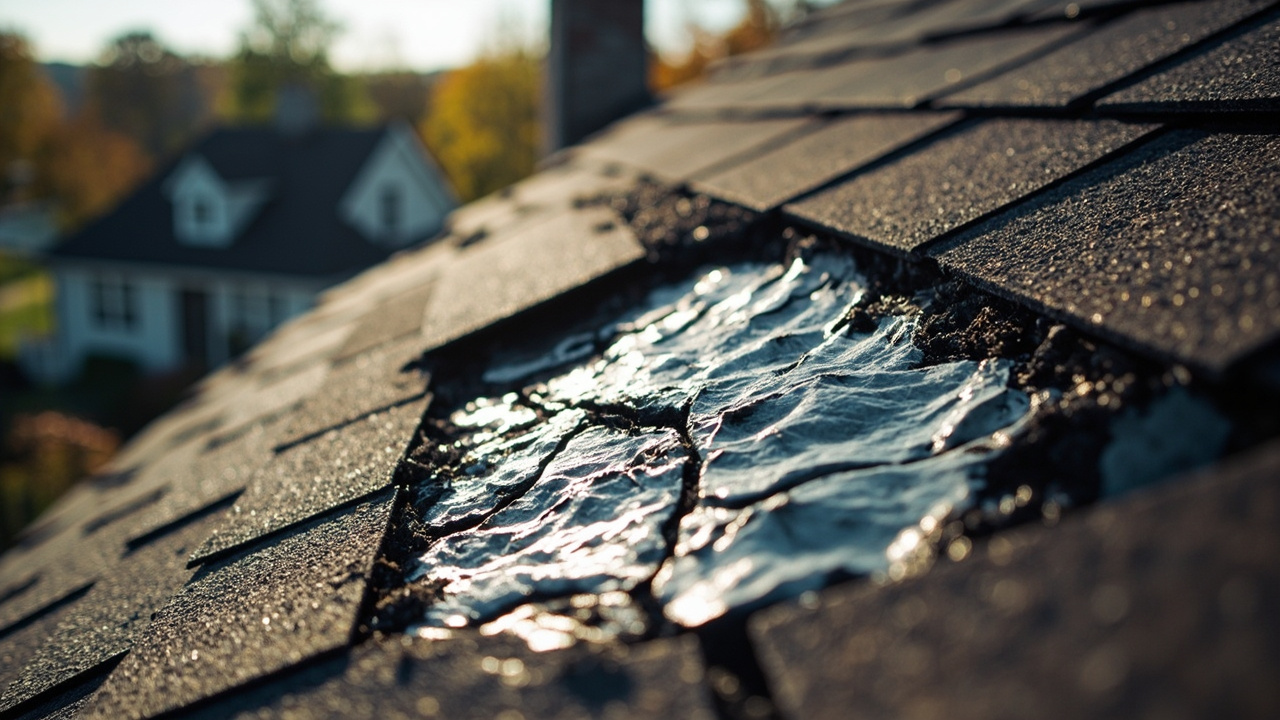
You notice raised bumps scattered across your roof. They look harmless at first, but those asphalt shingle blisters are warning signs of deeper problems. Roof blisters form when moisture or air gets trapped between the shingle layers during installation or when manufacturing defects create weak points in the asphalt coating.

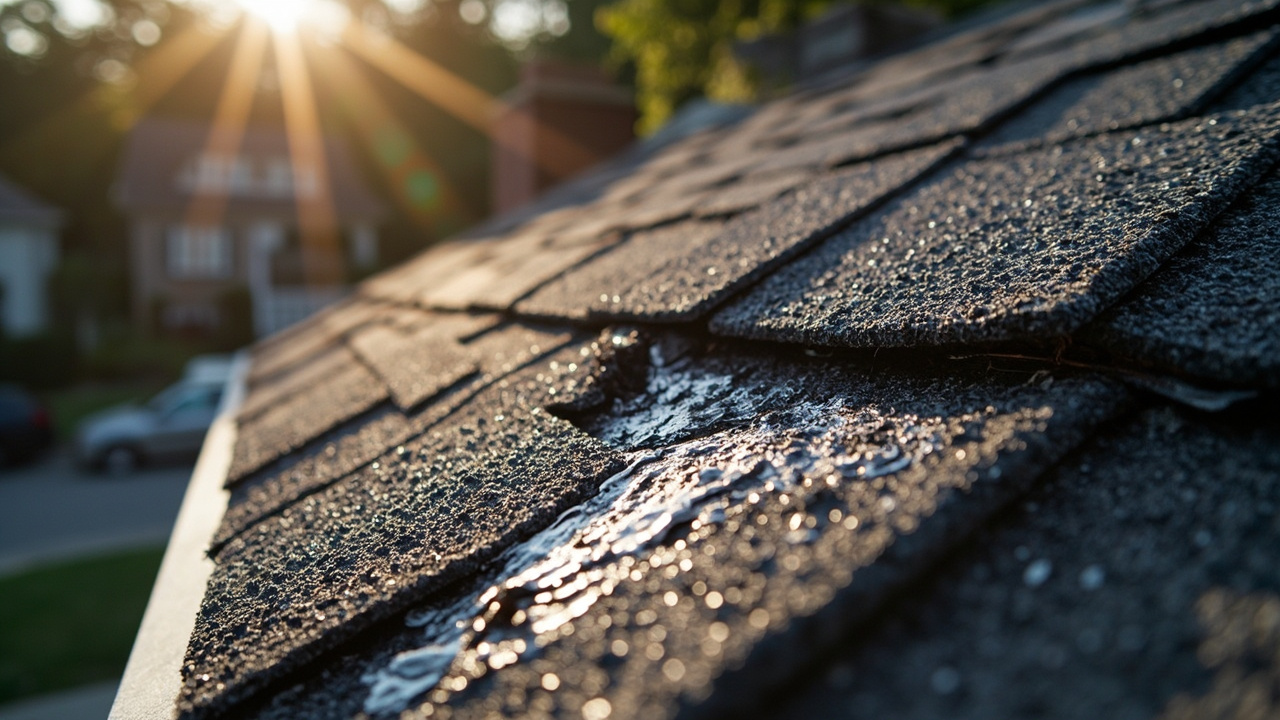
Pittsburgh's climate makes bubbling roof shingles worse. Summer heat causes the trapped moisture to expand, creating shingle bubbles that rise like small volcanoes on your roof surface. Winter arrives, temperatures plummet, and those same blisters contract. The freeze-thaw cycles that define Pittsburgh winters stress the already weakened shingle material. Each cycle pushes those heat blisters on shingles closer to rupture.

When blisters break open, they expose the granule-free asphalt underneath. Water penetrates directly into the mat. The shingle loses its ability to shed water. The exposed area deteriorates rapidly. What started as a cosmetic issue becomes a leak pathway.

The problem spreads faster on south-facing slopes where sun exposure intensifies. Heat buildup in poorly ventilated attics accelerates blister formation from the underside. Homes in Squirrel Hill, Shadyside, and Mount Washington with older ventilation systems see this problem more often. The steep roof pitches common in Pittsburgh's historic neighborhoods trap heat, creating ideal conditions for shingle blisters to multiply.

You cannot fix roof blisters with sealant. The trapped moisture remains. The problem continues underneath. Proper diagnosis requires understanding whether the blisters stem from installation errors, ventilation failures, or defective shingles. Each cause demands a different repair approach.

Why Pittsburgh Roofs Develop Shingle Blisters and Bubbles
How We Diagnose and Repair Blistering Shingles Correctly

How We Diagnose and Repair Blistering Shingles Correctly

We start with attic ventilation analysis. Inadequate soffit intake or ridge exhaust creates heat pockets that cook shingles from below. We measure attic temperatures and check ventilation ratios against your roof square footage. Most blister problems trace back to airflow restriction.

Next comes shingle examination. We cut into a representative blister to determine what caused it. Moisture blisters show water staining and feel damp inside. Air blisters appear dry but indicate poor shingle adhesion during manufacturing. We photograph the cross-section and check the manufacturing date stamped on the back of the shingle. Certain production runs from specific years have known defect patterns.

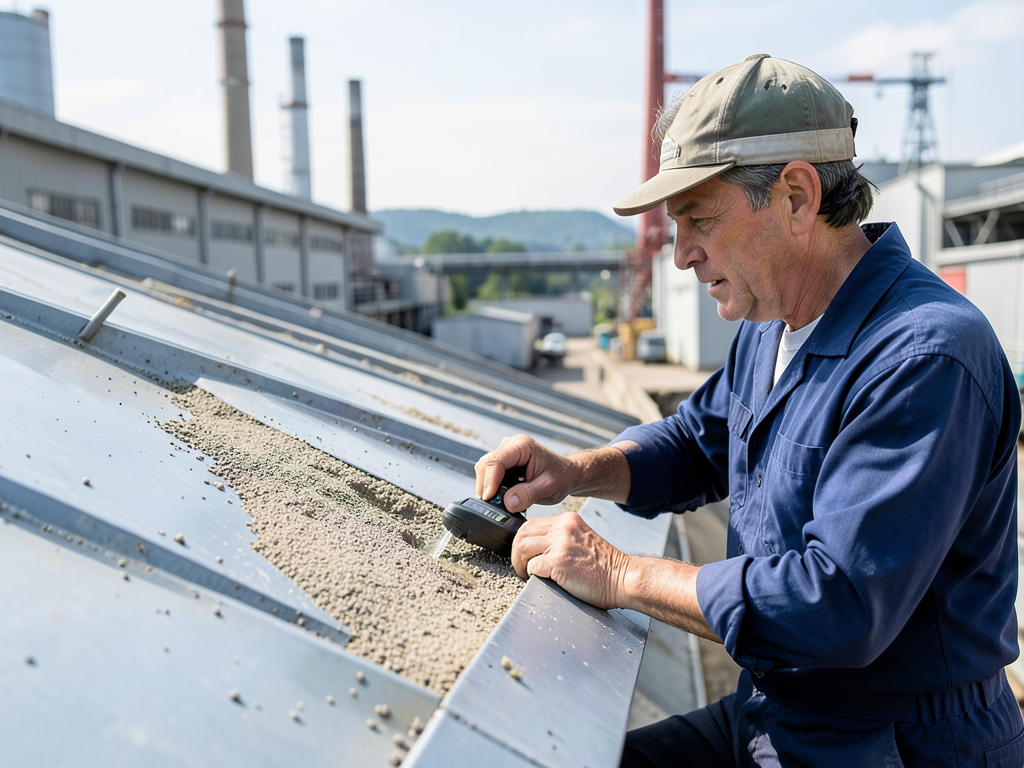
We inspect the decking for moisture damage. Blisters often cluster above areas where condensation forms on the underside of roof sheathing. We use moisture meters to map wet zones. If the decking shows soft spots or mold growth, we mark those sections for replacement during repair.

The repair strategy depends on the diagnosis. For ventilation-caused blisters, we add intake vents at the soffits and install ridge vents to create continuous airflow. We replace the affected shingles after fixing the ventilation problem. For manufacturing defects, we document the issue for potential warranty claims and replace the defective shingles with current production runs that lack the flaw.

We never simply patch over blisters. The underlying cause remains active. More blisters will appear. We address the root problem, whether it involves airflow correction, moisture barrier upgrades, or full shingle replacement. The solution must stop blister formation, not hide existing damage. Victory Roofing Pittsburgh uses thermal imaging to verify that repairs have eliminated the heat or moisture patterns that created the blisters initially.

What Happens During Your Blister Repair

Blistering Shingles in Pittsburgh – Expert Diagnosis Stops Roof Failure Before It Spreads
01

Ventilation and Moisture Testing

We access your attic to measure temperature differentials and check insulation contact with the roof deck. Blocked soffit vents get cleared. We calculate your net free ventilation area and compare it to building code requirements. Moisture meters scan the decking at blister locations to map wet areas. This diagnostic phase takes 45 minutes to an hour and determines whether your blisters stem from heat buildup, condensation, or shingle defects.
02

Blister Analysis and Documentation

We carefully remove a sample blister to examine the interior structure. The cross-section reveals whether moisture or air caused the separation. We photograph the shingle backing to record the manufacturing date and check for known defect patterns from that production period. If multiple blisters show identical characteristics, we document the pattern for potential manufacturer warranty coverage. This analysis determines whether you need targeted repairs or full shingle replacement.
03

Targeted Repair and Prevention

We replace damaged shingles and address the root cause. New soffit or ridge vents get installed if ventilation caused the problem. Moisture barriers receive upgrades in areas where condensation damaged the decking. We replace any soft or stained sheathing before installing new shingles. The repair includes thermal imaging verification that heat patterns have normalized. You receive documentation showing before and after conditions, plus photos of ventilation improvements or warranty claim submissions if applicable.

Why Pittsburgh Homeowners Choose Victory Roofing for Blister Repairs

Generic roofers see blisters and immediately quote full replacements. We investigate why the blisters formed. Pittsburgh's housing stock includes homes from the 1920s through modern construction. Each era used different ventilation standards and shingle types. We know which neighborhoods have clay tile underlayment that traps moisture. We recognize when older homes lack proper soffit vents because they were built before modern attic ventilation codes.

Our diagnostic approach saves you money when full replacement is unnecessary. A ventilation fix and targeted shingle replacement often solves the problem for a fraction of replacement cost. We show you the evidence. You see the moisture readings, the thermal images, and the blister cross-sections. You make informed decisions based on facts, not fear.

We understand Pittsburgh's freeze-thaw cycles and how they accelerate blister deterioration. The repair timeline matters. Blisters that sit through another winter will crack open. Water gets in. Decking rots. The repair cost multiplies. We prioritize blister repairs before winter hits because we have seen what happens when homeowners delay.

Our familiarity with local shingle suppliers means we can match your existing roof color and style when replacing sections. We stock common profiles used throughout Pittsburgh neighborhoods. You do not wait weeks for special orders. We handle the repair quickly and the patched area blends invisibly with your existing roof.

We work with insurance adjusters regularly. Many policies cover blister damage when manufacturing defects or storm damage caused the problem. We document everything needed for claims. We know what adjusters look for. We photograph the evidence and provide written reports that support your claim. You get professional advocacy throughout the process.

What to Expect When We Fix Your Blistered Shingles

Fast Response and Scheduling

We schedule your inspection within 48 hours of your call. The diagnostic visit takes about an hour. You receive a written assessment the same day explaining what caused the blisters and what repair options you have. Most blister repairs happen within a week of diagnosis. We check weather forecasts carefully because shingle work requires dry conditions and moderate temperatures for proper adhesive activation. Emergency repairs for ruptured blisters that are actively leaking get same-day temporary protection followed by permanent repair when conditions allow.

Thorough Diagnostic Process

Our inspection includes attic access, ventilation measurement, moisture scanning, and shingle sample analysis. We take photos of every finding. You see exactly what we see. We explain the difference between cosmetic blisters that pose no immediate threat and critical blisters that will fail soon. We mark affected areas on a roof diagram so you understand the scope. If manufacturing defects appear responsible, we pull warranty information and explain your coverage options. The goal is complete transparency about your roof's condition and what each repair option accomplishes.

Quality Repair Execution

We replace damaged shingles using the proper nail pattern and adhesive application. Each replacement shingle gets sealed to adjacent shingles to prevent wind uplift. Ventilation improvements follow manufacturer specifications and building code requirements. We verify adequate airflow before completing the job. All debris gets removed daily. We use tarps to protect landscaping and magnetic sweepers to clear nails from driveways. The repair site looks clean when we finish. You receive photos showing completed work and documentation of all improvements made to prevent future blisters.

Post-Repair Monitoring Guidance

We schedule a follow-up inspection six months after repair to verify the problem has not returned. This visit checks that new blisters have not formed and confirms ventilation improvements are functioning properly. You receive guidance on what to watch for during seasonal transitions. We explain which signs indicate normal aging versus recurring problems. If you spot new concerns between inspections, we return to assess them at no charge during the first year. Material warranties transfer with documentation showing proper installation. You get written records of all work performed for future reference or resale purposes.

Frequently Asked Questions

You Have Questions,
We Have Answers

What does shingle blistering look like? +

Shingle blistering appears as raised bubbles or bumps on the asphalt surface. You will see circular or oblong pockets that look swollen, often with a darker or lighter color than the surrounding material. Some blisters stay intact while others rupture, leaving a concave divot that exposes granule loss. In Pittsburgh's humid climate, moisture trapped during manufacturing or installation accelerates this issue. Check your roof from ground level with binoculars or safely inspect up close. Multiple blisters signal a manufacturing defect or installation error that needs professional evaluation before water penetration damages your deck.

What does it mean when shingles blister? +

Blistering means trapped moisture or air expanded inside the shingle layers. During manufacturing, residual moisture gets sealed between asphalt layers. When Pittsburgh's summer heat hits your roof, that moisture turns to vapor and creates pressure pockets. Poor attic ventilation makes this worse by trapping excessive heat underneath. Blisters weaken the shingle structure and compromise waterproofing. Once the blister breaks, granules wash away and expose the asphalt mat to UV damage and water infiltration. This accelerates aging and creates leak points. Address the ventilation issue and evaluate whether your shingles have a manufacturing defect warranty claim.

What stage of shingles are blisters? +

Blistering happens early in the shingle lifecycle, often within the first few years after installation. You might notice blisters during the initial curing phase when trapped moisture reacts to heat cycles. In Pittsburgh, temperature swings between cold winters and hot summers stress new shingles. Manufacturing defects show up quickly, while ventilation-related blistering develops gradually. This differs from normal aging, which shows granule loss and curling after 15 years. Early blistering indicates a problem that will worsen. Do not confuse this with end-of-life deterioration. Get a professional inspection to determine if installation errors or defective materials caused premature failure before your warranty expires.

Should I put anything on shingles blisters? +

Do not apply sealants or coatings to blistered shingles. These products trap more moisture and make the problem worse. You cannot reverse blister damage with topical fixes. Intact blisters may hold temporarily, but ruptured ones need replacement. In Pittsburgh's climate, freeze-thaw cycles will expand existing damage. A roofing professional should assess the extent of blistering and check your attic ventilation. If only a few shingles show damage, spot replacement works. Widespread blistering means systemic failure requiring full evaluation. Focus on identifying the root cause, whether poor ventilation, installation error, or manufacturing defect. Proper diagnosis prevents recurring problems after repair.

What do shingle blisters look like? +

Shingle blisters look like raised bubbles ranging from quarter-size to several inches across. The surface bulges upward, creating a dome shape that stands out from the flat shingle plane. Color often differs slightly, appearing lighter or darker than surrounding areas. Some blisters stay sealed while others break open, leaving a crater with exposed black asphalt and missing granules. Pittsburgh homeowners often spot them after storms when granule wash-off becomes visible in gutters. From the ground, multiple blisters create an uneven texture pattern across roof sections. Close inspection reveals the layered separation inside the shingle where trapped moisture caused delamination between asphalt and mat.

Will shingle blisters go away? +

Blisters do not heal or disappear. Once formed, they remain permanent structural defects. Intact blisters may last months or years before rupturing, but they weaken shingle integrity immediately. Pittsburgh's weather accelerates deterioration through freeze-thaw cycles and thermal expansion. When blisters break, you lose protective granules and expose the asphalt layer to UV rays and moisture. This creates leak points and speeds up surrounding shingle failure. Ignoring blisters leads to deck rot and interior water damage costing thousands more than early intervention. Get a professional assessment to determine if spot repairs suffice or if widespread blistering requires broader action before water penetrates your home.

What can be mistaken for shingles blisters? +

Hail damage looks similar but creates random dents rather than uniform bubbles. Impact marks show crushed granules in circular patterns without the raised profile of blisters. Algae growth creates dark streaks that homeowners sometimes mistake for ruptured blisters, but algae stays flat. Thermal splitting causes linear cracks, not rounded pockets. Delamination from age creates loose, peeling layers but lacks the bubble formation. In Pittsburgh, ice dam damage leaves irregular tears along roof edges, different from the symmetric blister pattern. Wind damage lifts shingle edges but does not create internal pockets. A trained inspector identifies the true cause by examining pattern, location, and damage characteristics.

How contagious are shingles blisters? +

Roof shingle blisters are not contagious. This is a roofing material defect, not a medical condition. Confusion arises from the herpes zoster virus that causes skin blisters called shingles. Those medical blisters spread through direct contact with fluid from open sores. Asphalt roof blisters result from manufacturing defects, trapped moisture, or poor ventilation. They cannot spread to other shingles through contact. However, the underlying cause, like inadequate attic ventilation affecting your entire Pittsburgh home, can damage multiple shingles simultaneously. If you see widespread blistering, the problem is systemic installation or material failure, not one shingle infecting others. Address the root cause affecting your whole roof system.

What home remedies soothe shingles blisters? +

No home remedies fix blistered roof shingles. This is structural failure requiring professional repair or replacement. Do not attempt DIY sealants, tar patches, or roof coatings. These trap additional moisture and void manufacturer warranties. Unlike medical shingles that respond to antiviral medication and cool compresses, asphalt shingle damage needs mechanical intervention. Pittsburgh's humidity makes moisture problems worse when covered improperly. Improve attic ventilation to prevent future blistering, but existing damage stays permanent. Focus on proper diagnosis and professional repair. Temporary tarps protect against active leaks during storms, but schedule inspection quickly. Delaying professional assessment leads to deck rot and interior damage costing significantly more than prompt shingle replacement.

How long do shingles take to turn into blisters? +

Manufacturing-related blisters appear within months to two years after installation as trapped moisture reacts to heat. Ventilation-caused blistering develops over two to five years as poor airflow creates chronic overheating. Pittsburgh's temperature extremes accelerate the timeline compared to milder climates. You will not see blisters form overnight. The process requires repeated heating cycles that expand trapped moisture or air pockets until the shingle surface lifts. Summer months show the most activity when attic temperatures exceed 150 degrees. Winter freeze-thaw cycles then rupture weakened blisters. Early detection during routine inspections catches problems before widespread failure occurs. Schedule annual roof checks to identify blistering before it compromises waterproofing.

How Pittsburgh's Temperature Swings Accelerate Shingle Blister Damage

Pittsburgh experiences 40-degree temperature swings during spring and fall transitions. Your roof hits 140 degrees on a sunny May afternoon, then drops to 50 degrees overnight. These rapid cycles cause asphalt shingles to expand and contract repeatedly. Existing blisters grow larger with each heat cycle as trapped moisture vaporizes and expands. When temperatures crash overnight, the condensed moisture freezes if conditions are cold enough. Ice formation inside a blister tears the shingle layers apart from within. The Allegheny River valley creates microclimates where fog and morning dew add moisture exposure that exacerbates blister formation in neighborhoods along the water.

Roofing Services in The Pittsburgh Area

We are proud to serve the entire Pittsburgh metropolitan area and surrounding communities. Use the interactive map below to easily locate our office or visualize our extensive service region, which includes every neighborhood from the North Shore to the South Hills. We are locally committed and ready to bring our award-winning, trusted roofing expertise right to your specific location for any inspection, repair, or full installation project. We look forward to meeting you and securing your valuable property!

Address:
Victory Roofing Pittsburgh, 500 Grant St, Pittsburgh, PA, 15219

Additional Services We Offer

Our news updates

Latest Articles & News from The Blogs

Why You Should Repair Your Bellevue Wrap-Around Porch Roof Now Your Bellevue wrap-around porch isn't just a charming architectural feature—it's…

Why You Should Repair Your Bellevue Wrap-Around Porch Roof Now

Why You Should Repair Your Bellevue Wrap-Around Porch Roof Now Your Bellevue wrap-around porch isn't just a charming architectural feature—it's…

Restoring the Historic Beauty of Manchester North Side Roofs

Restoring the Historic Beauty of Manchester North Side Roofs Manchester’s historic North Side is home to some of Pittsburgh’s most…

The Hidden Risks of Shingle Overlays for Whitehall Homeowners

The Hidden Risks of Shingle Overlays for Whitehall Homeowners \n\n Thinking about saving money with a shingle overlay on your…

Contact Us

Those bubbles on your shingles will rupture. Call Victory Roofing Pittsburgh at (878) 209-5522 now for same-week diagnosis. We identify what caused your blisters and fix the problem correctly. No guesswork, no unnecessary replacements, just expert repairs that last.