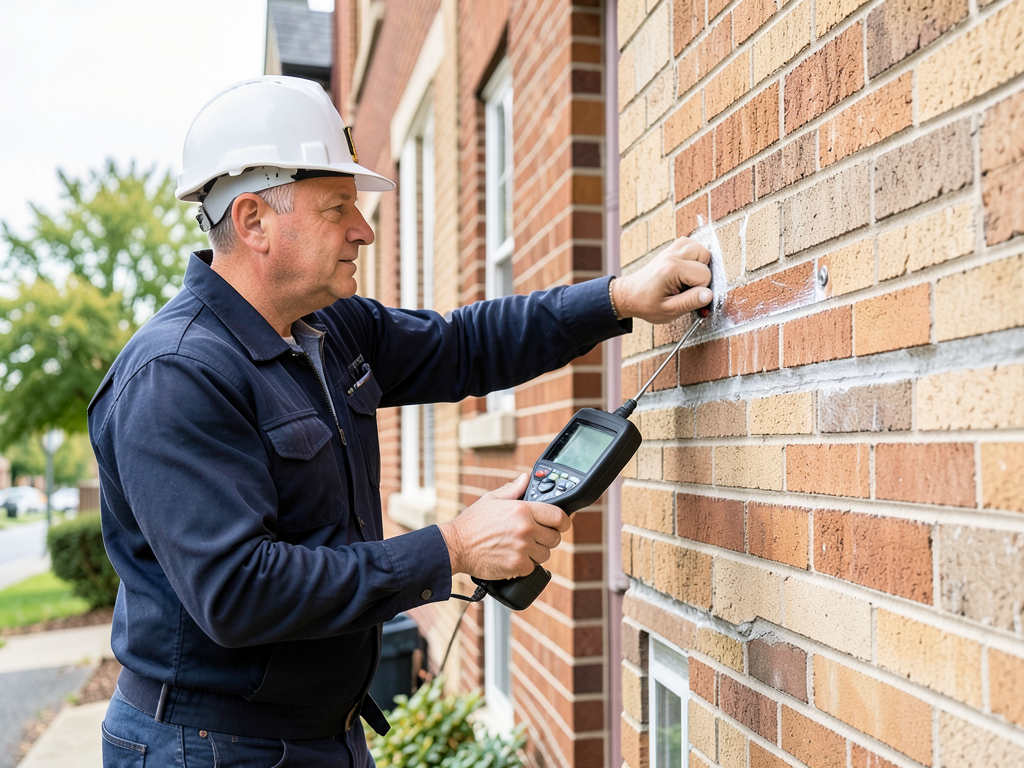




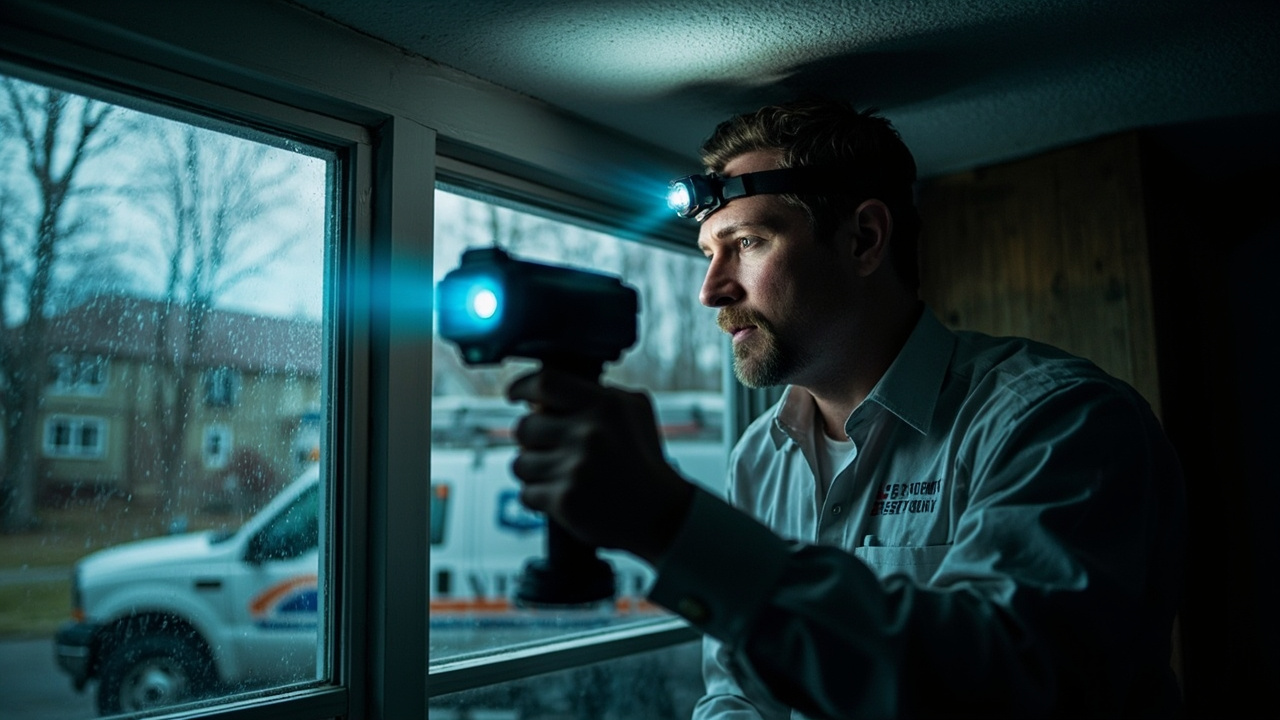

Pittsburgh receives 38 inches of precipitation annually, spread across 140 rainy days. Our weather patterns deliver heavy spring downpours, summer thunderstorms, and winter freeze-thaw cycles that test every roof system. The Allegheny and Monongahela rivers create humidity that accelerates wood rot once water breaches your roof deck. Ice dams form along north-facing eaves when temperatures swing between 15 and 35 degrees during January and February. These dams force meltwater under shingles, bypassing the barrier that normally sheds rain. Emergency roof leak tracing becomes essential because Pittsburgh's climate expands small problems into structural damage within weeks. Delayed detection means compromised rafters, soaked insulation that never fully dries, and mold growth that requires remediation. Same day roof leak detection stops the cascade before it destroys your attic space.
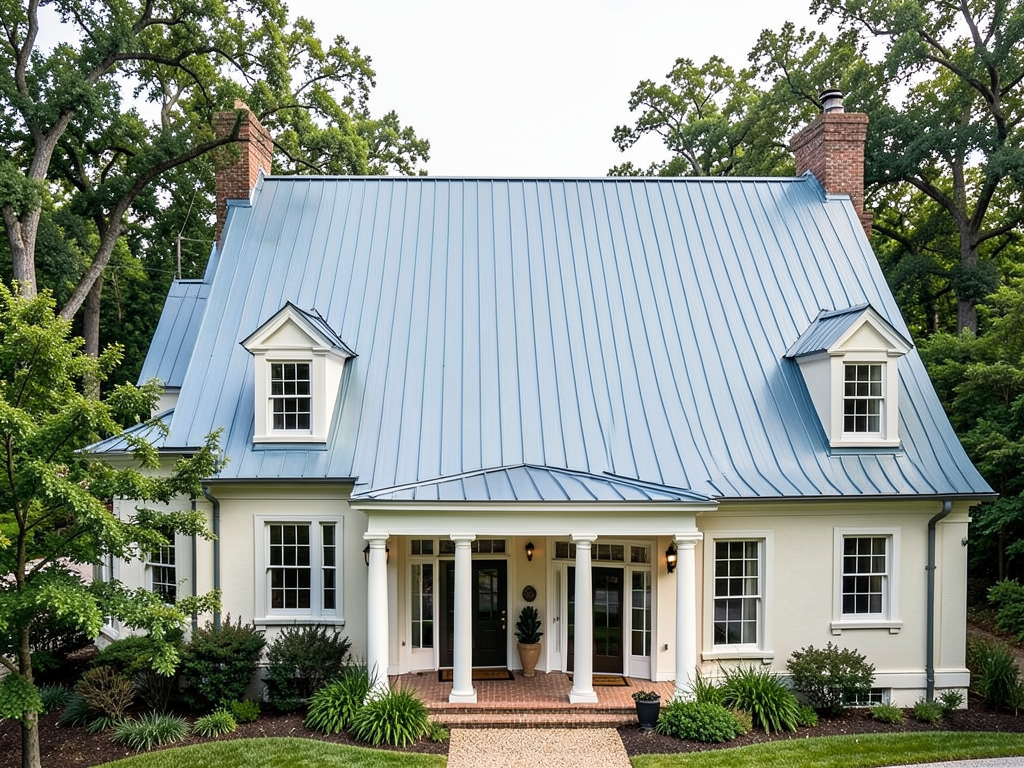
Pittsburgh homeowners need roofing contractors who understand local building practices and common failure points. Homes built before 1980 often lack proper ice-and-water shield at eaves and valleys. Additions and dormers create complex roof planes where flashing details determine long-term performance. Allegheny County building codes require specific underlayment and flashing methods that prevent the leak patterns we see most often. Victory Roofing Pittsburgh has diagnosed thousands of leaks across Squirrel Hill, Mount Lebanon, North Hills, and surrounding communities. We know how Pittsburgh roofs age and where they fail first. Our 24/7 roof leak diagnosis service exists because roof emergencies do not respect business hours, and our reputation depends on showing up when you need us most.