
menu

Metal Roofing Systems in Pittsburgh | Built to Handle Freeze-Thaw Cycles and Severe Weather

Metal roofing systems engineered for Pittsburgh's extreme temperature swings, heavy snow loads, and storm conditions, delivering superior protection for residential and commercial properties across Allegheny County.

Slider Image 1
Slider Image 2
Slider Image 3
Slider Image 4
Slider Image 5
Slider Image 7
Slider Image 8
Slider Image 9
Slider Image 10
Slider Image 11

Why Pittsburgh Buildings Need Metal Roofing Systems

Pittsburgh weather destroys conventional roofing materials faster than most regions in the country. Your building endures freeze-thaw cycles that crack shingles, ice dams that rip off gutters, and summer storms that turn loose granules into projectiles. The temperature can swing 40 degrees in 24 hours, expanding and contracting your roof structure repeatedly. Asphalt shingles last 12 to 15 years here. Metal roofs last 40 to 50 years under the same conditions.

The Allegheny Plateau topography creates microclimates across the metro. Properties in Mount Washington face different wind loads than homes in Squirrel Hill. Buildings near the confluence of the Allegheny, Monongahela, and Ohio Rivers deal with higher humidity and more condensation issues. Your roof must handle all of it.

Metal roofing panels resist thermal shock. Metal roofing materials shed snow and ice instead of trapping moisture. Metal roof sheets withstand wind speeds up to 140 mph, which matters when severe thunderstorms roll through the Ohio Valley. Metal roofing products do not crack, curl, or lose granules. They do not support mold growth or algae staining.

Pittsburgh building codes require specific wind and snow load ratings. Metal roofing systems meet or exceed these requirements while reducing insurance premiums. You are not replacing your roof every decade. You are installing the last roof your building will need.

The freeze-thaw cycle is relentless. Water infiltrates small gaps, freezes, expands, and destroys the substrate. Metal roofing systems with concealed fasteners eliminate 90% of penetration points. Standing seam profiles channel water off the roof before it has a chance to pool or freeze.

Why Pittsburgh Buildings Need Metal Roofing Systems
How Metal Roofing Systems Perform in Pittsburgh Conditions

How Metal Roofing Systems Perform in Pittsburgh Conditions

Metal roofing panels are not generic sheets of aluminum. Proper metal roofing systems use engineered profiles designed for specific load requirements and thermal expansion coefficients. We spec standing seam systems with concealed clip fasteners for commercial buildings. We use ribbed metal roof sheets with exposed fasteners for agricultural and industrial applications. Each profile serves a different structural and aesthetic purpose.

Panel gauge matters. You need 24-gauge or 26-gauge steel for commercial applications in Pittsburgh. Anything thinner buckles under snow load or hail impact. Aluminum works for residential retrofits where weight is a concern, but steel is stronger and more cost-effective for new construction. Galvalume coating provides superior corrosion resistance compared to galvanized steel, which matters in areas with higher humidity near the rivers.

Underlayment is critical. We install high-temperature synthetic underlayment rated for metal roof applications. Standard felt paper degrades under the heat transfer from metal panels. The underlayment must handle thermal expansion without tearing or bunching. Improperly installed underlayment causes condensation buildup, which leads to deck rot and mold growth inside the attic space.

Flashing and trim work separate professional installations from failures. Metal roofing materials expand and contract with temperature changes. Rigid flashing cracks. We use hemmed edge trim and expansion joints at penetrations. Ridge caps must allow for airflow to prevent condensation. Valley flashing must be wide enough to handle runoff during heavy rain and snowmelt.

Fastener selection prevents leaks. Exposed fastener systems require neoprene washers rated for UV exposure and temperature fluctuations. We torque fasteners to manufacturer specifications. Overtightening compresses the washer and creates a leak path. Under-tightening allows panel movement and washer degradation.

How We Install Metal Roofing Systems in Pittsburgh

Metal Roofing Systems in Pittsburgh | Built to Handle Freeze-Thaw Cycles and Severe Weather
01

Structural Assessment and Load Calculation

We measure roof pitch, calculate snow load requirements per Pennsylvania building code, and inspect the deck substrate for rot or damage. Metal roofing systems require solid deck attachment. We verify rafter spacing, check for sagging, and determine if structural reinforcement is necessary before ordering materials. Pittsburgh snow loads range from 30 to 50 pounds per square foot depending on elevation and building location.
02

Panel Layout and Custom Fabrication

We measure each roof plane and order panels cut to exact length, eliminating horizontal seams and reducing leak points. Standing seam panels arrive in custom lengths up to 40 feet. We plan panel layout to minimize waste and optimize water flow. Valleys, ridges, and penetrations require custom-bent trim pieces. We fabricate flashing on-site using a brake to ensure proper fit and thermal expansion allowance for your specific roof geometry.
03

Installation and Weatherproofing

We install underlayment, then fasten panels using concealed clips or neoprene-sealed screws depending on the system. Each panel locks into the previous panel, creating a continuous weather barrier. We install ridge venting to prevent condensation and ice dam formation. All penetrations receive custom flashing and sealant. We inspect every seam, fastener, and trim piece before final walkthrough. The result is a watertight, wind-resistant roof built to last 40 years in Pittsburgh weather.

Why Pittsburgh Property Owners Choose Victory Roofing Pittsburgh for Metal Roofing Systems

Most roofers in Pittsburgh install asphalt shingles. Few understand the engineering requirements for metal roofing systems. Panel installation looks simple until you deal with thermal expansion, concealed fastener systems, and custom flashing fabrication. A bad metal roof installation leaks worse than any shingle roof because water travels along the panels and finds every imperfection.

We work with commercial property managers in the Strip District, industrial facilities in Hazelwood, and residential clients in Mount Lebanon. Each project requires different panel profiles, gauges, and attachment methods. We understand Pennsylvania building codes and Allegheny County permitting requirements. We know which inspectors care about clip spacing and which ones focus on flashing details.

Pittsburgh has distinct architectural styles. Victorian homes in Shadyside require different trim details than mid-century ranches in Penn Hills. Historic districts have strict guidelines about visible fasteners and color restrictions. We navigate these requirements while maintaining structural integrity and weather resistance.

The local climate creates specific challenges. Condensation forms on the underside of metal panels when warm attic air meets cold metal. Improper ventilation leads to ice dams in winter and mold growth in summer. We design ventilation systems that work with your existing attic configuration and insulation levels.

Metal roofing products have evolved. Kynar 500 finishes resist fading better than older polyester coatings. Stone-coated steel panels provide the appearance of tile or shingle while maintaining the durability of metal. We source materials from domestic manufacturers who provide technical support and maintain local inventory. You are not waiting six weeks for replacement panels if storm damage occurs.

We handle commercial reroofs while buildings remain occupied. Scheduling matters. We coordinate panel delivery, crane access, and waste removal to minimize disruption to your operations.

What to Expect When Installing Metal Roofing Systems

Project Timeline and Scheduling

Residential metal roof installations take three to five days depending on roof complexity and weather. Commercial projects take one to three weeks. Panel fabrication takes seven to ten days after order placement. We schedule around Pittsburgh weather patterns, avoiding installation during heavy rain or when temperatures drop below 20 degrees. Cold weather makes panels brittle and sealants ineffective. We provide a detailed schedule before starting work and update you daily on progress. Material delivery requires crane access for commercial buildings and adequate staging area for panel storage.

Initial Consultation and Material Selection

We inspect your existing roof, measure all planes, and photograph problem areas. You receive a detailed estimate breaking down material costs, labor, permits, and disposal fees. We discuss panel profiles, gauges, colors, and finishes. Standing seam systems cost more but last longer and require less maintenance. Exposed fastener systems cost less and work well for low-slope commercial applications. We explain the performance differences so you can make an informed decision. We provide manufacturer specifications and technical data sheets for all metal roofing materials.

Installation Quality and Final Result

Your metal roofing system will shed water immediately. Panels interlock to create a continuous weather barrier. Concealed fastener systems have no exposed screws to leak or corrode. You will notice reduced noise from rain and hail compared to predictions. Proper underlayment and insulation dampen sound transmission. The roof will not fade, crack, or lose granules. Snow slides off before accumulating to dangerous levels. Energy costs drop because metal reflects solar heat instead of absorbing it. You receive detailed care instructions and manufacturer contact information for the metal roofing products installed.

Manufacturer Warranties and Maintenance Requirements

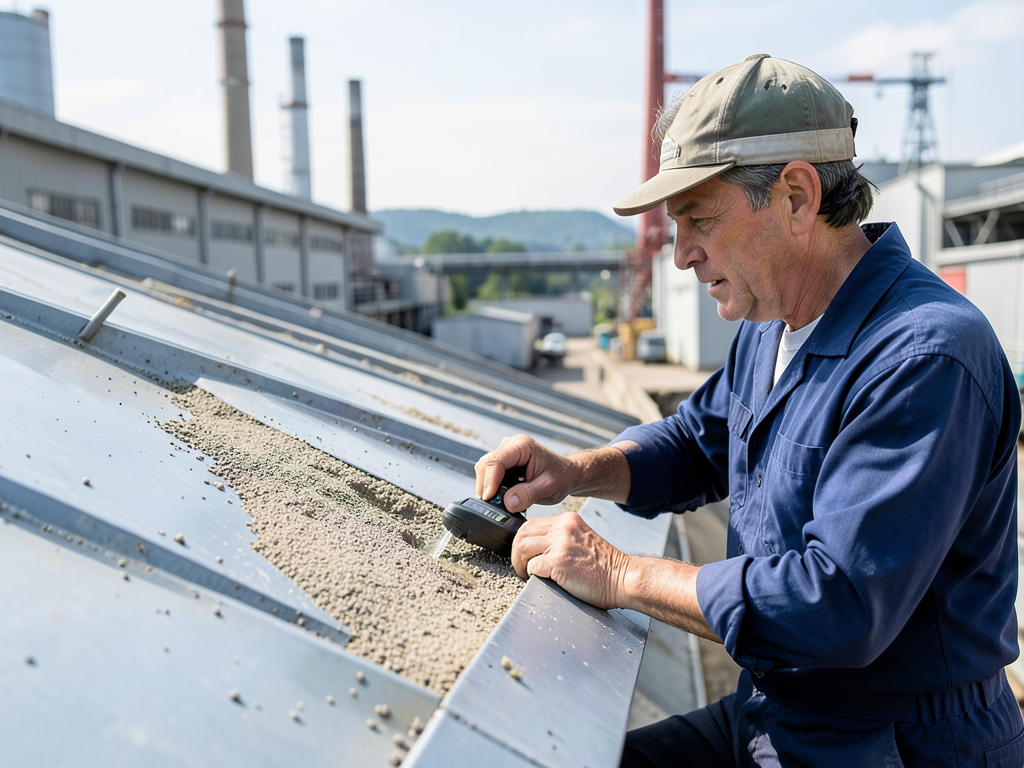
Metal roofing materials come with manufacturer warranties covering paint finish and substrate integrity. Warranty terms vary by product line and manufacturer. We provide all warranty documentation and register your installation with the manufacturer. Metal roofs require minimal maintenance. Inspect gutters twice yearly to remove debris. Check flashing around penetrations after severe storms. Repaint exposed fastener heads every ten years if corrosion appears. We offer annual inspection services for commercial properties to identify and repair minor issues before they become major problems. Maintenance contracts include gutter cleaning, fastener inspection, and sealant touch-up.

Frequently Asked Questions

You Have Questions,
We Have Answers

What is the biggest problem with metal roofs? +

The biggest problem is improper installation. Metal panels expand and contract with Pittsburgh's freeze-thaw cycles. If fasteners are overtightened or panels lack proper thermal movement allowance, you get oil-canning (wavy appearance) or fastener failure. Poor flashing around chimneys and valleys causes leaks. Noise during heavy rain is another complaint, but insulation and solid decking solve that. Choose an experienced installer who understands metal roofing systems. A cheap install on a premium material wastes your money.

What is the best type of metal roofing? +

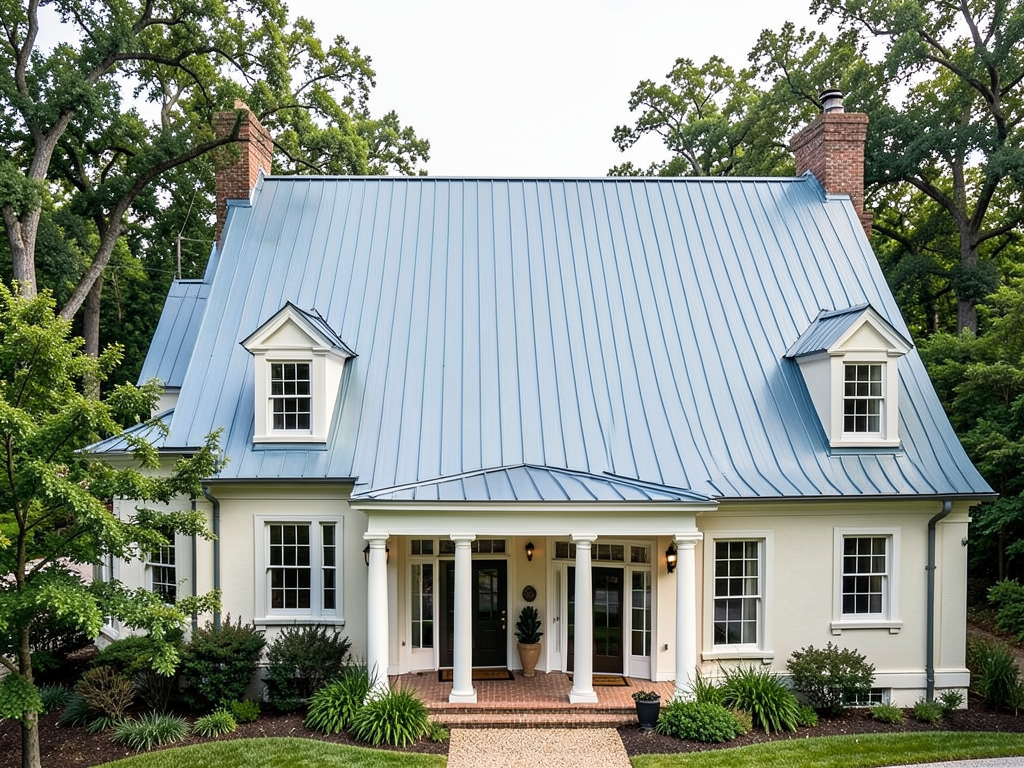
Standing seam is the best type for Pittsburgh homes. The concealed fastener system prevents leaks during freeze-thaw cycles and ice damming. Panels interlock and expand without stressing fasteners. Standing seam handles snow load better than exposed fastener systems and lasts 40-plus years. Steel with a Kynar 500 finish resists rust in our humid climate. Aluminum works for coastal properties but steel is stronger for Pittsburgh's weather. Copper is premium but expensive. For durability and performance, standing seam steel wins.

How much would it cost to put a metal roof on a 1000 square foot house? +

Expect material and labor to range widely depending on panel type and roof complexity. Standing seam costs more than exposed fastener panels. A simple gable roof costs less than a multi-valley Victorian common in Pittsburgh's older neighborhoods. Tear-off of existing shingles, new underlayment, and flashing add to the total. Roof pitch matters. Steeper roofs require more safety equipment and labor hours. Get three detailed quotes. The cheapest bid often means shortcuts. Focus on quality installation and material grade, not just price.

Is it cheaper to put a metal roof or shingles? +

Metal roofing costs more upfront than asphalt shingles. Shingles are cheaper to install and require less skill. Metal roofing systems deliver better long-term value. Shingles last 15 to 20 years in Pittsburgh's climate. Metal lasts 40 to 60 years. You reroof with shingles two or three times in the lifespan of one metal roof. Metal reflects heat, lowering cooling costs. It sheds snow faster, reducing ice dam risk. Higher initial cost pays off in longevity and energy savings.

Why do insurance companies dislike metal roofs? +

Some insurers worry about hail damage claims, but modern metal roofing resists hail better than shingles. The real issue is outdated underwriting assumptions. Metal roofs often qualify for discounts because they are fire-resistant and wind-rated to 140 mph. They do not absorb water or rot. In Pittsburgh, insurers care about durability against freeze-thaw and snow load. Ask your agent about Impact Resistant (IR) ratings. Many carriers now offer premium reductions for metal roofing systems. Get documentation before installation to lock in discounts.

Can a tornado take off a metal roof? +

Metal roofing systems are rated for wind speeds up to 140 mph when properly installed. Tornadoes produce winds exceeding 200 mph. No residential roof survives a direct EF4 or EF5 hit. Metal roofs outperform shingles in high winds because panels interlock. Standing seam systems have fewer weak points than exposed fastener roofs. Proper attachment to the deck is critical. In Pittsburgh, straight-line winds and microbursts are the bigger threat. Metal roofing handles those events better than most materials. Secure installation matters more than the material itself.

What is the least expensive type of metal roof? +

Exposed fastener panels are the least expensive metal roofing option. Corrugated steel and R-panel systems cost less because installation is faster and the material is thinner gauge. You sacrifice longevity. Fasteners penetrate the panel, creating potential leak points as washers degrade. Panels expand and contract with Pittsburgh's temperature swings, stressing those fasteners. Expect a 20 to 30 year lifespan compared to 40-plus for standing seam. Good for sheds or barns. For your home, spend more on standing seam to avoid future problems.

What is better, a 24 or 26 gauge metal roof? +

26 gauge is better for residential roofing in Pittsburgh. Thicker metal resists denting from hail and foot traffic during maintenance. The difference between 24 and 26 gauge is minimal in cost but significant in durability. 24 gauge is overkill for most homes unless you face extreme hail zones. 29 gauge is too thin and dents easily. Panels should handle snow load and resist oil-canning. 26 gauge balances strength, weight, and cost. Verify the gauge before installation. Some contractors substitute thinner material to cut costs.

Which is better, corrugated or rib type? +

Standing seam rib panels outperform corrugated for homes. Ribs add structural strength and handle snow load better. Corrugated panels are lighter and cheaper but dent easier. They use exposed fasteners, which fail faster in freeze-thaw cycles. Ribs shed water more efficiently and look cleaner on residential structures. Corrugated works for agricultural buildings or budget projects. For a Pittsburgh home facing ice, snow, and temperature swings, rib-style panels with concealed fasteners deliver better long-term performance. Choose based on building use, not just cost.

How Pittsburgh Freeze-Thaw Cycles Make Metal Roofing Systems Essential

Pittsburgh experiences 90 to 110 freeze-thaw cycles each winter, more than most cities in the Mid-Atlantic region. Temperatures hover around freezing from November through March, causing repeated expansion and contraction of roofing materials. Asphalt shingles crack. Wood shakes split. Clay tiles break. Metal roofing panels flex without damage. The coefficients of thermal expansion for steel and aluminum allow controlled movement without structural failure. Concealed fastener systems accommodate this movement through clip design. Water cannot infiltrate because there are no gaps to exploit during the freeze phase. Properties in higher elevations like Mount Washington and the North Hills face even more severe conditions due to temperature inversions and increased snow accumulation.

Pennsylvania building codes require specific snow load calculations based on elevation and roof pitch. Allegheny County enforces these requirements strictly during plan review and inspection. Metal roofing systems meet structural requirements while reducing dead load on the building frame. This matters for older buildings in neighborhoods like Lawrenceville and Polish Hill where rafter sizing may not meet current code for heavier roofing materials. Local building inspectors recognize quality metal roof installations and expedite final inspections when work meets or exceeds code requirements. We maintain relationships with inspectors across the county and understand their specific concerns regarding ventilation, flashing, and fastener schedules for metal roofing systems.
Roofing Services in The Pittsburgh Area

We are proud to serve the entire Pittsburgh metropolitan area and surrounding communities. Use the interactive map below to easily locate our office or visualize our extensive service region, which includes every neighborhood from the North Shore to the South Hills. We are locally committed and ready to bring our award-winning, trusted roofing expertise right to your specific location for any inspection, repair, or full installation project. We look forward to meeting you and securing your valuable property!

Address:
Victory Roofing Pittsburgh, 500 Grant St, Pittsburgh, PA, 15219

Additional Services We Offer

Our news updates

Latest Articles & News from The Blogs

Why You Should Repair Your Bellevue Wrap-Around Porch Roof Now Your Bellevue wrap-around porch isn't just a charming architectural feature—it's…

Why You Should Repair Your Bellevue Wrap-Around Porch Roof Now

Why You Should Repair Your Bellevue Wrap-Around Porch Roof Now Your Bellevue wrap-around porch isn't just a charming architectural feature—it's…

Restoring the Historic Beauty of Manchester North Side Roofs

Restoring the Historic Beauty of Manchester North Side Roofs Manchester’s historic North Side is home to some of Pittsburgh’s most…

The Hidden Risks of Shingle Overlays for Whitehall Homeowners

The Hidden Risks of Shingle Overlays for Whitehall Homeowners \n\n Thinking about saving money with a shingle overlay on your…

Contact Us

Stop replacing your roof every decade. Call (878) 209-5522 to schedule a consultation. We provide detailed estimates, explain material options, and answer technical questions about metal roofing systems for your property.