
menu

Soffit & Fascia Services in Pittsburgh | Protecting Your Roofline from Freeze-Thaw Damage

Victory Roofing Pittsburgh delivers expert soffit and fascia repair, replacement, and installation designed to withstand Pittsburgh's harsh winter cycles and prevent costly structural damage to your home's exterior envelope.

Slider Image 1
Slider Image 2
Slider Image 3
Slider Image 4
Slider Image 5
Slider Image 7
Slider Image 8
Slider Image 9
Slider Image 10
Slider Image 11

Why Pittsburgh's Climate Destroys Soffit and Fascia Faster Than You Think

Pittsburgh's freeze-thaw cycles wreak havoc on soffit and fascia systems. When temperatures swing from below freezing at night to above freezing during the day, moisture trapped in your fascia board expands and contracts. Over time, this causes the wood to rot, aluminum to warp, and vinyl to crack.

The problem accelerates in neighborhoods near the Allegheny, Monongahela, and Ohio Rivers, where humidity stays elevated even in winter. You might notice peeling paint on your fascia boards, sagging soffit panels, or water stains on your exterior walls. These are not cosmetic issues. They signal that your roofline is failing.

When your fascia deteriorates, it can no longer support your gutter system. Gutters pull away from the roofline, causing water to pour directly against your foundation. When your soffit fails, attic ventilation stops working properly. Heat and moisture build up in your attic, destroying insulation and inviting mold growth.

Pittsburgh homes built before 1980 often have wood fascia boards with minimal protective coatings. These systems were never designed to handle the moisture load from modern high-efficiency gutters or the temperature extremes we now see each winter. Soffit and fascia replacement becomes necessary when the damage extends beyond surface-level cosmetic fixes.

You need soffit and fascia contractors who understand how Pittsburgh's weather patterns accelerate deterioration and who can specify materials that perform in this climate. Generic fixes fail within a few years. The right materials and installation methods stop the cycle of damage.

Why Pittsburgh's Climate Destroys Soffit and Fascia Faster Than You Think
How We Deliver Soffit and Fascia Installation That Lasts

How We Deliver Soffit and Fascia Installation That Lasts

We start every soffit and fascia project with a full roofline inspection. This includes checking the condition of your roof decking, rafter tails, and gutter attachment points. Many contractors skip this step and install new fascia over rotted wood, which leads to failure within months.

When we perform fascia board replacement, we identify and repair any underlying structural damage first. If your rafter tails have begun to rot due to prolonged water exposure, we sister in new lumber before installing fascia. This prevents the new fascia from sagging or pulling away under the weight of your gutter system.

For soffit and fascia installation, we use materials matched to Pittsburgh's climate demands. Aluminum fascia with factory-applied enamel coatings resists moisture intrusion better than bare metal. Vented soffit panels in vinyl or aluminum allow attic airflow while blocking pest entry. We calculate the proper vent-to-attic-space ratio based on your home's square footage to prevent moisture buildup.

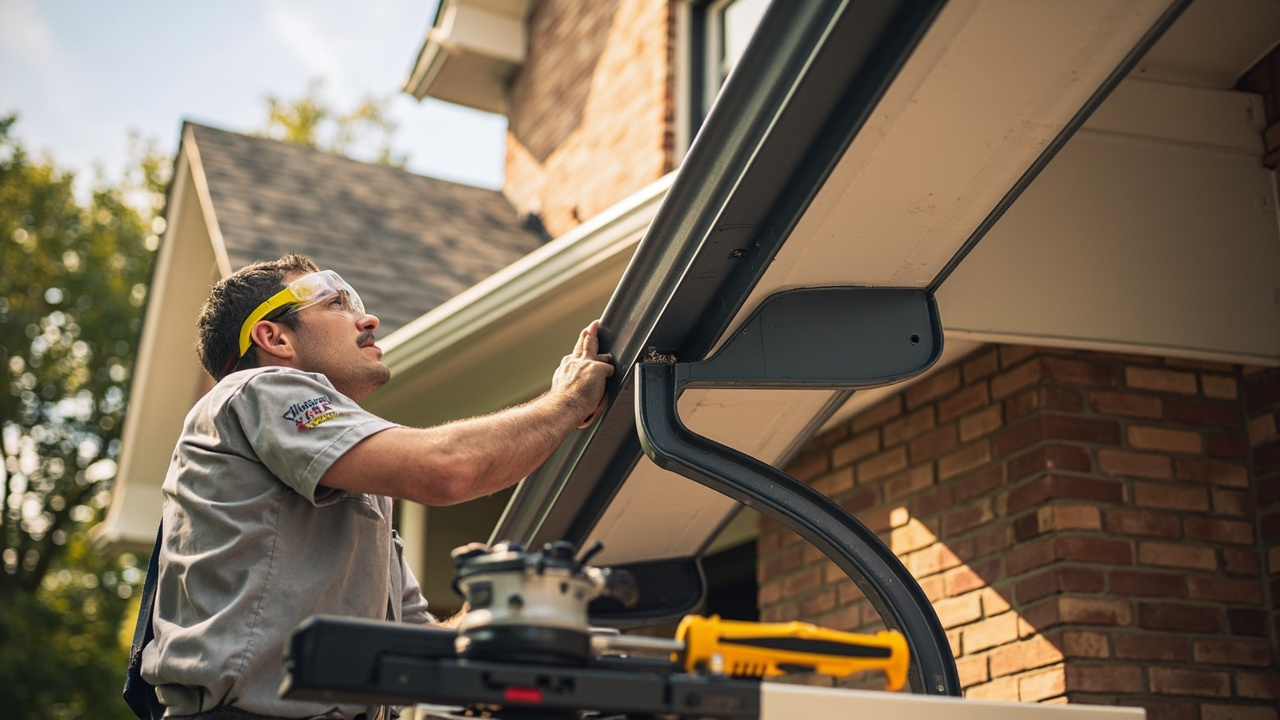
Our soffit and fascia repair process includes sealing all seams and joints with high-grade caulk rated for temperature extremes. We use hidden fasteners wherever possible to eliminate water entry points. When we reinstall gutters, we use fascia brackets that distribute weight across a larger surface area, reducing stress on the fascia boards.

We also address the transition points where your fascia meets your roof edge. Improperly installed drip edge allows water to wick behind the fascia, causing rot from the inside out. We install continuous drip edge with a 1-inch overhang to direct water into the gutter, not behind the fascia board.

Victory Roofing Pittsburgh does not take shortcuts on material prep or fastener spacing. These details determine whether your soffit and fascia system lasts five years or fifty.

What Happens During Your Soffit and Fascia Project

Soffit & Fascia Services in Pittsburgh | Protecting Your Roofline from Freeze-Thaw Damage
01

Roofline Assessment

We inspect your fascia boards, soffit panels, rafter tails, and roof decking to identify hidden rot or structural damage. This includes checking for pest entry points, improper ventilation, and water intrusion behind existing materials. We measure your roofline and calculate material requirements based on your home's architecture and ventilation needs. You receive a detailed scope of work before any demolition begins.
02

Structural Repairs and Installation

We remove damaged fascia and soffit, then repair any rotted wood framing. New fascia boards are installed with corrosion-resistant fasteners at proper intervals to support gutter loads. Soffit panels are cut to fit with precision, leaving expansion gaps to prevent buckling. All seams are sealed, and ventilation is balanced to your attic's cubic footage. We install drip edge and flashing to protect the fascia from water intrusion.
03

Gutter Reinstallation and Inspection

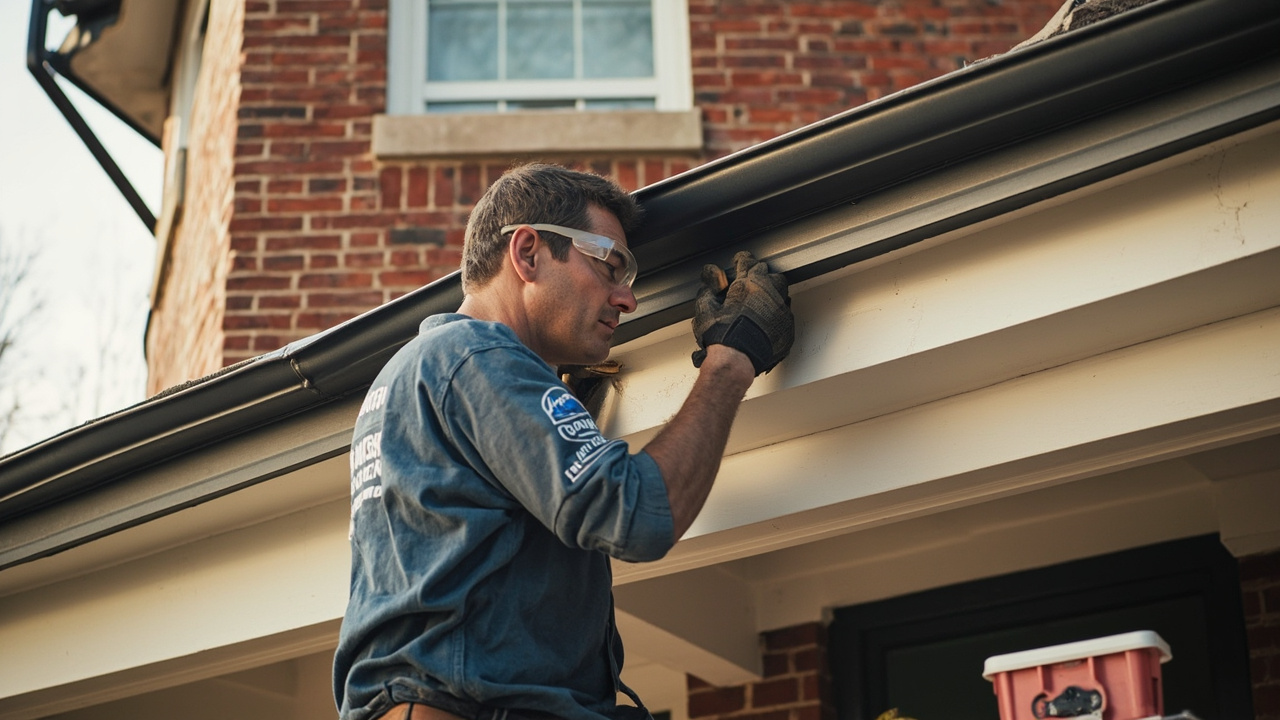
Once your new fascia is secure, we reinstall your gutter system using fascia brackets that distribute weight evenly. We verify proper pitch and flow, then run water tests to confirm drainage performance. You receive documentation of all materials used, including product specifications and manufacturer information. We walk you through maintenance recommendations to extend the life of your new soffit and fascia system.

Why Pittsburgh Homeowners Choose Local Soffit and Fascia Contractors

Pittsburgh's housing stock presents unique challenges. Homes in Shadyside, Squirrel Hill, and the North Hills feature varied architectural styles, from Victorian-era wood trim to mid-century aluminum systems. Each requires different repair strategies.

We understand the construction methods used in different eras across Pittsburgh neighborhoods. Pre-1950 homes often have wider fascia boards and decorative trim elements that require custom fabrication. Post-war ranch homes use narrower fascia profiles with integrated gutter systems. We match materials to your home's original design, maintaining curb appeal while upgrading performance.

Local building codes in Allegheny County specify minimum ventilation requirements for attic spaces. Improperly vented soffits cause ice dams in winter and excessive heat buildup in summer. We calculate net free ventilation area based on your attic's cubic footage and install the correct ratio of intake vents in the soffit to exhaust vents at the ridge.

We also navigate the permitting process when soffit and fascia replacement involves structural repairs. If we discover rafter tail rot that requires sistering in new lumber, we pull the appropriate permits and schedule inspections. This protects you from liability and ensures the work meets code.

Victory Roofing Pittsburgh sources materials from regional suppliers who stock products rated for freeze-thaw cycles and high humidity. National chains often carry vinyl soffit panels rated for southern climates, which crack in Pittsburgh winters. We use materials proven to perform in Pennsylvania weather.

When you hire soffit and fascia contractors who work exclusively in this region, you avoid the trial-and-error approach that out-of-area companies use. We know what works because we have installed thousands of systems across Allegheny County.

What You Can Expect From Our Soffit and Fascia Services

Project Timeline and Scheduling

Most soffit and fascia replacement projects take two to four days, depending on the size of your home and the extent of structural repairs needed. We schedule work during dry weather windows to prevent moisture exposure to your roof decking. You receive a start date and a detailed daily schedule before work begins. If we discover additional damage during demolition, we halt work, document the issue with photos, and provide you with revised pricing before proceeding. We do not surprise you with change orders after the fact.

Initial Inspection and Assessment

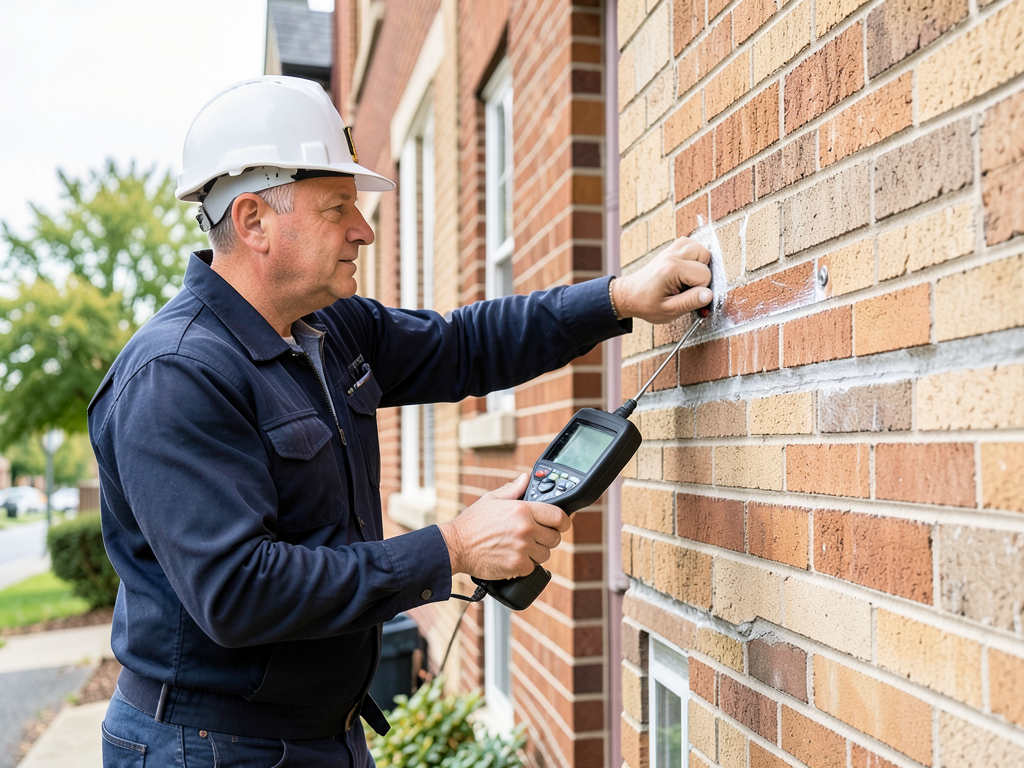
Our initial inspection includes ladder access to your roofline and attic space. We check fascia boards for rot using a moisture meter and probe, examine soffit panels for damage and proper ventilation, and inspect rafter tails and roof decking for structural integrity. We also evaluate your gutter system's condition and attachment method. You receive a written assessment with photos of problem areas and a detailed estimate that breaks down labor, materials, and disposal costs. We explain the scope of work in plain language so you understand what needs repair and why.

Quality of Installation and Materials

We use fascia materials rated for Pittsburgh's climate, including pre-finished aluminum with baked enamel coatings, PVC trim boards with cellular construction that resists moisture absorption, and pressure-treated lumber for structural repairs. Soffit panels are vented or solid depending on your attic's ventilation requirements. All fasteners are corrosion-resistant and sized for the material type. Seams are sealed with high-performance caulk rated for temperature extremes. Your new soffit and fascia system will look clean, fit tight, and function properly for decades with minimal maintenance.

Post-Installation Support and Maintenance

After installation, we provide you with care instructions specific to your soffit and fascia materials. Aluminum fascia requires periodic cleaning to remove dirt and organic buildup. Vented soffit panels should be checked annually to ensure vents remain clear of debris. We offer seasonal maintenance services that include cleaning soffit vents, inspecting caulk joints, and checking gutter attachment points. If you experience any issues with your new soffit and fascia system, we return to assess the problem and determine the appropriate fix. Proper maintenance extends the life of your investment and prevents minor issues from becoming major repairs.

Frequently Asked Questions

You Have Questions,
We Have Answers

What's the average cost to install soffit and fascia? +

Cost depends on material choice, linear footage, and roof complexity. Aluminum soffit and fascia typically run less than vinyl or composite materials. Homes with two-story rooflines or extensive trim details require more labor. Pittsburgh homes built before 1950 often have hidden rot or structural issues that add to the project scope. Installation also varies if you need removal of old materials, wood repair underneath, or gutter realignment. Most Pittsburgh contractors quote by the linear foot. Get three written estimates that break down material, labor, and prep work so you can compare accurately.

How much should soffits and fascias cost? +

Expect material and labor costs to vary by project size and condition of existing trim. Vinyl costs less upfront but may crack during Pittsburgh winters. Aluminum resists freeze-thaw cycles better and lasts longer in our climate. Wood fascia adds cost but matches historic homes in neighborhoods like Shadyside or Squirrel Hill. Your total depends on linear footage, height, accessibility, and whether wood sheathing underneath needs replacement. Pittsburgh contractors charge more for multi-story homes or properties with steep rooflines. Always request itemized quotes that separate material from labor so you understand the breakdown.

What kind of contractor fixes soffit and fascia? +

You need a roofing contractor or siding specialist with fascia and soffit experience. General handymen lack the knowledge to assess hidden water damage or ensure proper ventilation. A qualified roofer understands how soffit vents affect attic airflow, which matters in Pittsburgh where humid summers and cold winters stress rooflines. Look for contractors who pull permits, carry liability insurance, and provide references from local projects. Ask if they inspect roof decking and wood sheathing during replacement. Fascia work often reveals rot that spreads to rafters, so you want someone who diagnoses problems correctly.

How expensive are soffits and fascias? +

Pricing reflects material durability, installation complexity, and hidden repairs. Cheap vinyl may save money initially but fails faster under Pittsburgh weather extremes. Quality aluminum or composite materials cost more but resist moisture and temperature swings. Two-story homes or properties with ornate rooflines increase labor hours. Old homes in Pittsburgh often hide rot behind existing fascia, requiring wood replacement before new trim goes up. Accessibility matters too. Contractors charge more when they need scaffolding or special equipment. Fascia and soffit protect your roof structure, so cutting corners leads to expensive repairs later.

Does homeowners insurance cover soffit and fascia? +

Coverage depends on the damage cause. Insurance typically covers soffit and fascia damage from sudden events like wind storms, hail, or falling trees. Pittsburgh sees strong spring storms and occasional severe weather that can tear fascia off rooflines. Gradual deterioration from age, rot, or poor maintenance does not qualify. If a storm damages your roof and fascia simultaneously, document everything with photos before repairs. Submit claims quickly. Insurance adjusters often underestimate fascia damage, so get a local contractor to inspect and provide a detailed estimate you can submit with your claim.

How much to vinyl side a 1500 sq ft house? +

Vinyl siding costs vary by product quality, house height, and existing condition. A 1500 square foot home requires roughly 1800 to 2000 square feet of siding material when accounting for waste and trim. Pittsburgh homes with multiple stories, bay windows, or complex architecture need more labor hours. Prep work like removing old siding, repairing sheathing, or adding insulation increases cost. Vinyl holds up well in our freeze-thaw cycles if installed correctly. Get quotes that include fascia, soffit, and trim work since these components tie into siding installation. Quality matters more than speed.

Why are soffits so expensive? +

Soffit installation requires precision, proper ventilation planning, and often hidden wood repairs. You pay for skilled labor, not just materials. Pittsburgh homes face moisture problems from humid summers and ice dam risks in winter. Proper soffit vents prevent attic condensation and extend roof life. Contractors must remove old soffits carefully, inspect for rot, repair structural wood, then install new materials at exact angles for water runoff. Cheap installations skip ventilation requirements or ignore wood damage underneath. You get what you pay for. Quality soffit work prevents expensive roof and attic problems down the road.

How long does it take to replace soffits and fascias? +

Most single-family homes take two to four days depending on size and complications. A straightforward ranch with accessible rooflines moves faster than a two-story Victorian with ornate trim. Pittsburgh weather affects scheduling since crews cannot install fascia during rain or freezing temperatures. Hidden rot extends timelines. Contractors often find deteriorated wood once they remove old fascia, requiring additional framing repairs. Multi-story homes need scaffolding setup, which adds time. Quality contractors do not rush. They inspect thoroughly, replace damaged wood properly, and ensure ventilation works correctly. Fast installations often mean skipped steps.

How much does it cost to replace gutters on a 3 bed semi? +

Gutter replacement cost depends on material choice, linear footage, and downspout configuration. Aluminum gutters cost less than copper but still perform well in Pittsburgh weather. A three-bedroom semi-detached home typically needs 100 to 150 linear feet of gutters. Fascia condition matters since rotted fascia boards cannot support new gutters properly. Contractors should inspect and repair fascia before hanging gutters. Downspout placement affects drainage, especially on Pittsburgh properties with clay soil or slope issues. Get quotes that include fascia inspection, gutter guards if desired, and proper downspout extensions to direct water away from foundations.

What are two common problems with soffits and fascia? +

Water damage and pest infiltration cause the most problems. Rotted fascia allows water behind gutters, soaking roof decking and rafters. Pittsburgh freeze-thaw cycles worsen this damage quickly. Cracks or gaps in soffit panels let squirrels, bats, and birds into attics where they damage insulation and wiring. Poor ventilation through soffits traps moisture in attics, leading to mold growth and premature shingle failure. Many Pittsburgh homes have painted wood fascia that peels and retains moisture. Regular inspection catches these issues early. Addressing small fascia cracks or soffit gaps prevents expensive structural repairs later.

How Pittsburgh's Freeze-Thaw Cycles Accelerate Fascia Board Replacement Timelines

Pittsburgh experiences an average of 40 freeze-thaw cycles each winter. When daytime temperatures climb above 32 degrees and nighttime temperatures drop below freezing, moisture trapped in your fascia boards expands as it freezes, then contracts as it thaws. This repeated expansion and contraction causes wood to split, paint to peel, and metal to buckle. Homes in the South Hills and North Hills, where elevation increases temperature swings, see accelerated deterioration. The rivers that define our geography add constant moisture to the air, which soaks into any exposed wood. Once moisture penetrates your fascia, freeze-thaw damage happens fast.

Allegheny County building codes require adequate attic ventilation to prevent ice dams and moisture buildup, which means your soffit system must balance intake vents with ridge or gable exhaust vents. Many older Pittsburgh homes lack proper ventilation, causing premature fascia rot from the inside out. Victory Roofing Pittsburgh understands these local code requirements and designs soffit and fascia installations that meet current standards while respecting your home's architectural style. We work throughout Pittsburgh's diverse neighborhoods and know how different housing styles require different approaches to soffit and fascia repair. Local expertise matters when your roofline protection depends on it.
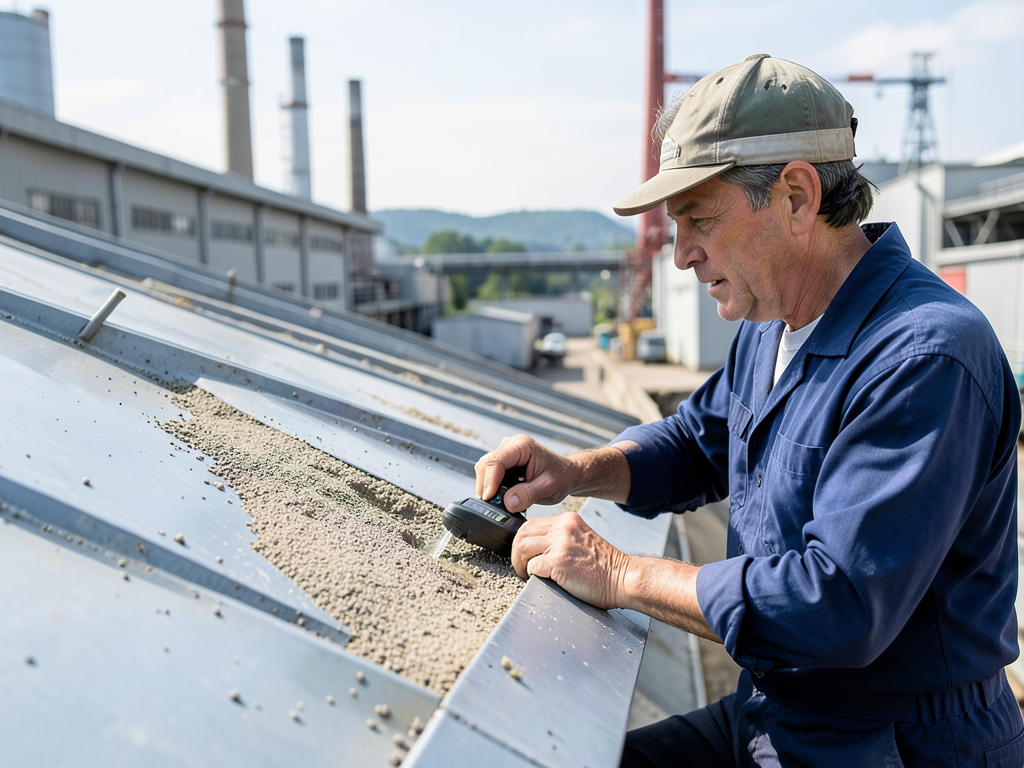
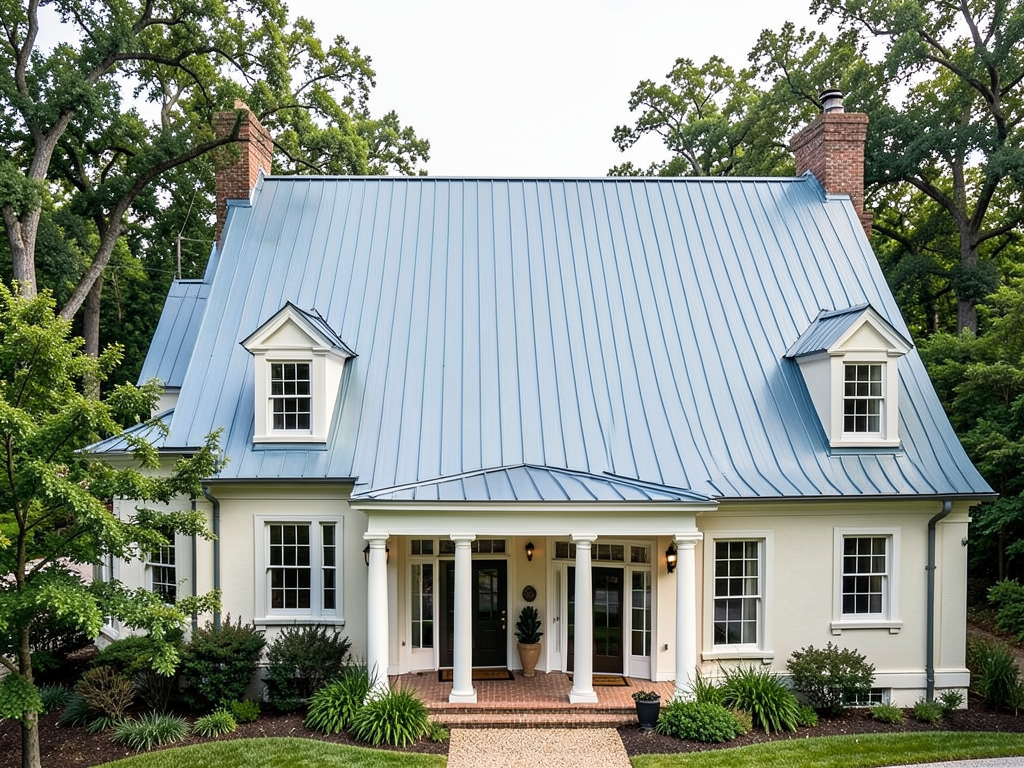
Roofing Services in The Pittsburgh Area

We are proud to serve the entire Pittsburgh metropolitan area and surrounding communities. Use the interactive map below to easily locate our office or visualize our extensive service region, which includes every neighborhood from the North Shore to the South Hills. We are locally committed and ready to bring our award-winning, trusted roofing expertise right to your specific location for any inspection, repair, or full installation project. We look forward to meeting you and securing your valuable property!

Address:
Victory Roofing Pittsburgh, 500 Grant St, Pittsburgh, PA, 15219

Additional Services We Offer

Our news updates

Latest Articles & News from The Blogs

Why You Should Repair Your Bellevue Wrap-Around Porch Roof Now Your Bellevue wrap-around porch isn't just a charming architectural feature—it's…

Why You Should Repair Your Bellevue Wrap-Around Porch Roof Now

Why You Should Repair Your Bellevue Wrap-Around Porch Roof Now Your Bellevue wrap-around porch isn't just a charming architectural feature—it's…

Restoring the Historic Beauty of Manchester North Side Roofs

Restoring the Historic Beauty of Manchester North Side Roofs Manchester’s historic North Side is home to some of Pittsburgh’s most…

The Hidden Risks of Shingle Overlays for Whitehall Homeowners

The Hidden Risks of Shingle Overlays for Whitehall Homeowners \n\n Thinking about saving money with a shingle overlay on your…

Contact Us

Do not wait for fascia boards to rot or soffit panels to collapse. Call Victory Roofing Pittsburgh at (878) 209-5522 for a detailed roofline inspection and no-pressure estimate. We serve all of Pittsburgh and surrounding Allegheny County.