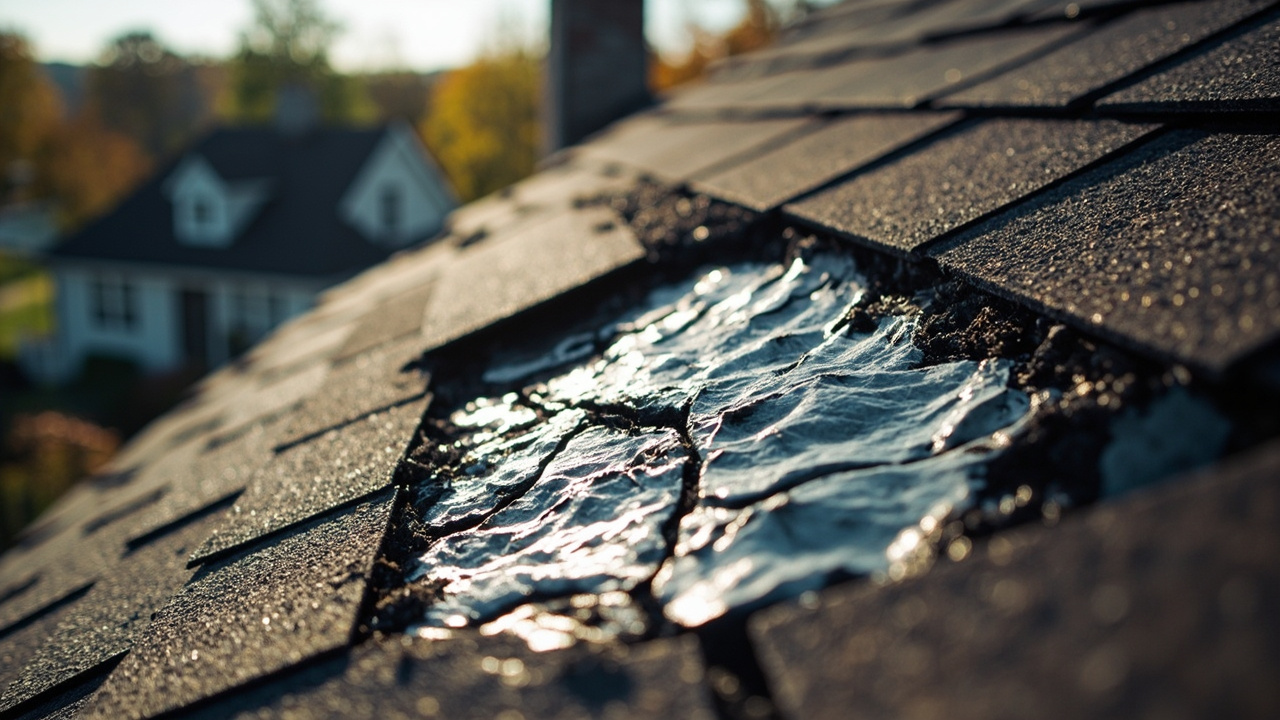
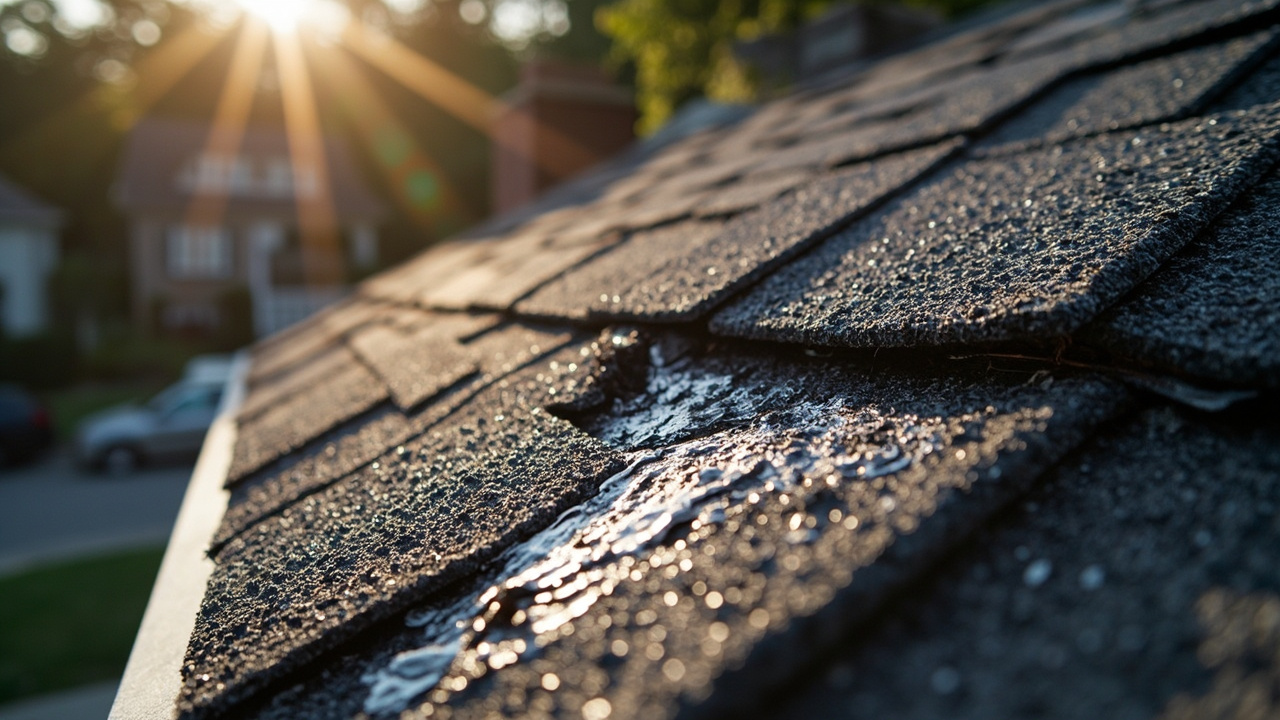
You notice raised bumps scattered across your roof. They look harmless at first, but those asphalt shingle blisters are warning signs of deeper problems. Roof blisters form when moisture or air gets trapped between the shingle layers during installation or when manufacturing defects create weak points in the asphalt coating.
Pittsburgh's climate makes bubbling roof shingles worse. Summer heat causes the trapped moisture to expand, creating shingle bubbles that rise like small volcanoes on your roof surface. Winter arrives, temperatures plummet, and those same blisters contract. The freeze-thaw cycles that define Pittsburgh winters stress the already weakened shingle material. Each cycle pushes those heat blisters on shingles closer to rupture.
When blisters break open, they expose the granule-free asphalt underneath. Water penetrates directly into the mat. The shingle loses its ability to shed water. The exposed area deteriorates rapidly. What started as a cosmetic issue becomes a leak pathway.
The problem spreads faster on south-facing slopes where sun exposure intensifies. Heat buildup in poorly ventilated attics accelerates blister formation from the underside. Homes in Squirrel Hill, Shadyside, and Mount Washington with older ventilation systems see this problem more often. The steep roof pitches common in Pittsburgh's historic neighborhoods trap heat, creating ideal conditions for shingle blisters to multiply.
You cannot fix roof blisters with sealant. The trapped moisture remains. The problem continues underneath. Proper diagnosis requires understanding whether the blisters stem from installation errors, ventilation failures, or defective shingles. Each cause demands a different repair approach.