
Common Causes of Roof Leaks in Oakland Investment Properties and How to Fix Them
Roof leaks in Oakland investment properties can cost landlords thousands in water damage repairs and lost rental income. The combination of Pittsburgh’s freeze-thaw cycles and Oakland’s mix of century-old Victorian homes and flat-roofed student housing creates unique leak vulnerabilities that require immediate attention. Whether you manage properties near the University of Pittsburgh or own buildings along Forbes Avenue, understanding these common leak sources will help you protect your investment and avoid emergency repair costs. EPA Renovation Repair and Painting Program.
Why Oakland Properties Are Especially Vulnerable to Roof Leaks
Oakland’s historic architecture and dense urban environment create specific challenges for property owners. Many buildings date back to the early 1900s when construction methods differed significantly from today’s standards. The neighborhood’s location in the Allegheny River valley also means higher humidity levels and more severe freeze-thaw cycles than surrounding areas. These factors combine to accelerate roof deterioration and create leak-prone conditions that newer suburban developments simply don’t face.
The University of Pittsburgh and Carnegie Mellon University’s presence means many Oakland buildings serve as student housing or rental properties. This creates a unique pressure on maintenance schedules since leaks often go unnoticed until they cause significant damage. The high-traffic nature of the neighborhood also means roofing materials face more wear from debris, foot traffic during repairs, and the constant vibration from nearby construction projects. Why Metal Roofing is Becoming the Top Choice for Homes in North Hills.
Common Causes of Roof Leaks in Oakland Investment Properties
1. Aging Slate Roof Failure on Historic Victorian Homes
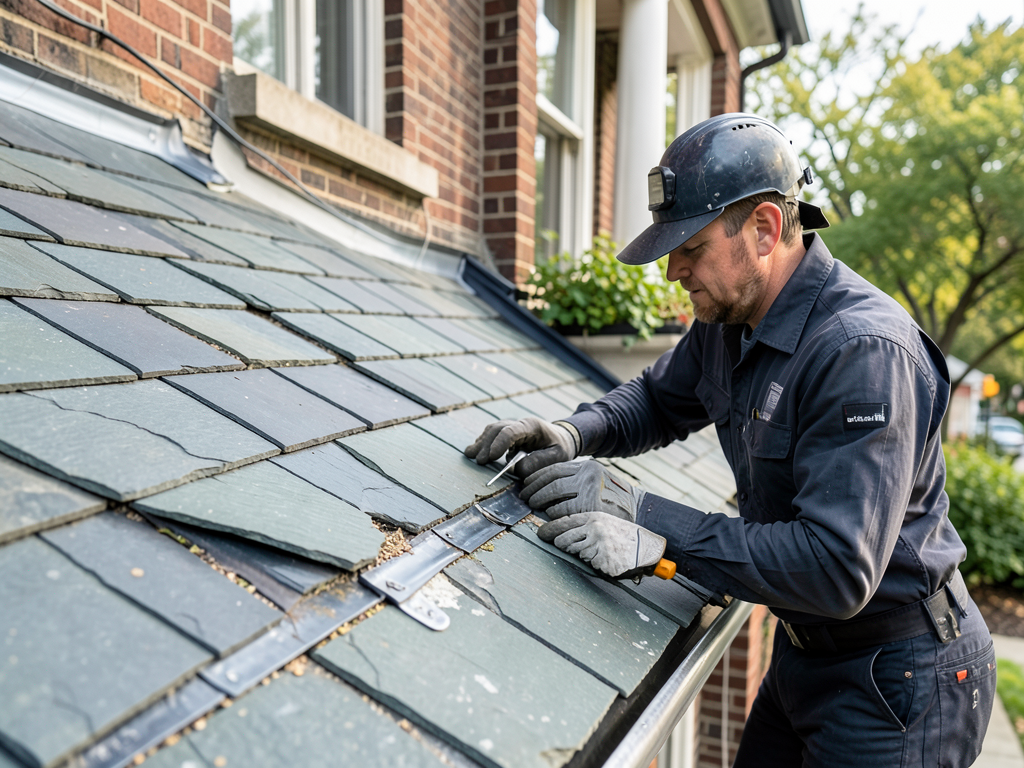
Many Oakland’s most beautiful properties feature original slate roofs that are now 80 to 100 years old. While slate is incredibly durable, these historic installations often suffer from cracked or missing tiles due to freeze-thaw expansion. Pittsburgh’s winter temperatures frequently swing from below freezing to above freezing within 24 hours, causing slate to expand and contract repeatedly. This movement eventually breaks the slate’s natural cleavage planes, creating entry points for water. Expert Slate Roof Repair Services for Sewickley Historic Properties.
The problem compounds when original copper flashing deteriorates. Many Victorian-era homes used lead-coated copper flashing that corrodes over time, especially in Pittsburgh’s acidic rain conditions. When flashing fails, water can penetrate under entire sections of slate, causing widespread damage that’s expensive to repair. The weight of accumulated snow on these aging roofs also creates stress points that lead to tile displacement and leaks.. Read more about Preventing Dangerous Ice Dams on Your Pittsburgh Roof Before Winter Hits.
2. Flat Roof Pooling on Student Housing and Commercial Buildings
Oakland’s numerous flat-roofed buildings, particularly those housing students or serving as university offices, face a different set of challenges. Pittsburgh receives an average of 38 inches of rain annually, and Oakland’s older drainage systems often can’t handle heavy downpours. Water pooling on flat roofs creates constant pressure on the roofing membrane, eventually causing blisters, cracks, and separation at seams.. Read more about Trusted Commercial Roofing Solutions for Businesses in Moon Township.
The freeze-thaw cycle hits flat roofs especially hard. When pooled water freezes, it expands and pushes against the roofing material, creating stress fractures. As temperatures rise, the ice melts and water seeps into these new cracks. This cycle repeats throughout Pittsburgh’s winter months, gradually destroying the roof’s waterproof integrity. Many Oakland flat roofs also lack proper insulation, leading to ice dam formation at roof edges where heat escapes from the building below.
3. Chimney and Vent Stack Deterioration
Oakland’s older homes often feature multiple chimneys and vent stacks that were built to accommodate coal heating systems. These structures require specialized flashing that many property owners overlook during routine maintenance. The mortar between chimney bricks deteriorates from Pittsburgh’s freeze-thaw cycles and acidic precipitation, creating gaps where water can enter.. Read more about Deciding Between a Small Patch or a Full Replacement for Your Dormont Home.
Vent stacks for plumbing and HVAC systems also present leak risks. The rubber boots that seal these penetrations typically last only 10 to 15 years before cracking. In Oakland’s older buildings, these boots may never have been replaced since original installation. When they fail, water can travel down the vent pipe and cause damage to interior walls and ceilings far from the actual leak source.. Read more about Is It Possible to Install a New Roof During a Cold Pittsburgh Winter?.
4. Gutter System Failure and Ice Dam Formation
Pittsburgh’s Building Code requires proper ice dam protection in cold climate zones, but many Oakland properties were built before these requirements existed. When gutters clog with leaves or debris, water backs up under roof shingles and can freeze into damaging ice dams. These ice formations lift shingles and create channels for water to penetrate the roof deck. Commercial Gutter Systems.
The problem intensifies in Oakland’s older neighborhoods where mature trees drop massive amounts of leaves each fall. Many properties also have gutters that are too small for Pittsburgh’s heavy rainfall patterns. When water overflows the gutter system, it can damage fascia boards and soffits, creating additional entry points for moisture. The freeze-thaw cycle then causes this damage to worsen throughout the winter months.
5. Storm Damage from High Winds and Hail
Pittsburgh experiences an average of 16 days with thunderstorms annually, many occurring during peak student move-in seasons. These storms often bring high winds that can lift and curl shingles on older roofs. Once a shingle edge lifts, wind can get underneath and tear it completely off, exposing the underlayment to water damage.
Hail damage is another significant concern for Oakland property owners. Pennsylvania ranks among the top states for hail damage claims, with stones often large enough to crack or puncture roofing materials. The damage might not be immediately visible but creates weak points that fail during subsequent rain events. Many Oakland roofs have accumulated years of hail damage that property owners never addressed, leading to sudden and unexpected leaks.
How to Fix Roof Leaks in Oakland Investment Properties
Emergency Leak Response for Oakland Properties
When a leak occurs in your Oakland investment property, time is critical. The first 24 hours after water intrusion determine whether you’ll face minor repairs or major restoration costs. Start by containing the leak with buckets and tarps, then immediately document the damage with photos for insurance purposes. For properties near the universities, you may need to coordinate access with student tenants who might be away during break periods.. Read more about Quick Help for Emergency Roof Repairs in Squirrel Hill and the East End.
Emergency tarping is often necessary to prevent further damage while permanent repairs are scheduled. Professional roofers use heavy-duty, waterproof tarps secured with battens to create a temporary barrier against additional water intrusion. This protection is especially important in Oakland where afternoon thunderstorms can strike suddenly, potentially doubling the damage if a property remains exposed overnight.
Professional Leak Detection and Assessment
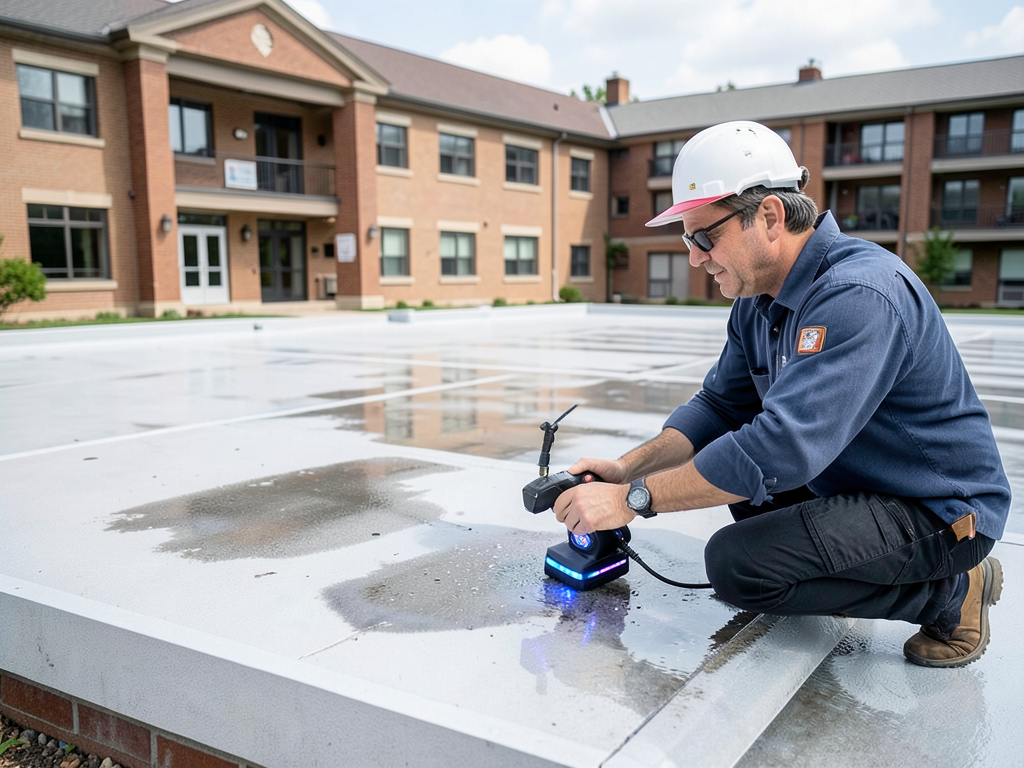
Finding the actual source of a roof leak often requires more than a visual inspection. Water can travel along roof decking, through insulation, and down wall cavities before appearing as a ceiling stain. Professional roofers use moisture meters to detect water presence in materials that appear dry to the touch. They also employ infrared cameras to identify temperature differences that indicate moisture accumulation behind walls or under roofing materials.
The assessment process includes checking for proper attic ventilation, which is crucial in Pittsburgh’s climate. Poor ventilation leads to moisture buildup that can rot roof decking from the inside out. During inspection, technicians also evaluate the condition of underlayment, which serves as a secondary water barrier. Many Oakland properties have deteriorated underlayment that fails to provide adequate protection even when the visible roofing materials appear intact.
Repair Solutions for Common Oakland Roof Problems
For slate roof repairs on historic Oakland homes, the approach must balance preservation with functionality. Individual damaged tiles can be replaced using matching slate from salvage yards, but this requires skilled craftsmanship to maintain the roof’s historic character. When flashing replacement is necessary, modern materials that mimic the appearance of original copper while providing superior durability are often the best solution. How Much a Full Roof Replacement Actually Costs in Pittsburgh Right Now.
Flat roof repairs typically involve either patching damaged areas or complete membrane replacement. For Oakland’s student housing and commercial buildings, modern single-ply membranes like TPO or EPDM offer superior leak protection compared to older built-up roofing systems. These materials resist UV damage and can accommodate the slight building movement common in older structures without developing leaks. Reliable Commercial Flat Roof Repair in the Strip District and Downtown.
Chimney and vent stack repairs often require complete flashing replacement and mortar repointing. The new flashing should extend at least 6 inches up the chimney wall and be properly counter-flashed into the mortar joints. For vent stacks, installing new rubber boots with UV-resistant materials prevents premature failure and provides longer service life in Pittsburgh’s harsh climate.
Preventive Maintenance for Oakland Investment Properties
Establishing a regular maintenance schedule is the most cost-effective way to prevent roof leaks in Oakland investment properties. Annual inspections should occur in late spring after winter’s freeze-thaw cycles have potentially caused damage. These inspections should include gutter cleaning, flashing checks, and assessment of any areas showing early signs of wear.
For properties with multiple units or student housing, consider quarterly roof checks during peak usage periods. This proactive approach allows you to address minor issues before they become major problems that disrupt rental income. Many Oakland landlords find that investing in preventive maintenance reduces their emergency repair costs by 60 to 70 percent over a five-year period.
Upgrading to modern roofing materials during major repairs can also prevent future leaks. Impact-resistant shingles rated for high wind zones, improved underlayment systems, and proper ice and water shield installation all contribute to a more leak-resistant roof. These upgrades often qualify for insurance premium discounts while providing better protection for your investment.
Cost Considerations for Roof Leak Repairs in Oakland
The cost of roof leak repairs in Oakland varies significantly based on the building’s age, roof type, and accessibility. Emergency repairs during peak seasons or after major storms typically cost 30 to 50 percent more than scheduled maintenance. For historic properties, specialized materials and craftsmanship requirements can also increase repair costs substantially.
Many Oakland property owners find that investing in comprehensive repairs rather than spot fixes provides better long-term value. While a targeted repair might cost $500 to $1,500, addressing underlying issues that caused the leak often prevents future problems and extends the roof’s overall lifespan. This approach typically costs more upfront but reduces total ownership costs over the property’s lifetime.
Insurance coverage for roof leaks depends on the cause of damage. Sudden events like storm damage are usually covered, while gradual deterioration from age or lack of maintenance typically isn’t. Understanding your policy’s specific terms helps you make informed decisions about when to file claims versus paying for repairs out-of-pocket.
Choosing the Right Roofing Contractor for Oakland Properties
Selecting a roofing contractor for Oakland investment properties requires careful consideration of several factors. The contractor should have specific experience with historic preservation if your property features original architectural elements. They should also understand Pittsburgh’s unique climate challenges and building code requirements for the area.
Verify that any contractor you consider holds proper licensing through the Pennsylvania Home Improvement Contractor (HIC) program. This licensing ensures they meet state requirements for insurance, bonding, and business practices. Additionally, ask for references from other Oakland property owners or landlords who have similar building types to yours.
Professional roofers should provide detailed written estimates that outline the scope of work, materials to be used, and project timeline. For investment properties, it’s also important to understand how the work will minimize disruption to tenants and whether the contractor carries adequate insurance to protect against property damage during the repair process.
Protecting Your Oakland Investment Property Investment
Roof leaks represent one of the most significant threats to maintaining property value in Oakland’s competitive rental market. A property with a history of water damage typically commands lower rents and may face longer vacancy periods between tenants. By understanding common leak causes and implementing preventive measures, you can protect both your property’s physical structure and its financial performance.
The combination of Pittsburgh’s severe weather and Oakland’s aging housing stock means that proactive roof maintenance isn’t optional for successful property management. Whether you own a single Victorian home or manage multiple student housing units, the principles remain the same: regular inspection, prompt repair of minor issues, and investment in quality materials and workmanship when major repairs are needed.
Remember that the cheapest repair option often proves most expensive in the long run. Quality materials, proper installation techniques, and attention to underlying causes of leaks will save you money and headaches over your property’s lifetime. Your tenants will appreciate a well-maintained building, and you’ll benefit from fewer emergency calls and lower overall maintenance costs.
Frequently Asked Questions
How can I tell if my Oakland property has a roof leak before water appears inside?
Look for signs like dark spots on ceilings, peeling paint on walls near roof lines, musty odors in upper floors, or visible water stains in the attic. You might also notice increased energy bills if insulation becomes wet and loses its effectiveness. Regular attic inspections during different seasons can help catch leaks early.
What’s the typical lifespan of different roof types in Pittsburgh’s climate?
Asphalt shingles typically last 15 to 20 years in Pittsburgh, while properly maintained slate roofs can last 75 to 100 years. Flat roofs using modern materials usually need replacement every 20 to 30 years. Historic roofs may require more frequent maintenance but can last much longer with proper care.
Should I repair or replace my roof if it’s leaking?
This depends on the roof’s age, extent of damage, and repair costs. If your roof is over 15 years old and leaking in multiple areas, replacement often makes more financial sense. For newer roofs with isolated leaks, targeted repairs usually suffice. A professional inspection can help determine the most cost-effective approach.
How much does emergency roof tarping cost in Oakland?
Emergency tarping typically costs between $200 and $500 for initial protection, depending on roof size and accessibility. This service is usually available 24/7 but may cost more during nights, weekends, or holidays. The tarp provides temporary protection until permanent repairs can be scheduled.
Can I prevent ice dams on my Oakland property’s roof?
Yes, proper attic insulation and ventilation are key to preventing ice dams. Keep your attic temperature close to the outside air temperature by ensuring adequate insulation and ventilation. Also, clean gutters before winter and consider installing heat cables in problem areas. Professional assessment can identify specific vulnerabilities in your roof’s design.
Take Action to Protect Your Oakland Investment Property Today
Don’t wait for the next Pittsburgh storm to discover your roof’s vulnerabilities. Whether you manage student housing near the universities or own historic properties in North or South Oakland, professional roof inspection can identify potential leak sources before they cause expensive damage. The cost of preventive maintenance is always less than emergency repairs and water damage restoration.
Call (878) 209-5522 today to schedule your comprehensive roof inspection. Our experienced technicians understand the unique challenges of Oakland’s historic and modern buildings and can provide targeted solutions to protect your investment. We offer emergency services for active leaks and can often respond within hours to prevent further damage to your property.
Pick up the phone and call (878) 209-5522 before the next storm hits. Your tenants, your property value, and your peace of mind are worth the call. Don’t let a small leak turn into a major financial headache – act now to protect your Oakland investment property.
Victory Roofing – Serving Oakland, Pittsburgh, and surrounding communities with expert roofing solutions since 2010. For more information, visit Ohio Building Code Chapter 3781.
{
“@context”: “https://schema.org”,
“@type”: “BlogPosting”,
“headline”: “Common Causes of Roof Leaks in Oakland Investment Properties and How to Fix Them”,
“description”: “Protect your Oakland investment property from costly roof leaks. Learn the most common causes of leaks in Pittsburgh’s historic Oakland neighborhood and how to fix them fast.”,
“wordCount”: 2582,
“datePublished”: “2026-02-27T13:35:00.000Z”,
“dateModified”: “2026-02-27T13:35:00.000Z”,
“inLanguage”: “en-US”,
“mainEntityOfPage”: {
“@type”: “WebPage”,
“@id”: “https://victoryroofingpittsburgh.com”
},
“publisher”: {
“@type”: “LocalBusiness”,
“name”: “Victory Roofing Pittsburgh”,
“url”: “https://victoryroofingpittsburgh.com”
},
“author”: {
“@type”: “Organization”,
“name”: “Victory Roofing Pittsburgh”,
“url”: “https://victoryroofingpittsburgh.com”
},
“image”: {
“@type”: “ImageObject”,
“url”: “https://victoryroofingpittsburgh.com/wp-content/uploads/2026/03/common-causes-of-roof-leaks-in-oakland-investment-1.png”
}
}
{
“@context”: “https://schema.org”,
“@type”: “RoofingContractor”,
“name”: “Victory Roofing Pittsburgh”,
“url”: “https://victoryroofingpittsburgh.com”,
“address”: {
“@type”: “PostalAddress”,
“addressLocality”: “Pittsburgh”
},
“areaServed”: {
“@type”: “City”,
“name”: “Pittsburgh”
}
}
{
“@context”: “https://schema.org”,
“@type”: “FAQPage”,
“mainEntity”: [
{
“@type”: “Question”,
“name”: “How can I tell if my Oakland property has a roof leak before water appears inside?”,
“acceptedAnswer”: {
“@type”: “Answer”,
“text”: “Look for signs like dark spots on ceilings, peeling paint on walls near roof lines, musty odors in upper floors, or visible water stains in the attic. You might also notice increased energy bills if insulation becomes wet and loses its effectiveness. Regular attic inspections during different seasons can help catch leaks early.”
}
},
{
“@type”: “Question”,
“name”: “What’s the typical lifespan of different roof types in Pittsburgh’s climate?”,
“acceptedAnswer”: {
“@type”: “Answer”,
“text”: “Asphalt shingles typically last 15 to 20 years in Pittsburgh, while properly maintained slate roofs can last 75 to 100 years. Flat roofs using modern materials usually need replacement every 20 to 30 years. Historic roofs may require more frequent maintenance but can last much longer with proper care.”
}
},
{
“@type”: “Question”,
“name”: “Should I repair or replace my roof if it’s leaking?”,
“acceptedAnswer”: {
“@type”: “Answer”,
“text”: “This depends on the roof’s age, extent of damage, and repair costs. If your roof is over 15 years old and leaking in multiple areas, replacement often makes more financial sense. For newer roofs with isolated leaks, targeted repairs usually suffice. A professional inspection can help determine the most cost-effective approach.”
}
},
{
“@type”: “Question”,
“name”: “How much does emergency roof tarping cost in Oakland?”,
“acceptedAnswer”: {
“@type”: “Answer”,
“text”: “Emergency tarping typically costs between $200 and $500 for initial protection, depending on roof size and accessibility. This service is usually available 24/7 but may cost more during nights, weekends, or holidays. The tarp provides temporary protection until permanent repairs can be scheduled.”
}
},
{
“@type”: “Question”,
“name”: “Can I prevent ice dams on my Oakland property’s roof?”,
“acceptedAnswer”: {
“@type”: “Answer”,
“text”: “Yes, proper attic insulation and ventilation are key to preventing ice dams. Keep your attic temperature close to the outside air temperature by ensuring adequate insulation and ventilation. Also, clean gutters before winter and consider installing heat cables in problem areas. Professional assessment can identify specific vulnerabilities in your roof’s design.”
}
}
]
}
{
“@context”: “https://schema.org”,
“@type”: “BreadcrumbList”,
“itemListElement”: [
{
“@type”: “ListItem”,
“position”: 1,
“name”: “Home”,
“item”: “https://victoryroofingpittsburgh.com”
},
{
“@type”: “ListItem”,
“position”: 2,
“name”: “Blog”,
“item”: “https://victoryroofingpittsburgh.com/blog”
},
{
“@type”: “ListItem”,
“position”: 3,
“name”: “Common Causes of Roof Leaks in Oakland Investment Properties and How to Fix Them”
}
]
}
{
“@context”: “https://schema.org”,
“@type”: “Service”,
“serviceType”: “Roofing”,
“provider”: {
“@type”: “LocalBusiness”,
“name”: “Victory Roofing Pittsburgh”,
“url”: “https://victoryroofingpittsburgh.com”
},
“areaServed”: {
“@type”: “City”,
“name”: “Pittsburgh”
},
“description”: “Protect your Oakland investment property from costly roof leaks. Learn the most common causes of leaks in Pittsburgh’s historic Oakland neighborhood and how to fix them fast.”
}