
Preventing Dangerous Ice Dams on Your Pittsburgh Roof Before Winter Hits
Ice dams form when snow melts on your roof, then refreezes at the colder eaves. In Pittsburgh, where freeze-thaw cycles are relentless and lake-effect snow piles deep, this can lead to water backing up under shingles, soaking insulation, rotting roof decks, and causing interior leaks. The good news: you can prevent them. This guide explains how Pittsburgh’s unique climate and housing stock create the perfect conditions for ice dams—and what you can do now to stop them before winter hits. Homeowner’s Guide to Roofing.
Why Pittsburgh Homes are Prone to Ice Dams
Pittsburgh sits in Climate Zone 5, where winter temperatures regularly swing from the teens to the 40s. That freeze-thaw cycle is the first ingredient for ice dam formation. Add in the region’s heavy, wet snow from Lake Erie and you have a recipe for trouble. Many Pittsburgh homes—especially those in Squirrel Hill, Shadyside, and the North Hills—were built before modern insulation standards. Balloon framing, recessed lighting, and aging ductwork create attic bypasses that let warm air escape directly into the attic space. When that warm air meets a snow-covered roof, the snow melts from underneath. The water runs down to the cold eaves and refreezes, forming a dam.
Older homes in neighborhoods like Lawrenceville and the South Side often have inadequate soffit ventilation. Without proper airflow, heat builds up in the attic, compounding the problem. Even newer homes can suffer if bathroom vents or kitchen exhaust fans terminate in the attic instead of outside. The result is the same: a hot roof that melts snow and creates ice dams.
The ‘Science’ of an Ice Dam
An ice dam is not just a ridge of ice—it’s a hydraulic dam holding back liquid water. Here’s how it works: heat escaping from your living space warms the roof deck above the attic. Snow on that heated portion melts and flows down the roof. When it reaches the unheated eaves—where the roof extends past the exterior wall—it hits freezing air and turns to ice. That ice builds up, creating a barrier. Water from the melting snow above pools behind the ice dam. Because shingles are designed to shed water, not hold it, that pooled water can seep under the shingle tabs, through the underlayment, and into your home.
Ice and Water Shield membrane, required by Pennsylvania building code in cold climates, helps but only if installed correctly. The membrane must extend at least 24 inches past the interior wall line on all lower roof edges. In Pittsburgh, many older homes were built before this standard existed, leaving them vulnerable.. Read more about Is It Possible to Install a New Roof During a Cold Pittsburgh Winter?.
Short-Term vs. Long-Term Solutions
If you already have an ice dam, you need to act fast. Roof rakes can pull snow off the lower few feet of your roof, reducing the source of meltwater. Calcium chloride tablets tossed onto the ice can melt channels through the dam, creating escape routes for water. But these are emergency measures, not prevention.
Long-term prevention targets the root cause: heat loss. Adding blown-in cellulose or fiberglass insulation to bring your attic to R-49 to R-60 (Pennsylvania’s Zone 5 requirement) keeps heat inside your home. Installing ridge and soffit vents in a 1:300 ratio (for every 300 square feet of attic floor, you need one square foot of net free vent area) ensures continuous airflow that flushes out residual heat. Sealing attic bypasses—gaps around chimneys, plumbing vents, and light fixtures—stops warm air from sneaking into the attic in the first place.
The Three Pillars of Prevention
Preventing ice dams requires a three-pronged approach:
- Attic Insulation – Keep heat where it belongs. Pittsburgh homes should have at least 16-20 inches of blown-in insulation to meet the R-49 minimum. Older homes often have only 6-8 inches, far below code.
- Proper Ventilation – Cold roofs stay cold. Soffit vents draw in cool air; ridge vents let warm air escape. This constant airflow keeps the entire roof deck near outdoor temperature, preventing snow melt.
- Air Sealing – Find and seal attic bypasses. Use fire-rated caulk around chimneys, install airtight baffles around light fixtures, and ensure all exhaust fans vent to the exterior, not the attic.
Skipping any one of these steps leaves your home vulnerable. Even a perfectly insulated attic will develop ice dams if warm air is leaking through unsealed bypasses.
Professional Ice Dam Inspection in Pittsburgh
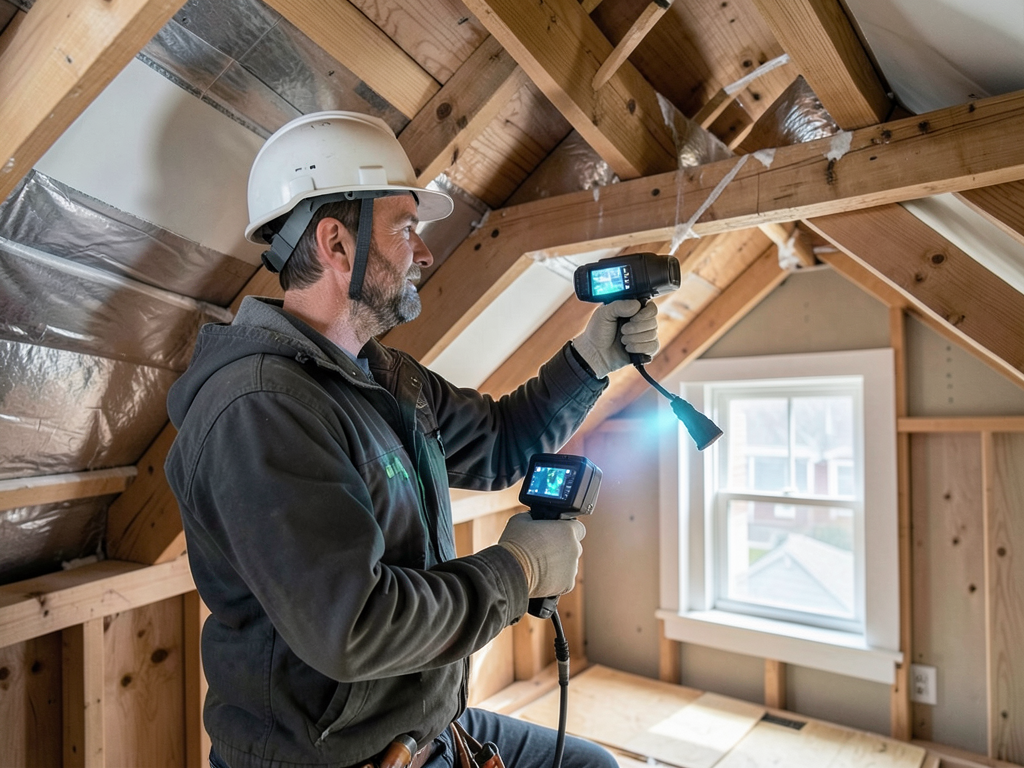
Not sure if your home is at risk? A professional inspection can identify hidden problems. Technicians use thermal imaging cameras to spot hot spots in your roof where heat is escaping. They check for proper ventilation ratios, measure existing insulation depth, and inspect for signs of past ice dam damage like water stains on rafters or mold on roof sheathing.
In Pittsburgh, building inspectors reference the 2018 International Residential Code (IRC) Section R806 for ventilation requirements and Section R302.14 for ice barrier requirements. Homes built before these codes were adopted may not have the protections modern construction requires. A qualified roofer can verify whether your home meets current standards and recommend upgrades. International Association of Certified Home Inspectors.
Ice dams can cause thousands of dollars in damage in just a few days. If you notice icicles hanging from your eaves, water stains on interior ceilings, or sagging gutters, call for help immediately. These are warning signs that water is already backing up under your shingles. Commercial Gutter Systems.
Emergency Ice Dam Removal: Steam vs. Chemicals
If you have an active leak, avoid using hammers, chisels, or pressure washers to remove ice. These can damage shingles and flashing. Professional ice dam removal uses low-pressure steam to melt ice safely without harming your roof. Chemical de-icers can work in a pinch but may discolor shingles or harm plants below.
Heat cables (heat trace) can prevent ice dams by keeping eaves warm enough to prevent refreezing. But they use significant electricity and only work if installed before the problem starts. They’re best used as a supplement to, not a replacement for, proper insulation and ventilation. How Much a Full Roof Replacement Actually Costs in Pittsburgh Right Now.
Cost-Benefit Analysis: Prevention vs. Repairs
Adding insulation and ventilation costs $2,000-$5,000 for a typical Pittsburgh home, depending on size and existing conditions. Compare that to the cost of repairing ice dam damage: drywall replacement, insulation removal and reinstallation, mold remediation, and new roofing can easily exceed $10,000. Plus, insurance may not cover damage from deferred maintenance. Why Metal Roofing is Becoming the Top Choice for Homes in North Hills.
Heat cables cost $500-$1,500 to install but add $100-$300 per winter in electricity. They also require maintenance and eventual replacement. The most cost-effective solution is addressing the underlying heat loss problem once and for all.
Roofing Warranty Implications
Many shingle manufacturers void warranties if ice dams cause damage, arguing that the failure was due to improper installation or inadequate attic ventilation rather than a product defect. Installing Ice and Water Shield correctly and meeting ventilation requirements helps maintain your warranty coverage. Keep documentation of any upgrades to prove you’ve met current building standards.
Pennsylvania’s Uniform Construction Code (UCC) requires ice barrier protection in all jurisdictions. In Pittsburgh, the Department of Permits, Licenses, and Inspections enforces these requirements. If you’re planning a roof replacement, now is the time to upgrade your attic’s thermal performance.
Ready for Winter? Take This Pittsburgh Ice Dam Prevention Checklist
- ✓ Verify attic insulation is at least R-49 (16-20 inches of blown-in material)
- ✓ Check that soffit and ridge vents provide 1 square foot of net free area per 300 square feet of attic
- ✓ Seal all attic bypasses with fire-rated materials
- ✓ Ensure bathroom and kitchen vents terminate outside, not in the attic
- ✓ Confirm Ice and Water Shield extends 24 inches past interior walls on lower edges
- ✓ Schedule a professional thermal imaging inspection if you’re unsure
Don’t wait until the first heavy snow to discover your home is vulnerable. Pittsburgh’s winter is coming, and ice dams don’t discriminate between old Victorians in Shadyside and new builds in Cranberry Township. The cost of prevention is always less than the cost of emergency repairs.
Frequently Asked Questions
How do I know if my Pittsburgh home has ice dams?
Look for large icicles hanging from eaves, water stains on interior ceilings or walls, sagging gutters, or patches of melted snow on your roof while surrounding areas remain snow-covered. These are all signs that ice dams may be forming.. Read more about How Your Gutter System Protects Your Swissvale Home From Foundation Damage.
Can I prevent ice dams myself?
You can take some steps yourself, like adding insulation or sealing obvious air leaks. However, proper ventilation installation and thermal imaging inspections require professional equipment and expertise. For best results, combine DIY efforts with professional assessment. Expert Slate Roof Repair Services for Sewickley Historic Properties.
How much does ice dam prevention cost in Pittsburgh?
Adding insulation typically costs $1,500-$3,000, while professional ventilation installation runs $1,000-$2,000. A complete prevention package including inspection, insulation, and ventilation averages $3,000-$5,000 for a typical Pittsburgh home.
Will heat cables solve my ice dam problem?
Heat cables can help prevent ice dams but should be viewed as a supplement to, not a replacement for, proper insulation and ventilation. They use significant electricity and require maintenance. The most effective solution addresses the underlying heat loss issue.
Does homeowners insurance cover ice dam damage?
Most policies cover sudden, accidental damage from ice dams. However, damage from deferred maintenance or known problems may be denied. Check your policy and consider prevention upgrades to maintain coverage eligibility.
Take Action Before the Next Storm
Ice dams are a predictable problem with predictable solutions. Pittsburgh’s climate isn’t changing, but your home’s vulnerability can. Whether you live in a century-old row house in the South Side or a mid-century ranch in Wexford, the principles are the same: keep heat inside, keep the roof cold, and ensure water can escape.
Don’t wait until water is dripping through your ceiling to take action. Call (878) 209-5522 today to schedule your professional ice dam prevention inspection. Our team serves Pittsburgh and surrounding communities, bringing 15+ years of local experience to every job. We’ll identify your home’s specific vulnerabilities and recommend solutions that work for Pittsburgh’s unique climate.
Winter is coming. Make sure your roof is ready. Call (878) 209-5522 now and sleep easier knowing your home is protected from ice dam damage. For more information, visit Energy.gov insulation guidelines.
{
“@context”: “https://schema.org”,
“@type”: “BlogPosting”,
“headline”: “Preventing Dangerous Ice Dams on Your Pittsburgh Roof Before Winter Hits”,
“description”: “Stop ice dams before they destroy your Pittsburgh roof this winter. Learn the three pillars of prevention, local building codes, and when to call for emergency help.”,
“wordCount”: 1727,
“datePublished”: “2026-03-04T12:59:00.000Z”,
“dateModified”: “2026-03-04T12:59:00.000Z”,
“inLanguage”: “en-US”,
“mainEntityOfPage”: {
“@type”: “WebPage”,
“@id”: “https://victoryroofingpittsburgh.com”
},
“publisher”: {
“@type”: “LocalBusiness”,
“name”: “Victory Roofing Pittsburgh”,
“url”: “https://victoryroofingpittsburgh.com”
},
“author”: {
“@type”: “Organization”,
“name”: “Victory Roofing Pittsburgh”,
“url”: “https://victoryroofingpittsburgh.com”
},
“image”: {
“@type”: “ImageObject”,
“url”: “https://victoryroofingpittsburgh.com/wp-content/uploads/2026/03/preventing-dangerous-ice-dams-on-your-pittsburgh-r-1.png”
}
}
{
“@context”: “https://schema.org”,
“@type”: “RoofingContractor”,
“name”: “Victory Roofing Pittsburgh”,
“url”: “https://victoryroofingpittsburgh.com”,
“address”: {
“@type”: “PostalAddress”,
“addressLocality”: “Pittsburgh”
},
“areaServed”: {
“@type”: “City”,
“name”: “Pittsburgh”
}
}
{
“@context”: “https://schema.org”,
“@type”: “FAQPage”,
“mainEntity”: [
{
“@type”: “Question”,
“name”: “How do I know if my Pittsburgh home has ice dams?”,
“acceptedAnswer”: {
“@type”: “Answer”,
“text”: “Look for large icicles hanging from eaves, water stains on interior ceilings or walls, sagging gutters, or patches of melted snow on your roof while surrounding areas remain snow-covered. These are all signs that ice dams may be forming.”
}
},
{
“@type”: “Question”,
“name”: “Can I prevent ice dams myself?”,
“acceptedAnswer”: {
“@type”: “Answer”,
“text”: “You can take some steps yourself, like adding insulation or sealing obvious air leaks. However, proper ventilation installation and thermal imaging inspections require professional equipment and expertise. For best results, combine DIY efforts with professional assessment. Expert Slate Roof Repair Services for Sewickley Historic Properties.”
}
},
{
“@type”: “Question”,
“name”: “How much does ice dam prevention cost in Pittsburgh?”,
“acceptedAnswer”: {
“@type”: “Answer”,
“text”: “Adding insulation typically costs $1,500-$3,000, while professional ventilation installation runs $1,000-$2,000. A complete prevention package including inspection, insulation, and ventilation averages $3,000-$5,000 for a typical Pittsburgh home.”
}
},
{
“@type”: “Question”,
“name”: “Will heat cables solve my ice dam problem?”,
“acceptedAnswer”: {
“@type”: “Answer”,
“text”: “Heat cables can help prevent ice dams but should be viewed as a supplement to, not a replacement for, proper insulation and ventilation. They use significant electricity and require maintenance. The most effective solution addresses the underlying heat loss issue.”
}
},
{
“@type”: “Question”,
“name”: “Does homeowners insurance cover ice dam damage?”,
“acceptedAnswer”: {
“@type”: “Answer”,
“text”: “Most policies cover sudden, accidental damage from ice dams. However, damage from deferred maintenance or known problems may be denied. Check your policy and consider prevention upgrades to maintain coverage eligibility.”
}
}
]
}
{
“@context”: “https://schema.org”,
“@type”: “BreadcrumbList”,
“itemListElement”: [
{
“@type”: “ListItem”,
“position”: 1,
“name”: “Home”,
“item”: “https://victoryroofingpittsburgh.com”
},
{
“@type”: “ListItem”,
“position”: 2,
“name”: “Blog”,
“item”: “https://victoryroofingpittsburgh.com/blog”
},
{
“@type”: “ListItem”,
“position”: 3,
“name”: “Preventing Dangerous Ice Dams on Your Pittsburgh Roof Before Winter Hits”
}
]
}
{
“@context”: “https://schema.org”,
“@type”: “Service”,
“serviceType”: “Roofing”,
“provider”: {
“@type”: “LocalBusiness”,
“name”: “Victory Roofing Pittsburgh”,
“url”: “https://victoryroofingpittsburgh.com”
},
“areaServed”: {
“@type”: “City”,
“name”: “Pittsburgh”
},
“description”: “Stop ice dams before they destroy your Pittsburgh roof this winter. Learn the three pillars of prevention, local building codes, and when to call for emergency help.”
}