Preparing Your McCandless Roof for Future Solar Panel Installation
Homeowners in McCandless are increasingly looking toward solar energy as electricity costs rise and renewable technology improves. The key to a successful solar installation starts long before the panels arrive—it begins with preparing your roof to handle the added weight and mounting hardware. A roof that isn’t ready can lead to voided warranties, leaks, or even structural failure. This guide covers exactly what McCandless homeowners need to know about getting their roof solar-ready, from local building requirements to Pennsylvania tax incentives. Pennsylvania Power Sources.
McCandless sits in a unique climate zone where heavy snow loads, rapid freeze-thaw cycles, and occasional high winds create specific challenges for any rooftop installation. Preparing your roof now means you won’t face costly retrofits later when you’re ready to switch to solar power.
Why McCandless Homes Need Solar-Ready Roofing
The northern suburbs of Pittsburgh, including McCandless, experience winter snow loads that can exceed 30 pounds per square foot. When solar panels are added, that load increases significantly. A standard asphalt shingle roof built to minimum code may not have the structural reinforcement needed to safely support a full solar array for the next 25 to 30 years.
Beyond structural concerns, the roof’s age matters. If your roof is already 15 years old, installing solar panels means those panels will likely outlast the roofing material beneath them. That creates a nightmare scenario where you’d need to remove and reinstall the entire solar system just to replace the roof. Solar-ready roofing prevents this by ensuring your roof has both the structural integrity and remaining lifespan to support solar for decades. Why Metal Roofing is Becoming the Top Choice for Homes in North Hills.
McCandless homes also face specific orientation challenges. While south-facing roofs capture the most sunlight in Pennsylvania, many homes in the area have east-west orientations or significant shading from mature trees. A solar-ready assessment includes evaluating your roof’s sun exposure throughout the year, not just its current condition.
Technical Requirements for Solar-Ready Roofing in Western Pennsylvania
Preparing a roof for solar installation involves several technical upgrades that go beyond standard replacement work. The process starts with a structural engineer evaluating your roof’s load-bearing capacity. In McCandless, where many homes were built in the 1970s through 1990s, original rafters often need reinforcement to meet current solar installation standards. How Much a Full Roof Replacement Actually Costs in Pittsburgh Right Now.
The reinforcement typically involves adding support beams or sistering existing rafters with new lumber. This work must comply with the International Building Code and local Pittsburgh area amendments. The engineer calculates the total dead load (existing roof weight) plus live load (snow, wind, solar panels) to ensure the structure exceeds minimum requirements by at least 15 percent.. Read more about How to Meet Strict HOA Roofing Requirements in Peters Township.
Roof decking is another critical consideration. Solar mounting systems require solid attachment points, which means your decking must be in excellent condition. We often find that older homes in McCandless have 1/2-inch plywood decking that has weakened over decades. Upgrading to 5/8-inch or even 3/4-inch plywood provides the necessary strength and prevents future sagging under the weight of solar panels and racking systems.
Flashing systems require special attention for solar readiness. Standard step flashing won’t suffice when you’re planning for panel mounts. We install upgraded flashing with extended coverage areas and use UV-resistant sealants that maintain flexibility through Pennsylvania’s extreme temperature swings. The flashing must also accommodate the specific mounting hardware your chosen solar company plans to use.
Electrical conduit rough-in represents another solar-ready upgrade. Even if you’re not installing solar immediately, running conduit from your roof to your electrical panel during the roofing project saves significant money later. The conduit should be oversized to accommodate future wiring needs and properly sealed to prevent moisture intrusion. Roofing Scranton.
Step-by-Step Solar-Ready Roof Preparation Process
- Comprehensive Roof Inspection
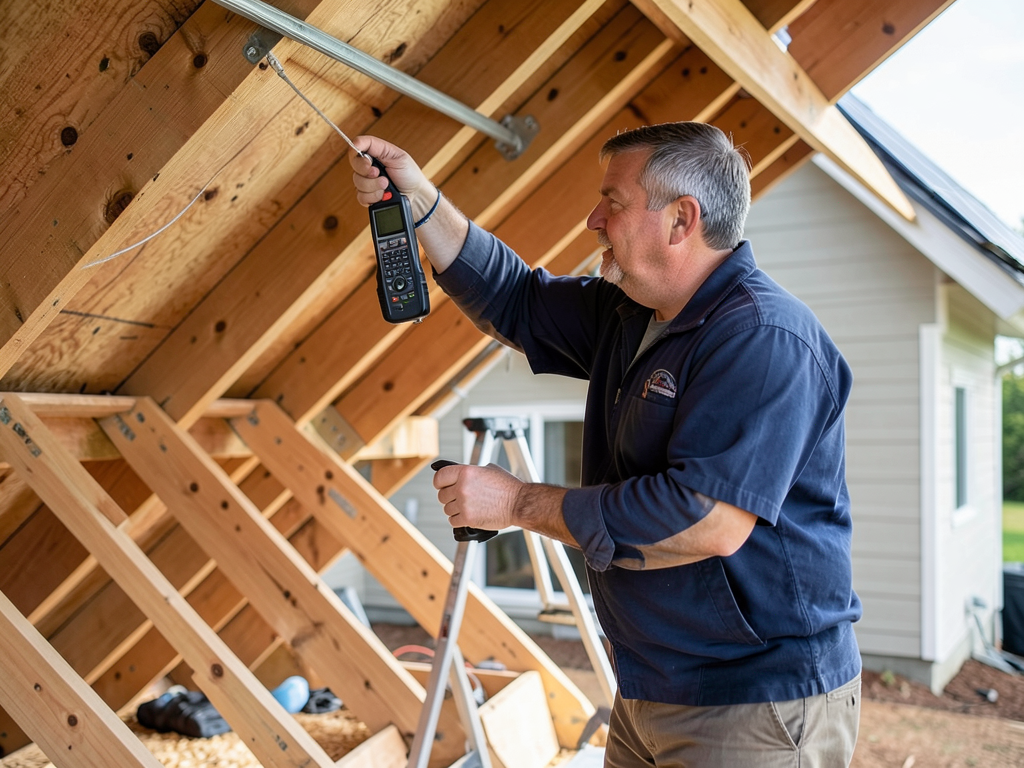
A certified roofing contractor examines your entire roof system, including attic ventilation, decking condition, and structural integrity. We use moisture meters to detect hidden water damage that could compromise solar installation.
- Structural Engineering Assessment
A licensed structural engineer calculates your roof’s current load capacity and determines necessary reinforcements. This step is crucial for older McCandless homes where original construction may not meet modern standards.
- Permit Acquisition and Code Compliance
We handle all necessary permits through Allegheny County and ensure compliance with local building codes, including snow load requirements specific to the Pittsburgh area.
- Roof Decking and Underlayment Upgrade
Replace any damaged decking and install high-quality underlayment designed for solar applications. This includes ice and water shield in all valleys and around penetrations.
- Flashing and Mounting System Preparation
Install upgraded flashing systems and prepare attachment points for future solar mounting hardware. This includes reinforcing areas where panels will be mounted.
- Electrical Conduit Installation
Run properly sized conduit from roof penetration points to your electrical panel location, ensuring all penetrations are sealed against moisture.
- Final Inspection and Documentation
Complete a final inspection and provide documentation showing your roof meets all structural and electrical requirements for future solar installation.
Best Roofing Materials for Solar-Ready Applications
Not all roofing materials perform equally when it comes to supporting solar installations. In McCandless, where weather extremes are common, material selection becomes even more critical.
Asphalt architectural shingles remain the most popular choice due to their cost-effectiveness and ease of installation. However, for solar readiness, we recommend premium architectural shingles with enhanced wind ratings of at least 110 mph. These shingles provide better durability and come with longer warranties that align with solar panel lifespans.
Metal roofing has emerged as an excellent option for solar-ready applications. Standing seam metal roofs allow for clamp-based mounting systems that don’t require penetrations, eliminating potential leak points. The smooth surface also facilitates snow shedding, which is beneficial in McCandless’s heavy snowfall. Metal roofs can last 50 years or more, easily outlasting solar panels.
TPO and PVC membrane roofing systems work well for low-slope applications common in some McCandless neighborhoods. These single-ply membranes are heat-welded at seams, creating a monolithic waterproof barrier. When properly installed with reinforced attachment points, they provide excellent support for solar mounting systems while offering superior energy efficiency.
Concrete and clay tiles, while less common in Pennsylvania, offer exceptional durability. However, they require specialized mounting hardware and often need additional structural reinforcement. The weight of these materials must be carefully calculated during the solar-ready assessment.
Pennsylvania Solar Incentives and Tax Credits
Pennsylvania offers several financial incentives that make solar installation more attractive for McCandless homeowners. Understanding these programs helps you make informed decisions about your solar-ready roof investment.
The Federal Investment Tax Credit (ITC) provides a 30 percent tax credit on the total cost of your solar installation, including the roof preparation work if it’s part of the same project. This credit applies to both residential and commercial properties and remains in effect through 2032, though the percentage may decrease after 2032. Federal Solar Tax Credit Information.
Pennsylvania’s Solar Renewable Energy Credits (SRECs) program allows you to earn credits for every megawatt-hour your solar system produces. While Pennsylvania’s SREC market isn’t as robust as some neighboring states, it still provides additional revenue that improves your solar investment’s return.
Duquesne Light Company, which serves much of the McCandless area, offers net metering programs that let you sell excess electricity back to the grid. This arrangement can significantly reduce your utility bills and provide credits during months when your system produces more power than you consume.
Pennsylvania also offers property tax exemptions for solar installations. The added value from your solar system won’t increase your property tax assessment, making it a more attractive investment from a long-term financial perspective.
Local municipalities sometimes offer additional incentives or streamlined permitting processes for solar installations. While McCandless Township doesn’t currently offer direct incentives, their permitting process is designed to work efficiently with pre-approved solar-ready roofing plans.
Cost Comparison: Solar-Ready vs. Standard Roof Replacement
Investing in solar-ready roofing does increase upfront costs, but the long-term savings and avoided future expenses often justify the premium. Here’s how the costs typically break down in the Pittsburgh market:
| Component | Standard Replacement | Solar-Ready Upgrade | Additional Cost |
|---|---|---|---|
| Structural Reinforcement | $0 | $2,500 – $5,000 | $2,500 – $5,000 |
| Premium Decking | $1,500 | $2,500 | $1,000 |
| Enhanced Flashing | $800 | $1,500 | $700 |
| Electrical Conduit | $0 | $1,200 | $1,200 |
| Premium Materials | $8,000 | $10,000 | $2,000 |
| Total Project | $10,300 | $19,700 | $9,400 |
The $9,400 premium for solar-ready roofing represents approximately 91 percent of the cost you’d pay for a retrofit if you installed solar on a standard roof later. Additionally, the solar-ready investment qualifies for the same 30 percent federal tax credit, effectively reducing your net additional cost to around $6,580.
Beyond direct cost savings, solar-ready roofing eliminates several risks and expenses associated with post-installation retrofits. These include potential roof damage during panel removal, temporary power outages, and the inconvenience of coordinating multiple contractors.
Local Building Codes and Permit Requirements
McCandless and the greater Pittsburgh area have specific building code requirements that affect solar-ready roofing projects. Understanding these requirements prevents costly delays and ensures your installation meets all safety standards.
The Pennsylvania Uniform Construction Code (UCC) requires all structural modifications to be engineered and permitted. For solar-ready roofing, this means your reinforcement plans must be stamped by a licensed structural engineer and submitted to Allegheny County for approval. The review process typically takes 2-3 weeks.
Snow load requirements in Western Pennsylvania exceed national minimums. ASCE 7-16, which governs structural design loads, specifies minimum snow loads of 30 pounds per square foot for the Pittsburgh area. However, many local jurisdictions, including Allegheny County, require engineering for loads exceeding 40 pounds per square foot when solar panels are involved.
Wind uplift requirements also increase with solar installations. Panels create additional surface area that can catch wind, potentially creating uplift forces on your roof structure. Building codes require specific attachment methods and pullout strength testing for all mounting hardware.
Fire safety regulations affect how close solar panels can be installed to roof edges and ridges. The International Fire Code requires minimum setbacks to ensure firefighters can access your roof safely in emergencies. These setbacks may reduce your available roof space for solar panels, making proper planning essential.
Electrical codes require all solar installations to comply with the National Electrical Code (NEC) Article 690. This includes proper grounding, overcurrent protection, and rapid shutdown capabilities. Even if you’re only preparing for future solar, your electrical rough-in must meet these requirements to avoid costly rework later.
Common Mistakes to Avoid in Solar-Ready Roofing
Many homeowners make critical errors when preparing their roofs for solar that end up costing more in the long run. Here are the most common mistakes we see in McCandless and how to avoid them.
Underestimating structural requirements is perhaps the most dangerous mistake. Some contractors cut corners by using minimal reinforcement to reduce costs. This creates safety hazards and can void your roof warranty. Always insist on engineered plans that exceed minimum requirements by at least 15 percent.
Choosing the wrong roofing material for your specific situation can lead to premature failure. While metal roofing offers excellent longevity, it may not be suitable for every home’s architecture or budget. Similarly, premium asphalt shingles might seem cost-effective but could require earlier replacement than your solar panels.
Neglecting proper ventilation is another common error. Solar panels can increase roof temperatures by 20-30 degrees, which affects both your roof’s lifespan and your home’s cooling costs. Ensure your solar-ready roof includes adequate intake and exhaust ventilation to maintain proper airflow.
Skipping the electrical conduit rough-in to save money often backfires. Retrofitting conduit after your roof is installed typically costs three to four times more than installing it during the initial project. The small upfront investment in conduit pays significant dividends when you’re ready for solar.
Working with unqualified contractors who lack solar experience can lead to code violations and safety issues. Not all roofing contractors understand the specific requirements for solar-ready installations. Look for contractors with specific experience in solar preparation and proper engineering partnerships.
Ignoring local climate factors unique to McCandless can result in poor performance. The area’s heavy snowfall, freeze-thaw cycles, and occasional high winds require specific material choices and installation techniques that generic solar-ready advice might not address.
Timeline and Planning Considerations
Preparing your roof for future solar installation requires careful planning and timing. Here’s what to expect throughout the process.
The initial assessment and planning phase typically takes 2-4 weeks. During this time, we conduct detailed inspections, obtain engineering calculations, and develop your project plan. This phase includes obtaining necessary permits, which can take an additional 2-3 weeks depending on local review times.
Roof replacement and solar-ready upgrades usually require 3-5 days of active work, weather permitting. This includes removing the existing roof, making structural modifications, installing new materials, and completing all necessary inspections. Your home may be without full roof protection for brief periods during material transitions.
Post-installation inspections and documentation typically take 1-2 weeks. We coordinate with local building officials to ensure all work meets code requirements and provide you with complete documentation of your solar-ready installation.
Planning for future solar installation means considering your long-term energy needs. Solar technology continues to improve, and your energy consumption may increase over the next 5-10 years. We design solar-ready roofs to accommodate potential future expansion, including additional conduit runs and structural capacity for larger systems.
Timing your solar-ready roof replacement with other home improvements can save money and reduce disruption. If you’re planning attic insulation upgrades, HVAC replacements, or exterior renovations, coordinating these projects with your roof work can create synergies and reduce overall costs.
Maintenance and Warranty Considerations
Solar-ready roofing comes with specific maintenance requirements and warranty considerations that differ from standard roof installations.
Most roofing material manufacturers offer enhanced warranties for solar-ready installations. These warranties typically extend 10-15 years longer than standard warranties and specifically cover the additional stress that solar mounting hardware places on roofing materials. However, these enhanced warranties often require installation by certified contractors and compliance with specific mounting protocols.
Regular maintenance becomes even more critical with solar-ready roofing. The added weight and mounting hardware create new stress points that require periodic inspection. We recommend annual professional inspections to check flashing integrity, mounting point security, and overall roof condition.
Snow removal considerations change with solar-ready roofing. The additional weight capacity means your roof can handle heavy snow loads, but accumulated snow on future solar panels can affect their efficiency. Some homeowners invest in snow guards or heating elements as part of their solar-ready preparation.
Warranty interactions between roofing and solar contractors can be complex. Some roofing warranties become void if solar panels are installed by non-certified contractors. Working with contractors who understand these relationships and can coordinate with your future solar installer prevents warranty conflicts.
Documentation becomes crucial for warranty claims and future solar installation. Keep all engineering reports, permit documents, and installation records. These documents prove your roof meets all requirements for solar installation and can prevent disputes with future contractors.
Frequently Asked Questions
How much does it cost to make a roof solar-ready in McCandless?
The cost typically ranges from $8,000 to $15,000 above standard roof replacement, depending on your home’s size, age, and specific requirements. This includes structural reinforcement, premium materials, and electrical conduit installation.
Can any roof be made solar-ready?
Most roofs can be prepared for solar, but some may require extensive structural work that makes the investment less economical. Homes built before 1980 often need significant reinforcement. A professional assessment determines feasibility.
How long does the solar-ready preparation process take?
From initial assessment to final inspection, expect 6-8 weeks total. Active installation work takes 3-5 days. The timeline includes permit acquisition, which typically takes 2-3 weeks in Allegheny County.
Will solar-ready roofing increase my home’s value?
Yes, solar-ready roofing can increase your home’s value by $10,000 to $20,000. Buyers increasingly value homes prepared for solar installation, and the enhanced durability and warranty coverage add additional value.
Do I need a new roof to go solar?
Not necessarily. If your roof is in good condition and less than 10 years old, you might be able to install solar directly. However, if your roof is older or you’re planning for future solar, preparation makes sense.
What happens if I don’t prepare my roof for solar now?
You can still install solar later, but you’ll face higher costs for retrofitting, potential roof damage, and the risk of having to remove panels for roof repairs. Preparation eliminates these risks and costs.
Take the Next Step Toward Solar-Ready Roofing
Preparing your McCandless home for future solar installation is an investment in energy independence, property value, and long-term savings. The process requires careful planning, proper engineering, and experienced contractors who understand both roofing and solar requirements.
Don’t wait until your roof fails or solar prices increase further. The combination of federal tax credits, Pennsylvania incentives, and avoided future retrofit costs makes now the ideal time to invest in solar-ready roofing. Our team has helped dozens of McCandless homeowners prepare their homes for the solar transition.
Call (878) 209-5522 today to schedule your free solar-ready roof assessment. We’ll evaluate your current roof condition, discuss your energy goals, and provide a detailed plan for preparing your home for solar installation. Our assessments include structural engineering review, material recommendations, and a clear timeline for completion.
Pick up the phone and call (878) 209-5522 before the next storm hits. Your future solar installation depends on the decisions you make today about your roof’s structural integrity and preparation. Don’t let an unprepared roof become the barrier between you and energy independence.
Ready to get started? Call (878) 209-5522 now to speak with our solar-ready roofing specialists. We’ll answer all your questions and help you understand exactly what your McCandless home needs to support solar panels safely and efficiently for decades to come.
Don’t leave your solar future to chance. Call (878) 209-5522 today and take the first step toward a solar-ready roof that will serve you well into the future.
Disclaimer: All cost estimates and timelines are based on typical projects in the Pittsburgh area as of 2026. Your specific project may vary based on individual home characteristics, local regulations, and market conditions. Always consult with licensed professionals for your particular situation.
{
“@context”: “https://schema.org”,
“@type”: “BlogPosting”,
“headline”: “Preparing Your McCandless Roof for Future Solar Panel Installation”,
“description”: “Learn how to prepare your McCandless roof for solar panels with expert guidance on structural upgrades, local codes, and Pittsburgh-specific climate considerations.”,
“wordCount”: 3030,
“datePublished”: “2026-03-10T16:21:00.000Z”,
“dateModified”: “2026-03-10T16:21:00.000Z”,
“inLanguage”: “en-US”,
“mainEntityOfPage”: {
“@type”: “WebPage”,
“@id”: “https://victoryroofingpittsburgh.com”
},
“publisher”: {
“@type”: “LocalBusiness”,
“name”: “Victory Roofing Pittsburgh”,
“url”: “https://victoryroofingpittsburgh.com”
},
“author”: {
“@type”: “Organization”,
“name”: “Victory Roofing Pittsburgh”,
“url”: “https://victoryroofingpittsburgh.com”
},
“image”: {
“@type”: “ImageObject”,
“url”: “https://victoryroofingpittsburgh.com/wp-content/uploads/2026/03/preparing-your-mccandless-roof-for-future-solar-pa-1.png”
}
}
{
“@context”: “https://schema.org”,
“@type”: “RoofingContractor”,
“name”: “Victory Roofing Pittsburgh”,
“url”: “https://victoryroofingpittsburgh.com”,
“address”: {
“@type”: “PostalAddress”,
“addressLocality”: “Pittsburgh”
},
“areaServed”: {
“@type”: “City”,
“name”: “Pittsburgh”
}
}
{
“@context”: “https://schema.org”,
“@type”: “FAQPage”,
“mainEntity”: [
{
“@type”: “Question”,
“name”: “How much does it cost to make a roof solar-ready in McCandless?”,
“acceptedAnswer”: {
“@type”: “Answer”,
“text”: “The cost typically ranges from $8,000 to $15,000 above standard roof replacement, depending on your home’s size, age, and specific requirements. This includes structural reinforcement, premium materials, and electrical conduit installation.”
}
},
{
“@type”: “Question”,
“name”: “Can any roof be made solar-ready?”,
“acceptedAnswer”: {
“@type”: “Answer”,
“text”: “Most roofs can be prepared for solar, but some may require extensive structural work that makes the investment less economical. Homes built before 1980 often need significant reinforcement. A professional assessment determines feasibility.”
}
},
{
“@type”: “Question”,
“name”: “How long does the solar-ready preparation process take?”,
“acceptedAnswer”: {
“@type”: “Answer”,
“text”: “From initial assessment to final inspection, expect 6-8 weeks total. Active installation work takes 3-5 days. The timeline includes permit acquisition, which typically takes 2-3 weeks in Allegheny County.”
}
},
{
“@type”: “Question”,
“name”: “Will solar-ready roofing increase my home’s value?”,
“acceptedAnswer”: {
“@type”: “Answer”,
“text”: “Yes, solar-ready roofing can increase your home’s value by $10,000 to $20,000. Buyers increasingly value homes prepared for solar installation, and the enhanced durability and warranty coverage add additional value.”
}
},
{
“@type”: “Question”,
“name”: “Do I need a new roof to go solar?”,
“acceptedAnswer”: {
“@type”: “Answer”,
“text”: “Not necessarily. If your roof is in good condition and less than 10 years old, you might be able to install solar directly. However, if your roof is older or you’re planning for future solar, preparation makes sense.”
}
},
{
“@type”: “Question”,
“name”: “What happens if I don’t prepare my roof for solar now?”,
“acceptedAnswer”: {
“@type”: “Answer”,
“text”: “You can still install solar later, but you’ll face higher costs for retrofitting, potential roof damage, and the risk of having to remove panels for roof repairs. Preparation eliminates these risks and costs.”
}
}
]
}
{
“@context”: “https://schema.org”,
“@type”: “HowTo”,
“name”: “Solar Ready Roof Preparation”,
“step”: [
{
“@type”: “HowToStep”,
“position”: 1,
“name”: “Comprehensive Roof Inspection”,
“text”: “A certified roofing contractor examines your entire roof system, including attic ventilation, decking condition, and structural integrity. We use moisture meters to detect hidden water damage that could compromise solar installation.”
},
{
“@type”: “HowToStep”,
“position”: 2,
“name”: “Structural Engineering Assessment”,
“text”: “A licensed structural engineer calculates your roof’s current load capacity and determines necessary reinforcements. This step is crucial for older McCandless homes where original construction may not meet modern standards.”
},
{
“@type”: “HowToStep”,
“position”: 3,
“name”: “Permit Acquisition and Code Compliance”,
“text”: “We handle all necessary permits through Allegheny County and ensure compliance with local building codes, including snow load requirements specific to the Pittsburgh area.”
},
{
“@type”: “HowToStep”,
“position”: 4,
“name”: “Roof Decking and Underlayment Upgrade”,
“text”: “Replace any damaged decking and install high-quality underlayment designed for solar applications. This includes ice and water shield in all valleys and around penetrations.”
},
{
“@type”: “HowToStep”,
“position”: 5,
“name”: “Flashing and Mounting System Preparation”,
“text”: “Install upgraded flashing systems and prepare attachment points for future solar mounting hardware. This includes reinforcing areas where panels will be mounted.”
},
{
“@type”: “HowToStep”,
“position”: 6,
“name”: “Electrical Conduit Installation”,
“text”: “Run properly sized conduit from roof penetration points to your electrical panel location, ensuring all penetrations are sealed against moisture.”
},
{
“@type”: “HowToStep”,
“position”: 7,
“name”: “Final Inspection and Documentation”,
“text”: “Complete a final inspection and provide documentation showing your roof meets all structural and electrical requirements for future solar installation.”
}
],
“image”: “https://victoryroofingpittsburgh.com/wp-content/uploads/2026/03/preparing-your-mccandless-roof-for-future-solar-pa-1.png”
}
{
“@context”: “https://schema.org”,
“@type”: “BreadcrumbList”,
“itemListElement”: [
{
“@type”: “ListItem”,
“position”: 1,
“name”: “Home”,
“item”: “https://victoryroofingpittsburgh.com”
},
{
“@type”: “ListItem”,
“position”: 2,
“name”: “Blog”,
“item”: “https://victoryroofingpittsburgh.com/blog”
},
{
“@type”: “ListItem”,
“position”: 3,
“name”: “Preparing Your McCandless Roof for Future Solar Panel Installation”
}
]
}
{
“@context”: “https://schema.org”,
“@type”: “Service”,
“serviceType”: “Roofing”,
“provider”: {
“@type”: “LocalBusiness”,
“name”: “Victory Roofing Pittsburgh”,
“url”: “https://victoryroofingpittsburgh.com”
},
“areaServed”: {
“@type”: “City”,
“name”: “Pittsburgh”
},
“description”: “Learn how to prepare your McCandless roof for solar panels with expert guidance on structural upgrades, local codes, and Pittsburgh-specific climate considerations.”
}