Are Sustainable Green Roofs a Viable Option for Modern Homes in East Liberty?
Green roofs offer real benefits for East Liberty homeowners facing Pittsburgh’s four-season climate. These living roof systems can reduce energy costs by up to 30% while managing stormwater runoff that often overwhelms the city’s combined sewer system. For a neighborhood with both historic Victorian homes and newer developments, green roofs provide a sustainable upgrade that addresses both environmental concerns and structural needs. Pittsburgh Water and Sewer Authority stormwater programs.
Before deciding if a green roof fits your home, you need to understand the weight requirements. A typical extensive green roof adds 15-25 pounds per square foot when saturated, while intensive systems can reach 35-50 pounds. Most East Liberty homes built after 1950 can handle the load, but older structures may need structural reinforcement. The next section breaks down the different system types and their specific requirements for Pittsburgh’s climate zone.
Understanding Green Roof Systems for Pittsburgh’s Climate
Green roofs fall into two main categories. Extensive systems use shallow soil (2-6 inches) and drought-resistant plants like sedum and native Pennsylvania grasses. These lightweight options work well for most residential structures and cost between $15-25 per square foot installed. Intensive systems feature deeper soil (8-12 inches or more) supporting perennials, shrubs, and even small trees, but require stronger roof structures and cost $25-40 per square foot.
The freeze-thaw cycles that define Pittsburgh winters create unique challenges. Water expands when frozen, potentially damaging plant roots and waterproofing membranes. Quality green roof installations in East Liberty use specialized root barriers and drainage layers designed to handle these temperature swings. The system must include proper slope (2-5%) to prevent ice dam formation, a common issue in older Pittsburgh neighborhoods. Why Metal Roofing is Becoming the Top Choice for Homes in North Hills.
Stormwater management represents a major benefit in East Liberty. The Pittsburgh Water and Sewer Authority offers stormwater fee credits for properties that reduce runoff through green infrastructure. A 1,000-square-foot green roof can retain 70% of annual rainfall, translating to measurable reductions in municipal utility costs. The next section examines the specific plant species that thrive in Zone 6b conditions.
Native Pennsylvania Plants That Survive East Liberty Winters
Selecting the right vegetation determines long-term success. Native sedum species like Sedum acre and Sedum reflexum withstand temperatures as low as -10°F while requiring minimal maintenance. These plants develop shallow root systems perfect for extensive roof applications. Pennsylvania’s state wildflower, the blue-eyed grass (Sisyrinchium), adds seasonal color without compromising roof integrity.
Buffalo grass (Bouteloua dactyloides) provides excellent coverage for sunny roof exposures. This native prairie grass develops deep roots that help stabilize soil during heavy summer thunderstorms common to the Allegheny Mountains region. For shaded areas, Pennsylvania sedge (Carex pensylvanica) thrives in the partial sun conditions typical of East Liberty’s tree-lined streets.
Plant selection impacts more than aesthetics. Deep-rooted species improve stormwater retention by creating channels that direct water to drainage layers. This natural filtration reduces the burden on East Liberty’s aging combined sewer infrastructure, which often overflows during heavy rains. The following section details the structural requirements for installing these systems on different home types.
Structural Requirements for East Liberty Homes
Before installation begins, a structural engineer must evaluate your roof’s load-bearing capacity. Most homes in East Liberty’s Penn Avenue corridor were built with roof structures supporting 20-25 pounds per square foot. This falls short of extensive green roof requirements, necessitating joist reinforcement or additional support columns. The cost for structural upgrades typically ranges from $5-15 per square foot.
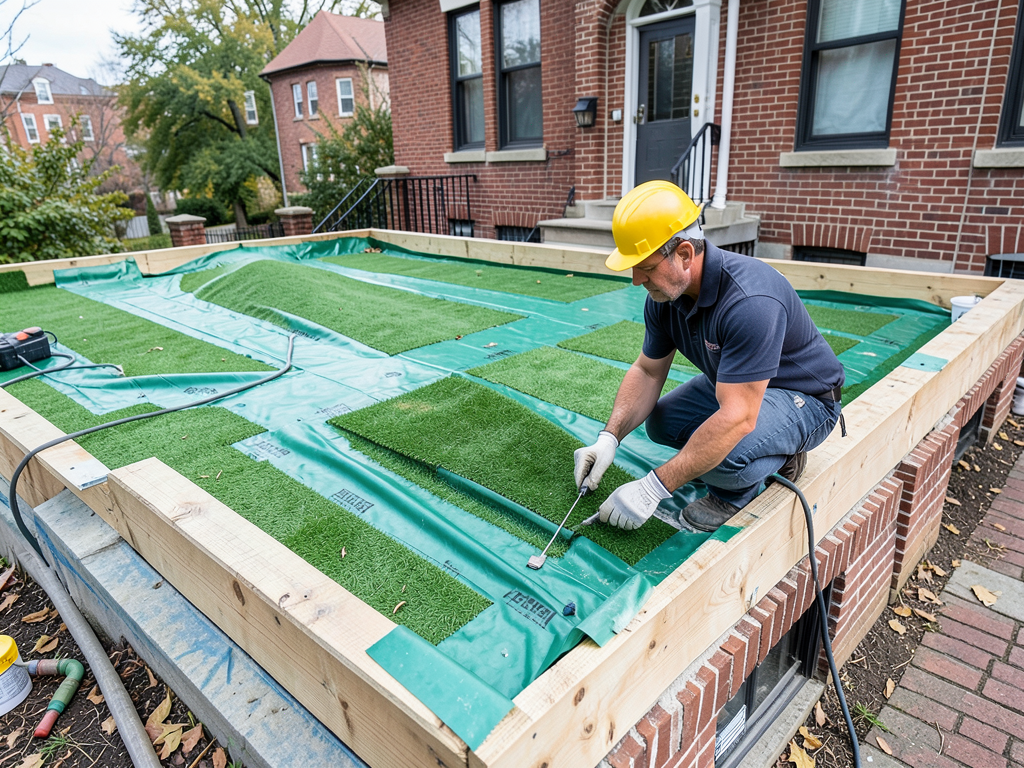
Waterproofing represents the most critical component. The system requires multiple layers: a root barrier membrane, drainage mat, filter fabric, growing medium, and plants. Modern thermoplastic polyolefin (TPO) or ethylene propylene diene monomer (EPDM) membranes provide superior waterproofing compared to traditional built-up roofing. These materials withstand Pittsburgh’s temperature extremes, which can swing from -10°F in winter to 95°F in summer. Roofing Scranton.
Access and maintenance planning affects system design. Steep-pitched Victorian roofs common in East Liberty require specialized safety equipment and may limit plant selection to low-maintenance species. Flat-roofed row houses from the 1920s-1940s offer easier access but need enhanced drainage to prevent water pooling. The next section explores local incentives that offset these costs.
Financial Incentives and Rebates in Pittsburgh
The Pennsylvania Sunshine Solar Program offers tax credits covering 30% of green roof installation costs when combined with solar panel systems. East Liberty homeowners can stack this with PWSA’s stormwater fee credit program, which reduces monthly bills by $0.06 per square foot of green roof. For a typical 1,500-square-foot installation, annual savings reach $1,080.. Read more about Lowering Your Energy Bills in Baldwin With Reflective Cooling Roof Systems.
Allegheny County’s Green Building Alliance provides grants up to $5,000 for residential projects meeting LEED certification standards. These funds target homes in established neighborhoods like East Liberty, where green infrastructure helps mitigate the urban heat island effect. The program prioritizes projects incorporating native Pennsylvania plants and rainwater harvesting components.
Energy savings compound these incentives. Cool roof technology integrated with green roof systems can reduce summer cooling costs by 15-25% in Pittsburgh’s humid continental climate. The U.S. Department of Energy estimates a 5-7 year payback period for comprehensive green roof installations when factoring utility savings and available rebates. The following section breaks down maintenance requirements. U.S. Department of Energy cool roof information.
Maintenance Requirements for Pittsburgh’s Four Seasons
Spring maintenance focuses on removing winter debris and checking drainage systems. Pittsburgh’s heavy spring rains can overwhelm clogged drains, causing water backup that damages both plants and roof structures. Annual inspection should verify that overflow drains remain clear and that growing medium hasn’t eroded from winter winds.
Summer requires monitoring for invasive species and adjusting irrigation systems. While native plants need less water than traditional landscaping, Pittsburgh’s summer droughts can stress shallow-rooted sedums. Automated drip irrigation systems with moisture sensors prevent both underwatering and the root rot that occurs from overwatering in clay-heavy Pittsburgh soils.
Fall cleanup involves removing leaf litter that can smother plants and checking for damage from summer thunderstorms. Pittsburgh averages 37 inches of rainfall annually, with most occurring between April and September. Proper maintenance ensures the system handles these intense precipitation events without compromising roof integrity. Winter preparation includes trimming back perennials and verifying that snow guards remain secure.
Common Installation Mistakes to Avoid
Underestimating weight requirements causes the most expensive failures. Homeowners often select plants based on aesthetics rather than weight considerations, leading to structural overloading. A mature tree in an intensive system can add 500+ pounds, exceeding many East Liberty home specifications without proper engineering.
Poor drainage design creates ice dam problems unique to Pittsburgh’s climate. Water trapped beneath frozen soil expands, pushing against roof membranes and causing leaks. Quality installations include heated drainage channels and slope gradients specific to Western Pennsylvania’s freeze-thaw cycles.
Inadequate waterproofing represents another critical error. Standard roofing membranes deteriorate when exposed to constant moisture and plant root systems. Specialized root-resistant membranes with 30+ year lifespans cost more initially but prevent costly repairs. The next section compares green roofs to other sustainable options.
Comparing Green Roofs to Other Sustainable Options
Cool roofs using reflective materials cost $10-15 per square foot and reduce cooling costs by 10-15%. Unlike green roofs, they require no structural modifications and install directly over existing roofing. However, they provide no stormwater management benefits and may increase heating costs during Pittsburgh’s cold winters.
Solar panels generate electricity but offer no insulation or runoff control. Installation costs average $15,000-25,000 for a typical East Liberty home, with payback periods of 7-10 years. When combined with green roofs in biosolar systems, both technologies benefit from shared structural reinforcement and maintenance access.
Traditional metal roofing provides durability and reflectivity at $12-20 per square foot. These systems last 40-70 years compared to green roofs’ 30-40 year lifespan. The table below compares key factors across all three options:
| Feature | Green Roof | Cool Roof | Solar Panels |
|---|---|---|---|
| Initial Cost | $15-40/sq ft | $10-15/sq ft | $15,000-25,000 total |
| Energy Savings | 20-30% | 10-15% | 50-100% (electric) |
| Stormwater Control | Yes | No | No |
| Lifespan | 30-40 years | 20-30 years | 25-30 years |
| Maintenance | Seasonal | Minimal | Annual cleaning |
Local Success Stories in East Liberty
The East Liberty Development Inc. office building installed a 2,500-square-foot extensive green roof in 2023. The system reduced stormwater runoff by 85% during heavy rains and cut cooling costs by 22% in the first year. Native Pennsylvania plants established within six months, creating habitat for pollinators while managing roof temperatures.
A Penn Avenue row house owner converted their flat roof to a green system in 2022. The $18,000 project qualified for $6,000 in combined tax credits and utility rebates. Monthly energy savings of $45, plus $30 in stormwater fee reductions, project to a 12-year payback period. The system survived two severe hailstorms with minimal plant damage.
Local contractors report increasing demand for green roof retrofits in East Liberty’s historic districts. The Pittsburgh Historic Preservation Commission now provides guidelines for green roof installations that preserve architectural character while meeting modern sustainability standards. These developments make green roofs increasingly viable for the neighborhood’s diverse housing stock. Homeowner’s Guide to Roofing.
Getting Started with Your Green Roof Project
Begin with a professional structural assessment. A licensed engineer familiar with Pittsburgh’s building codes can determine if your home requires reinforcement before installation. This evaluation typically costs $500-1,500 but prevents costly mid-project modifications.
Obtain necessary permits through the City of Pittsburgh’s online portal. Green roof projects require building permits and may need zoning approval depending on visibility from public rights-of-way. The process takes 2-4 weeks, longer if your property lies within a historic district.
Choose contractors with specific green roof experience. Ask for portfolios showing Pittsburgh-area installations and verify their knowledge of local climate challenges. Quality installers provide detailed maintenance plans and warranty coverage for both plants and waterproofing systems. The final section addresses common questions about green roof viability.
Frequently Asked Questions
How long does a green roof installation take?
Most residential projects in East Liberty require 2-3 weeks from start to finish. This includes structural evaluation, permit acquisition, material delivery, and installation. Weather delays are common during Pittsburgh’s rainy seasons.
Will a green roof increase my property value?
Green roofs typically increase home values by 5-7% in urban markets like Pittsburgh. Energy savings, extended roof life, and environmental benefits appeal to eco-conscious buyers. Some lenders offer green mortgage products with favorable terms for sustainable upgrades.
Can I install a green roof myself?
DIY installation is not recommended due to the technical complexity and weight considerations. Improper installation can cause roof collapse, water damage, and void existing warranties. Professional installation ensures compliance with local building codes and manufacturer specifications.
What happens if the plants die?
Quality installations include plant replacement warranties covering the first 1-2 growing seasons. After establishment, native plants typically self-repair and spread. Some homeowners convert to low-maintenance sedum mats that require minimal intervention once established. How Much a Full Roof Replacement Actually Costs in Pittsburgh Right Now.
Are green roofs suitable for Pittsburgh’s snowy winters?
Yes, when properly designed. Extensive systems with appropriate plant selection and drainage handle snow loads common to Pittsburgh. The growing medium provides additional insulation, potentially reducing heating costs by 10-15% during winter months.
[IMAGE_PLACEHOVER_1]
Diagram showing cross-section of a green roof system with root barrier, drainage layers, growing medium, and plant selection for Pittsburgh’s climate zone.

Technician performing seasonal maintenance on an East Liberty green roof, checking drainage systems and plant health during spring inspection.
Before and after comparison of a Penn Avenue row house with new green roof installation, showing stormwater management improvements and energy efficiency gains.
Take the Next Step Toward Sustainable Roofing
Green roofs represent a significant investment in your East Liberty home’s future. The combination of energy savings, stormwater management, and increased property value makes them increasingly attractive as Pittsburgh emphasizes sustainable development. With proper planning and professional installation, these living systems provide decades of environmental and financial benefits.
Call (878) 209-5522 today to schedule your free structural assessment. Our team understands Pittsburgh’s unique climate challenges and can recommend the right green roof system for your specific home. Don’t wait until the next heavy rain overwhelms East Liberty’s sewers or your energy bills spike this summer.
Pick up the phone and call (878) 209-5522 before the next storm hits. We’ll evaluate your roof’s capacity, explain available incentives, and provide a detailed proposal with no obligation. Your sustainable roofing solution starts with one call.
{
“@context”: “https://schema.org”,
“@type”: “BlogPosting”,
“headline”: “Are Sustainable Green Roofs a Viable Option for Modern Homes in East Liberty?”,
“description”: “Discover if sustainable green roofs work for East Liberty homes. Learn about costs, benefits, and local incentives for eco-friendly roofing in Pittsburgh.”,
“wordCount”: 2061,
“datePublished”: “2026-04-04T13:01:00.000Z”,
“dateModified”: “2026-04-04T13:01:00.000Z”,
“inLanguage”: “en-US”,
“mainEntityOfPage”: {
“@type”: “WebPage”,
“@id”: “https://victoryroofingpittsburgh.com”
},
“publisher”: {
“@type”: “LocalBusiness”,
“name”: “Victory Roofing Pittsburgh”,
“url”: “https://victoryroofingpittsburgh.com”
},
“author”: {
“@type”: “Organization”,
“name”: “Victory Roofing Pittsburgh”,
“url”: “https://victoryroofingpittsburgh.com”
},
“image”: {
“@type”: “ImageObject”,
“url”: “https://victoryroofingpittsburgh.com/wp-content/uploads/2026/03/are-sustainable-green-roofs-a-viable-option-for-mo-1.png”
}
}
{
“@context”: “https://schema.org”,
“@type”: “RoofingContractor”,
“name”: “Victory Roofing Pittsburgh”,
“url”: “https://victoryroofingpittsburgh.com”,
“address”: {
“@type”: “PostalAddress”,
“addressLocality”: “Pittsburgh”
},
“areaServed”: {
“@type”: “City”,
“name”: “Pittsburgh”
}
}
{
“@context”: “https://schema.org”,
“@type”: “FAQPage”,
“mainEntity”: [
{
“@type”: “Question”,
“name”: “How long does a green roof installation take?”,
“acceptedAnswer”: {
“@type”: “Answer”,
“text”: “Most residential projects in East Liberty require 2-3 weeks from start to finish. This includes structural evaluation, permit acquisition, material delivery, and installation. Weather delays are common during Pittsburgh’s rainy seasons.”
}
},
{
“@type”: “Question”,
“name”: “Will a green roof increase my property value?”,
“acceptedAnswer”: {
“@type”: “Answer”,
“text”: “Green roofs typically increase home values by 5-7% in urban markets like Pittsburgh. Energy savings, extended roof life, and environmental benefits appeal to eco-conscious buyers. Some lenders offer green mortgage products with favorable terms for sustainable upgrades.”
}
},
{
“@type”: “Question”,
“name”: “Can I install a green roof myself?”,
“acceptedAnswer”: {
“@type”: “Answer”,
“text”: “DIY installation is not recommended due to the technical complexity and weight considerations. Improper installation can cause roof collapse, water damage, and void existing warranties. Professional installation ensures compliance with local building codes and manufacturer specifications.”
}
},
{
“@type”: “Question”,
“name”: “What happens if the plants die?”,
“acceptedAnswer”: {
“@type”: “Answer”,
“text”: “Quality installations include plant replacement warranties covering the first 1-2 growing seasons. After establishment, native plants typically self-repair and spread. Some homeowners convert to low-maintenance sedum mats that require minimal intervention once established. How Much a Full Roof Replacement Actually Costs in Pittsburgh Right Now.”
}
},
{
“@type”: “Question”,
“name”: “Are green roofs suitable for Pittsburgh’s snowy winters?”,
“acceptedAnswer”: {
“@type”: “Answer”,
“text”: “Yes, when properly designed. Extensive systems with appropriate plant selection and drainage handle snow loads common to Pittsburgh. The growing medium provides additional insulation, potentially reducing heating costs by 10-15% during winter months.”
}
}
]
}
{
“@context”: “https://schema.org”,
“@type”: “BreadcrumbList”,
“itemListElement”: [
{
“@type”: “ListItem”,
“position”: 1,
“name”: “Home”,
“item”: “https://victoryroofingpittsburgh.com”
},
{
“@type”: “ListItem”,
“position”: 2,
“name”: “Blog”,
“item”: “https://victoryroofingpittsburgh.com/blog”
},
{
“@type”: “ListItem”,
“position”: 3,
“name”: “Are Sustainable Green Roofs a Viable Option for Modern Homes in East Liberty?”
}
]
}
{
“@context”: “https://schema.org”,
“@type”: “Service”,
“serviceType”: “Roofing”,
“provider”: {
“@type”: “LocalBusiness”,
“name”: “Victory Roofing Pittsburgh”,
“url”: “https://victoryroofingpittsburgh.com”
},
“areaServed”: {
“@type”: “City”,
“name”: “Pittsburgh”
},
“description”: “Discover if sustainable green roofs work for East Liberty homes. Learn about costs, benefits, and local incentives for eco-friendly roofing in Pittsburgh.”
}