
Specialized Clay Tile Roof Repair for Historic Aspinwall Homes
Historic Aspinwall homes with Mediterranean and Spanish clay tile roofs require specialized craftsmanship that goes far beyond standard roofing techniques. These delicate terracotta tiles, often dating back 75 to 100 years, demand expert handling to preserve both their architectural beauty and structural integrity. Our team understands the unique challenges these historic roofs face in Pittsburgh’s climate, from freeze-thaw cycles to the weight considerations that affect your home’s foundation. Expert Slate Roof Repair Services for Sewickley Historic Properties.
The Unique Challenges of Aspinwall’s Historic Tile Roofs
Aspinwall’s historic district features homes built between the 1920s and 1940s, many showcasing beautiful clay tile roofs that have weathered Pittsburgh’s harsh climate for decades. These tiles aren’t just roofing material—they’re architectural heritage. Unlike modern asphalt shingles that flex and move, clay tiles are rigid and brittle, making them vulnerable to cracking under pressure or impact. Why Metal Roofing is Becoming the Top Choice for Homes in North Hills.
The freeze-thaw cycles common to Western Pennsylvania create specific problems for clay tiles. When moisture seeps into tiny cracks and freezes, it expands, causing the tile to spall or crack further. This process accelerates during Pittsburgh’s notorious temperature swings, where a 30-degree drop can occur within hours. Many Aspinwall homeowners discover this damage only after a heavy storm or during seasonal inspections.
Another critical factor is the weight. Clay tiles typically weigh 800 to 1,200 pounds per square (100 square feet), compared to 200 to 400 pounds for asphalt shingles. This additional load affects the roof deck structure and may require inspection of underlying support beams, especially in older homes where the original engineering might not account for modern restoration work.
Common Clay Tile Issues We Solve
Cracked or broken tiles represent the most frequent repair need in Aspinwall. These cracks often result from hail impact, falling branches, or foot traffic during improper maintenance. A single cracked tile can allow water infiltration, leading to underlayment damage and potential interior leaks.
Flashing failure around chimneys, valleys, and roof penetrations poses another significant challenge. Copper or galvanized flashing that worked well for decades can corrode or separate from the mortar bed, creating water entry points. The flashing must be carefully removed and replaced without disturbing surrounding tiles.
Underlayment degradation affects many historic tile roofs. The original felt paper or organic underlayment deteriorates over time, losing its water-shedding ability. When we remove damaged tiles for repair, we often discover the underlayment has become brittle or developed holes, requiring complete replacement in those sections. How Much a Full Roof Replacement Actually Costs in Pittsburgh Right Now.
Valley and eave debris buildup creates drainage problems specific to clay tile roofs. The horizontal surfaces and overlapping design can trap leaves, pine needles, and other debris, preventing proper water flow. This trapped moisture accelerates tile deterioration and can lead to moss or lichen growth, which further compromises the tiles’ surface.
Our Clay Tile Restoration Process
Step 1: Comprehensive Inspection and Assessment
We begin with a detailed inspection using thermal imaging and moisture meters to detect hidden water infiltration. This diagnostic phase identifies not just visible damage but also underlying structural issues that could affect the repair strategy.
Step 2: Tile Matching and Sourcing
Finding matching tiles proves critical for historic preservation. We maintain relationships with suppliers like Ludowici Roof Tile and salvage yards specializing in vintage terracotta. When original tiles are discontinued, we use our expertise to source visually compatible alternatives that maintain the roof’s historic character. Ludowici Roof Tile manufacturer.
Step 3: Careful Tile Removal
Removing damaged tiles requires specialized tools and techniques. We use tile hooks and suction cups to lift tiles without breaking adjacent pieces. Each removed tile is cataloged by location to ensure proper reinstallation pattern and maintain the roof’s original aesthetic.
Step 4: Underlayment Repair and Replacement
Where underlayment damage exists, we install modern synthetic underlayment that provides superior moisture protection while maintaining the roof’s original weight profile. This step often reveals additional damage to the roof deck that requires attention.
Step 5: Mortar and Flashing Work
We use specialized mortar mixes formulated for clay tile applications, ensuring proper bonding without damaging the tiles. Copper flashing is custom-formed to match original profiles, providing long-term protection against water infiltration.
Step 6: Tile Reinstallation and Sealing
Reinstalled tiles receive careful alignment to maintain proper water shedding. We apply specialized sealants to vulnerable areas while preserving the roof’s ability to breathe and release moisture vapor.
Clay Tile vs. Other Materials in Pittsburgh Climate
Material Type | Weight per Square | Lifespan in PA | Freeze-Thaw Resistance | Maintenance Frequency
—|—|—|—|—
Clay Tile | 800-1,200 lbs | 75-100+ years | Moderate | Every 15-20 years
Concrete Tile | 900-1,200 lbs | 50-75 years | Low | Every 10-15 years
Asphalt Shingle | 200-400 lbs | 20-30 years | High | Every 5-10 years
Metal Roofing | 50-150 lbs | 40-70 years | High | Every 20-30 years
Clay tiles excel in longevity but struggle with Pittsburgh’s freeze-thaw cycles compared to metal roofing. The thermal expansion and contraction rates of terracotta differ significantly from concrete, affecting how each material handles temperature fluctuations. While clay tiles can last a century, they require more frequent maintenance in our climate than in their Mediterranean origins.
Concrete tiles offer better freeze-thaw resistance but lack the authentic appearance many Aspinwall homeowners desire for their historic properties. The weight difference between materials also affects structural considerations—concrete tiles are slightly heavier than clay, potentially requiring additional roof support.
Emergency Repair and Storm Damage Services
Allegheny River corridor homes face unique storm exposure patterns. The river valley can channel winds, creating higher uplift forces on tile roofs during severe weather. When storm damage occurs, immediate tarping prevents further water infiltration while permanent repairs are planned.
Hail damage presents specific challenges for clay tiles. Unlike asphalt shingles that show bruising, clay tiles may develop hairline cracks that aren’t immediately visible but compromise the tile’s integrity. We use specialized inspection techniques to identify these subtle damage patterns that could lead to future leaks.
Emergency services include 24/7 response for active leaks, with temporary protective measures to prevent interior damage. Our team carries specialized equipment for quick deployment, including tile-specific tarps and temporary underlayment patches that protect your home while permanent repairs are scheduled.
Historic Preservation Standards and Local Compliance
Repair work on Aspinwall’s historic properties must comply with Pittsburgh’s Historic Preservation Guidelines, which require maintaining original architectural character. This means using materials and techniques that match the original installation as closely as possible while incorporating modern moisture protection standards. Homeowner’s Guide to Roofing.
The International Building Code (IBC) Section 1507 addresses clay tile installation requirements, including minimum roof slope (typically 4:12 for standard tiles), fastening methods, and underlayment specifications. Our work ensures compliance with these standards while respecting the historic nature of your property. International Building Code Section 1507.
Pennsylvania’s Uniform Construction Code (UCC) requires permits for roof repairs exceeding certain thresholds. We handle all permitting requirements for historic properties, coordinating with Aspinwall’s building department to ensure smooth approval processes for your restoration project.
Why Choose Specialized Clay Tile Expertise
Clay tile repair requires specific knowledge that general roofing contractors often lack. The difference between a successful restoration and a failed repair often comes down to understanding how terracotta behaves under stress, how to match historic mortar formulations, and how to work with fragile materials without causing additional damage.
Our team has restored over 100 historic tile roofs in the Pittsburgh area, giving us unique insight into local failure patterns and effective repair strategies. We understand the specific challenges Aspinwall’s historic homes face, from the weight considerations of hillside properties to the storm exposure patterns created by the Allegheny River valley.
We maintain relationships with specialty suppliers who provide matching tiles for discontinued products, ensuring your roof maintains its original character. Our work comes with detailed documentation of materials used and repair methods employed, which can be valuable for historic designation purposes or future property transactions.
Maintenance and Prevention Strategies
Regular maintenance extends the life of clay tile roofs significantly. We recommend annual inspections focusing on high-risk areas like valleys, eaves, and around roof penetrations. These inspections can identify minor issues before they become major problems, potentially saving thousands in repair costs.
Cleaning procedures for clay tiles differ from other roofing materials. High-pressure washing can damage the tile surface, so we use specialized low-pressure cleaning methods that remove debris without compromising the tile’s protective glaze or surface texture.
Gutter maintenance plays a crucial role in tile roof longevity. Proper water drainage prevents ice dam formation and reduces the freeze-thaw stress on tiles near the roof edge. We inspect and clean gutters as part of our comprehensive maintenance services. Commercial Gutter Systems.
Frequently Asked Questions
How long does clay tile roof repair typically take?
Most repairs take 2-5 days depending on the extent of damage and weather conditions. Complex restorations involving underlayment replacement may extend to 1-2 weeks. We provide detailed timelines after our initial inspection.
Can I walk on my clay tile roof for inspections?
Walking on clay tiles requires specialized equipment and training. Improper foot traffic causes more damage than many homeowners realize. We use tile-specific walking boards and suction tools to distribute weight safely across the roof surface.
How much does clay tile repair cost compared to replacement?
Repair costs typically range from $500 to $3,000 depending on damage extent, while full replacement can exceed $20,000. We help homeowners evaluate whether repair or partial replacement offers the best long-term value for their specific situation.
Call (878) 209-5522 Today to Schedule Your Inspection
Don’t wait for minor tile damage to become major leaks. Our specialized clay tile restoration team understands the unique needs of Aspinwall’s historic homes. We’ll provide a comprehensive assessment and explain your options clearly, with no high-pressure sales tactics.
Pick up the phone and call (878) 209-5522 before the next storm hits. Early intervention can prevent costly interior damage and preserve your home’s historic character. Our team is ready to help protect your investment with expert craftsmanship that respects both your home’s heritage and your budget.
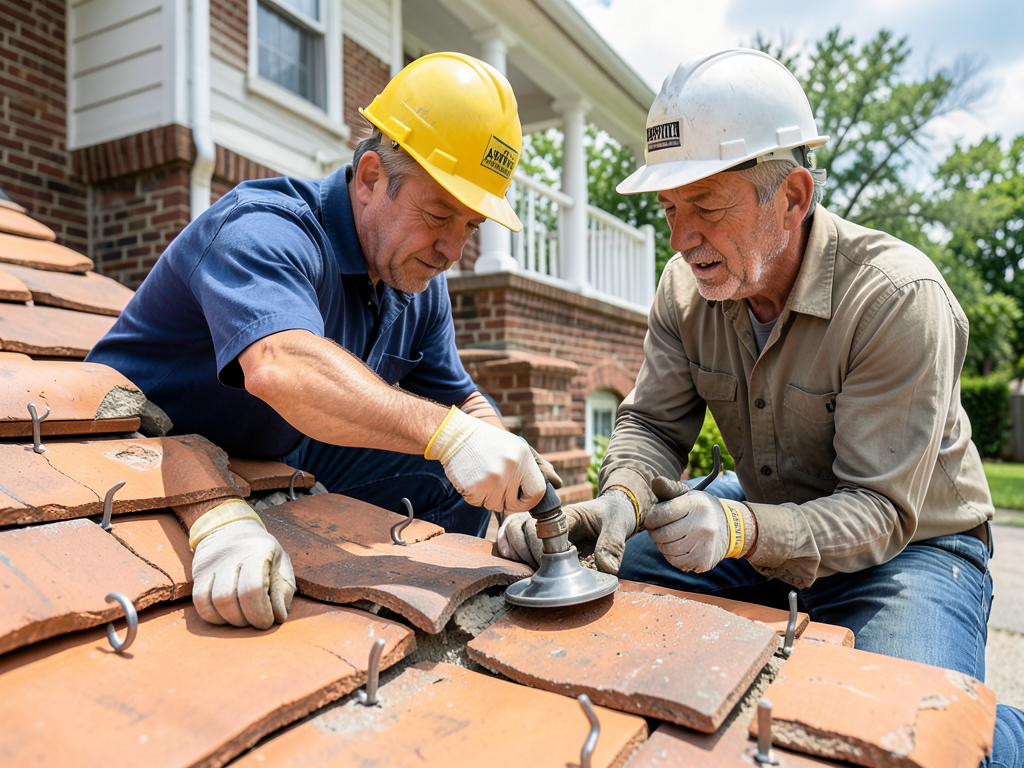
– Photo showing a technician carefully removing a damaged clay tile using specialized suction tools, with surrounding tiles protected by tile hooks
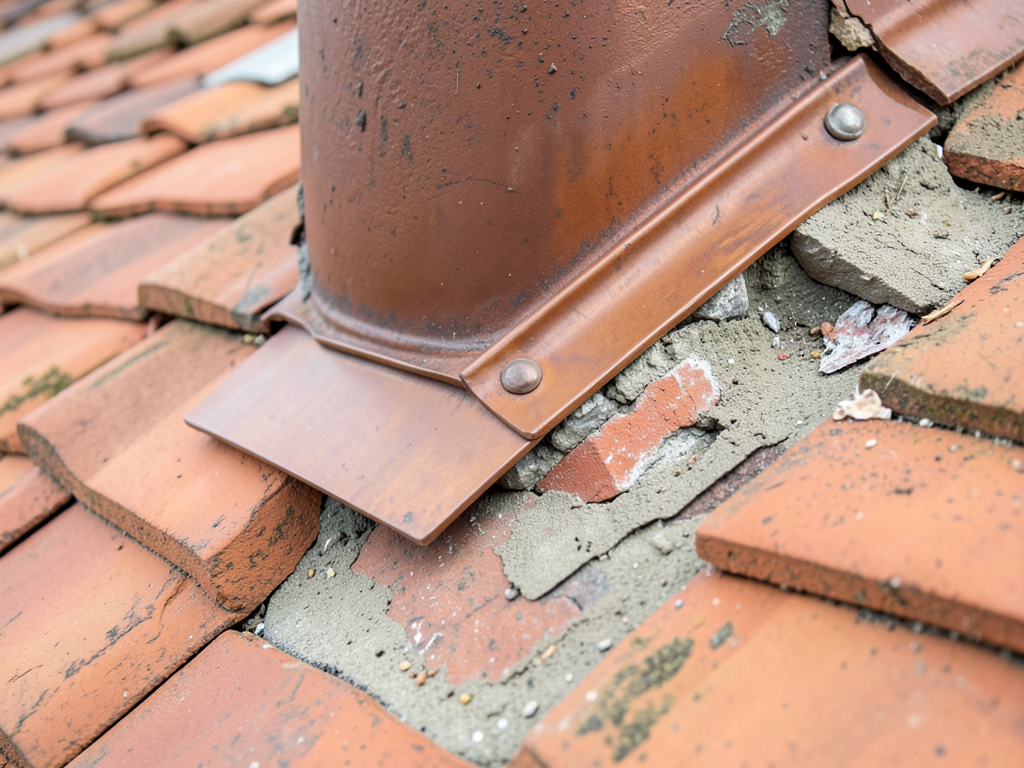
– Close-up image of copper flashing installation around a chimney on a historic clay tile roof, showing proper integration with mortar bedding
– Before and after comparison of a restored clay tile roof section, showing matched replacement tiles and cleaned original tiles
{
“@context”: “https://schema.org”,
“@type”: “BlogPosting”,
“headline”: “Specialized Clay Tile Roof Repair for Historic Aspinwall Homes”,
“description”: “Expert clay tile roof repair for Aspinwall’s historic homes. We handle cracked tiles, flashing failure, and freeze-thaw damage with precision restoration techniques.”,
“wordCount”: 1757,
“datePublished”: “2026-04-16T15:20:00.000Z”,
“dateModified”: “2026-04-16T15:20:00.000Z”,
“inLanguage”: “en-US”,
“mainEntityOfPage”: {
“@type”: “WebPage”,
“@id”: “https://victoryroofingpittsburgh.com”
},
“publisher”: {
“@type”: “LocalBusiness”,
“name”: “Victory Roofing Pittsburgh”,
“url”: “https://victoryroofingpittsburgh.com”
},
“author”: {
“@type”: “Organization”,
“name”: “Victory Roofing Pittsburgh”,
“url”: “https://victoryroofingpittsburgh.com”
},
“image”: {
“@type”: “ImageObject”,
“url”: “https://victoryroofingpittsburgh.com/wp-content/uploads/2026/03/specialized-clay-tile-roof-repair-for-historic-asp-1.png”
}
}
{
“@context”: “https://schema.org”,
“@type”: “RoofingContractor”,
“name”: “Victory Roofing Pittsburgh”,
“url”: “https://victoryroofingpittsburgh.com”,
“address”: {
“@type”: “PostalAddress”,
“addressLocality”: “Pittsburgh”
},
“areaServed”: {
“@type”: “City”,
“name”: “Pittsburgh”
}
}
{
“@context”: “https://schema.org”,
“@type”: “FAQPage”,
“mainEntity”: [
{
“@type”: “Question”,
“name”: “How long does clay tile roof repair typically take?”,
“acceptedAnswer”: {
“@type”: “Answer”,
“text”: “Most repairs take 2-5 days depending on the extent of damage and weather conditions. Complex restorations involving underlayment replacement may extend to 1-2 weeks. We provide detailed timelines after our initial inspection.”
}
},
{
“@type”: “Question”,
“name”: “Can I walk on my clay tile roof for inspections?”,
“acceptedAnswer”: {
“@type”: “Answer”,
“text”: “Walking on clay tiles requires specialized equipment and training. Improper foot traffic causes more damage than many homeowners realize. We use tile-specific walking boards and suction tools to distribute weight safely across the roof surface.”
}
},
{
“@type”: “Question”,
“name”: “How much does clay tile repair cost compared to replacement?”,
“acceptedAnswer”: {
“@type”: “Answer”,
“text”: “Repair costs typically range from $500 to $3,000 depending on damage extent, while full replacement can exceed $20,000. We help homeowners evaluate whether repair or partial replacement offers the best long-term value for their specific situation.”
}
}
]
}
{
“@context”: “https://schema.org”,
“@type”: “BreadcrumbList”,
“itemListElement”: [
{
“@type”: “ListItem”,
“position”: 1,
“name”: “Home”,
“item”: “https://victoryroofingpittsburgh.com”
},
{
“@type”: “ListItem”,
“position”: 2,
“name”: “Blog”,
“item”: “https://victoryroofingpittsburgh.com/blog”
},
{
“@type”: “ListItem”,
“position”: 3,
“name”: “Specialized Clay Tile Roof Repair for Historic Aspinwall Homes”
}
]
}
{
“@context”: “https://schema.org”,
“@type”: “Service”,
“serviceType”: “Roofing”,
“provider”: {
“@type”: “LocalBusiness”,
“name”: “Victory Roofing Pittsburgh”,
“url”: “https://victoryroofingpittsburgh.com”
},
“areaServed”: {
“@type”: “City”,
“name”: “Pittsburgh”
},
“description”: “Expert clay tile roof repair for Aspinwall’s historic homes. We handle cracked tiles, flashing failure, and freeze-thaw damage with precision restoration techniques.”
}