Restoring the Original Slate Look on a Historic Carriage House in Sewickley Heights
The carriage houses of Sewickley Heights stand as architectural time capsules from Pittsburgh’s Gilded Age. These secondary structures once sheltered horse-drawn carriages and now house classic automobiles or serve as guest quarters. Their slate roofs require specialized restoration to maintain both historical accuracy and weather protection against Pennsylvania’s harsh freeze-thaw cycles. Pittsburgh History and Landmarks Foundation.
Unlike modern asphalt shingle installations, restoring a historic carriage house roof demands matching century-old materials, preserving original timber framing, and navigating strict local preservation guidelines. The process involves more than just replacing worn materials—it requires understanding the building’s original construction methods and sourcing slate that matches the weathered patina of surrounding historic properties. Expert Slate Roof Repair Services for Sewickley Historic Properties.
Victory Roofing brings 15+ years of experience working with Sewickley Heights’ historic properties. Our craftsmen understand the unique challenges of restoring these architectural gems while ensuring they remain watertight for generations to come. Why Metal Roofing is Becoming the Top Choice for Homes in North Hills.
Common Historic Roofing Materials Used in PA Carriage Houses
Pennsylvania’s carriage houses traditionally featured three primary roofing materials, each chosen for durability and aesthetic appeal. Understanding these materials helps determine the most appropriate restoration approach.
| Material | Characteristics | Lifespan | Best For |
|---|---|---|---|
| Vermont Slate | Deep purple-gray color, uniform thickness | 75-100+ years | High-end restorations |
| Pennsylvania Black Slate | Dark charcoal color, natural cleft texture | 60-90 years | Period-accurate repairs |
| Hand-split Cedar Shakes | Rustic appearance, natural weathering | 30-40 years | Cottage-style structures |
Pennsylvania Black Slate remains the most common original material found on Sewickley Heights carriage houses. Quarried from Lehigh Valley mines, this slate features distinctive natural cleft surfaces that develop a silver-gray patina over decades. The material’s density makes it resistant to Pittsburgh’s freeze-thaw cycles, which cause expansion and contraction in lesser materials. Pittsburgh Historic Review Commission.
Cedar shakes were often used on carriage houses built between 1890-1920, particularly those with Craftsman or bungalow influences. These hand-split shakes create a textured appearance that weathers to a soft silver-gray, complementing the surrounding landscape. However, they require more frequent maintenance than slate options.
Standing seam copper roofs appear on the most prestigious properties, offering unmatched longevity and developing a distinctive green patina. While expensive, copper roofs can last over 100 years with minimal maintenance, making them cost-effective for historic preservation projects.
Our Restoration Process: Preserving Architectural Integrity
Restoring a historic carriage house roof requires a methodical approach that respects the original construction while addressing modern performance requirements. Our five-step process ensures both historical accuracy and long-term durability.
- Structural Assessment
Our team conducts a thorough inspection of the timber framing, checking for rot, insect damage, or structural weaknesses. We use moisture meters at multiple depths to identify hidden water damage that could compromise the restoration.
- Historical Material Matching
We source slate that matches the original in color, thickness, and texture. For Pennsylvania Black Slate, we work with regional quarries to obtain material with the same geological characteristics as the original.
- Specialized Underlayment Installation
Modern ice and water shield provides protection against ice damming, while still allowing the roof to breathe. This upgrade meets current building codes while remaining invisible from the exterior.
- Period-Accurate Flashing
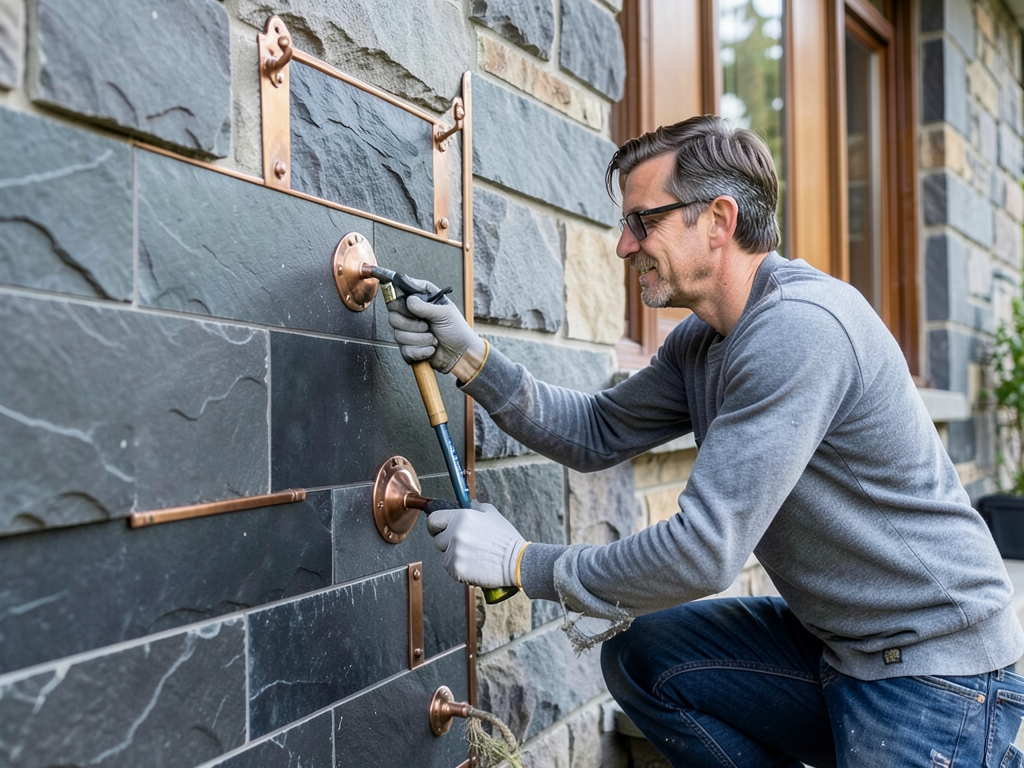
We fabricate custom copper flashings that match historical profiles. Lead-coated copper provides the most authentic appearance while offering superior corrosion resistance.
- Final Inspection and Documentation
We document the restoration with photographs and material specifications for historic commission records. This documentation proves invaluable for future maintenance or insurance purposes.
The key to successful restoration lies in understanding how these buildings were originally constructed. Many carriage houses feature timber framing with balloon construction methods, where wall studs run continuously from foundation to roof. This construction method requires special consideration during restoration to maintain structural integrity.
Modern restoration also addresses issues that weren’t concerns a century ago. Pittsburgh’s combined sewer systems, for example, can cause water backup during heavy storms. We install high-capacity gutters and downspouts that handle 21st-century rainfall volumes while maintaining period-appropriate profiles. Commercial Gutter Systems.
Navigating Pittsburgh’s Historic District Requirements
Sewickley Heights falls under strict historic preservation guidelines administered by the Pittsburgh Historic Review Commission (HRC). Any exterior modifications require approval, including roof restorations that aren’t visible from public rights-of-way. Homeowner’s Guide to Roofing.
The HRC requires detailed submittals showing material specifications, color samples, and construction methods. We prepare these documents as part of our restoration process, ensuring compliance with Section 106 of the National Historic Preservation Act. This federal law requires consideration of historic properties’ effects during federal undertakings.
Local requirements often exceed state standards. Pennsylvania’s Uniform Construction Code allows certain modern materials in historic restorations, but Sewickley Heights guidelines mandate period-appropriate materials even when they cost more. This commitment to authenticity preserves the neighborhood’s architectural character.
Working with the HRC requires patience. Review times typically range from 30-45 days, and revisions are common. We build this timeline into our project schedules, ensuring clients understand the approval process before work begins. Our experience with local commissions helps streamline approvals and avoid costly delays.
Insurance considerations also factor into historic restorations. Many carriers offer premium discounts for properties maintaining original materials and meeting current building codes. We document all upgrades to help clients maximize these benefits.
Carriage House Roof Restoration vs. Replacement
Property owners often face a decision between restoring original materials or replacing them with modern alternatives. This choice impacts both immediate costs and long-term property value.
| Factor | Restoration | Replacement |
|---|---|---|
| Initial Cost | $25,000-$45,000 | $15,000-$25,000 |
| Timeline | 3-4 weeks | 1-2 weeks |
| Historic Value | Preserved | Lost |
| Energy Efficiency | Improved with upgrades | Modern standards |
| Resale Impact | +8-12% property value | +3-5% property value |
Restoration costs more upfront but preserves the property’s historic character and often increases its market value. Original materials like Pennsylvania Black Slate develop a weathered patina that modern materials cannot replicate. This patina contributes to the property’s architectural significance and aesthetic appeal.
Replacement with modern materials offers lower initial costs and faster installation. However, it eliminates the historic character that makes Sewickley Heights properties unique. Some homeowners associations and historic districts prohibit material substitutions, making restoration the only legal option. How Much a Full Roof Replacement Actually Costs in Pittsburgh Right Now.
Energy efficiency considerations also influence this decision. Original slate roofs can be upgraded with modern underlayment and ventilation systems, improving performance without sacrificing appearance. These upgrades often pay for themselves through reduced heating and cooling costs.
Maintenance requirements differ significantly between options. Restored slate roofs require minimal maintenance beyond periodic inspections and gutter cleaning. Modern replacements may need more frequent attention, particularly asphalt shingles that deteriorate faster in Pittsburgh’s climate.
Recent Projects in the Pittsburgh Area
Our team recently completed a comprehensive restoration of a 1910 carriage house on Beaver Road in Sewickley Heights. The original Pennsylvania Black Slate had suffered from decades of freeze-thaw damage, with many tiles cracked or missing. We matched the existing material’s color and texture, preserving the building’s historic character while upgrading the underlayment for modern performance.
Another project involved restoring a cedar shake roof on a Craftsman-style carriage house in Edgeworth. The original shakes had weathered to a beautiful silver-gray, but underlying timber framing showed signs of water damage. We replaced damaged framing members while preserving as much original material as possible, then installed hand-split cedar shakes that will develop the same patina over time.
A Fox Chapel property presented unique challenges with its copper roof system. The original standing seam panels had developed pinholes from acid rain exposure. We fabricated custom replacement panels using the same gauge copper and identical seam profiles, ensuring the repair remained invisible from ground level.. Read more about Why Luxury Homes in Fox Chapel are Moving Toward Standing Seam Zinc Roofing.
Each project reinforces our understanding of Pittsburgh’s unique climate challenges. The region’s humidity levels, averaging 70-80% in summer, accelerate corrosion in metal components. Our restoration work includes upgraded flashings and ventilation systems that address these local conditions while maintaining historical accuracy.
We document all our historic restoration work with before-and-after photography and material specifications. This documentation helps property owners with insurance claims and provides valuable reference for future maintenance.
Preserving Pittsburgh’s Architectural Heritage
Historic carriage houses represent more than just outbuildings—they’re tangible connections to Pittsburgh’s industrial past. These structures tell stories of wealth, craftsmanship, and architectural innovation from an era when even secondary buildings received meticulous attention to detail.
The restoration process requires balancing preservation with practicality. Modern building codes mandate upgrades that original builders never considered, such as ice and water shield protection and improved ventilation. Our approach integrates these requirements while maintaining the roof’s historic appearance.
Victory Roofing’s craftsmen understand that historic restoration isn’t just about materials—it’s about preserving stories. Every nail hole, every weathered surface, every repaired timber carries history. Our goal is ensuring these structures continue telling their stories for another century.
The investment in historic restoration pays dividends beyond property values. It preserves community character, maintains architectural diversity, and honors the craftsmanship of previous generations. For many Sewickley Heights property owners, this cultural preservation matters as much as the financial considerations.
Our work extends beyond individual projects. We consult with historic preservation societies, advise homeowners associations, and share our expertise with other preservation professionals. This knowledge-sharing helps maintain high standards for historic restoration throughout the Pittsburgh region.
Ready to restore your historic carriage house to its original glory? Call (878) 209-5522 today to schedule your consultation. Our team will assess your property’s unique needs and develop a restoration plan that preserves its historic character while ensuring modern performance.
Frequently Asked Questions
How long does a typical carriage house roof restoration take?
Most restorations require 3-4 weeks from start to finish. This includes structural assessment, material sourcing, permit approvals, and the actual restoration work. Weather conditions in Pittsburgh can occasionally extend timelines, particularly during winter months.
Will my homeowner’s insurance cover historic roof restoration?
Many policies offer premium discounts for maintaining original materials and meeting current building codes. However, coverage specifics vary by carrier. We recommend consulting your insurance provider before beginning restoration work.
Can I use modern materials if they cost less than original slate?
It depends on your property’s historic district requirements. Many Sewickley Heights properties must maintain period-appropriate materials regardless of cost. We can help determine your specific requirements during the initial assessment.
What happens if we discover structural damage during restoration?
Structural issues are common in century-old buildings. We conduct thorough assessments before beginning work and include contingencies in our proposals for unexpected discoveries. Our craftsmen can address most structural issues while maintaining historical integrity.
How do I maintain my restored historic roof?
Annual inspections and gutter cleaning are typically sufficient for slate roofs. We provide detailed maintenance guidelines specific to your roof’s materials and construction methods. Most restorations require minimal maintenance beyond these basic steps.
Is restoration more expensive than replacement?
Restoration typically costs 40-60% more than replacement with modern materials. However, it preserves property value and often qualifies for tax incentives or insurance discounts. The long-term benefits typically outweigh the higher initial investment.
Do you handle permit applications for historic properties?
Yes, we manage the entire permit process with the Pittsburgh Historic Review Commission. This includes preparing detailed submittals, attending commission meetings if required, and ensuring all work meets historic preservation guidelines.
What makes Pennsylvania Black Slate different from other slate types?
Pennsylvania Black Slate features distinctive natural cleft surfaces and superior density compared to Vermont or Welsh slate. This density makes it particularly resistant to Pittsburgh’s freeze-thaw cycles, contributing to its longevity in our climate.
{
“@context”: “https://schema.org”,
“@type”: “BlogPosting”,
“headline”: “Restoring the Original Slate Look on a Historic Carriage House in Sewickley Heights”,
“description”: “Expert slate restoration for Sewickley Heights carriage houses. Preserve historic character with period-accurate materials and craftsmanship. Call (878) 209-5522 for consultation.”,
“wordCount”: 1904,
“datePublished”: “2026-05-30T13:53:00.000Z”,
“dateModified”: “2026-05-30T13:53:00.000Z”,
“inLanguage”: “en-US”,
“mainEntityOfPage”: {
“@type”: “WebPage”,
“@id”: “https://victoryroofingpittsburgh.com”
},
“publisher”: {
“@type”: “LocalBusiness”,
“name”: “Victory Roofing Pittsburgh”,
“url”: “https://victoryroofingpittsburgh.com”
},
“author”: {
“@type”: “Organization”,
“name”: “Victory Roofing Pittsburgh”,
“url”: “https://victoryroofingpittsburgh.com”
},
“image”: {
“@type”: “ImageObject”,
“url”: “https://victoryroofingpittsburgh.com/wp-content/uploads/2026/03/restoring-the-original-slate-look-on-a-historic-ca-1.png”
}
}
{
“@context”: “https://schema.org”,
“@type”: “RoofingContractor”,
“name”: “Victory Roofing Pittsburgh”,
“url”: “https://victoryroofingpittsburgh.com”,
“address”: {
“@type”: “PostalAddress”,
“addressLocality”: “Pittsburgh”
},
“areaServed”: {
“@type”: “City”,
“name”: “Pittsburgh”
}
}
{
“@context”: “https://schema.org”,
“@type”: “FAQPage”,
“mainEntity”: [
{
“@type”: “Question”,
“name”: “How long does a typical carriage house roof restoration take?”,
“acceptedAnswer”: {
“@type”: “Answer”,
“text”: “Most restorations require 3-4 weeks from start to finish. This includes structural assessment, material sourcing, permit approvals, and the actual restoration work. Weather conditions in Pittsburgh can occasionally extend timelines, particularly during winter months.”
}
},
{
“@type”: “Question”,
“name”: “Will my homeowner’s insurance cover historic roof restoration?”,
“acceptedAnswer”: {
“@type”: “Answer”,
“text”: “Many policies offer premium discounts for maintaining original materials and meeting current building codes. However, coverage specifics vary by carrier. We recommend consulting your insurance provider before beginning restoration work.”
}
},
{
“@type”: “Question”,
“name”: “Can I use modern materials if they cost less than original slate?”,
“acceptedAnswer”: {
“@type”: “Answer”,
“text”: “It depends on your property’s historic district requirements. Many Sewickley Heights properties must maintain period-appropriate materials regardless of cost. We can help determine your specific requirements during the initial assessment.”
}
},
{
“@type”: “Question”,
“name”: “What happens if we discover structural damage during restoration?”,
“acceptedAnswer”: {
“@type”: “Answer”,
“text”: “Structural issues are common in century-old buildings. We conduct thorough assessments before beginning work and include contingencies in our proposals for unexpected discoveries. Our craftsmen can address most structural issues while maintaining historical integrity.”
}
},
{
“@type”: “Question”,
“name”: “How do I maintain my restored historic roof?”,
“acceptedAnswer”: {
“@type”: “Answer”,
“text”: “Annual inspections and gutter cleaning are typically sufficient for slate roofs. We provide detailed maintenance guidelines specific to your roof’s materials and construction methods. Most restorations require minimal maintenance beyond these basic steps.”
}
},
{
“@type”: “Question”,
“name”: “Is restoration more expensive than replacement?”,
“acceptedAnswer”: {
“@type”: “Answer”,
“text”: “Restoration typically costs 40-60% more than replacement with modern materials. However, it preserves property value and often qualifies for tax incentives or insurance discounts. The long-term benefits typically outweigh the higher initial investment.”
}
},
{
“@type”: “Question”,
“name”: “Do you handle permit applications for historic properties?”,
“acceptedAnswer”: {
“@type”: “Answer”,
“text”: “Yes, we manage the entire permit process with the Pittsburgh Historic Review Commission. This includes preparing detailed submittals, attending commission meetings if required, and ensuring all work meets historic preservation guidelines.”
}
},
{
“@type”: “Question”,
“name”: “What makes Pennsylvania Black Slate different from other slate types?”,
“acceptedAnswer”: {
“@type”: “Answer”,
“text”: “Pennsylvania Black Slate features distinctive natural cleft surfaces and superior density compared to Vermont or Welsh slate. This density makes it particularly resistant to Pittsburgh’s freeze-thaw cycles, contributing to its longevity in our climate.”
}
}
]
}
{
“@context”: “https://schema.org”,
“@type”: “HowTo”,
“name”: “Historic Roof Restoration Process”,
“step”: [
{
“@type”: “HowToStep”,
“position”: 1,
“name”: “Structural Assessment”,
“text”: “Our team conducts a thorough inspection of the timber framing, checking for rot, insect damage, or structural weaknesses. We use moisture meters at multiple depths to identify hidden water damage that could compromise the restoration.”
},
{
“@type”: “HowToStep”,
“position”: 2,
“name”: “Historical Material Matching”,
“text”: “We source slate that matches the original in color, thickness, and texture. For Pennsylvania Black Slate, we work with regional quarries to obtain material with the same geological characteristics as the original.”
},
{
“@type”: “HowToStep”,
“position”: 3,
“name”: “Specialized Underlayment Installation”,
“text”: “Modern ice and water shield provides protection against ice damming, while still allowing the roof to breathe. This upgrade meets current building codes while remaining invisible from the exterior.”
},
{
“@type”: “HowToStep”,
“position”: 4,
“name”: “Period-Accurate Flashing”,
“text”: “We fabricate custom copper flashings that match historical profiles. Lead-coated copper provides the most authentic appearance while offering superior corrosion resistance.”
},
{
“@type”: “HowToStep”,
“position”: 5,
“name”: “Final Inspection and Documentation”,
“text”: “We document the restoration with photographs and material specifications for historic commission records. This documentation proves invaluable for future maintenance or insurance purposes.”
}
],
“image”: “https://victoryroofingpittsburgh.com/wp-content/uploads/2026/03/restoring-the-original-slate-look-on-a-historic-ca-1.png”
}
{
“@context”: “https://schema.org”,
“@type”: “BreadcrumbList”,
“itemListElement”: [
{
“@type”: “ListItem”,
“position”: 1,
“name”: “Home”,
“item”: “https://victoryroofingpittsburgh.com”
},
{
“@type”: “ListItem”,
“position”: 2,
“name”: “Blog”,
“item”: “https://victoryroofingpittsburgh.com/blog”
},
{
“@type”: “ListItem”,
“position”: 3,
“name”: “Restoring the Original Slate Look on a Historic Carriage House in Sewickley Heights”
}
]
}
{
“@context”: “https://schema.org”,
“@type”: “Service”,
“serviceType”: “Roofing”,
“provider”: {
“@type”: “LocalBusiness”,
“name”: “Victory Roofing Pittsburgh”,
“url”: “https://victoryroofingpittsburgh.com”
},
“areaServed”: {
“@type”: “City”,
“name”: “Pittsburgh”
},
“description”: “Expert slate restoration for Sewickley Heights carriage houses. Preserve historic character with period-accurate materials and craftsmanship. Call (878) 209-5522 for consultation.”
}