
The Problems With Mixing Old and New Roofing Materials During a Remodel in Carnegie
Mixing old and new roofing materials during a remodel creates serious problems that most homeowners in Carnegie don’t anticipate. When you layer different materials or transition between them on the same roof, you’re setting up a system that fights itself. The old materials have different expansion rates, moisture tolerances, and structural loads than the new ones. This creates weak points where leaks form, warranties get voided, and repair costs multiply. Why Metal Roofing is Becoming the Top Choice for Homes in North Hills.
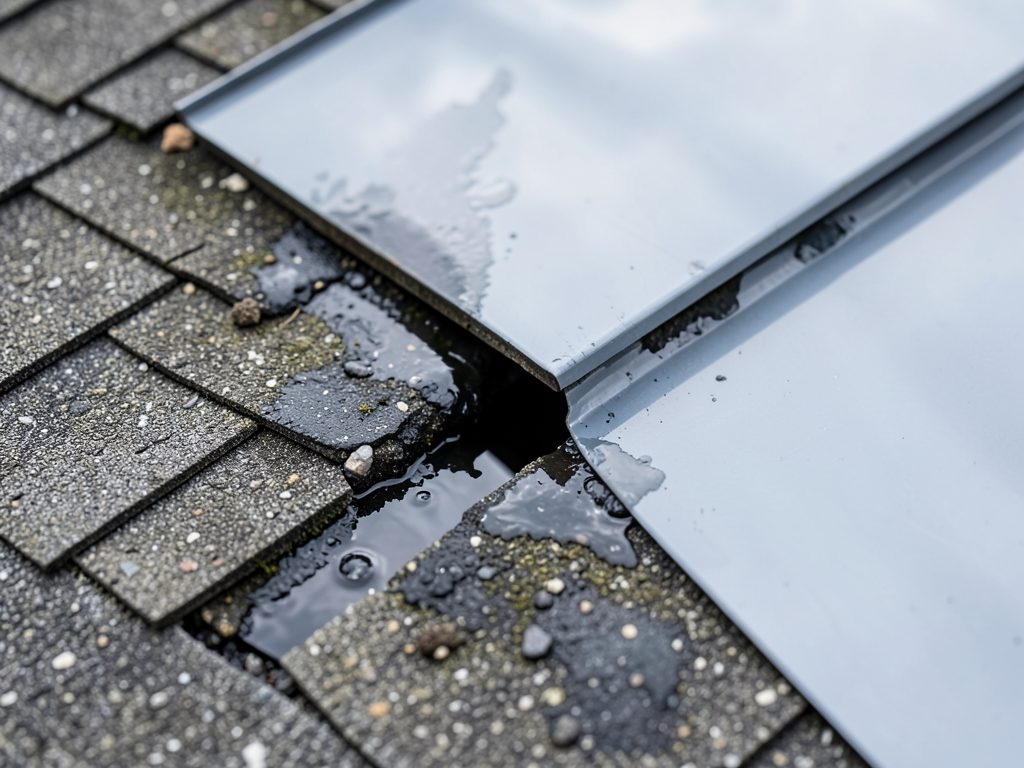
Carnegie homes built before 2000 often have asphalt shingles rated for 20-year lifespans. When you add a new section with modern architectural shingles or metal panels, the older layer underneath continues degrading at its original rate. The mismatch in material thickness creates valleys where water pools instead of draining. These transition zones become the first places to fail during Pittsburgh’s freeze-thaw cycles.
Before you start your remodel, understand what you’re really dealing with. A roof isn’t just shingles nailed to wood. It’s a system of underlayment, flashing, ventilation, and structural components that must work together. Mixing materials breaks that system.
Why Material Mixing Creates Structural Problems
Different roofing materials expand and contract at different rates when temperatures change. This differential movement creates stress at the points where old and new materials meet. During Pittsburgh’s rapid temperature swings, these transition zones experience constant pulling and pushing that loosens fasteners and breaks seals. Roofing Scranton.
Weight distribution becomes another major issue. Older three-tab shingles weigh less per square foot than modern architectural shingles. When you add the heavier material over existing layers, you increase the load on rafters and trusses that may already be weakened by decades of moisture exposure. The Pennsylvania Uniform Construction Code requires structural engineers to calculate load increases when adding new roofing layers over existing ones. Pennsylvania Uniform Construction Code.
Moisture management fails when materials don’t breathe the same way. Asphalt shingles allow some vapor transmission while metal panels create nearly impermeable surfaces. When these meet, condensation forms in the cavity between them. This trapped moisture feeds mold growth and accelerates wood rot in the roof deck.. Read more about How to Choose Between IKO and CertainTeed Shingles for Your Overbrook Home.
Common Mixing Scenarios That Cause Problems
Homeowners often try to save money by keeping existing shingles when adding a dormer or expanding a garage. This creates a patchwork roof where old three-tab shingles meet new architectural ones. The difference in granule density and UV resistance means they weather at completely different rates. Within three years, the older material looks decades older than the new section.
Another frequent mistake involves mixing metal roofing with asphalt shingles. Standing seam metal installed over existing shingles seems like a quick upgrade, but the uneven surface underneath prevents proper panel alignment. The metal expands more than asphalt, causing screws to back out and panels to lift at the edges.
Flat roof additions present unique challenges. When you attach a low-slope EPDM membrane to an existing pitched shingle roof, the transition flashing becomes critical. Most DIY attempts use inadequate materials that fail within the first heavy rain. The International Building Code requires specific transition details that most homeowners don’t know exist.
Local Carnegie Building Code Requirements
The Pittsburgh Bureau of Building Inspection enforces the Pennsylvania Uniform Construction Code, which has specific requirements for material transitions. Section 1507.2.6 requires that when two different roofing materials meet, the transition must include a minimum 12-inch overlap with compatible underlayment. This underlayment must be the same type across both materials to maintain consistent moisture protection.
Ice dam protection requirements in Zone 5 climates like Pittsburgh mandate that all eaves extending beyond exterior walls must have two layers of underlayment cemented together. When mixing materials, this ice shield requirement applies to both the old and new sections. Many homeowners discover too late that their partial replacement doesn’t meet these standards. How Much a Full Roof Replacement Actually Costs in Pittsburgh Right Now.
Permit requirements in Carnegie specifically address material mixing. The borough requires structural calculations when adding new roofing over existing layers if the total weight exceeds 750 pounds per square. This threshold is easily reached when combining heavy architectural shingles with multiple existing layers of older materials.
Manufacturer Warranty Implications
Roofing manufacturers void warranties when their products are installed over incompatible materials. GAF requires that Timberline HDZ shingles be installed over clean, solid decking or a single layer of existing shingles. Installing them over wood shakes or multiple layers immediately voids the 50-year warranty. GAF roofing warranty requirements.
Metal roofing companies like standing seam panels have even stricter requirements. ATAS International specifies that their panels must be installed over solid decking with minimum 30-pound felt underlayment. Installing over existing shingles creates an uneven surface that causes oil canning and premature fastener failure.
The warranty trap extends to workmanship guarantees. Most professional roofing contractors won’t warranty work that involves mixing materials because they can’t control how the existing roof will perform. This leaves homeowners paying for both materials and labor twice when the mixed system fails.
Diagnostic Signs of Material Mixing Problems
During our inspections in Carnegie, we look for specific failure patterns that indicate material mixing issues. The first sign is often water staining at transition points. When different materials expand differently, they create gaps where flashing pulls away from walls or chimneys.
We use moisture meters to detect hidden problems. A reading above 18% moisture content in roof decking near material transitions indicates active leaks. The moisture pattern often shows higher readings on the older material side because it lacks modern waterproofing membranes.
Visual inspection reveals other problems. Curling shingles at transition points show where differential expansion is occurring. The old material curls upward while the new material remains flat, creating channels for wind-driven rain to penetrate underneath.
Cost Comparison: Mixing vs. Full Replacement
| Project Type | Initial Cost | Expected Lifespan | Warranty Coverage | Long-term Risk |
|---|---|---|---|---|
| Mixing Materials | $8,500 – $12,000 | 8-12 years | Voided | High |
| Full Replacement | $15,000 – $22,000 | 25-30 years | Full | Low |
The numbers tell the story clearly. Mixing materials might save $3,000-$5,000 upfront, but you’re likely replacing the entire roof again in less than half the time. The full replacement costs more initially but provides 20+ years of trouble-free performance with manufacturer backing.
Proper Material Transition Techniques
When transitions between different materials are absolutely necessary, specific techniques prevent most problems. The key is creating a seamless underlayment system that both materials share. This means removing all existing roofing down to the deck at transition points.
Proper flashing becomes critical at material junctions. We use custom-fabricated transition flashings that extend at least 12 inches onto each material surface. These flashings include built-in expansion joints that allow materials to move independently without breaking the water seal.
Ventilation requirements change when mixing materials. Different materials have different airflow needs. We calculate net free area requirements based on the total roof area and install continuous ridge vents that serve both material types equally.
Climate Considerations for Pittsburgh Roofs
Pittsburgh’s climate creates unique challenges for mixed roofing systems. Our freeze-thaw cycles can swing 40-50 degrees in a single day during spring and fall. Materials that expand differently experience maximum stress during these rapid temperature changes.
Heavy snow loads compound material mixing problems. Snow weighs approximately 20 pounds per cubic foot when wet. A 1,000-square-foot roof section with 12 inches of wet snow carries 10,000 pounds of additional load. When you mix materials, the older section often can’t support this weight as well as the newer section.
Wind patterns in the Pittsburgh valley create uplift forces that hit mixed material roofs unevenly. The older material sections typically have weaker fastening patterns, making them more susceptible to wind damage during storms.
Case Study: Carnegie Home with Mixed Materials
A 1920s Craftsman in the McClellan neighborhood had asphalt shingles installed over original wood shakes in 2015. In 2024, the homeowner added a second-story addition with architectural shingles. Within 18 months, leaks appeared at the junction between old and new sections.
Moisture testing revealed 22% moisture content in the original roof deck near the transition. The wood shakes underneath the 2015 shingles had rotted completely, creating hollow spots that trapped water. The new addition’s shingles were still in perfect condition, but the entire system failed because of the mixed materials underneath.
The repair required removing everything down to the rafters and starting over. The homeowner spent $28,000 on what could have been a $15,000 complete replacement in 2015.
Professional Assessment Process
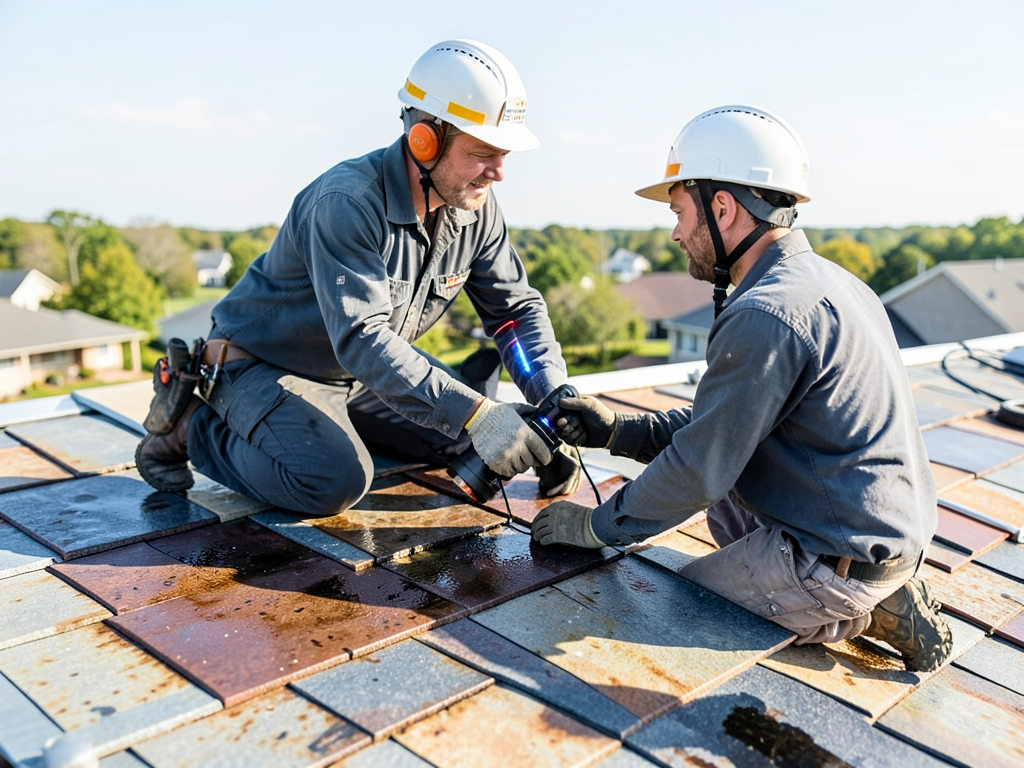
Our inspection process for mixed material roofs includes several diagnostic steps. We start with thermal imaging to detect moisture patterns invisible to the naked eye. Cold spots on the roof surface often indicate water infiltration under the outer layers.
We then perform core sampling in multiple locations. This involves removing small sections of roofing to examine the layers underneath. We document the number of existing layers, the condition of the decking, and any signs of previous repairs or patches.
Load calculations follow based on the specific materials involved. We measure roof pitch, calculate square footage, and determine the total weight including any existing snow or water accumulation. This tells us whether the current structure can safely support additional materials.
Alternative Solutions to Mixing
Instead of mixing materials, consider these approaches that maintain system integrity. Roof recover involves installing new materials over existing ones using specialized techniques that account for the additional weight. This works when the existing roof is in good condition and only one layer exists.
Roof restoration treats the existing surface with coatings that extend its life while matching the appearance of new materials. This approach works well for flat roofs where adding another layer would create drainage problems.
Phased replacement involves doing one section at a time while planning the entire project upfront. This ensures material compatibility and allows for proper underlayment integration between phases.
Making the Right Decision
The decision to mix materials or do a complete replacement depends on several factors. First, consider the age and condition of your existing roof. If it’s over 15 years old or shows signs of moisture damage, mixing materials becomes extremely risky.
Next, evaluate your long-term plans for the property. If you plan to sell within five years, the partial repair might seem attractive. However, savvy buyers often discount properties with mixed roofing systems due to the perceived risk.
Finally, consider the total cost of ownership. A mixed system might cost less upfront but requires more frequent maintenance and earlier replacement. The full replacement provides predictable performance and protects your home’s value.. Read more about Managing Shared Roof Maintenance with Your Neighbors in Garfield Row Houses.
Frequently Asked Questions
Can I install metal roofing over existing asphalt shingles?
Installing metal over existing shingles is possible but creates significant problems. The uneven surface causes oil canning in metal panels, and trapped heat accelerates shingle degradation underneath. Most manufacturers void warranties for this installation method.
How long can I expect a mixed material roof to last?
Mixed material roofs typically fail within 8-12 years, compared to 25-30 years for uniform systems. The weakest component determines the overall system lifespan, and mixed materials create multiple weak points that fail at different rates.
Will my insurance cover damage to mixed material roofs?
Insurance companies often deny claims for mixed material roofs, citing improper installation and material incompatibility. Some policies specifically exclude coverage for roofs with multiple material types or those installed over existing layers.
What’s the best way to transition between different roofing materials?
The only reliable transition method involves removing all existing materials down to the deck at transition points. Install continuous underlayment across both materials, then use custom-fabricated transition flashings with built-in expansion joints. Reliable Commercial Flat Roof Repair in the Strip District and Downtown.
Are there any situations where mixing materials makes sense?
Mixing materials only makes sense for temporary repairs when budget constraints are severe and the homeowner plans to sell within a year. Even then, disclose the mixed materials to potential buyers as a significant defect.
Get a Professional Assessment Before You Remodel
Before you make any decisions about mixing roofing materials during your remodel, get a professional assessment. We’ll examine your existing roof structure, identify potential problems, and provide options that protect your investment.
Our team at Victory Roofing has inspected hundreds of Carnegie homes and understands the specific challenges our local climate creates. We use thermal imaging, moisture meters, and structural analysis to give you the complete picture.
Don’t let a roofing decision you make today become a $15,000 problem tomorrow. Call (878) 209-5522 today to schedule your inspection. We’ll show you exactly what’s under your existing roof and help you make the right choice for your home and your budget.
Pick up the phone and call (878) 209-5522 before the next storm hits. Your roof protects everything you own, and mixing materials puts that protection at risk.
{
“@context”: “https://schema.org”,
“@type”: “BlogPosting”,
“headline”: “The Problems With Mixing Old and New Roofing Materials During a Remodel in Carnegie”,
“description”: “Discover why mixing old and new roofing materials during a remodel in Carnegie causes structural issues, warranty voids, and costly repairs. Get expert advice from Victory Roofing.”,
“wordCount”: 2134,
“datePublished”: “2026-06-04T15:23:00.000Z”,
“dateModified”: “2026-06-04T15:23:00.000Z”,
“inLanguage”: “en-US”,
“mainEntityOfPage”: {
“@type”: “WebPage”,
“@id”: “https://victoryroofingpittsburgh.com”
},
“publisher”: {
“@type”: “LocalBusiness”,
“name”: “Victory Roofing Pittsburgh”,
“url”: “https://victoryroofingpittsburgh.com”
},
“author”: {
“@type”: “Organization”,
“name”: “Victory Roofing Pittsburgh”,
“url”: “https://victoryroofingpittsburgh.com”
},
“image”: {
“@type”: “ImageObject”,
“url”: “https://victoryroofingpittsburgh.com/wp-content/uploads/2026/03/the-problems-with-mixing-old-and-new-roofing-mater-1.png”
}
}
{
“@context”: “https://schema.org”,
“@type”: “RoofingContractor”,
“name”: “Victory Roofing Pittsburgh”,
“url”: “https://victoryroofingpittsburgh.com”,
“address”: {
“@type”: “PostalAddress”,
“addressLocality”: “Pittsburgh”
},
“areaServed”: {
“@type”: “City”,
“name”: “Pittsburgh”
}
}
{
“@context”: “https://schema.org”,
“@type”: “FAQPage”,
“mainEntity”: [
{
“@type”: “Question”,
“name”: “Can I install metal roofing over existing asphalt shingles?”,
“acceptedAnswer”: {
“@type”: “Answer”,
“text”: “Installing metal over existing shingles is possible but creates significant problems. The uneven surface causes oil canning in metal panels, and trapped heat accelerates shingle degradation underneath. Most manufacturers void warranties for this installation method.”
}
},
{
“@type”: “Question”,
“name”: “How long can I expect a mixed material roof to last?”,
“acceptedAnswer”: {
“@type”: “Answer”,
“text”: “Mixed material roofs typically fail within 8-12 years, compared to 25-30 years for uniform systems. The weakest component determines the overall system lifespan, and mixed materials create multiple weak points that fail at different rates.”
}
},
{
“@type”: “Question”,
“name”: “Will my insurance cover damage to mixed material roofs?”,
“acceptedAnswer”: {
“@type”: “Answer”,
“text”: “Insurance companies often deny claims for mixed material roofs, citing improper installation and material incompatibility. Some policies specifically exclude coverage for roofs with multiple material types or those installed over existing layers.”
}
},
{
“@type”: “Question”,
“name”: “Are there any situations where mixing materials makes sense?”,
“acceptedAnswer”: {
“@type”: “Answer”,
“text”: “Mixing materials only makes sense for temporary repairs when budget constraints are severe and the homeowner plans to sell within a year. Even then, disclose the mixed materials to potential buyers as a significant defect.”
}
}
]
}
{
“@context”: “https://schema.org”,
“@type”: “BreadcrumbList”,
“itemListElement”: [
{
“@type”: “ListItem”,
“position”: 1,
“name”: “Home”,
“item”: “https://victoryroofingpittsburgh.com”
},
{
“@type”: “ListItem”,
“position”: 2,
“name”: “Blog”,
“item”: “https://victoryroofingpittsburgh.com/blog”
},
{
“@type”: “ListItem”,
“position”: 3,
“name”: “The Problems With Mixing Old and New Roofing Materials During a Remodel in Carnegie”
}
]
}
{
“@context”: “https://schema.org”,
“@type”: “Service”,
“serviceType”: “Roofing”,
“provider”: {
“@type”: “LocalBusiness”,
“name”: “Victory Roofing Pittsburgh”,
“url”: “https://victoryroofingpittsburgh.com”
},
“areaServed”: {
“@type”: “City”,
“name”: “Pittsburgh”
},
“description”: “Discover why mixing old and new roofing materials during a remodel in Carnegie causes structural issues, warranty voids, and costly repairs. Get expert advice from Victory Roofing.”
}