Coordinating Your New Roof and Siding Project for a Total Plum Home Makeover
Planning a complete exterior renovation for your Plum home requires careful coordination between roofing and siding contractors. The Pittsburgh region’s freeze-thaw cycles and heavy snowfall demand materials that work together as a unified system. This guide walks you through the process of scheduling both projects simultaneously to maximize efficiency, minimize disruption, and achieve the best possible results for your home’s exterior. Why Metal Roofing is Becoming the Top Choice for Homes in North Hills.
Why Coordinate Roofing and Siding Projects Together
Replacing your roof and siding at the same time offers several advantages that homeowners in Plum often overlook. When both systems are installed together, contractors can address underlying issues like water damage or structural problems more effectively. The coordinated approach also reduces overall project time since crews can work in tandem rather than making multiple visits to your property.
Material compatibility becomes simpler when both systems are selected together. For example, choosing asphalt shingles with vinyl siding requires different considerations than pairing a metal roof with fiber cement siding. The color coordination and architectural style integration happens naturally when both decisions are made simultaneously.
Cost savings represent another significant benefit. Many contractors offer package pricing when both projects are bundled, and you’ll save on labor costs since crews can share equipment and staging areas. Plus, you only need to schedule one major disruption to your daily routine rather than two separate projects months apart.
Understanding Plum’s Climate Challenges
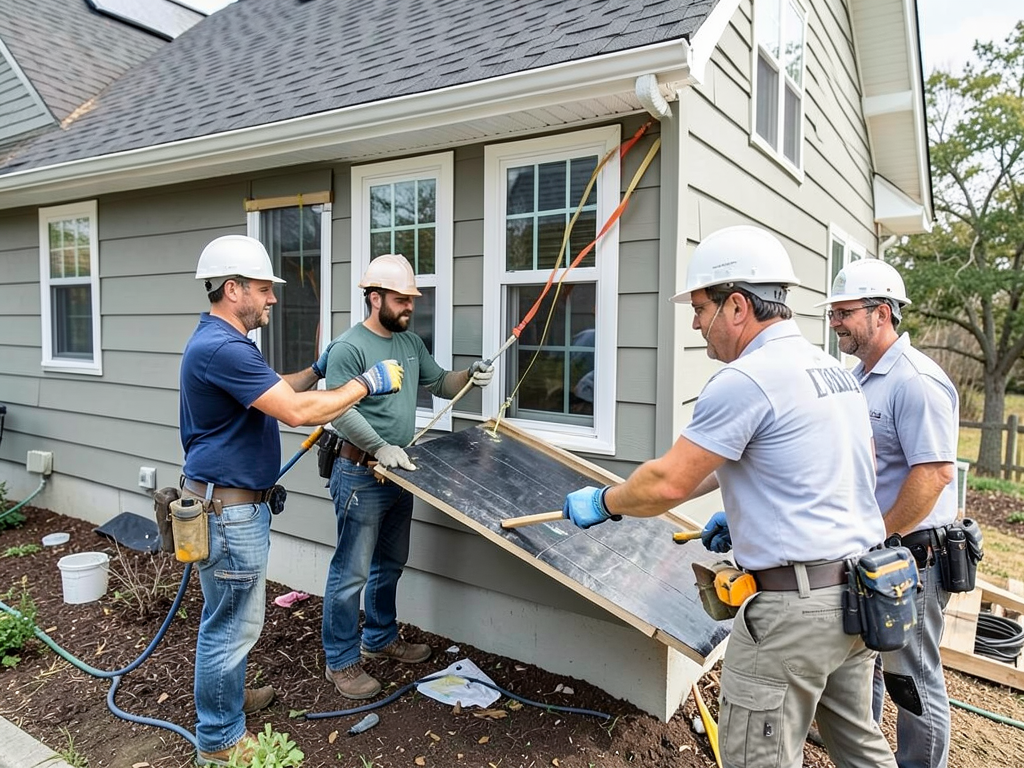
Plum experiences some of the most demanding weather conditions in Western Pennsylvania. The area’s elevation and proximity to the Allegheny River create unique microclimates that affect building materials differently than in Pittsburgh’s urban core. Annual snowfall averages 40 inches, but the real challenge comes from the freeze-thaw cycles that occur 50-60 times per year.
These rapid temperature fluctuations cause expansion and contraction in roofing and siding materials. Asphalt shingles can lose granules prematurely when exposed to constant thermal cycling. Vinyl siding may warp or crack if not properly installed with expansion gaps. Even fiber cement siding requires specific installation techniques to accommodate seasonal movement.
The soil composition in Plum adds another layer of complexity. The area’s clay-heavy soil retains moisture and can cause foundation movement that affects the entire building envelope. This movement puts stress on both roofing and siding connections, making proper installation techniques critical for long-term performance.
According to the International Residential Code Section R301.2, structures in Plum must be designed to withstand specific wind loads and snow loads that exceed many other Pennsylvania communities. This means your roofing and siding systems need to work together to provide adequate structural support. International Residential Code Section R301.2.
Selecting Compatible Materials
Material selection should prioritize both aesthetics and performance in Plum’s climate. Asphalt shingles remain the most popular roofing choice due to their cost-effectiveness and proven track record in cold climates. Architectural shingles with a Class 4 impact rating offer the best protection against hail damage common in spring thunderstorms.
For siding, vinyl continues to dominate the market due to its low maintenance requirements and excellent performance in freeze-thaw conditions. Modern vinyl siding includes UV stabilizers and impact modifiers that prevent the cracking and fading issues of older generations. The material expands and contracts predictably, making it ideal for Plum’s temperature swings.
Fiber cement siding represents another excellent option for Plum homes. Products like James Hardie offer superior impact resistance and dimensional stability. The material doesn’t warp or buckle with temperature changes, and it provides excellent insulation value for Pennsylvania winters. However, fiber cement requires more specialized installation techniques and costs significantly more than vinyl.. Read more about The Real Value of Adding Copper Gutters to Your Churchill Property.
Metal roofing pairs exceptionally well with both vinyl and fiber cement siding. The material’s longevity and energy efficiency make it increasingly popular in Plum. Standing seam metal roofs installed with proper underlayment can last 40-50 years while reflecting heat in summer and shedding snow efficiently in winter. Energy Star insulation requirements.
Project Timeline and Scheduling
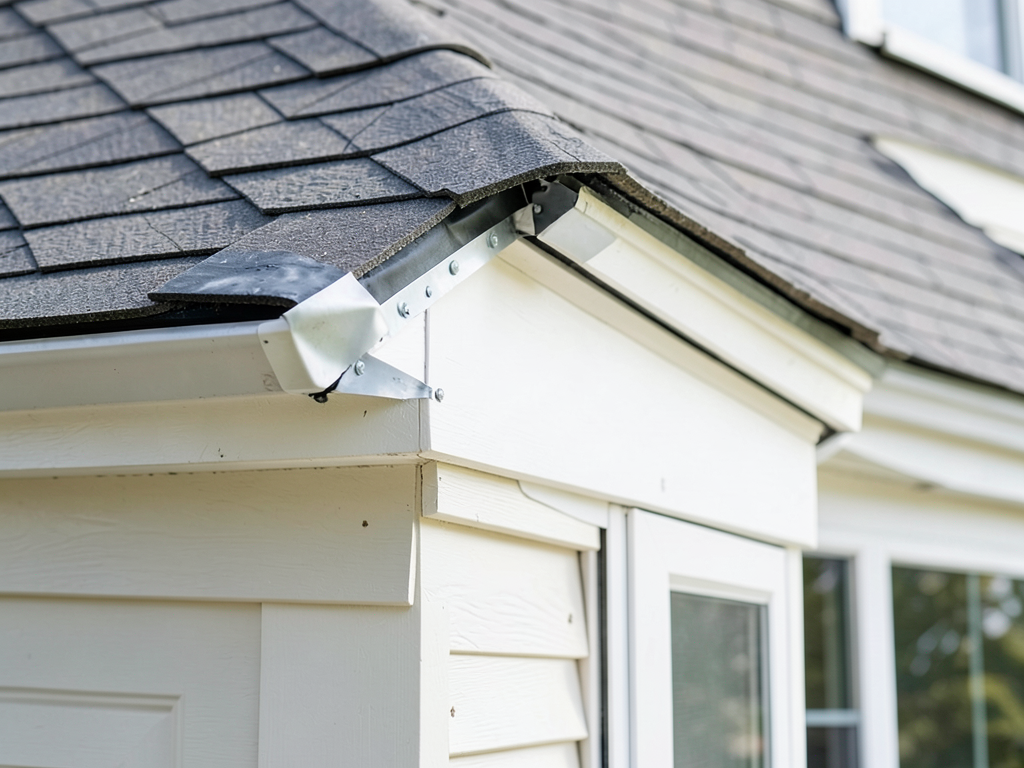
Coordinating the timeline requires understanding the dependencies between roofing and siding installation. The roofing crew typically starts first, installing underlayment and beginning shingle application. Meanwhile, siding crews can prepare wall surfaces and begin installation on areas not affected by roof work.
Most coordinated projects in Plum take 2-3 weeks from start to finish, depending on home size and weather conditions. Roofing crews work from top to bottom, while siding crews progress from bottom to top. This natural workflow minimizes interference between teams.
Weather plays a crucial role in scheduling. Roofing cannot proceed during rain or when temperatures drop below 40°F for asphalt shingle installation. Siding installation has more flexibility but still requires dry conditions. Spring and early fall typically offer the most reliable weather windows in Plum. Reliable Commercial Flat Roof Repair in the Strip District and Downtown.
The sequencing also matters for tear-off phases. Roofing crews remove old materials first, followed by siding removal. This prevents damage to new siding from falling debris during roof demolition. Proper debris containment and protection of landscaping becomes essential during this phase.
Permit Requirements in Allegheny County
Plum falls under Allegheny County’s building permit jurisdiction, requiring permits for both roofing and siding replacement projects. The permitting process ensures compliance with local building codes and energy efficiency standards. Most permits are issued within 5-7 business days if all documentation is complete. How Much a Full Roof Replacement Actually Costs in Pittsburgh Right Now.
The International Energy Conservation Code requires specific insulation values for both roofing and siding projects. For Plum’s climate zone, roofs need R-49 insulation in the attic, while exterior walls require R-20 insulation when replacing siding. These requirements affect material selection and installation methods.
Wind load calculations become particularly important in Plum due to the area’s exposure to lake-effect winds. The Pennsylvania Uniform Construction Code mandates specific fastening requirements for both roofing and siding in wind-prone areas. This includes additional fasteners for shingles and specialized siding attachment methods.
Inspections occur at multiple stages of the project. Rough framing inspections verify structural integrity before new materials go on. Final inspections ensure all work meets code requirements. Most Plum homeowners schedule these inspections through the Allegheny County Health Department’s building inspection division.
Cost Factors and Budgeting
Coordinated projects typically cost 15-20% less than separate installations due to shared labor and equipment costs. A typical 2,000-square-foot home in Plum can expect to invest between $25,000 and $45,000 for complete roofing and siding replacement, depending on material choices.
Material costs vary significantly by type. Asphalt shingles range from $100 to $150 per square, while premium architectural shingles can cost $180 to $250 per square. Vinyl siding installation averages $3 to $7 per square foot, while fiber cement costs $6 to $12 per square foot installed.
Labor represents the largest variable cost factor. Experienced crews familiar with Plum’s specific building challenges may charge premium rates, but their expertise often prevents costly mistakes. The complexity of your home’s architecture also affects labor costs, with multi-story homes or those with complex rooflines requiring more time and specialized equipment. Expert Slate Roof Repair Services for Sewickley Historic Properties.
Energy efficiency upgrades can offset some costs through utility savings. Adding proper attic insulation during roof replacement or insulated siding during the siding phase can qualify for energy tax credits. The federal Energy Star program offers rebates for qualifying high-efficiency materials.
Common Problems and Solutions
Moisture management represents the biggest challenge in coordinating roofing and siding projects. Improper flashing integration between the two systems can lead to water infiltration. The solution involves using continuous flashing that extends from the roof edge up behind the siding, creating a watertight barrier.
Ventilation coordination often gets overlooked. Roof ventilation must work in harmony with wall ventilation to prevent moisture buildup in the attic and wall cavities. This means ensuring soffit vents align with roof vents and that siding installation doesn’t block existing ventilation paths.
Material expansion and contraction create another potential issue. Different materials expand at different rates, so transition points between roofing and siding need special attention. Using flexible sealants and allowing proper gaps prevents buckling and cracking as temperatures change.
Foundation movement affects both systems differently. While roofing can accommodate some movement through flexible underlayment, siding may show gaps or buckling if the foundation shifts. Addressing foundation issues before starting exterior work prevents these problems from recurring.
Choosing the Right Contractor
Selecting a contractor experienced in coordinated roofing and siding projects makes a significant difference in project outcome. Look for companies with specific experience in Plum’s building conditions and knowledge of local permit requirements. Ask for references from similar projects in your neighborhood.
Verify licensing through the Pennsylvania Attorney General’s office. Contractors must hold proper Home Improvement Contractor registration and carry adequate insurance. Ask to see certificates of insurance and verify coverage amounts meet local requirements for projects of this scope.. Read more about How to Navigate the Insurance Claim Process After a Monroeville Hail Storm.
Communication becomes critical when coordinating multiple crews. The lead contractor should provide a detailed project schedule, identify the primary contact person, and establish protocols for weather delays or material shortages. Regular progress updates help manage expectations and prevent misunderstandings.
Payment schedules should align with project milestones rather than being front-loaded. A typical payment structure includes a deposit, progress payments at key stages, and final payment upon completion and inspection. Never pay the full amount upfront for a project of this size.
Maintenance and Long-Term Care
Proper maintenance extends the life of both roofing and siding systems. Annual inspections should check for loose shingles, damaged siding panels, and proper drainage around the foundation. Cleaning gutters twice yearly prevents ice dam formation that can damage both roof and siding.
Roof maintenance includes removing debris from valleys and around chimneys, checking for damaged flashing, and ensuring proper ventilation. Most asphalt shingle roofs in Plum need replacement every 20-25 years, while metal roofs can last 40-50 years with proper care.
Siding maintenance varies by material. Vinyl siding typically needs only occasional cleaning with mild soap and water. Fiber cement may require repainting every 10-15 years, while metal siding needs inspection for corrosion at seams and fasteners. All siding types benefit from annual washing to remove dirt and prevent mildew growth.
Addressing small issues promptly prevents major problems. Replacing a few damaged shingles or repairing a small section of siding costs far less than dealing with water damage that results from delayed maintenance. Most coordinated projects include a one-year workmanship warranty covering these types of repairs.
Energy Efficiency Considerations
Coordinated exterior projects offer unique opportunities for improving home energy efficiency. Adding proper attic insulation during roof replacement can reduce heating costs by 15-20% in Plum’s climate. The combination of radiant barriers, adequate ventilation, and proper insulation creates a complete thermal envelope.
Siding upgrades can include insulated backing panels that add R-value to exterior walls. This becomes particularly important for older homes in Plum that may have minimal wall insulation. The energy savings often offset the additional cost of insulated siding within 5-7 years.
Roof color selection affects energy performance. Light-colored shingles reflect more heat in summer, reducing cooling costs. In Plum’s mixed climate, neutral colors often provide the best year-round performance. Some homeowners choose different shingle colors for different roof slopes based on sun exposure.
Window replacement coordination often accompanies roofing and siding projects. While not part of the exterior shell, new windows installed during this phase can dramatically improve energy efficiency. The combined effect of new roof, siding, and windows can reduce utility bills by 25-30% for many Plum homes.
Insurance and Warranty Considerations
Most homeowner insurance policies cover damage to roofing and siding from storms, but not normal wear and tear. Documenting your home’s condition before starting major exterior work helps with potential insurance claims. Take photos of existing conditions and keep all contractor documentation.
Manufacturer warranties vary by material and installation method. Asphalt shingle warranties typically range from 20 to 50 years, but many are prorated after the first 10 years. Siding warranties often cover 20-30 years but may exclude damage from severe weather or improper maintenance.
Workmanship warranties provided by contractors usually cover 1-5 years. These warranties cover installation errors but not material defects. Choose contractors who offer comprehensive workmanship warranties and have a track record of honoring warranty claims in the Plum area.
Some homeowners consider extended warranty options for major exterior investments. These can provide additional coverage for specific components like roofing underlayment or siding trim. The cost-benefit analysis depends on your long-term plans for the property and your tolerance for potential repair costs.
Frequently Asked Questions
How long does a coordinated roofing and siding project take in Plum?
Most complete exterior renovations in Plum take 2-3 weeks, weather permitting. Roofing typically requires 3-5 days, while siding installation takes 4-7 days depending on home size and complexity.
Can I stay in my home during the renovation?
Yes, most homeowners remain in their homes during exterior renovations. However, expect noise, limited access to certain areas, and potential temporary utility interruptions. Contractors should provide advance notice of any planned disruptions.
What permits are required for roofing and siding replacement in Plum?
Both roofing and siding replacement require permits from Allegheny County. The permitting process ensures compliance with local building codes and energy efficiency standards. Most permits are issued within 5-7 business days.
How do I choose between vinyl and fiber cement siding?
Consider your budget, maintenance preferences, and aesthetic goals. Vinyl offers lower initial cost and minimal maintenance, while fiber cement provides superior durability and paint options but costs more and requires specialized installation.
What’s the best time of year for exterior renovations in Plum?
Late spring through early fall offers the most reliable weather for exterior work. Avoid winter months when freezing temperatures can affect material installation and increase the risk of weather delays.
How much value does a coordinated exterior renovation add to my home?
Complete exterior renovations typically return 60-80% of the investment in increased home value. The improvement in curb appeal and energy efficiency often makes the home more attractive to potential buyers.
Should I replace my gutters when doing roofing and siding?
Coordinating gutter replacement with roofing and siding projects makes sense since the fascia and soffit areas are already exposed. New seamless gutters protect your investment and complete the exterior renovation.
What if I discover damage during the renovation?
Reputable contractors include provisions in their contracts for addressing unexpected damage or structural issues discovered during demolition. This typically involves written change orders and revised pricing before proceeding with repairs.
How do I maintain my new roof and siding?
Annual inspections, twice-yearly gutter cleaning, and prompt attention to any damage will maximize the life of your exterior investment. Most materials require minimal maintenance beyond cleaning and occasional repairs.
Can I finance a coordinated roofing and siding project?
Many contractors offer financing options, and some homeowners use home equity loans or lines of credit. Energy-efficient upgrades may qualify for special financing programs or tax credits.
- Assessment and Planning
Schedule a comprehensive inspection to evaluate the condition of your existing roof and siding. Document all issues and establish your renovation goals.
- Material Selection
Choose compatible roofing and siding materials that work well together in Plum’s climate. Consider color coordination and architectural style.
- Contractor Selection
Interview multiple contractors with experience in coordinated exterior projects. Verify licensing, insurance, and local references.
- Permit Acquisition
Submit permit applications to Allegheny County and obtain all required approvals before starting work.
- Project Scheduling
Develop a detailed timeline that sequences roofing and siding work efficiently while accounting for weather contingencies.
- Site Preparation
Protect landscaping, establish material storage areas, and set up proper debris containment before demolition begins.
- Installation Coordination
Monitor the progress of both roofing and siding crews to ensure proper integration and quality control throughout the project.
- Final Inspection
Schedule required inspections and conduct a thorough walkthrough with your contractor to verify all work meets your expectations.
Ready to Transform Your Plum Home?
A coordinated roofing and siding project represents a significant investment in your home’s protection, energy efficiency, and curb appeal. The key to success lies in proper planning, material selection, and contractor coordination. By understanding Plum’s unique climate challenges and following the guidelines outlined in this guide, you can achieve a beautiful, durable exterior that will serve your home for decades. Homeowner’s Guide to Roofing.
The combination of proper material selection, expert installation, and regular maintenance creates a building envelope that withstands Western Pennsylvania’s demanding weather conditions. Whether you choose traditional asphalt shingles with vinyl siding or premium metal roofing with fiber cement, the coordinated approach ensures all components work together as a unified system.
Don’t wait until winter storms reveal the weaknesses in your home’s exterior. Take the first step toward protecting your investment by scheduling a professional inspection to assess your current roofing and siding condition. Understanding your options now can prevent costly emergency repairs later.
Call (878) 209-5522 today to schedule your inspection and learn more about coordinating your roofing and siding project for a total Plum home makeover. Our experienced team understands the unique challenges of Western Pennsylvania weather and can help you select the perfect combination of materials for your home’s specific needs.
Pick up the phone and call (878) 209-5522 before the next storm hits. Don’t let another season pass with a compromised exterior that puts your home at risk. Our team is ready to help you create the beautiful, durable exterior your Plum home deserves.
You may also find this helpful. Will a New Roof Actually Help You Sell Your Penn Hills Home Faster?.
{
“@context”: “https://schema.org”,
“@type”: “BlogPosting”,
“headline”: “Coordinating Your New Roof and Siding Project for a Total Plum Home Makeover”,
“description”: “Upgrade your Plum home with expert roofing and siding installation. Learn how to coordinate both projects for maximum value and protection against Pittsburgh’s harsh weather.”,
“wordCount”: 2897,
“datePublished”: “2026-03-14T16:51:00.000Z”,
“dateModified”: “2026-03-14T16:51:00.000Z”,
“inLanguage”: “en-US”,
“mainEntityOfPage”: {
“@type”: “WebPage”,
“@id”: “https://victoryroofingpittsburgh.com”
},
“publisher”: {
“@type”: “LocalBusiness”,
“name”: “Victory Roofing Pittsburgh”,
“url”: “https://victoryroofingpittsburgh.com”
},
“author”: {
“@type”: “Organization”,
“name”: “Victory Roofing Pittsburgh”,
“url”: “https://victoryroofingpittsburgh.com”
},
“image”: {
“@type”: “ImageObject”,
“url”: “https://victoryroofingpittsburgh.com/wp-content/uploads/2026/03/coordinating-your-new-roof-and-siding-project-for-1.png”
}
}
{
“@context”: “https://schema.org”,
“@type”: “RoofingContractor”,
“name”: “Victory Roofing Pittsburgh”,
“url”: “https://victoryroofingpittsburgh.com”,
“address”: {
“@type”: “PostalAddress”,
“addressLocality”: “Pittsburgh”
},
“areaServed”: {
“@type”: “City”,
“name”: “Pittsburgh”
}
}
{
“@context”: “https://schema.org”,
“@type”: “FAQPage”,
“mainEntity”: [
{
“@type”: “Question”,
“name”: “How long does a coordinated roofing and siding project take in Plum?”,
“acceptedAnswer”: {
“@type”: “Answer”,
“text”: “Most complete exterior renovations in Plum take 2-3 weeks, weather permitting. Roofing typically requires 3-5 days, while siding installation takes 4-7 days depending on home size and complexity.”
}
},
{
“@type”: “Question”,
“name”: “Can I stay in my home during the renovation?”,
“acceptedAnswer”: {
“@type”: “Answer”,
“text”: “Yes, most homeowners remain in their homes during exterior renovations. However, expect noise, limited access to certain areas, and potential temporary utility interruptions. Contractors should provide advance notice of any planned disruptions.”
}
},
{
“@type”: “Question”,
“name”: “What permits are required for roofing and siding replacement in Plum?”,
“acceptedAnswer”: {
“@type”: “Answer”,
“text”: “Both roofing and siding replacement require permits from Allegheny County. The permitting process ensures compliance with local building codes and energy efficiency standards. Most permits are issued within 5-7 business days.”
}
},
{
“@type”: “Question”,
“name”: “How do I choose between vinyl and fiber cement siding?”,
“acceptedAnswer”: {
“@type”: “Answer”,
“text”: “Consider your budget, maintenance preferences, and aesthetic goals. Vinyl offers lower initial cost and minimal maintenance, while fiber cement provides superior durability and paint options but costs more and requires specialized installation.”
}
},
{
“@type”: “Question”,
“name”: “What’s the best time of year for exterior renovations in Plum?”,
“acceptedAnswer”: {
“@type”: “Answer”,
“text”: “Late spring through early fall offers the most reliable weather for exterior work. Avoid winter months when freezing temperatures can affect material installation and increase the risk of weather delays.”
}
},
{
“@type”: “Question”,
“name”: “How much value does a coordinated exterior renovation add to my home?”,
“acceptedAnswer”: {
“@type”: “Answer”,
“text”: “Complete exterior renovations typically return 60-80% of the investment in increased home value. The improvement in curb appeal and energy efficiency often makes the home more attractive to potential buyers.”
}
},
{
“@type”: “Question”,
“name”: “Should I replace my gutters when doing roofing and siding?”,
“acceptedAnswer”: {
“@type”: “Answer”,
“text”: “Coordinating gutter replacement with roofing and siding projects makes sense since the fascia and soffit areas are already exposed. New seamless gutters protect your investment and complete the exterior renovation.”
}
},
{
“@type”: “Question”,
“name”: “What if I discover damage during the renovation?”,
“acceptedAnswer”: {
“@type”: “Answer”,
“text”: “Reputable contractors include provisions in their contracts for addressing unexpected damage or structural issues discovered during demolition. This typically involves written change orders and revised pricing before proceeding with repairs.”
}
},
{
“@type”: “Question”,
“name”: “How do I maintain my new roof and siding?”,
“acceptedAnswer”: {
“@type”: “Answer”,
“text”: “Annual inspections, twice-yearly gutter cleaning, and prompt attention to any damage will maximize the life of your exterior investment. Most materials require minimal maintenance beyond cleaning and occasional repairs.”
}
},
{
“@type”: “Question”,
“name”: “Can I finance a coordinated roofing and siding project?”,
“acceptedAnswer”: {
“@type”: “Answer”,
“text”: “Many contractors offer financing options, and some homeowners use home equity loans or lines of credit. Energy-efficient upgrades may qualify for special financing programs or tax credits.”
}
},
{
“@type”: “Question”,
“name”: “Ready to Transform Your Plum Home?”,
“acceptedAnswer”: {
“@type”: “Answer”,
“text”: “A coordinated roofing and siding project represents a significant investment in your home’s protection, energy efficiency, and curb appeal. The key to success lies in proper planning, material selection, and contractor coordination. By understanding Plum’s unique climate challenges and following the guidelines outlined in this guide, you can achieve a beautiful, durable exterior that will serve your home for decades. Homeowner’s Guide to Roofing.”
}
}
]
}
{
“@context”: “https://schema.org”,
“@type”: “HowTo”,
“name”: “How to Coordinate Your Roof and Siding Project”,
“step”: [
{
“@type”: “HowToStep”,
“position”: 1,
“name”: “Assessment and Planning”,
“text”: “Schedule a comprehensive inspection to evaluate the condition of your existing roof and siding. Document all issues and establish your renovation goals.”
},
{
“@type”: “HowToStep”,
“position”: 2,
“name”: “Material Selection”,
“text”: “Choose compatible roofing and siding materials that work well together in Plum’s climate. Consider color coordination and architectural style.”
},
{
“@type”: “HowToStep”,
“position”: 3,
“name”: “Contractor Selection”,
“text”: “Interview multiple contractors with experience in coordinated exterior projects. Verify licensing, insurance, and local references.”
},
{
“@type”: “HowToStep”,
“position”: 4,
“name”: “Permit Acquisition”,
“text”: “Submit permit applications to Allegheny County and obtain all required approvals before starting work.”
},
{
“@type”: “HowToStep”,
“position”: 5,
“name”: “Project Scheduling”,
“text”: “Develop a detailed timeline that sequences roofing and siding work efficiently while accounting for weather contingencies.”
},
{
“@type”: “HowToStep”,
“position”: 6,
“name”: “Site Preparation”,
“text”: “Protect landscaping, establish material storage areas, and set up proper debris containment before demolition begins.”
},
{
“@type”: “HowToStep”,
“position”: 7,
“name”: “Installation Coordination”,
“text”: “Monitor the progress of both roofing and siding crews to ensure proper integration and quality control throughout the project.”
},
{
“@type”: “HowToStep”,
“position”: 8,
“name”: “Final Inspection”,
“text”: “Schedule required inspections and conduct a thorough walkthrough with your contractor to verify all work meets your expectations.”
}
],
“image”: “https://victoryroofingpittsburgh.com/wp-content/uploads/2026/03/coordinating-your-new-roof-and-siding-project-for-1.png”
}
{
“@context”: “https://schema.org”,
“@type”: “BreadcrumbList”,
“itemListElement”: [
{
“@type”: “ListItem”,
“position”: 1,
“name”: “Home”,
“item”: “https://victoryroofingpittsburgh.com”
},
{
“@type”: “ListItem”,
“position”: 2,
“name”: “Blog”,
“item”: “https://victoryroofingpittsburgh.com/blog”
},
{
“@type”: “ListItem”,
“position”: 3,
“name”: “Coordinating Your New Roof and Siding Project for a Total Plum Home Makeover”
}
]
}
{
“@context”: “https://schema.org”,
“@type”: “Service”,
“serviceType”: “Roofing”,
“provider”: {
“@type”: “LocalBusiness”,
“name”: “Victory Roofing Pittsburgh”,
“url”: “https://victoryroofingpittsburgh.com”
},
“areaServed”: {
“@type”: “City”,
“name”: “Pittsburgh”
},
“description”: “Upgrade your Plum home with expert roofing and siding installation. Learn how to coordinate both projects for maximum value and protection against Pittsburgh’s harsh weather.”
}