How Pittsburgh Homeowners Can Use Drone Technology to Spot Hidden Roof Leaks
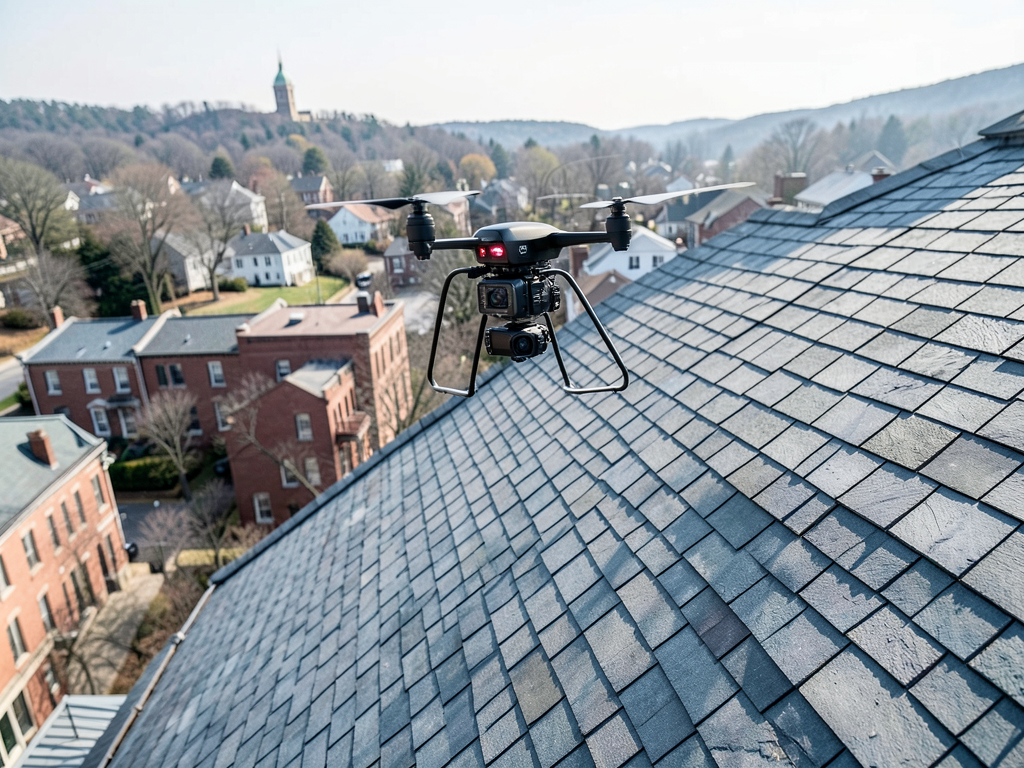
Pittsburgh’s steep slate roofs and brutal freeze-thaw cycles make hidden leaks a constant threat to homes in neighborhoods like Squirrel Hill and Mount Washington. Traditional roof inspections often miss these problems because inspectors can’t safely access every angle of a steep slope. Drone technology changes that equation completely. A certified drone pilot can capture high-resolution thermal imaging and 4K video of your entire roof in under 30 minutes without ever stepping on your property. This means you get a complete diagnostic report showing exactly where moisture is hiding behind your shingles or under your slate before it causes thousands in structural damage. thermal imaging technology in building inspections.
How Drone Roof Inspections Work in Pittsburgh’s Unique Climate
Western Pennsylvania’s weather creates specific roof failure patterns that drones are perfectly suited to detect. Heavy lake-effect snow builds up on steep slopes creating ice dams that push water under shingles. When temperatures fluctuate rapidly the freeze-thaw cycle causes slate tiles to shift and crack. A drone equipped with thermal imaging can spot these temperature anomalies from above. The camera detects heat signatures where water is pooling or where insulation is compromised. This technology sees what the naked eye cannot from the ground. Most Pittsburgh homes built before 1950 have slate roofs that require this level of detailed inspection to maintain their integrity. Expert Slate Roof Repair Services for Sewickley Historic Properties.
Safety Benefits of Drone Technology for Steep Pittsburgh Roofs
Walking on a 45-degree slate roof in Mount Washington carries serious injury risks. Every year Pittsburgh roofers report falls from historic homes with dangerous pitch angles. Drones eliminate this hazard completely. The operator stays on the ground controlling a small unmanned aircraft system from a safe distance. This protects both the inspector and your property from accidental damage. No ladders leaning against fragile gutters. No foot traffic that could crack historic slate tiles. The drone’s four rotors create minimal wind disturbance compared to a person climbing across your roof. This is especially important for homes in historic districts where exterior modifications require special permits. Commercial Gutter Systems.
Technical Capabilities That Make Drones Superior for Leak Detection
Modern inspection drones carry cameras that capture images at 20 megapixels or higher. The thermal sensors detect temperature differences as small as 0.1 degrees Celsius. This precision reveals moisture patterns invisible to standard cameras. The drone software stitches hundreds of photos into a detailed orthomosaic map of your entire roof surface. You receive a PDF report with marked locations of every potential problem area. The data includes exact GPS coordinates so repairs can be targeted precisely. This level of accuracy means you fix problems the first time instead of playing guessing games with leak locations.
Cost Comparison: Drone vs Traditional Roof Inspection Methods
| Inspection Method | Average Pittsburgh Cost | Time Required | Access Limitations |
|---|---|---|---|
| Drone Inspection | $350-500 | 30-45 minutes | None – all angles accessible |
| Manual Inspection | $500-800 | 2-4 hours | Steep slopes limited |
| Scaffolding Setup | $1,200-2,500 | 1-2 days | Permits often required |
Storm Damage Assessment After Pittsburgh’s Severe Weather
Allegheny County experiences an average of 15 severe weather days annually. High winds tear off shingles. Hail impacts create micro-fractures in slate that expand over time. After a major storm, traditional inspectors might miss hairline cracks that will leak next month. Drones capture detailed imagery immediately after weather events. The high-resolution photos show impact points, missing pieces, and stress fractures. Insurance companies increasingly accept drone documentation because it provides timestamped evidence of damage extent. This speeds up claims processing and ensures you receive proper compensation for repairs.
Ice Dam Detection and Prevention in Cold Climate Zones
Pittsburgh falls in Climate Zone 5 where ice damming causes extensive roof damage. When snow melts during the day and refreezes at night it creates barriers that force water under shingles. Thermal imaging from drones detects these ice formations before they cause interior damage. The camera shows heat escaping through the roof where insulation is inadequate. This allows homeowners to address ventilation issues that contribute to ice dam formation. Proper attic insulation and ridge vents can prevent the freeze-thaw cycle that destroys roofs in neighborhoods like Regent Square and Point Breeze.
The Drone Inspection Process Step by Step
- Pre-flight Assessment
The pilot reviews your roof’s dimensions, pitch angle, and any known problem areas. They check local airspace restrictions near airports or helicopter routes.
- Flight Planning
Using mapping software the pilot creates an automated flight path that covers every roof section. The drone will fly in a grid pattern at optimal altitude for image clarity.
- Data Collection
The drone captures thermal and visual imagery following the pre-programmed route. Most flights collect 200-400 high-resolution photos in 15-20 minutes.
- Image Processing
Specialized software stitches the photos into a single high-resolution map. Thermal data overlays show temperature variations indicating moisture.
- Report Generation
You receive a detailed PDF with annotated images, problem area locations, and recommendations for repairs. The report includes before/after comparisons if this is a follow-up inspection.
FAA Compliance and What Pittsburgh Homeowners Should Verify
Any drone operator inspecting your roof must hold a current FAA Part 107 Remote Pilot Certificate. This federal license ensures they understand airspace regulations, weather minimums, and safety protocols. Ask to see their certificate number and verify it at FAA.gov. Unlicensed operators risk fines up to $27,500 for commercial drone use. Additionally, the pilot should carry liability insurance covering both drone operations and any potential property damage. This protects you if something goes wrong during the inspection. Professional drone services in Pittsburgh maintain $1 million liability policies as standard practice. FAA Part 107 certification requirements.
Benefits for Insurance Documentation and Claims Processing
Insurance adjusters increasingly request drone documentation because it provides objective, timestamped evidence of roof conditions. The high-resolution imagery shows exact damage extent without subjective interpretation. When filing a claim for storm damage, drone reports can reduce processing time from weeks to days. The detailed documentation also helps establish whether damage is new or pre-existing. This protects you from claim denials based on wear-and-tear arguments. Many Pittsburgh homeowners find that drone inspection reports increase their settlement amounts by 15-25% because they document damage more thoroughly than visual estimates.
Environmental Benefits of Drone Technology
Traditional roof inspections require vehicles to transport equipment and materials. Scaffolding production consumes significant resources. Drones eliminate most of this environmental impact. A single battery charge powers multiple inspections with zero emissions. The reduced need for physical access means less wear on your landscaping and driveway. For homeowners concerned about their carbon footprint, drone inspections represent a 90% reduction in inspection-related emissions compared to traditional methods. This aligns with Pittsburgh’s sustainability goals and may qualify for green building certification points.
Common Misconceptions About Drone Roof Inspections
Some homeowners worry that drones might damage their roof or violate privacy. Professional drone pilots maintain minimum safe distances of 10-15 feet from structures. The drone’s downwash is less than a gentle breeze. Regarding privacy, inspections focus only on the roof surface. Pilots avoid capturing images of neighboring properties or through windows. Another misconception is that drones only work in perfect weather. While heavy rain or extreme winds ground flights, drones can operate in most conditions that allow safe roof access. In fact, overcast days often provide better imaging because there are no harsh shadows obscuring details.
When to Schedule Your Drone Roof Inspection
The best time for a drone inspection depends on your specific concerns. After severe storms check for immediate damage. Before winter assess your roof’s ability to handle snow loads and ice damming. During home buying inspections reveal hidden problems sellers might not disclose. Annual preventative inspections catch small issues before they become major repairs. For Pittsburgh’s climate, scheduling inspections in late fall and early spring provides the most comprehensive assessment of your roof’s condition through the freeze-thaw cycle.
Integration with Other Home Maintenance Services
Drone technology works well alongside other home maintenance tasks. Schedule your drone inspection when you’re having your gutters cleaned. The drone can verify that repairs were completed properly. Combine drone imaging with attic inspections to correlate exterior damage with interior moisture patterns. Some homeowners use drone data to plan solar panel installations by identifying roof areas with optimal sun exposure. The comprehensive data helps you make informed decisions about multiple home improvement projects simultaneously.
Future Developments in Drone Roof Inspection Technology
Drone capabilities continue advancing rapidly. New models feature LiDAR sensors that create 3D maps of your roof’s exact dimensions. Artificial intelligence can now identify specific damage types automatically. Some systems provide real-time video streaming to your smartphone during inspections. Future developments may include automated damage assessment that provides instant repair cost estimates. As battery technology improves, flight times will extend allowing inspection of larger commercial properties in single flights. These advancements will make drone inspections even more valuable for Pittsburgh homeowners dealing with complex roof geometries. Reliable Commercial Flat Roof Repair in the Strip District and Downtown.
Cost Factors Affecting Drone Inspection Pricing
| Cost Factor | Impact on Price | Typical Range |
|---|---|---|
| Roof Size | Direct correlation | $0.10-0.15 per square foot |
| Roof Complexity | Higher pitch = higher cost | 15-30% premium |
| Inspection Type | Thermal imaging adds cost | $100-200 premium |
| Urgency | Same-day service costs more | 50-75% premium |
Choosing the Right Drone Inspection Service in Pittsburgh
Not all drone services provide equal quality. Look for operators with specific roofing inspection experience, not just general drone piloting skills. Ask about their camera specifications and whether they provide thermal imaging capabilities. Request sample reports to evaluate the level of detail provided. Verify their FAA certification and insurance coverage. Local experience matters because Pittsburgh’s unique architecture and weather patterns require specialized knowledge. A drone pilot who understands the difference between historic slate installation and modern asphalt shingle systems will provide more valuable insights. Why Metal Roofing is Becoming the Top Choice for Homes in North Hills.
Environmental Conditions That Affect Drone Inspections
Weather conditions significantly impact inspection quality. Thermal imaging works best when there’s at least a 10-degree temperature difference between the interior and exterior. Early morning flights often provide optimal conditions because the roof has cooled overnight. Light wind under 15 mph doesn’t affect most inspections, but gusts above 20 mph ground flights for safety. Rain obviously prevents flights, but even high humidity can affect image clarity. Professional drone services monitor weather forecasts and will reschedule if conditions compromise inspection quality.
Integration with Smart Home Technology
Drone inspection data can integrate with smart home systems. Some services now provide data feeds that alert you to developing roof problems through your home automation platform. Thermal imaging can identify heat loss areas that smart thermostats can then compensate for. This integration helps optimize both your roof’s performance and your home’s energy efficiency. As Pittsburgh homes become more connected, drone inspection data will become another valuable input for comprehensive building management systems.
Legal Considerations for Drone Operations in Pittsburgh
Pittsburgh falls under Class E airspace near Allegheny County Airport. Drone operators must obtain authorization for flights within five miles of airports. Some neighborhoods have additional restrictions due to historic preservation guidelines. Professional drone services handle all necessary permits and notifications. They also understand Pennsylvania’s privacy laws regarding aerial photography. This legal compliance protects you from liability issues that could arise from unauthorized drone operations. Always verify that your chosen service handles these regulatory requirements as part of their standard process. Homeowner’s Guide to Roofing.
ROI Analysis for Drone Inspections
Consider the return on investment for drone inspections. A $400 inspection might identify a $2,000 repair that prevents $15,000 in interior water damage. The thermal imaging might reveal insulation problems costing you $500 annually in heating bills. Insurance claim documentation could recover $3,000 in storm damage you might have missed. Most Pittsburgh homeowners recoup their inspection investment within 12-24 months through prevented damage and energy savings. For homes over 15 years old or in historic districts, the ROI often exceeds 300% over five years.
Frequently Asked Questions
How long does a drone roof inspection take?
A typical drone inspection of a Pittsburgh home takes 30-45 minutes for the flight itself. The entire process including setup, flight, and data processing takes about 2-3 hours. You’ll receive your comprehensive report within 24 hours.
Can drones inspect all types of Pittsburgh roofs?
Yes, drones can inspect slate, asphalt shingle, metal, and flat commercial roofs. The technology excels at steep-slope roofs common in historic Pittsburgh neighborhoods where manual access is dangerous or impossible.
Will the drone damage my roof or gutters?
Professional drone inspections maintain safe distances of 10-15 feet from structures. The drone’s downwash is minimal and cannot damage roofing materials. No physical contact with your roof occurs during the inspection.
Do I need to be home during the inspection?
You don’t need to be present, but someone should be available to provide property access and discuss any specific concerns with the inspector. Many homeowners use the inspection time to run errands.
Take Action Before Hidden Leaks Cause Major Damage
Pittsburgh’s unique climate and architecture make hidden roof leaks a constant threat to your home’s structural integrity. Traditional inspections miss critical problems, especially on steep historic roofs. Drone technology provides comprehensive, accurate diagnostics without the risks of manual inspection. The thermal imaging reveals moisture patterns and heat loss that could cost you thousands in energy bills and repair costs. With FAA-certified pilots, insurance documentation, and rapid turnaround times, drone inspections represent the smartest approach to roof maintenance in Western Pennsylvania. Don’t wait for the next storm to reveal problems that could have been prevented.
Call (878) 209-5522 today to schedule your professional drone roof inspection. Our certified pilots will provide a comprehensive diagnostic report within 24 hours, giving you the information you need to protect your home from Pittsburgh’s harsh weather conditions. Pick up the phone and call (878) 209-5522 before the next freeze-thaw cycle causes expensive damage to your roof.
You may also find this helpful. Why Silicone Roof Coatings are the Best Fix for Leaky Flat Roofs in Etna.
{
“@context”: “https://schema.org”,
“@type”: “BlogPosting”,
“headline”: “How Pittsburgh Homeowners Can Use Drone Technology to Spot Hidden Roof Leaks”,
“description”: “Learn how FAA-certified drone inspections detect hidden roof leaks in Pittsburgh homes. See thermal imaging benefits for slate roofs, storm damage, and insurance claims.”,
“wordCount”: 2311,
“datePublished”: “2026-04-06T13:26:00.000Z”,
“dateModified”: “2026-04-06T13:26:00.000Z”,
“inLanguage”: “en-US”,
“mainEntityOfPage”: {
“@type”: “WebPage”,
“@id”: “https://victoryroofingpittsburgh.com”
},
“publisher”: {
“@type”: “LocalBusiness”,
“name”: “Victory Roofing Pittsburgh”,
“url”: “https://victoryroofingpittsburgh.com”
},
“author”: {
“@type”: “Organization”,
“name”: “Victory Roofing Pittsburgh”,
“url”: “https://victoryroofingpittsburgh.com”
},
“image”: {
“@type”: “ImageObject”,
“url”: “https://victoryroofingpittsburgh.com/wp-content/uploads/2026/03/how-pittsburgh-homeowners-can-use-drone-technology-1.png”
}
}
{
“@context”: “https://schema.org”,
“@type”: “RoofingContractor”,
“name”: “Victory Roofing Pittsburgh”,
“url”: “https://victoryroofingpittsburgh.com”,
“address”: {
“@type”: “PostalAddress”,
“addressLocality”: “Pittsburgh”
},
“areaServed”: {
“@type”: “City”,
“name”: “Pittsburgh”
}
}
{
“@context”: “https://schema.org”,
“@type”: “FAQPage”,
“mainEntity”: [
{
“@type”: “Question”,
“name”: “How long does a drone roof inspection take?”,
“acceptedAnswer”: {
“@type”: “Answer”,
“text”: “A typical drone inspection of a Pittsburgh home takes 30-45 minutes for the flight itself. The entire process including setup, flight, and data processing takes about 2-3 hours. You’ll receive your comprehensive report within 24 hours.”
}
},
{
“@type”: “Question”,
“name”: “Can drones inspect all types of Pittsburgh roofs?”,
“acceptedAnswer”: {
“@type”: “Answer”,
“text”: “Yes, drones can inspect slate, asphalt shingle, metal, and flat commercial roofs. The technology excels at steep-slope roofs common in historic Pittsburgh neighborhoods where manual access is dangerous or impossible.”
}
},
{
“@type”: “Question”,
“name”: “Will the drone damage my roof or gutters?”,
“acceptedAnswer”: {
“@type”: “Answer”,
“text”: “Professional drone inspections maintain safe distances of 10-15 feet from structures. The drone’s downwash is minimal and cannot damage roofing materials. No physical contact with your roof occurs during the inspection.”
}
},
{
“@type”: “Question”,
“name”: “Do I need to be home during the inspection?”,
“acceptedAnswer”: {
“@type”: “Answer”,
“text”: “You don’t need to be present, but someone should be available to provide property access and discuss any specific concerns with the inspector. Many homeowners use the inspection time to run errands.”
}
}
]
}
{
“@context”: “https://schema.org”,
“@type”: “HowTo”,
“name”: “Drone Roof Inspection Process”,
“step”: [
{
“@type”: “HowToStep”,
“position”: 1,
“name”: “Pre-flight Assessment”,
“text”: “The pilot reviews your roof’s dimensions, pitch angle, and any known problem areas. They check local airspace restrictions near airports or helicopter routes.”
},
{
“@type”: “HowToStep”,
“position”: 2,
“name”: “Flight Planning”,
“text”: “Using mapping software the pilot creates an automated flight path that covers every roof section. The drone will fly in a grid pattern at optimal altitude for image clarity.”
},
{
“@type”: “HowToStep”,
“position”: 3,
“name”: “Data Collection”,
“text”: “The drone captures thermal and visual imagery following the pre-programmed route. Most flights collect 200-400 high-resolution photos in 15-20 minutes.”
},
{
“@type”: “HowToStep”,
“position”: 4,
“name”: “Image Processing”,
“text”: “Specialized software stitches the photos into a single high-resolution map. Thermal data overlays show temperature variations indicating moisture.”
},
{
“@type”: “HowToStep”,
“position”: 5,
“name”: “Report Generation”,
“text”: “You receive a detailed PDF with annotated images, problem area locations, and recommendations for repairs. The report includes before/after comparisons if this is a follow-up inspection.”
}
],
“image”: “https://victoryroofingpittsburgh.com/wp-content/uploads/2026/03/how-pittsburgh-homeowners-can-use-drone-technology-1.png”
}
{
“@context”: “https://schema.org”,
“@type”: “BreadcrumbList”,
“itemListElement”: [
{
“@type”: “ListItem”,
“position”: 1,
“name”: “Home”,
“item”: “https://victoryroofingpittsburgh.com”
},
{
“@type”: “ListItem”,
“position”: 2,
“name”: “Blog”,
“item”: “https://victoryroofingpittsburgh.com/blog”
},
{
“@type”: “ListItem”,
“position”: 3,
“name”: “How Pittsburgh Homeowners Can Use Drone Technology to Spot Hidden Roof Leaks”
}
]
}
{
“@context”: “https://schema.org”,
“@type”: “Service”,
“serviceType”: “Roofing”,
“provider”: {
“@type”: “LocalBusiness”,
“name”: “Victory Roofing Pittsburgh”,
“url”: “https://victoryroofingpittsburgh.com”
},
“areaServed”: {
“@type”: “City”,
“name”: “Pittsburgh”
},
“description”: “Learn how FAA-certified drone inspections detect hidden roof leaks in Pittsburgh homes. See thermal imaging benefits for slate roofs, storm damage, and insurance claims.”
}