How the Humid Ohio River Climate Causes Mold Growth on Coraopolis Roofs
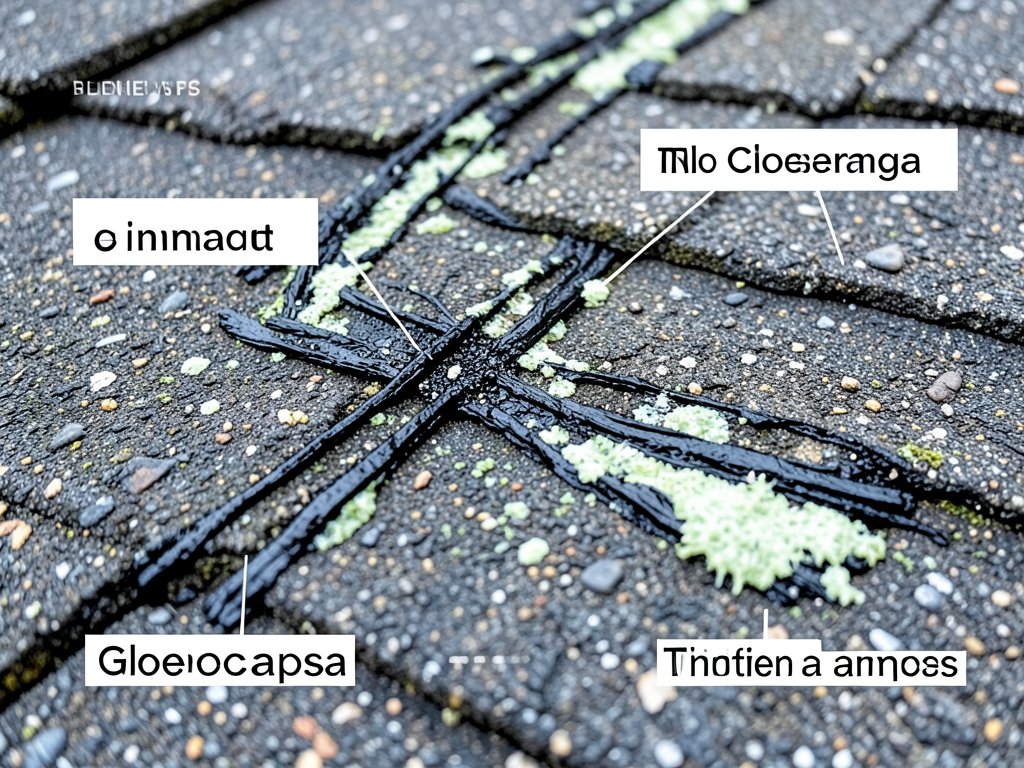
Black streaks spreading across your roof aren’t just dirt. They’re Gloeocapsa magma, a type of blue-green algae that thrives in Coraopolis’s humid Ohio River climate. These dark patches trap heat and moisture, accelerating shingle deterioration and potentially causing thousands in premature roof replacement costs. How Much a Full Roof Replacement Actually Costs in Pittsburgh Right Now.
The Ohio River creates a microclimate in Coraopolis that’s significantly more humid than Pittsburgh’s inland neighborhoods. With annual precipitation averaging 38 inches and humidity levels often exceeding 70% during summer months, roof surfaces stay damp for extended periods. This constant moisture creates the perfect breeding ground for biological growth.. Read more about Replacing Your Aging Wood Shakes with Synthetic Slate in Pleasant Hills.
Many Coraopolis homeowners mistake these black streaks for simple dirt or aging shingles. The truth is more concerning. Gloeocapsa magma feeds on the limestone filler in asphalt shingles, gradually breaking down the protective granules that shield your roof from UV damage. Left untreated, this biological growth can reduce your roof’s lifespan by 5-10 years. Asphalt Roofing Manufacturers Association.
Beyond the structural damage, roof mold poses health risks. Spores can travel through attic ventilation into your living space, potentially triggering respiratory issues for family members with allergies or asthma. The problem compounds in older Coraopolis homes where attic ventilation may not meet current building standards.
Professional soft washing removes these growths without damaging shingles. Unlike pressure washing which can strip protective granules, soft washing uses specialized chemical solutions at low pressure to kill the algae at its root. The process typically costs between $0.30 and $0.80 per square foot in the Pittsburgh area, depending on roof pitch and severity of growth.
Prevention is equally important. Zinc or copper strips installed along roof ridges release metal ions during rainfall that inhibit future growth. In Coraopolis’s climate, these strips typically need replacement every 15-20 years. Regular gutter cleaning also prevents moisture buildup that accelerates mold development. Why Metal Roofing is Becoming the Top Choice for Homes in North Hills.
Understanding your specific risk factors helps determine the right approach. Homes near the Ohio River or in shaded areas with overhanging trees face higher mold risk. The age of your roof matters too – shingles manufactured before 2010 contain more limestone filler, making them more susceptible to algae growth.
Don’t wait until black streaks cover your entire roof. Early intervention preserves your shingles and protects your home’s value. Call (878) 209-5522 today to schedule a free Coraopolis roof inspection and get a customized treatment plan.
Understanding Gloeocapsa Magma vs. Other Roof Growth
Roof discoloration comes in several forms, each requiring different treatment approaches. Gloeocapsa magma creates those characteristic black streaks that follow the roof’s slope. This algae forms a protective coating that makes it resistant to simple cleaning methods.
Moss appears as green, fuzzy patches that hold moisture against the roof surface. It typically grows on north-facing slopes or in heavily shaded areas. Moss can lift shingles and create gaps where water penetrates, causing wood rot in the roof deck.
Lichen represents a more advanced stage where algae and fungus form a symbiotic relationship. These growths appear as small, raised spots in various colors from green to orange. Lichen embeds itself deeply into shingle surfaces and requires specialized treatment to remove without damage.
Mildew and mold differ from algae in that they thrive in areas with poor ventilation rather than direct sunlight. These growths appear as dark spots or patches and often indicate underlying moisture problems in the attic or roof structure.
Identifying which type of growth affects your roof determines the appropriate treatment method. Misidentification leads to ineffective cleaning attempts that waste money and potentially damage shingles. A professional inspection can accurately diagnose the specific growth type and recommend the most effective treatment approach.
The Ohio River’s proximity to Coraopolis creates unique conditions where multiple growth types often coexist. High humidity levels combined with temperature variations between river and land create microenvironments where different organisms thrive in different roof areas.
Time of year also affects growth patterns. Summer’s high temperatures and humidity accelerate algae reproduction, while spring and fall’s moderate conditions favor moss development. Understanding these seasonal patterns helps time preventive treatments for maximum effectiveness.
Why Coraopolis Homes Face Higher Mold Risk
Coraopolis sits in a unique geographical position along the Ohio River that creates perfect conditions for roof mold growth. The river’s presence moderates temperature extremes but increases humidity levels year-round. This consistent moisture availability means roof surfaces rarely dry completely between rain events.
Many Coraopolis homes were built between 1940 and 1970, featuring architectural styles with complex rooflines and multiple valleys. These design elements create areas where water and debris collect, providing ideal growing conditions for biological organisms. Older construction methods also often lack the ventilation standards required by current building codes.
Tree canopy coverage in Coraopolis neighborhoods averages 35%, higher than Pittsburgh’s overall average. Overhanging branches keep roof surfaces shaded and damp, extending drying times after rainfall. The combination of shade and moisture creates perfect conditions for moss and algae growth.
Soil composition in Coraopolis affects roof health indirectly. The area’s clay-heavy soil retains moisture and releases it slowly into the air, contributing to the already high humidity levels. This creates a feedback loop where damp soil increases air moisture, which keeps roofs wet longer.
Local building patterns also contribute to the problem. Many Coraopolis homes feature similar architectural elements – dormers, multiple chimneys, and intersecting roof planes. These features create numerous seams and transitions where water can penetrate and moisture can accumulate.
Weather patterns specific to the Ohio River Valley exacerbate these issues. The area experiences more frequent fog events than Pittsburgh’s inland neighborhoods. Morning fog leaves moisture on roof surfaces that doesn’t evaporate until afternoon, giving biological growth a head start on each day.
Winter presents unique challenges. Temperature fluctuations near freezing cause repeated freeze-thaw cycles that create small cracks in shingle surfaces. These cracks provide entry points for moisture and organic matter, accelerating biological growth once temperatures warm.
Safe Removal: Soft Washing vs. Pressure Washing
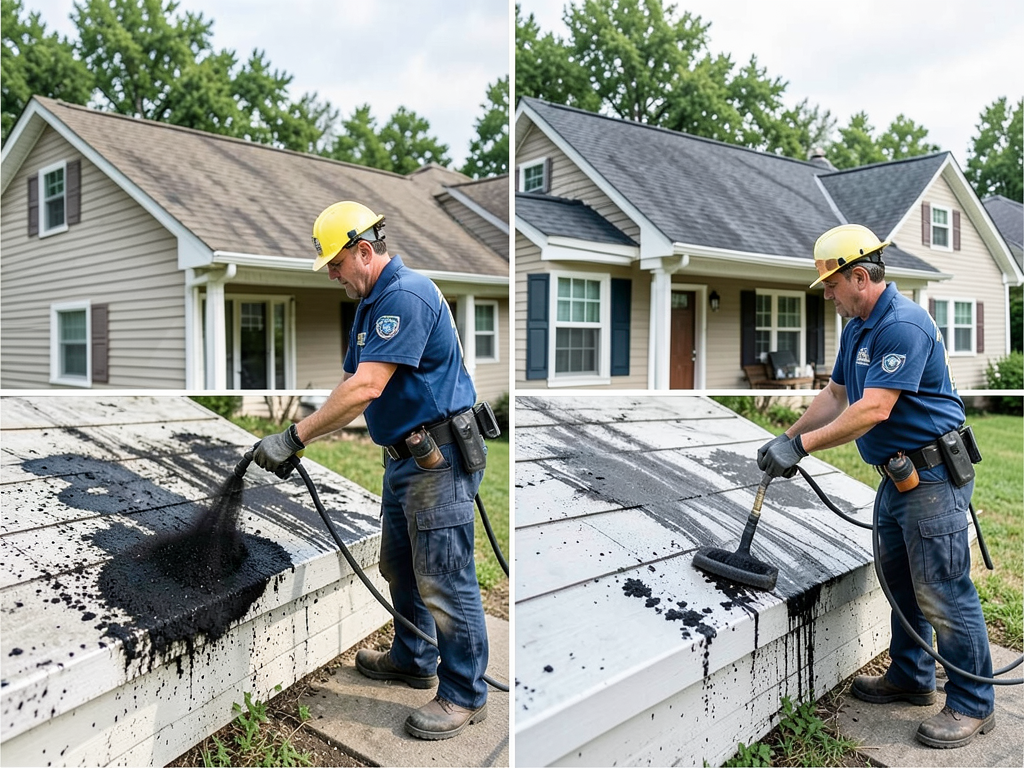
Pressure washing might seem like the logical solution for dirty roofs, but it’s actually one of the worst things you can do to asphalt shingles. High-pressure water streams can strip away the protective granules that give shingles their durability and UV resistance. This damage often voids manufacturer warranties and significantly shortens roof lifespan.
Soft washing uses specialized equipment that delivers cleaning solutions at pressures similar to a garden hose – typically under 100 PSI. The cleaning agents do the work, not the pressure. Sodium hypochlorite solutions, when properly diluted, kill algae, moss, and mildew at the cellular level without damaging roofing materials. Roofing Scranton.
The soft washing process involves applying the cleaning solution from a safe distance, allowing it to dwell on the surface for 15-20 minutes, then rinsing with low pressure. This method removes biological growth while preserving shingle integrity. The chemicals break down the organisms’ cellular structure, preventing regrowth for 2-3 years under normal conditions.
Professional soft washing requires specific equipment and training. Technicians must understand proper chemical ratios – too strong can damage plants and roofing materials, while too weak won’t effectively kill the organisms. They also need to protect landscaping and properly rinse the roof to prevent chemical residue.
EPA regulations govern the use of cleaning chemicals near waterways. In Coraopolis, where many homes drain toward the Ohio River, proper containment and runoff management are essential. Professional services use biodegradable cleaners and implement containment measures to prevent environmental contamination. EPA Mold Information.
The cost difference between methods is minimal, but the long-term consequences are significant. Pressure washing might cost 15-20% less initially, but the potential for premature roof replacement easily offsets any savings. Soft washing preserves your investment while effectively addressing the biological growth problem.
Safety considerations also favor soft washing. Walking on a wet, algae-covered roof poses serious fall risks. Professional soft washing equipment allows technicians to clean from the ground or using proper fall protection equipment, eliminating the need to walk on dangerous surfaces.
Prevention Strategies for Coraopolis Homeowners
Preventing roof mold growth requires a multi-faceted approach tailored to Coraopolis’s specific climate challenges. The first step involves addressing moisture retention factors. Trimming tree branches that overhang the roof reduces shade and improves air circulation, allowing surfaces to dry more quickly after rain.
Gutter maintenance plays a crucial role in prevention. Clogged gutters cause water to back up under roof edges, creating constantly damp conditions that promote biological growth. Cleaning gutters twice yearly – spring and fall – prevents this moisture buildup. Installing gutter guards can reduce maintenance frequency but doesn’t eliminate the need for periodic cleaning. Commercial Gutter Systems.
Zinc or copper strips installed along roof ridges release metal ions during rainfall that inhibit algae growth. These strips work by creating an environment where algae cannot establish itself. In Coraopolis’s humid climate, strips typically need replacement every 15-20 years as the metal gradually wears away.
Improving attic ventilation addresses the root cause of many roof problems. Current building codes require specific ventilation ratios – typically 1 square foot of vent area for every 150 square feet of attic space. Many older Coraopolis homes don’t meet these standards, creating conditions where moisture accumulates in the attic and affects roof health.
Installing ridge vents or improving soffit ventilation can significantly reduce moisture buildup. This not only helps prevent mold growth but also extends shingle life by reducing heat buildup in summer. Proper ventilation can lower attic temperatures by 20-30 degrees during summer months.
Regular roof inspections catch problems early. Annual inspections can identify areas where debris collects, where ventilation is inadequate, or where damage allows moisture penetration. Early intervention prevents minor issues from becoming major problems requiring expensive repairs.
Consider roof material when planning prevention strategies. Some newer shingles include copper granules that inhibit algae growth. While these cost more initially, they can reduce long-term maintenance costs in Coraopolis’s challenging climate. The investment often pays for itself through extended roof life and reduced cleaning frequency.
Landscaping choices also impact roof health. Avoid planting trees that will eventually overhang the roof. Choose species that don’t drop excessive debris. Maintain proper grading around the home’s foundation to prevent water from pooling near the structure, which can increase humidity levels around the building envelope.
Professional treatment every 2-3 years provides an additional layer of protection. These treatments apply preventative solutions that inhibit growth without the need for aggressive cleaning. When combined with the other prevention strategies, they significantly reduce the likelihood of severe biological growth.
Cost Considerations for Coraopolis Residents
Roof mold treatment costs in Coraopolis typically range from $300 to $1,200 for an average home, depending on roof size and severity of growth. The per-square-foot cost of $0.30 to $0.80 reflects the specialized equipment and chemicals required for safe, effective treatment. Several factors influence these prices.
Roof pitch significantly affects treatment costs. Steeper roofs require additional safety equipment and take longer to treat properly. A 12:12 pitch roof might cost 30-40% more to treat than a 4:12 pitch roof of the same square footage. The increased risk and difficulty justify the higher price.
Accessibility impacts pricing as well. Homes with multiple stories or complex rooflines require more time and specialized equipment. Properties with limited access for equipment staging may incur additional charges for manual labor or specialized setup requirements.
Growth severity determines the treatment approach and chemicals required. Light staining might only need a basic cleaning solution, while heavy moss growth requires stronger chemicals and longer treatment times. Severe cases might need multiple treatments or manual removal of thick growth before chemical application.
Timing affects availability and pricing. Many homeowners wait until spring to address roof issues, creating high demand during that season. Scheduling treatment during off-peak times – late fall or winter – might offer cost savings of 10-15% and faster service availability.
Consider the cost of inaction. Allowing biological growth to continue can reduce roof lifespan by 5-10 years. For a roof costing $8,000 to replace, that’s $4,000 to $8,000 in premature replacement costs. Regular maintenance at $500 every 3-5 years becomes a bargain compared to early replacement.
Insurance implications matter too. Some insurers inspect roofs during policy renewals and might increase premiums or deny coverage for roofs showing significant biological growth. The cost of treatment becomes insurance against these potential rate increases or coverage denials.
Warranty preservation provides another financial consideration. Many shingle manufacturers require regular cleaning to maintain warranties. DIY pressure washing or allowing growth to continue might void warranties, potentially costing thousands if problems develop later.
Professional services often offer maintenance plans that spread costs over time. These plans typically include annual inspections and treatment as needed, often at a 15-20% discount compared to individual service calls. For Coraopolis homeowners dealing with recurring growth issues, these plans provide both cost savings and peace of mind.
Health and Environmental Considerations
Roof mold affects more than just your home’s appearance. The spores released by active growth can enter your home through attic vents, windows, and HVAC systems. For family members with respiratory conditions, these spores can trigger asthma attacks, allergic reactions, and other breathing difficulties.
Children and elderly family members face higher risks from mold exposure. Their developing or compromised immune systems make them more susceptible to respiratory infections that mold spores can cause. Even healthy adults might experience symptoms like chronic coughing, sinus congestion, or fatigue from prolonged exposure to high spore counts.
The environmental impact of roof cleaning requires careful consideration. Traditional cleaning chemicals can harm plants, contaminate waterways, and affect local wildlife. In Coraopolis, where many properties drain toward the Ohio River, chemical runoff poses particular concerns for aquatic ecosystems.
Professional services now use biodegradable cleaning solutions that effectively kill mold while breaking down into harmless compounds. These eco-friendly alternatives protect your landscaping while still addressing the biological growth problem. Some companies also implement containment systems to capture runoff during cleaning.
Air quality inside your home connects directly to roof health. Mold spores that enter through attic vents can circulate through your entire HVAC system. Once established in ductwork, these spores can continue growing and spreading throughout your home, creating ongoing air quality issues that require professional remediation.
Moisture problems that promote mold growth often indicate broader ventilation issues. Poor attic ventilation can cause moisture to condense on insulation, reducing its effectiveness and potentially leading to wood rot in structural members. These hidden problems can affect your home’s energy efficiency and structural integrity.
The psychological impact of a clean roof shouldn’t be underestimated. A home with black streaks appears neglected and can affect property values. For Coraopolis residents, where many homes are similar in age and style, a clean roof helps your property stand out positively in the neighborhood.
Professional assessment includes checking for related problems. During a roof inspection, technicians examine attic ventilation, check for water damage in the roof deck, and look for signs of pest infiltration. These comprehensive evaluations can identify issues before they become major problems, potentially saving thousands in future repairs.
Consider the long-term health of your entire home, not just the roof. The same conditions that promote roof mold – excess moisture and poor ventilation – can affect other building components. Addressing these underlying issues improves your home’s overall health and can reduce energy costs by improving insulation effectiveness.
Choosing the Right Professional Service
Not all roof cleaning services are created equal. When selecting a professional in Coraopolis, look for specific qualifications and practices that indicate quality service. Proper licensing and insurance protect you if accidents occur during the cleaning process.
Ask about the cleaning methods used. Reputable companies use soft washing techniques with appropriate chemical concentrations. They should be able to explain their process, including how they protect landscaping and manage chemical runoff. Avoid any service that relies on high-pressure washing or cannot explain their chemical usage.
Experience with local conditions matters significantly. A company familiar with Coraopolis’s specific climate challenges understands the unique factors affecting roof health in this area. They can recommend prevention strategies tailored to your property’s specific conditions rather than generic solutions.
Check references and reviews from other Coraopolis homeowners. Look for feedback about communication, punctuality, and follow-up service. Companies that stand behind their work typically offer satisfaction guarantees or warranties on their cleaning services.
Request a detailed inspection report before any work begins. This report should identify the specific type of growth, assess roof condition, and recommend treatment options. Avoid companies that provide quotes without inspecting your roof first – they cannot accurately assess your needs without seeing the actual conditions.
Compare multiple quotes, but don’t automatically choose the lowest price. Extremely low bids might indicate inexperienced operators using improper techniques or inadequate insurance coverage. The goal is effective, safe treatment that preserves your roof’s integrity.
Ask about prevention options beyond just cleaning. Quality services offer zinc or copper strip installation, ventilation improvements, and maintenance plans. These additional services demonstrate a comprehensive understanding of roof health rather than just a focus on immediate cleaning.
Verify that the company uses proper safety equipment and follows OSHA guidelines. Roof work involves significant fall risks, and professional companies invest in appropriate safety gear and training. This protects both their workers and your property during the cleaning process. Homeowner’s Guide to Roofing.
Communication throughout the process indicates professionalism. The company should explain what to expect before, during, and after treatment. They should also provide clear instructions for any necessary preparation, such as moving vehicles or covering sensitive plants.
Consider the company’s longevity and stability. A business that has served Coraopolis for several years is more likely to be available for follow-up service or warranty work than a fly-by-night operation. Established companies also tend to have better relationships with suppliers and access to higher-quality products.
Frequently Asked Questions
How long does professional roof mold treatment last?
Properly applied soft washing typically prevents visible regrowth for 2-3 years in Coraopolis’s climate. Factors affecting longevity include roof pitch, shade exposure, and local humidity levels. Some homeowners opt for annual maintenance treatments to keep roofs consistently clean.
Can I clean my roof myself?
DIY roof cleaning poses significant risks. Walking on a wet, algae-covered roof creates severe fall hazards. Consumer pressure washers can damage shingles, and improper chemical use can harm plants and void roof warranties. Professional services have the equipment, chemicals, and safety training to do the job correctly.
Will roof cleaning damage my plants?
Professional services take precautions to protect landscaping. They pre-wet plants to prevent chemical absorption, cover sensitive vegetation, and thoroughly rinse areas after treatment. Eco-friendly cleaning solutions further reduce plant damage risk. However, extremely sensitive plants near the roof edge might show temporary stress.
How can I tell if I have mold or just dirty shingles?
Mold and algae typically appear as dark streaks that follow the roof’s slope, while dirt tends to be more random and patchy. Algae also feels slimy when wet, while dirt doesn’t. A professional inspection can definitively identify the growth type and recommend appropriate treatment.
Does roof mold affect home value?
Yes, significantly. A roof with visible black streaks appears neglected and can reduce perceived home value by 5-10%. Potential buyers often overestimate repair costs and might use roof condition as a negotiation point or reason to look elsewhere. Clean roofs improve curb appeal and property marketability.
Are there any environmental regulations I should know about?
In Coraopolis, chemical runoff toward the Ohio River is regulated by the EPA. Professional services must use biodegradable cleaners and implement containment measures. Homeowners doing DIY cleaning should be aware that improper chemical use can result in fines and environmental damage.
How much does preventive treatment cost compared to removal?
Preventive treatments typically cost 30-40% less than full removal services. These treatments apply inhibitors that prevent growth establishment rather than killing existing organisms. For homes with recurring mold problems, preventive treatment every 1-2 years often costs less than waiting for severe growth requiring intensive removal.
Will insurance cover roof mold damage?
Standard homeowners insurance typically doesn’t cover mold damage resulting from lack of maintenance. However, if mold results from a covered peril like storm damage, related repairs might be covered. Check your specific policy and maintain your roof properly to avoid coverage issues.
How does roof mold affect energy efficiency?
Dark algae streaks absorb more heat than clean shingles, potentially increasing attic temperatures by 10-15 degrees in summer. This heat radiates into living spaces, forcing air conditioning to work harder. Clean roofs reflect more heat, potentially reducing cooling costs by 5-10% during summer months.
What’s the best time of year for roof cleaning in Coraopolis?
Spring and early fall offer ideal conditions for roof cleaning. Temperatures are moderate, allowing cleaning solutions to work effectively without evaporating too quickly. These seasons also avoid the heavy growth periods of summer and the freezing risks of winter. However, treatment can be done any time temperatures are above freezing.
Don’t let roof mold damage your Coraopolis home’s value and integrity. The humid Ohio River climate creates perfect conditions for biological growth, but professional treatment can restore your roof’s appearance and protect your investment. Call (878) 209-5522 today to schedule your free inspection and take the first step toward a cleaner, healthier roof.
{
“@context”: “https://schema.org”,
“@type”: “BlogPosting”,
“headline”: “How the Humid Ohio River Climate Causes Mold Growth on Coraopolis Roofs”,
“description”: “Coraopolis roofs face unique mold challenges from Ohio River humidity. Learn how our Pittsburgh-based team safely removes roof mold and prevents future growth.”,
“wordCount”: 3538,
“datePublished”: “2026-04-05T09:51:00.000Z”,
“dateModified”: “2026-04-05T09:51:00.000Z”,
“inLanguage”: “en-US”,
“mainEntityOfPage”: {
“@type”: “WebPage”,
“@id”: “https://victoryroofingpittsburgh.com”
},
“publisher”: {
“@type”: “LocalBusiness”,
“name”: “Victory Roofing Pittsburgh”,
“url”: “https://victoryroofingpittsburgh.com”
},
“author”: {
“@type”: “Organization”,
“name”: “Victory Roofing Pittsburgh”,
“url”: “https://victoryroofingpittsburgh.com”
},
“image”: {
“@type”: “ImageObject”,
“url”: “https://victoryroofingpittsburgh.com/wp-content/uploads/2026/03/how-the-humid-ohio-river-climate-causes-mold-growt-1.png”
}
}
{
“@context”: “https://schema.org”,
“@type”: “RoofingContractor”,
“name”: “Victory Roofing Pittsburgh”,
“url”: “https://victoryroofingpittsburgh.com”,
“address”: {
“@type”: “PostalAddress”,
“addressLocality”: “Pittsburgh”
},
“areaServed”: {
“@type”: “City”,
“name”: “Pittsburgh”
}
}
{
“@context”: “https://schema.org”,
“@type”: “FAQPage”,
“mainEntity”: [
{
“@type”: “Question”,
“name”: “How long does professional roof mold treatment last?”,
“acceptedAnswer”: {
“@type”: “Answer”,
“text”: “Properly applied soft washing typically prevents visible regrowth for 2-3 years in Coraopolis’s climate. Factors affecting longevity include roof pitch, shade exposure, and local humidity levels. Some homeowners opt for annual maintenance treatments to keep roofs consistently clean.”
}
},
{
“@type”: “Question”,
“name”: “Can I clean my roof myself?”,
“acceptedAnswer”: {
“@type”: “Answer”,
“text”: “DIY roof cleaning poses significant risks. Walking on a wet, algae-covered roof creates severe fall hazards. Consumer pressure washers can damage shingles, and improper chemical use can harm plants and void roof warranties. Professional services have the equipment, chemicals, and safety training to do the job correctly.”
}
},
{
“@type”: “Question”,
“name”: “Will roof cleaning damage my plants?”,
“acceptedAnswer”: {
“@type”: “Answer”,
“text”: “Professional services take precautions to protect landscaping. They pre-wet plants to prevent chemical absorption, cover sensitive vegetation, and thoroughly rinse areas after treatment. Eco-friendly cleaning solutions further reduce plant damage risk. However, extremely sensitive plants near the roof edge might show temporary stress.”
}
},
{
“@type”: “Question”,
“name”: “How can I tell if I have mold or just dirty shingles?”,
“acceptedAnswer”: {
“@type”: “Answer”,
“text”: “Mold and algae typically appear as dark streaks that follow the roof’s slope, while dirt tends to be more random and patchy. Algae also feels slimy when wet, while dirt doesn’t. A professional inspection can definitively identify the growth type and recommend appropriate treatment.”
}
},
{
“@type”: “Question”,
“name”: “Does roof mold affect home value?”,
“acceptedAnswer”: {
“@type”: “Answer”,
“text”: “Yes, significantly. A roof with visible black streaks appears neglected and can reduce perceived home value by 5-10%. Potential buyers often overestimate repair costs and might use roof condition as a negotiation point or reason to look elsewhere. Clean roofs improve curb appeal and property marketability.”
}
},
{
“@type”: “Question”,
“name”: “Are there any environmental regulations I should know about?”,
“acceptedAnswer”: {
“@type”: “Answer”,
“text”: “In Coraopolis, chemical runoff toward the Ohio River is regulated by the EPA. Professional services must use biodegradable cleaners and implement containment measures. Homeowners doing DIY cleaning should be aware that improper chemical use can result in fines and environmental damage.”
}
},
{
“@type”: “Question”,
“name”: “How much does preventive treatment cost compared to removal?”,
“acceptedAnswer”: {
“@type”: “Answer”,
“text”: “Preventive treatments typically cost 30-40% less than full removal services. These treatments apply inhibitors that prevent growth establishment rather than killing existing organisms. For homes with recurring mold problems, preventive treatment every 1-2 years often costs less than waiting for severe growth requiring intensive removal.”
}
},
{
“@type”: “Question”,
“name”: “Will insurance cover roof mold damage?”,
“acceptedAnswer”: {
“@type”: “Answer”,
“text”: “Standard homeowners insurance typically doesn’t cover mold damage resulting from lack of maintenance. However, if mold results from a covered peril like storm damage, related repairs might be covered. Check your specific policy and maintain your roof properly to avoid coverage issues.”
}
},
{
“@type”: “Question”,
“name”: “How does roof mold affect energy efficiency?”,
“acceptedAnswer”: {
“@type”: “Answer”,
“text”: “Dark algae streaks absorb more heat than clean shingles, potentially increasing attic temperatures by 10-15 degrees in summer. This heat radiates into living spaces, forcing air conditioning to work harder. Clean roofs reflect more heat, potentially reducing cooling costs by 5-10% during summer months.”
}
},
{
“@type”: “Question”,
“name”: “What’s the best time of year for roof cleaning in Coraopolis?”,
“acceptedAnswer”: {
“@type”: “Answer”,
“text”: “Spring and early fall offer ideal conditions for roof cleaning. Temperatures are moderate, allowing cleaning solutions to work effectively without evaporating too quickly. These seasons also avoid the heavy growth periods of summer and the freezing risks of winter. However, treatment can be done any time temperatures are above freezing.”
}
}
]
}
{
“@context”: “https://schema.org”,
“@type”: “BreadcrumbList”,
“itemListElement”: [
{
“@type”: “ListItem”,
“position”: 1,
“name”: “Home”,
“item”: “https://victoryroofingpittsburgh.com”
},
{
“@type”: “ListItem”,
“position”: 2,
“name”: “Blog”,
“item”: “https://victoryroofingpittsburgh.com/blog”
},
{
“@type”: “ListItem”,
“position”: 3,
“name”: “How the Humid Ohio River Climate Causes Mold Growth on Coraopolis Roofs”
}
]
}
{
“@context”: “https://schema.org”,
“@type”: “Service”,
“serviceType”: “Roofing”,
“provider”: {
“@type”: “LocalBusiness”,
“name”: “Victory Roofing Pittsburgh”,
“url”: “https://victoryroofingpittsburgh.com”
},
“areaServed”: {
“@type”: “City”,
“name”: “Pittsburgh”
},
“description”: “Coraopolis roofs face unique mold challenges from Ohio River humidity. Learn how our Pittsburgh-based team safely removes roof mold and prevents future growth.”
}