How the Pittsburgh Urban Heat Island Affects the Lifespan of Flat Roofs in the Strip District
Flat roofs in Pittsburgh’s Strip District face a unique challenge that most homeowners never consider. The urban heat island effect creates temperatures that can be 5-7 degrees hotter than surrounding suburbs. This extra heat accelerates roof material breakdown causing flat roofs to fail years earlier than expected. Understanding this phenomenon helps property owners make smarter decisions about materials and maintenance schedules.
What Makes the Strip District a Heat Island
The Strip District’s dense urban environment traps heat through several mechanisms. Tall buildings block wind flow reducing natural cooling. Asphalt parking lots and concrete surfaces absorb sunlight during the day and release it at night. The concentration of human activity from restaurants and businesses adds heat through equipment and vehicle exhaust. According to the EPA Urban Heat Island Reduction Program this combination creates a dome of elevated temperatures that persists even after sunset. EPA Urban Heat Island Reduction Program.
Local climate data from the National Weather Service shows Pittsburgh experiences approximately 18 days per year above 90 degrees Fahrenheit. In the Strip District that number jumps to nearly 25 days due to the heat island effect. These extra hot days put tremendous stress on roofing materials that are designed for moderate climates. National Weather Service Pittsburgh climate data.
How Heat Damages Flat Roof Materials
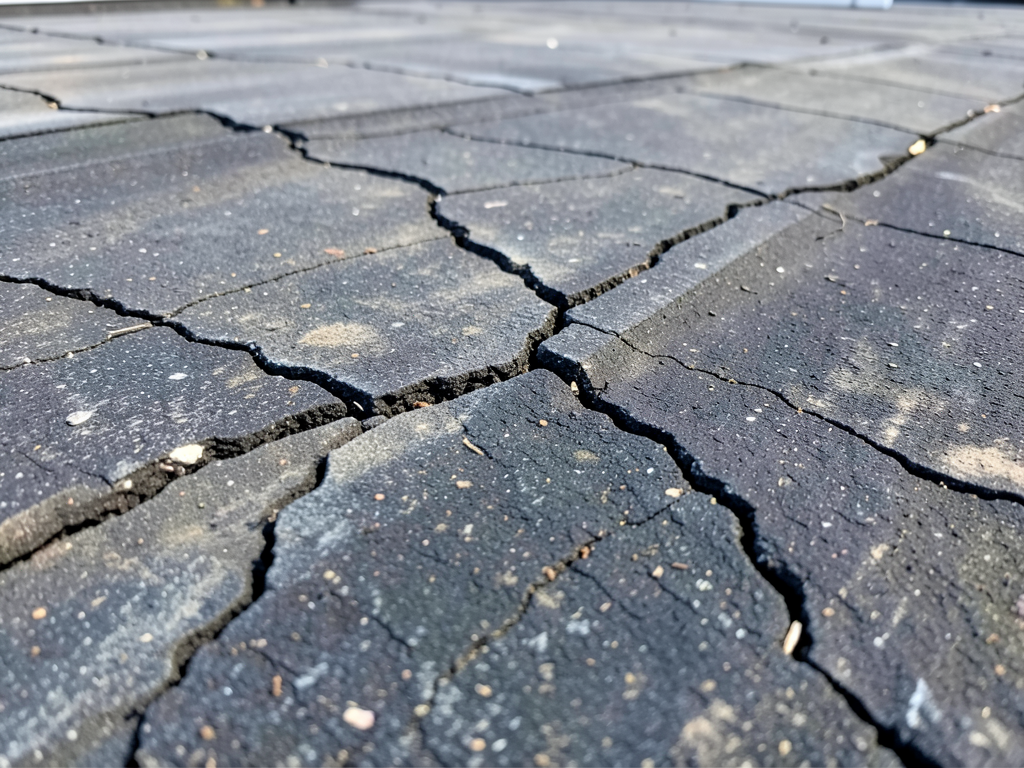
Flat roof materials expand and contract with temperature changes. When daily temperature swings reach 40-50 degrees Fahrenheit as they often do in Pittsburgh this movement causes fatigue. Modified bitumen roofs show visible cracking along seams. EPDM rubber develops surface crazing that allows water infiltration. Even TPO membranes lose flexibility over time from repeated thermal cycling.
The physics of heat transfer explains why this matters. Dark roofing materials can reach surface temperatures of 150-170 degrees on hot summer days. This extreme heat transfers to the roof deck below causing it to expand. When temperatures drop at night the deck contracts pulling on fasteners and seams. This daily movement weakens the entire roofing system over time. Why Metal Roofing is Becoming the Top Choice for Homes in North Hills.
Strip District Specific Challenges
The Strip District presents unique roofing challenges beyond just heat. The neighborhood’s historic industrial buildings often have minimal insulation between the roof and occupied spaces below. This means heat absorbed by the roof transfers directly into buildings increasing cooling costs. Many structures also have rooftop HVAC units that generate additional heat.. Read more about How Industrial Air Quality in Clairton Affects the Lifespan of Your Shingles.
Local building codes require specific fire ratings for commercial buildings in dense urban areas. This sometimes limits the use of certain reflective materials that would otherwise help mitigate heat gain. The Pittsburgh Department of Permits Licenses and Inspections maintains strict standards for roof replacements in historic districts. How Much a Full Roof Replacement Actually Costs in Pittsburgh Right Now.
Material Performance in Urban Heat
Not all roofing materials perform equally in heat island conditions. Modified bitumen roofs typically last 12-15 years in normal conditions but may only reach 8-10 years in the Strip District. TPO membranes handle heat better but still show accelerated aging in urban environments. PVC roofs demonstrate the best heat resistance maintaining flexibility and color longer than alternatives.
The Solar Reflectance Index (SRI) measures how well materials reflect solar heat. Standard dark roofing has an SRI of 0-20. Cool roof materials achieve SRI values of 80-100 reflecting up to 85% of solar radiation. This reduction in heat absorption directly translates to longer material life and lower cooling costs. Expert Slate Roof Repair Services for Sewickley Historic Properties.
Diagnostic Testing for Heat Damage
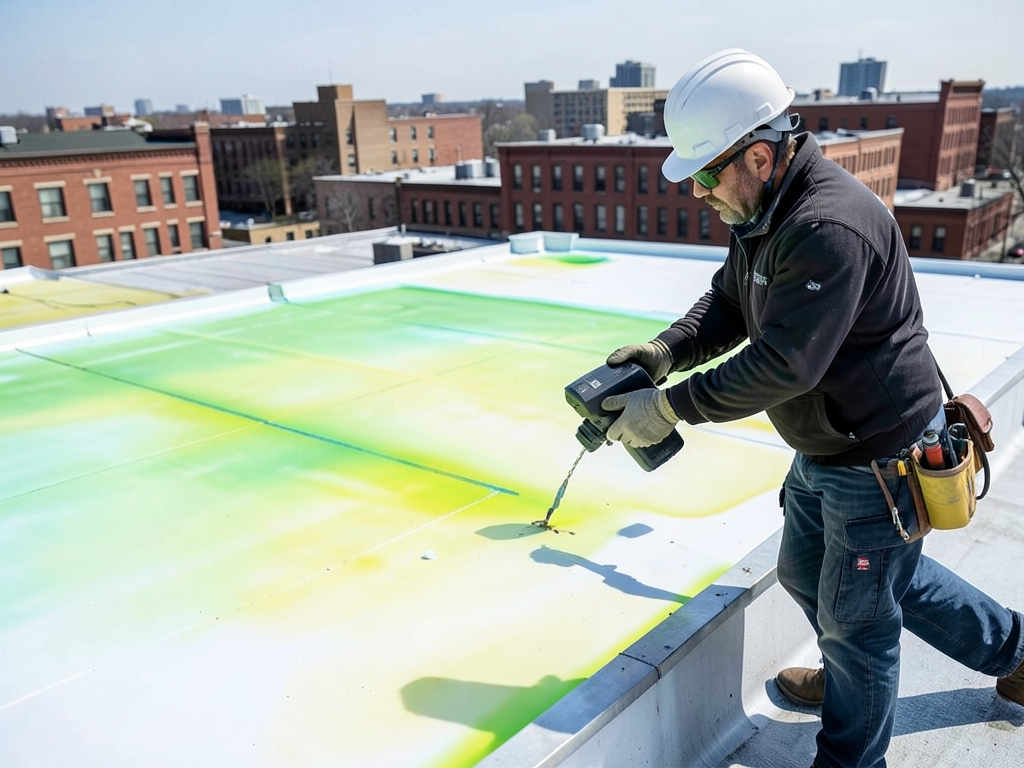
Professional roofers use several diagnostic methods to assess heat damage. Infrared thermography reveals temperature variations across the roof surface indicating areas of trapped moisture or insulation failure. Core sampling shows the depth of material degradation. Moisture meters detect water infiltration through cracked membranes.
The screwdriver test remains one of the most reliable field diagnostics. Technicians press a screwdriver into the roof surface feeling for soft spots that indicate material breakdown. They also check seams for separation and examine flashings for signs of thermal fatigue. These hands-on inspections reveal problems that thermal imaging might miss. Reliable Commercial Flat Roof Repair in the Strip District and Downtown.
Cost Impact of Heat Island Effects
Heat island conditions increase both maintenance costs and energy expenses. Property owners in the Strip District report cooling costs that are 15-20% higher than similar buildings in surrounding neighborhoods. This translates to thousands of dollars annually for commercial properties. The accelerated roof deterioration means replacement cycles shorten by 30-40%. Commercial Gutter Systems.
Insurance companies are beginning to recognize these patterns. Some adjusters now factor heat island exposure into roofing claims assessments. Buildings with documented heat island effects may face higher premiums or more stringent inspection requirements.
Cooling Solutions for Urban Roofs
Several cooling strategies can mitigate heat island effects. Cool roof coatings reflect solar radiation reducing surface temperatures by 50-80 degrees. Green roofs provide natural insulation and evaporative cooling. Proper ventilation systems remove trapped heat before it damages materials.
Reflective aluminum coatings work particularly well on modified bitumen roofs. These coatings can extend roof life by 3-5 years while reducing cooling costs by 20-30%. The initial investment typically pays for itself within 2-3 years through energy savings and deferred replacement costs.
Building Code Requirements
Pittsburgh building codes now include provisions for heat island mitigation. The 2021 International Energy Conservation Code adopted by Allegheny County requires minimum thermal emittance values for commercial roofs. Section 503.3 of the code mandates cool roof compliance for buildings over 5000 square feet.
Local zoning regulations in the Strip District also affect roofing choices. The area’s historic character designation means any visible modifications must maintain architectural consistency. This sometimes conflicts with modern cooling technologies requiring careful planning and approval.
Maintenance Strategies for Heat Stressed Roofs
Roofs in heat island zones require more frequent maintenance. Biannual inspections catch problems before they become major failures. Cleaning debris from drains prevents water pooling that accelerates material breakdown. Checking and resealing seams addresses the expansion and contraction issues caused by temperature swings.
Professional maintenance programs for Strip District properties typically include infrared scanning to detect hidden moisture problems. They also involve cleaning and recoating schedules that maintain the reflective properties of cool roof surfaces. These proactive measures can add 3-5 years to roof life.
Energy Efficiency Benefits
Cool roofing technologies offer substantial energy savings. A white TPO membrane can reduce cooling loads by 25-35% compared to standard dark roofing. This reduction means smaller HVAC equipment can handle the same cooling load saving capital costs. The lower roof temperatures also reduce the strain on rooftop mechanical equipment.
Energy modeling shows that a typical Strip District commercial building spends $8000-12000 annually on cooling. Cool roof upgrades can reduce this by $2000-4000 per year. The payback period for premium cooling technologies ranges from 3-7 years depending on building use and local utility rates.
Future Trends in Urban Roofing
Roofing technology continues to evolve for urban environments. Photovoltaic-integrated roofing systems combine energy generation with heat reduction. Phase-change materials embedded in roof assemblies absorb excess heat during the day and release it at night. Smart sensors monitor roof conditions in real time alerting owners to developing problems.
The construction industry is also developing materials specifically for heat island zones. These include phase-change coatings that maintain more consistent temperatures and self-healing membranes that repair minor damage automatically. While still emerging these technologies promise to extend roof life in challenging urban environments.
Insurance and Liability Considerations
Heat island effects create unique insurance challenges. Roofs that fail prematurely due to thermal stress may not be covered under standard policies. Some insurers now require documentation of heat mitigation measures before issuing coverage. This trend is particularly strong in dense urban areas like the Strip District.
Liability issues also arise from heat island effects. Building owners must ensure their cooling strategies don’t create problems for neighboring properties. Reflective coatings that direct glare onto adjacent buildings or green roofs that cause drainage issues can lead to legal disputes.
Economic Impact on Property Values
Heat island roofing performance affects property values in multiple ways. Buildings with documented cooling strategies often command premium rents due to lower operating costs. Properties with newer roofs that incorporate heat mitigation technologies sell faster than those with standard roofing.
The Strip District’s ongoing redevelopment makes these factors even more important. As the neighborhood transitions from industrial to mixed-use the demand for energy-efficient buildings increases. Properties that address heat island challenges position themselves better in this evolving market.
Environmental Benefits
Beyond individual building benefits cool roofing contributes to broader environmental goals. Reducing urban heat islands improves air quality by decreasing ground-level ozone formation. Lower cooling loads reduce power plant emissions. Green roofs provide wildlife habitat and manage stormwater runoff.
The Strip District’s location near the Allegheny River makes these benefits particularly relevant. Cooler surface temperatures reduce the urban heat effect on local waterways protecting aquatic ecosystems. The neighborhood’s industrial heritage means any environmental improvements have amplified impact.
Choosing the Right Solution
Selecting appropriate cooling strategies requires understanding specific building conditions. Factors include roof structure age insulation levels HVAC loads and budget constraints. A warehouse with minimal insulation needs different solutions than a restaurant with rooftop kitchen exhaust.
Professional assessment should include energy modeling to predict savings from various options. It should also consider local incentives and rebates that can offset upgrade costs. The Pennsylvania Energy Development Authority offers grants for energy efficiency improvements in urban areas.
Implementation Timeline
Roof cooling projects require careful scheduling to minimize disruption. Most commercial buildings can be upgraded in 2-3 weeks during favorable weather conditions. Planning should account for material lead times and contractor availability which can extend 4-6 weeks during peak seasons.
Phased implementation often works best for large properties. Starting with the most problematic areas allows owners to verify performance before committing to full building upgrades. This approach also spreads capital costs over multiple budget cycles.
Long Term Performance Monitoring
Successful heat island mitigation requires ongoing monitoring. Temperature sensors track roof surface conditions over time. Energy usage data confirms savings projections. Regular inspections ensure cooling technologies maintain their effectiveness.
Many property management companies now include heat island performance in their standard reporting. This documentation helps justify future investments and demonstrates environmental stewardship to tenants and stakeholders.
Frequently Asked Questions
How much does heat island effect reduce flat roof lifespan?
Heat island conditions typically reduce flat roof lifespan by 30-40%. A roof that would last 15-20 years in suburban conditions may only last 8-12 years in the Strip District due to the accelerated thermal cycling and UV exposure.
Are cool roof coatings worth the investment?
Yes. Cool roof coatings typically pay for themselves within 3-5 years through energy savings and extended roof life. They can reduce cooling costs by 20-30% and add 3-5 years to roof replacement intervals.
Does Pittsburgh offer incentives for cool roofing?
Allegheny County and the City of Pittsburgh offer various incentives for energy efficiency improvements. The Pennsylvania Energy Development Authority provides grants for commercial buildings that reduce energy consumption through cool roofing technologies.
How often should heat-stressed roofs be inspected?
Roofs in heat island zones should be inspected at least twice yearly. Spring inspections catch winter damage while fall inspections prepare for summer heat. Additional inspections after severe weather events are also recommended.
Can historic buildings in the Strip District use cool roofing?
Yes, but with restrictions. The Strip District’s historic designation requires that any visible modifications maintain architectural consistency. Many cool roofing technologies are available in colors and finishes that meet historic preservation requirements.
Take Action Before Your Roof Fails
Heat island effects are silently destroying roofs across the Strip District. Don’t wait for visible damage to appear. Professional assessment can identify problems early and recommend cost-effective solutions. The longer you wait the more expensive repairs become.
Call (878) 209-5522 today to schedule your comprehensive roof assessment. Our experienced technicians understand Pittsburgh’s unique climate challenges and can recommend cooling strategies that protect your investment. Don’t let urban heat island effects cut your roof’s life short by years.
Pick up the phone and call (878) 209-5522 before the next heat wave hits. Early intervention saves money and prevents emergency repairs that disrupt your business or home life.
{
“@context”: “https://schema.org”,
“@type”: “BlogPosting”,
“headline”: “How the Pittsburgh Urban Heat Island Affects the Lifespan of Flat Roofs in the Strip District”,
“description”: “Learn how Pittsburgh’s urban heat island effect accelerates flat roof deterioration in the Strip District and discover cooling solutions that extend roof life.”,
“wordCount”: 2043,
“datePublished”: “2026-05-28T09:59:00.000Z”,
“dateModified”: “2026-05-28T09:59:00.000Z”,
“inLanguage”: “en-US”,
“mainEntityOfPage”: {
“@type”: “WebPage”,
“@id”: “https://victoryroofingpittsburgh.com”
},
“publisher”: {
“@type”: “LocalBusiness”,
“name”: “Victory Roofing Pittsburgh”,
“url”: “https://victoryroofingpittsburgh.com”
},
“author”: {
“@type”: “Organization”,
“name”: “Victory Roofing Pittsburgh”,
“url”: “https://victoryroofingpittsburgh.com”
},
“image”: {
“@type”: “ImageObject”,
“url”: “https://victoryroofingpittsburgh.com/wp-content/uploads/2026/03/how-the-pittsburgh-urban-heat-island-affects-the-l-1.png”
}
}
{
“@context”: “https://schema.org”,
“@type”: “RoofingContractor”,
“name”: “Victory Roofing Pittsburgh”,
“url”: “https://victoryroofingpittsburgh.com”,
“address”: {
“@type”: “PostalAddress”,
“addressLocality”: “Pittsburgh”
},
“areaServed”: {
“@type”: “City”,
“name”: “Pittsburgh”
}
}
{
“@context”: “https://schema.org”,
“@type”: “FAQPage”,
“mainEntity”: [
{
“@type”: “Question”,
“name”: “How much does heat island effect reduce flat roof lifespan?”,
“acceptedAnswer”: {
“@type”: “Answer”,
“text”: “Heat island conditions typically reduce flat roof lifespan by 30-40%. A roof that would last 15-20 years in suburban conditions may only last 8-12 years in the Strip District due to the accelerated thermal cycling and UV exposure.”
}
},
{
“@type”: “Question”,
“name”: “Are cool roof coatings worth the investment?”,
“acceptedAnswer”: {
“@type”: “Answer”,
“text”: “Yes. Cool roof coatings typically pay for themselves within 3-5 years through energy savings and extended roof life. They can reduce cooling costs by 20-30% and add 3-5 years to roof replacement intervals.”
}
},
{
“@type”: “Question”,
“name”: “Does Pittsburgh offer incentives for cool roofing?”,
“acceptedAnswer”: {
“@type”: “Answer”,
“text”: “Allegheny County and the City of Pittsburgh offer various incentives for energy efficiency improvements. The Pennsylvania Energy Development Authority provides grants for commercial buildings that reduce energy consumption through cool roofing technologies.”
}
},
{
“@type”: “Question”,
“name”: “How often should heat-stressed roofs be inspected?”,
“acceptedAnswer”: {
“@type”: “Answer”,
“text”: “Roofs in heat island zones should be inspected at least twice yearly. Spring inspections catch winter damage while fall inspections prepare for summer heat. Additional inspections after severe weather events are also recommended.”
}
},
{
“@type”: “Question”,
“name”: “Can historic buildings in the Strip District use cool roofing?”,
“acceptedAnswer”: {
“@type”: “Answer”,
“text”: “Yes, but with restrictions. The Strip District’s historic designation requires that any visible modifications maintain architectural consistency. Many cool roofing technologies are available in colors and finishes that meet historic preservation requirements.”
}
}
]
}
{
“@context”: “https://schema.org”,
“@type”: “BreadcrumbList”,
“itemListElement”: [
{
“@type”: “ListItem”,
“position”: 1,
“name”: “Home”,
“item”: “https://victoryroofingpittsburgh.com”
},
{
“@type”: “ListItem”,
“position”: 2,
“name”: “Blog”,
“item”: “https://victoryroofingpittsburgh.com/blog”
},
{
“@type”: “ListItem”,
“position”: 3,
“name”: “How the Pittsburgh Urban Heat Island Affects the Lifespan of Flat Roofs in the Strip District”
}
]
}
{
“@context”: “https://schema.org”,
“@type”: “Service”,
“serviceType”: “Roofing”,
“provider”: {
“@type”: “LocalBusiness”,
“name”: “Victory Roofing Pittsburgh”,
“url”: “https://victoryroofingpittsburgh.com”
},
“areaServed”: {
“@type”: “City”,
“name”: “Pittsburgh”
},
“description”: “Learn how Pittsburgh’s urban heat island effect accelerates flat roof deterioration in the Strip District and discover cooling solutions that extend roof life.”
}