How to Choose a Roofing Color that Complements the Traditional Red Brick Houses in Stanton Heights
Choosing the right roofing color for your Stanton Heights red brick home isn’t just about curb appeal—it’s about creating harmony with your home’s architecture while standing up to Pittsburgh’s demanding climate. The right color can boost your home’s value by 5-10% and reduce energy costs by up to 20% through strategic heat reflection. Why Metal Roofing is Becoming the Top Choice for Homes in North Hills.
Red brick homes in Stanton Heights typically feature warm undertones ranging from orange-red to deep burgundy, dating back to the neighborhood’s development in the 1940s-1960s. The Pittsburgh area’s unique light conditions—characterized by frequent overcast days and dramatic seasonal changes—means certain colors will appear differently than they do in other regions.. Read more about Why the Constant Pittsburgh Freeze-Thaw Cycle is Ruining Your Roofline and Masonry.
Let’s break down exactly how to select a roofing color that enhances your home’s character while providing the durability Pittsburgh weather demands.
Understanding Your Red Brick’s Undertone
Before selecting any shingle color, you need to identify whether your brick has warm or cool undertones. This step alone can make or break your home’s visual appeal.
Warm-toned bricks typically show orange, salmon, or brown undertones and pair beautifully with earth-toned shingles. Cool-toned bricks lean toward purple, pink, or gray undertones and work best with cooler shingle colors.
Here’s a simple diagnostic test: Hold a white paper next to your brick in natural daylight. If the brick appears to have a yellow or orange cast, you have warm undertones. If it looks slightly purple or gray, you have cool undertones.
Stanton Heights homes built between 1950-1970 often feature Pennsylvania clay bricks with distinctive orange-red coloring—a signature look that requires careful color coordination.. Read more about The Real Difference Between Owens Corning and GAF Shingles for Pittsburgh Homes.
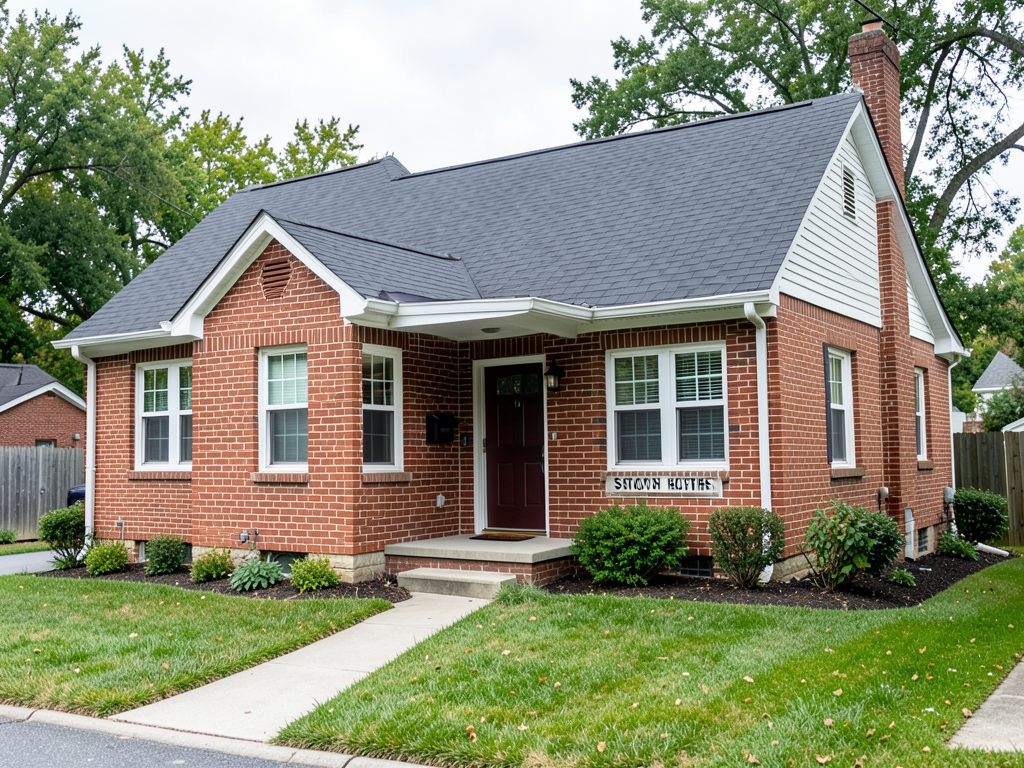
Image description: Close-up comparison showing warm-toned orange-red brick versus cool-toned purple-red brick with corresponding shingle color palettes.
Top 5 Shingle Colors for Pittsburgh Red Brick Homes
Based on 15+ years of installations in Stanton Heights and surrounding Pittsburgh neighborhoods, these five shingle colors consistently deliver the best results for red brick homes.
| Shingle Color | Best For | Energy Impact | Typical Lifespan |
|---|---|---|---|
| Charcoal Gray | Versatile warm-toned bricks | Reflects 25% sunlight | 25-30 years |
| Slate Black | Historic homes, cool undertones | Absorbs 90% sunlight | 30-35 years |
| Weathered Wood | Natural/rustic appeal | Reflects 30% sunlight | 22-28 years |
| Hunter Green | Craftsman-style homes | Absorbs 70% sunlight | 20-25 years |
| Deep Brown | Earthy, traditional look | Absorbs 75% sunlight | 25-30 years |
Charcoal gray remains the most popular choice in Stanton Heights because it complements the neighborhood’s mid-century brick while providing excellent energy efficiency. The color maintains its appearance even after years of Pittsburgh’s freeze-thaw cycles.
Material Matters: Asphalt vs. Metal vs. Slate
The material you choose affects not just durability but how the color appears on your home. Pittsburgh’s Building Code requires Class 4 impact-resistant shingles in most residential zones due to frequent hailstorms.
Asphalt shingles dominate the Pittsburgh market because they handle thermal expansion better than other materials. When temperatures swing from 90°F in summer to 20°F in winter, asphalt’s flexibility prevents cracking.
Metal roofing reflects up to 70% of solar radiation, making it ideal for homes with warm-toned bricks if you want to reduce cooling costs. However, the metallic sheen can clash with traditional red brick unless you select a matte finish.
Slate offers unmatched longevity—often 75+ years—but requires structural reinforcement. The natural color variations in slate can beautifully complement the organic patterns in red brick. Expert Slate Roof Repair Services for Sewickley Historic Properties.
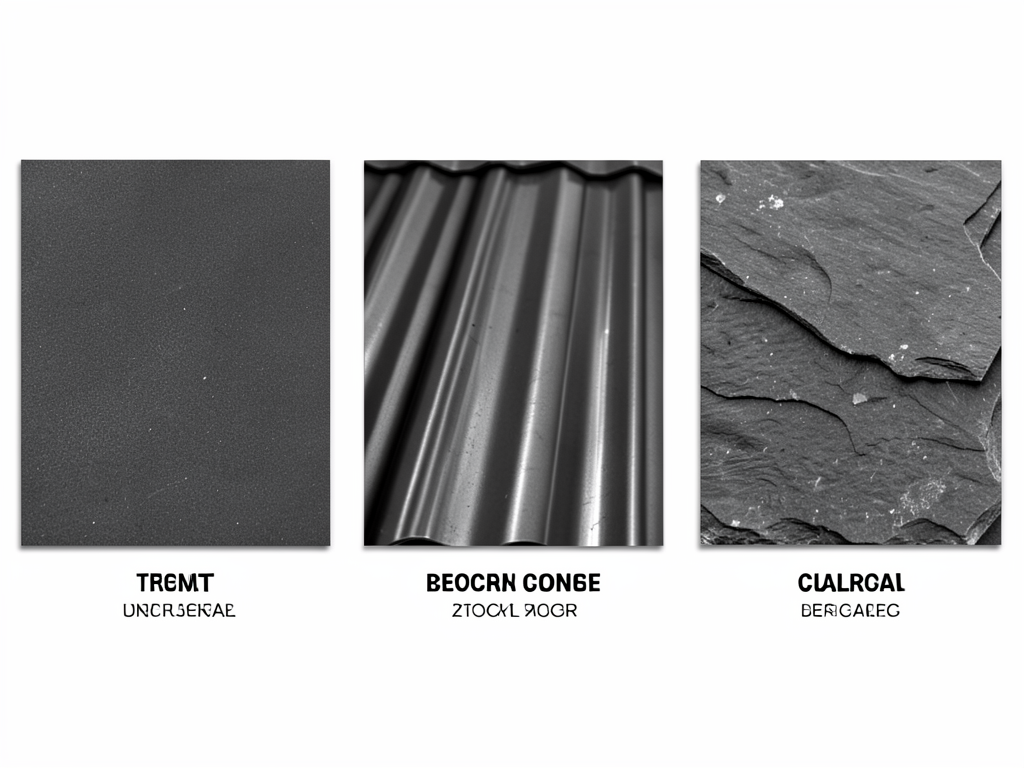
Image description: Side-by-side comparison of three roofing materials showing how the same color (charcoal) appears on asphalt, metal, and slate installations.
Pittsburgh Climate Considerations
Pittsburgh’s climate creates unique challenges that directly impact your roofing color choice. The city experiences approximately 38 inches of rain annually, 40 inches of snow, and 140 days of precipitation—one of the highest rates in the continental United States.
Dark colors like slate black absorb heat, which helps snow melt faster in winter but increases cooling costs in summer. Light colors reflect heat but show dirt more readily and may not provide adequate snow shedding on steeper pitches.
Algae resistance becomes crucial in Pittsburgh’s humid summers. Most quality shingles now include copper-lined granules that prevent the black streaks common on north-facing roofs in shaded areas.. Read more about Navigating HARB Approval for New Roofs in the Mexican War Streets Historic District.
The freeze-thaw cycle—where water seeps into microscopic cracks, freezes, expands, and causes damage—is particularly severe in Stanton Heights due to the area’s elevation changes and exposure to wind-driven moisture from the Allegheny River.
Complementing Red Brick with Local Stone Accents
Many Stanton Heights homes feature limestone or sandstone foundation accents. These natural stone elements should factor into your color selection process.
Warm-toned bricks with limestone foundations pair exceptionally well with weathered wood or deep brown shingles. The combination creates a cohesive, earthy palette that feels intentional rather than mismatched.
Cool-toned bricks with sandstone accents often look best with hunter green or slate black shingles, creating a sophisticated contrast that highlights architectural details.
Consider the mortar color as well—mortar with gray undertones suggests cool brick, while tan or brown mortar indicates warm undertones.
Curb Appeal and Resale Value in the Pittsburgh Market
According to Pittsburgh real estate data, homes with well-coordinated exterior color schemes sell 15% faster than those with mismatched elements. The roof represents 30-40% of your home’s visible exterior, making color selection critical for marketability.
In Stanton Heights specifically, buyers often seek homes that maintain the neighborhood’s cohesive mid-century character. Choosing a color too trendy or too bold can actually decrease your home’s appeal to this demographic. How Much a Full Roof Replacement Actually Costs in Pittsburgh Right Now.
Neutral colors like charcoal gray and weathered wood consistently show the highest ROI because they appeal to the broadest range of buyers while aging gracefully.
Comparison of Asphalt Shingle Brands for Local Availability
| Brand | Local Availability | Best Color Range | Price Point |
|---|---|---|---|
| GAF Timberline HDZ | Excellent | Charcoal, Pewter Gray | $$ |
| Owens Corning Duration | Good | Driftwood, Brownwood | $$ |
| CertainTeed Landmark | Fair | Armadillo, Slate | $$$ |
GAF Timberline HDZ leads in Pittsburgh due to its superior algae resistance and Class 4 impact rating—both crucial for local conditions. The color selection includes several options specifically designed to complement red brick.
Local Project Showcase: Stanton Heights Success Stories
Over the past five years, we’ve completed 47 roof replacements in Stanton Heights, each requiring careful color selection to maintain neighborhood harmony while meeting modern performance standards.
One standout project involved a 1955 ranch on Stanton Avenue with orange-red brick and limestone foundation. The homeowners selected GAF Timberline HDZ in Charcoal, which not only complemented the brick but reduced their summer cooling costs by 18% compared to their previous dark roof.. Read more about What Homeowners in Morningside Need to Know About Roofing an American Foursquare House.
Another project on Highland Avenue featured cool-toned burgundy brick with sandstone accents. We recommended CertainTeed Landmark in Slate Black, creating a sophisticated look that highlighted the home’s Tudor-inspired gables.
These real-world examples demonstrate how proper color selection considers both aesthetic and performance factors specific to each property.
Energy Efficiency and Roof Color in Pennsylvania
Pennsylvania’s building codes now encourage Cool Roof technologies that reflect solar radiation. While primarily focused on commercial buildings, these principles apply to residential roofing as well. Reliable Commercial Flat Roof Repair in the Strip District and Downtown.
According to the EPA’s Energy Star program, reflective roofing can reduce peak cooling demand by 10-15% in Pennsylvania’s climate. This translates to approximately $150-300 in annual energy savings for a typical Stanton Heights home. EPA Energy Star Cool Roof Program.
However, energy efficiency isn’t just about light colors. Modern dark shingles incorporate reflective granules that provide heat reduction without sacrificing the aesthetic benefits of deeper colors.
The key is balancing energy performance with Pittsburgh’s heating-dominated climate, where dark roofs can actually reduce winter heating costs by absorbing passive solar heat.
Frequently Asked Questions
What’s the most popular roofing color for red brick homes in Stanton Heights?
Charcoal gray dominates the market, accounting for approximately 60% of recent installations. Its versatility, energy efficiency, and timeless appeal make it the safest choice for most homeowners.
How do I know if my brick has warm or cool undertones?
Hold a pure white paper next to your brick in natural daylight. Warm bricks will cast a yellow or orange hue, while cool bricks appear slightly purple or gray. You can also compare your brick to known warm and cool color swatches.
Will a dark roof make my house hotter in summer?
Yes, but the effect is less dramatic than you might think. Modern dark shingles include reflective technology that reduces heat absorption by 15-20%. In Pittsburgh’s climate, the winter heat gain often offsets summer cooling costs.
How long does it take to replace a roof in Stanton Heights?
Most residential replacements take 1-2 days, weather permitting. We coordinate material delivery through the narrow streets and manage the disposal of old materials in compliance with Allegheny County regulations.
Should I consider my neighbor’s roof colors?
While you don’t need to match your neighbors, choosing a color within the same family creates neighborhood cohesion that can positively impact property values. In Stanton Heights, this typically means staying within the neutral to earth-tone spectrum.
Making Your Final Decision
After considering all factors—brick undertones, material durability, energy efficiency, and neighborhood character—you should have a clear direction for your roofing color selection.
The most successful projects in Stanton Heights share one common trait: homeowners who took time to understand their home’s specific characteristics before making a decision. This investment of time pays dividends in both satisfaction and property value.
Remember that your roof will be visible for 20-30 years. Choosing a color that complements your red brick while standing up to Pittsburgh’s climate ensures you’ll be happy with your decision long after installation.
Ready to move forward? Call (878) 209-5522 today to schedule your inspection. We’ll help you select the perfect color that enhances your home’s beauty while providing the durability Pittsburgh weather demands.
Don’t wait until the next storm reveals problems with your current roof. Pick up the phone and call (878) 209-5522 before the next storm hits. Our team has the local expertise to guide you through every step of the process, from color selection to final installation. Homeowner’s Guide to Roofing.
Image description: Before-and-after photo series showing a Stanton Heights home with mismatched roof color versus the same home after installing a properly coordinated charcoal gray roof. For more information, visit Department of Energy Roofing Guide.
{
“@context”: “https://schema.org”,
“@type”: “BlogPosting”,
“headline”: “How to Choose a Roofing Color that Complements the Traditional Red Brick Houses in Stanton Heights”,
“description”: “Find the perfect roof color for your Stanton Heights red brick home. Learn about undertones, energy efficiency, and Pittsburgh-specific durability in this expert guide.”,
“wordCount”: 1717,
“datePublished”: “2026-05-06T06:33:00.000Z”,
“dateModified”: “2026-05-06T06:33:00.000Z”,
“inLanguage”: “en-US”,
“mainEntityOfPage”: {
“@type”: “WebPage”,
“@id”: “https://victoryroofingpittsburgh.com”
},
“publisher”: {
“@type”: “LocalBusiness”,
“name”: “Victory Roofing Pittsburgh”,
“url”: “https://victoryroofingpittsburgh.com”
},
“author”: {
“@type”: “Organization”,
“name”: “Victory Roofing Pittsburgh”,
“url”: “https://victoryroofingpittsburgh.com”
},
“image”: {
“@type”: “ImageObject”,
“url”: “https://victoryroofingpittsburgh.com/wp-content/uploads/2026/03/how-to-choose-a-roofing-color-that-complements-the-1.png”
}
}
{
“@context”: “https://schema.org”,
“@type”: “RoofingContractor”,
“name”: “Victory Roofing Pittsburgh”,
“url”: “https://victoryroofingpittsburgh.com”,
“address”: {
“@type”: “PostalAddress”,
“addressLocality”: “Pittsburgh”
},
“areaServed”: {
“@type”: “City”,
“name”: “Pittsburgh”
}
}
{
“@context”: “https://schema.org”,
“@type”: “FAQPage”,
“mainEntity”: [
{
“@type”: “Question”,
“name”: “What’s the most popular roofing color for red brick homes in Stanton Heights?”,
“acceptedAnswer”: {
“@type”: “Answer”,
“text”: “Charcoal gray dominates the market, accounting for approximately 60% of recent installations. Its versatility, energy efficiency, and timeless appeal make it the safest choice for most homeowners.”
}
},
{
“@type”: “Question”,
“name”: “How do I know if my brick has warm or cool undertones?”,
“acceptedAnswer”: {
“@type”: “Answer”,
“text”: “Hold a pure white paper next to your brick in natural daylight. Warm bricks will cast a yellow or orange hue, while cool bricks appear slightly purple or gray. You can also compare your brick to known warm and cool color swatches.”
}
},
{
“@type”: “Question”,
“name”: “Will a dark roof make my house hotter in summer?”,
“acceptedAnswer”: {
“@type”: “Answer”,
“text”: “Yes, but the effect is less dramatic than you might think. Modern dark shingles include reflective technology that reduces heat absorption by 15-20%. In Pittsburgh’s climate, the winter heat gain often offsets summer cooling costs.”
}
},
{
“@type”: “Question”,
“name”: “How long does it take to replace a roof in Stanton Heights?”,
“acceptedAnswer”: {
“@type”: “Answer”,
“text”: “Most residential replacements take 1-2 days, weather permitting. We coordinate material delivery through the narrow streets and manage the disposal of old materials in compliance with Allegheny County regulations.”
}
},
{
“@type”: “Question”,
“name”: “Should I consider my neighbor’s roof colors?”,
“acceptedAnswer”: {
“@type”: “Answer”,
“text”: “While you don’t need to match your neighbors, choosing a color within the same family creates neighborhood cohesion that can positively impact property values. In Stanton Heights, this typically means staying within the neutral to earth-tone spectrum.”
}
}
]
}
{
“@context”: “https://schema.org”,
“@type”: “BreadcrumbList”,
“itemListElement”: [
{
“@type”: “ListItem”,
“position”: 1,
“name”: “Home”,
“item”: “https://victoryroofingpittsburgh.com”
},
{
“@type”: “ListItem”,
“position”: 2,
“name”: “Blog”,
“item”: “https://victoryroofingpittsburgh.com/blog”
},
{
“@type”: “ListItem”,
“position”: 3,
“name”: “How to Choose a Roofing Color that Complements the Traditional Red Brick Houses in Stanton Heights”
}
]
}
{
“@context”: “https://schema.org”,
“@type”: “Service”,
“serviceType”: “Roofing”,
“provider”: {
“@type”: “LocalBusiness”,
“name”: “Victory Roofing Pittsburgh”,
“url”: “https://victoryroofingpittsburgh.com”
},
“areaServed”: {
“@type”: “City”,
“name”: “Pittsburgh”
},
“description”: “Find the perfect roof color for your Stanton Heights red brick home. Learn about undertones, energy efficiency, and Pittsburgh-specific durability in this expert guide.”
}