
Seamless Gutter and Roof Replacement Packages in Cranberry Township
Western Pennsylvania homeowners in Cranberry Township face unique weather challenges that demand comprehensive exterior protection. Heavy lake-effect snow, rapid freeze-thaw cycles, and severe spring thunderstorms create conditions where both your roof and gutter system must work as an integrated unit. When one fails, the other often follows. That’s why more local homeowners are choosing bundled roof and gutter replacement packages that address both systems simultaneously. Cranberry Township Building Department.
A complete replacement package means your entire roof assembly—from decking to underlayment to shingles—is replaced alongside a custom-fabricated seamless gutter system. This approach eliminates the patchwork effect of replacing one system years after the other, ensures proper water management from day one, and often comes with better pricing than tackling each project separately. How Much a Full Roof Replacement Actually Costs in Pittsburgh Right Now.
Understanding what’s included in these packages and how they’re priced for Cranberry Township homes can help you make an informed decision about protecting your most valuable investment.
What’s Included in a Complete Roof and Gutter Replacement Package
A comprehensive replacement package covers every component of both systems. On the roofing side, this includes complete tear-off of existing materials, inspection and replacement of damaged decking, installation of ice and water shield in cold-climate zones, synthetic underlayment, proper ventilation components, and the final roofing material—typically architectural asphalt shingles in our region. Why Metal Roofing is Becoming the Top Choice for Homes in North Hills.
The gutter component includes custom on-site fabrication of seamless aluminum gutters, properly sized downspouts, leaf guards or gutter protection systems, and all mounting hardware. The key advantage here is that the gutters are measured and formed to your home’s exact dimensions, eliminating seams that can leak or separate over time. Commercial Gutter Systems.
Many packages also include fascia and soffit inspection, drip edge installation, and proper attic ventilation assessment. This comprehensive approach ensures your entire roof assembly functions as designed, preventing the moisture problems that plague older homes in Cranberry Township’s climate.
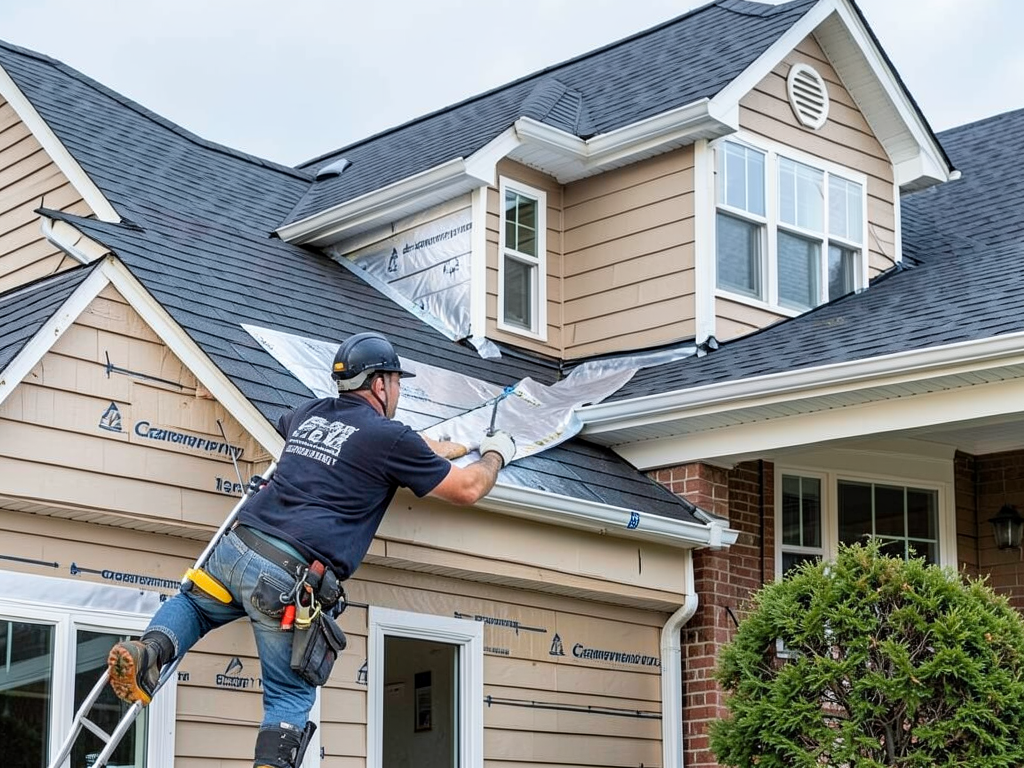
Diagram showing integrated roof and gutter system with ice shield, underlayment, and seamless gutter fabrication process.
Why Cranberry Township Homes Need Integrated Systems
Cranberry Township sits in a cold-climate zone that experiences some of the most challenging weather conditions in Western Pennsylvania. The area’s elevation changes and proximity to Lake Erie create conditions where heavy snow loads combine with rapid temperature swings. These conditions cause ice dams to form when warm attic air melts snow on the roof surface, only to have it refreeze at the colder eaves.
According to the International Residential Code (IRC) R905.2.7, homes in our climate zone require ice barrier underlayment extending at least 24 inches inside the exterior wall line on eaves. This isn’t optional—it’s a code requirement designed to prevent the exact type of water infiltration that damages ceilings and walls in older Cranberry Township homes. International Residential Code (IRC) R905.2.7.
The seamless gutter component becomes critical here because traditional sectional gutters often fail at their seams during ice expansion. A properly installed seamless system with adequate downspout capacity can handle the heavy runoff from spring thaws and summer thunderstorms that are common in Butler County.. Read more about How Your Gutter System Protects Your Swissvale Home From Foundation Damage.
Common Roof and Gutter Problems in Cranberry Township
Local building inspectors frequently cite two main failure patterns in the area: inadequate ice protection and undersized gutter systems. Many homes built before 2000 lack proper ice and water shield, leaving them vulnerable to the freeze-thaw cycles that dominate our winters. The second issue involves gutter systems that were sized for the home’s original construction but can’t handle today’s more intense rainfall patterns.
During heavy storms, undersized gutters overflow, sending water cascading down foundation walls. This creates basement moisture issues that are particularly problematic in Cranberry Township’s clay-heavy soil, which already drains poorly. The combination of hydrostatic pressure and water intrusion can lead to foundation cracks and interior water damage.
Another local issue involves the age of housing stock. Many homes in neighborhoods like Fox Run and Thorn Hill were built in the 1990s and early 2000s. These roofs are now reaching the end of their service life simultaneously, creating a wave of replacement demand that’s driving innovation in package pricing and installation efficiency.
Material Options for Western Pennsylvania Climates
Asphalt shingles remain the most popular choice for Cranberry Township homes, with architectural grade products offering 30-50 year warranties. These dimensional shingles provide better wind resistance and impact protection than traditional three-tab products, which matters in our area where straight-line winds can exceed 60 mph during summer storms.
Metal roofing systems are gaining traction, particularly for homes in exposed areas near Route 228 where wind exposure is higher. Standing seam metal roofs offer superior snow-shedding capabilities and can last 40-70 years with proper maintenance. The initial investment is higher, but the longevity often justifies the cost for homeowners planning to stay in their homes long-term. Roofing Scranton.
For gutter materials, heavy-gauge aluminum (0.032-inch thickness) provides the best balance of durability and cost for most applications. Copper systems, while significantly more expensive, offer unmatched longevity and develop a protective patina that many homeowners find attractive for higher-end properties near North Boundary Park.

Photo comparison showing ice dam formation on inadequate roof versus properly protected system with ice shield.
The Installation Process: What to Expect
A complete roof and gutter replacement typically takes 2-3 days for an average home in Cranberry Township. The process begins with a thorough inspection to identify any structural issues, followed by obtaining necessary permits from the Cranberry Township Building Department. Local permits ensure your project meets current building codes and includes required inspections.
The tear-off day involves removing all existing roofing materials down to the decking. This is when hidden damage often becomes apparent—rotted decking, inadequate ventilation, or previous water damage. Your contractor should provide a clear plan for addressing these issues before proceeding.
Roof installation follows a specific sequence: ice and water shield application, underlayment installation, drip edge placement, shingle installation, and final flashing details. The gutter fabrication typically happens on-site using specialized equipment that forms continuous lengths of gutter from aluminum coil stock. This eliminates the weak points found in sectional systems.
Final cleanup involves magnetic sweeping to remove nails and debris, ensuring your property is left in better condition than when work began. Most reputable contractors in Butler County include this comprehensive cleanup as part of their standard service.
Cost Factors and Package Pricing
Package pricing varies based on several factors specific to Cranberry Township homes. Roof pitch significantly affects labor costs—steeper roofs require additional safety equipment and take longer to install. A 12:12 pitch roof might cost 30-40% more than a 4:12 pitch roof of the same square footage.
The number of stories also impacts pricing. Two-story homes require additional equipment and safety measures compared to ranch-style homes common in some Cranberry Township neighborhoods. Material removal costs depend on the number of existing layers—homes with multiple shingle layers require more labor for tear-off.
Additional features like skylights, chimneys, and complex rooflines add time and material costs. Each penetration requires custom flashing, and valleys need additional ice and water shield. Most Cranberry Township homes fall in the $12,000-$25,000 range for complete roof replacement, with gutter packages adding $2,000-$5,000 depending on home size and material choices.
Many contractors offer package discounts of 5-10% when combining roof and gutter replacement, recognizing the efficiency gains of handling both systems simultaneously. Some also provide seasonal promotions during slower months like late winter or early spring.
Permit Requirements in Cranberry Township
Cranberry Township requires building permits for both roofing and gutter replacement projects. The Building Department reviews plans to ensure compliance with local amendments to the Pennsylvania Uniform Construction Code. For roofing, this includes verification of ice barrier requirements and proper ventilation calculations.
The permit process typically takes 3-5 business days and costs $75-$150 depending on project scope. Your contractor should handle permit acquisition as part of their service, providing you with copies of all approvals before work begins. This documentation protects you from potential issues with homeowners insurance or future property sales.
Inspections are required at different stages. A rough inspection may be needed before underlayment installation, and a final inspection ensures all work meets code requirements. These inspections provide third-party verification that your investment meets current safety and performance standards.
Insurance Considerations for Storm Damage
Western Pennsylvania experiences severe weather patterns that can damage roofing and gutter systems. Hail damage, while less common than in some regions, can still occur during spring thunderstorms. Wind damage from straight-line winds or microbursts can lift shingles or damage gutter hangers.
If you suspect storm damage, document it with photos before making any repairs. Most insurance policies require prompt reporting of damage, but they also expect you to take reasonable steps to prevent further damage—like temporary tarping if necessary. A professional inspection can determine whether damage is cosmetic or structural.
Many Cranberry Township homeowners find that insurance covers partial roof replacement when damage is localized, but full replacement is only covered if damage exceeds a certain percentage of the total roof area. Understanding your policy’s specific terms helps manage expectations about coverage.
Choosing the Right Contractor
Selecting a contractor for your roof and gutter replacement requires careful evaluation. Look for Pennsylvania Home Improvement Contractor (HIC) registration, which is required for projects over $500. Verify current insurance coverage including liability and workers’ compensation—this protects you from liability if a worker is injured on your property.
Ask about manufacturer certifications. Contractors certified by major manufacturers like GAF, Owens Corning, or CertainTeed have completed specific training and often offer extended warranties. These certifications indicate a commitment to quality installation practices.
Request local references from Cranberry Township or nearby areas like Seven Fields or Mars. Seeing completed projects in your area provides confidence in the contractor’s ability to handle local conditions. Check reviews specifically mentioning roof and gutter replacement experiences, as these projects require different expertise than simple repairs. Expert Slate Roof Repair Services for Sewickley Historic Properties.
Maintenance After Installation
Even the best-installed roof and gutter system requires periodic maintenance. Annual inspections can identify loose fasteners, damaged flashing, or debris buildup before they cause problems. In Cranberry Township’s climate, check your roof after severe storms and clean gutters at least twice yearly—more often if you have trees near your home.
Ice dams can still form even with proper installation if attic ventilation is inadequate. Monitor your attic for moisture or frost during winter months. Proper insulation levels and ventilation work together to maintain consistent roof temperatures that prevent ice dam formation.
Gutter guards can reduce but not eliminate maintenance needs. Small debris can still accumulate, and guards themselves may need occasional cleaning. The goal is minimizing rather than eliminating maintenance while maximizing system longevity.
Energy Efficiency Benefits
A complete roof replacement offers opportunities to improve your home’s energy efficiency. Proper attic ventilation prevents heat buildup in summer and moisture accumulation in winter. This can reduce cooling costs by 10-15% and prevent the condensation that leads to mold growth in attic spaces.
Reflective roofing materials or cool roof coatings can further reduce heat absorption, though their benefit is more pronounced in southern climates. In Western Pennsylvania, the focus should be on proper insulation and ventilation rather than reflective properties.
The gutter system contributes to energy efficiency by directing water away from foundation walls. This prevents the thermal bridging that occurs when wet soil contacts basement walls, which can increase heating costs in winter months.
Environmental Considerations
Roof replacement generates significant waste, but many materials can be recycled. Asphalt shingles can be processed into road paving materials, and metal components are easily recycled. Ask your contractor about their waste management practices and whether they partner with recycling facilities.
Some homeowners choose sustainable options like recycled-content shingles or metal roofing made from recycled materials. While these choices often cost more initially, they reduce environmental impact and may qualify for green building incentives in some areas.
Proper water management through effective gutter systems also has environmental benefits. By directing water to appropriate drainage areas rather than allowing it to erode soil or create runoff problems, you’re helping protect local waterways from sediment and pollutant loading.
Timing Your Project
The best time for roof and gutter replacement in Cranberry Township is typically late spring through early fall. This avoids the challenges of winter installation, where cold temperatures can affect material flexibility and adhesive performance. Summer thunderstorms can also create scheduling challenges, so plan for potential weather delays.
Many homeowners schedule projects during slower contractor seasons to potentially secure better pricing. Late winter and early spring often see more competitive pricing as contractors look to fill their schedules before the busy summer season begins.
Consider your neighborhood’s character when scheduling. If many homes in your area were built in the same era, you might find that contractors are particularly busy in certain neighborhoods during peak replacement years.
Frequently Asked Questions
How long does a complete roof and gutter replacement take?
Most residential projects in Cranberry Township take 2-3 days for the actual installation work. This includes tear-off, installation, and cleanup. However, the entire process from initial consultation to final inspection typically spans 2-4 weeks when accounting for permit acquisition and scheduling.
Do I need to be home during the installation?
You don’t need to be present for the entire installation, but someone should be available for the initial walk-through and final inspection. Many homeowners provide a key or arrange access with a trusted neighbor. The critical times are when decisions need to be made about unexpected issues discovered during tear-off.
What happens if we discover rotted decking during the project?
This is common in older Cranberry Township homes. Your contractor should include provisions in their contract for addressing structural issues discovered during tear-off. The cost for replacing damaged decking typically ranges from $75-$150 per sheet, depending on the extent of damage and accessibility.
Are seamless gutters really better than traditional sectional gutters?
Yes, for most applications. Seamless gutters eliminate the joints that are prone to leaking in sectional systems. They’re custom-fabricated on-site to your home’s exact dimensions, providing a cleaner appearance and better long-term performance. The main advantage becomes apparent during freeze-thaw cycles when sectional joints often fail.
How do I know if my roof needs replacement versus repair?
Age is the primary factor—asphalt shingles typically last 20-25 years in our climate. Other indicators include widespread curling or buckling, multiple missing shingles, or water stains on interior ceilings. If your roof is approaching 20 years old and showing these signs, replacement is usually more cost-effective than ongoing repairs.
Can I install new shingles over my existing roof?
Building codes typically allow one layer of shingles to be installed over an existing layer, but not multiple layers. However, this approach hides existing problems and adds weight to your roof structure. Most professionals recommend complete tear-off to inspect decking and ensure proper installation of ice and water shield.
What warranties come with roof and gutter replacement packages?
Warranties typically include a manufacturer’s material warranty (20-50 years depending on shingle grade) and a workmanship warranty from the contractor (usually 5-10 years). Some contractors offer extended warranties when using certified installation methods. Always get warranty terms in writing and understand what’s covered.
Next Steps for Your Roof and Gutter Replacement
Starting your roof and gutter replacement project begins with a professional inspection. A qualified contractor can assess your current systems, identify any hidden damage, and provide recommendations specific to your home’s needs and Cranberry Township’s building requirements.
Before meeting with contractors, gather information about your home’s age, any previous work done, and specific concerns you have about leaks or performance issues. This helps contractors provide more accurate assessments and recommendations.
Remember that the lowest price isn’t always the best value. Look for contractors who demonstrate knowledge of local building codes, offer comprehensive warranties, and show attention to detail in their proposals. Your roof and gutter system protects everything inside your home—investing in quality installation pays dividends for years to come.
Ready to protect your Cranberry Township home with a complete roof and gutter replacement package? Call (878) 209-5522 today to schedule your free inspection and get a detailed proposal tailored to your home’s specific needs.
Don’t wait until the next storm reveals problems with your current system. Contact us now to learn how we can help you avoid costly water damage and improve your home’s protection with a comprehensive replacement package designed for Western Pennsylvania’s challenging climate.
{
“@context”: “https://schema.org”,
“@type”: “BlogPosting”,
“headline”: “Seamless Gutter and Roof Replacement Packages in Cranberry Township”,
“description”: “Get complete roof and gutter replacement packages in Cranberry Township. Learn about local building codes, weather challenges, and bundled pricing options for your home.”,
“wordCount”: 2747,
“datePublished”: “2026-02-26T16:02:00.000Z”,
“dateModified”: “2026-02-26T16:02:00.000Z”,
“inLanguage”: “en-US”,
“mainEntityOfPage”: {
“@type”: “WebPage”,
“@id”: “https://victoryroofingpittsburgh.com”
},
“publisher”: {
“@type”: “LocalBusiness”,
“name”: “Victory Roofing Pittsburgh”,
“url”: “https://victoryroofingpittsburgh.com”
},
“author”: {
“@type”: “Organization”,
“name”: “Victory Roofing Pittsburgh”,
“url”: “https://victoryroofingpittsburgh.com”
},
“image”: {
“@type”: “ImageObject”,
“url”: “https://victoryroofingpittsburgh.com/wp-content/uploads/2026/03/seamless-gutter-and-roof-replacement-packages-in-c-1.png”
}
}
{
“@context”: “https://schema.org”,
“@type”: “RoofingContractor”,
“name”: “Victory Roofing Pittsburgh”,
“url”: “https://victoryroofingpittsburgh.com”,
“address”: {
“@type”: “PostalAddress”,
“addressLocality”: “Pittsburgh”
},
“areaServed”: {
“@type”: “City”,
“name”: “Pittsburgh”
}
}
{
“@context”: “https://schema.org”,
“@type”: “FAQPage”,
“mainEntity”: [
{
“@type”: “Question”,
“name”: “How long does a complete roof and gutter replacement take?”,
“acceptedAnswer”: {
“@type”: “Answer”,
“text”: “Most residential projects in Cranberry Township take 2-3 days for the actual installation work. This includes tear-off, installation, and cleanup. However, the entire process from initial consultation to final inspection typically spans 2-4 weeks when accounting for permit acquisition and scheduling.”
}
},
{
“@type”: “Question”,
“name”: “Do I need to be home during the installation?”,
“acceptedAnswer”: {
“@type”: “Answer”,
“text”: “You don’t need to be present for the entire installation, but someone should be available for the initial walk-through and final inspection. Many homeowners provide a key or arrange access with a trusted neighbor. The critical times are when decisions need to be made about unexpected issues discovered during tear-off.”
}
},
{
“@type”: “Question”,
“name”: “What happens if we discover rotted decking during the project?”,
“acceptedAnswer”: {
“@type”: “Answer”,
“text”: “This is common in older Cranberry Township homes. Your contractor should include provisions in their contract for addressing structural issues discovered during tear-off. The cost for replacing damaged decking typically ranges from $75-$150 per sheet, depending on the extent of damage and accessibility.”
}
},
{
“@type”: “Question”,
“name”: “Are seamless gutters really better than traditional sectional gutters?”,
“acceptedAnswer”: {
“@type”: “Answer”,
“text”: “Yes, for most applications. Seamless gutters eliminate the joints that are prone to leaking in sectional systems. They’re custom-fabricated on-site to your home’s exact dimensions, providing a cleaner appearance and better long-term performance. The main advantage becomes apparent during freeze-thaw cycles when sectional joints often fail.”
}
},
{
“@type”: “Question”,
“name”: “How do I know if my roof needs replacement versus repair?”,
“acceptedAnswer”: {
“@type”: “Answer”,
“text”: “Age is the primary factor—asphalt shingles typically last 20-25 years in our climate. Other indicators include widespread curling or buckling, multiple missing shingles, or water stains on interior ceilings. If your roof is approaching 20 years old and showing these signs, replacement is usually more cost-effective than ongoing repairs.”
}
},
{
“@type”: “Question”,
“name”: “Can I install new shingles over my existing roof?”,
“acceptedAnswer”: {
“@type”: “Answer”,
“text”: “Building codes typically allow one layer of shingles to be installed over an existing layer, but not multiple layers. However, this approach hides existing problems and adds weight to your roof structure. Most professionals recommend complete tear-off to inspect decking and ensure proper installation of ice and water shield.”
}
},
{
“@type”: “Question”,
“name”: “What warranties come with roof and gutter replacement packages?”,
“acceptedAnswer”: {
“@type”: “Answer”,
“text”: “Warranties typically include a manufacturer’s material warranty (20-50 years depending on shingle grade) and a workmanship warranty from the contractor (usually 5-10 years). Some contractors offer extended warranties when using certified installation methods. Always get warranty terms in writing and understand what’s covered.”
}
}
]
}
{
“@context”: “https://schema.org”,
“@type”: “BreadcrumbList”,
“itemListElement”: [
{
“@type”: “ListItem”,
“position”: 1,
“name”: “Home”,
“item”: “https://victoryroofingpittsburgh.com”
},
{
“@type”: “ListItem”,
“position”: 2,
“name”: “Blog”,
“item”: “https://victoryroofingpittsburgh.com/blog”
},
{
“@type”: “ListItem”,
“position”: 3,
“name”: “Seamless Gutter and Roof Replacement Packages in Cranberry Township”
}
]
}
{
“@context”: “https://schema.org”,
“@type”: “Service”,
“serviceType”: “Roofing”,
“provider”: {
“@type”: “LocalBusiness”,
“name”: “Victory Roofing Pittsburgh”,
“url”: “https://victoryroofingpittsburgh.com”
},
“areaServed”: {
“@type”: “City”,
“name”: “Pittsburgh”
},
“description”: “Get complete roof and gutter replacement packages in Cranberry Township. Learn about local building codes, weather challenges, and bundled pricing options for your home.”
}