
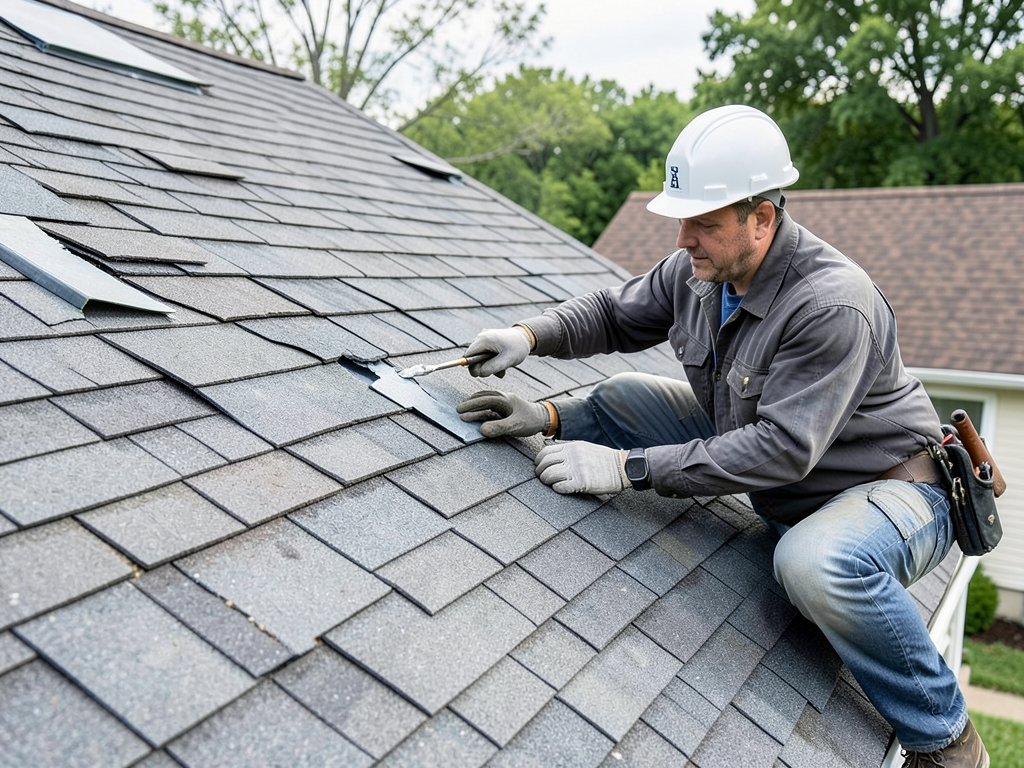
Spotting the Subtle Differences Between Wind Damage and Normal Wear in Lincoln Place
When strong winds sweep through Pittsburgh’s Lincoln Place neighborhood, homeowners often find themselves staring at their roof, wondering if that missing shingle or curled corner is storm damage or just normal aging. The difference matters because wind damage may be covered by insurance while normal wear and tear is not.
Wind damage creates sudden, isolated failures where normal wear develops gradually across the entire roof surface. Understanding this distinction helps you make the right call before filing a claim or calling for repairs.
The Core Difference: Sudden Impact vs. Gradual Decay
Wind damage happens in an instant when wind speeds exceed 60 mph and create uplift forces that tear shingles loose. You’ll see clean breaks, lifted edges, or missing sections. Normal wear develops over 15-20 years through freeze-thaw cycles, UV exposure, and thermal expansion that slowly break down materials across the entire roof.
In Lincoln Place, our proximity to the Monongahela River valley creates unique wind patterns that accelerate certain types of roof failure. The valley effect channels wind speeds that can exceed predictions for our area, making wind damage more common than many homeowners expect.
Signs of Wind Damage on Your Roof
Wind damage creates specific failure patterns that differ from normal aging. Here’s what to look for:
| Symptom | Wind Damage Pattern | Normal Wear Pattern |
|---|---|---|
| Lifted shingles | Clean, sharp edges; one or two tabs affected | Gradual curling across entire slope |
| Missing shingles | Isolated patches; clean breaks | Widespread thinning; no clean breaks |
| Creased tabs | Sharp “shadow line” crease from uplift | Soft curling from age |
| Exposed underlayment | Sudden exposure after storm | Gradual granule loss |
The “shadow line” crease is the most telling sign of wind damage. When wind gets under a shingle tab and lifts it, the adhesive strip breaks and creates a sharp crease line. This looks different from the soft curling that happens when shingles age and lose flexibility.
Signs of Normal Wear and Tear (Age-Related)
Normal wear develops through Pittsburgh’s harsh climate over many years. These patterns indicate aging rather than storm damage:
- Granule accumulation in gutters
Fine sand-like granules collect in gutters over time. This indicates normal aging as the asphalt binder breaks down from UV exposure. Commercial Gutter Systems.
- Bald spots on shingles
Areas where granules have completely worn away, creating shiny or darker patches. This happens uniformly across the roof surface.
- Thermal splitting
Cracks that run perpendicular to the shingle tabs, caused by expansion and contraction from freeze-thaw cycles.
- Widespread brittleness
When you walk on the roof, older shingles feel rigid and may crack rather than flex.
In Lincoln Place, the freeze-thaw cycles are particularly aggressive. Water seeps into tiny cracks during thaws, then expands when temperatures drop, creating larger cracks over time. This process accelerates wear on roofs older than 15 years.
The Insurance Factor: What’s Covered in Pennsylvania?
Pennsylvania insurance policies cover sudden, accidental damage but exclude normal deterioration. The distinction often comes down to timing and pattern. Pennsylvania Insurance Department consumer protection.
Wind damage creates an “event” that insurance adjusters can date to a specific storm. Normal wear represents gradual deterioration that the homeowner is responsible for maintaining. This difference affects whether you’ll pay your deductible or receive full replacement coverage. How Much a Full Roof Replacement Actually Costs in Pittsburgh Right Now.
Pennsylvania follows the “matching” rule for partial replacements. If wind damages one section of your roof and matching materials aren’t available, the insurer may owe for replacing the entire slope or even the whole roof. This rule doesn’t apply to wear and tear claims.
Before filing any claim, document everything with photos and notes about when you first noticed the damage. Insurance companies look for evidence that damage occurred suddenly rather than gradually.
Pittsburgh Weather Impact: Why Our Roofs Age Differently
Western Pennsylvania’s climate creates unique roof stress patterns. Our location in the Allegheny Plateau means we experience temperature swings of 40-50 degrees in a single day during spring and fall.
The freeze-thaw cycle is particularly damaging. When temperatures hover around freezing, water repeatedly thaws and refreezes within roof materials. This expansion-contraction cycle weakens seals and creates microscopic cracks that grow over time.
Lincoln Place sits in a valley that channels wind from the Monongahela River corridor. Wind speeds here can exceed forecasts by 10-15 mph during certain storm directions. This localized effect means wind damage occurs at lower overall wind speeds than in surrounding areas.
According to the National Weather Service, Pittsburgh experiences wind gusts over 60 mph approximately 8-10 times per year. These gusts are the threshold where asphalt shingles begin to fail, especially on older roofs. National Weather Service Pittsburgh wind data.
Step-by-Step Roof Self-Assessment Guide
Before calling for an inspection, perform this safety-first assessment to document what you’re seeing:
- Ground-level inspection
Walk around your home and look for missing shingles, lifted edges, or debris in the yard. Note any patterns or isolated damage areas.
- Gutter check
Examine gutters for granule accumulation. Normal aging produces fine sand-like granules; wind damage typically doesn’t create this pattern.
- Attic examination
Look for water stains, daylight through roof boards, or sagging areas. These indicate active leaks regardless of the cause.
- Timeline documentation
Write down when you first noticed the damage and any recent storms. This helps determine if damage is storm-related.
Never walk on your roof for inspection. Roof surfaces become extremely slippery when wet or covered with granules, and a fall could cause serious injury.
If you identify any of these warning signs, document with photos and notes. This information helps roofing professionals determine the cause and whether insurance may cover repairs. Why Metal Roofing is Becoming the Top Choice for Homes in North Hills.
When to Call a Professional Inspector
Call for a professional inspection if you notice:
- Isolated damage affecting less than 10% of your roof surface
- Clean breaks or lifted edges rather than gradual wear
- Damage that appeared suddenly after a specific storm
- Missing shingles or exposed underlayment
Professional inspectors use specific diagnostic tools to determine damage cause. They examine sealant strips for clean breaks versus aged deterioration, check nail patterns for proper installation, and assess whether damage follows wind patterns or random aging.
In Lincoln Place, local inspectors understand the specific wind patterns and building practices common to homes built in different eras. A 1960s ranch will show different failure patterns than a 1920s craftsman, and experienced inspectors know what to look for in each case.
Protecting Your Investment: Maintenance Matters
Whether your roof shows wind damage or normal wear, proper maintenance extends its life and prevents minor issues from becoming major problems.
Clean your gutters twice yearly to prevent water backup that accelerates wear. Trim overhanging branches that can damage shingles during storms. Check attic ventilation to prevent heat buildup that speeds asphalt deterioration.
For Lincoln Place homes, pay special attention to valley areas where two roof slopes meet. These areas channel water and debris, making them prone to accelerated wear. Also check areas around chimneys and vents where flashing can deteriorate.
Most asphalt shingle roofs in Pittsburgh last 20-25 years with proper maintenance. If your roof is approaching this age and showing widespread wear, replacement may be more cost-effective than ongoing repairs.
Making the Right Call
The decision between repair and replacement depends on damage extent, roof age, and your long-term plans. Wind damage affecting a small area on a relatively new roof often justifies repair. Widespread wear on an older roof may indicate it’s time for replacement.
Consider these factors when deciding:
- Age of your roof (most last 20-25 years in our climate)
- Extent of visible damage (isolated vs. widespread)
- Cost of repairs vs. replacement
- Your plans for staying in the home
Remember that wind damage repair costs are often covered by insurance while wear and tear repairs come from your pocket. However, filing a claim for wear and tear can lead to denial and potentially higher premiums.
Call (878) 209-5522 today to schedule your inspection. Our experienced technicians can determine whether you’re dealing with wind damage that insurance may cover or normal wear that requires maintenance. Don’t wait until small problems become major leaks that damage your home’s interior.
Frequently Asked Questions
How can I tell if my roof damage is from wind or just old age?
Wind damage creates isolated, sudden failures like missing shingles or sharp creases. Normal wear develops gradually across the entire roof with symptoms like granule loss and thermal cracking. Check for clean breaks versus soft curling to distinguish between the two.
Will my insurance cover roof repairs in Lincoln Place?
Insurance covers sudden, accidental damage like wind damage but not normal wear and tear. If damage appeared suddenly after a storm and shows isolated failure patterns, it may be covered. Document everything and get a professional inspection before filing a claim.
How long do roofs typically last in Pittsburgh’s climate?
Asphalt shingle roofs in Pittsburgh typically last 20-25 years with proper maintenance. Our freeze-thaw cycles and temperature swings can accelerate aging, especially on roofs older than 15 years. Regular maintenance can help maximize your roof’s lifespan.
Should I walk on my roof to check for damage?
Never walk on your roof for inspection. Roof surfaces become extremely slippery and a fall could cause serious injury. Use ground-level inspection, check your attic, and examine gutters instead. Call a professional for any detailed assessment.
{
“@context”: “https://schema.org”,
“@type”: “BlogPosting”,
“headline”: “Spotting the Subtle Differences Between Wind Damage and Normal Wear in Lincoln Place”,
“description”: “Learn how to tell wind damage from normal wear on your Lincoln Place roof. Pittsburgh’s freeze-thaw cycles and spring storms create unique roof failure patterns.”,
“wordCount”: 1565,
“datePublished”: “2026-06-09T08:58:00.000Z”,
“dateModified”: “2026-06-09T08:58:00.000Z”,
“inLanguage”: “en-US”,
“mainEntityOfPage”: {
“@type”: “WebPage”,
“@id”: “https://victoryroofingpittsburgh.com”
},
“publisher”: {
“@type”: “LocalBusiness”,
“name”: “Victory Roofing Pittsburgh”,
“url”: “https://victoryroofingpittsburgh.com”
},
“author”: {
“@type”: “Organization”,
“name”: “Victory Roofing Pittsburgh”,
“url”: “https://victoryroofingpittsburgh.com”
},
“image”: {
“@type”: “ImageObject”,
“url”: “https://victoryroofingpittsburgh.com/wp-content/uploads/2026/03/spotting-the-subtle-differences-between-wind-damag-1.png”
}
}
{
“@context”: “https://schema.org”,
“@type”: “RoofingContractor”,
“name”: “Victory Roofing Pittsburgh”,
“url”: “https://victoryroofingpittsburgh.com”,
“address”: {
“@type”: “PostalAddress”,
“addressLocality”: “Pittsburgh”
},
“areaServed”: {
“@type”: “City”,
“name”: “Pittsburgh”
}
}
{
“@context”: “https://schema.org”,
“@type”: “FAQPage”,
“mainEntity”: [
{
“@type”: “Question”,
“name”: “The Insurance Factor: What’s Covered in Pennsylvania?”,
“acceptedAnswer”: {
“@type”: “Answer”,
“text”: “Pennsylvania insurance policies cover sudden, accidental damage but exclude normal deterioration. The distinction often comes down to timing and pattern. Pennsylvania Insurance Department consumer protection.”
}
},
{
“@type”: “Question”,
“name”: “How can I tell if my roof damage is from wind or just old age?”,
“acceptedAnswer”: {
“@type”: “Answer”,
“text”: “Wind damage creates isolated, sudden failures like missing shingles or sharp creases. Normal wear develops gradually across the entire roof with symptoms like granule loss and thermal cracking. Check for clean breaks versus soft curling to distinguish between the two.”
}
},
{
“@type”: “Question”,
“name”: “Will my insurance cover roof repairs in Lincoln Place?”,
“acceptedAnswer”: {
“@type”: “Answer”,
“text”: “Insurance covers sudden, accidental damage like wind damage but not normal wear and tear. If damage appeared suddenly after a storm and shows isolated failure patterns, it may be covered. Document everything and get a professional inspection before filing a claim.”
}
},
{
“@type”: “Question”,
“name”: “How long do roofs typically last in Pittsburgh’s climate?”,
“acceptedAnswer”: {
“@type”: “Answer”,
“text”: “Asphalt shingle roofs in Pittsburgh typically last 20-25 years with proper maintenance. Our freeze-thaw cycles and temperature swings can accelerate aging, especially on roofs older than 15 years. Regular maintenance can help maximize your roof’s lifespan.”
}
},
{
“@type”: “Question”,
“name”: “Should I walk on my roof to check for damage?”,
“acceptedAnswer”: {
“@type”: “Answer”,
“text”: “Never walk on your roof for inspection. Roof surfaces become extremely slippery and a fall could cause serious injury. Use ground-level inspection, check your attic, and examine gutters instead. Call a professional for any detailed assessment.”
}
}
]
}
{
“@context”: “https://schema.org”,
“@type”: “HowTo”,
“name”: “How to Identify Normal Wear”,
“step”: [
{
“@type”: “HowToStep”,
“position”: 1,
“name”: “Granule accumulation in gutters”,
“text”: “Fine sand-like granules collect in gutters over time. This indicates normal aging as the asphalt binder breaks down from UV exposure. Commercial Gutter Systems.”
},
{
“@type”: “HowToStep”,
“position”: 2,
“name”: “Bald spots on shingles”,
“text”: “Areas where granules have completely worn away, creating shiny or darker patches. This happens uniformly across the roof surface.”
},
{
“@type”: “HowToStep”,
“position”: 3,
“name”: “Thermal splitting”,
“text”: “Cracks that run perpendicular to the shingle tabs, caused by expansion and contraction from freeze-thaw cycles.”
},
{
“@type”: “HowToStep”,
“position”: 4,
“name”: “Widespread brittleness”,
“text”: “When you walk on the roof, older shingles feel rigid and may crack rather than flex.”
}
],
“image”: “https://victoryroofingpittsburgh.com/wp-content/uploads/2026/03/spotting-the-subtle-differences-between-wind-damag-1.png”
}
{
“@context”: “https://schema.org”,
“@type”: “BreadcrumbList”,
“itemListElement”: [
{
“@type”: “ListItem”,
“position”: 1,
“name”: “Home”,
“item”: “https://victoryroofingpittsburgh.com”
},
{
“@type”: “ListItem”,
“position”: 2,
“name”: “Blog”,
“item”: “https://victoryroofingpittsburgh.com/blog”
},
{
“@type”: “ListItem”,
“position”: 3,
“name”: “Spotting the Subtle Differences Between Wind Damage and Normal Wear in Lincoln Place”
}
]
}
{
“@context”: “https://schema.org”,
“@type”: “Service”,
“serviceType”: “Roofing”,
“provider”: {
“@type”: “LocalBusiness”,
“name”: “Victory Roofing Pittsburgh”,
“url”: “https://victoryroofingpittsburgh.com”
},
“areaServed”: {
“@type”: “City”,
“name”: “Pittsburgh”
},
“description”: “Learn how to tell wind damage from normal wear on your Lincoln Place roof. Pittsburgh’s freeze-thaw cycles and spring storms create unique roof failure patterns.”
}