
Why the Constant Pittsburgh Freeze-Thaw Cycle is Ruining Your Roofline and Masonry
Pittsburgh’s unique climate creates a perfect storm for roof and masonry damage. The region experiences over 100 freeze-thaw cycles each winter as temperatures swing across the critical 32°F threshold. When water seeps into microscopic cracks in your roof shingles or mortar joints it expands by 9% when freezing. This “wedge effect” forces cracks wider with each cycle until major damage appears. Your roofline and masonry are literally being pushed apart by expanding ice.. Read more about The Best Way to Connect Your Downspouts to the Pittsburgh Sewer System in Observatory Hill.
The problem compounds in Pittsburgh due to high humidity levels that keep surfaces moist and the city’s notorious temperature swings. What starts as a hairline crack becomes a gaping opening that lets water penetrate deeper into your home’s structure. The damage accelerates during late winter when daytime thaws meet nighttime freezes creating maximum stress on building materials.. Read more about How the Pittsburgh Urban Heat Island Affects the Lifespan of Flat Roofs in the Strip District.
Understanding this process helps you spot early warning signs before costly repairs become necessary. Your roof and walls are under constant assault from this natural phenomenon unique to our Western Pennsylvania climate. EPA.
How the Freeze-Thaw Cycle Damages Your Roof
Water infiltration begins when asphalt shingles lose their protective granules through normal weathering. Once the underlying asphalt is exposed it becomes porous. Rain and melting snow work their way into these microscopic openings. When temperatures drop below freezing the water expands with tremendous force.. Read more about Why You Need Kick-Out Flashing to Protect the Siding on Your North Side Row House.
Shingle edges curl upward as ice pushes from below. Flashing around chimneys and vents lifts away from the roof surface. The constant expansion and contraction breaks the adhesive bonds between shingle layers. Within a few seasons what started as minor wear becomes visible cracking and splitting.
The damage accelerates because cracked shingles can no longer shed water effectively. Water pools in damaged areas and finds new pathways into your attic. Ice dams form when melting snow refreezes at roof edges creating standing water that forces its way under intact shingles.
During thaw cycles the compressed ice leaves gaps that collect more water. Each freeze-thaw sequence widens these openings. Your roof goes from shedding water to actively collecting it. The process continues until you notice water stains on your ceiling or walls.. Read more about Why Carpenter Ants and Termites Love the Damp Roof Eaves of Allison Park Properties.
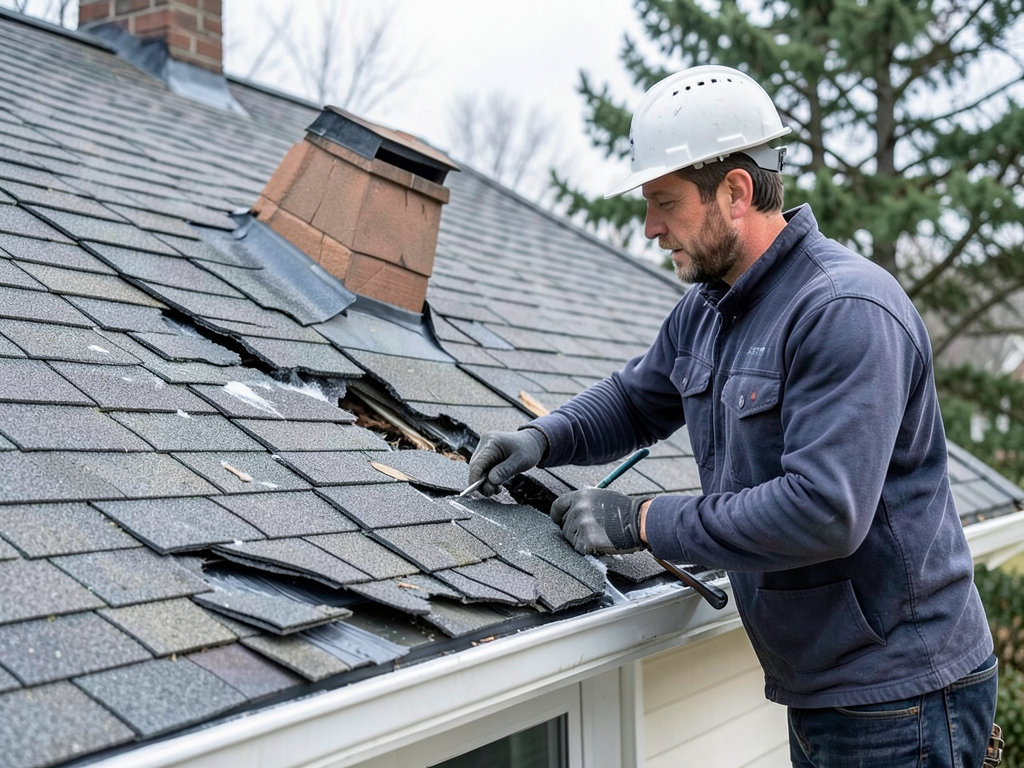
– Close-up photo showing cracked asphalt shingles with visible ice expansion gaps and lifted flashing edges.
Masonry Damage from Freeze-Thaw Cycles
Your home’s brick and mortar face the same destructive forces as your roof. Pittsburgh’s clay-heavy soil already puts stress on foundations through seasonal expansion and contraction. This movement creates tiny gaps in mortar joints that water enters.. Read more about How to Safely Clear Heavy Snow Off Your Roof Without Causing Damage (A Guide for Ross Township).
When temperatures drop the water in these joints expands with enough force to crack solid brick. Mortar deteriorates from the inside out. You cannot see the damage until it becomes severe enough to cause visible cracking or spalling where brick faces flake off.
The freeze-thaw process works faster on vertical surfaces like chimneys and parapet walls. These areas receive direct exposure to precipitation and temperature extremes. Water trapped behind brick faces freezes and pushes the outer layer outward until it breaks away.
Older Pittsburgh homes with soft clay bricks suffer the most damage. These bricks were never designed for our climate’s temperature extremes. Modern homes with harder bricks still face significant damage to mortar joints which remain the weakest point in the system.
Water that penetrates brick walls can travel to your attic space. It condenses on cold surfaces creating hidden moisture problems that lead to mold growth and wood rot. The freeze-thaw cycle turns your exterior walls into a moisture delivery system for your home’s interior.
Warning Signs of Freeze-Thaw Damage
Catching damage early saves thousands in repair costs. Look for these specific warning signs around your home’s roofline and masonry.
Roof damage appears as curled shingle edges especially on north-facing slopes that receive less sun. You will notice black asphalt showing through missing granules. Small cracks in shingles grow larger each season. Flashing around chimneys develops gaps where ice has lifted it away from the roof surface.
Gutters pull away from fascia boards as ice expansion forces fasteners loose. You may see water stains on exterior walls beneath roof overhangs where ice dams forced water backward under shingles. Interior warning signs include water spots on ceilings directly below roof valleys or around chimneys. Commercial Gutter Systems.
Masonry damage shows as horizontal cracking in mortar joints. Vertical cracks appear near corners where different materials meet. Brick faces develop a powdery white substance called efflorescence from water carrying minerals to the surface. Spalling creates rough patches where brick faces have flaked away.
Chimneys often show the most severe damage. You may see loose bricks or missing mortar near the top where freeze-thaw cycles concentrate. The chimney crown cracks and allows water into the flue system. These openings create pathways for water to enter your attic space.
Pittsburgh’s Climate Makes the Problem Worse
Western Pennsylvania’s climate creates ideal conditions for freeze-thaw damage. The region experiences 30 to 40 days each winter when temperatures cross the freezing threshold. This compares to just 10 to 15 such days in more northern climates.
Pittsburgh’s humidity levels average 70% year-round. This keeps building surfaces moist and ready to freeze. The “Gray City” nickname comes from persistent cloud cover that prevents surfaces from drying completely between precipitation events.. Read more about Why Your New Roof Needs a Drip Edge to Prevent Rotting Fascia in Whitehall.
Heavy lake-effect snow adds weight to already stressed roof structures. As snow melts and refreezes it creates ice dams that force water backward under shingles. The freeze-thaw cycle works on this trapped water creating additional pressure points.
Spring thunderstorms bring rapid temperature changes. A 40°F day can drop to 20°F overnight. This thermal shock creates maximum stress on building materials already weakened by winter damage. The freeze-thaw cycle continues into early spring when many homeowners think the danger has passed.. Read more about What Homeowners in Morningside Need to Know About Roofing an American Foursquare House.
Pittsburgh’s urban heat island effect creates additional problems. Dark roofs absorb heat during sunny winter days causing localized melting. This water flows to shaded areas where it refreezes creating ice dams and additional freeze-thaw stress points.
Preventing Freeze-Thaw Damage
Proper attic ventilation prevents many freeze-thaw problems. When warm air escapes through ridge vents and cool air enters through soffit vents your roof stays closer to outdoor temperatures. This reduces the melting and refreezing cycle that creates ice dams.
Attic insulation with proper R-value prevents heat from your living space from warming your roof. The 2021 International Residential Code requires R-49 insulation in Pittsburgh attics. This keeps your roof cold enough to prevent snow melt from the bottom up.
Ice and water shield underlayment provides critical protection in vulnerable areas. Building codes require this rubberized membrane in roof valleys and along eaves. It seals around nails and remains flexible in cold temperatures to prevent water infiltration.
Seam sealing with polyurethane caulk prevents water entry at flashing joints. This flexible sealant moves with temperature changes without losing its waterproof seal. Apply it to chimney flashing, vent pipes, and roof-to-wall transitions before winter.
Clean gutters prevent ice dam formation. When gutters clog with leaves and debris water backs up under shingles. Install gutter guards to keep debris out while allowing water flow. Make sure downspouts direct water at least five feet from your foundation.
Professional Repair Solutions
Professional inspection identifies freeze-thaw damage before it becomes catastrophic. A qualified roofer uses moisture meters to detect hidden water intrusion. They check for proper ventilation and insulation levels that prevent future problems.
Material selection matters for freeze-thaw resistance. Polymer-modified asphalt shingles flex better in temperature extremes than standard shingles. They cost 15% to 20% more but last significantly longer in Pittsburgh’s climate. Metal roofing reflects heat and prevents ice dam formation. Why Metal Roofing is Becoming the Top Choice for Homes in North Hills.
Masonry repair requires removing damaged mortar and replacing it with proper mix. Type S mortar with higher cement content resists freeze-thaw damage better than standard mortar. Proper tooling creates a weatherproof joint that sheds water instead of collecting it.
Chimney repair often requires complete rebuilding of the upper portion. This removes all damaged brick and mortar. Install a new chimney crown with proper slope and overhang to shed water. Add a chimney cap to prevent water entry while allowing proper ventilation.
Flashing replacement uses continuous pieces of metal bent to fit roof angles. Step flashing interlocks with shingles to prevent water entry. Counter flashing set into mortar joints creates a permanent waterproof seal. These details matter more than the flashing material itself. How Much a Full Roof Replacement Actually Costs in Pittsburgh Right Now.
When to Call a Professional
Call for professional inspection if you notice any of these conditions. Water stains on ceilings or walls indicate active leaks. Missing or damaged shingles leave your roof vulnerable to the next freeze-thaw cycle. Loose flashing around chimneys or vents creates water entry points.
Efflorescence on brick walls shows water is moving through your masonry. This moisture will freeze and cause expanding damage. Chimney damage including loose bricks or missing mortar creates fire hazards and water entry points.
Professional inspection costs $150 to $300 but identifies problems before they require major repairs. Most roofing companies offer free estimates for repair work if they find damage during inspection. The cost of prevention is always less than emergency repairs. Roofing Scranton.
Schedule inspections in late summer or early fall. This gives you time to complete repairs before winter freeze-thaw cycles begin. Many contractors offer off-season discounts when they have less emergency work.
Insurance may cover freeze-thaw damage if it results from a covered peril like wind or hail. Document damage with photos and keep repair receipts. Most policies exclude damage from normal wear and tear or poor maintenance.
Frequently Asked Questions
How many freeze-thaw cycles does Pittsburgh experience each winter?
Pittsburgh typically experiences 100 to 120 freeze-thaw cycles each winter. This compares to just 30 to 40 in northern climates and over 200 in southern regions. The number varies by year but our climate’s temperature swings guarantee significant freeze-thaw activity.
Can I prevent ice dams from forming on my roof?
Yes. Proper attic ventilation and insulation prevent ice dams by keeping your roof cold. Make sure you have continuous soffit and ridge vents. Add insulation to meet current code requirements. Install ice and water shield underlayment in vulnerable areas. Keep gutters clean and consider heat cables in problem spots.
How long does freeze-thaw damage take to become visible?
Freeze-thaw damage often takes 3 to 5 years to become visible to homeowners. The process starts with microscopic cracks that expand slowly. By the time you notice curling shingles or mortar cracks significant damage has already occurred inside your walls or attic.
Should I repair or replace my roof if it has freeze-thaw damage?
This depends on the extent of damage. If less than 30% of your roof shows damage and your shingles are under 15 years old repair is usually the best option. Extensive damage or older roofs often justify replacement with more durable materials designed for our climate.
Does homeowners insurance cover freeze-thaw damage?
Standard homeowners policies exclude damage from normal freeze-thaw cycles as a maintenance issue. However they may cover damage if it results from a covered peril like wind or hail that exposes your roof to freeze-thaw damage. Document everything and check with your insurance agent about specific coverage.
Protect Your Home from Pittsburgh’s Freeze-Thaw Cycles
Your home faces constant assault from Pittsburgh’s freeze-thaw cycles. Water expands by 9% when freezing and this force breaks apart your roof and masonry one cycle at a time. The damage starts small but grows until you face major repairs or replacement.
Early detection saves money. Look for curled shingles, missing granules, loose flashing, and masonry cracks. These warning signs tell you water is already penetrating your home’s protective envelope. Don’t wait for water stains on your ceiling to take action.
Professional inspection identifies problems before they become emergencies. A qualified roofer checks for proper ventilation, insulation, and waterproofing details that prevent freeze-thaw damage. They recommend materials designed for our climate’s temperature extremes.
Prevention costs less than repair. Install proper underlayment, seal flashing joints, clean gutters, and maintain ventilation systems. These steps protect your home from the freeze-thaw damage that ruins roofs and masonry across Pittsburgh every winter.
Don’t let freeze-thaw cycles destroy your home’s roofline and masonry. Call (878) 209-5522 today to schedule your professional inspection. Our experts will identify freeze-thaw damage and recommend solutions that protect your home for years to come. Pick up the phone and call (878) 209-5522 before the next freeze-thaw cycle causes expensive damage to your roof and walls. Expert Slate Roof Repair Services for Sewickley Historic Properties.
Take action now. Your home faces over 100 freeze-thaw cycles this winter alone. Each cycle widens existing cracks and creates new ones. Professional inspection and repair prevent minor damage from becoming major structural problems. Call (878) 209-5522 to protect your home from Pittsburgh’s destructive freeze-thaw cycles. For more information, visit FEMA.
You may also find this helpful. Why Your Dormer Windows Might Be the Real Source of That Leaky Roof in Highland Park.
{
“@context”: “https://schema.org”,
“@type”: “BlogPosting”,
“headline”: “Why the Constant Pittsburgh Freeze-Thaw Cycle is Ruining Your Roofline and Masonry”,
“description”: “Pittsburgh’s freeze-thaw cycles cause roofline and masonry damage. Learn how water expansion cracks shingles and mortar. Call (878) 209-5522 for expert inspection.”,
“wordCount”: 2141,
“datePublished”: “2026-05-19T09:47:00.000Z”,
“dateModified”: “2026-05-19T09:47:00.000Z”,
“inLanguage”: “en-US”,
“mainEntityOfPage”: {
“@type”: “WebPage”,
“@id”: “https://victoryroofingpittsburgh.com”
},
“publisher”: {
“@type”: “LocalBusiness”,
“name”: “Victory Roofing Pittsburgh”,
“url”: “https://victoryroofingpittsburgh.com”
},
“author”: {
“@type”: “Organization”,
“name”: “Victory Roofing Pittsburgh”,
“url”: “https://victoryroofingpittsburgh.com”
},
“image”: {
“@type”: “ImageObject”,
“url”: “https://victoryroofingpittsburgh.com/wp-content/uploads/2026/03/why-the-constant-pittsburgh-freeze-thaw-cycle-is-r-1.png”
}
}
{
“@context”: “https://schema.org”,
“@type”: “RoofingContractor”,
“name”: “Victory Roofing Pittsburgh”,
“url”: “https://victoryroofingpittsburgh.com”,
“address”: {
“@type”: “PostalAddress”,
“addressLocality”: “Pittsburgh”
},
“areaServed”: {
“@type”: “City”,
“name”: “Pittsburgh”
}
}
{
“@context”: “https://schema.org”,
“@type”: “FAQPage”,
“mainEntity”: [
{
“@type”: “Question”,
“name”: “How many freeze-thaw cycles does Pittsburgh experience each winter?”,
“acceptedAnswer”: {
“@type”: “Answer”,
“text”: “Pittsburgh typically experiences 100 to 120 freeze-thaw cycles each winter. This compares to just 30 to 40 in northern climates and over 200 in southern regions. The number varies by year but our climate’s temperature swings guarantee significant freeze-thaw activity.”
}
},
{
“@type”: “Question”,
“name”: “Can I prevent ice dams from forming on my roof?”,
“acceptedAnswer”: {
“@type”: “Answer”,
“text”: “Yes. Proper attic ventilation and insulation prevent ice dams by keeping your roof cold. Make sure you have continuous soffit and ridge vents. Add insulation to meet current code requirements. Install ice and water shield underlayment in vulnerable areas. Keep gutters clean and consider heat cables in problem spots.”
}
},
{
“@type”: “Question”,
“name”: “How long does freeze-thaw damage take to become visible?”,
“acceptedAnswer”: {
“@type”: “Answer”,
“text”: “Freeze-thaw damage often takes 3 to 5 years to become visible to homeowners. The process starts with microscopic cracks that expand slowly. By the time you notice curling shingles or mortar cracks significant damage has already occurred inside your walls or attic.”
}
},
{
“@type”: “Question”,
“name”: “Should I repair or replace my roof if it has freeze-thaw damage?”,
“acceptedAnswer”: {
“@type”: “Answer”,
“text”: “This depends on the extent of damage. If less than 30% of your roof shows damage and your shingles are under 15 years old repair is usually the best option. Extensive damage or older roofs often justify replacement with more durable materials designed for our climate.”
}
},
{
“@type”: “Question”,
“name”: “Does homeowners insurance cover freeze-thaw damage?”,
“acceptedAnswer”: {
“@type”: “Answer”,
“text”: “Standard homeowners policies exclude damage from normal freeze-thaw cycles as a maintenance issue. However they may cover damage if it results from a covered peril like wind or hail that exposes your roof to freeze-thaw damage. Document everything and check with your insurance agent about specific coverage.”
}
}
]
}
{
“@context”: “https://schema.org”,
“@type”: “BreadcrumbList”,
“itemListElement”: [
{
“@type”: “ListItem”,
“position”: 1,
“name”: “Home”,
“item”: “https://victoryroofingpittsburgh.com”
},
{
“@type”: “ListItem”,
“position”: 2,
“name”: “Blog”,
“item”: “https://victoryroofingpittsburgh.com/blog”
},
{
“@type”: “ListItem”,
“position”: 3,
“name”: “Why the Constant Pittsburgh Freeze-Thaw Cycle is Ruining Your Roofline and Masonry”
}
]
}
{
“@context”: “https://schema.org”,
“@type”: “Service”,
“serviceType”: “Roofing”,
“provider”: {
“@type”: “LocalBusiness”,
“name”: “Victory Roofing Pittsburgh”,
“url”: “https://victoryroofingpittsburgh.com”
},
“areaServed”: {
“@type”: “City”,
“name”: “Pittsburgh”
},
“description”: “Pittsburgh’s freeze-thaw cycles cause roofline and masonry damage. Learn how water expansion cracks shingles and mortar. Call (878) 209-5522 for expert inspection.”
}