
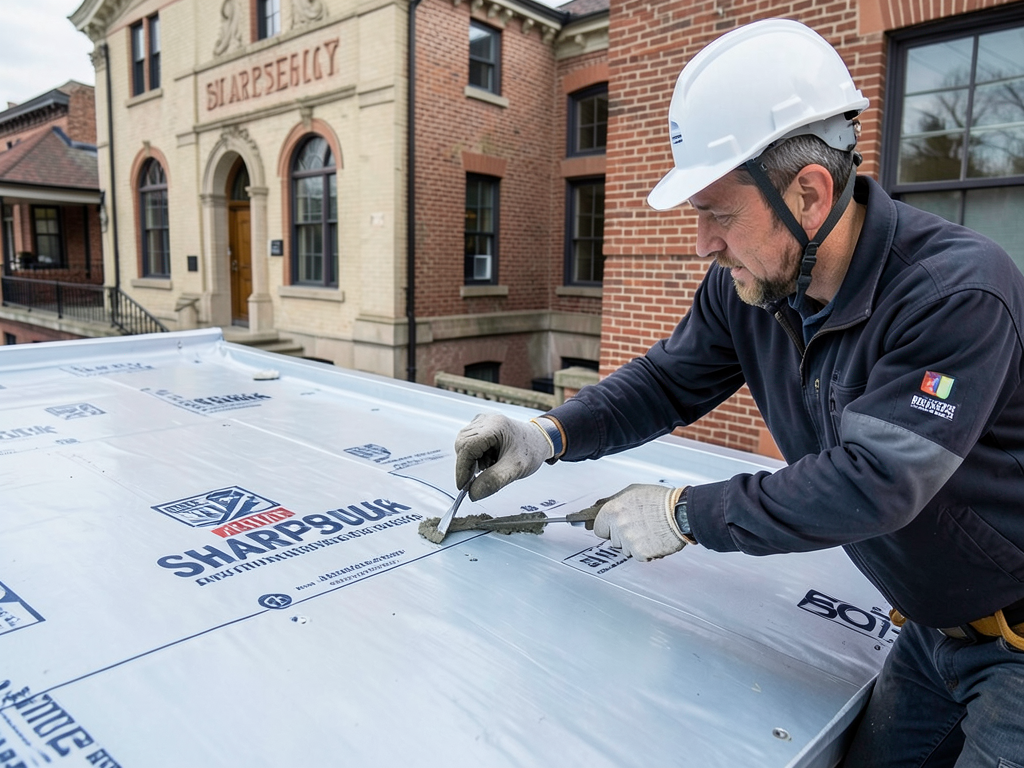
Modern Solutions for Maintaining a Flat Roof on Older Sharpsburg Buildings
Flat roofs on older Sharpsburg buildings face unique challenges from Pittsburgh’s harsh freeze-thaw cycles and heavy lake-effect snow. Without proper maintenance these systems can fail catastrophically leading to water damage and expensive emergency repairs. This guide provides practical solutions for preserving your flat roof’s integrity through seasonal care and early problem detection. Homeowner’s Guide to Roofing.
Why Sharpsburg’s Historic Flat Roofs Need Special Attention
Sharpsburg’s mix of late 19th and early 20th century commercial and residential buildings features flat roofing systems that weren’t designed for today’s extreme weather patterns. The neighborhood’s proximity to the Allegheny River creates unique moisture challenges while the freeze-thaw cycles common to Western Pennsylvania cause repeated expansion and contraction of roofing membranes. Many buildings along Main Street and around 15th Street still rely on original or near-original roofing materials that have exceeded their intended lifespan. Why Metal Roofing is Becoming the Top Choice for Homes in North Hills.
Local building inspectors report that flat roofs in Sharpsburg experience higher failure rates than sloped roofs due to inadequate drainage and age-related deterioration. The area’s combined sewer system also creates additional pressure on roof drainage during heavy rainfall events. Property owners along Church Hill Road and near the former Allegheny Valley Railroad corridor particularly need to monitor their roof systems for early signs of failure.. Read more about Are Sustainable Green Roofs a Viable Option for Modern Homes in East Liberty?.
Seasonal Maintenance Checklist for Sharpsburg Flat Roofs
Following a seasonal maintenance schedule helps prevent minor issues from becoming major problems. Each season brings specific challenges that require different approaches.
- Spring Inspection and Cleaning
Remove winter debris including fallen branches and accumulated leaves. Check for damage from ice dams and inspect all seams for separation. Test drainage systems by running water through scuppers and internal drains.
- Summer UV Protection
Apply reflective coatings to protect against UV degradation. Check for blistering caused by trapped moisture. Inspect flashings around HVAC units and vents for deterioration.. Read more about Why Silicone Roof Coatings are the Best Fix for Leaky Flat Roofs in Etna.
- Fall Gutter Preparation
Clean all gutters and downspouts to handle autumn leaf fall. Check roof slope for proper drainage. Install heat cables if needed for ice prevention.
- Winter Snow Load Management
Monitor snow accumulation and remove when it exceeds 6 inches. Check for ice dam formation at roof edges. Ensure emergency drains remain clear of ice.
Material-Specific Care: EPDM vs. TPO vs. PVC Performance in Pittsburgh
Each roofing membrane type responds differently to Pittsburgh’s climate. Understanding these differences helps property owners make informed maintenance decisions.
| Material Type | Lifespan in Pittsburgh | Climate Vulnerabilities | Maintenance Frequency |
|---|---|---|---|
| EPDM Rubber | 20-25 years | UV degradation, seam separation | Bi-annual |
| TPO Thermoplastic | 15-20 years | Ponding water, thermal expansion | Quarterly |
| PVC Membrane | 25-30 years | Chemical exposure, wind uplift | Bi-annual |
EPDM roofs common on older Sharpsburg buildings require careful seam inspection as they age. The rubber material becomes brittle after 15-20 years especially on south-facing exposures. TPO systems installed on newer commercial properties along Main Street need frequent drainage checks as ponding water accelerates membrane deterioration. PVC membranes offer the best resistance to Pittsburgh’s freeze-thaw cycles but require specialized welding for repairs. Reliable Commercial Flat Roof Repair in the Strip District and Downtown.
Identifying Common Flat Roof Problems Early
Early detection prevents minor issues from becoming major structural problems. Property owners should conduct visual inspections every three months and after severe weather events.
Ponding Water Issues: Standing water that remains for more than 48 hours indicates drainage problems. This creates ideal conditions for algae growth and accelerates membrane breakdown. Look for dark spots or discoloration where water consistently collects.
Membrane Blistering: Bubbles or raised areas in the roofing surface indicate trapped moisture or delamination. These spots feel spongy when pressed and often appear in rows following the membrane installation pattern.
Flashing Failures: Metal flashings around chimneys, vents, and roof edges deteriorate faster than membrane materials. Look for rust spots, separated joints, or missing sealant. Pay special attention to areas where different roofing planes meet.
Edge Deterioration: The perimeter of flat roofs experiences the most wind damage. Check for lifted membrane edges, exposed fasteners, or deteriorating termination bars. This area often fails first during severe storms.
Professional Inspection vs. DIY Maintenance: When to Call Experts
Property owners can handle basic maintenance tasks but certain situations require professional expertise. Understanding these boundaries prevents voided warranties and unsafe conditions. Expert Slate Roof Repair Services for Sewickley Historic Properties.
Safe DIY Tasks: Visual inspections from ground level using binoculars, clearing debris from accessible areas, and monitoring drainage patterns. Property owners can also apply manufacturer-approved coatings and sealants.
Professional Requirements: Any work involving membrane repairs, structural assessments, or warranty compliance must be performed by certified roofing contractors. Professionals have the equipment and training to safely work on roofs and properly document repairs for insurance purposes.
According to the National Roofing Contractors Association (NRCA) guidelines buildings in Allegheny County should receive professional inspections at least twice yearly. Buildings over 30 years old or those with documented leak history require quarterly inspections. The Pennsylvania Uniform Construction Code requires licensed contractors for any work that penetrates the roof membrane. National Roofing Contractors Association.
Emergency Response for Flat Roof Failures
Quick action minimizes damage when flat roof problems occur. Property owners should have an emergency response plan ready before problems arise.
Immediate Steps: Move valuable items away from leak areas. Place buckets under active leaks. Document damage with photos for insurance purposes. Contact a professional roofing contractor immediately.
Temporary Protection: Use tarps to cover damaged areas if safe to do so. Avoid walking on saturated roof areas as this can cause additional damage. Never attempt permanent repairs during active leaks.
Emergency roofing services in Pittsburgh typically respond within 2-4 hours during business hours. After-hours emergency calls may have longer response times especially during severe weather events when multiple properties experience simultaneous damage.
Cost-Benefit Analysis of Preventive Maintenance
Preventive maintenance costs significantly less than emergency repairs or premature replacement. Understanding these economics helps property owners budget appropriately. How Much a Full Roof Replacement Actually Costs in Pittsburgh Right Now.
| Maintenance Level | Annual Cost Range | Expected Lifespan Extension | Risk Reduction |
|---|---|---|---|
| Basic DIY | $200-$500 | 2-3 years | Low |
| Professional Quarterly | $800-$1,500 | 5-7 years | Medium |
| Comprehensive Annual | $1,200-$2,500 | 8-10 years | High |
Property owners who invest in comprehensive maintenance programs typically save 40-60% on lifetime roofing costs compared to those who only address problems reactively. The initial investment in quality materials and professional installation also significantly impacts long-term performance.
Local Building Code Considerations for Sharpsburg
Sharpsburg properties must comply with Allegheny County building codes and Pennsylvania state regulations. These requirements affect everything from material selection to installation methods.
The Pennsylvania Uniform Construction Code requires specific fire ratings for commercial buildings based on occupancy type. Buildings in historic districts may face additional restrictions on visible modifications. Local zoning ordinances also dictate maximum building heights and setback requirements that can impact roof design.. Read more about Maintaining the Historic Character of Your Bloomfield Victorian With the Right Roof Choice.
Commercial properties must comply with ADA accessibility requirements if roof access is provided for maintenance personnel. This includes proper ladder anchorage and guardrail systems where required by OSHA regulations.
Energy Efficiency and Modern Roofing Technologies
Modern flat roofing systems offer significant energy efficiency improvements over older installations. These upgrades can reduce heating and cooling costs while extending roof life.
Cool roof coatings reflect up to 85% of solar radiation reducing cooling costs by 15-30% in summer months. These coatings also protect the underlying membrane from UV damage extending its useful life. Many Sharpsburg property owners qualify for energy efficiency rebates through Duquesne Light and other utility providers. Duquesne Light energy efficiency rebates.
Green roof systems provide additional insulation while managing stormwater runoff. These systems require specialized engineering and structural reinforcement but offer excellent long-term value for commercial properties.
Frequently Asked Questions
How often should I inspect my flat roof in Pittsburgh?
Professional inspections should occur at least twice yearly with additional checks after severe weather. DIY visual inspections should happen quarterly to catch developing problems early.
What’s the average lifespan of a flat roof in Sharpsburg?
Properly maintained flat roofs typically last 20-30 years depending on material quality and maintenance frequency. Older buildings may need replacement sooner due to accumulated wear and outdated materials.
Can I install a new roof over my existing flat roof?
Roof recover is possible in some cases but requires inspection to verify structural capacity and existing roof condition. Many building codes require complete removal for roofs over certain ages or with existing moisture damage.
How much does flat roof maintenance cost in Pittsburgh?
Basic maintenance ranges from $200-$500 annually while comprehensive professional programs cost $1,200-$2,500 per year. Emergency repairs can cost $500-$5,000 depending on damage extent.
What signs indicate my flat roof needs replacement?
Multiple active leaks, widespread membrane deterioration, structural sagging, or repeated emergency repairs indicate replacement is needed. Professional assessment can determine if repair or replacement is most cost-effective.
Protecting Your Investment
Flat roofs on older Sharpsburg buildings represent significant investments that require ongoing attention to maximize their value. The neighborhood’s unique combination of historic architecture and challenging climate creates specific maintenance requirements that differ from newer construction.
Property owners who implement comprehensive maintenance programs typically experience fewer emergency repairs and longer roof lifespans. The cost of preventive maintenance always proves less expensive than emergency replacement or interior water damage repairs.
Understanding your specific roof system’s requirements and following seasonal maintenance schedules helps protect your building and its contents. When problems do occur quick professional response prevents minor issues from becoming major structural problems.
Call (878) 209-5522 today to schedule your professional flat roof inspection before the next Pittsburgh storm hits. Our experienced technicians understand Sharpsburg’s unique roofing challenges and can help you develop a maintenance plan that protects your investment for years to come.
You may also find this helpful. Why Your Squirrel Hill Flat Roof Needs a TPO Overlay Rather Than a Full Tear Off.
{
“@context”: “https://schema.org”,
“@type”: “BlogPosting”,
“headline”: “Modern Solutions for Maintaining a Flat Roof on Older Sharpsburg Buildings”,
“description”: “Expert flat roof maintenance for Sharpsburg’s historic buildings. Learn EPDM, TPO, and PVC care tips to prevent costly damage from Pittsburgh’s freeze-thaw cycles.”,
“wordCount”: 1606,
“datePublished”: “2026-04-12T11:44:00.000Z”,
“dateModified”: “2026-04-12T11:44:00.000Z”,
“inLanguage”: “en-US”,
“mainEntityOfPage”: {
“@type”: “WebPage”,
“@id”: “https://victoryroofingpittsburgh.com”
},
“publisher”: {
“@type”: “LocalBusiness”,
“name”: “Victory Roofing Pittsburgh”,
“url”: “https://victoryroofingpittsburgh.com”
},
“author”: {
“@type”: “Organization”,
“name”: “Victory Roofing Pittsburgh”,
“url”: “https://victoryroofingpittsburgh.com”
},
“image”: {
“@type”: “ImageObject”,
“url”: “https://victoryroofingpittsburgh.com/wp-content/uploads/2026/03/modern-solutions-for-maintaining-a-flat-roof-on-ol-1.png”
}
}
{
“@context”: “https://schema.org”,
“@type”: “RoofingContractor”,
“name”: “Victory Roofing Pittsburgh”,
“url”: “https://victoryroofingpittsburgh.com”,
“address”: {
“@type”: “PostalAddress”,
“addressLocality”: “Pittsburgh”
},
“areaServed”: {
“@type”: “City”,
“name”: “Pittsburgh”
}
}
{
“@context”: “https://schema.org”,
“@type”: “FAQPage”,
“mainEntity”: [
{
“@type”: “Question”,
“name”: “How often should I inspect my flat roof in Pittsburgh?”,
“acceptedAnswer”: {
“@type”: “Answer”,
“text”: “Professional inspections should occur at least twice yearly with additional checks after severe weather. DIY visual inspections should happen quarterly to catch developing problems early.”
}
},
{
“@type”: “Question”,
“name”: “What’s the average lifespan of a flat roof in Sharpsburg?”,
“acceptedAnswer”: {
“@type”: “Answer”,
“text”: “Properly maintained flat roofs typically last 20-30 years depending on material quality and maintenance frequency. Older buildings may need replacement sooner due to accumulated wear and outdated materials.”
}
},
{
“@type”: “Question”,
“name”: “Can I install a new roof over my existing flat roof?”,
“acceptedAnswer”: {
“@type”: “Answer”,
“text”: “Roof recover is possible in some cases but requires inspection to verify structural capacity and existing roof condition. Many building codes require complete removal for roofs over certain ages or with existing moisture damage.”
}
},
{
“@type”: “Question”,
“name”: “How much does flat roof maintenance cost in Pittsburgh?”,
“acceptedAnswer”: {
“@type”: “Answer”,
“text”: “Basic maintenance ranges from $200-$500 annually while comprehensive professional programs cost $1,200-$2,500 per year. Emergency repairs can cost $500-$5,000 depending on damage extent.”
}
},
{
“@type”: “Question”,
“name”: “What signs indicate my flat roof needs replacement?”,
“acceptedAnswer”: {
“@type”: “Answer”,
“text”: “Multiple active leaks, widespread membrane deterioration, structural sagging, or repeated emergency repairs indicate replacement is needed. Professional assessment can determine if repair or replacement is most cost-effective.”
}
}
]
}
{
“@context”: “https://schema.org”,
“@type”: “HowTo”,
“name”: “Seasonal Flat Roof Maintenance”,
“step”: [
{
“@type”: “HowToStep”,
“position”: 1,
“name”: “Spring Inspection and Cleaning”,
“text”: “Remove winter debris including fallen branches and accumulated leaves. Check for damage from ice dams and inspect all seams for separation. Test drainage systems by running water through scuppers and internal drains.”
},
{
“@type”: “HowToStep”,
“position”: 2,
“name”: “Summer UV Protection”,
“text”: “Apply reflective coatings to protect against UV degradation. Check for blistering caused by trapped moisture. Inspect flashings around HVAC units and vents for deterioration.”
},
{
“@type”: “HowToStep”,
“position”: 3,
“name”: “Fall Gutter Preparation”,
“text”: “Clean all gutters and downspouts to handle autumn leaf fall. Check roof slope for proper drainage. Install heat cables if needed for ice prevention.”
},
{
“@type”: “HowToStep”,
“position”: 4,
“name”: “Winter Snow Load Management”,
“text”: “Monitor snow accumulation and remove when it exceeds 6 inches. Check for ice dam formation at roof edges. Ensure emergency drains remain clear of ice.”
}
],
“image”: “https://victoryroofingpittsburgh.com/wp-content/uploads/2026/03/modern-solutions-for-maintaining-a-flat-roof-on-ol-1.png”
}
{
“@context”: “https://schema.org”,
“@type”: “BreadcrumbList”,
“itemListElement”: [
{
“@type”: “ListItem”,
“position”: 1,
“name”: “Home”,
“item”: “https://victoryroofingpittsburgh.com”
},
{
“@type”: “ListItem”,
“position”: 2,
“name”: “Blog”,
“item”: “https://victoryroofingpittsburgh.com/blog”
},
{
“@type”: “ListItem”,
“position”: 3,
“name”: “Modern Solutions for Maintaining a Flat Roof on Older Sharpsburg Buildings”
}
]
}
{
“@context”: “https://schema.org”,
“@type”: “Service”,
“serviceType”: “Roofing”,
“provider”: {
“@type”: “LocalBusiness”,
“name”: “Victory Roofing Pittsburgh”,
“url”: “https://victoryroofingpittsburgh.com”
},
“areaServed”: {
“@type”: “City”,
“name”: “Pittsburgh”
},
“description”: “Expert flat roof maintenance for Sharpsburg’s historic buildings. Learn EPDM, TPO, and PVC care tips to prevent costly damage from Pittsburgh’s freeze-thaw cycles.”
}