
Protecting Your Jefferson Hills Roof From Intense Summer Sun Damage
The intense summer sun in Jefferson Hills can silently destroy your roof before you even notice. UV radiation breaks down asphalt shingles at the molecular level, causing them to become brittle and crack. This damage accelerates when combined with Pittsburgh’s dramatic temperature swings, where hot days can plummet 30 degrees overnight. Your roof faces a perfect storm of sun damage in this elevated suburb.
Jefferson Hills sits at a higher elevation than downtown Pittsburgh, which means roofs here receive more direct UV exposure. The combination of Pennsylvania’s high summer humidity and intense afternoon sun creates conditions where asphalt shingles can reach surface temperatures exceeding 150 degrees. When those scorching shingles suddenly cool during evening thunderstorms, the rapid contraction causes thermal shock that leads to cracking and splitting.. Read more about Are Sustainable Green Roofs a Viable Option for Modern Homes in East Liberty?.
Understanding how sun damage progresses helps you protect your investment. The process starts with UV rays breaking down the chemical bonds in asphalt, causing the oils to evaporate. This makes shingles brittle and prone to cracking. Next, thermal expansion and contraction from daily temperature swings creates stress fractures. Finally, granule loss exposes the underlying asphalt to even more UV damage, creating a destructive cycle that can cut your roof’s lifespan by years.
5 Warning Signs of Sun Damage on Your Jefferson Hills Roof
Early detection prevents costly repairs. Here are the five most common signs of sun damage that Jefferson Hills homeowners should watch for:
- Bubbling or blistering – Raised areas on shingles indicate trapped moisture expanding from heat. These blisters eventually pop, leaving bare spots.
- Granule accumulation in gutters – If you find sand-like granules in your downspouts, your shingles are deteriorating. This is especially common after intense summer heat.
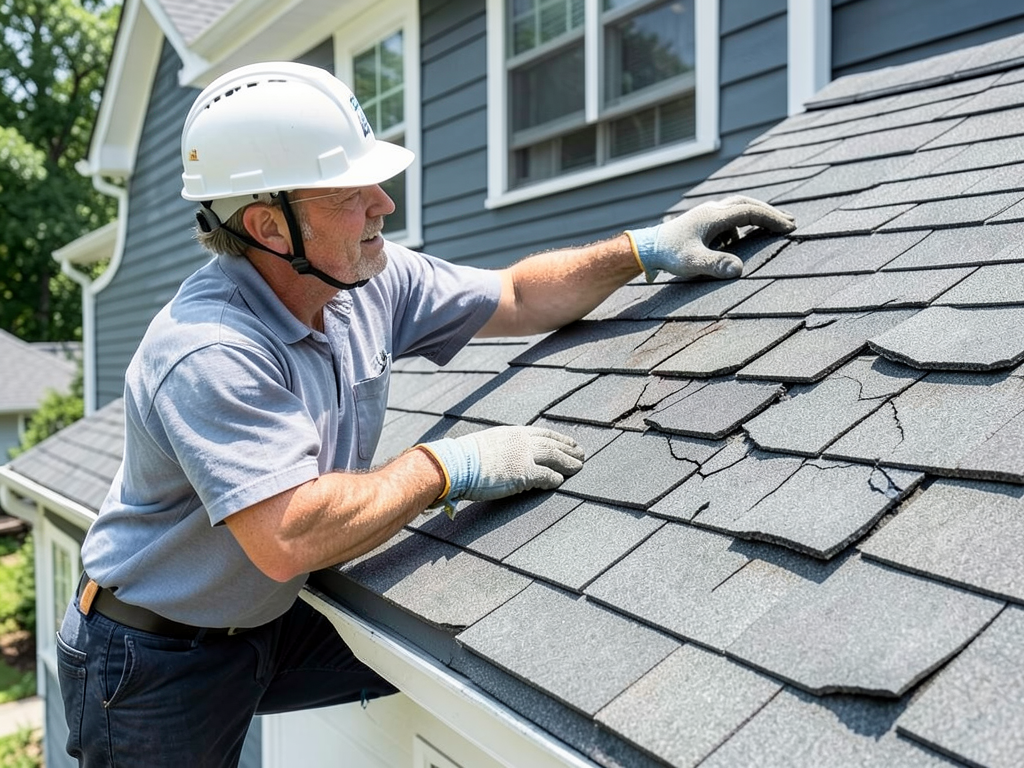
- Cracking and splitting – Fine cracks running across shingles show UV-induced brittleness. These often appear worse on south-facing slopes that get the most sun.
- Curling edges – Shingles that curl upward at the edges cannot shed water properly. This creates entry points for moisture during summer thunderstorms.
- Fading or discoloration – Significant color changes indicate UV degradation. Dark shingles may turn gray or develop white patches where granules have worn away.
Many Jefferson Hills homes built in the 1990s and early 2000s are now reaching the age where sun damage becomes critical. The area’s mix of ranch-style homes and two-story colonials each face unique challenges. Ranch homes have larger roof surface areas exposed to sun, while taller homes experience more dramatic temperature swings between attic spaces and outdoor air.
Why Pittsburgh’s Climate Accelerates Roof Wear in Jefferson Hills
Western Pennsylvania’s climate creates a perfect environment for accelerated roof deterioration. The region experiences what meteorologists call “high diurnal temperature variation” – the difference between daily high and low temperatures. In Jefferson Hills, this swing often exceeds 30 degrees during summer months.
This temperature variation causes what roofing professionals call “thermal cycling.” When asphalt shingles heat up during the day, they expand. At night, they contract as temperatures drop. This constant expansion and contraction weakens the shingle’s internal structure over time. The problem compounds when humidity levels remain high, as moisture trapped in the shingle material expands and contracts along with temperature changes. Why Metal Roofing is Becoming the Top Choice for Homes in North Hills.
Jefferson Hills’ location in the Monongahela River valley also affects roof performance. The valley traps heat and humidity, creating microclimates where temperatures can be several degrees higher than surrounding areas. This “heat island” effect means roofs in Jefferson Hills age faster than those in more open areas.
Local building codes in Jefferson Hills require specific underlayment standards for new installations. According to the Pittsburgh Department of Permits, Licenses and Inspections, roofs must use synthetic underlayment in areas prone to high UV exposure. This underlayment provides an additional moisture barrier when shingles fail due to sun damage.
Repair vs. Replacement: Making the Right Decision for Your Roof
Not all sun damage requires complete roof replacement. The extent of damage, your roof’s age, and the underlying structure all factor into this decision. Here’s a simple guide to help you determine the best course of action: How Much a Full Roof Replacement Actually Costs in Pittsburgh Right Now.
| Damage Level | Recommended Action | Expected Cost Range |
|---|---|---|
| Isolated blistering on <10% of roof | Spot repair and granule replacement | $300-$800 |
| Moderate cracking on 10-30% of roof | Partial re-roofing of affected sections | $2,500-$5,000 |
| Extensive damage on >30% of roof | Full roof replacement recommended | $8,000-$15,000 |
| Multiple leaks with structural issues | Complete replacement with decking repair | $12,000-$20,000 |
The age of your roof plays a crucial role in this decision. Most asphalt shingle roofs in Jefferson Hills last 15-22 years, depending on the specific product and installation quality. If your roof is approaching this age and shows significant sun damage, replacement often proves more cost-effective than repeated repairs.
A simple diagnostic test can help determine your roof’s condition. Using a flathead screwdriver, gently press on several shingles in different areas of your roof. If the shingle cracks easily or feels brittle, sun damage has compromised its integrity. This “screwdriver test” reveals hidden deterioration that isn’t visible from the ground.
Preventative Measures: Ventilation and Reflective Materials
Proper attic ventilation is your first line of defense against sun damage. When hot air becomes trapped in your attic, it “bakes” the underside of your shingles, accelerating deterioration. Building codes in Jefferson Hills require specific ventilation ratios – typically 1 square foot of vent area for every 150 square feet of attic floor space.
Modern ridge vent systems create continuous airflow along your roof’s peak. This allows hot air to escape while drawing in cooler air through soffit vents. The result is an attic temperature that stays within 10-15 degrees of the outdoor temperature, rather than the 30-40 degree differentials that cause thermal stress on shingles.
Reflective roofing materials offer another layer of protection. “Cool roof” shingles contain special granules that reflect infrared radiation, reducing surface temperatures by 10-15 degrees. These materials cost 10-15% more than standard shingles but can extend your roof’s life by 3-5 years in sunny climates like Jefferson Hills. Roofing Scranton.
According to the U.S. Department of Energy, reflective roofing can reduce cooling costs by 7-15% in warm climates. While Jefferson Hills experiences cold winters, the summer cooling savings often offset the additional material costs within 5-7 years.
Jefferson Hills-Specific Maintenance Calendar
Timing your roof maintenance to Jefferson Hills’ specific weather patterns maximizes protection. Here’s a seasonal maintenance schedule tailored to our local climate:
- Early Spring (March-April) – Inspect for winter damage and clear debris from valleys and gutters. Check for lifted shingles from ice dams.
- Late Spring (May) – Professional inspection to identify any sun damage developing from early season UV exposure.
- Early Summer (June) – Clean gutters and downspouts. Trim tree branches that could damage shingles during summer storms.
- Mid-Summer (July-August) – Monitor for granule loss and blistering during peak UV season. Check attic ventilation effectiveness.
- Early Fall (September) – Final inspection before winter. Address any damage before freeze-thaw cycles begin.
- Late Fall (November) – Clear leaves and debris. Ensure proper attic insulation to prevent ice dams.
This schedule aligns with Jefferson Hills’ weather patterns, where summer thunderstorms typically peak in July and August. Getting your roof inspected before this period helps identify vulnerabilities that could lead to leaks during intense storms.
Many Jefferson Hills homeowners don’t realize that their homeowner’s insurance may cover sudden sun damage but not gradual deterioration. Insurance companies consider gradual wear and tear a maintenance issue. However, if a severe heat wave causes sudden blistering or cracking across your roof, you might have coverage under the sudden damage provision.
Documenting your roof’s condition with photos each season creates a valuable record. If you need to file a claim, this documentation proves the damage was sudden rather than gradual deterioration. It also helps roofing contractors provide accurate assessments of whether repair or replacement makes more sense.
The elevation of Jefferson Hills means roofs here receive approximately 5% more UV radiation than properties at lower elevations in Pittsburgh. This seemingly small difference compounds over years, making sun damage prevention especially important for homes in this area. Combined with the region’s high humidity levels, which can reach 85% during summer months, your roof faces unique challenges that require specific protection strategies.
Modern roofing technology offers solutions specifically designed for challenging climates like Western Pennsylvania. Impact-resistant shingles with reinforced fiberglass matting withstand both sun damage and the hail storms that occasionally sweep through the Mon Valley. These premium shingles cost 20-25% more but provide superior protection against Jefferson Hills’ specific weather challenges.
Your roof is your home’s first defense against Pittsburgh’s volatile weather. Taking proactive steps now prevents costly emergency repairs later. Whether you need a simple inspection or are considering upgrading to more durable materials, understanding how Jefferson Hills’ unique sun exposure affects your roof helps you make informed decisions about protection and maintenance.
Frequently Asked Questions
How long should an asphalt shingle roof last in Jefferson Hills?
Most asphalt shingle roofs in Jefferson Hills last 15-22 years, depending on the specific product quality, installation, and maintenance. Higher-quality architectural shingles can last up to 30 years with proper care.
Can I repair sun-damaged shingles myself?
Minor repairs like replacing a few cracked shingles can be DIY projects if you’re comfortable on ladders. However, widespread damage or repairs near roof valleys should be handled by professionals to prevent leaks and ensure proper sealing.
Does homeowners insurance cover sun damage to roofs?
Most policies cover sudden, unexpected damage but not gradual deterioration from normal wear and tear. If a severe heat event causes sudden blistering across your roof, you might have coverage. Check your specific policy details.
What’s the best time of year to replace a roof in Jefferson Hills?
Late spring through early fall offers the most reliable weather for roof replacement. However, professional roofers work year-round in Jefferson Hills, using specialized techniques for cold-weather installations when necessary. Reliable Commercial Flat Roof Repair in the Strip District and Downtown.
How can I tell if my attic ventilation is adequate?
Check your attic on a hot day. If the temperature feels 20+ degrees hotter than outside, your ventilation likely needs improvement. Signs include moisture on rafters, mold growth, or ice dams forming in winter.
Call (878) 209-5522 today to schedule your comprehensive roof inspection. Our Jefferson Hills roofing experts will identify sun damage before it becomes a costly problem and recommend the best protection strategy for your home. Expert Slate Roof Repair Services for Sewickley Historic Properties.
Don’t wait until small cracks become major leaks. Pick up the phone and call (878) 209-5522 before the next summer storm hits. We’ll help you protect your Jefferson Hills home from the destructive effects of intense summer sun.
You may also find this helpful. Lowering Your Energy Bills in Baldwin With Reflective Cooling Roof Systems.
{
“@context”: “https://schema.org”,
“@type”: “BlogPosting”,
“headline”: “Protecting Your Jefferson Hills Roof From Intense Summer Sun Damage”,
“description”: “Learn how Pittsburgh’s summer sun damages Jefferson Hills roofs through UV radiation, thermal shock, and granule loss. Get expert tips to protect your home.”,
“wordCount”: 1796,
“datePublished”: “2026-04-03T12:24:00.000Z”,
“dateModified”: “2026-04-03T12:24:00.000Z”,
“inLanguage”: “en-US”,
“mainEntityOfPage”: {
“@type”: “WebPage”,
“@id”: “https://victoryroofingpittsburgh.com”
},
“publisher”: {
“@type”: “LocalBusiness”,
“name”: “Victory Roofing Pittsburgh”,
“url”: “https://victoryroofingpittsburgh.com”
},
“author”: {
“@type”: “Organization”,
“name”: “Victory Roofing Pittsburgh”,
“url”: “https://victoryroofingpittsburgh.com”
},
“image”: {
“@type”: “ImageObject”,
“url”: “https://victoryroofingpittsburgh.com/wp-content/uploads/2026/03/protecting-your-jefferson-hills-roof-from-intense-1.png”
}
}
{
“@context”: “https://schema.org”,
“@type”: “RoofingContractor”,
“name”: “Victory Roofing Pittsburgh”,
“url”: “https://victoryroofingpittsburgh.com”,
“address”: {
“@type”: “PostalAddress”,
“addressLocality”: “Pittsburgh”
},
“areaServed”: {
“@type”: “City”,
“name”: “Pittsburgh”
}
}
{
“@context”: “https://schema.org”,
“@type”: “FAQPage”,
“mainEntity”: [
{
“@type”: “Question”,
“name”: “How long should an asphalt shingle roof last in Jefferson Hills?”,
“acceptedAnswer”: {
“@type”: “Answer”,
“text”: “Most asphalt shingle roofs in Jefferson Hills last 15-22 years, depending on the specific product quality, installation, and maintenance. Higher-quality architectural shingles can last up to 30 years with proper care.”
}
},
{
“@type”: “Question”,
“name”: “Can I repair sun-damaged shingles myself?”,
“acceptedAnswer”: {
“@type”: “Answer”,
“text”: “Minor repairs like replacing a few cracked shingles can be DIY projects if you’re comfortable on ladders. However, widespread damage or repairs near roof valleys should be handled by professionals to prevent leaks and ensure proper sealing.”
}
},
{
“@type”: “Question”,
“name”: “Does homeowners insurance cover sun damage to roofs?”,
“acceptedAnswer”: {
“@type”: “Answer”,
“text”: “Most policies cover sudden, unexpected damage but not gradual deterioration from normal wear and tear. If a severe heat event causes sudden blistering across your roof, you might have coverage. Check your specific policy details.”
}
},
{
“@type”: “Question”,
“name”: “What’s the best time of year to replace a roof in Jefferson Hills?”,
“acceptedAnswer”: {
“@type”: “Answer”,
“text”: “Late spring through early fall offers the most reliable weather for roof replacement. However, professional roofers work year-round in Jefferson Hills, using specialized techniques for cold-weather installations when necessary. Reliable Commercial Flat Roof Repair in the Strip District and Downtown.”
}
},
{
“@type”: “Question”,
“name”: “How can I tell if my attic ventilation is adequate?”,
“acceptedAnswer”: {
“@type”: “Answer”,
“text”: “Check your attic on a hot day. If the temperature feels 20+ degrees hotter than outside, your ventilation likely needs improvement. Signs include moisture on rafters, mold growth, or ice dams forming in winter.”
}
}
]
}
{
“@context”: “https://schema.org”,
“@type”: “BreadcrumbList”,
“itemListElement”: [
{
“@type”: “ListItem”,
“position”: 1,
“name”: “Home”,
“item”: “https://victoryroofingpittsburgh.com”
},
{
“@type”: “ListItem”,
“position”: 2,
“name”: “Blog”,
“item”: “https://victoryroofingpittsburgh.com/blog”
},
{
“@type”: “ListItem”,
“position”: 3,
“name”: “Protecting Your Jefferson Hills Roof From Intense Summer Sun Damage”
}
]
}
{
“@context”: “https://schema.org”,
“@type”: “Service”,
“serviceType”: “Roofing”,
“provider”: {
“@type”: “LocalBusiness”,
“name”: “Victory Roofing Pittsburgh”,
“url”: “https://victoryroofingpittsburgh.com”
},
“areaServed”: {
“@type”: “City”,
“name”: “Pittsburgh”
},
“description”: “Learn how Pittsburgh’s summer sun damages Jefferson Hills roofs through UV radiation, thermal shock, and granule loss. Get expert tips to protect your home.”
}