
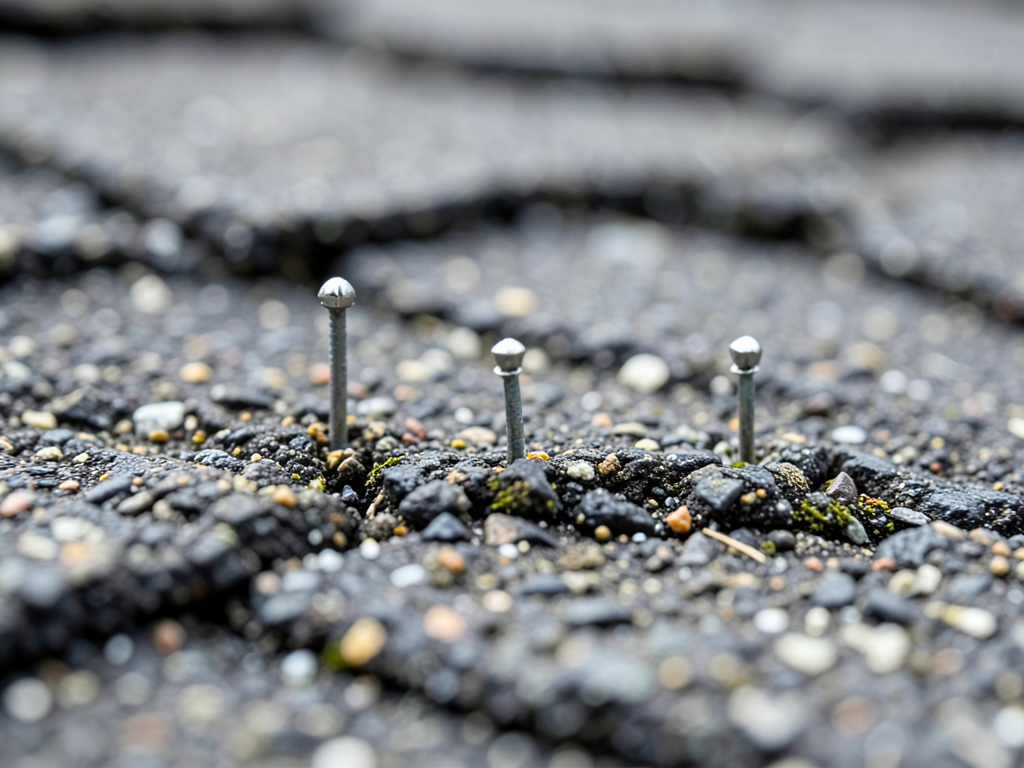
Why You Might See Shingle Nails Popping Up on Your Green Tree Home
If you’ve noticed small bumps or raised areas on your Green Tree roof shingles, you’re likely seeing what roofers call “nail pops.” These aren’t just cosmetic issues. In Pittsburgh’s volatile climate, where temperatures swing from sub-zero winters to humid summers, thermal expansion and contraction can force roofing nails upward through the shingle surface. This article explains why nail pops happen specifically in Green Tree homes and what you should do about them. thermal expansion and contraction in roofing materials.
What Causes Roof Nail Pops in Green Tree Homes?
Nail pops occur when roofing nails back out of the wooden decking beneath your shingles. In Green Tree, this happens for several reasons tied to our local climate and construction patterns. The area’s clay-heavy soil, combined with freeze-thaw cycles that can fluctuate 100+ degrees annually, creates movement in your home’s structure. This movement transfers to your roof decking, especially if it’s made from OSB (oriented strand board) rather than plywood. Why Metal Roofing is Becoming the Top Choice for Homes in North Hills.
Many Green Tree homes were built between the 1970s and 1990s when OSB became a popular decking material. OSB expands and contracts more dramatically than plywood when exposed to moisture changes, creating the perfect conditions for nail back-out. Add Pittsburgh’s heavy lake-effect snow loads and rapid spring thaws, and you have a recipe for persistent roof movement.. Read more about Understanding the Difference Between Shingle Warranties and Workmanship Guarantees in Brentwood.
Primary Causes of Roof Nail Pops
Understanding why nails pop through your shingles helps you address the root problem, not just the symptom. Here are the main culprits we see in Green Tree:. Read more about The Hidden Risks of Shingle Overlays for Whitehall Homeowners.
Fluctuating Pittsburgh Weather (Thermal Expansion & Contraction)
Pittsburgh experiences some of the most extreme temperature swings in the Northeast. When daytime temperatures hit 85°F and nighttime drops to 25°F, your roof decking expands and contracts. This movement, called thermal shock, forces nails upward over time. The freeze-thaw cycles common in Green Tree, where ice forms in nail holes overnight and melts during the day, accelerate this process.
Improper Nail Length or Placement During Installation
If nails weren’t driven to the correct depth during your roof installation, they’re more likely to back out. Overdriven nails create weak points, while under-driven nails leave too much room for movement. In older Green Tree homes, some contractors used shorter nails to save costs, which now show their weakness through nail pops.
Inadequate Attic Ventilation and Moisture Buildup
Without proper ventilation, heat and moisture accumulate in your attic. This creates condensation on the underside of your roof decking, causing it to swell. When the moisture evaporates, the wood shrinks, and nails lose their grip. Many Green Tree homes have soffit vents but lack ridge vents, creating poor air circulation that traps moisture.
The Use of ‘Green’ or Damp Lumber in Home Construction
If your roof decking was installed with lumber that hadn’t fully dried, it will continue to shrink and warp as it seasons. This movement loosens nail holds. In Green Tree’s older neighborhoods, some homes used lumber from local mills that hadn’t been properly kiln-dried, leading to ongoing structural movement.
Why You Shouldn’t Ignore Nail Pops
Nail pops aren’t just unsightly bumps on your roof. They create pathways for water infiltration that can lead to serious damage. When a nail backs out, it leaves a hole in your underlayment. During Pittsburgh’s heavy spring rains or winter snowmelt, water enters these holes and travels down your roof deck.
Once water gets past your shingles, it can cause wood rot in your decking, mold growth in your attic, and eventually leaks in your ceiling. The International Building Code (IBC Section 1507.2.7) requires proper fastener installation to prevent exactly this type of failure. Ignoring nail pops violates these standards and puts your home at risk. International Building Code Section 1507.2.7.
Beyond water damage, nail pops can cause shingle buckling. When nails lift, they push up on the shingle above, creating stress points that lead to cracking and premature shingle failure. In Green Tree’s climate, where roofs already face harsh conditions, this accelerated wear can mean replacing your roof years earlier than expected.
How to Spot Nail Pops from the Ground vs. On the Roof
You might notice nail pops while standing in your yard or while actually on your roof. From the ground, look for small bumps or raised areas in your shingle pattern, especially on south-facing slopes where sun exposure is greatest. These bumps often appear as dark spots because water collects in the raised areas. How Much a Full Roof Replacement Actually Costs in Pittsburgh Right Now.
Up close on the roof, nail pops look like small circular bumps where the shingle material has lifted away from the nail head. You might see the shiny metal of the nail head through the shingle if the damage is severe. In some cases, the shingle material actually splits around the nail, creating a visible crack.
During a professional inspection, we use a moisture meter to check for water infiltration around nail pop areas. We also inspect your attic for signs of water damage, such as dark spots on rafters or insulation that appears compressed or discolored. These internal signs often reveal problems before they become visible from the outside.
Professional Repair vs. DIY: Why Proper Resetting Matters
Many homeowners try to fix nail pops themselves by simply hammering the nails back down. This temporary fix often makes the problem worse. When you hammer a nail that’s already backing out, you’re not addressing why it popped in the first place. The nail will likely back out again within months.
Professional repair involves removing the affected shingle, inspecting the decking for damage, replacing any rotted wood, and reinstalling the shingle with the correct nail type and placement. We use hot-dipped galvanized nails with ringed shanks that provide better holding power than standard nails. The International Residential Code (IRC R905.2.5) specifies these requirements for proper roof installation.
DIY repairs also risk breaking the seal on surrounding shingles, which can lead to wind damage. Professional roofers use specialized tools to lift shingles without damaging them and apply roofing cement to ensure proper sealing after repairs. The cost of professional repair is minimal compared to the expense of replacing water-damaged decking or dealing with mold remediation. Roofing Scranton.
How Pittsburgh’s Climate Impacts Your Roof’s Lifespan
Green Tree’s location in the Ohio River Valley exposes your roof to unique stressors. The area’s high humidity, especially during summer months, creates condensation issues that many other regions don’t face. When warm, moist air hits your cold roof deck in winter, it forms condensation that freezes and expands, putting additional pressure on nail fasteners.
The freeze-thaw cycles we mentioned earlier are particularly severe in Green Tree due to the area’s elevation changes. As you move from the river valley up toward the higher ground near Boyce Park, temperature variations become more extreme. This means homes just a few miles apart can experience different rates of nail pop development.
Pittsburgh’s building codes, specifically the Pennsylvania Uniform Construction Code which adopts the International Building Code, require ice and water shield installation in cold climate zones. However, many older Green Tree homes were built before these requirements, leaving them more vulnerable to the freeze-thaw damage that causes nail pops.
Frequently Asked Questions
Are nail pops covered by homeowners insurance in Pennsylvania?
Most Pennsylvania homeowners insurance policies consider nail pops a maintenance issue rather than sudden damage. However, if nail pops lead to water damage that you report promptly, the resulting damage might be covered. Always document the issue with photos and contact your insurance company immediately if you notice leaks.
How long do asphalt shingle roofs typically last in Green Tree?
In Green Tree’s climate, a properly installed asphalt shingle roof lasts 20-25 years. However, homes with nail pop issues often need replacement at 15-18 years due to accelerated wear. The area’s freeze-thaw cycles and high humidity reduce the lifespan compared to milder climates.
Can I prevent nail pops from happening?
While you can’t completely prevent nail pops in our climate, proper installation and ventilation significantly reduce their occurrence. Ensure your attic has adequate ventilation (1 square foot per 150 square feet of attic space), use quality underlayment, and have your roof inspected annually to catch problems early.
What’s the difference between nail pops and hail damage?
Nail pops appear as raised bumps in a regular pattern across your roof, while hail damage shows as random dents or bruises in the shingle surface. Hail damage often breaks the shingle’s protective granules, while nail pops lift the entire shingle. A professional inspection can determine which type of damage you have.
Professional Roof Inspection: The Smart First Step
If you’re seeing nail pops on your Green Tree home, the smartest move is to schedule a professional inspection. We’ll assess whether you’re dealing with a simple repair issue or signs of more serious structural problems. Our inspection includes checking your attic ventilation, examining your decking condition, and documenting any water damage.
During our inspection, we use thermal imaging to detect moisture patterns that aren’t visible to the naked eye. We also check your attic’s moisture levels with a hygrometer to ensure proper ventilation. These diagnostic tools help us identify problems before they become expensive emergencies.
Don’t wait until the next heavy rain or snowmelt to discover your roof can’t keep water out. Call (878) 209-5522 today to schedule your inspection. We’ll provide a clear assessment of your roof’s condition and recommend the most cost-effective solution to protect your Green Tree home.
Pick up the phone and call (878) 209-5522 before the next storm hits. Nail pops won’t fix themselves, and the longer you wait, the more expensive the repairs become. Our team understands Green Tree’s unique climate challenges and knows exactly how to address them.
You may also find this helpful. Protecting Your Jefferson Hills Roof From Intense Summer Sun Damage.
{
“@context”: “https://schema.org”,
“@type”: “BlogPosting”,
“headline”: “Why You Might See Shingle Nails Popping Up on Your Green Tree Home”,
“description”: “Seeing bumps in your Green Tree roof shingles? Learn why nail pops happen in Pittsburgh’s climate and how to fix them before leaks damage your home.”,
“wordCount”: 1642,
“datePublished”: “2026-04-10T08:10:00.000Z”,
“dateModified”: “2026-04-10T08:10:00.000Z”,
“inLanguage”: “en-US”,
“mainEntityOfPage”: {
“@type”: “WebPage”,
“@id”: “https://victoryroofingpittsburgh.com”
},
“publisher”: {
“@type”: “LocalBusiness”,
“name”: “Victory Roofing Pittsburgh”,
“url”: “https://victoryroofingpittsburgh.com”
},
“author”: {
“@type”: “Organization”,
“name”: “Victory Roofing Pittsburgh”,
“url”: “https://victoryroofingpittsburgh.com”
},
“image”: {
“@type”: “ImageObject”,
“url”: “https://victoryroofingpittsburgh.com/wp-content/uploads/2026/03/why-you-might-see-shingle-nails-popping-up-on-your-1.png”
}
}
{
“@context”: “https://schema.org”,
“@type”: “RoofingContractor”,
“name”: “Victory Roofing Pittsburgh”,
“url”: “https://victoryroofingpittsburgh.com”,
“address”: {
“@type”: “PostalAddress”,
“addressLocality”: “Pittsburgh”
},
“areaServed”: {
“@type”: “City”,
“name”: “Pittsburgh”
}
}
{
“@context”: “https://schema.org”,
“@type”: “FAQPage”,
“mainEntity”: [
{
“@type”: “Question”,
“name”: “What Causes Roof Nail Pops in Green Tree Homes?”,
“acceptedAnswer”: {
“@type”: “Answer”,
“text”: “Nail pops occur when roofing nails back out of the wooden decking beneath your shingles. In Green Tree, this happens for several reasons tied to our local climate and construction patterns. The area’s clay-heavy soil, combined with freeze-thaw cycles that can fluctuate 100+ degrees annually, creates movement in your home’s structure. This movement transfers to your roof decking, especially if it’s made from OSB (oriented strand board) rather than plywood. Why Metal Roofing is Becoming the Top Choice for Homes in North Hills.”
}
},
{
“@type”: “Question”,
“name”: “Are nail pops covered by homeowners insurance in Pennsylvania?”,
“acceptedAnswer”: {
“@type”: “Answer”,
“text”: “Most Pennsylvania homeowners insurance policies consider nail pops a maintenance issue rather than sudden damage. However, if nail pops lead to water damage that you report promptly, the resulting damage might be covered. Always document the issue with photos and contact your insurance company immediately if you notice leaks.”
}
},
{
“@type”: “Question”,
“name”: “How long do asphalt shingle roofs typically last in Green Tree?”,
“acceptedAnswer”: {
“@type”: “Answer”,
“text”: “In Green Tree’s climate, a properly installed asphalt shingle roof lasts 20-25 years. However, homes with nail pop issues often need replacement at 15-18 years due to accelerated wear. The area’s freeze-thaw cycles and high humidity reduce the lifespan compared to milder climates.”
}
},
{
“@type”: “Question”,
“name”: “Can I prevent nail pops from happening?”,
“acceptedAnswer”: {
“@type”: “Answer”,
“text”: “While you can’t completely prevent nail pops in our climate, proper installation and ventilation significantly reduce their occurrence. Ensure your attic has adequate ventilation (1 square foot per 150 square feet of attic space), use quality underlayment, and have your roof inspected annually to catch problems early.”
}
},
{
“@type”: “Question”,
“name”: “What’s the difference between nail pops and hail damage?”,
“acceptedAnswer”: {
“@type”: “Answer”,
“text”: “Nail pops appear as raised bumps in a regular pattern across your roof, while hail damage shows as random dents or bruises in the shingle surface. Hail damage often breaks the shingle’s protective granules, while nail pops lift the entire shingle. A professional inspection can determine which type of damage you have.”
}
}
]
}
{
“@context”: “https://schema.org”,
“@type”: “BreadcrumbList”,
“itemListElement”: [
{
“@type”: “ListItem”,
“position”: 1,
“name”: “Home”,
“item”: “https://victoryroofingpittsburgh.com”
},
{
“@type”: “ListItem”,
“position”: 2,
“name”: “Blog”,
“item”: “https://victoryroofingpittsburgh.com/blog”
},
{
“@type”: “ListItem”,
“position”: 3,
“name”: “Why You Might See Shingle Nails Popping Up on Your Green Tree Home”
}
]
}
{
“@context”: “https://schema.org”,
“@type”: “Service”,
“serviceType”: “Roofing”,
“provider”: {
“@type”: “LocalBusiness”,
“name”: “Victory Roofing Pittsburgh”,
“url”: “https://victoryroofingpittsburgh.com”
},
“areaServed”: {
“@type”: “City”,
“name”: “Pittsburgh”
},
“description”: “Seeing bumps in your Green Tree roof shingles? Learn why nail pops happen in Pittsburgh’s climate and how to fix them before leaks damage your home.”
}