
menu

Commercial Roof Coatings in Pittsburgh | Extend Asset Life and Minimize Operational Disruption

Victory Roofing Pittsburgh delivers industrial-grade liquid applied roofing systems and elastomeric roof coatings that restore your commercial flat roof without the downtime, debris, or capital expense of a full tear-off.

Slider Image 1
Slider Image 2
Slider Image 3
Slider Image 4
Slider Image 5
Slider Image 7
Slider Image 8
Slider Image 9
Slider Image 10
Slider Image 11

Why Pittsburgh's Climate Demands a Different Approach to Commercial Roof Maintenance

Your facility in Pittsburgh faces a relentless assault from freeze-thaw cycles that crack membranes, humid summers that accelerate UV degradation, and steel mill particulate that clogs drainage systems. The result is ponding water, membrane blistering, and accelerated roof failure. Most commercial property managers discover these problems only after interior damage has already occurred, triggering expensive emergency repairs and business interruption.

Traditional tear-off replacements mean weeks of disruption, dumpsters blocking loading docks, and exposure to weather during the retrofit. Commercial roof restoration systems offer a different path. Industrial roof coatings applied over existing substrates seal leaks, restore reflectivity, and add years of service life without halting operations. Elastomeric roof coatings flex with temperature swings, bridging minor cracks and preventing water infiltration. Liquid applied roofing conforms to complex geometries around HVAC units, skylights, and penetrations where traditional materials fail.

The decision to coat rather than replace hinges on substrate condition. If your existing membrane is structurally sound but showing surface wear, commercial flat roof coatings deliver ROI by deferring capital replacement costs while maintaining weather integrity. Pittsburgh's industrial districts, from the Strip District to the South Side, contain thousands of low-slope roofs approaching end-of-life. A properly specified coating system can extend that timeline by a decade or more, preserving budgets for core business operations rather than unplanned roof replacements.

Why Pittsburgh's Climate Demands a Different Approach to Commercial Roof Maintenance
How We Engineer Coating Systems for Long-Term Performance

How We Engineer Coating Systems for Long-Term Performance

Victory Roofing Pittsburgh does not apply generic coatings to every roof. We perform substrate analysis to determine compatibility, moisture surveys to identify trapped water, and adhesion testing to verify bond strength. Our process begins with core sampling. We extract small sections of your existing roof to examine the membrane layers, insulation condition, and deck integrity. This data determines whether your roof is a candidate for restoration or requires replacement.

Surface preparation drives coating performance. We power wash to remove dirt, grease, and biological growth. Failed seams get reinforced with fabric and mastic. Blisters are cut, dried, and patched. Fasteners are resealed. Every penetration is detailed with compatible flashing materials before the first coat is applied. This prep work accounts for 40 percent of project time but eliminates the adhesion failures that plague rushed coating jobs.

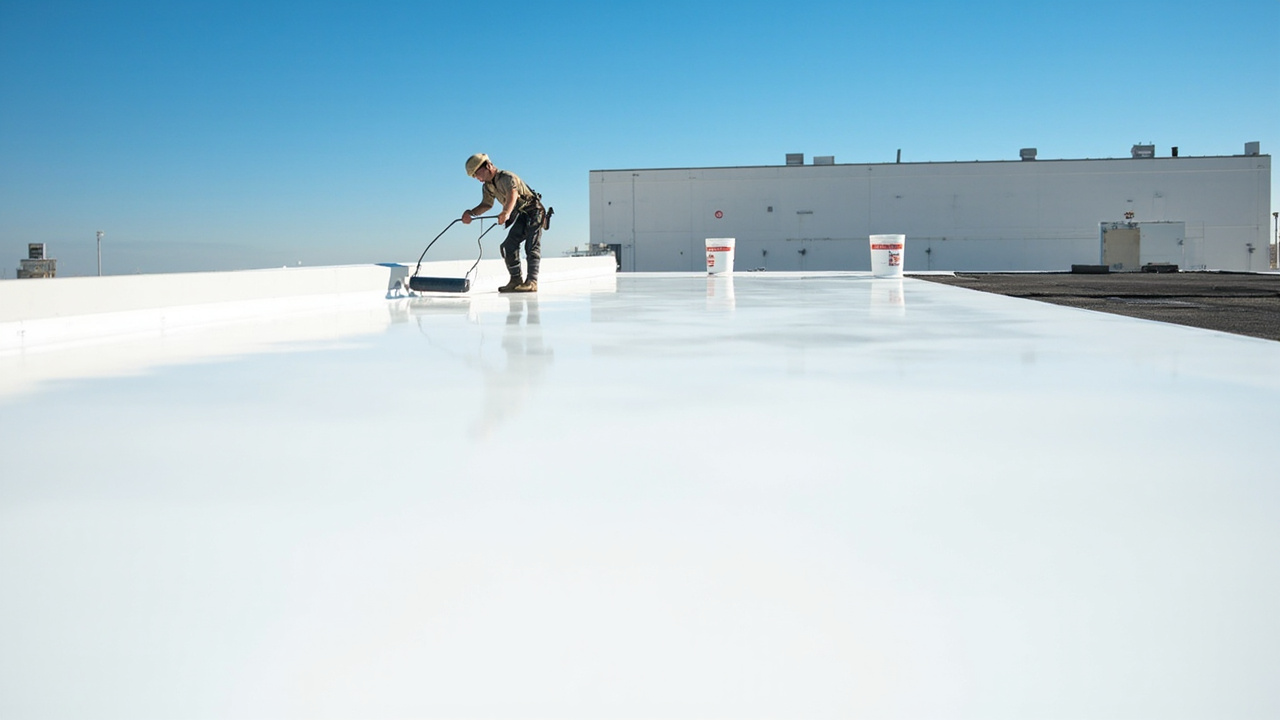
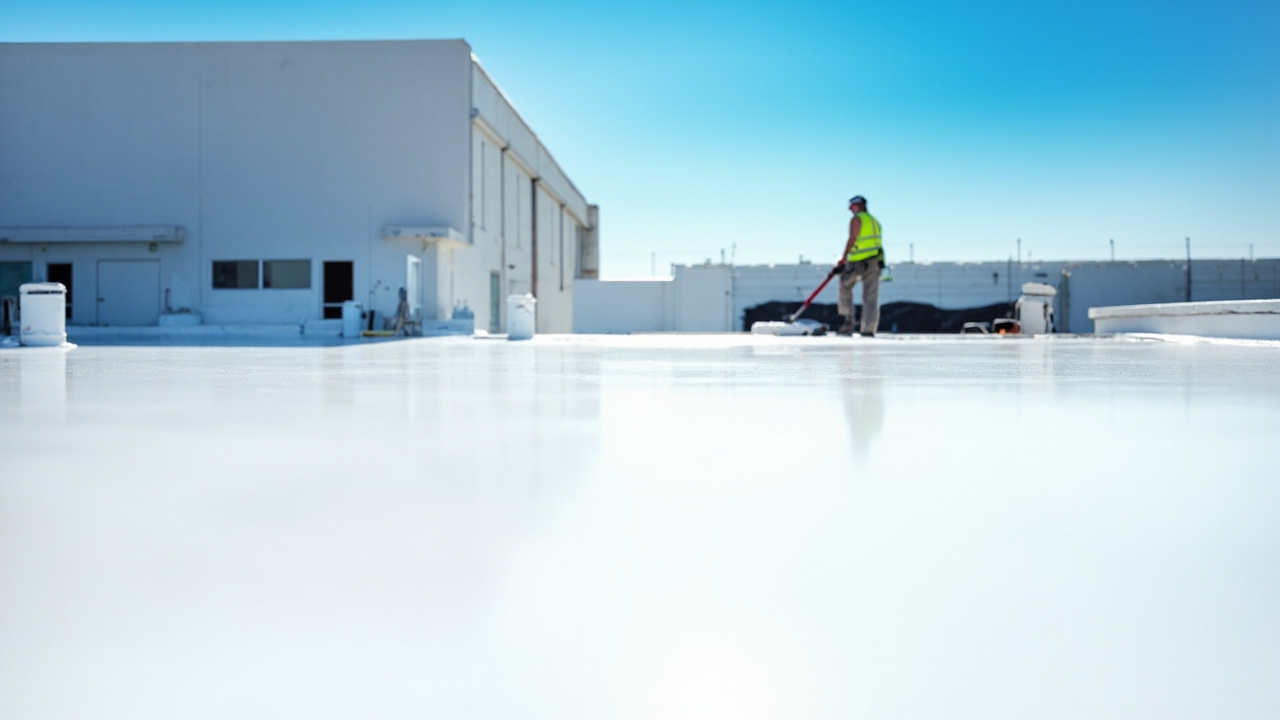
We apply commercial roof restoration systems in multiple passes. The base coat saturates the substrate and provides primary waterproofing. Reinforcing fabric embeds into wet coating at seams, transitions, and stress points. Top coats add UV protection and reflectivity. Mil thickness is verified with wet film gauges during application to ensure specification compliance. We work in weather windows that allow proper cure times, which is critical in Pittsburgh's variable spring and fall conditions.

Our coating selection depends on substrate type. Single-ply membranes get acrylic or silicone systems. Modified bitumen roofs receive asphalt-compatible coatings. Metal roofs are treated with elastomeric systems formulated for thermal expansion. Each chemistry has distinct performance characteristics. We match the coating to your roof's specific challenges rather than defaulting to one product line.

How a Commercial Coating Project Actually Unfolds

Commercial Roof Coatings in Pittsburgh | Extend Asset Life and Minimize Operational Disruption
01

Roof Assessment and Testing

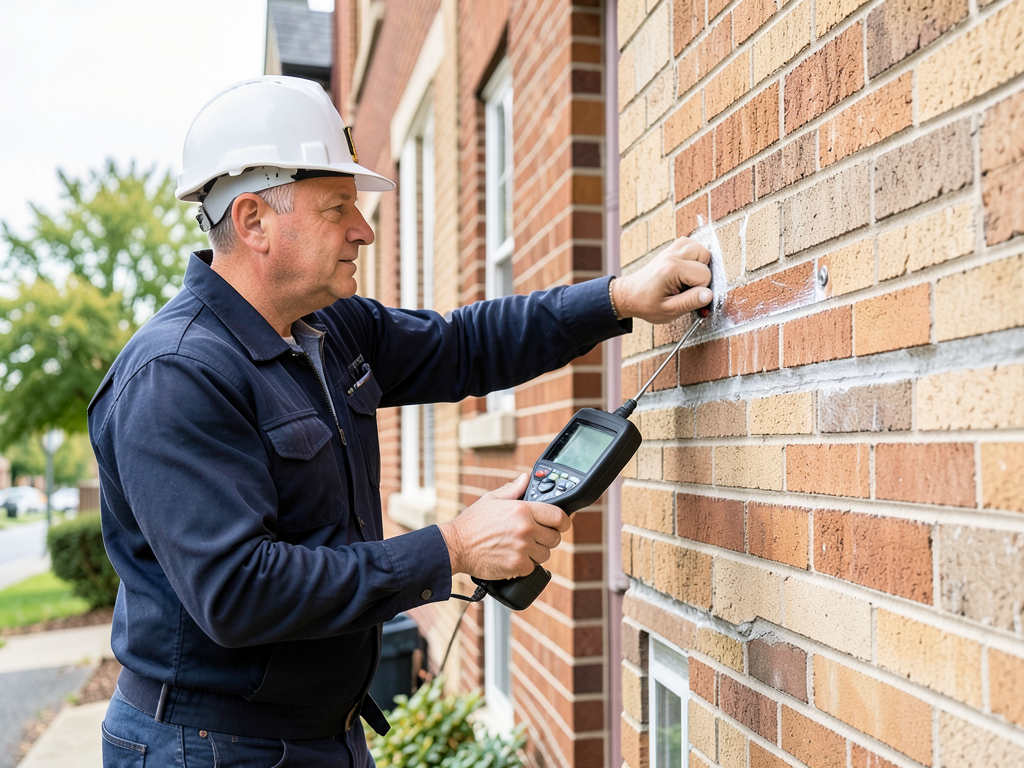
Our crew accesses your roof to document current conditions. We photograph problem areas, perform infrared moisture scanning to locate trapped water, and conduct core cuts to verify structural integrity. Adhesion pull tests determine if the existing membrane will accept coating. This data feeds into a specification document that outlines prep requirements, coating type, and expected service life. You receive a detailed scope before any work begins.
02

Surface Preparation and Repair

We mobilize equipment to clean and repair your roof substrate. Power washers remove contaminants. Failed seams are cut out and replaced. Blisters are addressed. Fasteners are resealed. Drainage areas are cleared. This phase typically takes two to four days depending on roof size and condition. Preparation quality directly determines coating longevity. We do not rush this step to meet arbitrary deadlines. Your facility remains operational throughout.
03

Coating Application and Inspection

Once the substrate passes inspection, we apply the coating system in controlled passes. Base coat, fabric reinforcement, and top coats are installed according to manufacturer specifications. Mil thickness is verified continuously. We avoid rain events and temperature extremes that compromise cure. Final inspection includes a complete walkthrough with thermal imaging to confirm uniform coverage. You receive documentation of coating type, thickness, and expected performance for your facility records.

Why Local Commercial Property Managers Choose Victory Roofing Pittsburgh

Commercial roof failures cost more than repair invoices. They trigger production stoppages, damage inventory, and create liability exposure when employees work under leaking ceilings. You need a roofing partner who understands operational continuity, not just roofing mechanics. Victory Roofing Pittsburgh has worked on warehouses in the Lawrenceville industrial corridor, office buildings in Downtown, and manufacturing facilities in the Mon Valley. We know how to stage work around your business schedule.

We carry project-specific liability coverage that satisfies commercial lease requirements and lender stipulations. Our crews are trained in fall protection and confined space protocols required on industrial sites. We coordinate with facility managers to ensure loading dock access remains clear and HVAC systems stay operational during coating application. These details matter when your building houses active business operations.

Pittsburgh's building codes require specific fire ratings and wind uplift resistance for commercial roofs. We specify coating systems that maintain or improve these ratings rather than voiding existing approvals. Our documentation includes product data sheets, application photos, and mil thickness reports that satisfy insurance inspectors and property surveyors. When you sell or refinance, this documentation proves the roof has been maintained to professional standards.

We do not subcontract coating application. Our crews apply every layer, which means quality control stays in-house. You deal with one point of contact from estimate through final inspection. No finger-pointing between the salesperson and the installer when issues arise. This accountability matters when your roof is a capital asset worth defending.

What to Expect When You Invest in a Coating System

Project Timeline and Scheduling

Most commercial coating projects take five to ten working days depending on roof size and complexity. We schedule around your operational needs, not our convenience. If you need overnight or weekend work to avoid disrupting business hours, we accommodate that. Weather delays are common in Pittsburgh. Coatings require dry conditions and moderate temperatures to cure properly. We monitor forecasts and communicate schedule adjustments in advance. Rushed application causes failures. We prioritize durability over speed. You receive weekly progress updates and can walk the roof with our foreman at any point during the project.

Initial Roof Inspection Process

Our inspection includes both visual assessment and diagnostic testing. We use infrared cameras to locate trapped moisture, which can cause coating adhesion failure if not addressed. Core samples reveal substrate condition and insulation integrity. Pull tests measure membrane bond strength. You receive a written report detailing findings, recommended repairs, and coating system specifications. This inspection costs nothing and creates no obligation. If your roof is not a good candidate for coating, we tell you directly rather than selling you a system that will fail prematurely. Honest assessment protects your investment better than optimistic sales pitches.

Final Coating Performance

A properly installed coating system stops leaks, reduces cooling costs through increased reflectivity, and extends roof service life by ten to fifteen years. You avoid the capital expense of a full replacement and the operational disruption of a tear-off project. The coating becomes the new wear surface, protecting the underlying membrane from UV damage and weathering. Performance depends on substrate condition at the time of application and ongoing maintenance. Coatings are not magic. They work when applied to sound substrates and fail when used to conceal structural problems. We walk that line carefully during our assessment phase.

Maintenance and Long-Term Care

Coated roofs require annual inspections to maintain performance. Drains need clearing, seams need monitoring, and minor damage should be addressed promptly. We offer maintenance contracts that include twice-yearly inspections, drain cleaning, and minor repairs. These agreements prevent small problems from becoming expensive failures. Coating manufacturers often require documented maintenance to honor product warranties, so keeping records matters. We provide digital inspection reports with photos and recommended actions. You can handle minor tasks in-house or contract us for full-service maintenance. Either way, regular attention keeps your coating system performing as designed.

Frequently Asked Questions

You Have Questions,
We Have Answers

How much does commercial roof coating cost? +

Commercial roof coating costs depend on building size, roof condition, coating type, and accessibility. Silicone and acrylic systems differ in price per square foot. Factors include surface prep requirements, number of coats needed, and existing membrane compatibility. Pittsburgh's freeze-thaw cycles may require additional substrate repair before coating application, which impacts total project cost. Request a detailed scope of work that separates material, labor, and prep costs. Compare lifecycle value rather than upfront expense. A quality coating system extends roof life by 10 to 15 years, deferring full replacement and protecting your capital budget.

What type of roof coating is best? +

The best commercial roof coating depends on your existing membrane, building use, and exposure conditions. Silicone coatings handle ponding water well and resist Pittsburgh's UV exposure and temperature swings. Acrylic coatings offer strong reflectivity and dirt resistance but require proper drainage. Polyurethane coatings provide impact resistance for high-traffic roofs. Evaluate substrate compatibility first. EPDM, TPO, metal, and modified bitumen each require specific primers and adhesion protocols. Match the coating chemistry to your operational needs, maintenance capacity, and expected service life. Consult a commercial roofing contractor familiar with Pittsburgh's climate demands.

What are the latest trends in commercial roofing? +

Commercial roofing trends focus on sustainability, energy efficiency, and asset lifecycle management. Cool roof coatings with high solar reflectance reduce HVAC load and improve tenant comfort. Fluid-applied systems eliminate seams and reduce leak risk on complex roof geometries. Drone inspections and infrared scanning detect moisture intrusion early, preventing costly tear-offs. Silicone restoration coatings extend aging roof life without disrupting operations. Pittsburgh building owners prioritize solutions that meet energy code requirements while minimizing business downtime. Green roofing and integrated solar arrays are gaining traction for corporate sustainability goals and long-term ROI.

What are the disadvantages of roof coatings? +

Roof coatings are not a universal fix. They require a structurally sound substrate with minimal moisture intrusion. Coatings will not repair severe membrane damage, rotted decking, or compromised insulation. Application requires specific temperature and humidity windows, which can delay projects in Pittsburgh's variable spring and fall weather. Poor surface preparation leads to adhesion failure and premature coating breakdown. Coatings add minimal insulation value compared to full reroofing systems. If your roof has multiple layers, structural issues, or widespread ponding, a complete replacement may deliver better long-term value and code compliance.

How many years does roof coating last? +

Commercial roof coatings typically last 10 to 20 years depending on coating type, application quality, and maintenance. Silicone coatings resist UV degradation and weathering longer than acrylics. Pittsburgh's freeze-thaw cycles and industrial pollutants accelerate coating breakdown if not properly maintained. Regular inspections, debris removal, and minor touch-ups extend service life. Coatings applied over well-prepared substrates with proper mil thickness perform longer. Foot traffic, ponding water, and HVAC equipment vibration reduce lifespan. Plan for recoating at the 10 to 15 year mark to maximize asset protection and defer full replacement costs.

Can roofers make 100k a year? +

This question is not relevant to commercial roof coating decisions. Focus on contractor credentials, project portfolio, and technical expertise when evaluating coating applicators. Commercial roofing demands certified installers familiar with manufacturer specifications, substrate compatibility, and local building codes. Verify that your contractor carries commercial liability coverage, has completed similar projects in Pittsburgh, and provides detailed warranties. Assess their ability to minimize operational disruption, meet project timelines, and deliver quality workmanship. Compensation structures do not impact your project outcome or long-term roof performance.

Which roof coating lasts the longest? +

Silicone roof coatings generally last longest due to superior UV resistance, weathering durability, and ponding water tolerance. They maintain flexibility through Pittsburgh's temperature extremes and resist chalking or degradation. Polyurethane coatings offer excellent abrasion resistance but require topcoats for UV protection. Acrylic coatings perform well in dry climates but break down faster under constant moisture exposure. Longevity depends on proper surface preparation, application thickness, and maintenance schedules. A 20 mil silicone system over a sound substrate with regular inspections can deliver 15 to 20 years of service before recoating.

How much does Rhino RV roof coating cost? +

Rhino RV roof coating is a residential product designed for recreational vehicles and is not applicable to commercial flat roof systems. Commercial buildings require elastomeric coatings engineered for large-scale applications, structural movement, and code compliance. Silicone, acrylic, and polyurethane systems designed for commercial use address fire ratings, ponding water, and thermal cycling that commercial roofs experience. Pittsburgh commercial properties need coatings compatible with EPDM, TPO, modified bitumen, or metal substrates. Consult a commercial roofing contractor who specifies manufacturer-approved systems for your building type and operational requirements.

Which is better, EPDM or TPO? +

EPDM and TPO serve different commercial roofing needs. EPDM rubber membranes offer proven durability, flexibility in cold weather, and lower material costs. TPO membranes provide heat-welded seams, higher reflectivity, and better energy performance. Pittsburgh's freeze-thaw cycles favor EPDM's flexibility, but TPO's white surface reduces cooling loads. EPDM requires adhesive or mechanical attachment, while TPO seams are thermally bonded for superior water resistance. Evaluate your building's exposure, insulation requirements, and budget. Both membranes accept restoration coatings when properly aged, extending service life and protecting your investment. Choose based on lifecycle cost and performance priorities.

How Pittsburgh's Industrial Legacy Affects Commercial Roof Coating Selection

Pittsburgh's steel production history left a legacy of airborne particulate that still settles on commercial roofs across the metro area. This residue creates a film that reduces coating adhesion if not properly removed during surface preparation. Buildings in the Mon Valley and along the Allegheny riverfront require extra cleaning attention before coating application. The city's freeze-thaw cycles, with temperatures swinging from below zero to fifty degrees within days, demand elastomeric coatings that maintain flexibility across wide temperature ranges. Rigid coatings crack under these conditions, allowing water infiltration and premature system failure.

Commercial property owners in Pittsburgh deal with specific code requirements administered by the City of Pittsburgh Department of Permits, Licenses and Inspections. Roof coating projects on buildings over three stories or 5,000 square feet trigger permit requirements and inspections. We handle this process and ensure your coating system meets fire rating and wind uplift standards. Our familiarity with local inspectors and code interpretations prevents project delays. When your coating system is installed by a contractor who understands Pittsburgh's regulatory environment, you avoid compliance problems that can surface during insurance renewals or property sales.
Roofing Services in The Pittsburgh Area

We are proud to serve the entire Pittsburgh metropolitan area and surrounding communities. Use the interactive map below to easily locate our office or visualize our extensive service region, which includes every neighborhood from the North Shore to the South Hills. We are locally committed and ready to bring our award-winning, trusted roofing expertise right to your specific location for any inspection, repair, or full installation project. We look forward to meeting you and securing your valuable property!

Address:
Victory Roofing Pittsburgh, 500 Grant St, Pittsburgh, PA, 15219

Additional Services We Offer

Our news updates

Latest Articles & News from The Blogs

How Industrial Air Quality in Clairton Affects the Lifespan of Your Shingles Mon Valley's industrial legacy creates unique roofing challenges…

How Industrial Air Quality in Clairton Affects the Lifespan of Your Shingles

How Industrial Air Quality in Clairton Affects the Lifespan of Your Shingles Mon Valley's industrial legacy creates unique roofing challenges…

Why Luxury Homes in Fox Chapel are Moving Toward Standing Seam Zinc Roofing

Why Luxury Homes in Fox Chapel are Moving Toward Standing Seam Zinc Roofing Luxury homeowners in Fox Chapel are increasingly…

Managing Shared Roof Maintenance with Your Neighbors in Garfield Row Houses

Managing Shared Roof Maintenance with Your Neighbors in Garfield Row Houses Shared roof maintenance between Garfield row house neighbors creates…

Contact Us

We will inspect your commercial roof, perform diagnostic testing, and provide a written assessment of coating feasibility within 48 hours. No sales pressure. Just data you can use to make an informed decision. Call Victory Roofing Pittsburgh at (878) 209-5522 or request an inspection online.