
menu

Roof Flashing Leaking in Pittsburgh – Expert Diagnosis Stops Water Damage Fast

We identify the exact failure point in your roof flashing system and repair it correctly the first time, preventing ceiling stains, insulation damage, and structural rot common to leaking flashing in Pittsburgh homes.

Slider Image 1
Slider Image 2
Slider Image 3
Slider Image 4
Slider Image 5
Slider Image 7
Slider Image 8
Slider Image 9
Slider Image 10
Slider Image 11

Why Roof Flashing Fails in Pittsburgh's Harsh Climate

You notice a brown stain spreading across your ceiling near the chimney. Water drips down the wall every time it rains. The problem is not your shingles. The problem is your flashing.

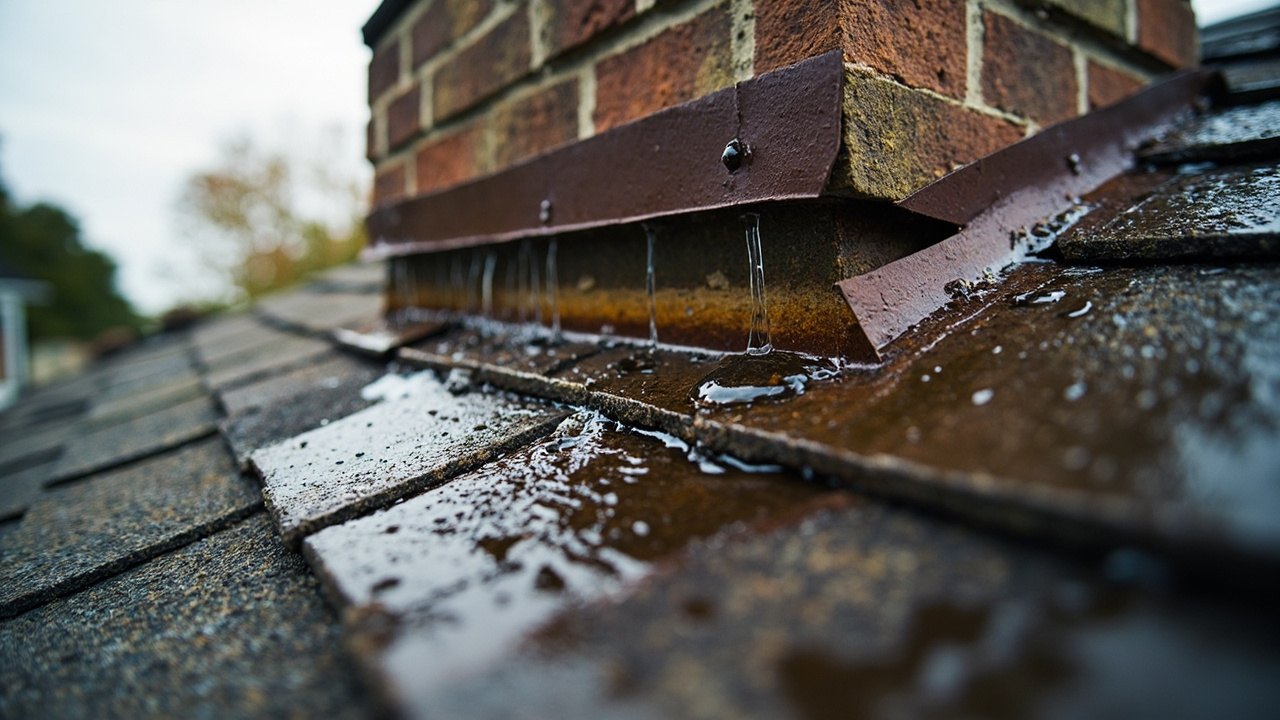
Pittsburgh's weather punishes roof flashing harder than most materials. Our freeze-thaw cycles crack sealant bonds. Winter ice dams force water under loose roof flashing. Spring storms drive rain sideways into valley flashing. Summer humidity accelerates rust on metal flashing, especially around chimneys and skylights.

Leaky roof flashing starts small. A hairline crack in the sealant. A nail that backed out during thermal expansion. A seam that separated after fifteen years of expansion and contraction. You do not see it from the ground. But water finds it.

Once water penetrates damaged roof flashing, it travels. It soaks insulation. It rots wood decking. It stains drywall. It creates mold growth in attic spaces. Homeowners in Shadyside, Squirrel Hill, and Mount Lebanon call us after ceiling damage appears, but the flashing seal failure started months earlier.

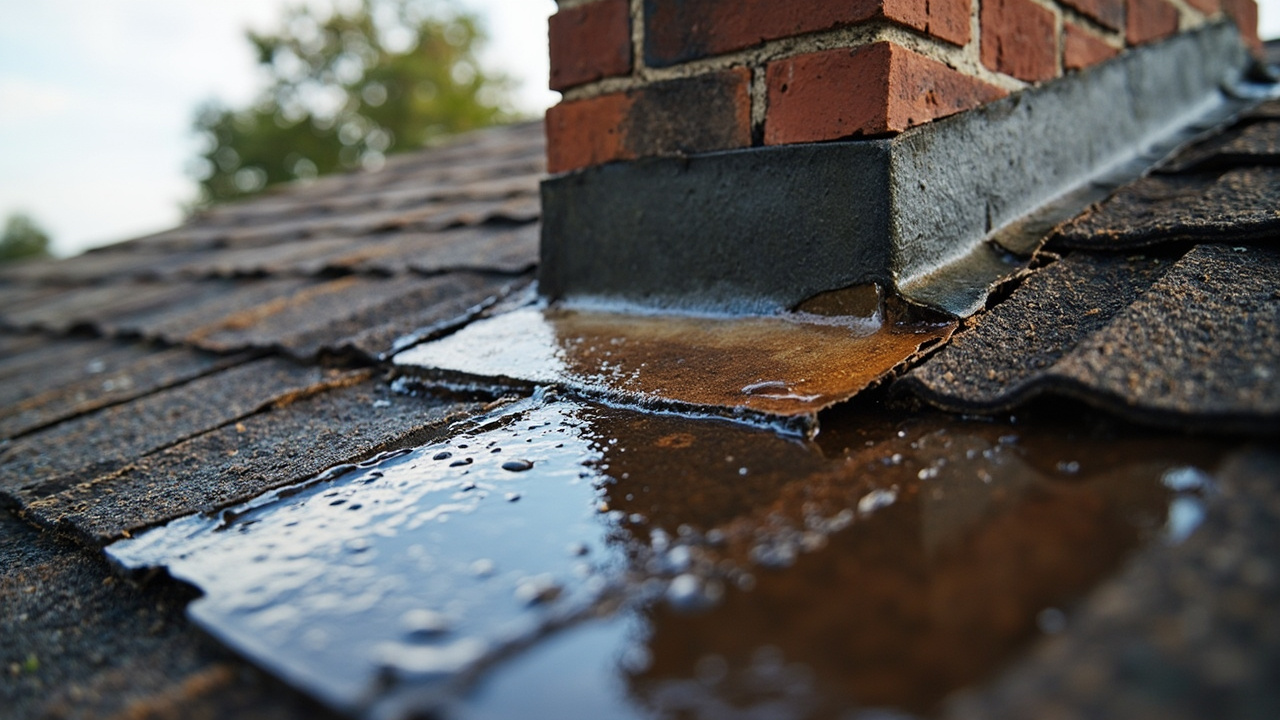
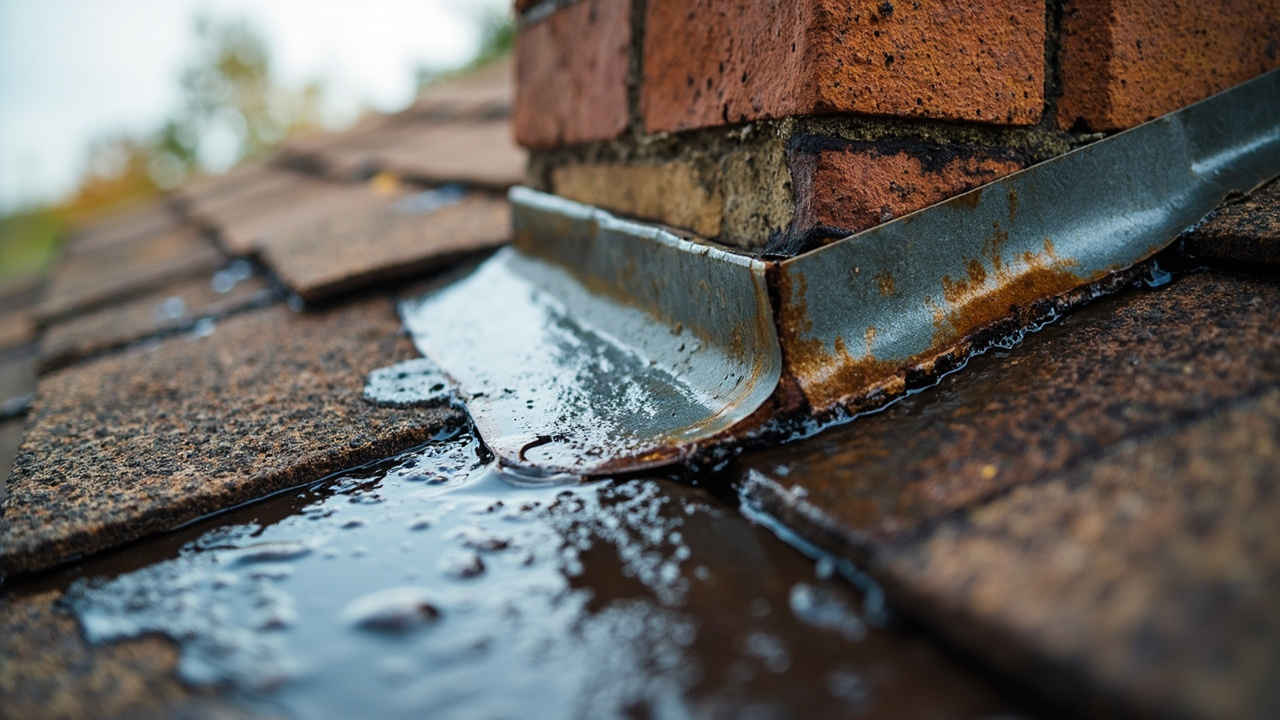
Rusted roof flashing around chimneys is common in older Pittsburgh homes. The mortar shifts. The metal corrodes. The valley flashing separates at the seams. These are not shingle problems. These are flashing problems. Misdiagnosing the issue wastes money and leaves the leak active.

If you see water stains near roof penetrations, check the flashing first. That is where failure happens in Pittsburgh's climate.

Why Roof Flashing Fails in Pittsburgh's Harsh Climate
How We Diagnose and Repair Flashing Leaks Correctly

How We Diagnose and Repair Flashing Leaks Correctly

Most roofers replace shingles and miss the real problem. We isolate the failure point in your flashing system before we touch anything.

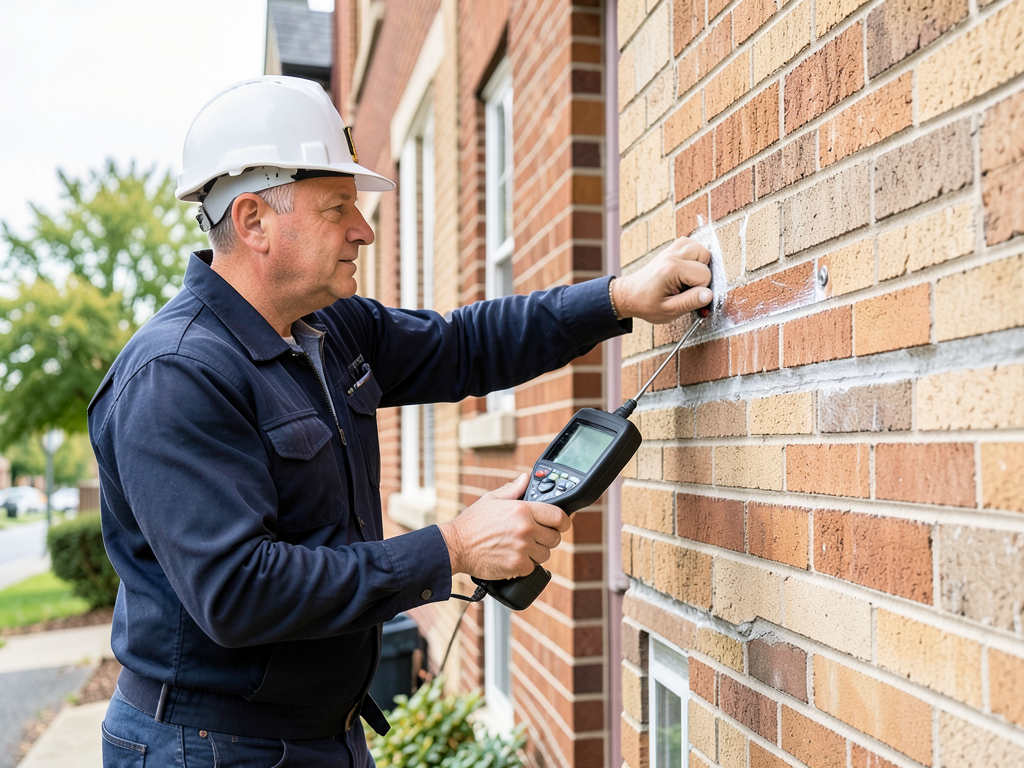
We start with a detailed inspection of every flashing transition on your roof. Chimney flashing, step flashing along walls, valley flashing, drip edge, and pipe boot flashing. We look for sealant deterioration, nail pops, metal corrosion, and separation at seams. We test for capillary action, where water wicks under flashing through microscopic gaps.

We check counter-flashing embedment in masonry. If the mortar joint has failed, water runs behind the flashing. We inspect apron flashing at the base of chimneys for rust perforation. We examine headwall flashing where roof planes meet vertical walls, a common failure point during Pittsburgh's heavy spring rains.

We do not guess. We trace the water path from the visible damage back to the entry point. Flashing leaks rarely occur directly above the ceiling stain. Water travels along rafters and sheathing before it drips into living spaces.

Once we identify the failure, we determine if repair or replacement is appropriate. Minor flashing seal failures respond to professional resealing with polyurethane or butyl-based sealants. Rusted roof flashing requires full replacement with corrosion-resistant materials. Loose roof flashing gets refastened with proper fastener spacing and sealed correctly.

We integrate new flashing with existing shingles using proper layering techniques. Each piece overlaps correctly to shed water downslope. We never rely on caulk alone. Mechanical attachment and gravity-fed water flow prevent future leaks.

What Happens During a Flashing Leak Repair

Roof Flashing Leaking in Pittsburgh – Expert Diagnosis Stops Water Damage Fast
01

Leak Source Identification

We inspect your roof to pinpoint the exact flashing failure causing the leak. This involves examining all flashing transitions, checking sealant integrity, and tracing water paths from interior damage back to the exterior entry point. We document the failure with photos and explain what caused it, whether it is rusted metal, separated seams, or deteriorated sealant around a chimney or skylight.
02

Flashing Removal and Replacement

We carefully remove damaged roof flashing without disturbing surrounding shingles. New flashing gets fabricated to exact dimensions using galvanized steel, aluminum, or copper depending on your roof system. We install it with proper overlap sequences, mechanical fasteners at correct intervals, and integrate it with existing shingle courses. Every seam gets sealed with professional-grade sealant rated for thermal movement and UV exposure common to Pittsburgh roofs.
03

Water Testing and Verification

After installation, we perform a controlled water test on the repaired flashing area. We simulate rainfall conditions to verify the repair stopped the leak. We inspect attic spaces for active moisture intrusion. You get documentation of the completed repair, including materials used and areas addressed. We confirm your ceiling stains will not return because we eliminated the flashing failure at its source, not just treated the symptom.

Why Pittsburgh Homeowners Trust Victory Roofing Pittsburgh for Flashing Repairs

Flashing leaks require diagnostic precision. You need a roofer who understands how water moves through roof systems and how Pittsburgh's climate accelerates flashing failure.

Victory Roofing Pittsburgh has repaired leaky roof flashing on hundreds of Pittsburgh homes. We know the common failure points in Tudor-style homes in Shadyside, the chimney flashing issues in early 1900s homes in Lawrenceville, and the valley flashing problems in complex rooflines throughout Mount Washington. We work on slate roofs, asphalt shingle roofs, and metal roofs across Allegheny County.

We understand local building practices. Many Pittsburgh homes have original flashing installed decades ago using materials and methods that no longer meet current standards. We upgrade these systems using modern flashing materials and proven installation techniques that handle freeze-thaw cycles and thermal expansion.

We do not try to sell you a full roof replacement when you need a flashing repair. We give you an honest assessment of the problem and the most cost-effective solution. If your shingles have life left and only the flashing failed, we repair the flashing. If the underlying deck has rot from prolonged water intrusion, we address that structural issue before we install new flashing.

We communicate clearly. You get a detailed explanation of what failed, why it failed, and what we will do to fix it. You understand the scope of work before we start. No surprises.

Our crews work clean and respect your property. We protect landscaping, clean up daily, and leave your home as we found it. We answer your questions throughout the process. You are not guessing what is happening on your roof.

What You Can Expect from Our Flashing Leak Repair Service

Response Time and Scheduling

We schedule your inspection within 48 hours of your call. Flashing leaks cause ongoing damage, so we prioritize these repairs. Once we diagnose the problem, we provide a detailed estimate and schedule the repair at your convenience. Most flashing repairs take one to two days depending on complexity and weather conditions. If rain is forecasted, we tarp the affected area to prevent further water intrusion until we complete the permanent repair. You know the timeline before we start.

Detailed Inspection and Assessment

Our inspection includes your entire flashing system, not just the obvious leak location. We examine chimney flashing, valley flashing, step flashing, pipe boots, and all roof penetrations. We check your attic for water staining patterns that indicate hidden leaks. We document all findings with photos and provide a written assessment explaining what failed and why. You receive a clear explanation of the problem in plain language, not roofing jargon. We answer all your questions about the repair process and materials we recommend for your specific situation.

Quality of Repair Work

We use professional-grade flashing materials designed for Pittsburgh's climate. Galvanized steel, aluminum, and copper flashing depending on your roof type and budget. We fabricate custom pieces on-site to ensure exact fit. Every flashing installation follows manufacturer specifications and industry best practices for overlap, fastener placement, and sealant application. We integrate new flashing seamlessly with existing roofing materials. The repair is watertight and built to last. You get a repair that stops the leak permanently, not a temporary patch that fails in six months.

Post-Repair Support and Maintenance

After we complete your flashing repair, we provide maintenance recommendations to extend the life of your entire roof system. We explain what to watch for and when to call us for follow-up inspections. Most flashing repairs carry a workmanship warranty covering our installation. We document all work performed and materials used for your records. If you notice any issues after the repair, we return to inspect and address them. We also offer annual roof maintenance plans that include flashing inspection and preventive resealing to catch small problems before they become leaks.

Frequently Asked Questions

You Have Questions,
We Have Answers

How to repair a roof leak at flashing? +

Repairing a roof leak at flashing requires removing the damaged section and installing new material. A professional will lift surrounding shingles, extract old flashing, clean the area, and install fresh step flashing or valley flashing with proper overlap. They seal edges with roofing cement and replace shingles to create a watertight barrier. Pittsburgh's freeze-thaw cycles demand quality materials that expand and contract without cracking. Do not patch over existing flashing with caulk or tape. That creates temporary fixes that fail during our harsh winters. Proper flashing repair addresses the root cause and prevents water from entering your roof deck.

Why is my roof leaking under flashing? +

Your roof leaks under flashing because the seal has failed or the material has deteriorated. Pittsburgh's temperature swings cause metal flashing to expand and contract, breaking sealant bonds. Ice dams form during winter, forcing water under flashing around chimneys and valleys. Poor installation during initial construction leaves gaps where water enters. Rust eats through galvanized steel flashing over time. Debris clogs channels, redirecting water behind the flashing instead of down the roof. Wind-driven rain from severe storms pushes water into tiny openings. The flashing itself may have cracked or separated from the roof deck, creating direct pathways for moisture infiltration.

Are roofers responsible for flashing? +

Yes, roofers are responsible for installing and repairing flashing as part of a complete roofing system. Flashing installation requires specialized knowledge of waterproofing principles and local building codes. A qualified roofer understands how to integrate flashing with shingles, underlayment, and structural elements. They select appropriate materials for Pittsburgh's climate and ensure proper overlap and fastening. If your roof was recently installed and flashing leaks appear, the contractor should address it under workmanship standards. However, age-related deterioration or storm damage falls on the homeowner. Always hire licensed roofers who understand flashing's critical role in preventing water damage to your home.

Can I fix roof flashing myself? +

You should not fix roof flashing yourself unless you have roofing experience. Flashing repair requires understanding water flow patterns, proper material selection, and integration with surrounding roofing components. Incorrect installation creates bigger leaks and voids insurance claims. Working on Pittsburgh roofs during winter presents serious safety risks. You need specialized tools to remove shingles without damage, cut and bend flashing to fit, and properly seal all edges. One mistake allows water to travel behind walls, causing mold and structural damage that costs thousands to remediate. A professional roofer completes the job safely, uses code-compliant materials, and prevents future problems you cannot see from the ground.

Does Flex Seal work on roof flashing? +

Flex Seal does not provide a reliable long-term solution for roof flashing. It may stop a small leak temporarily, but it does not address underlying problems like corroded metal, separated joints, or improper installation. Pittsburgh's temperature extremes cause flexible sealants to crack and peel within months. Flex Seal cannot bond properly to dirty or wet surfaces, which describes most leaking flashing. It creates a cosmetic patch that hides damage while water continues infiltrating through unsealed edges. Insurance adjusters often deny claims when they find DIY products covering proper repairs. Use Flex Seal only as an emergency stopgap until a professional can install permanent flashing repairs.

Does homeowners insurance cover flashing repair? +

Homeowners insurance typically covers flashing repair if damage results from a covered peril like wind, hail, or falling trees. Policies exclude damage from poor maintenance, gradual deterioration, or wear and tear. If a storm tears off flashing, you can file a claim. If rust from age causes failure, you pay out of pocket. Pittsburgh's severe weather often qualifies as a covered event. Document damage with photos immediately after storms. Insurance adjusters examine whether the homeowner neglected routine maintenance. Keep records of roof inspections and previous repairs. Review your policy's exclusions before filing. Deductibles apply, so minor flashing repairs may cost less than your deductible amount.

Is it expensive to fix roof flashing? +

Fixing roof flashing falls into the moderate repair category, less than a full roof replacement but more than simple shingle repairs. Costs depend on flashing location, material type, accessibility, and damage extent. Chimney flashing requires more labor than drip edge repairs. Replacing valley flashing involves removing multiple shingle rows. Pittsburgh's multi-story homes with steep pitches increase labor time and safety equipment needs. Minor repairs addressing small sections cost significantly less than complete flashing replacement around large chimneys or skylights. Material choice affects price, with copper flashing costing more than aluminum or galvanized steel. Get multiple estimates from local roofers who inspect the specific problem areas.

Is it normal for a roof to leak in heavy rain? +

No, a properly maintained roof should not leak during heavy rain. Leaks during downpours indicate failed flashing, damaged shingles, clogged gutters, or inadequate ventilation. Pittsburgh experiences intense rainfall that exposes weak points in your roofing system. Water should flow over shingles and through gutters without entering your home. Heavy rain overwhelms compromised flashing that might hold during light showers. Ice dam damage from previous winters often reveals itself during spring storms. If your roof leaks only in hard rain, water is finding a specific entry point that needs immediate repair. Ignoring storm leaks leads to rot, mold, and insulation damage that spreads beyond the initial problem area.

Can I put new flashing over old flashing? +

You cannot put new flashing over old flashing and expect a watertight seal. Layering flashing traps moisture between layers, accelerating rust and corrosion. The old flashing's profile creates gaps that prevent proper shingling over the new layer. Building codes in Pennsylvania require removing deteriorated materials before installing new components. Stacking flashing adds thickness that disrupts water flow patterns and creates leaks where materials meet. Old flashing may hide rot in underlying roof decking that needs replacement. Professional roofers remove existing flashing, inspect and repair the deck, install new underlayment, and integrate fresh flashing with surrounding materials. Proper installation requires starting with a clean, sound surface.

How much does it cost to have roof flashing replaced? +

Roof flashing replacement varies based on project scope, flashing type, and roof complexity. Replacing drip edge along eaves differs significantly from full chimney flashing replacement. Pittsburgh homes with multiple roof valleys, dormers, and skylights require more material and labor. Accessibility affects pricing, with steep roofs and multi-story homes increasing safety requirements. Material selection impacts total investment, with premium copper lasting longer than standard aluminum. Complete flashing replacement during a roof replacement costs less than standalone repairs because materials and labor overlap. Local contractors provide accurate estimates after inspecting your specific situation. Request detailed quotes that itemize materials, labor, and warranty coverage for comparison.

How Pittsburgh's Freeze-Thaw Cycles Destroy Roof Flashing Faster

Pittsburgh experiences an average of 40 freeze-thaw cycles each winter. Water penetrates microscopic gaps in flashing sealant, then freezes and expands. This expansion forces the gap wider. When temperatures rise, the ice melts and more water enters the enlarged opening. This cycle repeats throughout winter, progressively destroying flashing seal integrity. Valley flashing and chimney flashing suffer the most damage because these areas collect and hold moisture longer. By spring, what started as a hairline crack becomes a full flashing seal failure allowing significant water intrusion during heavy rains.

Victory Roofing Pittsburgh has repaired flashing systems on homes across Allegheny County for years. We understand the specific failure patterns caused by Pittsburgh's climate and the construction methods used in different neighborhoods throughout the city. Our crews know the difference between repairable flashing seal failure and complete flashing replacement situations. We use materials and installation techniques proven to withstand Pittsburgh winters. When you hire local roofers who work exclusively in this region, you get repairs engineered for the conditions your roof actually faces, not generic solutions that fail prematurely.

Roofing Services in The Pittsburgh Area

We are proud to serve the entire Pittsburgh metropolitan area and surrounding communities. Use the interactive map below to easily locate our office or visualize our extensive service region, which includes every neighborhood from the North Shore to the South Hills. We are locally committed and ready to bring our award-winning, trusted roofing expertise right to your specific location for any inspection, repair, or full installation project. We look forward to meeting you and securing your valuable property!

Address:
Victory Roofing Pittsburgh, 500 Grant St, Pittsburgh, PA, 15219

Additional Services We Offer

Our news updates

Latest Articles & News from The Blogs

What to Do When a Neighbor’s Tree Falls on Your Roof in McCandless (Steps to Take First) When a tree…

What to Do When a Neighbor’s Tree Falls on Your Roof in McCandless (Steps to Take First)

What to Do When a Neighbor’s Tree Falls on Your Roof in McCandless (Steps to Take First) When a tree…

The Hidden Signs of Internal Roof Rot You Might Miss in Your Squirrel Hill Tudor Home

The Hidden Signs of Internal Roof Rot You Might Miss in Your Squirrel Hill Tudor Home \n\n Squirrel Hill’s historic…

How to Safely Clear Heavy Snow Off Your Roof Without Causing Damage (A Guide for Ross Township)

How to Safely Clear Heavy Snow Off Your Roof Without Causing Damage (A Guide for Ross Township) Heavy snow accumulation…

Contact Us

Call Victory Roofing Pittsburgh at (878) 209-5522 right now. We will inspect your roof, identify the flashing failure, and provide a detailed repair estimate. Every day you wait, water damages more of your home. Stop the leak today.