
menu

Mold & Algae Stain Removal in Pittsburgh – Stop Roof Damage Before It Spreads

Professional roof mildew removal and shingle algae treatment protects your Pittsburgh home from accelerated shingle deterioration caused by Pennsylvania's humid summers and freeze-thaw cycles.

Slider Image 1
Slider Image 2
Slider Image 3
Slider Image 4
Slider Image 5
Slider Image 7
Slider Image 8
Slider Image 9
Slider Image 10
Slider Image 11

Why Black Streaks and Green Growth Are Taking Over Pittsburgh Roofs

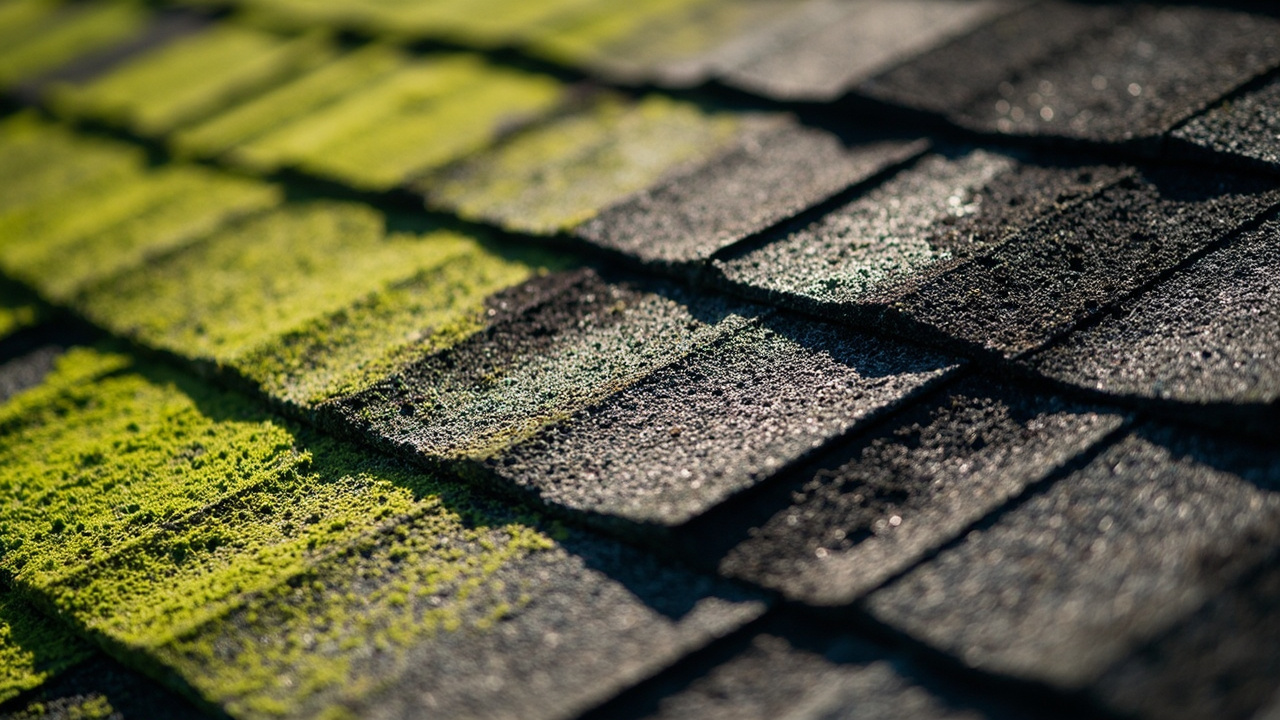
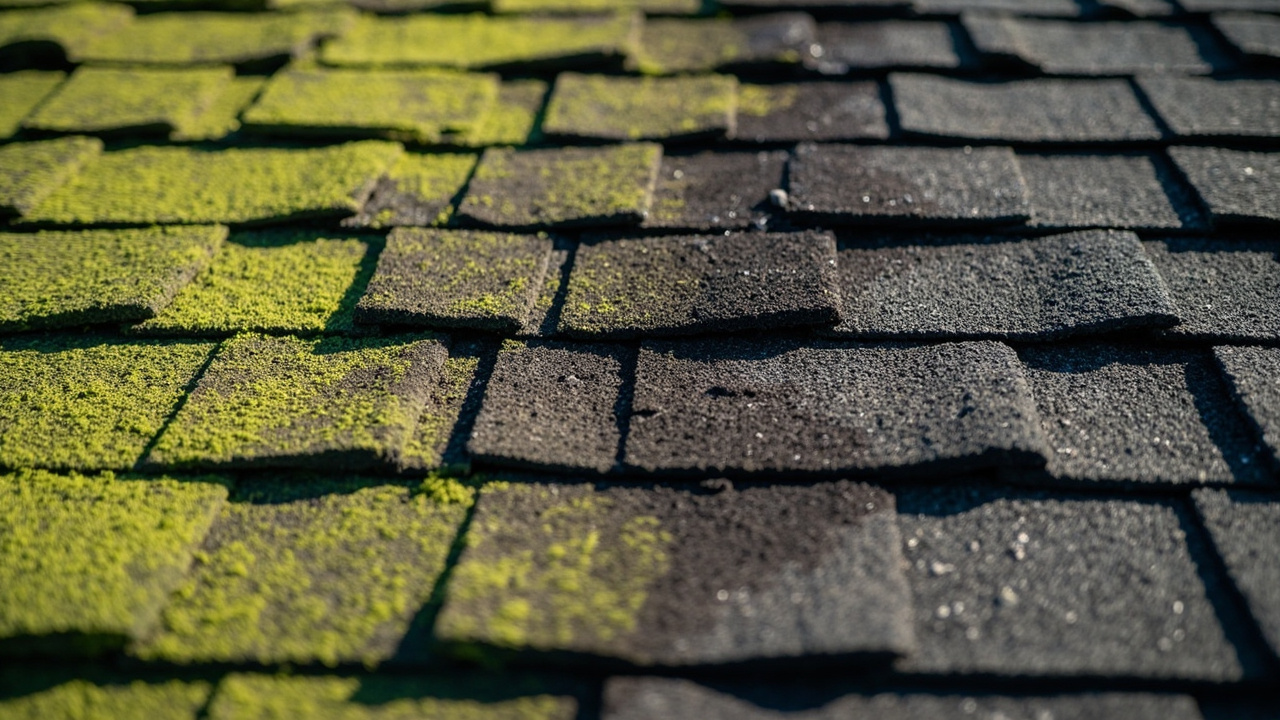
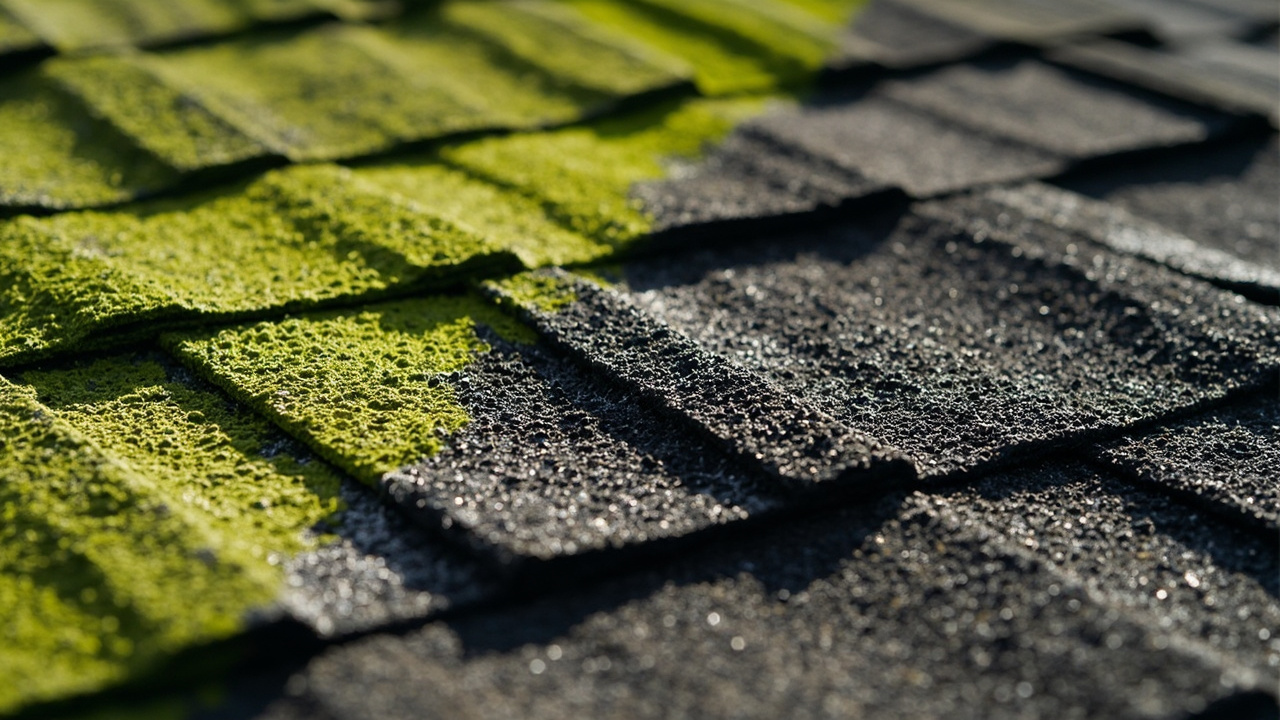
You see dark streaks running down your shingles. Green patches cluster near the edges. Black stains spread across the north-facing slope. This is not dirt. It is gloeocapsa magma algae, moss colonies, and roof fungus feeding on the limestone filler in your asphalt shingles.

Pittsburgh's climate creates perfect conditions for organic roof stains. The combination of high humidity from the Allegheny, Monongahela, and Ohio Rivers, plus our 160 days of cloud cover annually, keeps roofs damp longer than in drier regions. Add in tree canopy coverage common in neighborhoods like Squirrel Hill, Shadyside, and Mount Lebanon, and you get persistent shade that prevents roofs from drying between rainstorms.

These organisms do more than ruin curb appeal. Algae colonies retain moisture against the shingle surface. During winter freeze-thaw cycles, that trapped moisture expands and contracts, breaking down the asphalt binder and loosening granules. Moss roots wedge under shingle tabs, lifting edges and creating entry points for water infiltration.

You might notice granules washing into gutters or bald spots appearing on your roof. Those are signs the algae has moved beyond cosmetic damage. Removing black streaks on roof surfaces early prevents this degradation cycle. Once moss establishes root systems or algae penetrates the protective granule layer, shingle replacement becomes the only option. Most homeowners wait too long because they think the stains are harmless. They are not. Roof fungus cleaning protects your investment before minor staining becomes major structural expense.

Why Black Streaks and Green Growth Are Taking Over Pittsburgh Roofs
How We Remove Algae Without Damaging Your Shingles

How We Remove Algae Without Damaging Your Shingles

Most pressure washing companies blast roofs with 3000 PSI equipment. That strips protective granules, voids manufacturer warranties, and shortens roof lifespan by years. We use a low-pressure soft wash system specifically designed for shingle algae treatment.

Our process starts with applying a professional-grade biocide solution. This treatment targets gloeocapsa magma at the cellular level, breaking down the organism's protective coating without damaging asphalt or fiberglass mat substrate. The solution penetrates moss root systems and kills spores embedded in shingle pores.

We let the treatment dwell for 15 to 20 minutes. During this time, the biocide works through organic layers while we protect landscaping, gutters, and foundation plantings with tarps and rinse protocols. The chemical reaction loosens algae's grip on granules, allowing organisms to release without mechanical scrubbing.

After dwell time, we rinse with low-pressure water, no more than 500 PSI. This gentle stream removes dead algae, moss fragments, and loosened organic material without disturbing the granule layer or breaking adhesive seals between shingle tabs. We work from ridge to eave, following water's natural path to prevent solution or debris from getting trapped under shingles.

For heavy moss buildup, we carefully hand-remove thick colonies before applying biocide. This prevents large chunks from clogging gutters during the rinse phase. We also treat roof valleys, step flashing areas, and around penetrations where moisture accumulates and algae colonizes first.

The result is a clean roof that looks years newer without the damage caused by high-pressure washing. Most roofs show complete stain removal within 48 hours as rain naturally rinses residual dead algae.

What Happens During Your Roof Cleaning Appointment

Mold & Algae Stain Removal in Pittsburgh – Stop Roof Damage Before It Spreads
01

Roof Surface Assessment

We inspect your roof to identify algae species, moss density, and any existing damage like lifted tabs or missing granules. This assessment determines the correct biocide concentration and dwell time needed for your specific contamination level. We also check flashing integrity and gutter condition to ensure proper drainage after cleaning, preventing future moisture retention that accelerates regrowth.
02

Application and Dwell

We apply biocide solution using low-pressure spray equipment, working systematically across all roof planes to ensure complete coverage. The solution penetrates algae colonies and moss root systems during the dwell period. We protect your gutters, downspouts, and foundation plantings throughout this phase. For homes near the rivers or in heavily wooded areas, we adjust solution strength to address more aggressive organic growth patterns common in these microclimates.
03

Final Rinse and Inspection

We rinse your roof with controlled low-pressure water, removing dead organisms and debris without damaging shingles. After rinsing, we conduct a final walkthrough to verify complete stain removal and check for any issues uncovered during cleaning, like damaged flashing or compromised sealant. We clear gutters of organic debris and inspect downspout flow to confirm proper drainage. You receive documentation of the cleaning process and recommendations for preventing future algae growth.

Why Pittsburgh Homeowners Choose Victory Roofing for Roof Cleaning

Roof fungus cleaning requires understanding both microbiology and roofing systems. Most companies treat algae removal as a side service. We specialize in it because we see the long-term damage organisms cause to Pittsburgh roofs.

Our technicians receive training in identifying different algae species, moss varieties, and lichen growth patterns. This matters because treatment protocols differ. Gloeocapsa magma responds to different biocides than cyanobacteria. Moss requires mechanical removal before chemical treatment. Lichen needs longer dwell times because of its symbiotic structure. Using the wrong approach wastes your money and leaves organisms alive to regrow within months.

We know Pittsburgh's unique challenges. Homes in the South Hills deal with heavy tree coverage that keeps roofs shaded and damp. North Side properties near the rivers face constant humidity. Older neighborhoods like Highland Park have mature tree canopies that drop debris, creating organic material that feeds algae colonies. We adjust our approach based on your specific microclimate and roof orientation.

Our equipment meets manufacturer specifications for soft wash cleaning. Many shingle warranties explicitly void coverage if high-pressure washing damages granules. We document our process with before and after photos, protecting your warranty status while extending roof life.

We also understand the economic reality. A professional cleaning costs a fraction of premature roof replacement. Algae-damaged shingles lose their ability to shed water effectively. That leads to leak problems, interior damage, and structural issues that cost thousands to repair. Removing organic roof stains when they first appear prevents this cascade of problems.

Victory Roofing Pittsburgh operates throughout Allegheny County. We have cleaned roofs in every neighborhood from Sewickley to Monroeville, from Cranberry Township to Upper St. Clair. We know the local architecture, common roofing materials, and typical algae patterns for this region.

What to Expect When You Schedule Roof Mildew Removal

Scheduling and Turnaround Time

We typically schedule roof cleaning within five to seven business days of your call, weather permitting. The actual cleaning process takes three to five hours for most single-family homes, depending on roof size and contamination severity. We avoid scheduling during rain or when temperatures drop below 50 degrees, as cold weather reduces biocide effectiveness. Spring and fall represent optimal windows for treatment because organisms are actively growing and most vulnerable to chemical intervention. We provide a two-hour arrival window and call 30 minutes before arriving on site.

Initial Roof Inspection Process

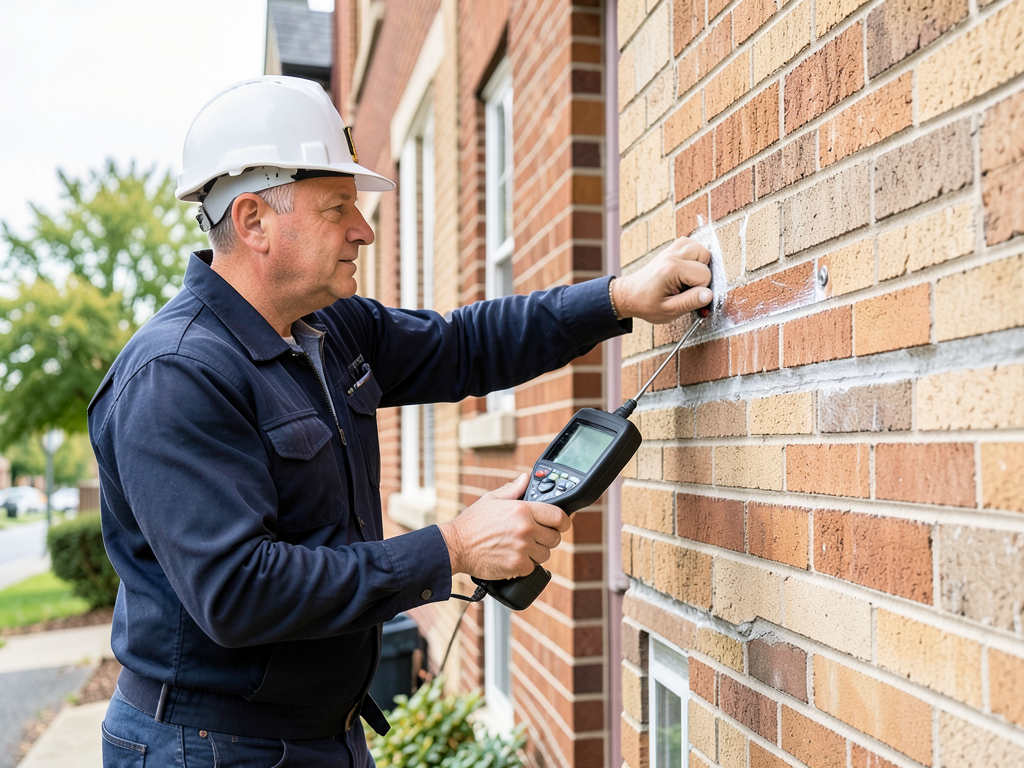
Before applying any treatment, we conduct a detailed roof inspection from ground level and, if safe, from the roof surface. We document existing damage like cracked shingles, worn flashing, or compromised sealant around penetrations. This protects both parties by establishing roof condition before cleaning begins. We identify algae type, moss density, and lichen presence. The inspection takes 20 to 30 minutes and includes gutter assessment and drainage evaluation. You receive a verbal summary of findings and our recommended treatment approach before we begin work.

Results and Visual Improvement

Most roofs show immediate improvement after cleaning, with black streaks and green growth visibly lighter or completely removed. Dead algae continues to wash away naturally over the next one to two rain cycles, revealing progressively cleaner shingles. Heavy staining may require a second treatment for complete removal, though this applies to fewer than 10 percent of jobs. You will notice improved curb appeal immediately and better water shedding during the next rainfall. The roof surface appears more uniform in color, matching the original shingle shade before algae colonization began darkening the northern and shaded slopes.

Maintenance and Prevention Strategies

After cleaning, we recommend annual or biannual inspections to catch new growth before it establishes root systems. We offer maintenance plans that include periodic zinc or copper strip installation along the ridge line. These metals release ions during rainfall that inhibit algae and moss growth. For heavily shaded roofs or homes near water sources, we suggest professional cleaning every two to three years as preventive maintenance. Keeping gutters clear and trimming overhanging branches reduces moisture retention and organic debris accumulation, extending the time between cleanings. We provide written maintenance recommendations specific to your roof's exposure and surrounding environment.

Frequently Asked Questions

You Have Questions,
We Have Answers

Can algae stains be removed? +

Yes, algae stains can be removed from roofs, siding, and concrete in Pittsburgh. Those dark streaks you see are typically Gloeocapsa magma, a cyanobacteria that thrives in our humid climate. Professional soft washing uses specialized low-pressure techniques and biocides to break down algae at the root without damaging shingles or surfaces. DIY pressure washing can force water under shingles or strip granules, shortening roof life. Pittsburgh's frequent rain and shaded areas accelerate algae regrowth, so treatment should include preventative measures to extend clean results.

Can active mold stains be removed? +

Active mold stains require professional remediation, not just surface cleaning. Mold penetrates porous materials like wood, drywall, and roof decking. Surface stain removal does not kill subsurface colonies. Pittsburgh's humidity and older housing stock create ideal mold conditions, particularly in attics and crawl spaces. A certified mold remediation specialist must identify moisture sources, contain spores during removal, and treat affected areas with antimicrobials. Simply scrubbing visible stains leaves the colony alive. Address the water intrusion first, then remediate properly to protect indoor air quality.

What is the best algae mold remover? +

For Pittsburgh roofs and exteriors, sodium hypochlorite blended with surfactants works best for algae removal. This professional-grade solution breaks down algae cell walls without damaging asphalt shingles. Avoid straight bleach or high-pressure methods that strip protective granules. Commercial products marketed for homeowner use often lack sufficient concentration to penetrate algae colonies that thrive in our damp climate. Professional applicators adjust concentrations based on surface type and contamination level. Proper application includes dwell time and low-pressure rinsing to ensure complete removal without substrate damage.

What's the best mold and mildew stain remover? +

Professional-grade biocides containing quaternary ammonium compounds or sodium hypochlorite remove mold and mildew stains most effectively on exterior surfaces. For Pittsburgh homes, the challenge is not just removal but prevention. Our climate causes rapid regrowth. Commercial products like Wet and Forget or 30 Second Cleaner work for light surface mildew but lack penetration for established colonies. Roof cleaning professionals use concentrated formulas that kill spores deep in porous materials. Always test on inconspicuous areas first. Interior mold staining requires different products and often indicates moisture problems needing immediate attention.

Does white vinegar remove algae stains? +

White vinegar removes light algae stains on hard surfaces but proves ineffective on Pittsburgh roofs and porous exteriors. Vinegar's acidity can etch certain materials and lacks the biocidal strength needed for established algae colonies. It works temporarily on smooth surfaces like glass or tile but does not penetrate shingle granules or siding textures where algae roots. Pittsburgh's persistent humidity means algae returns quickly after vinegar treatment. Professional treatments use pH-balanced solutions designed for specific substrates. Vinegar may work for small deck spots but wastes time on large-scale algae problems.

What is the hardest stain to remove from clothes? +

This question falls outside roofing expertise, but the hardest stains typically include rust, oil-based substances, and dried blood. Protein-based stains set permanently in fabric fibers when exposed to heat. For exterior surfaces around Pittsburgh homes, rust stains from oxidized metal and tannin stains from organic debris prove most stubborn. These require specific chemical treatments beyond standard cleaners. Roofing professionals encounter difficult staining from algae, lichen, and moss that penetrate asphalt granules. Each stain type requires targeted removal methods. Generic cleaners fail on embedded contaminants.

Will magic eraser remove mold stains? +

Magic Erasers remove surface mold stains on non-porous materials like tile or painted walls but do not kill mold colonies. These melamine foam scrubbers work through abrasion, not chemical action. They cannot penetrate porous surfaces where mold roots deep. Using them on Pittsburgh exterior surfaces like wood siding or shingles damages protective coatings. Magic Erasers address cosmetic staining only. They do nothing for subsurface mold growth or moisture problems causing contamination. For actual mold remediation, you need antimicrobial treatment and moisture control, not abrasive scrubbing.

Will OxiClean remove mold stains? +

OxiClean removes some surface mold stains on fabrics and non-porous materials but does not kill mold or work well on Pittsburgh exterior surfaces. This oxygen-based cleaner breaks down organic stains through oxidation. It lacks biocidal properties needed to prevent regrowth. On roofs and siding, OxiClean proves too weak for established colonies and can leave residue that attracts dirt. Professional treatments use targeted antimicrobials with proper dwell times. OxiClean might lighten cosmetic staining on decks or concrete but requires repeated applications and does not address underlying mold problems.

Can white vinegar remove mold stains? +

White vinegar removes light surface mold stains on hard materials but does not penetrate deeply or work effectively on Pittsburgh roofs and porous exteriors. Vinegar kills some mold strains on contact but lacks residual protection. It cannot reach mold embedded in wood grain, shingle granules, or grout. The acetic acid may damage certain surfaces with repeated use. Professional antimicrobials offer superior penetration and prevention. Pittsburgh's humidity causes rapid mold return after vinegar treatment. Use vinegar only for minor bathroom tile staining, not structural mold issues or exterior contamination.

Which kills mold better, bleach or vinegar? +

Bleach kills mold faster on non-porous surfaces but vinegar penetrates porous materials better. Neither works optimally for Pittsburgh roof and exterior cleaning. Bleach creates toxic fumes, corrodes metal, and kills surrounding vegetation. It whitens surfaces without killing subsurface colonies. Vinegar works slowly and requires repeated applications. Professional mold remediation uses EPA-registered antimicrobials designed for specific substrates. For roofs, sodium hypochlorite blends with surfactants provide safe, effective treatment. The real answer depends on surface type, contamination severity, and whether you need killing power or penetration.

How Pittsburgh's River Valley Climate Accelerates Roof Algae Growth

Pittsburgh sits at the confluence of three major rivers, creating a bowl-shaped river valley that traps moisture and humidity. This geographic feature means your roof stays damp longer after rain compared to properties in drier regions. The Allegheny Plateau's elevation changes create microclimates where fog settles in valleys and hollows, particularly in neighborhoods like Frick Park and along the Saw Mill Run Valley. These conditions extend the daily dew point window, giving gloeocapsa magma and moss spores the consistent moisture they need to colonize shingle surfaces. Add in our 39 inches of annual rainfall, distributed fairly evenly across all months, and you have year-round conditions favorable to roof fungus growth.

Local building inspectors in Allegheny County increasingly flag algae-damaged roofs during property transfers and insurance inspections. They recognize that organic staining indicates potential moisture retention issues that lead to premature shingle failure. Victory Roofing Pittsburgh works with local insurance adjusters and understands documentation requirements for maintaining coverage. We follow ARMA (Asphalt Roofing Manufacturers Association) soft wash protocols and use biocides approved by the EPA for residential applications. Our familiarity with Pittsburgh's housing stock, from the brick Colonials in Fox Chapel to the Cape Cods in Brookline, means we understand how different roof pitches, orientations, and materials respond to treatment.
Roofing Services in The Pittsburgh Area

We are proud to serve the entire Pittsburgh metropolitan area and surrounding communities. Use the interactive map below to easily locate our office or visualize our extensive service region, which includes every neighborhood from the North Shore to the South Hills. We are locally committed and ready to bring our award-winning, trusted roofing expertise right to your specific location for any inspection, repair, or full installation project. We look forward to meeting you and securing your valuable property!

Address:
Victory Roofing Pittsburgh, 500 Grant St, Pittsburgh, PA, 15219

Additional Services We Offer

Our news updates

Latest Articles & News from The Blogs

Why You Should Repair Your Bellevue Wrap-Around Porch Roof Now Your Bellevue wrap-around porch isn't just a charming architectural feature—it's…

Why You Should Repair Your Bellevue Wrap-Around Porch Roof Now

Why You Should Repair Your Bellevue Wrap-Around Porch Roof Now Your Bellevue wrap-around porch isn't just a charming architectural feature—it's…

Restoring the Historic Beauty of Manchester North Side Roofs

Restoring the Historic Beauty of Manchester North Side Roofs Manchester’s historic North Side is home to some of Pittsburgh’s most…

The Hidden Risks of Shingle Overlays for Whitehall Homeowners

The Hidden Risks of Shingle Overlays for Whitehall Homeowners \n\n Thinking about saving money with a shingle overlay on your…

Contact Us

Black streaks spread fast. Moss roots dig deeper every month. Call Victory Roofing Pittsburgh at (878) 209-5522 to schedule your roof inspection and soft wash cleaning. We serve all of Allegheny County with professional algae removal that protects your shingles and extends roof life.