
menu

Repair vs. Replace Analysis in Pittsburgh – Get the Financial Clarity You Need Before Deciding

Our detailed assessment breaks down the true cost comparison between repair and replacement, giving Pittsburgh homeowners the data-driven insights needed to make the right roof investment decision with confidence.

Slider Image 1
Slider Image 2
Slider Image 3
Slider Image 4
Slider Image 5
Slider Image 7
Slider Image 8
Slider Image 9
Slider Image 10
Slider Image 11

Why Pittsburgh Roofs Present Unique Repair vs. Replace Challenges

Pittsburgh's freeze-thaw cycles put tremendous stress on roofing systems. Water seeps into small cracks during wet periods, then expands when temperatures drop below freezing. This cycle repeats dozens of times each winter, creating hidden structural damage that looks minor from the ground but threatens the entire roof deck.

The rolling terrain and industrial history of neighborhoods like Shadyside, Squirrel Hill, and Mount Washington create microclimates where one home faces harsh wind exposure while another sits sheltered. This means two identical roofs installed the same year can age at dramatically different rates.

Many Pittsburgh homes feature architectural details like dormers, valleys, and complex flashing systems that increase both repair complexity and replacement costs. A roof repair vs replacement cost comparison must account for these architectural factors unique to your specific home.

The region's high humidity during summer months accelerates algae and moss growth on north-facing slopes, particularly in tree-covered areas near Frick Park or Schenley Park. What starts as cosmetic staining can become biological deterioration that compromises shingle integrity.

A proper fix vs replace roof evaluation requires understanding how Pittsburgh's climate has impacted your specific roofing system over time. Generic national guidelines fail because they ignore the localized weather patterns that define the Steel City. You need an assessment method that accounts for thermal cycling, moisture intrusion patterns, and the structural load capacity requirements specific to Pennsylvania building environments.

The decision between restoration and replacement becomes even more complex when dealing with older homes in historic districts where architectural consistency matters alongside functional performance.

Why Pittsburgh Roofs Present Unique Repair vs. Replace Challenges
Our Data-Driven Roof Assessment Methodology

Our Data-Driven Roof Assessment Methodology

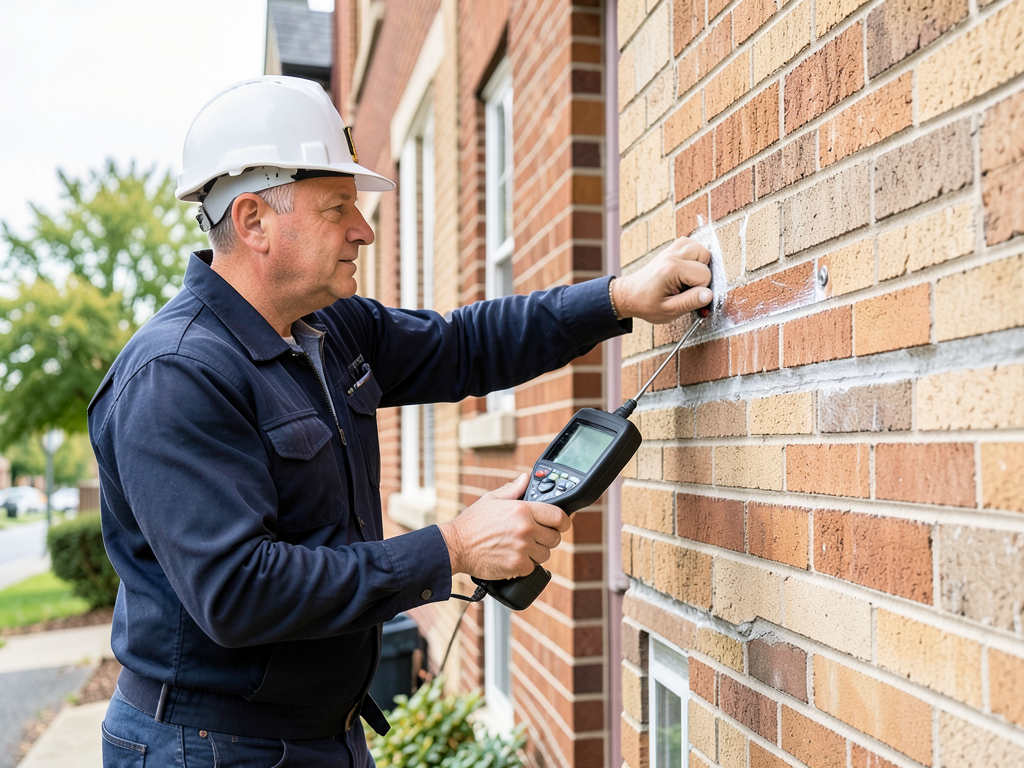
Victory Roofing Pittsburgh uses a systematic roof restoration vs replacement analysis that eliminates guesswork. We start with thermal imaging to identify moisture intrusion invisible to the naked eye. Trapped moisture in the roof deck or insulation changes the surface temperature signature, revealing problems before they cause visible interior damage.

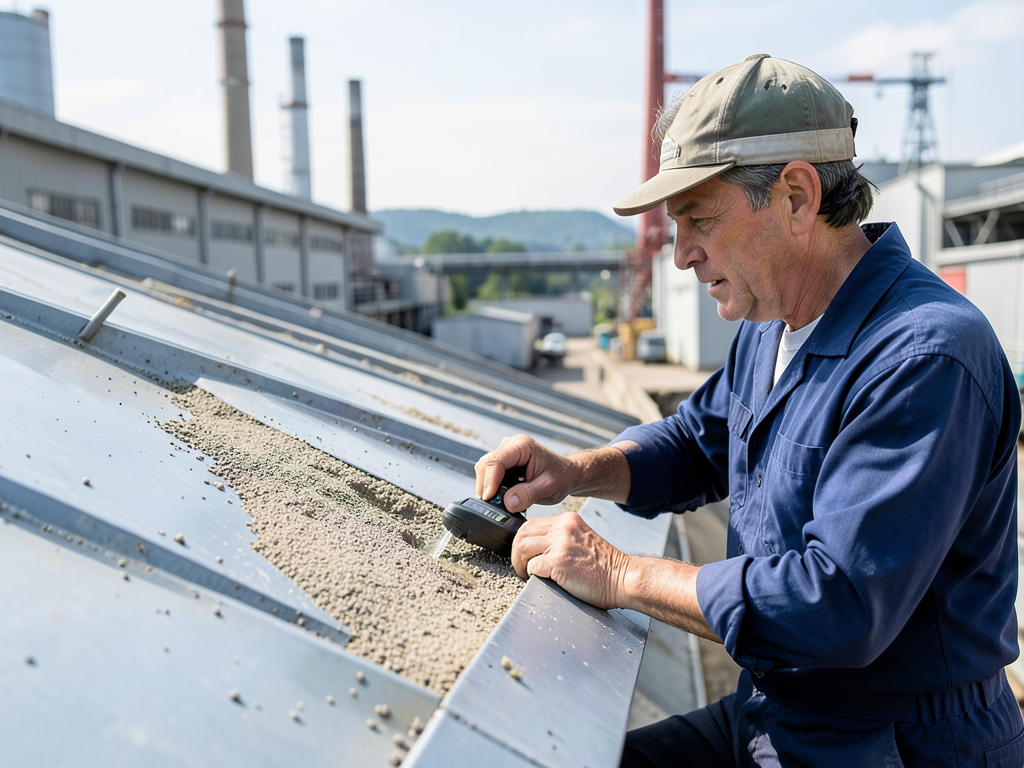
We perform a granule loss assessment by measuring the remaining protective coating on asphalt shingles. Shingles lose granules gradually, but once they reach 30 percent loss, UV degradation accelerates rapidly. We measure this precisely rather than relying on visual estimates that vary by inspector.

Our structural deck inspection includes moisture meter readings at multiple penetration points. Wood decking with moisture content above 19 percent indicates active leaks or condensation issues that repair alone cannot solve. We document these readings with photographic evidence tagged to specific roof zones.

Flashing integrity receives detailed attention because failed flashing causes 90 percent of roof leaks in Pittsburgh homes. We inspect every chimney, skylight, valley, and wall intersection with a standardized checklist. Small flashing failures can be repaired cost-effectively if caught early, but widespread deterioration signals systemic problems requiring full replacement.

We calculate remaining service life using manufacturer specifications adjusted for Pittsburgh weather exposure. A 25-year shingle installed 15 years ago might have three years or eight years remaining depending on slope orientation, ventilation quality, and maintenance history. This calculation determines whether repair extends life meaningfully or simply delays inevitable replacement.

Our reroof vs repair assessment includes a cost-per-year analysis. If replacement costs 12,000 dollars and provides 25 years of service, that equals 480 dollars annually. If repairs cost 3,000 dollars but only extend life three years, that equals 1,000 dollars annually, making replacement the smarter investment.

What Happens During Your Roof Decision Analysis

Repair vs. Replace Analysis in Pittsburgh – Get the Financial Clarity You Need Before Deciding
01

Comprehensive Roof Inspection

We examine every component of your roofing system from ridge cap to drip edge. Our inspectors photograph damage zones, measure remaining shingle thickness, check ventilation adequacy, and test flashing seal integrity. You receive a detailed condition report with annotated photos showing exactly what we found and where problems exist on your specific roof structure.
02

Cost Comparison Analysis

We prepare side-by-side cost projections for repair and replacement scenarios. The repair estimate includes all necessary work to restore weatherproofing and extend service life. The replacement estimate covers complete tear-off, new underlayment, shingles, and flashing. Both estimates include labor, materials, disposal, and permit costs so you compare total project investments accurately without hidden surprises.
03

Decision Consultation Meeting

We review inspection findings and cost analysis together, answering your questions about timeline, disruption, financing options, and long-term value. You receive our professional recommendation based on structural condition, remaining service life projections, and cost-per-year calculations. We explain the reasoning behind our recommendation so you understand the factors driving the repair or replace decision for your situation.

Why Pittsburgh Homeowners Trust Our Roof Evaluations

Victory Roofing Pittsburgh has evaluated thousands of roofs across Allegheny County. We understand how different neighborhoods weather differently based on elevation, tree cover, and proximity to the rivers. A roof in the South Hills faces different moisture challenges than one in the North Shore, and our assessment methods account for these microclimate variations.

We know Pennsylvania building codes and local permit requirements. Our recommendations factor in structural load limits, ventilation standards, and fire ratings required for Pittsburgh residential construction. This local code knowledge prevents surprise compliance costs during project execution.

Many homeowners receive conflicting opinions from different contractors. Some push unnecessary replacement to maximize profit. Others recommend cheap repairs that fail within months. We built our reputation on honest assessments that prioritize your financial interests over our project revenue.

Our roof repair or replace decision guide has helped Pittsburgh families avoid premature replacement when targeted repairs would suffice. We have also helped homeowners avoid throwing money at repairs when the underlying structure had reached end of life. This balanced approach builds trust because our recommendations prove accurate over time.

We document everything with photos, measurements, and written explanations. You receive a comprehensive report you can review with family members or use to compare against other estimates. This transparency eliminates the confusion and pressure tactics common in roofing sales.

Our assessment process costs nothing. We invest the time because educated customers make better decisions and become long-term clients. Whether you need repair now and replacement later, or immediate replacement makes financial sense, you will know why we recommend what we recommend.

Pittsburgh homeowners return to us for future work because our initial assessments proved accurate and our project execution met expectations.

What Your Roof Analysis Includes

Scheduling and Timeline

We schedule your comprehensive inspection within 48 hours of your call. The inspection takes 60 to 90 minutes depending on roof size and complexity. We deliver your written assessment with photos and cost comparisons within 24 hours of completing the inspection. You will have all information needed to make a decision quickly, but you control the timeline with zero pressure to commit immediately. Many homeowners take a week or more to review options with family members or compare against other estimates before moving forward.

Inspection Process Details

Our inspector walks the entire roof surface using proper safety equipment. We check attic ventilation, examine roof decking from below if attic access allows, and inspect all penetrations including chimneys, vents, and skylights. We test flashing adhesion, measure shingle brittleness, document granule loss patterns, and photograph every area of concern. You receive an annotated diagram showing damage locations so you understand exactly where problems exist and how widespread deterioration has become across your roof system.

The Assessment Report

Your written report includes current condition ratings for all roof components, remaining service life estimates based on observed wear patterns, detailed repair scope if repair is viable, complete replacement scope if replacement is recommended, and side-by-side cost comparison with cost-per-year calculations. We highlight the factors that most influence our recommendation so you understand the reasoning. The report uses clear language without industry jargon that confuses rather than informs. You will know what needs doing and why it needs doing.

Follow-Up Support

After delivering your assessment, we remain available to answer questions as they arise. Many homeowners think of additional concerns after reviewing the report. We encourage follow-up calls or emails to clarify details. If you choose to proceed with recommended work, we provide a detailed project timeline and assign a dedicated project manager who coordinates all aspects from permit application through final inspection. If you decide to delay work, we maintain your assessment file and check back periodically to help you time the project optimally.

Frequently Asked Questions

You Have Questions,
We Have Answers

What is the difference between replace and repair? +

Repair means fixing a damaged component to restore function without replacing the entire system. Replace means removing the old system and installing a new one. For Pittsburgh roofs, repair works for isolated damage like missing shingles after a storm or small leaks around flashing. Replace makes sense when you face widespread wear, multiple leak points, or a roof nearing 20 years old. Pittsburgh's freeze-thaw cycles accelerate aging, so a roof with scattered damage today may need full replacement within two years. A professional inspection reveals whether patching buys you time or wastes money on a failing system.

How do you determine if you should repair or replace a machine? +

Evaluate age, cost, and remaining lifespan. If repair costs exceed 50 percent of replacement cost, replace the system. Check the age against expected lifespan. A 15-year-old roof in Pittsburgh with major hail damage is closer to replacement than repair. Consider frequency of breakdowns. Repeated repairs signal systemic failure. Factor in energy efficiency gains. New roofing materials offer better insulation against Pittsburgh winters, lowering heating bills. A qualified roofer should assess structural integrity, not just surface damage. Small fixes make sense for newer systems with isolated problems. Full replacement pays off for aging systems with compounding issues.

What are the 4 types of repair in communication? +

This question applies to linguistics and conversation analysis, not roofing or building systems. The four types of repair in communication are self-initiated self-repair, other-initiated self-repair, self-initiated other-repair, and other-initiated other-repair. These describe how speakers correct misunderstandings during conversation. For Pittsburgh homeowners researching roof repair versus replacement, focus on structural repair strategies instead. Roof repair addresses localized damage like torn shingles or damaged flashing. You need a diagnostic inspection to determine if communication about your roofing needs involves repair work or full system replacement.

What is the 30 60 90 rule for car maintenance? +

The 30-60-90 rule applies to vehicle maintenance intervals, not roofing. It refers to inspecting transmission fluid, power steering fluid, and brake fluid at 30,000, 60,000, and 90,000 miles. For Pittsburgh roofs, follow a different schedule. Inspect your roof twice yearly, in spring and fall, to catch damage from winter ice dams and summer storms. Check after severe weather events. Clean gutters seasonally to prevent water backup. Pittsburgh's temperature swings and precipitation make proactive inspection critical. Catching small problems early prevents expensive emergency repairs. A maintenance schedule extends roof life and helps you plan for eventual replacement.

Why is it better to repair than replace? +

Repair costs less upfront and preserves a functional system when damage is minor and localized. For Pittsburgh homes, repairing storm-damaged sections makes financial sense if the roof is under 10 years old and structurally sound. Repair also avoids the disruption of full replacement. However, repair is not always better. Patching an aging roof with widespread wear throws money at a failing system. You pay repeatedly for temporary fixes while energy efficiency suffers. The better choice depends on your roof's age, extent of damage, and remaining serviceable life. A thorough inspection reveals whether repair or replacement delivers better long-term value.

Why do southern people say fixing? +

The phrase fixing to means preparing to or about to in Southern dialects. It reflects regional speech patterns, not roofing terminology. Southerners say I'm fixing to go to the store the way others say I'm about to leave. This usage has no connection to repair versus replacement decisions for Pittsburgh roofing systems. In the roofing industry, fixing means repairing, not preparing for action. When evaluating your Pittsburgh roof, focus on whether fixing damaged areas addresses the root problem or whether full replacement is necessary. Regional language differences do not change the technical analysis required for sound roofing decisions.

What are the 3 C's of auto repair? +

The three Cs of auto repair are concern, cause, and correction. This framework applies to diagnosing vehicle problems. Concern identifies the symptom. Cause pinpoints the underlying issue. Correction outlines the fix. This diagnostic approach translates to roofing decisions. Your concern might be a water stain on the ceiling. The cause could be damaged flashing or worn shingles. Correction involves repair or replacement depending on severity. For Pittsburgh roofs facing weather-related damage, a qualified roofer follows similar logic. They assess visible symptoms, investigate underlying structural issues, and recommend targeted repairs or full replacement based on findings.

What are the 4 types of maintenance strategies? +

The four maintenance strategies are reactive, preventive, predictive, and reliability-centered. Reactive maintenance fixes problems after failure. Preventive maintenance follows a schedule regardless of condition. Predictive maintenance uses data to anticipate failures. Reliability-centered maintenance focuses resources on critical systems. For Pittsburgh roofs, preventive maintenance works best. Schedule biannual inspections and gutter cleaning to catch minor issues before they escalate. Address small repairs promptly to avoid emergency situations. This approach extends roof life and helps you budget for eventual replacement. Waiting for failure, the reactive approach, leads to expensive emergency repairs and potential interior damage.

Can I demand a replacement rather than repair? +

Consumer protection laws vary by situation and location. For warranties, manufacturers define repair versus replacement thresholds. Pennsylvania law requires reasonable repair attempts before replacement in some consumer transactions. For roofing, insurance policies dictate coverage terms. If storm damage is extensive, insurers may authorize full replacement instead of repeated repairs. You cannot demand replacement for minor, repairable damage. Document all issues and repair attempts. If a contractor recommends replacement, get a detailed assessment explaining why repair is inadequate. For Pittsburgh homeowners, understanding your insurance policy and contractor recommendations determines whether replacement is justified or required.

What are 5 examples of repair? +

Five roofing repair examples include replacing missing or damaged shingles, resealing flashing around chimneys and vents, fixing small punctures in flat roofing membranes, replacing damaged underlayment in isolated sections, and repairing sagging decking before it fails. Pittsburgh roofs commonly need flashing repairs after freeze-thaw cycles compromise seals. Storm damage often requires shingle replacement in exposed areas. Small leaks around penetrations need immediate attention to prevent interior water damage. These targeted repairs extend roof life when the overall system remains sound. A qualified inspector identifies which repairs address current problems and which indicate approaching replacement needs.

How Pittsburgh Weather Patterns Impact Repair vs. Replace Decisions

Pittsburgh receives 38 inches of precipitation annually, distributed fairly evenly across all seasons. This consistent moisture exposure means roofs never fully dry out between weather events. Trapped moisture accelerates organic growth and wood rot in ways that affect repair viability. A roof in Phoenix might handle deferred maintenance for years because the dry climate limits deterioration. Pittsburgh roofs deteriorate faster once water penetration begins, making early intervention critical. The temperature swings between January lows around 20 degrees and July highs near 85 degrees create expansion and contraction cycles that stress fasteners and sealants. These freeze-thaw cycles make repair longevity harder to predict compared to more stable climates.

Victory Roofing Pittsburgh has worked in every neighborhood from the historic homes of Shadyside to the newer construction in Cranberry Township. We understand how roof orientation affects wear patterns on the hilly terrain that defines the region. We know which local suppliers stock materials fast and which building inspectors require specific documentation. This familiarity with Pittsburgh building practices means faster permit approval and fewer project delays. Our crews understand how to work safely on steep-slope roofs common in older neighborhoods and how to protect landscaping during material staging. Local expertise translates to smoother projects with fewer surprises.
Roofing Services in The Pittsburgh Area

We are proud to serve the entire Pittsburgh metropolitan area and surrounding communities. Use the interactive map below to easily locate our office or visualize our extensive service region, which includes every neighborhood from the North Shore to the South Hills. We are locally committed and ready to bring our award-winning, trusted roofing expertise right to your specific location for any inspection, repair, or full installation project. We look forward to meeting you and securing your valuable property!

Address:
Victory Roofing Pittsburgh, 500 Grant St, Pittsburgh, PA, 15219

Additional Services We Offer

Our news updates

Latest Articles & News from The Blogs

Why You Should Repair Your Bellevue Wrap-Around Porch Roof Now Your Bellevue wrap-around porch isn't just a charming architectural feature—it's…

Why You Should Repair Your Bellevue Wrap-Around Porch Roof Now

Why You Should Repair Your Bellevue Wrap-Around Porch Roof Now Your Bellevue wrap-around porch isn't just a charming architectural feature—it's…

Restoring the Historic Beauty of Manchester North Side Roofs

Restoring the Historic Beauty of Manchester North Side Roofs Manchester’s historic North Side is home to some of Pittsburgh’s most…

The Hidden Risks of Shingle Overlays for Whitehall Homeowners

The Hidden Risks of Shingle Overlays for Whitehall Homeowners \n\n Thinking about saving money with a shingle overlay on your…

Contact Us

Stop guessing about repair or replacement. Call Victory Roofing Pittsburgh at (878) 209-5522 to schedule your comprehensive assessment. You will receive a detailed report with photos, cost comparisons, and honest recommendations within 24 hours of inspection. No pressure, just clarity.